
Nutrition comparison
Heavy Cream vs Ghee: Which Fat Is Better for Cooking, Digestion, and Daily Use?
Compare heavy cream and ghee on digestibility, cooking performance, shelf life, and nutrition. Find out which fat suits your diet, kitchen, and health goals.
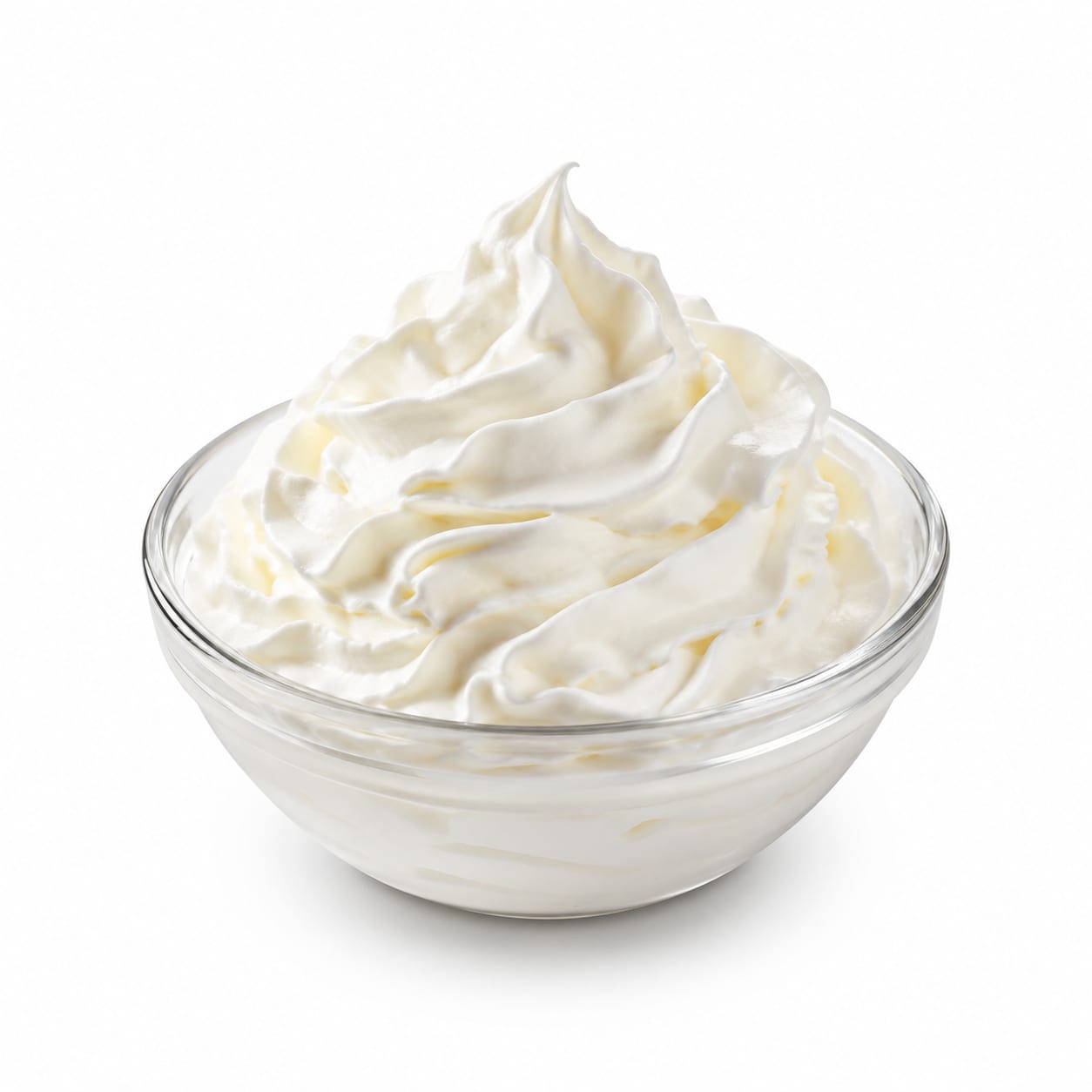
Heavy Cream
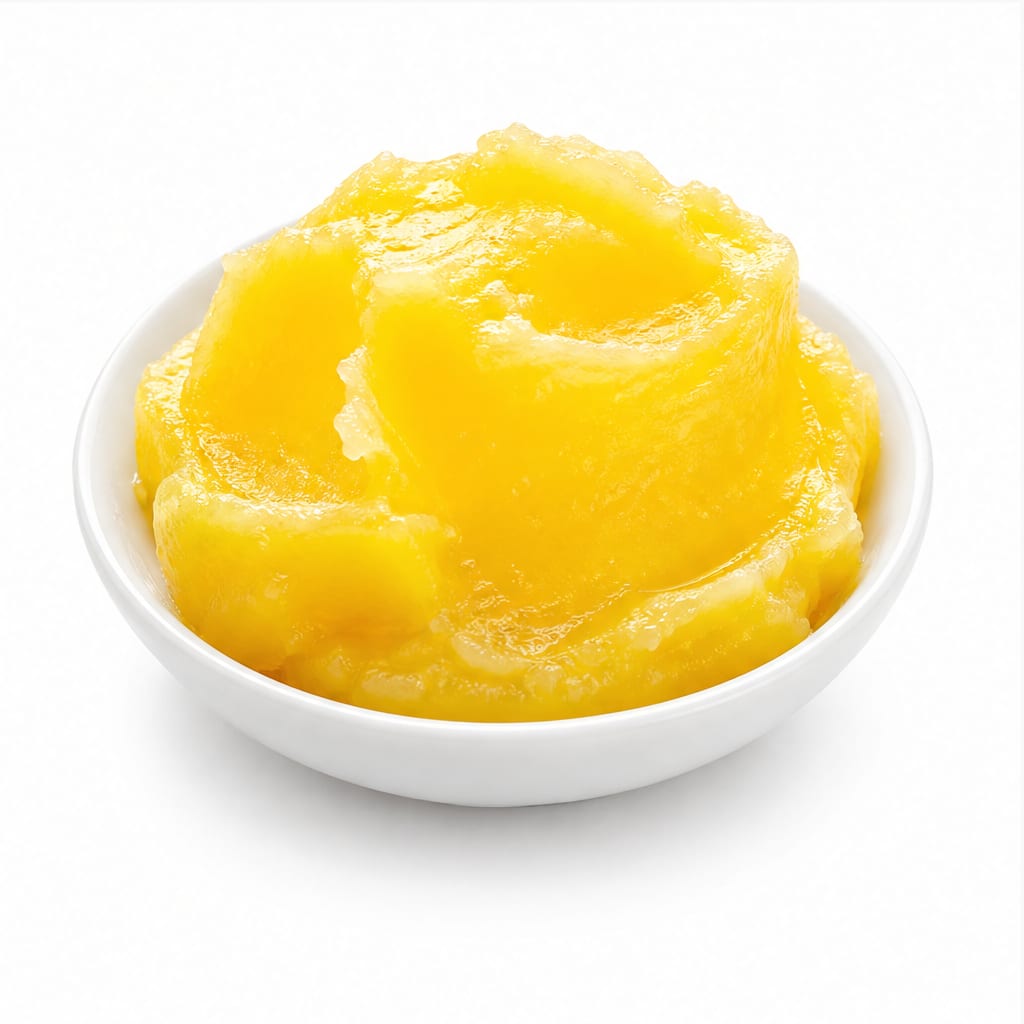
Ghee
Ghee wins for cooking, digestibility, and shelf life. Heavy cream wins for recipes needing liquid fat and a creamier mouthfeel. Neither is a health food.
Ghee scores higher due to better digestibility, higher smoke point, shelf stability, and butyrate content. Heavy cream loses ground on spoilage risk, lactose content, and limited cooking versatility. Both are penalized for high saturated fat.
Ghee gives you high-heat stability and dairy-free digestion but sacrifices the liquid richness and recipe versatility of heavy cream.
At a glance
Executive summary
Overall
It depends
Healthier
It depends
More practical
Ghee
Daily use
Ghee
Key comparison lenses
Dairy sensitivity and digestibility
Ghee is virtually lactose and casein free, making it a clear choice for dairy-sensitive people, while heavy cream retains both
Cooking application suitability
These fats serve very different culinary roles — ghee for high-heat cooking, heavy cream for sauces, soups, and desserts
Saturated fat and heart health concerns
Both are high in saturated fat, so users often wonder which is the safer choice for long-term cardiovascular health
Shelf stability and convenience
Ghee is shelf-stable for months while heavy cream spoils within days, a major practical difference
Anti-inflammatory and gut health potential
Ghee contains butyrate which supports gut lining integrity, while heavy cream lacks this concentrated benefit
Best choice for
Heavy Cream
- Making creamy soups and sauces
- Whipping into desserts
- Enriching coffee as a liquid fat
- Baking recipes requiring moisture and fat together
Ghee
- High-heat sautéing and frying
- People with lactose intolerance or casein sensitivity
- Travel, camping, or off-grid cooking
- Those wanting a concentrated fat-soluble vitamin source
Least suitable for
Heavy Cream
- Lactose-intolerant individuals
- High-heat cooking above 350°F
- Long-term storage without refrigeration
- Anyone strictly limiting saturated fat
Ghee
- Recipes requiring liquid dairy fat
- Whipping or creating airy textures
- Those avoiding all concentrated saturated fat sources
- Budget-conscious shoppers (ghee is typically more expensive)
Deep comparison
Dimension by dimension
Each lens scores both foods and breaks down who each option suits.
- Dimension 1 · Priority 95Ghee
Digestive Tolerance
Heavy Cream · 35Ghee · 92Ghee is almost entirely free of lactose and casein, while heavy cream contains both and triggers symptoms in sensitive individuals.
Tradeoff
You give up the creamy dairy flavor but gain freedom from bloating, gas, and digestive discomfort if you are lactose-sensitive.
Why it matters
Roughly 65% of the global population has some degree of lactose malabsorption, making this a decisive factor for most people.
Real-world impact
Switching from heavy cream to ghee in coffee or cooking can eliminate post-meal bloating for dairy-sensitive people within days.
Heavy Cream
- People with no dairy sensitivity who enjoy the mouthfeel
Better for
- Causes bloating and gas in lactose-sensitive people
- Can trigger skin breakouts in dairy-sensitive individuals
Worse for
Ghee
- Lactose-intolerant individuals
- People with casein allergies
- Those with irritable bowel syndrome triggered by dairy
Better for
- Lacks the comforting creamy texture some people crave
Worse for
- Dimension 2 · Priority 90Ghee
Cooking Versatility and Heat Stability
Heavy Cream · 45Ghee · 85Ghee has a smoke point around 485°F, making it excellent for frying and roasting. Heavy cream burns and separates above 350°F.
Tradeoff
Ghee handles high heat beautifully but cannot provide the liquid, emulsifying properties that make heavy cream essential for pan sauces and soups.
Why it matters
Using the wrong fat for high-heat cooking creates oxidized compounds and off-flavors that make food both less tasty and less healthy.
Real-world impact
Searing a steak in ghee gives a clean, nutty crust. Doing the same in heavy cream creates a scorched, separated mess.
Heavy Cream
- Cream-based pasta sauces
- Soup finishing
- Dessert recipes needing fat and liquid
- Making whipped toppings
Better for
- Cannot be used for high-heat frying
- Separates when overheated
Worse for
Ghee
- Stir-frying and sautéing
- Roasting vegetables at high heat
- Searing meats
- Egg cooking where you want a non-stick effect
Better for
- Cannot whip or create creamy liquid textures
- Not a direct substitute in most baking recipes calling for cream
Worse for
- Dimension 3 · Priority 75Ghee
Shelf Life and Storage Convenience
Heavy Cream · 25Ghee · 95Ghee lasts months at room temperature. Heavy cream spoils within a week of opening, even refrigerated.
Tradeoff
Ghee demands a higher upfront cost but eliminates food waste from spoiled dairy. Heavy cream requires constant refrigeration and careful timing.
Why it matters
Food waste from spoiled dairy is one of the most common kitchen frustrations and hidden costs.
Real-world impact
An opened jar of ghee sits happily on your counter for three months. Heavy cream left out for two hours is risky.
Heavy Cream
- Recipes where you are already using refrigerated dairy
Better for
- Short shelf life leads to frequent waste
- Requires constant refrigeration
- Cannot travel with it easily
Worse for
Ghee
- Minimalist kitchens with limited fridge space
- Camping, travel, and emergency preparedness
- People who cook infrequently and hate waste
- Bulk buying to save money over time
Better for
- Higher initial purchase price per jar
Worse for
- Dimension 4 · Priority 70Ghee
Anti-Inflammatory and Gut Health Potential
Heavy Cream · 30Ghee · 68Ghee contains butyrate, a short-chain fatty acid that nourishes gut lining cells. Heavy cream lacks this concentrated benefit.
Tradeoff
Ghee offers a modest gut-health edge, but both are still high in saturated fat which can be inflammatory in excess for some people.
Why it matters
Gut lining integrity affects everything from nutrient absorption to immune function to mood regulation.
Real-world impact
People with leaky gut concerns often report better tolerance when switching from cream to ghee in their daily routine.
Heavy Cream
- Provides some vitamin A and D in a bioavailable form
Better for
- Dairy proteins can trigger inflammatory responses
- No concentrated butyrate content
Worse for
Ghee
- Butyrate supports intestinal cell repair
- Absence of inflammatory dairy proteins
- Contains conjugated linoleic acid in small amounts
Better for
- Still a concentrated saturated fat source
- Benefits are modest, not therapeutic on their own
Worse for
- Dimension 5 · Priority 65Ghee
Nutrient Density and Vitamin Profile
Heavy Cream · 48Ghee · 70Ghee concentrates fat-soluble vitamins A, D, E, and K2 since water and milk solids are removed. Heavy cream dilutes these across more water content.
Tradeoff
Ghee gives you more vitamins per tablespoon but zero protein or calcium. Heavy cream offers trace protein and calcium alongside its fat.
Why it matters
Fat-soluble vitamins require dietary fat for absorption, and ghee delivers them already packaged with the fat they need.
Real-world impact
A tablespoon of ghee with your vegetables helps you absorb more nutrients from the meal than the same amount of heavy cream would.
Heavy Cream
- Contains small amounts of calcium
- Retains trace B vitamins from dairy
- Has some protein content, however minimal
Better for
- Nutrients are diluted by water content
- Lower vitamin concentration per calorie
Worse for
Ghee
- Higher concentration of vitamin A per serving
- Contains vitamin K2, important for bone and heart health
- More vitamin E, a fat-soluble antioxidant
Better for
- Zero protein or calcium
- No water-soluble vitamins at all
Worse for
- Dimension 6 · Priority 60It depends
Calorie Density and Portion Control
Heavy Cream · 50Ghee · 40Both are calorie-dense, but ghee is purely fat at roughly 120 calories per tablespoon while heavy cream is about 50 calories per tablespoon due to water content.
Tradeoff
Heavy cream is easier to portion-control because it is less calorically concentrated. Ghee makes it very easy to overconsume calories quickly.
Why it matters
Calorie density is one of the strongest predictors of unintentional overeating and weight gain.
Real-world impact
Pouring heavy cream in coffee adds 50-100 calories. Cooking with ghee can silently add 200+ calories to a single meal.
Heavy Cream
- Lower calorie density per tablespoon
- Easier to pour and visually measure
- More forgiving if you accidentally over-pour
Better for
- Still easy to overconsume in coffee or recipes
- Contains trace carbs that add up in large amounts
Worse for
Ghee
- No carbs whatsoever, fits strict ketogenic diets
Better for
- Extremely calorie-dense per small serving
- Easy to underestimate how much you are using
Worse for
Timeline
Health impact over time
Short-term
Hours to days
Heavy Cream
- Quick satiety from fat content but may feel heavy in the stomach
- Can trigger bloating or gas in lactose-sensitive people within 30 minutes
- Adds richness and fullness to meals that may reduce subsequent snacking
Ghee
- Clean energy source without digestive discomfort for most people
- May feel lighter in the stomach despite being pure fat
- Can contribute to steady energy without blood sugar spikes
Long-term
Months to years
Heavy Cream
- Regular high saturated fat intake may raise LDL cholesterol over time
- Persistent dairy protein exposure can worsen low-grade inflammation in sensitive individuals
- Frequent use in coffee or recipes adds significant daily calories that can contribute to weight gain
Ghee
- Butyrate intake may support long-term gut barrier integrity
- High saturated fat intake still raises cardiovascular concerns if consumed in excess
- Absence of dairy proteins eliminates one common source of chronic low-grade inflammation
Risk profile
Safety & processing
Both are minimally processed traditional fats. Heavy cream is simply the fat skimmed from milk. Ghee is butter with water and milk solids removed through gentle heating. Neither typically contains additives, though some commercial heavy creams include stabilizers like carrageenan or mono/diglycerides.
Heavy Cream
Spoilage and bacterial growth
mediumHeavy cream is highly perishable and can harbor harmful bacteria like Listeria if left unrefrigerated or consumed past its expiration date.
Carrageenan and stabilizers in some brands
lowSome commercial heavy creams contain carrageenan or emulsifiers which may irritate the gut lining in sensitive individuals.
Dairy antibiotic and hormone residues
lowConventional heavy cream may contain trace antibiotic and hormone residues from dairy farming practices. Organic options reduce this concern.
Ghee
Oxidized cholesterol in low-quality ghee
lowPoorly made or overheated ghee can contain oxidized cholesterol compounds. High-quality ghee made at moderate temperatures minimizes this risk.
Adulteration in some commercial ghee
mediumSome commercially produced ghee, especially imported varieties, has been found to be adulterated with vegetable oils or animal fats. Buy from trusted sources.
Dietary saturated fat overload
mediumBecause ghee is pure fat with a pleasant flavor, it is easy to consume large amounts quickly, pushing saturated fat intake well beyond recommended limits.
Who wins for whom
Audience fit
Same foods, different winners depending on your goal.
children
Heavy CreamGrowing children benefit from the calcium, protein, and calorie diversity in heavy cream. Ghee is safe but offers less nutritional variety for developing bodies.
daily consumption
GheeGhee's shelf stability, digestive tolerance, and cooking versatility make it more practical for daily use. Heavy cream spoils quickly and is limited to specific recipe applications.
diabetes
GheeGhee has zero carbs and will not spike blood sugar at all. Heavy cream has trace lactose which is minimal but present, and some flavored cream products add sugar.
elderly
GheeOlder adults often develop lactose intolerance and have more fragile digestive systems. Ghee is gentler and provides concentrated fat-soluble vitamins important for bone health.
muscle gain
It dependsNeither is particularly useful for muscle gain. Heavy cream has trace protein but not enough to matter. Both add calories that can support a caloric surplus.
weight loss
Heavy CreamHeavy cream has fewer calories per tablespoon due to water content, making it slightly easier to control portions. Both should be used sparingly during weight loss.
Your move
Decision guide
Choose Heavy Cream
- You are making cream-based soups, sauces, or desserts that require liquid fat
- You have no dairy sensitivity and want a richer, creamier mouthfeel in coffee or recipes
- You need a fat that also adds moisture to baked goods
- You want a lower calorie-per-tablespoon option for portion control
Choose Ghee
- You are lactose intolerant or sensitive to dairy proteins
- You cook at high heat regularly and need a stable cooking fat
- You want a shelf-stable fat that does not require refrigeration
- You are following a strict ketogenic or very low-carb diet
- You want concentrated fat-soluble vitamins without dairy proteins
Either works if
- You are simply looking to add richness to a meal and have no digestive concerns
- You are using small amounts as a flavor enhancer rather than a primary calorie source
- You tolerate dairy well and rotate between different cooking fats
Avoid both if
- You have been advised to strictly limit saturated fat for cardiovascular health
- You are trying to reduce overall calorie density in your diet
- You have a history of high LDL cholesterol and are working to lower it
Final recommendation
Keep both in your kitchen but use them for different purposes. Reach for ghee when cooking at high heat or if dairy bothers your stomach. Use heavy cream when a recipe specifically needs its liquid richness and emulsifying properties. If you must choose only one, ghee is the more versatile and forgiving daily staple.
Practical
Consumer tips
- 1
Check heavy cream labels for carrageenan or added stabilizers — brands with just cream are cleaner
- 2
Buy grass-fed ghee when possible for higher vitamin K2 and conjugated linoleic acid content
- 3
Make your own ghee by slowly simmering unsalted butter until the milk solids brown and sink — it is cheaper and tastes fresher
- 4
Freeze heavy cream in ice cube trays if you only use small amounts — this prevents waste
- 5
A single tablespoon of ghee in a pan is usually enough for most sautéing — you rarely need more
- 6
If heavy cream smells even slightly sour, discard it immediately — spoiled dairy is not worth the risk
- 7
Store ghee in a cool, dark cabinet away from direct sunlight to maximize shelf life