
Nutrition comparison
Heavy Cream vs Butter: Which is Healthier for Keto and Cooking?
Compare heavy cream and butter on calories, carbs, keto suitability, and cooking uses. Find out which dairy fat is better for your diet and recipes.
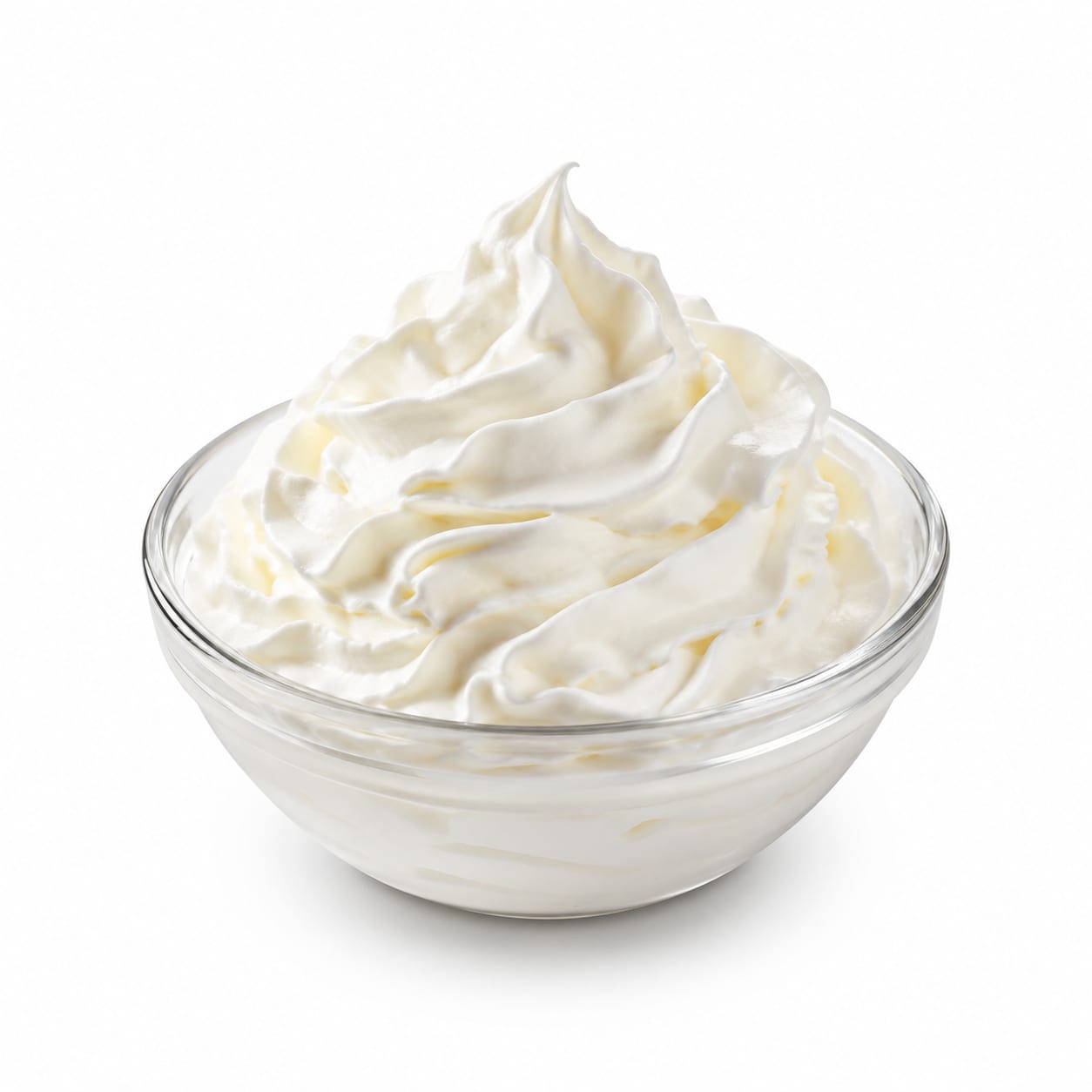
Heavy Cream
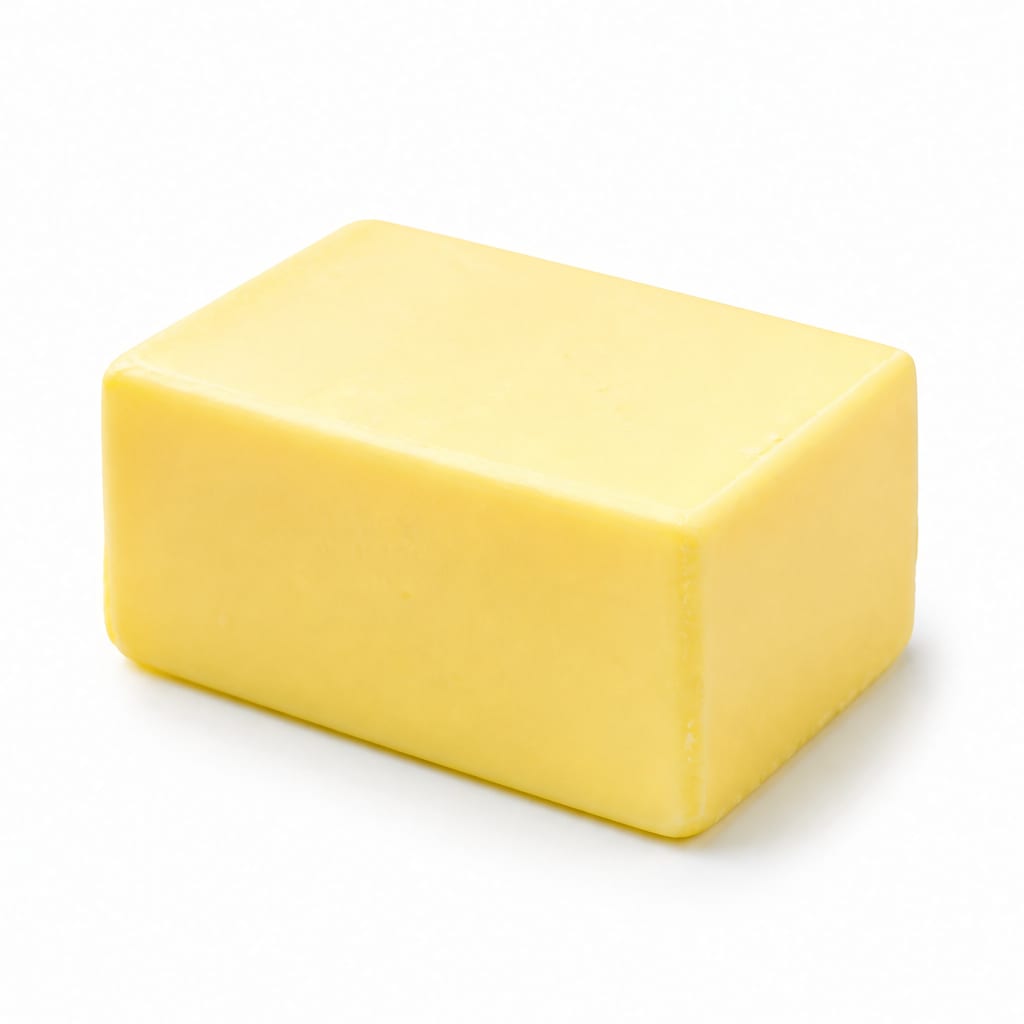
Butter
Heavy cream adds liquid richness with fewer calories per tablespoon, while butter delivers concentrated fat and flavor for cooking and baking with virtually zero carbs.
Heavy cream scores slightly higher for portion flexibility and culinary versatility in liquids, while butter takes the lead for strict keto compliance and cooking structure. Neither is a health food, but both have specific utility.
Volumetric versatility and lighter calorie density per serving versus pure fat concentration and stricter carb-free compliance.
At a glance
Executive summary
Overall
It depends
Healthier
It depends
More practical
It depends
Daily use
It depends
Key comparison lenses
keto and low-carb suitability
Both are popular fat sources for ketogenic diets, but their trace carb content differs significantly
cooking and baking utility
They serve completely different culinary roles—liquid richness versus solid fat structure
calorie density and portion control
Users often underestimate how quickly calories add up with concentrated dairy fats
dairy sensitivity tolerance
Lactose and casein content varies between the two, impacting digestion for sensitive individuals
Best choice for
Heavy Cream
- Coffee drinkers wanting richness without doubling their calorie count
- Home chefs making soups, sauces, or custards
- Those who prefer volumetric eating and larger portions
Butter
- Strict keto dieters tracking every gram of carbohydrates
- Bakers needing solid fat for texture and flakiness
- People with mild lactose intolerance who need lower lactose options
Least suitable for
Heavy Cream
- Strict zero-carb dieters who consume high volumes of fat
- Highly lactose-intolerant individuals
- Those who easily over-pour liquid calories
Butter
- Low-fat or calorie-restricted diets
- Recipes requiring liquid dairy bases
- People prone to overeating high-salt butter on bread or crackers
Deep comparison
Dimension by dimension
Each lens scores both foods and breaks down who each option suits.
- Dimension 1 · Priority 90Heavy Cream
Calorie Density & Portion Control
Heavy Cream · 75Butter · 55Heavy cream has about 50 calories per tablespoon compared to butter's 100 calories, making it easier to portion lightly.
Tradeoff
You can use twice the volume of heavy cream for the same calories as butter, but butter's solid form makes it easier to measure exactly.
Why it matters
Liquid fats are notoriously easy to over-pour, but butter's extreme calorie density means even small miscalculations add up fast.
Real-world impact
Splashing heavy cream into your coffee feels lighter and costs half the calories of stirring in a pat of butter.
Heavy Cream
- Controlling calories in beverages
- Adding richness without extreme calorie spikes
Better for
- Mindless pouring leading to calorie surplus
Worse for
Butter
- Precise macro tracking for keto
- Pre-measured portioning using wrapper lines
Better for
- Underestimating how quickly butter calories stack up on toast
Worse for
- Dimension 2 · Priority 88Butter
Carbohydrate & Keto Suitability
Heavy Cream · 60Butter · 95Butter is virtually carb-free, while heavy cream contains trace carbohydrates that can add up if used generously.
Tradeoff
Heavy cream's trace carbs are usually fine in moderation, but strict keto dieters may hit their carb limits faster with creamy sauces or multiple coffee cups.
Why it matters
For those using fat to stay in ketosis, hidden carbs in dairy can unexpectedly stall progress.
Real-world impact
A few splashes of heavy cream throughout the day might add 3-5g of carbs, whereas butter keeps you firmly at zero.
Heavy Cream
- Flexible low-carb dieters who don't obsess over trace macros
Better for
- Knocking yourself out of ketosis if you use it liberally
Worse for
Butter
- Strict zero-carb or carnivore adherents
- Those tracking macros meticulously
Better for
- Boredom from lack of creamy texture variety in drinks
Worse for
- Dimension 3 · Priority 85It depends
Culinary Versatility & Use Cases
Heavy Cream · 85Butter · 85Heavy cream excels in liquids and foams, while butter is essential for sautéing, baking, and spreading.
Tradeoff
They are largely interchangeable for adding fat, but their physical states make them non-substitutable in most recipes.
Why it matters
Choosing the wrong one ruins the texture of your dish—you cannot whip butter into a foam or cream soup with a solid stick.
Real-world impact
Heavy cream makes a silky pan sauce; butter makes a flaky pie crust. They are kitchen teammates, not rivals.
Heavy Cream
- Making whipped toppings
- Thickening and enriching soups and sauces
Better for
- High-heat cooking where water content causes splattering
Worse for
Butter
- Sautéing and pan-frying
- Baking pastries and creating flaky textures
Better for
- Recipes requiring a smooth liquid base
Worse for
- Dimension 4 · Priority 75Butter
Lactose & Dairy Sensitivity
Heavy Cream · 45Butter · 70Butter contains only trace amounts of lactose, whereas heavy cream retains enough to trigger symptoms in sensitive individuals.
Tradeoff
Butter is often tolerated by the lactose-intolerant, but neither is safe for those with a true dairy allergy due to milk proteins.
Why it matters
Digestive discomfort can completely negate the enjoyment of rich foods, making tolerance a key deciding factor.
Real-world impact
If regular milk upsets your stomach, butter on your vegetables might be fine, but a creamy soup could leave you bloated.
Heavy Cream
- People without any dairy sensitivity who want full dairy flavor
Better for
- Causing bloating or gas in lactose-sensitive individuals
Worse for
Butter
- Mildly lactose-intolerant users
- Those seeking dairy flavor with lower digestive risk
Better for
- Triggering reactions in those with severe dairy allergies due to residual casein
Worse for
- Dimension 5 · Priority 70Butter
Satiety & Fullness
Heavy Cream · 65Butter · 80Butter's pure fat content slows digestion more effectively, keeping you full longer than the watered-down fat in heavy cream.
Tradeoff
Butter provides stronger satiety per calorie, but heavy cream adds physical volume to meals which also helps with fullness.
Why it matters
Satiety determines whether you reach for a snack an hour later or stay comfortably full.
Real-world impact
Eating butter on a steak keeps hunger away for hours, while heavy cream in coffee might leave you craving food sooner.
Heavy Cream
- Adding volume to light meals
- Creating a sensation of indulgence without heavy density
Better for
- Feeling hungry sooner if relying on it as a primary fat source
Worse for
Butter
- Prolonging satiety between meals
- Stabilizing blood sugar with pure fat
Better for
- Overconsumption because it melts away and feels less filling in the moment
Worse for
Timeline
Health impact over time
Short-term
Hours to days
Heavy Cream
- Can cause bloating or digestive upset in lactose-sensitive individuals
- Adds quick richness and a feeling of indulgence to meals
- Provides a mild blood sugar buffer when added to carb-heavy meals
Butter
- Delivers immediate satiety and stabilizes blood sugar due to pure fat content
- Can feel heavy or greasy in the stomach if consumed in large amounts
- Virtually no digestive distress for the lactose intolerant
Long-term
Months to years
Heavy Cream
- Regular overuse can contribute to weight gain due to hidden liquid calories
- High saturated fat intake may impact cardiovascular health if not balanced with other fats
- Trace carbs can slow weight loss for those not tracking carefully
Butter
- Consistent high intake is strongly linked to elevated LDL cholesterol
- Provides fat-soluble vitamins like A and E, but in small quantities
- Zero carbs make it sustainable for long-term ketogenic diets
Risk profile
Safety & processing
Both heavy cream and butter are simple dairy products made by separating milk fat, though some commercial brands add thickeners like carrageenan to cream or salt and colorings to butter.
Heavy Cream
Spoilage and bacterial growth
mediumHeavy cream has high water activity and spoils quickly once opened, posing a food safety risk if left unrefrigerated.
Additive sensitivities
lowSome brands use carrageenan or gums as stabilizers, which can cause digestive issues for sensitive people.
Butter
Oxidation at high heat
mediumHeating butter beyond its smoke point burns the milk solids, creating potentially harmful compounds and a bitter flavor.
Rancidity
lowButter can go rancid if exposed to air or light for extended periods, though it is less prone to bacterial spoilage than cream.
Who wins for whom
Audience fit
Same foods, different winners depending on your goal.
children
Heavy CreamHeavy cream mixes easily into oatmeal, soups, and smoothies, adding calories and fat without the dense, heavy mouthfeel of butter.
daily consumption
It dependsHeavy cream is better for daily coffee or soups, while butter is better for daily cooking and baking; it depends entirely on your meal routine.
diabetes
ButterButter has zero carbohydrates and will not spike blood sugar at all, whereas heavy cream contains trace carbs that require monitoring.
elderly
Heavy CreamLiquid calories are often easier for older adults to consume and digest, helping maintain weight without requiring heavy chewing or digestion.
muscle gain
It dependsNeither is a significant protein source; both are used purely for calorie surplus and flavor, making them equally matched.
weight loss
Heavy CreamHeavy cream offers more volume and fewer calories per tablespoon, making it easier to fit into a calorie-controlled diet without feeling deprived.
Your move
Decision guide
Choose Heavy Cream
- You want a rich, creamy texture in coffee, soups, or sauces
- You are watching calories and prefer volumetric portioning
- You are not strictly keto and can tolerate trace carbohydrates
Choose Butter
- You are on a strict zero-carb or ketogenic diet
- You need a high-heat cooking fat or baking ingredient
- You are mildly lactose intolerant but still want dairy fat
Either works if
- You simply need to add fat calories to a meal
- You tolerate dairy well and want variety in your fat sources
Avoid both if
- You have a severe dairy allergy
- You are following a strict low-fat diet for heart disease management
Final recommendation
Let your cooking method decide: keep heavy cream for your morning coffee and creamy sauces, and butter for your skillet and baking. Both are valuable, but neither should be your primary calorie source if you are aiming for a balanced diet.
Practical
Consumer tips
- 1
A splash of heavy cream in coffee typically costs 50 calories, whereas a tablespoon of butter costs 100—read labels and measure accordingly.
- 2
If you love butter but have lactose issues, look for clarified butter or ghee, which removes almost all milk solids.
- 3
Whipping heavy cream doubles its volume, tricking your brain into feeling like you are eating more for the same calories.
- 4
Save the butter wrapper lines for portion control—each line mark represents exactly one tablespoon.
- 5
Avoid salted butter for baking; the varying sodium levels can ruin the texture and taste of delicate pastries.