
Breakfast Cereal
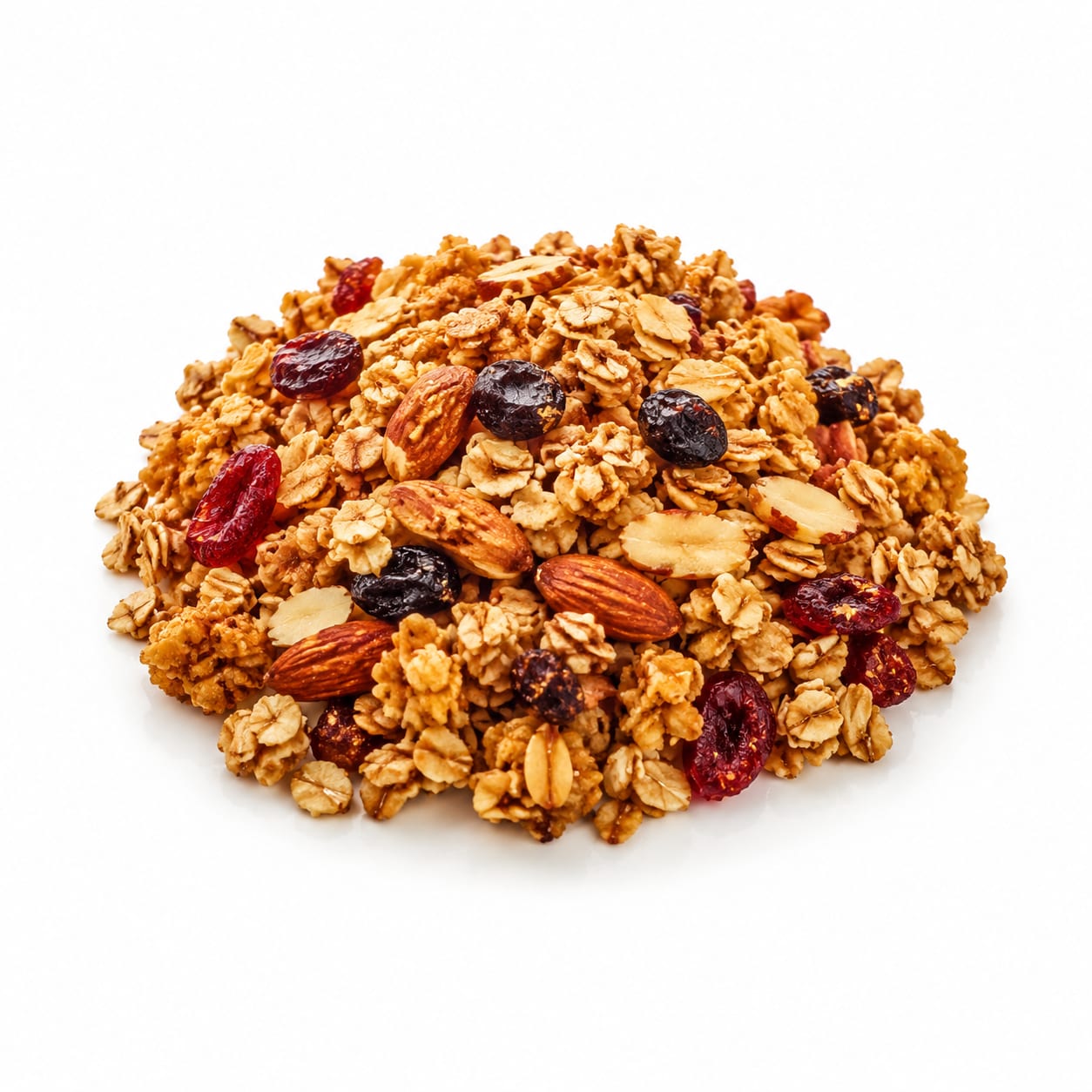
Granola
A sweetened, baked oat and nut cereal often consumed for breakfast or as a calorie-dense snack.
A baked mixture of rolled oats, nuts, and sweeteners like honey or sugar, often eaten as a breakfast cereal or snack.
calorie-dense sweetened grain mix
Typical serving · 50g
Common varieties · honey almond, cranberry cashew, chocolate chip, low-sugar, paleo +1 more
Overall context score across nutrition, safety, and diet fit
At a glance
Quick facts
Simple indicators based on nutrition, processing, and diet fit.
The story
What makes it unique
Granola is an energy-dense food combining complex carbohydrates from oats with fats from nuts and simple sugars from added sweeteners. Digestion speed varies based on sugar content; high-sugar varieties cause rapid glycemic responses, while nut-rich versions slow gastric emptying. Satiety is moderate per calorie due to low volume-to-energy ratio.
Varieties: honey almond · cranberry cashew · chocolate chip · low-sugar · paleo · coconut
Per 100g
Nutrition breakdown
Macro balance and key metrics at a glance.
Energy
Density 4.71 kcal/g
Protein
Carbs
Fat
Fiber
Sugar
24 g
Sodium
180 mg
Potassium
310 mg
Glycemic index
65
Glycemic load
43
Water content
3%
Standout compounds
Nutrient highlights
Manganese
highSupports bone health and metabolism
Iron
moderateEssential for oxygen transport in blood
Dietary Fiber
moderatePromotes digestive regularity
Added Sugars
highProvides quick energy but spikes blood sugar
Wellness map
Health scores & processing
NOVA processing scale
Ultra-processed · Ultra-processed
Most commercial granolas contain added sugars, refined oils, and flavorings baked into the oats, classifying them as ultra-processed despite starting with whole oats.
Diet compatibility
- Weight loss
- Muscle gain
- Diabetes
- Gut health
- Low carb
- High protein
- Heart health
Relative standing
Food rankings
Qualitative ranks compared to similar whole foods.
- Satietymoderate
- Blood sugarpoor
- Nutrient densitymoderate
- Fitness fuelgood
- Processing qualitypoor
Eat with confidence
Food safety profile
Commercial granola is generally safe from microbial contamination. The primary concern is pesticide residue, specifically glyphosate, commonly used as a desiccant on conventional oats.
Evidence confidence 85%
- Pesticidesmoderate
- Antibioticslow
- Heavy metalslow
- Contaminationlow
Watch for
- glyphosate residue on oats
Safer choices
Organic certified granola to avoid glyphosate desiccation residues.
Prep tips
Cannot be washed; choose organic brands to reduce pesticide exposure.
Oats are frequently tested for glyphosate residues pre-harvest.
Deep dive
Health analysis
How this food may fit different goals and preparation choices.
Weight loss
Poor choice for weight loss due to extreme calorie density; a small bowl can easily exceed 400 calories.
Blood sugar
High added sugar content and dense carbohydrate load cause rapid blood sugar spikes, making portion control critical.
Fitness & energy
Excellent for endurance activities like hiking due to high caloric density and mix of quick and slow-burning carbs.
Gut health
Provides some fiber from oats, but high sugar content can negatively impact gut microbiome balance if consumed in large amounts.
Processing quality
Commercial varieties typically contain refined vegetable oils and high amounts of added sweeteners, degrading the nutritional quality of the base oats.
Food safety
Low microbial risk, but conventional oats often carry pesticide residues; organic is preferable.
Common mistakes
Assuming granola is a low-calorie health food and pouring a large bowl, leading to massive unintentional calorie consumption.
Best preparation
Sprinkle a small amount over plain Greek yogurt or oatmeal instead of eating it as a base cereal with milk.
Practical guide
Best use cases
When and how this food fits real eating patterns.
Hiking and backpacking fuel
Provides concentrated calories and carbohydrates for sustained energy during long outdoor activities.
Yogurt topping
Adds crunch and flavor to high-protein plain yogurt when used sparingly.
Calorie bulking
Helps underweight individuals or athletes increase caloric intake without large food volumes.
Balance sheet
Pros & cons
Upsides
- Convenient and shelf-stable
- Provides quick energy for endurance activities
- Contains healthy fats and fiber from nuts and oats
- Versatile as a topping or snack
Trade-offs
- Extremely calorie-dense and easy to overconsume
- High in added sugars in most commercial brands
- Often contains refined vegetable oils
- Low moisture content makes it less filling per calorie
Fit check
Who is it for?
Great match
- endurance athletes
- hikers and backpackers
- calorie bulking
- quick breakfast topping
Consider alternatives
- weight loss
- blood sugar control
- low-carb diets
- large volume eating
Side by side
How it compares
Open the full head-to-head analysis for nutrition, safety, and practical tradeoffs.
This food
Granola
VS80% alike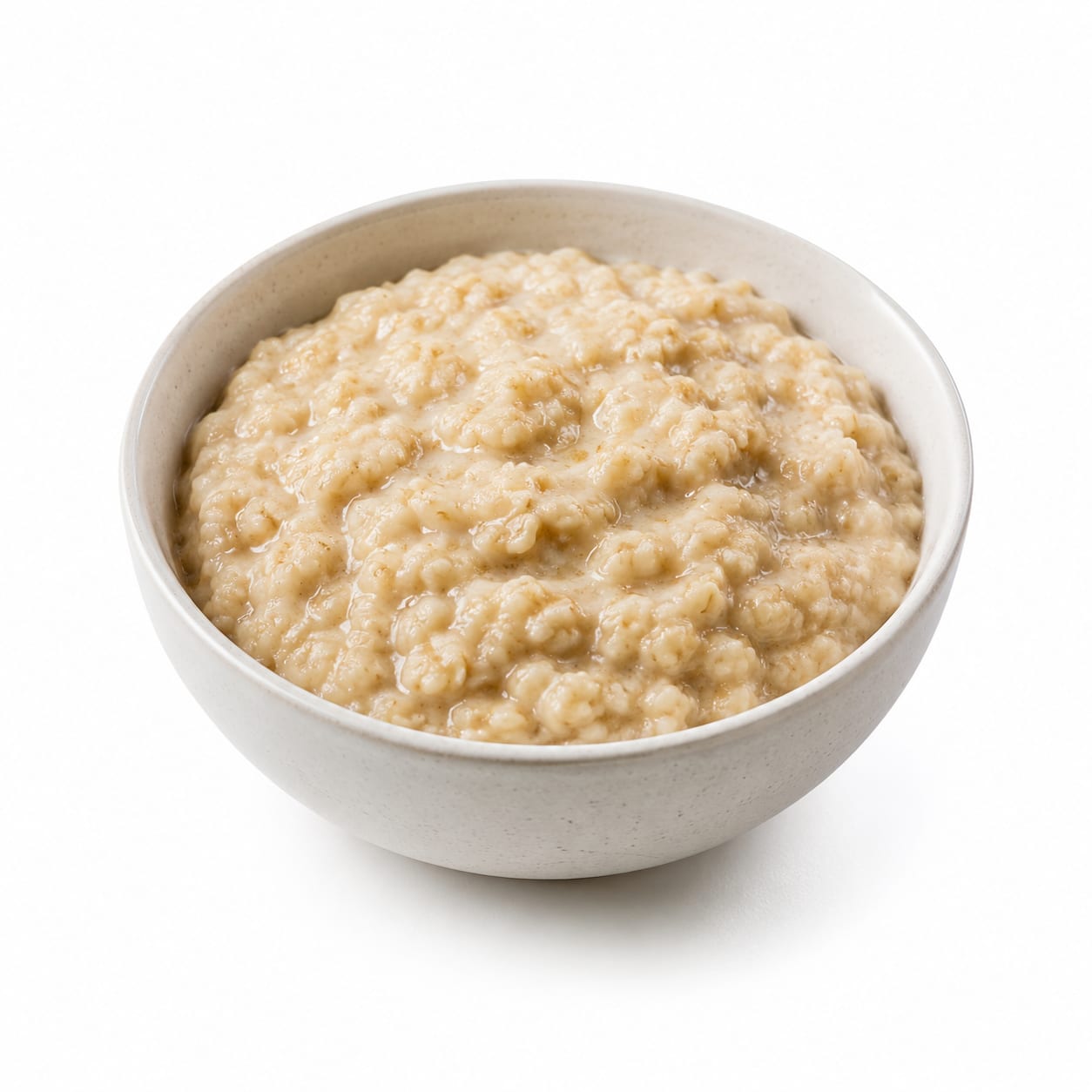
Compare with
Oatmeal
Oatmeal offers more volume and fewer calories per serving, while granola provides a crunchy, calorie-dense option with more fat and sugar.
Oatmeal is lower in calories and sugar, making it better for weight loss, while granola offers portable, dense energy for athletes.
This food
Granola
VS90% alike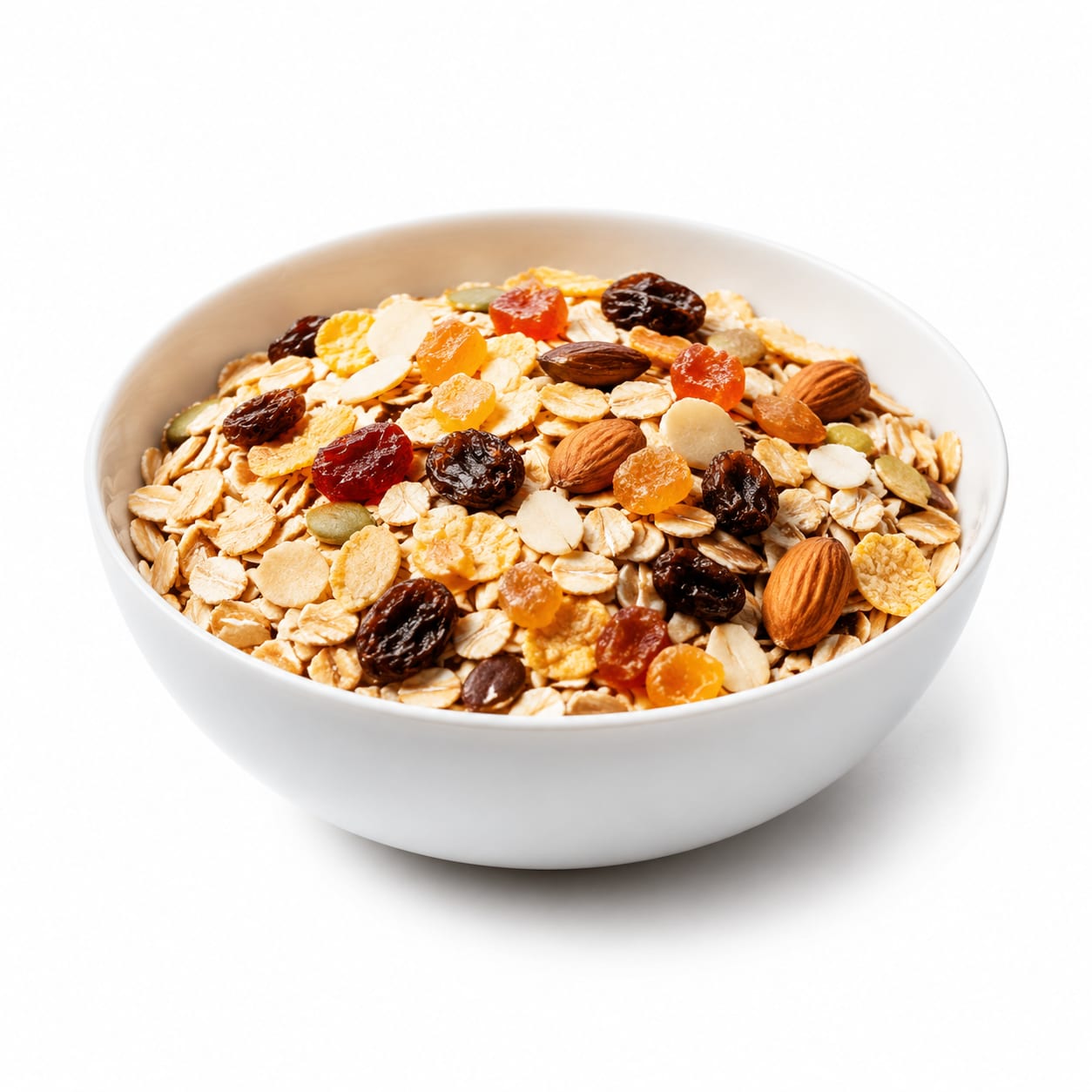
Compare with
Muesli
Muesli is unbaked and typically has less added sugar and oil, making it lower in calories than granola.
Muesli is less processed and lower in sugar and fat than granola, making it a healthier choice for daily eating.
This food
Granola
VS50% alike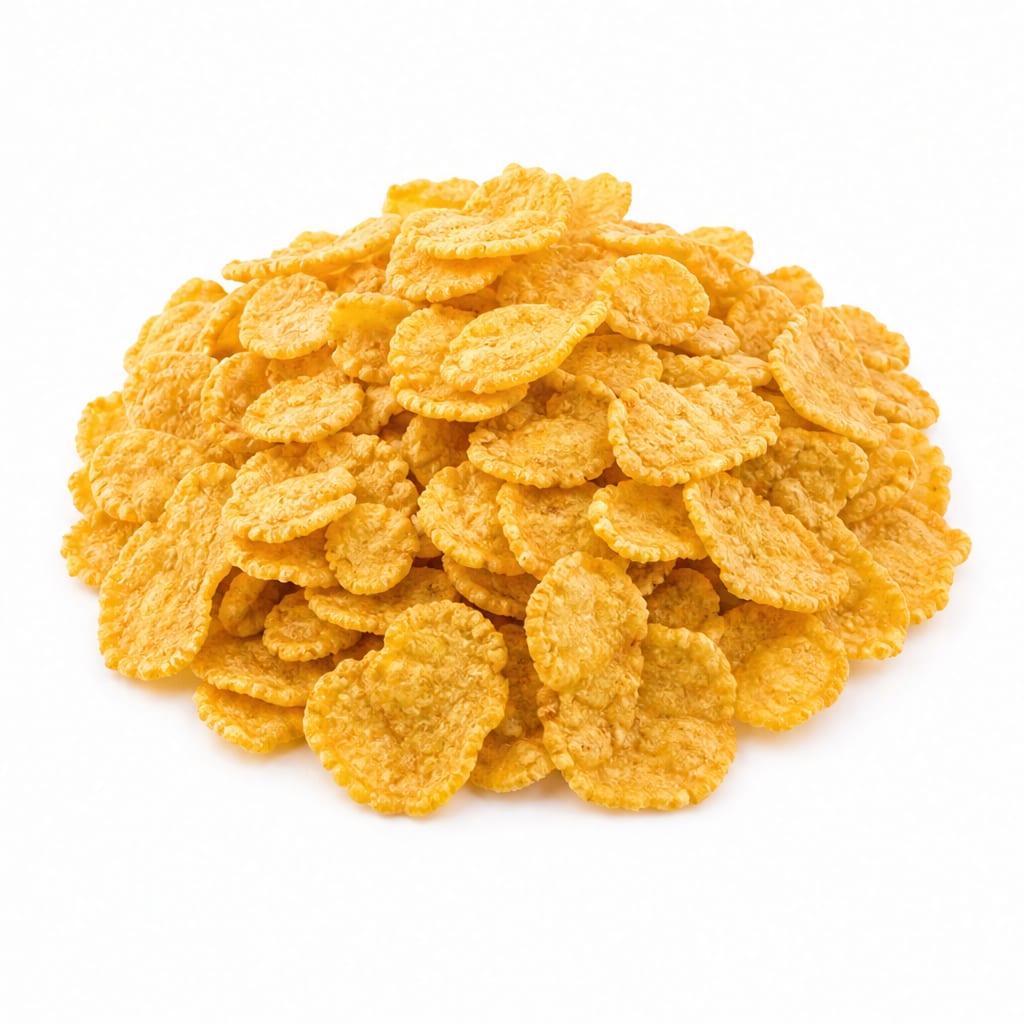
Compare with
Corn Flakes
Corn flakes are lower in fat and calories per cup, but granola provides more sustained energy from nuts and oats.
Corn flakes are lower in calories but granola offers more nutrients and healthy fats, though at a much higher calorie cost.
This food
Granola
VS85% alike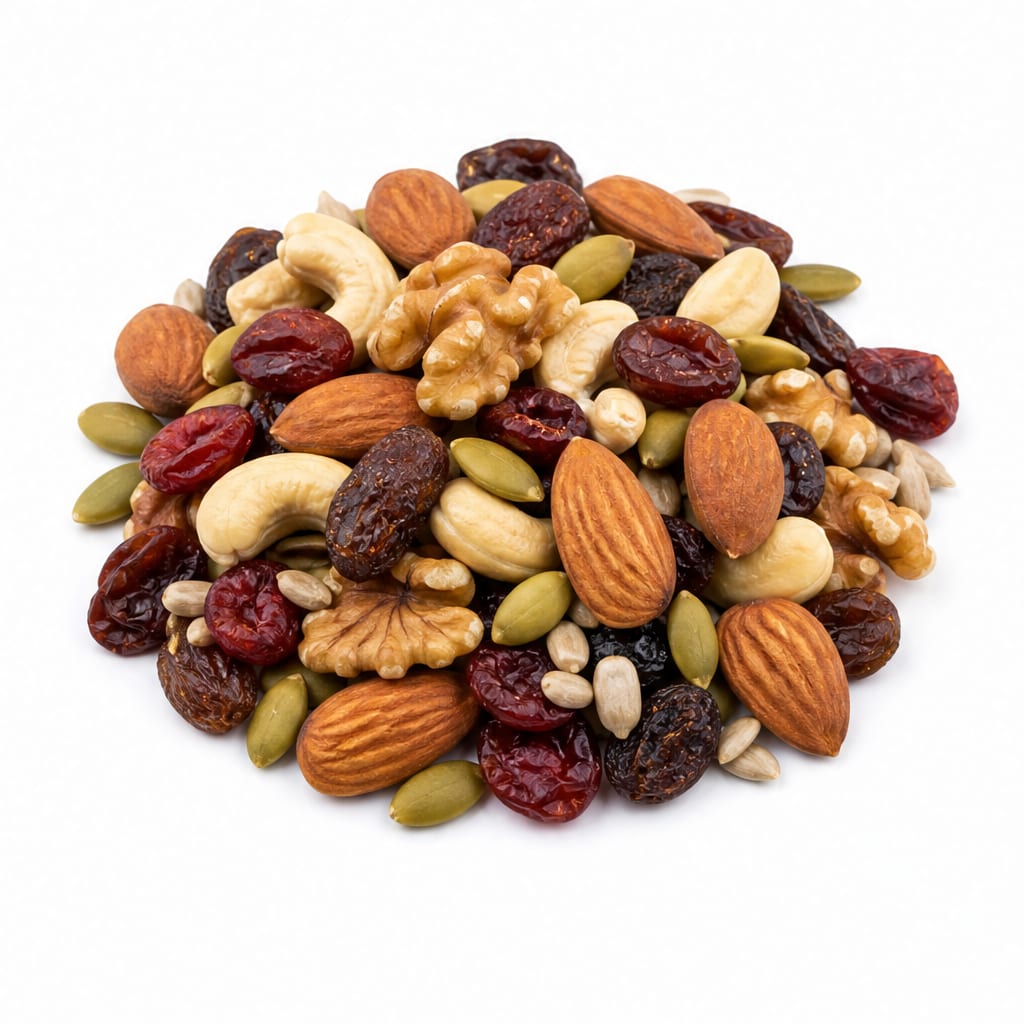
Compare with
Trail Mix
Trail mix is nut and fruit dense with more protein and fat, while granola relies heavily on oats and sweeteners for its carb content.
Trail mix provides more protein and healthy fats from nuts, while granola delivers more carbohydrates for quick energy.
This food
Granola
VS40% alike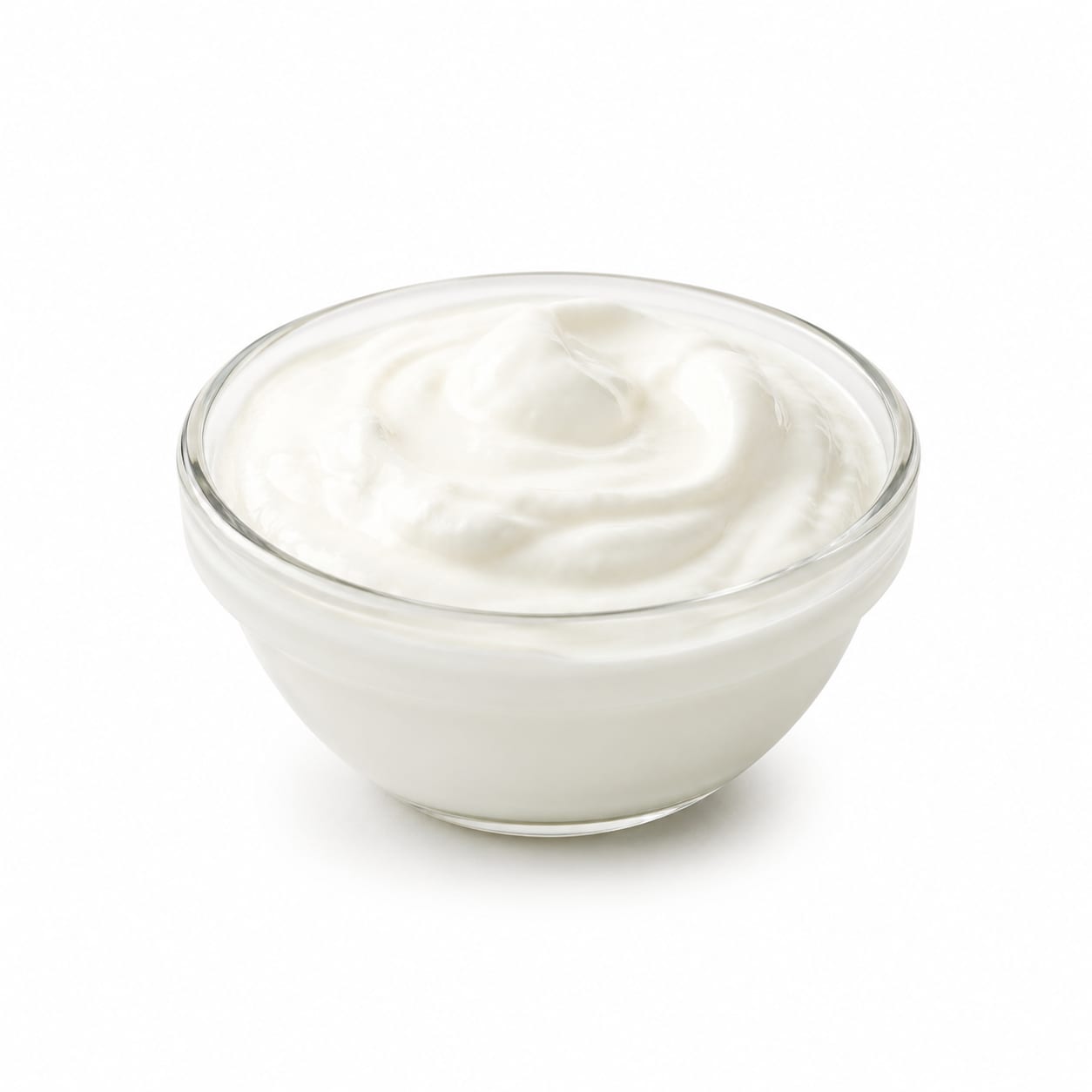
Compare with
Greek Yogurt
Greek yogurt is a high-protein, low-sugar base, whereas granola is a high-carb, high-calorie topping.
Greek yogurt is far superior for protein and weight management, while granola serves mainly as a calorie-dense crunch topping.
This food
Granola
VS60% alike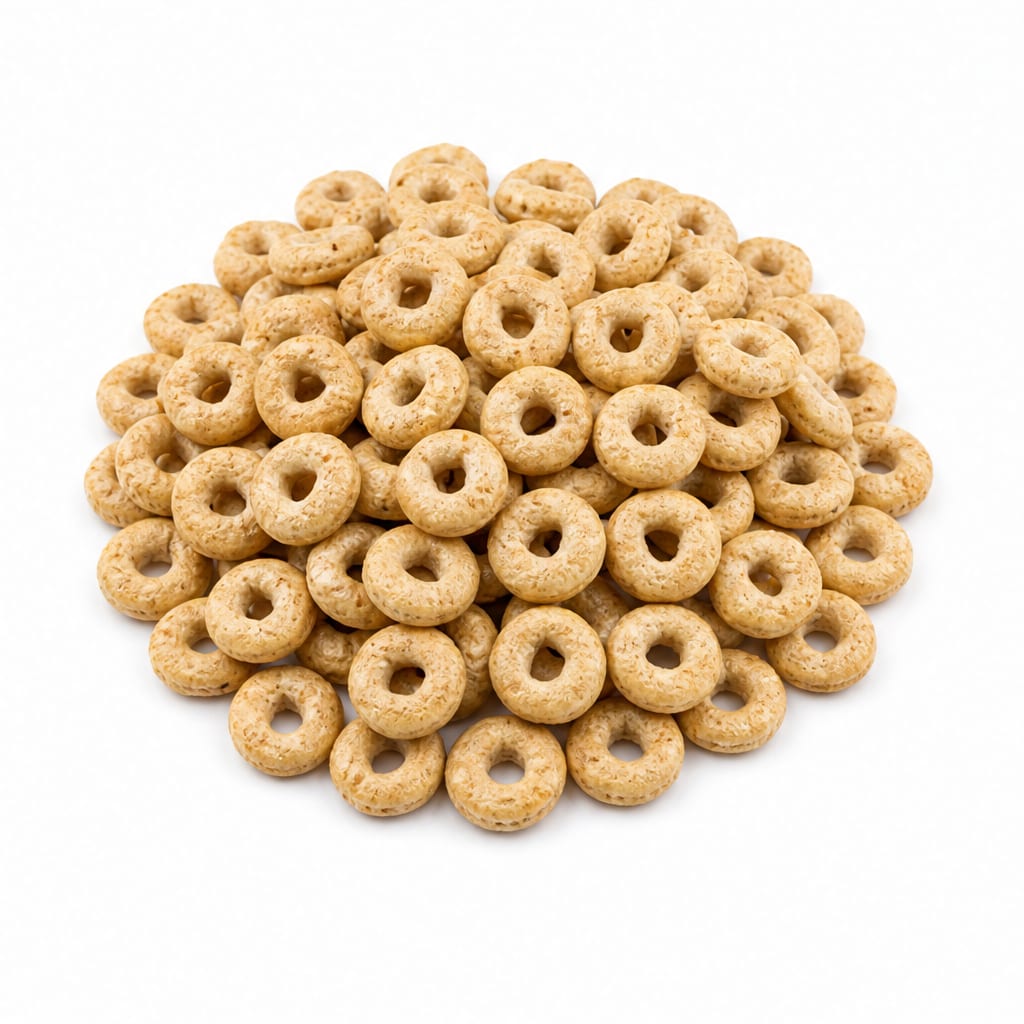
Compare with
Cheerios
Cheerios are much lower in calories and sugar per serving, making them better for weight loss, while granola offers more healthy fats.
Cheerios are a much lighter, lower-calorie cereal option, whereas granola is a heavy, calorie-dense alternative.
This food
Granola
VS95% alike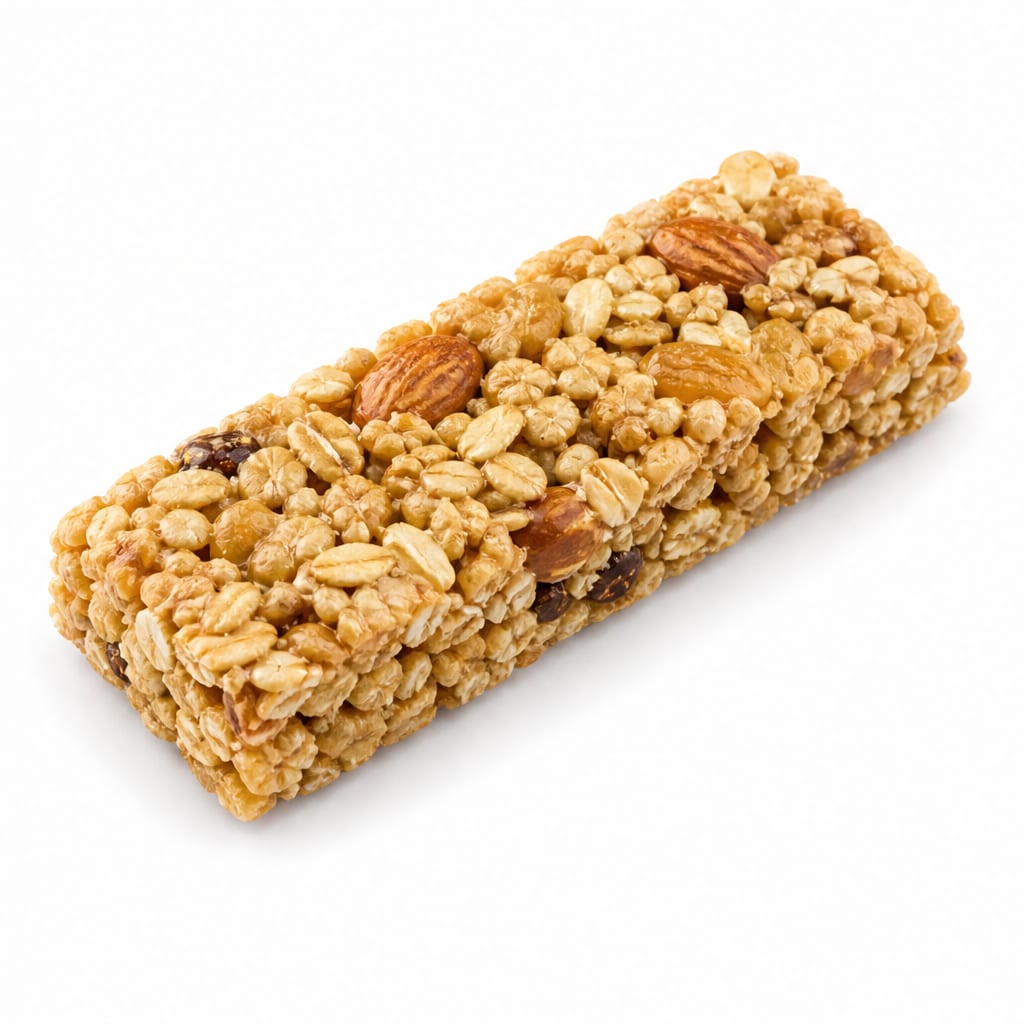
Compare with
Granola Bar
Granola bars are portion-controlled versions of granola, but often contain even more binding sugars and syrups.
Granola bars offer built-in portion control compared to loose granola, but often contain highly processed binding syrups.
This food
Granola
VS40% alike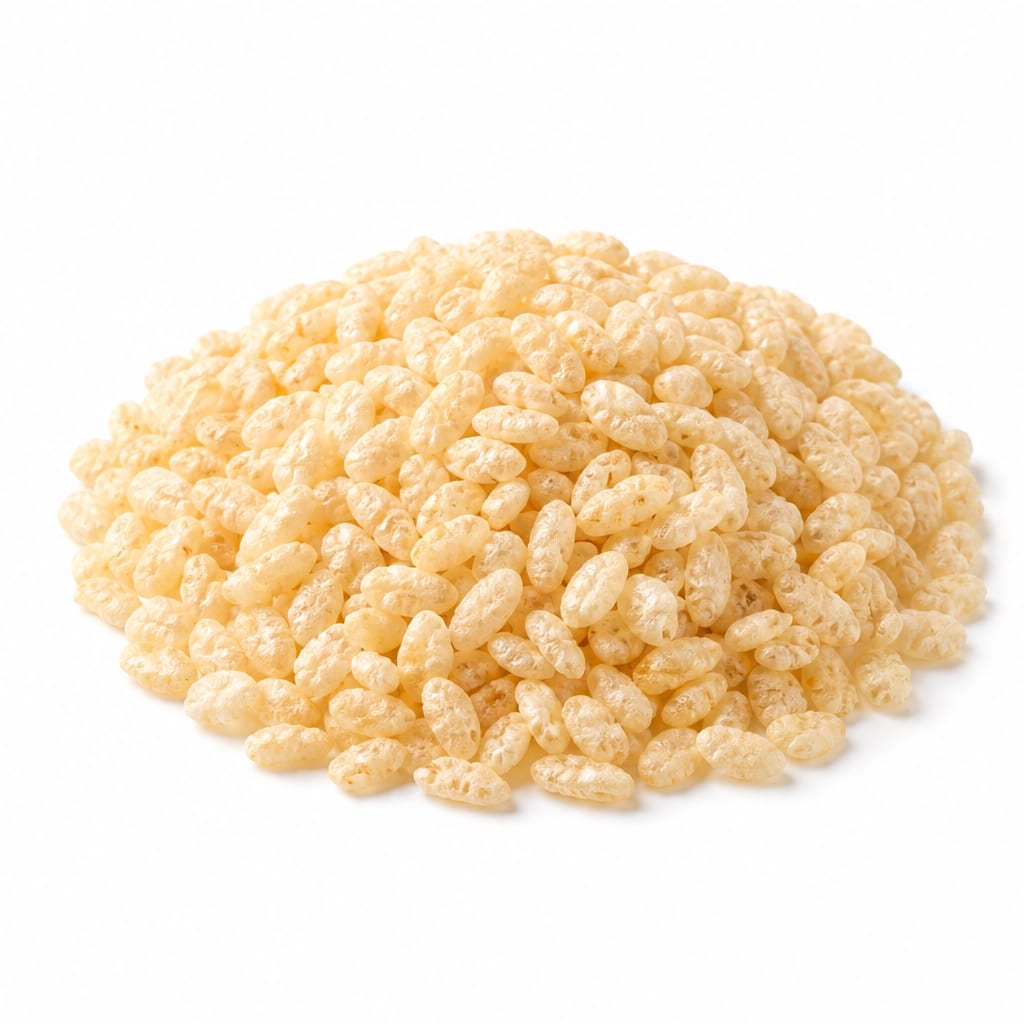
Compare with
Rice Krispies
Rice Krispies are low-calorie and low-fat but offer minimal nutrients, while granola provides fats, fiber, and denser calories.
Rice Krispies are a light, low-calorie cereal, while granola is nutrient-dense but packs significantly more calories and sugar.
This food
Granola
VS55% alike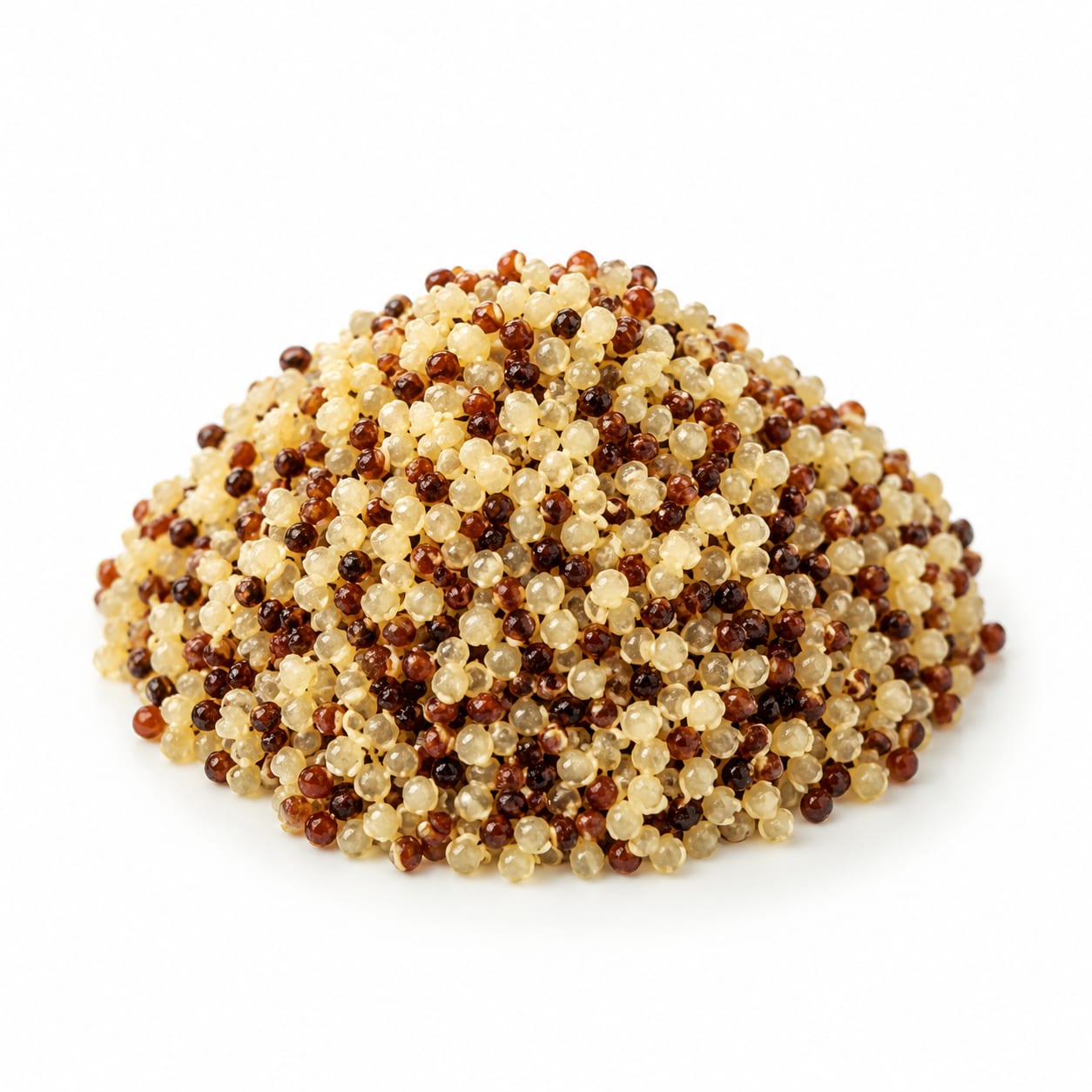
Compare with
Quinoa
Quinoa is a complete protein whole grain cooked with volume, whereas granola is a dense, sweetened grain mix.
Quinoa provides more protein and volume with less sugar, making it a healthier whole grain choice than sweetened granola.
This food
Granola
VS65% alike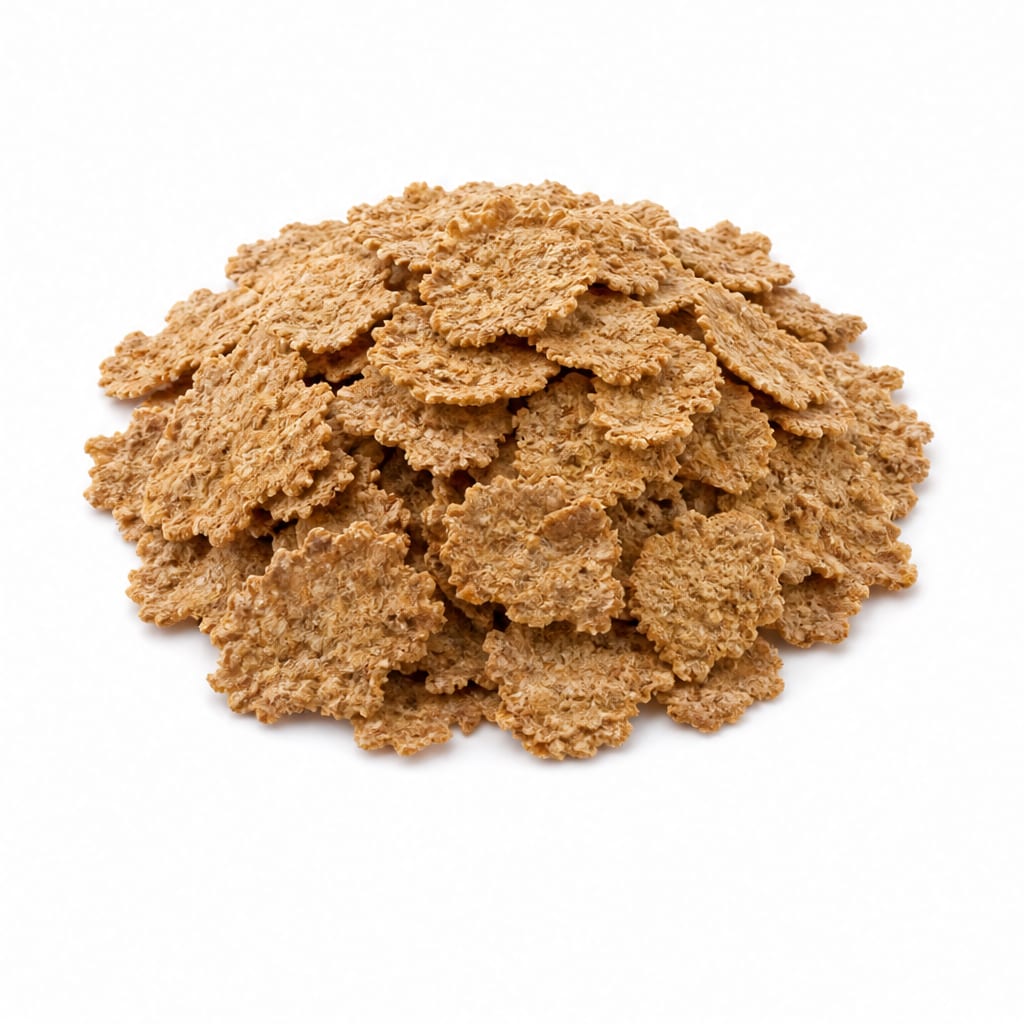
Compare with
Bran Flakes
Bran flakes provide high fiber with minimal calories and sugar, easily beating granola for weight loss and blood sugar control.
Bran flakes offer far more fiber and fewer calories per serving than granola, making them better for digestion and weight management.
Common questions
FAQ
Answers aligned with how people search for this food.
Is granola good for weight loss?
No, it is very calorie-dense and easy to overeat, which can hinder weight loss unless portions are strictly measured.
Can diabetics eat granola?
Most commercial granolas are high in sugar and carbs, causing blood sugar spikes; low-sugar, nut-heavy varieties in small portions are better.
Why is granola so high in calories?
It contains dense ingredients like nuts, seeds, oils, and sweeteners baked together, creating a high energy-to-volume ratio.
Is granola healthier than oatmeal?
Oatmeal is generally healthier because it is a whole grain without added sugar or oil, whereas granola is essentially baked oats with sweeteners and fat.
How much granola should I eat?
A standard serving is about 1/4 cup to 1/3 cup (around 30-50 grams), far less than a typical cereal bowl portion.
Is granola considered ultra-processed?
Yes, most store-bought granola is ultra-processed due to added sugars, refined oils, and flavorings.
What is the healthiest way to eat granola?
Use a small handful as a topping over plain Greek yogurt or fresh fruit rather than eating it by the bowlful.
Transparency
Data confidence
Estimated confidence for nutrition data, interpretation, safety notes, and comparisons.
Nutrition data
Health analysis
Food safety
Comparisons