
Nutrition comparison
Granola vs Cheerios: Which Breakfast Cereal Is Actually Healthier?
Granola packs more nutrition but hides more calories and sugar. Cheerios are lighter and easier to portion. Compare them side by side to find which fits your morning routine.
Overall winner · Cheerios
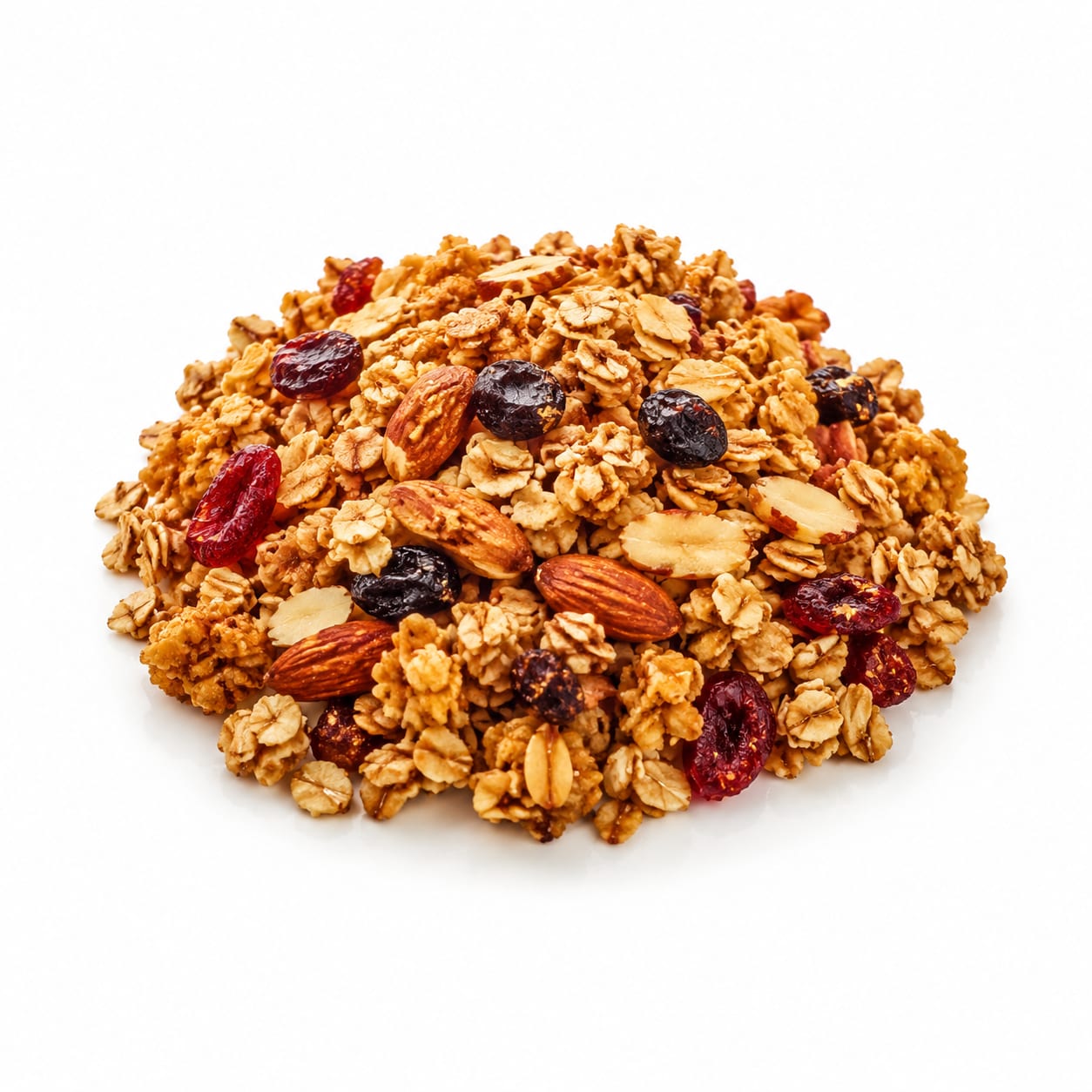
Granola
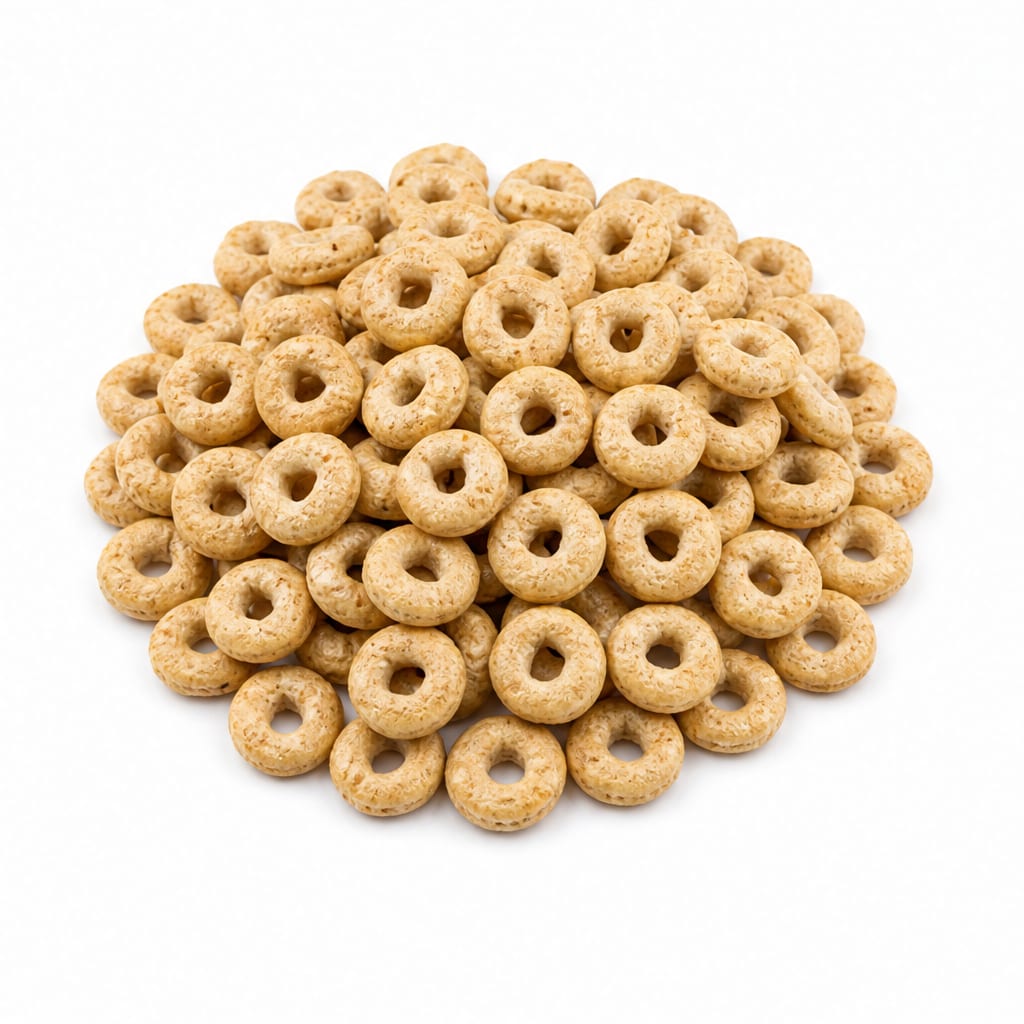
Cheerios
Cheerios wins for daily breakfast due to easier portion control and lower sugar, but granola delivers more satisfying fats and fiber when portions are managed.
Cheerios scores higher mainly because portion control is automatic and sugar is lower, making it a safer daily default. Granola offers better nutrition per bite but its calorie density and sugar variability create real-world risks that drag its score down for typical users.
Granola fills you up better but makes it dangerously easy to consume 400+ calories without realizing it. Cheerios are lighter and more predictable but less satisfying on their own.
At a glance
Executive summary
Overall
Cheerios
Healthier
Cheerios
More practical
Cheerios
Daily use
Cheerios
Key comparison lenses
sugar and blood spike
Both are common breakfast cereals where hidden sugar drives energy crashes and hunger rebound
portion control and calorie density
Granola is notoriously calorie-dense and easy to overpour, making portion awareness critical
daily breakfast sustainability
Users comparing these are usually deciding what to eat every morning, so long-term habits matter most
satiety and morning fullness
Staying full until lunch is the main practical concern for breakfast cereal choice
processing and additives
Cheerios are extruded and fortified while granola varies widely from homemade to highly commercial
Best choice for
Granola
- Active individuals who burn more calories and need sustained energy
- People who find low-fat breakfasts leave them hungry by 10am
- Those who carefully measure portions and want nutrient density over volume
Cheerios
- Anyone tracking calories or trying to lose weight
- Families wanting a quick, consistent, kid-friendly breakfast
- People who eat breakfast on autopilot and need something forgiving
Least suitable for
Granola
- Anyone prone to mindless snacking or overpouring cereal
- People with blood sugar concerns who need to limit sugar spikes
- Those trying to reduce calorie intake without tracking every gram
Cheerios
- Very active people who need calorie-dense fuel for morning training
- Those who find low-fat breakfasts unsatisfying and end up snacking later
- Anyone avoiding fortified or processed grains
Deep comparison
Dimension by dimension
Each lens scores both foods and breaks down who each option suits.
- Dimension 1 · Priority 92Cheerios
blood sugar stability
Granola · 38Cheerios · 68Original Cheerios have roughly 1g of sugar per serving, while commercial granola often packs 12-20g. That difference determines whether you feel steady or shaky by mid-morning.
Tradeoff
Granola's fat and fiber slow sugar absorption somewhat, but the sheer amount of added sugar usually overwhelms that benefit in store-bought varieties.
Why it matters
A breakfast that spikes blood sugar leads to a crash 2-3 hours later, driving cravings and poor food choices for the rest of the day.
Real-world impact
With Cheerios, you are more likely to feel even-keeled until lunch. With sweetened granola, you may feel energized initially but hungry again by 10:30am.
Granola
- Those who eat homemade granola with minimal added sweetener
Better for
- Prediabetics and anyone monitoring glucose closely
Worse for
Cheerios
- Anyone sensitive to blood sugar swings
- People trying to reduce daily sugar intake without giving up cereal
Better for
- Those who add large amounts of honey or sugar on top
Worse for
- Dimension 2 · Priority 85Granola
satiety and fullness
Granola · 74Cheerios · 48Granola's nuts, seeds, and fats keep you full far longer than Cheerios alone. A bowl of Cheerios with skim milk often leaves you hungry within two hours.
Tradeoff
That fullness comes with a caloric price tag. A satisfying portion of granola can easily hit 400-500 calories before you add milk.
Why it matters
A breakfast that fails to fill you up leads to mid-morning snacking, which often undermines any calorie savings from choosing a lighter cereal.
Real-world impact
If you regularly feel hungry before lunch, granola with measured portions may actually serve you better than Cheerios that leave you reaching for a muffin at 10am.
Granola
- People with long gaps between breakfast and lunch
- Those who feel hungry soon after eating low-fat meals
Better for
- Anyone who eats granola straight from the bag while distracted
Worse for
Cheerios
- People who prefer eating smaller, more frequent meals
Better for
- Those whose breakfast does not hold them over until the next meal
Worse for
- Dimension 3 · Priority 90Cheerios
calorie density and portion control
Granola · 28Cheerios · 78A standard serving of Cheerios is about 100 calories. A typical granola pour is 2-3 times the recommended serving, landing you at 400-600 calories before milk.
Tradeoff
Cheerios make portion control nearly effortless. Granola requires active measurement or you will almost certainly overeat.
Why it matters
Most people underestimate how calorie-dense granola is. The difference between a bowl of Cheerios and a bowl of granola can equal an entire extra meal.
Real-world impact
If you pour cereal without measuring, Cheerios will naturally keep you in a reasonable calorie range. Granola will not.
Granola
- Deliberate eaters who weigh or measure every portion
Better for
- Mindless eaters and late-night snackers
Worse for
Cheerios
- Anyone who pours cereal freely and does not track calories
- Families where multiple people serve themselves
Better for
- Those who need calorie-dense meals to maintain weight
Worse for
- Dimension 4 · Priority 75Granola
nutrient density
Granola · 72Cheerios · 58Granola delivers more healthy fats, natural minerals, and protein from nuts and seeds. Cheerios rely on synthetic fortification to hit their vitamin numbers.
Tradeoff
Granola's nutrients come packaged with more calories. Cheerios offer fewer natural nutrients but at a much lower caloric cost.
Why it matters
Getting real nutrition from whole ingredients generally beats fortified empty carbs, but only if the calorie tradeoff fits your needs.
Real-world impact
A quarter cup of granola with almonds and seeds gives you more usable nutrition than a full bowl of Cheerios, but you have to stop at a quarter cup.
Granola
- Those who eat nutrient-dense small portions intentionally
- People who value whole food sources of vitamins and minerals
Better for
- People who assume all granola is equally nutritious regardless of brand
Worse for
Cheerios
- Anyone who needs a low-calorie base and gets nutrients from other meals
Better for
- Those relying on cereal as a primary nutrition source
Worse for
- Dimension 5 · Priority 72Granola
processing and additives
Granola · 62Cheerios · 38Cheerios are extruded, shaped, and fortified in a factory. Even simple granola is typically baked with recognizable ingredients like oats, nuts, and honey.
Tradeoff
Homemade or artisanal granola is far less processed, but mass-market granola can be just as loaded with additives and fillers as any boxed cereal.
Why it matters
Less processing generally means more intact fiber, fewer emulsifiers, and better digestive tolerance for sensitive individuals.
Real-world impact
If you read ingredient labels, you can find granola with five whole-food ingredients. Cheerios will always be a factory-formed product with added vitamins.
Granola
- Those who prioritize whole, recognizable ingredients
- People avoiding synthetic fortification and preservatives
Better for
- People buying the cheapest granola without checking labels
Worse for
Cheerios
- Anyone who values consistency and does not worry about processing level
Better for
- Those avoiding ultra-processed foods entirely
Worse for
- Dimension 6 · Priority 78Cheerios
heart health
Granola · 52Cheerios · 70Cheerios are famously low in saturated fat and can help lower cholesterol as part of a low-fat diet. Granola's heart health depends heavily on its fat sources.
Tradeoff
Some granolas use coconut oil or palm oil, adding saturated fat that offsets the benefits of oats and nuts. Cheerios keep saturated fat near zero.
Why it matters
For someone managing cholesterol, the saturated fat in granola can be a hidden problem even though oats themselves are heart-healthy.
Real-world impact
Cheerios with skim milk is a cardiologist-friendly breakfast. Granola could be too, but only if you choose one made with unsaturated oils and low sugar.
Granola
- Those eating nut-heavy granola with healthy unsaturated fats
Better for
- People who need to limit saturated fat strictly
Worse for
Cheerios
- People managing high cholesterol on a low-saturated-fat diet
- Anyone following a heart-healthy eating plan like DASH or Ornish
Better for
- Those who find low-fat diets unsatisfying and unsustainable
Worse for
Timeline
Health impact over time
Short-term
Hours to days
Granola
- Quick energy from carbohydrates and fats, but sugar-heavy brands may cause a crash within 2 hours
- High satiety from fat and fiber keeps hunger at bay longer than most cereals
- Potential digestive heaviness if you eat a large portion, especially with milk
Cheerios
- Light and easy to digest, making it comfortable for sensitive stomachs
- Steadier energy with less crash risk due to lower sugar content
- May leave you hungry sooner, especially if eaten with skim milk alone
Long-term
Months to years
Granola
- Regular overconsumption can contribute to weight gain due to calorie density
- Nut and seed content provides beneficial fats and minerals when portions are controlled
- High added sugar in many brands may increase metabolic risk over time
Cheerios
- Consistent low-calorie breakfast supports weight maintenance when the rest of the diet is balanced
- Fortified vitamins help fill gaps, but relying on them exclusively is not ideal
- Low saturated fat intake supports cardiovascular health long-term
Risk profile
Safety & processing
Granola sits in a middle zone. Quality brands use simple baked oats, nuts, and honey. Cheap brands add fillers and oils. Cheerios are always a factory product with extrusion shaping, synthetic vitamins, and preservatives like BHT for freshness. If avoiding ultra-processed food matters to you, granola from a good brand is the clearer choice.
Granola
added sugar overload
mediumMany commercial granolas contain 12-20g of added sugar per serving, which compounds across a day of eating and contributes to metabolic strain over time.
calorie underestimation
highThe gap between a recommended serving and what people actually pour can be 200-400 extra calories daily, silently driving weight gain.
inflammatory oils
mediumSome brands use canola, palm, or soybean oil, which may be inflammatory depending on processing quality and personal sensitivity.
Cheerios
BHT preservative
lowCheerios use BHT to preserve freshness. While FDA-approved, some consumers prefer to avoid it due to debated health concerns.
glyphosate residue
mediumConventional oats are a known glyphosate crop. Cheerios have tested positive for residues in independent studies, though typically below regulatory limits.
fortification dependency
lowRelying on synthetic vitamins instead of whole food sources may not provide the same absorption and cofactor benefits.
Who wins for whom
Audience fit
Same foods, different winners depending on your goal.
children
CheeriosCheerios are easier for kids to eat, lower in sugar than most granola, and less of a choking hazard with nuts. They are also a common first finger food for toddlers.
daily consumption
CheeriosCheerios are more forgiving as a daily habit. Granola works daily only if you are disciplined about portions and choose a low-sugar brand.
diabetes
CheeriosOriginal Cheerios have minimal sugar and a lower glycemic load. Most granolas have enough added sugar to be risky for glucose management.
elderly
CheeriosCheerios are gentle on digestion, low in saturated fat, and fortified with nutrients that older adults often lack, like B12 and iron.
muscle gain
GranolaGranola provides more calories and fat for fuel along with slightly more protein from nuts, supporting those in a calorie surplus for muscle building.
weight loss
CheeriosCheerios make calorie control nearly automatic. Granola's density makes it too easy to accidentally consume an extra 300 calories per bowl.
Your move
Decision guide
Choose Granola
- You are active and need calorie-dense fuel to power through your morning
- You carefully measure portions and want maximum nutrition per serving
- You find low-fat breakfasts unsatisfying and end up snacking before lunch
- You prefer whole-food ingredients and want to avoid ultra-processed options
Choose Cheerios
- You want a no-thinking-required breakfast that will not accidentally derail your calorie intake
- You are managing blood sugar, cholesterol, or body weight
- You need a kid-friendly option that is easy to prepare and eat
- You eat cereal out of habit and want something forgiving for daily use
Either works if
- You mix cereal with yogurt and fruit, making the base less important than the toppings
- You rotate breakfasts and do not eat the same thing every day
Avoid both if
- You have celiac disease or severe gluten sensitivity, as both use oats that may be cross-contaminated
- You are on a strict low-carb or ketogenic diet, since both are oat-based carb sources
Final recommendation
Make Cheerios your default daily cereal for predictability and portion safety. Keep granola as a deliberate choice for active days or when you have time to measure a proper serving. If you love granola, try using it as a topping on yogurt rather than a bowl-filling base. That way you get the flavor and crunch without the calorie ambush.
Practical
Consumer tips
- 1
If you buy granola, check the sugar per serving first. Anything over 8g added sugar is closer to dessert than breakfast.
- 2
Measure granola with a measuring cup at least once so you can see what a real serving looks like. It is smaller than you think.
- 3
Original Cheerios have about 1g sugar. Honey Nut Cheerios have 9g. That switch alone can add 3 pounds of sugar to your annual intake.
- 4
Try mixing half Cheerios with a small handful of granola. You get the crunch and flavor without the full calorie hit.
- 5
Look for granola with nuts and seeds as the first ingredients after oats. Avoid brands where sugar or syrup appears in the top three.
- 6
If glyphosate concerns you, buy organic Cheerios or organic oats for homemade granola.