
Nutrition comparison
Granola vs Corn Flakes: Which Breakfast Is Better?
Compare Granola vs Corn Flakes for weight loss, blood sugar, and satiety. Discover the hidden calories in Granola and the blood sugar impact of Corn Flakes.
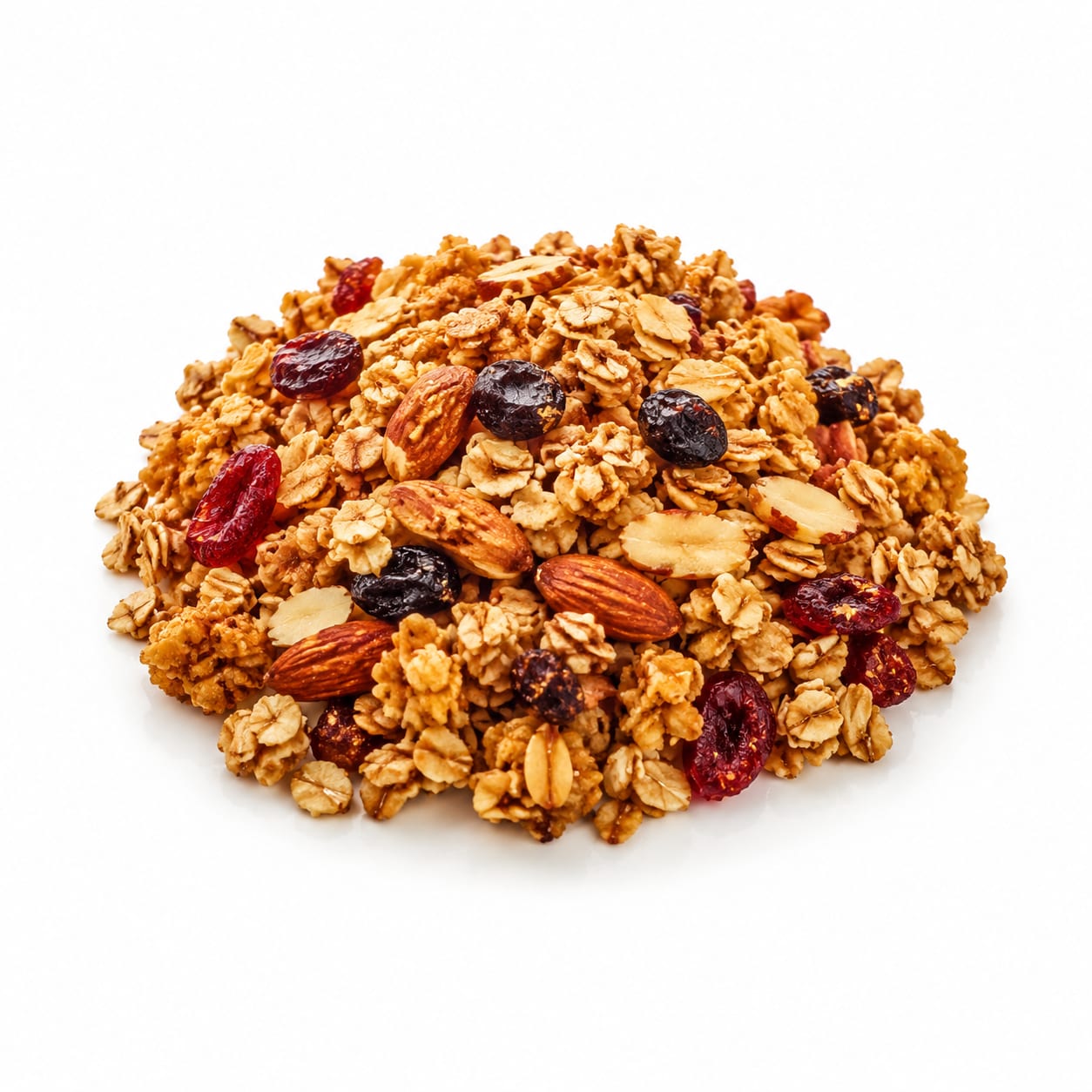
Granola
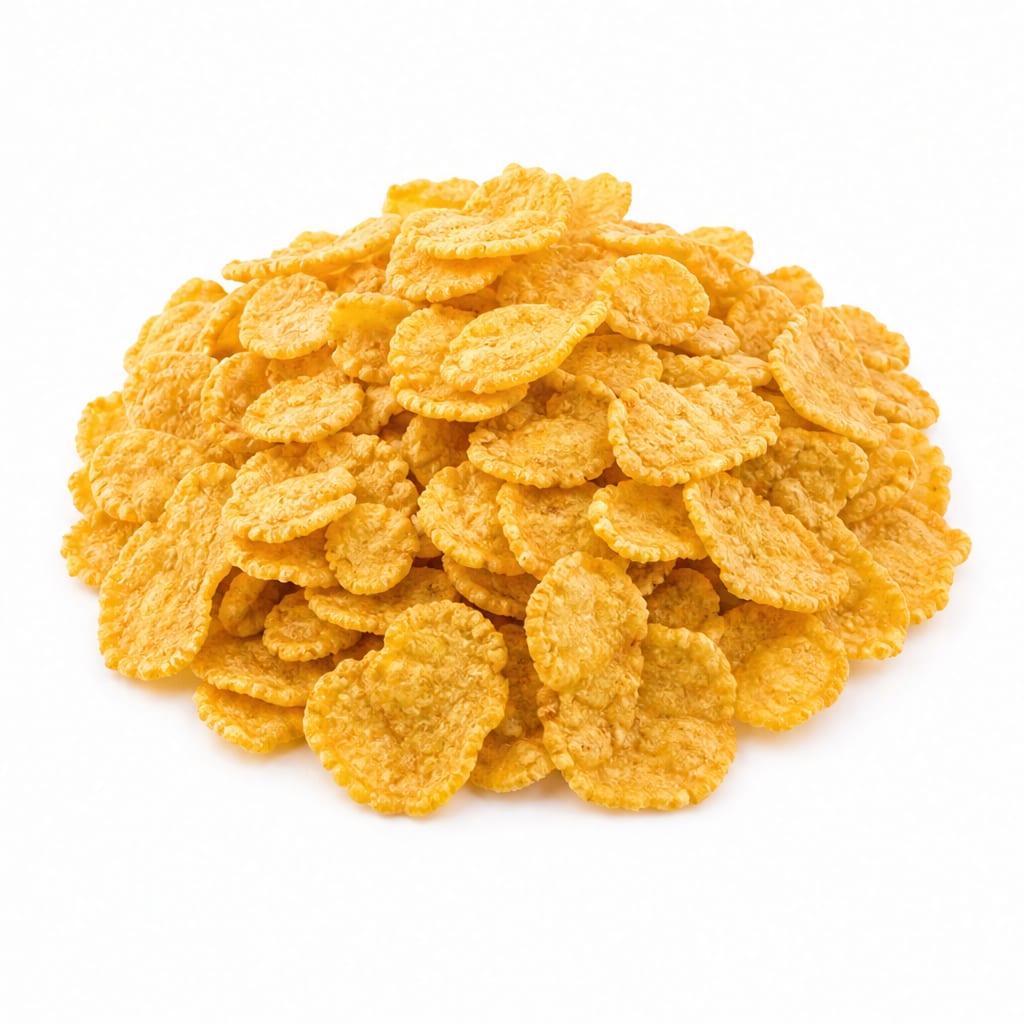
Corn Flakes
Granola offers superior nutrition and lasting energy but is a calorie minefield, while Corn Flakes are lighter and easier to portion but spike blood sugar and fade fast.
Granola scores higher due to better micronutrients, fiber, and healthy fats, but is penalized for extreme calorie density and hidden sugars. Corn Flakes score lower due to high glycemic impact and ultra-processing, despite being lower in calories.
Nutritional density and fullness versus calorie control and blood sugar stability.
At a glance
Executive summary
Overall
It depends
Healthier
Granola
More practical
Corn Flakes
Daily use
It depends
Key comparison lenses
blood sugar impact and morning energy
Breakfast cereals are primarily evaluated on how they affect morning energy levels and hunger cues
calorie density and portion control
Granola is notoriously calorie-dense while Corn Flakes are light, making portion control a major decision factor
satiety and snacking behavior
The difference in fat and fiber content drastically changes how full you feel before lunch
ultra-processing and ingredient quality
Consumers increasingly weigh the naturalness of oats and nuts against extruded and fortified corn
Best choice for
Granola
- Active individuals needing sustained energy
- People trying to increase healthy fat and fiber intake
- Hikers or those needing compact, calorie-dense fuel
Corn Flakes
- Strict calorie counters who prefer large portion sizes
- People with sensitive stomachs needing bland, easy-to-digest food
- Older adults who need soft, easy-to-chew options
Least suitable for
Granola
- People trying to lose weight who struggle with portion control
- Those with severe nut or seed allergies
- Anyone prone to mindless snacking straight from the box
Corn Flakes
- People with diabetes or insulin resistance
- Those who get hungry again an hour after eating
- Anyone avoiding ultra-processed foods
Deep comparison
Dimension by dimension
Each lens scores both foods and breaks down who each option suits.
- Dimension 1 · Priority 95Granola
Satiety and Fullness
Granola · 82Corn Flakes · 25Granola keeps you full for hours thanks to its fat and fiber content, while Corn Flakes digest rapidly and often leave you hungry long before lunch.
Tradeoff
You get lasting fullness with Granola, but it comes with a heavy calorie load that requires strict portioning.
Why it matters
A breakfast that fails to keep you full often leads to overeating later in the morning or making poor snack choices.
Real-world impact
Eating Corn Flakes often results in a 10 AM energy crash and cravings, whereas a properly portioned bowl of Granola easily carries you to noon.
Granola
- Long meetings where you cannot snack
- Busy mornings requiring sustained focus
- Pre-workout fueling
Better for
- Eating right before a heavy workout due to slow digestion
- When you only have a tiny appetite in the morning
Worse for
Corn Flakes
- Late-night eating when you want something light
- Right after a large meal when you just want a taste
- Days with very low physical activity
Better for
- Recovering from intense exercise
- Days where you skip lunch and need breakfast to last
Worse for
- Dimension 2 · Priority 90Granola
Blood Sugar Stability
Granola · 65Corn Flakes · 20Corn Flakes cause a rapid blood sugar spike and crash, while Granola's fat and fiber slow down sugar absorption, provided the Granola isn't sugar-coated.
Tradeoff
Even high-sugar Granola spikes blood sugar less than Corn Flakes, but both can be problematic for diabetics if not chosen carefully.
Why it matters
Blood sugar crashes trigger fatigue, irritability, and intense cravings for more carbs.
Real-world impact
A bowl of Corn Flakes can leave you reaching for coffee and a pastry by mid-morning, while Granola provides a steadier burn.
Granola
- Preventing the mid-morning energy slump
- Supporting stable mood and focus
- Reducing sudden carb cravings
Better for
- Late-night snacking when insulin sensitivity is low
Worse for
Corn Flakes
- Quick energy right before a short sprint or activity
- Managing a blood sugar low for diabetics
Better for
- Anyone with prediabetes or diabetes
- Sustained desk work requiring constant focus
Worse for
- Dimension 3 · Priority 88Corn Flakes
Calorie Density and Portion Control
Granola · 30Corn Flakes · 80Corn Flakes offer a large visual portion for very few calories, making them forgiving if you overpour. Granola is extremely calorie-dense and easy to overeat.
Tradeoff
You can eat a massive bowl of Corn Flakes for the same calories as a tiny handful of Granola, but you will be hungry much sooner.
Why it matters
Unintentional overconsumption of calories is one of the biggest barriers to weight loss.
Real-world impact
Pouring Granola freely from the box can easily result in a 600+ calorie breakfast, whereas a heaping bowl of Corn Flakes might only be 250 calories.
Granola
- Backpacking or hiking where you need maximum calories per ounce
- Healthy weight gain strategies
Better for
- Mindless snacking while watching TV
- People who refuse to measure their food
Worse for
Corn Flakes
- Strict calorie counting and weight loss
- Volume eating to feel physically full
Better for
- Those who need nutrient-dense calories for recovery
Worse for
- Dimension 4 · Priority 85Granola
Nutritional Value and Fiber
Granola · 85Corn Flakes · 20Granola provides real fiber, healthy fats, and minerals from oats and nuts. Corn Flakes are mostly refined carbs with synthetic vitamins sprayed back on.
Tradeoff
Granola delivers genuine nutrition but requires navigating added sugars, while Corn Flakes offer reliable fortification but zero natural fiber.
Why it matters
Fiber and healthy fats are essential for heart health, digestion, and long-term disease prevention.
Real-world impact
Granola actually contributes to your daily fiber goals, while Corn Flakes do almost nothing for your digestive health.
Granola
- Improving gut health and digestion
- Getting omega-3s from nuts and seeds
- Supporting heart health with whole grains
Better for
- Those with severe IBS triggered by nuts or oats
Worse for
Corn Flakes
- Getting 100% of synthetic vitamins easily
- Days when you cannot tolerate fiber
Better for
- Long-term gut health maintenance
- Preventing chronic constipation
Worse for
- Dimension 5 · Priority 75Granola
Processing and Additives
Granola · 55Corn Flakes · 25Granola is baked and mixed but generally uses whole-food ingredients. Corn Flakes are highly extruded, stripped of their natural grain structure, and heavily fortified.
Tradeoff
Granola still often contains added syrups and preservatives, but it is closer to a whole food than an extruded flake.
Why it matters
Ultra-processed foods are linked to overeating, inflammation, and disrupted gut health.
Real-world impact
Your body recognizes the oats and nuts in Granola as food, while Corn Flakes require synthetic vitamins to pass as nutritious.
Granola
- Clean-eating diets
- Avoiding ultra-processed extruded grains
Better for
- Avoiding hidden added sugars and seed oils
Worse for
Corn Flakes
- Situations requiring long shelf life without refrigeration
Better for
- Diets strictly avoiding ultra-processed foods
Worse for
Timeline
Health impact over time
Short-term
Hours to days
Granola
- Provides sustained energy for 3-4 hours
- Can feel heavy in the stomach if overeaten
- Stabilizes morning hunger cues
Corn Flakes
- Causes a rapid energy spike followed by a crash
- Leaves you hungry again within 90 minutes
- Light feeling in the stomach immediately after eating
Long-term
Months to years
Granola
- Supports heart health through oats and nuts if low sugar
- Risk of unintended weight gain due to calorie density
- Improved digestion from higher fiber intake
Corn Flakes
- Potential increased risk of metabolic issues from high glycemic load
- Easier weight maintenance only if strict overall calorie control is maintained
- No meaningful contribution to daily fiber needs
Risk profile
Safety & processing
Granola is processed through baking and sweetening but retains the physical structure of its whole ingredients. Corn Flakes are ultra-processed, requiring high-pressure extrusion, stripping of the corn bran and germ, and heavy synthetic fortification to restore nutrients.
Granola
Acrylamide exposure
mediumBaked oats can form acrylamide, a potential carcinogen, especially in very crispy or dark clusters.
Heavy metals in nuts
lowNuts and seeds can contain trace amounts of heavy metals like cadmium, depending on soil quality.
Corn Flakes
High glycemic load
highRapid blood sugar spikes stress the pancreas and can worsen insulin resistance over time.
Packaging chemicals
mediumCereal box liners often contain BPA or similar endocrine disruptors that can leach into the flakes.
Who wins for whom
Audience fit
Same foods, different winners depending on your goal.
children
Corn FlakesCorn Flakes are easier for young children to chew and digest, and they lack the choking hazard of whole nuts found in Granola.
daily consumption
It dependsGranola is better daily if you measure portions and choose low-sugar brands. Corn Flakes are easier for a quick, low-effort morning but lack nutritional substance for daily reliance.
diabetes
It dependsLow-sugar Granola is better for blood sugar stability, but many commercial Granolas are sugar bombs. Corn Flakes are universally poor for blood sugar. Choose Granola only if it is low-sugar.
elderly
Corn FlakesCorn Flakes are soft, easy to chew, and gentle on aging digestive systems, whereas Granola can be difficult to chew and heavy to digest.
muscle gain
GranolaGranola provides more calories and a small amount of protein from nuts and seeds, supporting a caloric surplus needed for muscle growth.
weight loss
Corn FlakesCorn Flakes make calorie restriction easier due to low calorie density per volume, provided you can handle the subsequent hunger.
Your move
Decision guide
Choose Granola
- You want a breakfast that keeps you full until lunch
- You are active and need calorie-dense, real-food energy
- You carefully measure your portions to avoid calorie overload
Choose Corn Flakes
- You prioritize a large portion size for minimal calories
- You need a very soft, bland food for a sensitive stomach
- You want a quick, light bite before an intense morning workout
Either works if
- You mix them with a high-protein milk or Greek yogurt to balance the meal
- You only eat cereal occasionally and prefer to enjoy your favorite taste
Avoid both if
- You have severe blood sugar issues and need a high-protein, zero-added-sugar breakfast
- You are following a strict whole-food, grain-free diet
Final recommendation
If you can discipline your portions, Granola is the superior choice for lasting energy and real nutrition. If you tend to pour freely and want something light, Corn Flakes are safer for your waistline but will leave you hungry sooner. For the best of both worlds, try a small portion of Granola over a larger base of fresh fruit or low-calorie cereal.
Practical
Consumer tips
- 1
Always weigh Granola with a food scale; a standard serving is much smaller than you think.
- 2
Look for Granola with less than 6g of added sugar per serving.
- 3
Pair Corn Flakes with a protein source like eggs or Greek yogurt to prevent the morning crash.
- 4
Make your own Granola at home to control the oil, sugar, and nut ratios.
- 5
Check the cereal box liner: if it smells strongly of chemicals, transfer the flakes to an airtight glass container.