
Nutrition comparison
Muesli vs Granola: Which Is Healthier for Breakfast?
Compare Muesli vs Granola to see which is better for weight loss, blood sugar, and daily energy. Learn the real differences in sugar, calories, and processing.
Overall winner · Muesli
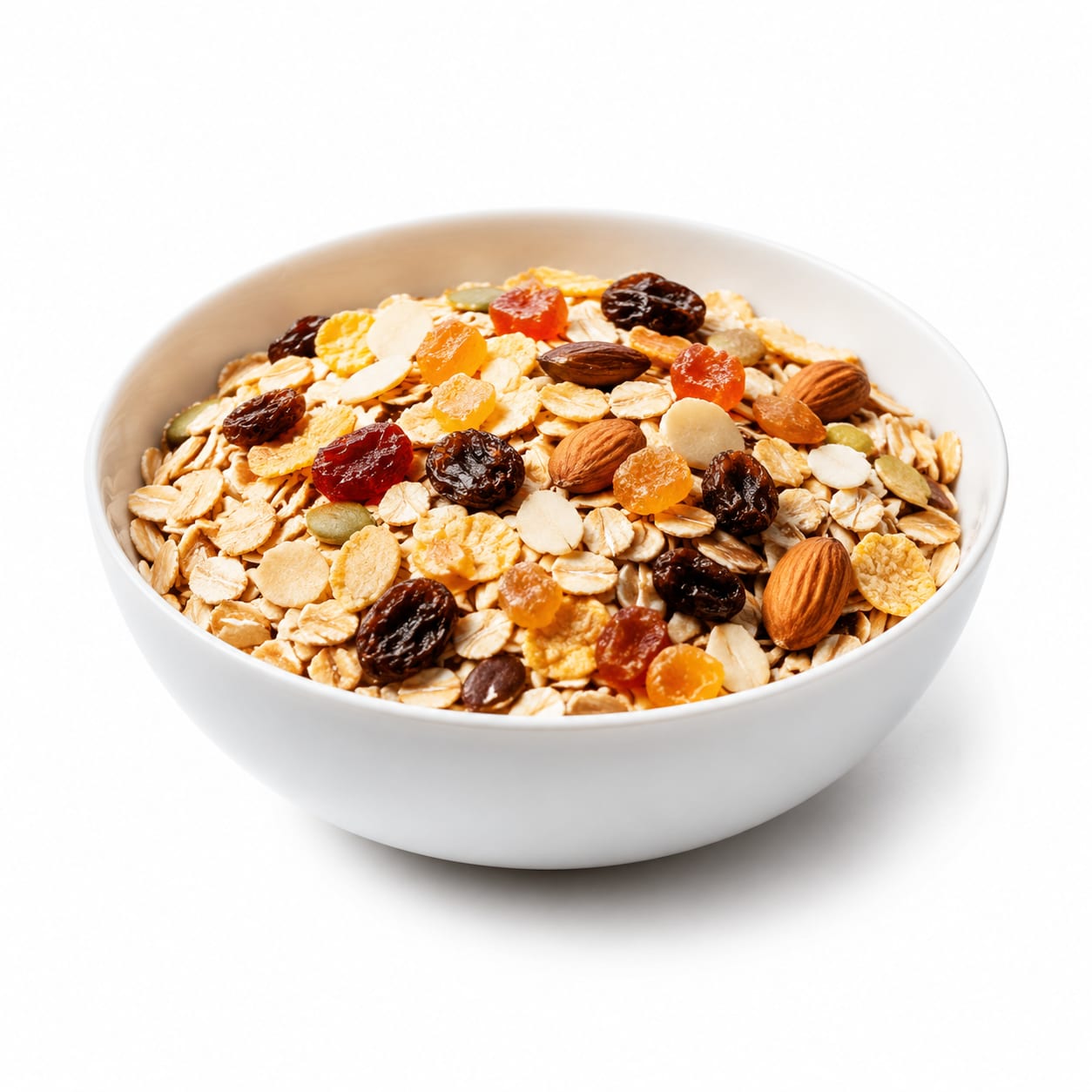
Muesli
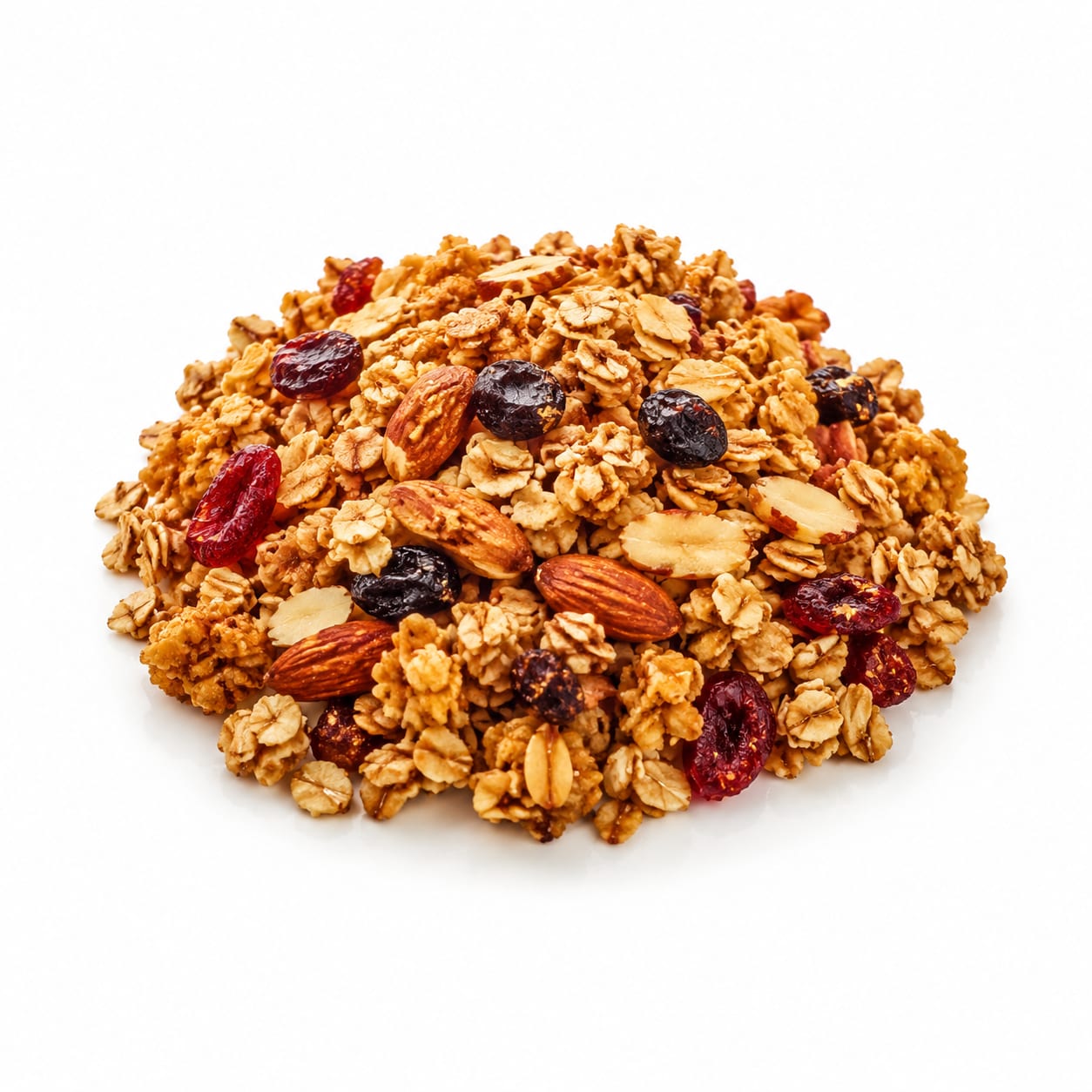
Granola
Muesli delivers steadier energy and better daily nutrition, while Granola is a tastier, calorie-dense treat that is easy to overeat.
Muesli scores higher due to lower sugar, minimal processing, and better suitability for daily consumption, while Granola's high calorie density and added sugars limit its everyday health value.
Lower sugar and fewer calories in Muesli versus the satisfying crunch and quick energy of Granola.
At a glance
Executive summary
Overall
Muesli
Healthier
Muesli
More practical
Granola
Daily use
Muesli
Key comparison lenses
Sugar and sweetener content
Granola is typically baked with significant added sugars or syrups, while Muesli relies on the natural sweetness of dried fruits.
Calorie density and portion control
Added fats and sugars make Granola extremely calorie-dense, making it easy to accidentally overconsume compared to Muesli.
Blood sugar impact
The added sugars and baking process in Granola can cause quicker blood sugar spikes compared to the raw, slower-digesting oats in Muesli.
Processing level and additives
Muesli is largely a raw mix of whole grains and seeds, whereas Granola requires processing with oils and binders to create clusters.
Best choice for
Muesli
- Steady morning energy without crashes
- Weight management and calorie awareness
- Heart-healthy and low-sugar diets
Granola
- Hiking and high-energy outdoor activities
- Quick calorie intake for athletes or bulking
- Satisfying sweet cravings with a crunchy texture
Least suitable for
Muesli
- People who need soft textures without prep or soaking time
- Those seeking immediate, fast-digesting energy
Granola
- Strict calorie counters
- Blood sugar management and diabetes control
- People prone to mindless snacking
Deep comparison
Dimension by dimension
Each lens scores both foods and breaks down who each option suits.
- Dimension 1 · Priority 95Muesli
Blood Sugar Stability
Muesli · 88Granola · 55Muesli keeps blood sugar far steadier because it lacks the added syrups and honey found in Granola.
Tradeoff
You sacrifice the sweet, comforting taste of Granola for crash-free energy with Muesli.
Why it matters
Preventing blood sugar spikes reduces afternoon crashes and long-term diabetes risk.
Real-world impact
Eating Muesli means fewer mid-morning cravings and no energy dip at your desk.
Muesli
- Diabetics
- People avoiding sugar crashes
Better for
- Those who need immediate pre-workout fuel
Worse for
Granola
- Athletes needing quick glycogen replenishment
Better for
- Anyone monitoring their A1C
Worse for
- Dimension 2 · Priority 90Muesli
Calorie Density and Portion Control
Muesli · 85Granola · 45Granola is extremely calorie-dense due to added oils and sweeteners, making it very easy to overeat.
Tradeoff
Granola packs a lot of energy into a small handful, while Muesli offers more volume for fewer calories.
Why it matters
Unintentional overeating is one of the biggest hidden drivers of weight gain.
Real-world impact
A bowl of Granola can easily exceed 500 calories before you feel full, whereas Muesli expands in your stomach with milk or water.
Muesli
- Weight loss
- Mindful snacking
Better for
- Those struggling to get enough calories
Worse for
Granola
- Backpacking
- Bulking diets
Better for
- Anyone eating mindlessly in front of the TV
Worse for
- Dimension 3 · Priority 80It depends
Satiety and Fullness
Muesli · 82Granola · 78Muesli provides long-lasting fullness through expanding fiber, while Granola offers immediate satiety from high fat content.
Tradeoff
Muesli takes time to digest and keeps you full for hours, but Granola's fat hits the satiety signals faster.
Why it matters
Staying full between meals prevents unnecessary snacking.
Real-world impact
Muesli keeps you full until lunch, while Granola might leave you hungry again sooner if the sugar wears off quickly.
Muesli
- Long work shifts without breaks
Better for
- Those who need immediate fullness without waiting for soaking
Worse for
Granola
- Quick hunger relief after a heavy workout
Better for
- Late-night snacking where heavy fats might disrupt sleep
Worse for
- Dimension 4 · Priority 80Muesli
Processing and Additives
Muesli · 92Granola · 55Muesli is typically a simple mix of raw grains, nuts, and seeds, whereas Granola is baked with oils and binders.
Tradeoff
Muesli offers cleaner ingredients, but Granola provides a superior texture and clumping that makes it enjoyable.
Why it matters
Minimally processed foods are generally easier on the digestive system and long-term health.
Real-world impact
Choosing Muesli means avoiding inflammatory vegetable oils and hidden syrups found in many Granola brands.
Muesli
- Clean eating diets
- Whole food plant-based diets
Better for
- Those who dislike raw textures
Worse for
Granola
- People who prioritize taste and texture over purity
Better for
- Anyone avoiding added oils or ultra-processed foods
Worse for
- Dimension 5 · Priority 75Granola
Taste and Palatability
Muesli · 60Granola · 90Granola is designed to be highly palatable with a sweet, crunchy profile, while Muesli is blander and chewier.
Tradeoff
You trade nutritional purity for a highly rewarding, dessert-like eating experience with Granola.
Why it matters
Food has to be enjoyable to be sustainable, but hyper-palatability can trigger overeating.
Real-world impact
Granola feels like a treat you look forward to, while Muesli feels more like a healthy routine.
Muesli
- People who prefer neutral bases for fresh fruit
Better for
- Those seeking a crunchy, sweet breakfast
Worse for
Granola
- Picky eaters
- Transitioning from sugary cereals
Better for
- People trying to reduce sweet cravings
Worse for
Timeline
Health impact over time
Short-term
Hours to days
Muesli
- Steady, sustained energy without a crash
- Requires soaking or thorough chewing to avoid bloating from raw oats
Granola
- Quick energy burst from simple carbohydrates
- Potential sugar crash and hunger returning a few hours later
Long-term
Months to years
Muesli
- Better weight management due to lower calorie density
- Improved blood sugar control and reduced diabetes risk
Granola
- Risk of unintended weight gain if portions aren't measured
- Increased sugar cravings and potential metabolic strain from added sugars
Risk profile
Safety & processing
Muesli is mostly raw and unadulterated, while Granola relies on added fats and sweeteners to create its signature clusters and crunch.
Muesli
Phytic acid interference
lowRaw oats in Muesli contain phytic acid, which can slightly reduce mineral absorption if not soaked beforehand.
Rancidity of raw nuts
mediumRaw nuts and seeds in Muesli can go rancid faster than baked ones if stored in a warm pantry for too long.
Granola
Acrylamide exposure
mediumBaking oats and nuts at high temperatures to make Granola can form acrylamide, a potential carcinogen.
Added sugar overload
highMany commercial Granolas contain alarming amounts of added sugars, contributing to metabolic strain and dental issues.
Who wins for whom
Audience fit
Same foods, different winners depending on your goal.
children
GranolaKids are far more likely to accept the sweet, crunchy taste of Granola, though portion control is essential to manage sugar intake.
daily consumption
MuesliMuesli is a sustainable, low-sugar daily staple, whereas Granola is better treated as an occasional indulgence.
diabetes
MuesliWithout the added syrups and honey, Muesli prevents the dangerous glucose spikes triggered by Granola.
elderly
MuesliWhen soaked, Muesli is gentle on the teeth and digestive system, and its low sugar content supports metabolic health in aging bodies.
muscle gain
GranolaGranola provides dense, easy-to-consume calories and carbs needed for heavy training and muscle recovery.
weight loss
MuesliMuesli's lower calorie density and lack of added sugars make it far easier to fit into a calorie deficit without feeling deprived.
Your move
Decision guide
Choose Muesli
- You want steady energy without a mid-morning crash
- You are watching your weight or blood sugar
- You prefer eating whole, raw ingredients with minimal additives
Choose Granola
- You need dense calories for hiking, biking, or bulking
- You want a crunchy, sweet topping for yogurt
- You find plain oats unappealing and need tastier options to stick with breakfast
Either works if
- You want a hearty oat-based breakfast
- You enjoy mixing them together for a balance of crunch and raw nutrition
Avoid both if
- You have a severe oat or gluten intolerance (unless certified gluten-free)
- You are on a strict very-low-carb or keto diet
Final recommendation
Make Muesli your daily driver for its metabolic benefits and clean ingredients, but keep Granola on hand as a topping or treat when you want something crunchy and sweet.
Practical
Consumer tips
- 1
Measure Granola with a tablespoon rather than pouring freely to avoid massive calorie overages.
- 2
Soak Muesli overnight in milk or yogurt to soften the grains, reduce phytic acid, and improve digestion.
- 3
Look for Granola brands sweetened with monk fruit or minimal maple syrup, and always check the serving size on the label.
- 4
Mix a small handful of Granola into a larger bowl of Muesli to get the crunch without the sugar overload.