
Nutrition comparison
Granola vs Oatmeal: Which Breakfast is Actually Healthier?
Compare Granola vs Oatmeal for weight loss, blood sugar, and daily nutrition. Discover the hidden calories in Granola and why Oatmeal is usually the better choice.
Overall winner · Oatmeal
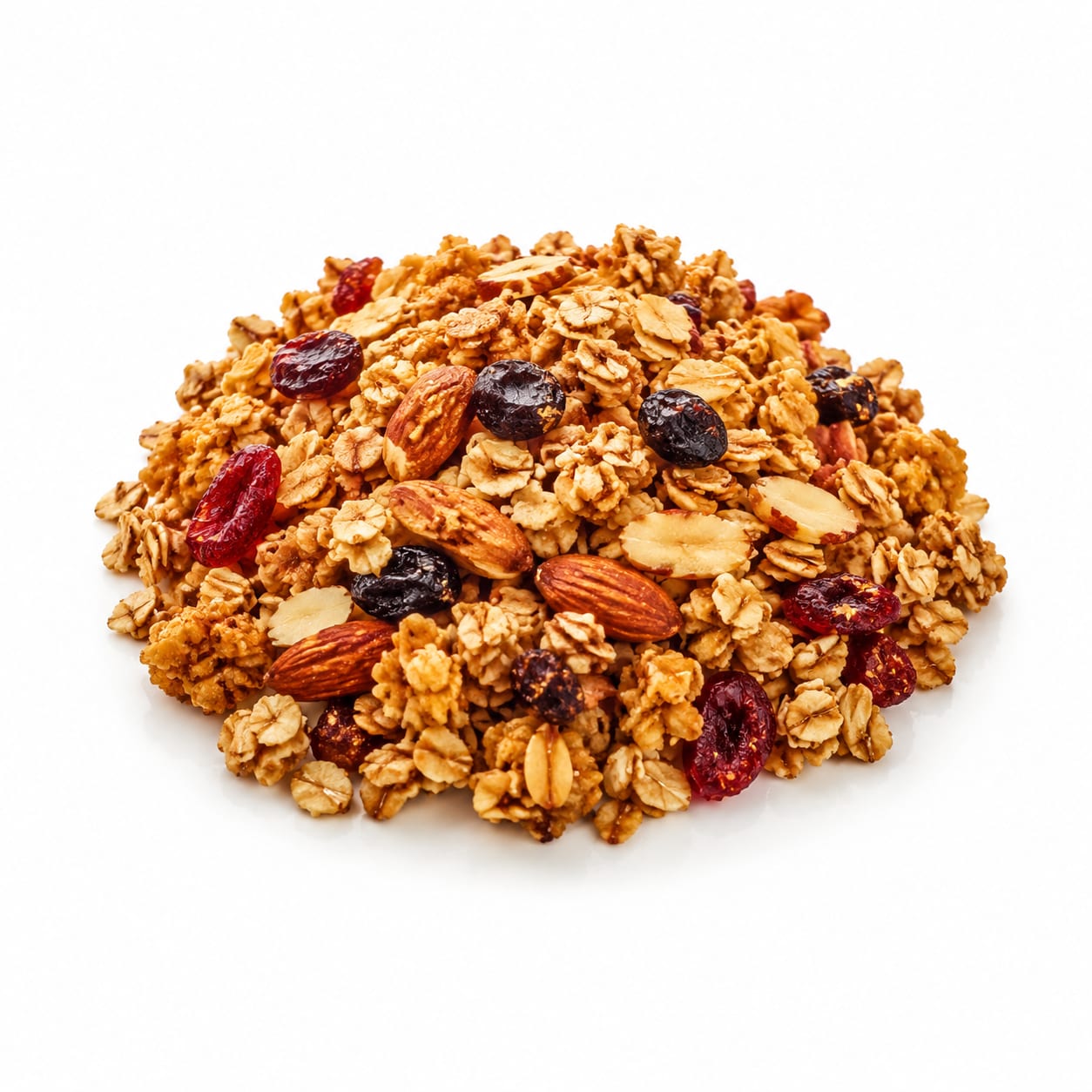
Granola
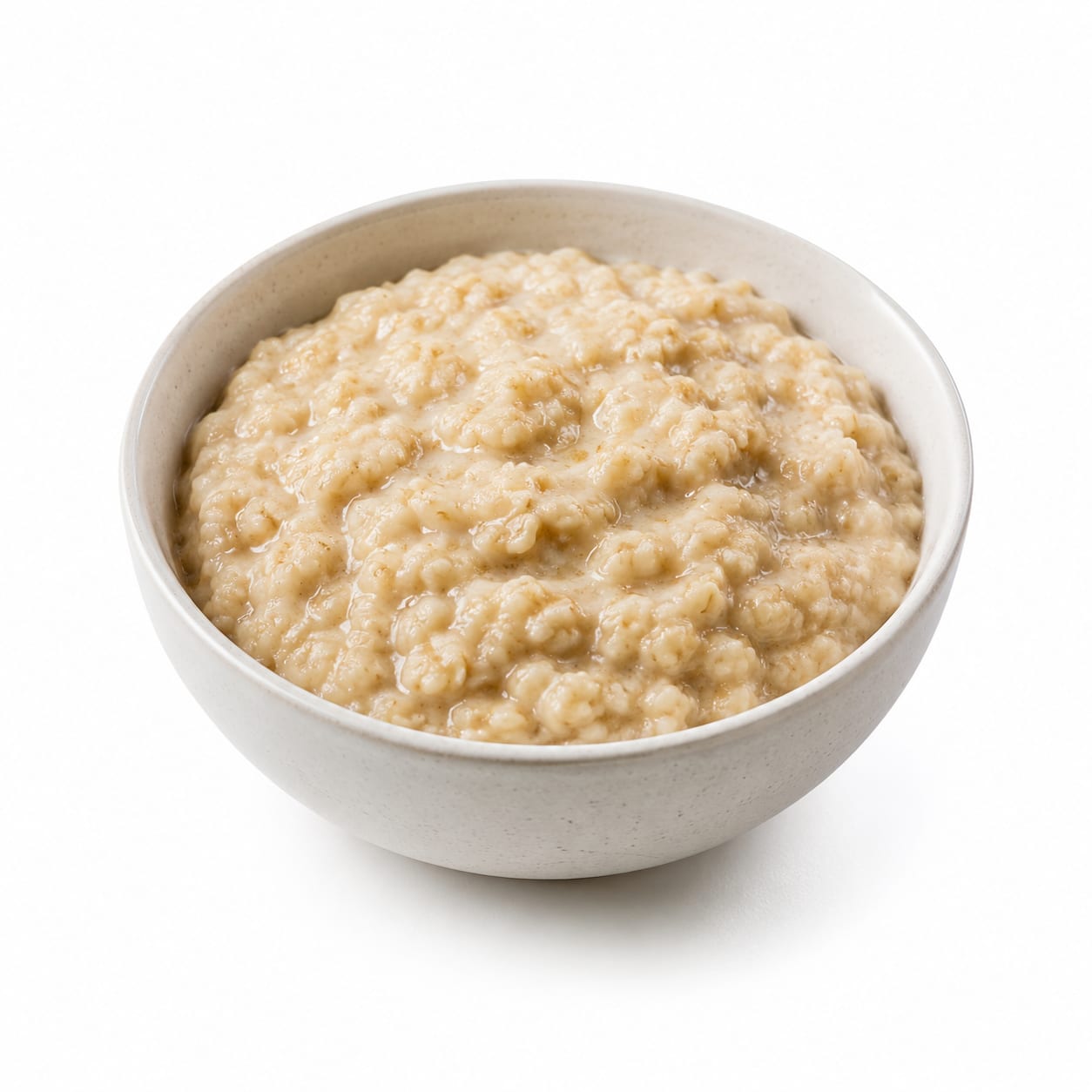
Oatmeal
Oatmeal is the clear winner for daily health and weight management, while Granola serves better as a convenient, calorie-dense snack or topping rather than a staple breakfast.
Oatmeal scores significantly higher due to its superior profile for blood sugar control, satiety, and minimal processing. Granola loses points for high added sugar and extreme calorie density, though it gains some back for convenience.
You trade Oatmeal's steady energy and low calorie density for Granola's crunch, convenience, and high calorie load.
At a glance
Executive summary
Overall
Oatmeal
Healthier
Oatmeal
More practical
Granola
Daily use
Oatmeal
Key comparison lenses
Weight management and calorie density
Granola is extremely calorie-dense and easy to overeat, while Oatmeal is low in calories and highly filling.
Blood sugar and added sugar content
Most commercial Granola is loaded with added sugars causing spikes, whereas plain Oatmeal stabilizes blood sugar.
Processing and ingredient quality
Granola often contains added oils and preservatives, while Oatmeal is typically a single-ingredient whole grain.
Convenience and meal prep
Granola is ready-to-eat, making it a grab-and-go option, while Oatmeal requires cooking or overnight prep.
Best choice for
Granola
- Hikers needing calorie-dense fuel
- Busy mornings requiring zero prep
- Yogurt toppings in small amounts
Oatmeal
- People managing their weight
- Those monitoring blood sugar
- Anyone seeking a warm, comforting daily breakfast
Least suitable for
Granola
- People trying to lose weight
- Those with insulin resistance or diabetes
- Anyone prone to mindless snacking
Oatmeal
- Those needing high-calorie intake on the go
- People who dislike warm breakfasts
- Mornings with zero time for prep
Deep comparison
Dimension by dimension
Each lens scores both foods and breaks down who each option suits.
- Dimension 1 · Priority 90Oatmeal
Satiety and Fullness
Granola · 40Oatmeal · 90Oatmeal keeps you full for hours because its soluble fiber expands in your stomach. Granola is calorie-dense but not very filling, making it easy to overeat.
Tradeoff
Granola gives you quick crunch satisfaction, but Oatmeal prevents the mid-morning crash and cravings.
Why it matters
Staying full helps you eat less overall, which is crucial for weight management.
Real-world impact
A bowl of Oatmeal at 8 AM can keep you satisfied until noon. A bowl of Granola might leave you hungry again by 10 AM despite having twice the calories.
Granola
- Quick satisfaction from crunch
Better for
- Easy to consume 500+ calories without feeling full
Worse for
Oatmeal
- Long-lasting fullness
- Preventing overeating later
Better for
- Takes time to digest, which might feel heavy before a workout
Worse for
- Dimension 2 · Priority 95Oatmeal
Blood Sugar Stability
Granola · 30Oatmeal · 85Plain Oatmeal contains beta-glucan fiber that slows sugar absorption. Granola typically contains added sugars and sweetened clusters that spike blood sugar.
Tradeoff
You sacrifice steady energy for the sweet taste of Granola.
Why it matters
Blood sugar spikes lead to energy crashes, cravings, and long-term insulin resistance.
Real-world impact
Eating Granola can lead to an afternoon energy crash and a craving for more sweets. Oatmeal provides a steady burn of energy.
Granola
- Immediate energy for intense activity
Better for
- High risk of sugar crash
- Worsening insulin resistance over time
Worse for
Oatmeal
- Stable energy throughout the morning
- Reduced cravings for sweets
Better for
- Can taste bland without added sweeteners
Worse for
- Dimension 3 · Priority 90Oatmeal
Calorie Density and Weight Management
Granola · 25Oatmeal · 90Granola packs hundreds of calories into a small handful due to nuts, seeds, oils, and sweeteners. Oatmeal is voluminous and low in calories per serving.
Tradeoff
Granola is an efficient way to get calories if you need them, but a disaster if you are trying to cut them.
Why it matters
Portion distortion with Granola is one of the most common reasons people gain weight eating 'healthy' foods.
Real-world impact
A standard restaurant bowl of Granola can easily exceed 600 calories. A large bowl of Oatmeal with water is around 150 calories.
Granola
- Gaining weight healthily
- Endurance athletes needing dense fuel
Better for
- Stealth weight gain from small portions
Worse for
Oatmeal
- Losing weight while eating large portions
- Maintaining a calorie deficit easily
Better for
- Hard to get enough calories for high burners
Worse for
- Dimension 4 · Priority 75Granola
Convenience and Practicality
Granola · 95Oatmeal · 60Granola is ready to eat straight from the bag. Oatmeal requires boiling water or overnight soaking.
Tradeoff
You trade a few minutes of prep time for a vastly healthier breakfast.
Why it matters
When mornings are rushed, convenience often wins over health, making Granola a tempting default.
Real-world impact
You can eat Granola while driving or walking. Oatmeal requires sitting down with a hot bowl.
Granola
- Zero prep time
- Portable for commuting or travel
Better for
- None for convenience
Worse for
Oatmeal
- Can be prepped the night before as overnight oats
Better for
- Requires preparation and dishes
Worse for
- Dimension 5 · Priority 80Oatmeal
Processing and Additives
Granola · 35Oatmeal · 90Oatmeal is a single-ingredient whole grain. Granola is a baked mixture often containing added oils, syrups, and preservatives.
Tradeoff
Granola offers complex flavor profiles and textures, but comes with ultra-processed ingredients.
Why it matters
Minimally processed foods are easier for your body to recognize and utilize without inflammatory responses.
Real-world impact
Reading the ingredient list on a Granola bag often reveals 15+ items, while Oatmeal has one: oats.
Granola
- More interesting flavor and texture variety
Better for
- Often contains ultra-processed binders and sugars
Worse for
Oatmeal
- Clean, single-ingredient nutrition
- No hidden inflammatory oils
Better for
- Can be boring without extra ingredients
Worse for
Timeline
Health impact over time
Short-term
Hours to days
Granola
- Quick burst of energy followed by a crash
- Satisfies sweet cravings immediately
- May cause bloating if eaten in large portions due to dense nuts and seeds
Oatmeal
- Steady, sustained energy for hours
- Promotes regular bowel movements
- Feels warm and comforting in the stomach
Long-term
Months to years
Granola
- Risk of unintentional weight gain from excess calories
- Increased insulin resistance from frequent added sugar intake
- Potential inflammation from processed seed oils
Oatmeal
- Lower cholesterol levels thanks to beta-glucan fiber
- Easier weight maintenance due to high satiety
- Improved gut health from prebiotic fiber
Risk profile
Safety & processing
Oatmeal is simply rolled or steel-cut oats with nothing added. Granola is a manufactured product combining oats with sweeteners, oils, and dried fruits, often relying on syrups to create its signature clusters.
Granola
Acrylamide exposure
mediumThe baking process in Granola can form acrylamide, a compound formed in starchy foods at high temperatures, which is a potential carcinogen.
Added sugar overload
highMany Granolas contain 10-15 grams of added sugar per serving, contributing to metabolic disease risk.
Oatmeal
Glyphosate residue
mediumConventionally grown oats are often sprayed with glyphosate as a desiccant. Choosing organic Oatmeal eliminates this risk.
Gluten cross-contamination
lowUnless certified gluten-free, Oatmeal may be processed in facilities with wheat, posing a risk for those with celiac disease.
Who wins for whom
Audience fit
Same foods, different winners depending on your goal.
children
OatmealOatmeal provides stable energy for school without the sugar crash, though kids may prefer the taste of Granola.
daily consumption
OatmealOatmeal is a sustainable, low-sugar daily staple. Daily Granola consumption easily leads to excess calorie and sugar intake.
diabetes
OatmealOatmeal's soluble fiber slows glucose absorption, while Granola's added sugars cause dangerous blood sugar spikes.
elderly
OatmealOatmeal is gentle on the digestive system, easy to chew, and actively helps lower cholesterol, which is crucial for older adults.
muscle gain
GranolaGranola provides an easy way to consume the calorie surplus needed for muscle growth, especially for hard gainers who struggle to eat enough.
weight loss
OatmealOatmeal's high volume and low calorie density make it far easier to stay in a calorie deficit without feeling deprived.
Your move
Decision guide
Choose Granola
- You are hiking or doing endurance sports and need dense, portable calories
- You want a crunchy topping for your yogurt or smoothie bowl
- You struggle to get enough calories and need an easy way to add them
Choose Oatmeal
- You want a filling breakfast that keeps you satisfied until lunch
- You are trying to lose weight or maintain your current weight
- You need to manage your blood sugar or cholesterol levels
Either works if
- You make your own Granola at home with controlled amounts of maple syrup and healthy fats
- You are simply looking for a carb source to pair with protein after a workout
Avoid both if
- You have celiac disease and cannot find certified gluten-free options
- You are on a strict very-low-carb or ketogenic diet
Final recommendation
Make Oatmeal your daily breakfast staple for health, satiety, and steady energy. Treat Granola like a dessert or a condiment—use it sparingly as a topping rather than a base, and always measure your portions.
Practical
Consumer tips
- 1
If you love Granola, use it as a tablespoon-sized topping over Oatmeal or yogurt instead of eating it by the bowl.
- 2
Make your own Granola at home using rolled oats, nuts, a small amount of maple syrup, and coconut oil to control the sugar content.
- 3
Boost Oatmeal's protein by stirring in collagen peptides, Greek yogurt, or a dollop of peanut butter to make it even more filling.
- 4
Always check Granola nutrition labels for the actual serving size—it is often a shockingly small 1/4 or 1/3 cup.
- 5
Choose organic Oatmeal when possible to avoid glyphosate residues from conventional farming.