
Nutrition comparison
Granola vs Granola Bar: Which Is Actually Healthier?
Granola offers cleaner ingredients and more flexibility, but granola bars win on portion control and convenience. Compare nutrition, processing, sugar, and real-world tradeoffs to find your best pick.
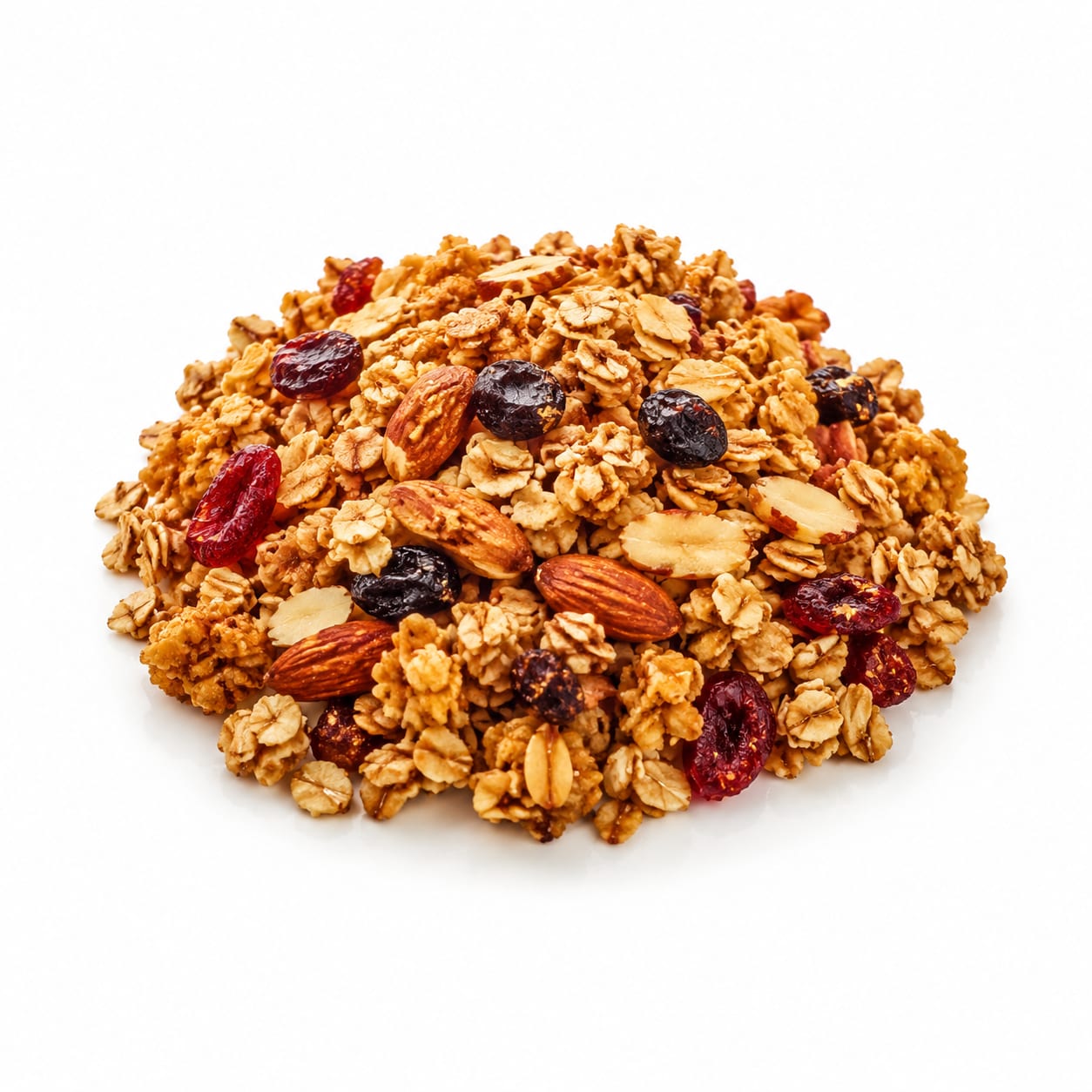
Granola
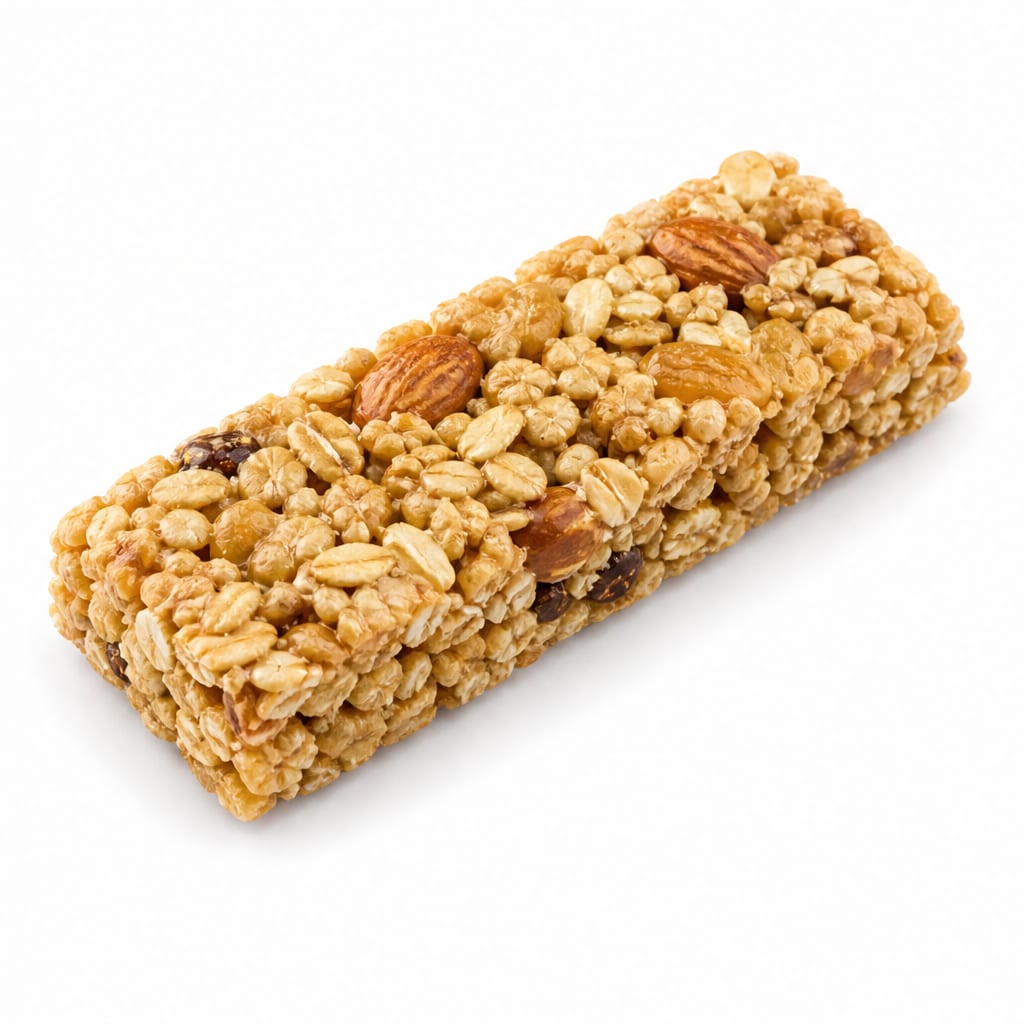
Granola Bar
Granola wins on ingredient quality and flexibility, but granola bars win on portion control and convenience. Your best pick depends on whether you trust yourself with an open bag.
Granola scores higher because it typically contains fewer additives and offers more ingredient control. Granola bars lose points for ultra-processing and hidden sugars but gain some back through built-in portion limits and convenience.
Real food freedom versus built-in boundaries. Granola gives you cleaner ingredients but no brakes; granola bars give you portion guardrails but more processing baggage.
At a glance
Executive summary
Overall
It depends
Healthier
Granola
More practical
Granola Bar
Daily use
It depends
Key comparison lenses
portion control and overeating
Granola is notoriously easy to overpour while granola bars come pre-portioned, making this the single biggest practical difference
processing and additives
Granola bars require binders, preservatives, and stabilizers that loose granola typically avoids
convenience and portability
The bar format exists primarily for on-the-go eating, which is the main reason people choose it over loose granola
sugar content and blood spikes
Both can be sugar-heavy, but bars often use syrups and sweeteners to hold their shape, creating denser sugar hits
ingredient transparency and customization
Loose granola is easier to make at home or find with minimal ingredients, while bars hide more behind packaging
Best choice for
Granola
- People who meal-prep and portion intentionally
- Home cooks who want to control every ingredient
- Breakfast eaters who pair granola with protein like Greek yogurt
- Anyone avoiding emulsifiers and preservatives
- Families who eat at a table most mornings
Granola Bar
- Commuters and travelers who eat on the go
- Snackers who struggle with portion control
- Hikers and athletes needing portable fuel
- Office workers who keep desk snacks
- Parents packing school lunches
Least suitable for
Granola
- Binge-prone eaters who find open containers dangerous
- People who need grab-and-go breakfasts in under 10 seconds
- Anyone tracking calories closely without a food scale
Granola Bar
- People avoiding ultra-processed foods
- Those sensitive to emulsifiers, gums, or preservatives
- Anyone who reads ingredient labels and dislikes long lists
Deep comparison
Dimension by dimension
Each lens scores both foods and breaks down who each option suits.
- Dimension 1 · Priority 92Granola Bar
Portion Control & Calorie Management
Granola · 35Granola Bar · 78Granola bars have fixed serving sizes. Loose granola invites heavy pouring that can double or triple intended calories before you notice.
Tradeoff
The bar's portion discipline comes wrapped in more processing. The bowl's freedom comes with zero guardrails.
Why it matters
A typical granola pour is 2-3 times the listed serving size. That turns a 200-calorie bowl into a 500+ calorie meal without any feeling of overeating.
Real-world impact
You grab the granola bag, pour what looks like a normal bowl, and you've just eaten 600 calories before noon. The bar stops at 190 calories whether you like it or not.
Granola
- Flexible eaters who weigh or measure portions
- Those who want larger or smaller servings based on hunger
Better for
- People who eat mindlessly from the bag
- Dieters who underestimate pour sizes
Worse for
Granola Bar
- Anyone who has ever finished a bag without realizing it
- Calorie counters who prefer not to think about it
- Emotional eaters who benefit from hard limits
Better for
- Active people who find one bar too small and eat two or three
- Those who feel restricted and compensate later
Worse for
- Dimension 2 · Priority 88Granola
Processing Level & Additives
Granola · 72Granola Bar · 38Loose granola can be as simple as oats, nuts, honey, and oil. Bars need binders, syrups, gums, and preservatives to hold their shape and survive shelf life.
Tradeoff
Fewer ingredients means more effort and shorter shelf life. Bar convenience costs you ingredient purity.
Why it matters
Emulsifiers and gums in bars may disrupt gut bacteria over time. Rice syrup and invert sugar sound natural but behave like added sugar in your body.
Real-world impact
A quality granola might have 8 ingredients you recognize. A typical bar has 20+, including things you would never add at home.
Granola
- Clean-label shoppers
- Home cooks who make granola from scratch
- Anyone following a whole-food philosophy
Better for
- Budget shoppers who can only afford mass-market granola with added oils
- Anyone assuming all granola is automatically healthy
Worse for
Granola Bar
- People who prioritize shelf stability for travel or emergencies
- Those who never read ingredient labels anyway
Better for
- Gut-sensitive individuals who react to gums and emulsifiers
- Parents trying to minimize kids' exposure to preservatives
Worse for
- Dimension 3 · Priority 85Granola Bar
Convenience & Portability
Granola · 30Granola Bar · 90Granola bars were literally invented to solve the portability problem. Loose granola needs a bowl, milk or yogurt, and a spoon.
Tradeoff
The bar format trades the eating experience for grab-and-go speed. You save three minutes but lose the ritual.
Why it matters
When healthy food is inconvenient, people default to whatever is closest. Bars remove that friction entirely.
Real-world impact
You can eat a granola bar one-handed while driving, walking, or standing on a train. Loose granola requires sitting down and a small amount of planning.
Granola
- Slow mornings with time for a real breakfast
- Weekend brunch builders who layer toppings
Better for
- Anyone whose breakfast happens between the bed and the door
- Travelers without access to bowls and refrigeration
Worse for
Granola Bar
- 6 AM gym-goers eating in the car
- Hikers and campers needing packable fuel
- Office snackers who keep a desk drawer stash
Better for
- People who want a sit-down meal experience
- Those who find bars unsatisfying and end up eating more
Worse for
- Dimension 4 · Priority 80Granola
Sugar Content & Blood Sugar Impact
Granola · 55Granola Bar · 40Both can be sugar bombs, but bars often use sticky syrups as structural glue, meaning sugar is mandatory rather than optional.
Tradeoff
Granola lets you choose low-sugar versions or make your own. Bars almost always need sweet binders to stay intact.
Why it matters
A bar with 12g of sugar eaten alone causes a faster spike than the same sugar in a bowl with milk and fruit, because the bar digests faster without liquid and fiber slowing it down.
Real-world impact
That 3 PM granola bar gives you 30 minutes of energy then a crash. A bowl of granola with yogurt carries you longer.
Granola
- Low-sugar brands or homemade batches
- Pairings with protein that blunt sugar spikes
Better for
- Mass-market granolas with 15g+ sugar per serving
- Eating it dry by the handful like candy
Worse for
Granola Bar
- Brands that use dates or minimal sweeteners
- Post-workout when you actually want quick carbs
Better for
- Coated or dipped bars that double the sugar
- Eating bars solo without any protein pairing
Worse for
- Dimension 5 · Priority 78Granola
Satiety & Fullness
Granola · 70Granola Bar · 48Loose granola eaten with milk or yogurt creates a larger, more filling meal. A bar is gone in six bites and may leave you hungry 90 minutes later.
Tradeoff
The bar's compactness is exactly why it fails at fullness. Density does not equal satisfaction.
Why it matters
Satiety drives snacking behavior. If your breakfast does not fill you, you eat again sooner, which often negates any calorie advantage from the bar.
Real-world impact
You eat a granola bar at 8 AM and are hunting for snacks by 9:30. You eat a bowl of granola with yogurt and make it to lunch.
Granola
- Breakfast eaters who need to last until noon
- Anyone who feels hungry after eating bars
Better for
- People who eat granola dry in large quantities
- Those who add high-calorie mix-ins without noticing
Worse for
Granola Bar
- Light snackers who want something small
- Post-workout refuelers who need quick carbs, not fullness
Better for
- Anyone using a bar as a meal replacement
- People prone to sequential snacking after insufficient meals
Worse for
- Dimension 6 · Priority 70Granola
Versatility & Meal Integration
Granola · 85Granola Bar · 30Granola works as cereal, yogurt topping, smoothie bowl crunch, baking ingredient, or salad garnish. A bar is a bar.
Tradeoff
Versatility requires effort and other ingredients. A bar asks nothing and gives you exactly one thing.
Why it matters
Foods that integrate into meals tend to create better overall nutrition patterns than standalone snack products.
Real-world impact
You can build five different breakfasts around granola. A granola bar is always just a granola bar.
Granola
- Creative cooks who build meals around ingredients
- Meal preppers who make large batches for the week
Better for
- People who find open options paralyzing
- Those who never cook or assemble meals
Worse for
Granola Bar
- People who want zero decision-making
- Anyone who treats snacks as fuel, not experience
Better for
- Anyone bored by eating the same format daily
- Cooking enthusiasts who find bars limiting
Worse for
Timeline
Health impact over time
Short-term
Hours to days
Granola
- Steadier energy when paired with protein and healthy fat
- Easy to overeat, leading to a heavy, sluggish feeling
- Better blood sugar stability in a complete meal context
Granola Bar
- Quick energy that may spike and crash within an hour or two
- Convenient hunger solution that might not actually solve hunger
- Occasional digestive discomfort from gums and fiber isolates
Long-term
Months to years
Granola
- Better metabolic profile when portions are controlled and ingredients are clean
- Risk of gradual weight gain if pouring habits go unchecked
- More gut-friendly with fewer emulsifier exposures
Granola Bar
- Higher cumulative exposure to preservatives, gums, and processed syrups
- Portion consistency may support weight maintenance for some
- Potential gut microbiome disruption from regular emulsifier intake
Risk profile
Safety & processing
Granola is baked and mixed but fundamentally recognizable as its component ingredients. Granola bars undergo additional compression, binding, and stabilization that pushes them into ultra-processed territory. The difference is not just how they look but what holds them together: bars rely on syrups, gums, and sometimes emulsifiers that loose granola simply does not need.
Granola
Rancid oils from nuts and seeds
mediumGranola's nuts and seeds can go rancid if stored too long or in warm conditions. Smell before eating if it has been in the pantry for months.
Mold in homemade batches
lowHomemade granola without preservatives has a shorter shelf life. Moisture intrusion can cause mold within a couple weeks.
Granola Bar
Emulsifier and preservative exposure
mediumCommon bar additives like soy lecithin, glycerin, and BHT are generally recognized as safe but have emerging concerns around gut health and inflammation with frequent consumption.
Hidden allergens from shared equipment
mediumBars are manufactured in facilities processing many allergens. Cross-contamination risk is higher than with simpler granola products.
Stale or oxidized fats in long-shelf-life bars
lowBars sitting in warehouses for months may have degraded fats masked by strong flavors and sweeteners.
Who wins for whom
Audience fit
Same foods, different winners depending on your goal.
children
GranolaLess processing and fewer additives matter more for developing bodies. Granola with milk and fruit is a more balanced meal than a bar alone, though bars are fine occasionally for lunchboxes.
daily consumption
It dependsIf you portion carefully, granola is the cleaner daily choice. If you know you will not portion carefully, a bar's built-in limits make it the safer daily habit.
diabetes
It dependsNeither is ideal, but homemade low-sugar granola with nuts and seeds causes slower glucose rises. Some bars have lower total carbs per serving due to smaller portions. It depends entirely on the specific product and how it is eaten.
elderly
GranolaLoose granola with yogurt is easier to chew for dental issues, more hydrating, and nutritionally richer. Bars can be dry and hard for some older adults.
muscle gain
GranolaLoose granola pairs better with protein-rich additions like Greek yogurt, and the higher volume supports the larger caloric needs of muscle building.
weight loss
Granola BarPre-portioned bars make calorie tracking easier and remove the risk of accidental overpouring, which is the single biggest granola trap for weight loss.
Your move
Decision guide
Choose Granola
- You eat breakfast at a table with time to assemble a bowl
- You make your own granola or buy from brands with short ingredient lists
- You pair it with protein like yogurt or milk and do not eat it dry by the handful
- You are okay measuring portions or have a reliable visual reference for serving size
Choose Granola Bar
- Your mornings are rushed and you need something you can eat in transit
- You have a history of overeating from open containers and bags
- You need portable fuel for hiking, sports, or long work shifts
- You want a controlled-calorie snack that requires zero preparation or cleanup
Either works if
- You are mixing both approaches: granola at home, bars when traveling
- You care more about total daily nutrition than any single food choice
- You already have a high-quality brand you trust in either format
Avoid both if
- You are strictly limiting added sugars and cannot find a low-sugar option in either format
- You have oat or nut allergies that make both foods unsafe
- You tend to graze on either one throughout the day without noticing
Final recommendation
Keep quality granola at home for real breakfasts and stash a few bars for situations where the alternative is nothing at all. The best outcome is not choosing one forever but using each where it genuinely works. Just remember: a bad granola bar is still worse than a good bowl of granola, and a good bowl of granola you overpoured is still worse than a basic bar you ate as intended.
Practical
Consumer tips
- 1
Flip the bag and read the sugar per serving before buying granola. Under 6g per serving is respectable; over 12g is dessert territory.
- 2
If you buy granola bars, look for ones with under 8g added sugar and ingredients you can pronounce. They exist but are not the ones at eye level in the grocery store.
- 3
Measure your granola pour once with a measuring cup, then use that bowl as your visual guide forever. Most people are shocked at how small a real serving looks.
- 4
Freeze homemade granola in portions to avoid the whole-bag-is-open problem. It thaws in minutes.
- 5
If a granola bar lists rice syrup, corn syrup, or invert sugar in the first three ingredients, it is a candy bar wearing hiking boots.
- 6
Pair either option with a protein source. Granola with Greek yogurt or a bar with a handful of almonds changes the blood sugar story completely.
- 7
Make your own granola bars with oats, nut butter, honey, and mix-ins. You get the convenience with none of the emulsifiers.