
Nutrition comparison
Granola vs Greek Yogurt: Which is Healthier for Breakfast?
Compare Granola vs Greek Yogurt for weight loss, protein, and blood sugar. Discover which breakfast staple keeps you full longer and which to eat in moderation.
Overall winner · Greek Yogurt
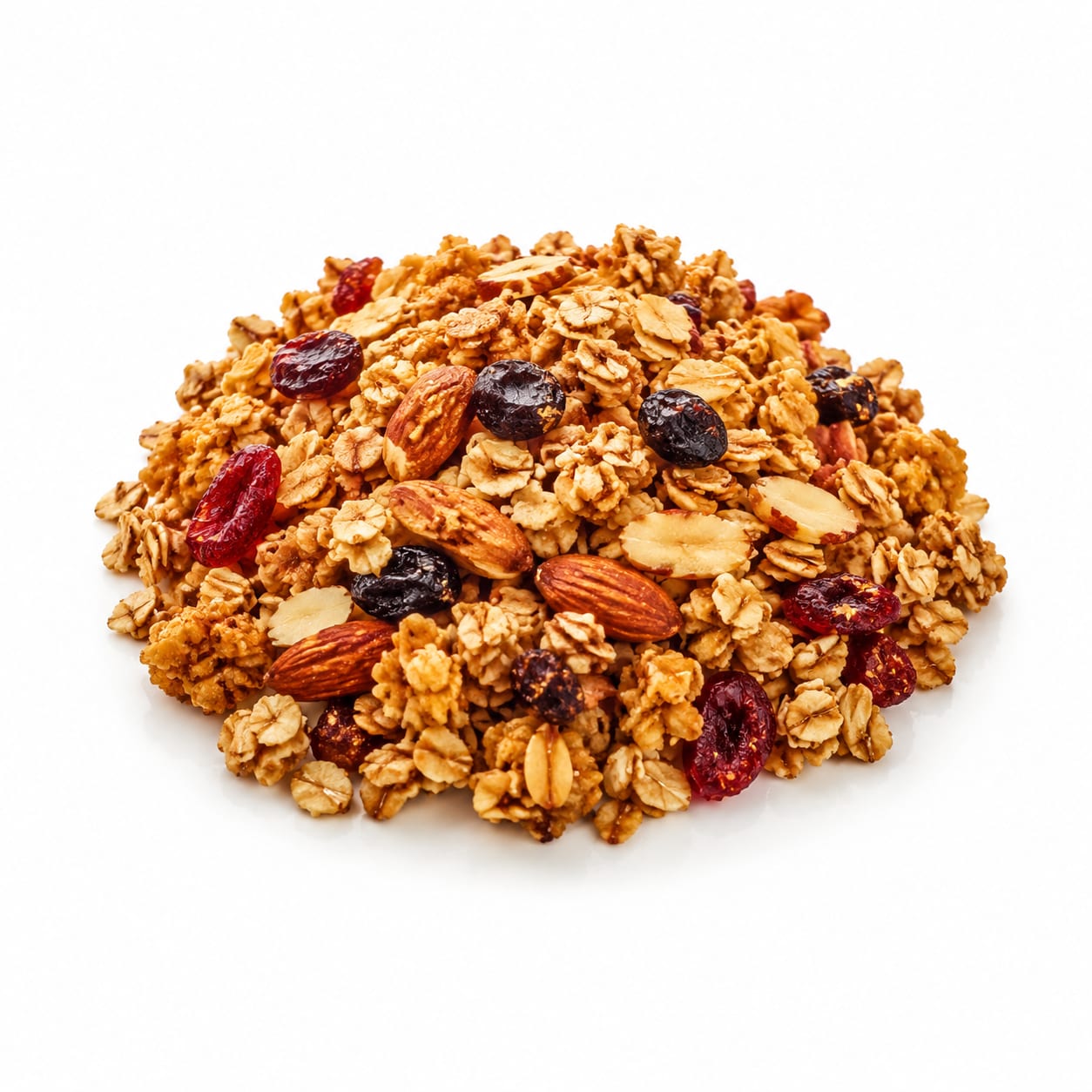
Granola
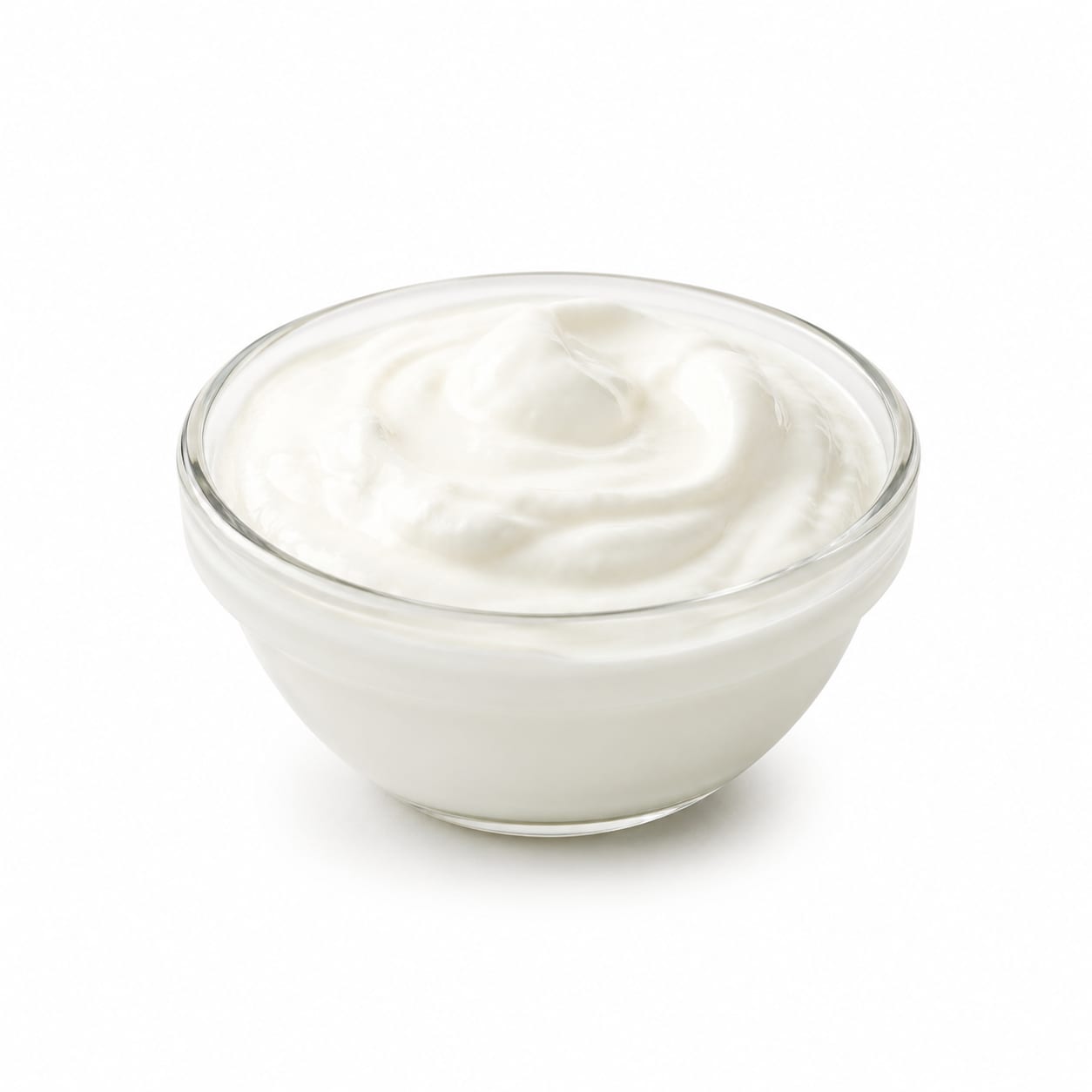
Greek Yogurt
Greek Yogurt offers superior protein and satiety with far fewer calories, while Granola provides quick energy and crunch but risks overconsumption.
Greek Yogurt scores significantly higher due to its favorable protein-to-calorie ratio and blood sugar stability, while Granola's high sugar and calorie density lower its score.
Crunchy convenience and quick carbs versus high-protein fullness and steady energy.
At a glance
Executive summary
Overall
Greek Yogurt
Healthier
Greek Yogurt
More practical
Granola
Daily use
Greek Yogurt
Key comparison lenses
Breakfast choice and morning energy management
Users are likely deciding what to eat to start their day without crashing mid-morning.
Weight management and calorie control
Granola is notoriously calorie-dense, while Greek Yogurt is a common diet staple for fat loss.
Satiety and snacking behavior
Protein versus carb/fat density directly impacts how much you eat later in the day.
Sugar intake and blood sugar stability
Hidden sugars in Granola contrast sharply with the naturally low sugar in plain Greek Yogurt.
Best choice for
Granola
- Hikers needing calorie density
- People needing shelf-stable snacks
- Endurance athletes requiring quick carbs
Greek Yogurt
- People managing weight
- Anyone seeking high protein
- Those watching blood sugar
Least suitable for
Granola
- People with diabetes or insulin resistance
- Those trying to lose weight
- Anyone prone to mindless snacking
Greek Yogurt
- People with severe dairy intolerance
- Those needing shelf-stable travel food
- Vegans
Deep comparison
Dimension by dimension
Each lens scores both foods and breaks down who each option suits.
- Dimension 1 · Priority 95Greek Yogurt
Satiety & Fullness
Granola · 55Greek Yogurt · 92Greek Yogurt keeps you full much longer per calorie than Granola.
Tradeoff
Granola feels heavy in the stomach initially but digests quickly, while Greek Yogurt provides sustained fullness.
Why it matters
Staying full prevents overeating and cravings later in the day.
Real-world impact
A Greek Yogurt breakfast easily lasts until lunch; Granola might leave you hungry by 10 AM.
Granola
- Bulking up when you have a low appetite
Better for
- Controlling daily calorie intake
Worse for
Greek Yogurt
- Preventing the mid-morning snack attack
- Managing portion control effortlessly
Better for
- Eating large volumes when calories are needed
Worse for
- Dimension 2 · Priority 90Greek Yogurt
Blood Sugar Stability
Granola · 35Greek Yogurt · 85Plain Greek Yogurt stabilizes blood sugar, while Granola often causes spikes and crashes.
Tradeoff
You trade slow, steady energy for a quick carb rush.
Why it matters
Blood sugar crashes lead to fatigue, irritability, and intense cravings.
Real-world impact
Granola can trigger an afternoon energy slump; Greek Yogurt keeps energy steady.
Granola
- Quick fuel right before a high-intensity workout
Better for
- Sustained focus during long meetings
Worse for
Greek Yogurt
- Avoiding the jittery-then-crashed feeling
- Managing diabetes or prediabetes
Better for
- Rapid recovery from hypoglycemia
Worse for
- Dimension 3 · Priority 85Greek Yogurt
Protein & Muscle Support
Granola · 25Greek Yogurt · 95Greek Yogurt is a protein powerhouse; Granola is mostly carbs and fat.
Tradeoff
Muscle-building fuel versus energy-dense carbohydrates.
Why it matters
Protein is essential for muscle repair, metabolism, and maintaining lean mass.
Real-world impact
Greek Yogurt after a workout kickstarts recovery; Granola just replaces burned carbs.
Granola
- Carb-loading for marathon training
Better for
- Meeting daily protein targets without excess calories
Worse for
Greek Yogurt
- Post-workout muscle recovery
- Older adults preserving muscle mass
Better for
- Fueling a long-distance run on its own
Worse for
- Dimension 4 · Priority 88Greek Yogurt
Calorie Density & Weight Management
Granola · 30Greek Yogurt · 88Granola is extremely calorie-dense and easy to overeat; Greek Yogurt is lean and portion-friendly.
Tradeoff
A small handful of Granola packs as many calories as a whole bowl of Greek Yogurt.
Why it matters
Calorie density dictates how much you can eat before feeling full.
Real-world impact
A standard Granola bowl can easily exceed 500 calories without you realizing it.
Granola
- Backpacking where every ounce of weight must carry maximum calories
Better for
- Mindless snacking while watching TV
Worse for
Greek Yogurt
- Losing weight without feeling deprived
- Eating a large volume of food for fewer calories
Better for
- Getting enough calories on a tight budget or high-activity day
Worse for
- Dimension 5 · Priority 70Granola
Convenience & Portability
Granola · 90Greek Yogurt · 60Granola is shelf-stable and travel-ready; Greek Yogurt requires refrigeration.
Tradeoff
Grab-and-go ease versus cold-chain logistics.
Why it matters
If a food isn't convenient, you're less likely to choose it when busy.
Real-world impact
Toss a bag of Granola in your car for emergencies; Greek Yogurt needs a fridge or cooler.
Granola
- Road trips and commuting
- Keeping a desk drawer snack at work
Better for
- Eating neatly at your desk without crumbs
Worse for
Greek Yogurt
- Quick breakfast at home
- Post-gym fridge grab
Better for
- Traveling light without a cooler
Worse for
Timeline
Health impact over time
Short-term
Hours to days
Granola
- Quick energy burst
- Potential sugar crash within hours
- Feeling overly full if portion is large
Greek Yogurt
- Immediate feeling of fullness
- Steady energy levels
- Cooling, refreshing sensation
Long-term
Months to years
Granola
- Unintended weight gain if portions aren't measured
- Increased insulin resistance from frequent sugar spikes
- Potential chronic inflammation from added sugars
Greek Yogurt
- Improved body composition from high protein
- Better gut health from probiotics
- Easier weight maintenance
Risk profile
Safety & processing
Plain Greek Yogurt is simply strained milk with cultures, while Granola typically combines oats with added sugars, oils, and flavorings.
Granola
Acrylamide exposure
lowToasting oats during Granola production can form acrylamide, a potential carcinogen, though levels are generally low.
Mycotoxin contamination
lowGrains can sometimes harbor mold toxins if stored improperly.
Greek Yogurt
Dairy allergy or lactose intolerance
mediumCan cause digestive distress in sensitive individuals, though Greek Yogurt is lower in lactose than regular milk.
Spoilage without refrigeration
mediumLeaving Greek Yogurt unrefrigerated for extended periods can lead to bacterial growth and foodborne illness.
Who wins for whom
Audience fit
Same foods, different winners depending on your goal.
children
It dependsGreek Yogurt is great for growth, but kids often reject its tartness without added sugar; Granola is more appealing but packs hidden sugars.
daily consumption
Greek YogurtDaily Greek Yogurt supports gut health and steady protein intake without the calorie creep of daily Granola.
diabetes
Greek YogurtPlain Greek Yogurt has minimal sugar and won't spike blood glucose, unlike Granola which is often sugar-heavy.
elderly
Greek YogurtGreek Yogurt is easy to chew, gentle on the stomach, and provides crucial protein to prevent age-related muscle loss.
muscle gain
Greek YogurtGreek Yogurt provides high-quality complete protein essential for muscle repair and growth.
weight loss
Greek YogurtHigh protein and low calorie density make Greek Yogurt far more filling per calorie, naturally reducing overall intake.
Your move
Decision guide
Choose Granola
- You need shelf-stable, packable fuel for hiking or travel.
- You are intentionally carb-loading for an endurance event.
- You want a crunchy topping to sprinkle sparingly over yogurt or fruit.
Choose Greek Yogurt
- You want a high-protein breakfast that keeps you full until lunch.
- You are trying to lose weight or reduce body fat.
- You need a low-sugar, gut-friendly snack after a workout.
Either works if
- You are mixing them together for a balance of carbs and protein.
- You need a quick afternoon bite and have both available.
Avoid both if
- You have a severe dairy allergy and celiac disease (though dairy-free yogurt and gluten-free granola exist).
- You are looking for a low-calorie crunchy snack (try veggies instead).
Final recommendation
Choose Greek Yogurt as your daily base for its protein and gut benefits, and use Granola sparingly as a crunchy topping rather than a bowl-filling staple.
Practical
Consumer tips
- 1
Always opt for plain Greek Yogurt; flavored versions can contain as much sugar as Granola.
- 2
Measure Granola with a tablespoon rather than pouring freely to avoid massive calorie overdrafts.
- 3
Pair a half-cup of Greek Yogurt with a tablespoon of Granola to get the best of both worlds: protein, crunch, and controlled carbs.
- 4
Check Granola labels for added sugars—some brands pack over 15 grams per small serving.
- 5
If lactose intolerant, try lactose-free Greek Yogurt, which offers the same protein benefits without the stomach upset.