
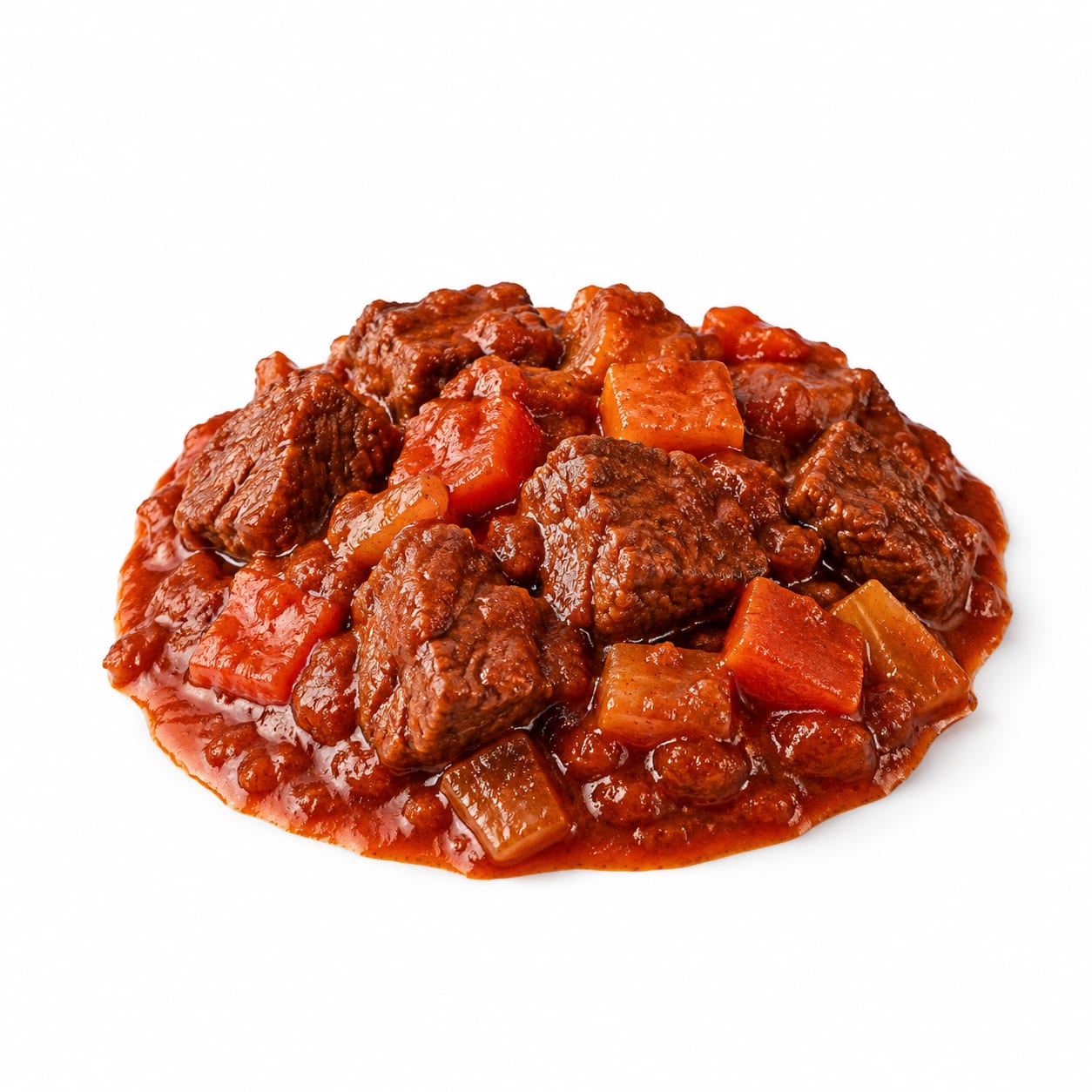
Stew
Goulash
A rich, paprika-spiced Hungarian beef and vegetable stew.
A hearty, paprika-spiced Hungarian stew traditionally made with tender beef, root vegetables like potatoes and carrots, and aromatic onions.
protein-rich mixed-macronutrient stew
Typical serving · 250g
Common varieties · Hungarian beef goulash, Pork goulash, Vienna goulash, Goulash soup, American goulash
Overall context score across nutrition, safety, and diet fit
At a glance
Quick facts
Simple indicators based on nutrition, processing, and diet fit.
The story
What makes it unique
A mixed-macronutrient dish providing slow-digesting proteins and fats alongside moderate-glycemic carbohydrates from root vegetables. The high liquid content and protein contribute to high satiety, while the fiber from vegetables supports moderate digestion speed.
Varieties: Hungarian beef goulash · Pork goulash · Vienna goulash · Goulash soup · American goulash
Per 100g
Nutrition breakdown
Macro balance and key metrics at a glance.
Energy
Density 0.95 kcal/g
Protein
Carbs
Fat
Fiber
Sugar
1.8 g
Sodium
450 mg
Potassium
280 mg
Glycemic index
45
Glycemic load
3
Water content
78%
Standout compounds
Nutrient highlights
Protein
highsupports muscle growth and repair
Iron
highessential for oxygen transport in blood
Vitamin C
moderateenhances iron absorption and supports immunity, largely from bell peppers and paprika
Potassium
moderatehelps regulate blood pressure and fluid balance
Zinc
moderatesupports immune function and wound healing
Wellness map
Health scores & processing
NOVA processing scale
minimally processed with culinary ingredients · Whole food
Homemade goulash consists of whole foods like meat and vegetables combined with culinary ingredients such as oil, flour, and spices. Canned or instant versions may fall into Nova 3 or 4.
Diet compatibility
- Weight loss
- Muscle gain
- Diabetes
- Gut health
- Low carb
- High protein
- Heart health
Relative standing
Food rankings
Qualitative ranks compared to similar whole foods.
- Satietyexcellent
- Blood sugargood
- Nutrient densitygood
- Fitness fuelgood
- Processing qualitygood
Eat with confidence
Food safety profile
Safe when cooked to proper internal temperatures. Conventional beef carries a moderate risk of antibiotic-resistant bacteria, which is neutralized by thorough cooking.
Evidence confidence 85%
- Pesticideslow
- Antibioticsmoderate
- Heavy metalslow
- Contaminationlow
Watch for
- pathogenic bacteria in raw beef
Safer choices
Grass-fed organic beef reduces antibiotic and pesticide exposure risks.
Prep tips
Wash vegetables thoroughly and cook beef to a minimum internal temperature of 145°F (63°C).
Standard beef industry antibiotic use applies to conventional meat sourcing.
Deep dive
Health analysis
How this food may fit different goals and preparation choices.
Weight loss
High protein and water content promote fullness, but calorie density varies greatly depending on the fattiness of the meat and amount of oil used.
Blood sugar
The combination of protein, fat, and fiber slows the digestion of potatoes, resulting in a moderate glycemic impact rather than a sharp spike.
Fitness & energy
Provides a solid dose of amino acids for muscle repair along with slow-burning energy from root vegetables, ideal for post-workout recovery.
Gut health
Contains soluble fiber from cooked vegetables that feeds gut bacteria, though it lacks the high fiber density of plant-based stews.
Processing quality
Typically made from scratch with whole ingredients, making it a nutritious choice, unlike canned versions with added preservatives and sodium.
Food safety
Primary concern is handling raw beef safely; slow cooking effectively neutralizes microbial risks.
Common mistakes
Using excessively fatty cuts of meat or thickening with large amounts of refined flour can turn a healthy stew into a high-calorie meal.
Best preparation
Use lean beef chuck, minimal oil for sautéing, and rely on the natural starch of potatoes to thicken the broth instead of adding flour.
Practical guide
Best use cases
When and how this food fits real eating patterns.
post-workout recovery
Provides a balance of protein for muscle repair and carbohydrates to replenish glycogen stores.
cold-weather meal prep
A filling, thermic meal that stores and reheats well for several days.
high-satiety lunch
The high water and protein content keeps hunger at bay for hours.
Balance sheet
Pros & cons
Upsides
- High protein content promotes fullness and muscle maintenance
- Rich in bioavailable iron and B vitamins from beef
- Warming and highly satiating due to liquid and fiber content
- Naturally gluten-free if thickened with potato starch instead of flour
Trade-offs
- Can be high in saturated fat if fatty cuts of meat are used
- Sodium content can be excessive in canned or heavily salted recipes
- Not suitable for strict low-carb or keto diets due to potatoes
- Traditional recipes require long cooking times
Fit check
Who is it for?
Great match
- post-workout recovery
- high-volume eating
- meal prep
- cold-weather nutrition
Consider alternatives
- strict ketogenic diets
- low-sodium diets
- quick weeknight meals
Side by side
How it compares
Open the full head-to-head analysis for nutrition, safety, and practical tradeoffs.
This food
Goulash
VS95% alike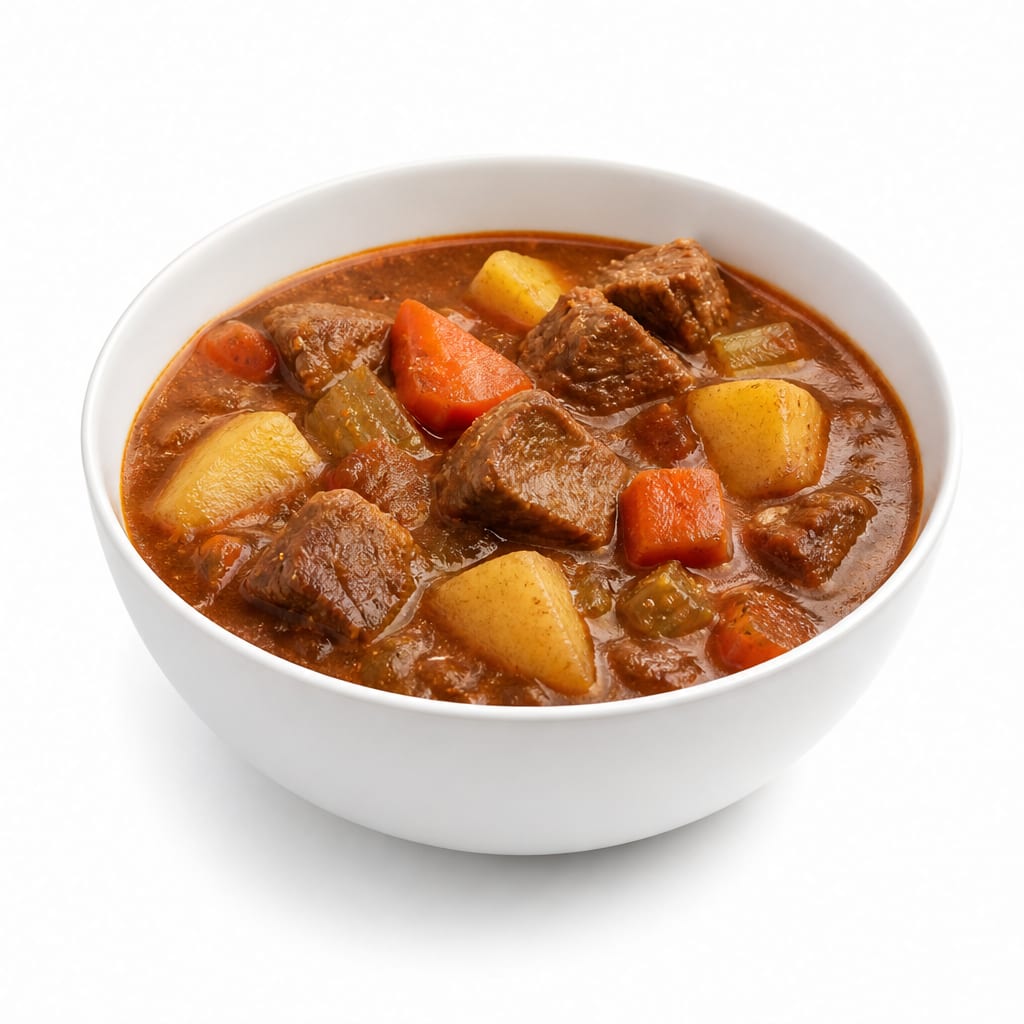
Compare with
Beef Stew
Goulash relies heavily on paprika for a distinct flavor, whereas traditional beef stew uses herbs like thyme and rosemary.
Goulash and beef stew are nutritionally similar, but goulash offers more vitamin C from paprika while beef stew relies on traditional herbs.
This food
Goulash
VS85% alike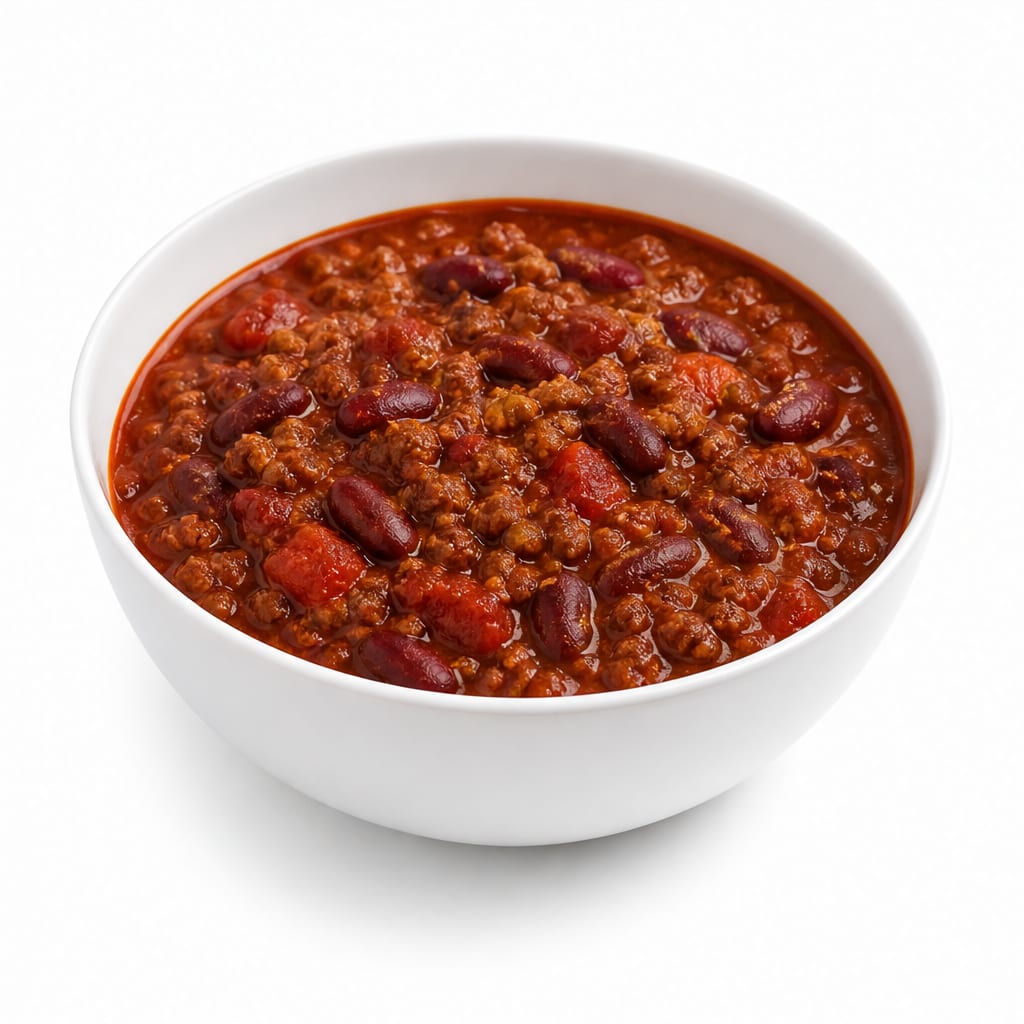
Compare with
Chili con Carne
Chili is higher in fiber due to beans, while goulash provides more potassium from potatoes.
Chili con carne beats goulash for blood sugar control and satiety because its beans provide more fiber than goulash's potatoes.
This food
Goulash
VS75% alike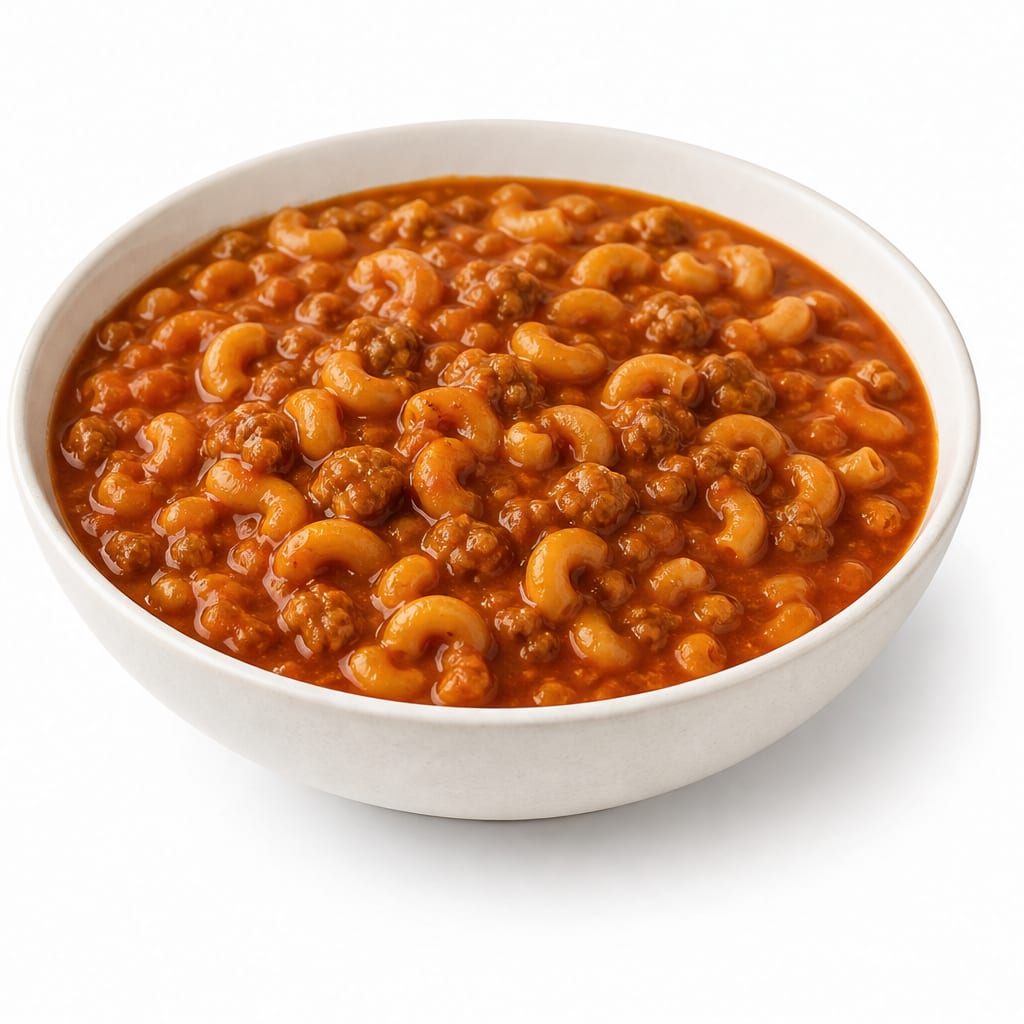
Compare with
American Goulash
Hungarian goulash uses whole food carbs like potatoes, while American goulash uses refined pasta.
Traditional Hungarian goulash is much healthier than American goulash, offering more protein and fewer refined carbohydrates from pasta.
This food
Goulash
VS70% alike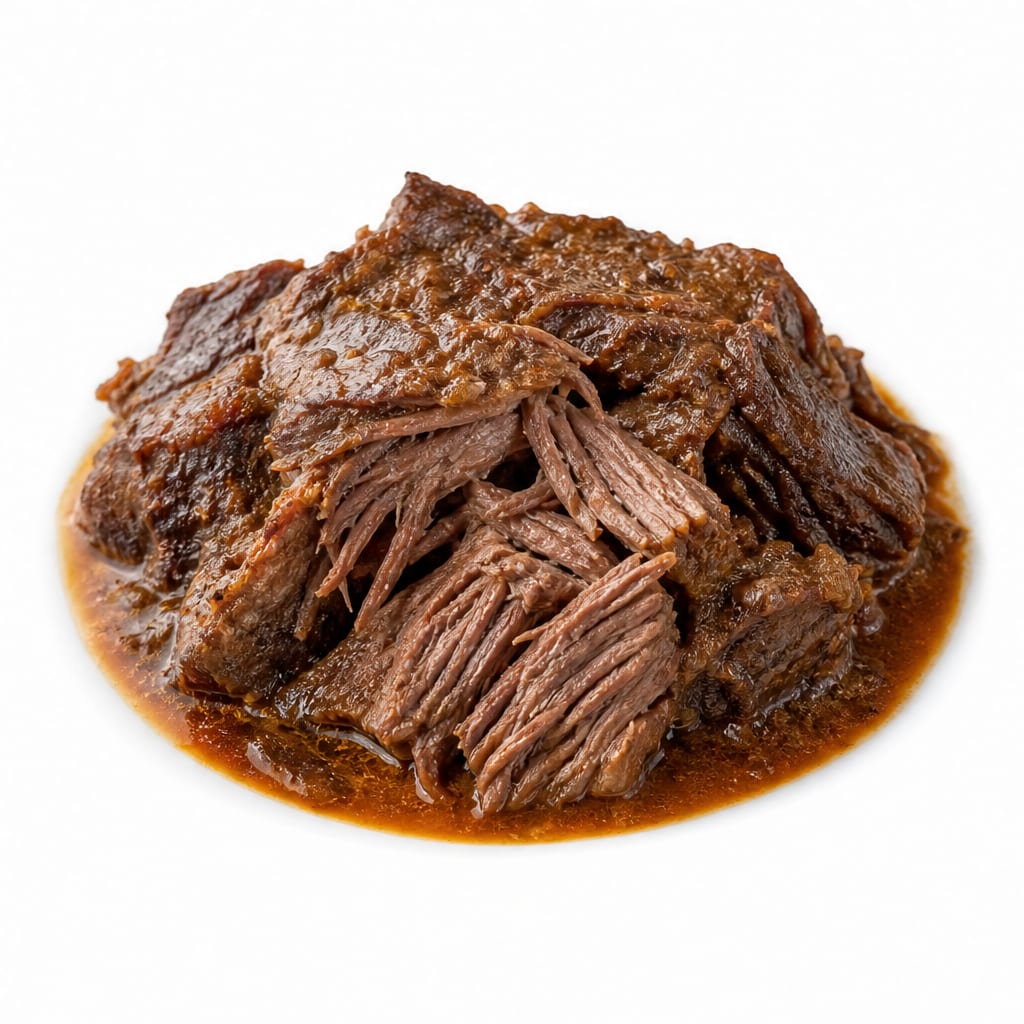
Compare with
Pot Roast
Pot roast is denser in calories and protein per bite, while goulash provides higher satiety per calorie due to water content.
Goulash is better for weight loss due to higher water volume, while pot roast provides denser protein for muscle building.
This food
Goulash
VS65% alike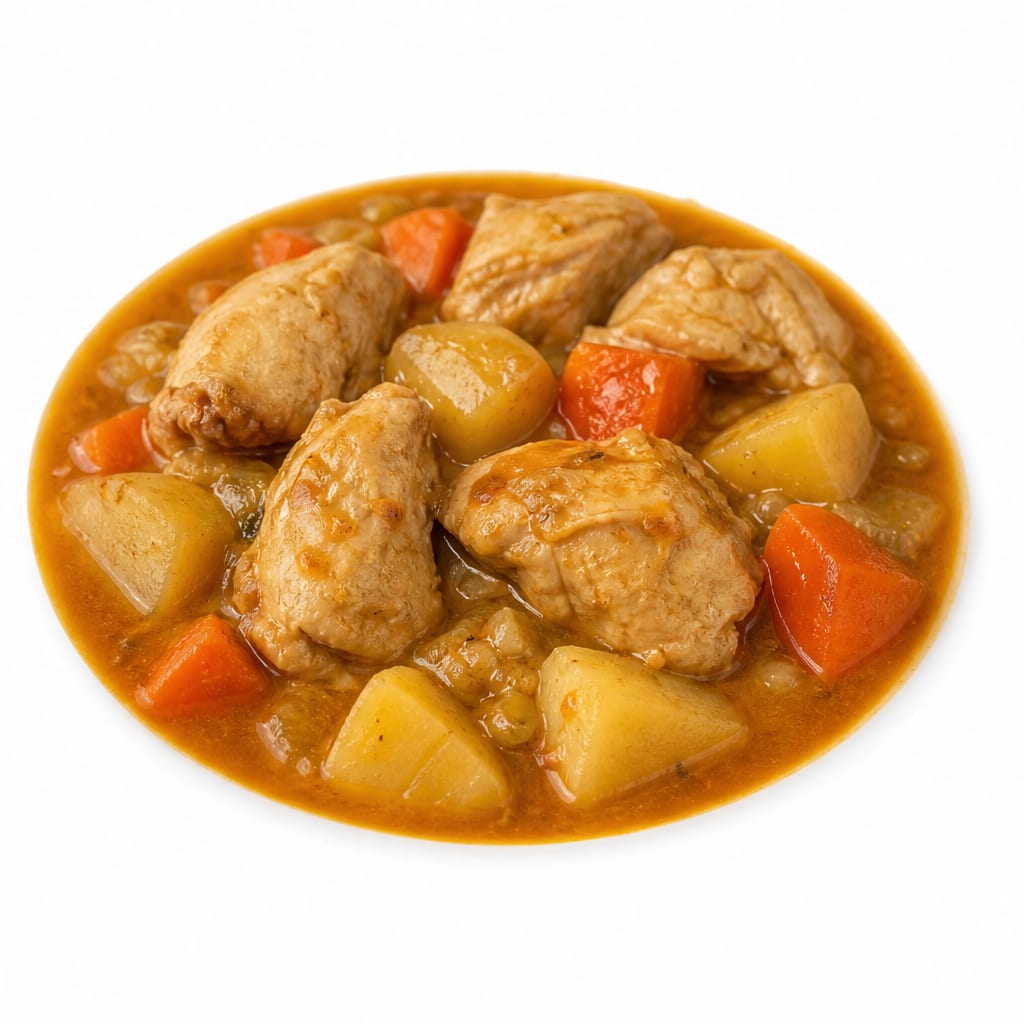
Compare with
Chicken Stew
Chicken stew is lower in saturated fat and calories but provides less iron than beef goulash.
Chicken stew is lower in fat and better for weight loss, but beef goulash provides more iron and higher satiety.
This food
Goulash
VS60% alike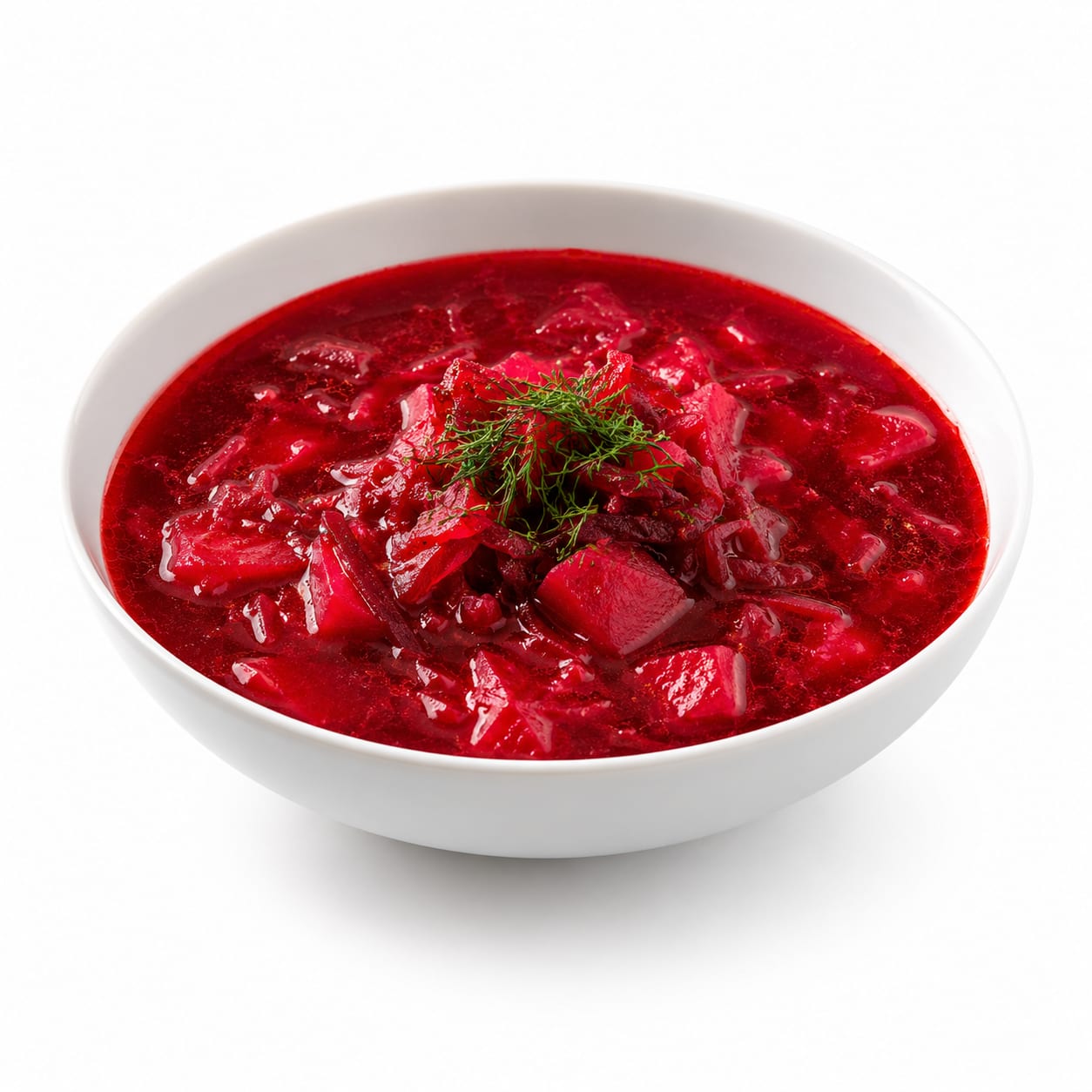
Compare with
Borscht
Borscht is beet-based and often meatless or lighter on meat, making it lower in protein but richer in antioxidants.
Borscht is lower in calories and rich in antioxidants from beets, while goulash provides significantly more protein for fitness goals.
This food
Goulash
VS55% alike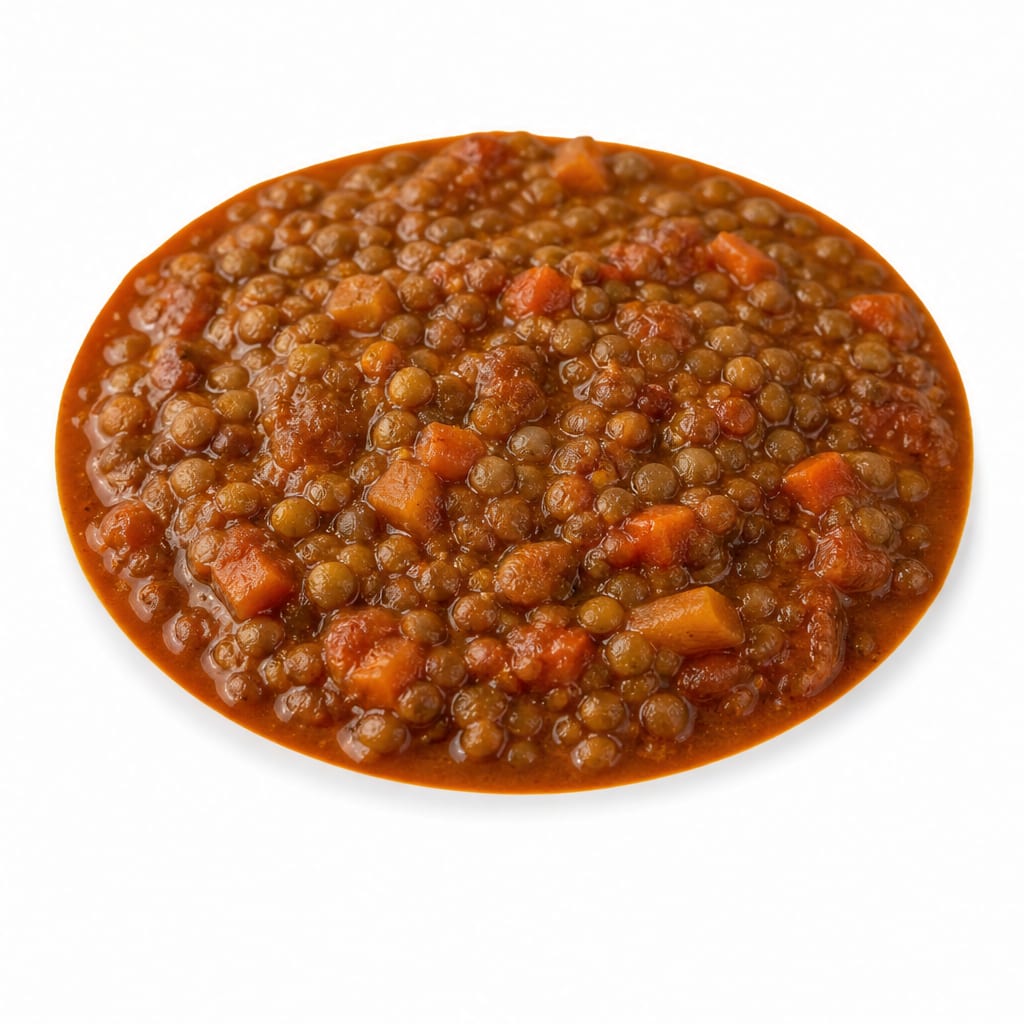
Compare with
Lentil Stew
Lentil stew is higher in fiber and lower in saturated fat, offering better blood sugar control.
Lentil stew wins for blood sugar control and gut health due to high fiber, while goulash offers more bioavailable iron.
This food
Goulash
VS90% alike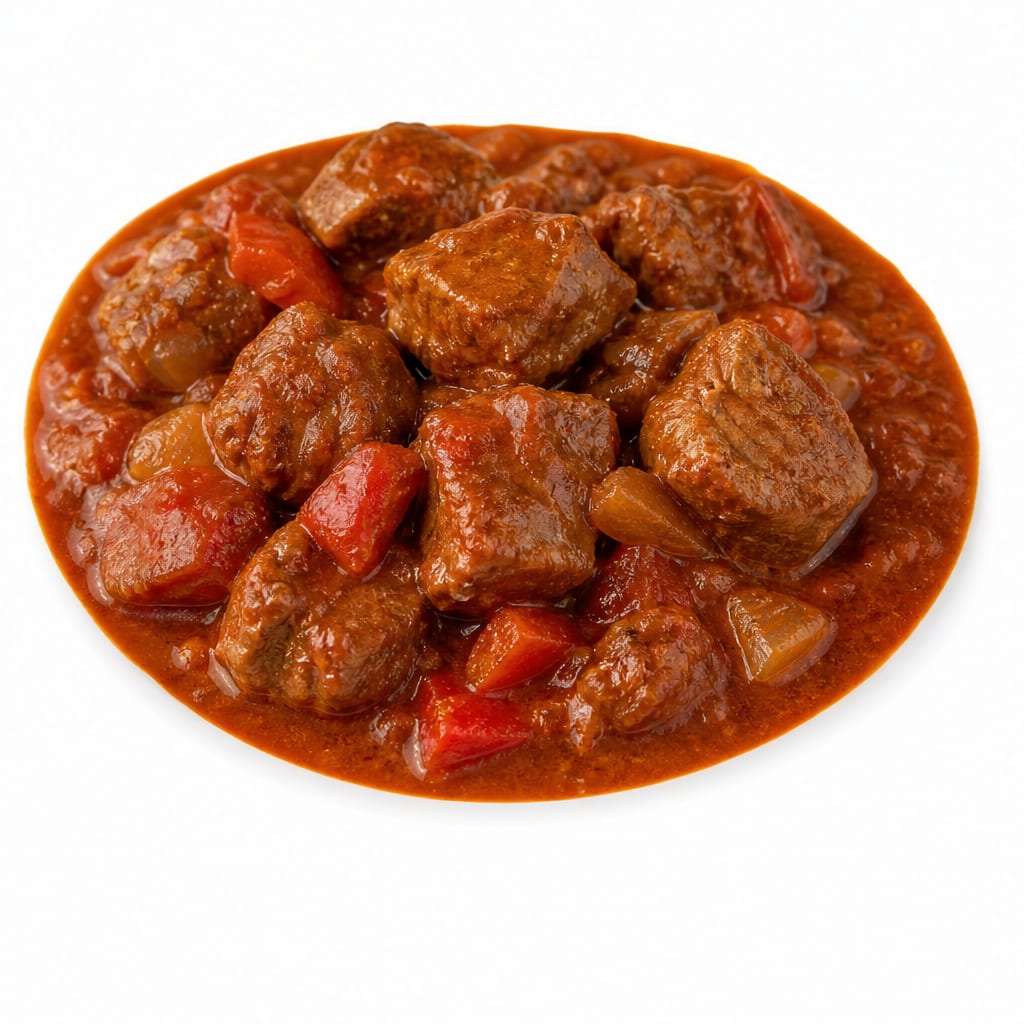
Compare with
Pork Goulash
Pork goulash is often higher in fat and calories depending on the cut used, while beef provides more iron.
Beef goulash is generally leaner and higher in iron than pork goulash, making it a better choice for fitness and weight loss.
This food
Goulash
VS50% alike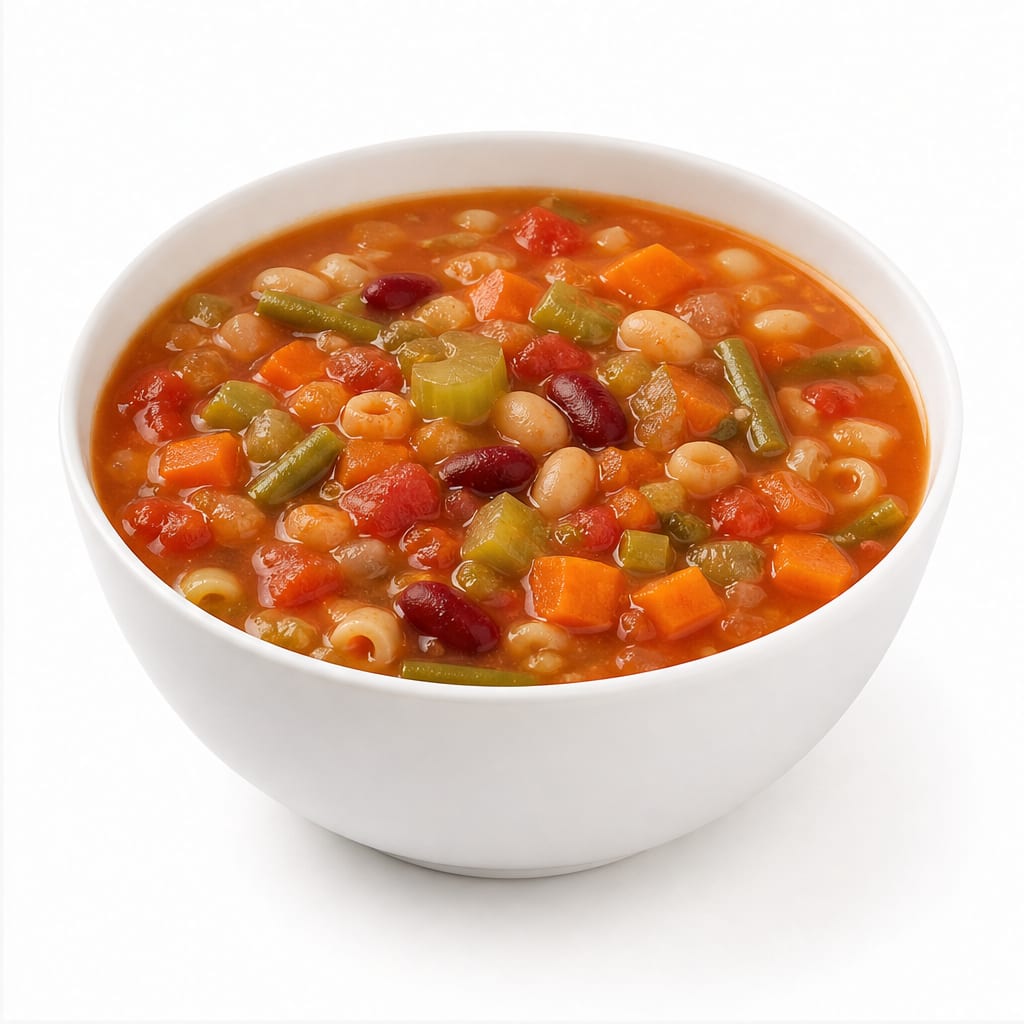
Compare with
Minestrone
Minestrone is much lower in calories and fat but lacks the high protein content of beef goulash.
Minestrone is a low-calorie vegetable soup ideal for light eating, whereas goulash provides the heavy protein needed for muscle maintenance.
This food
Goulash
VS80% alike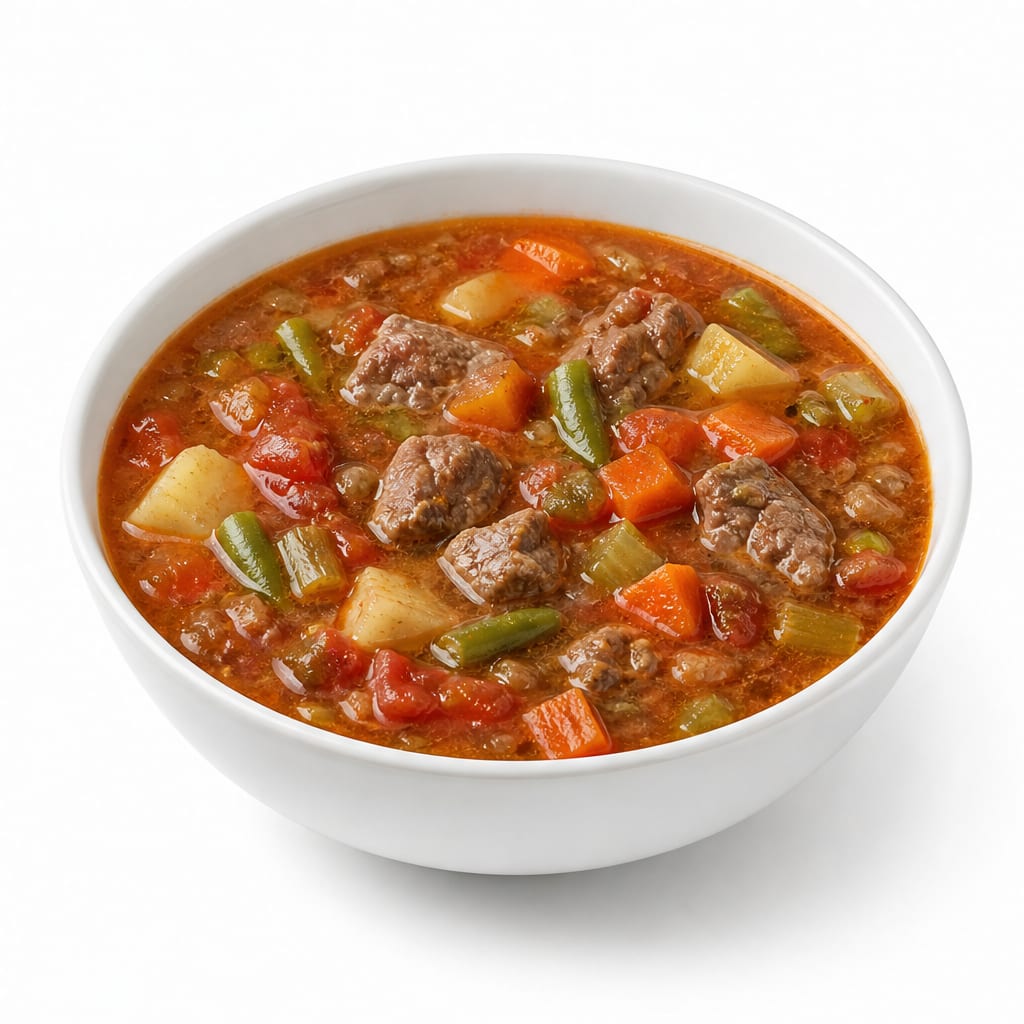
Compare with
Vegetable Beef Soup
Vegetable beef soup is lower in calories and carbohydrates due to fewer potatoes, but less filling.
Vegetable beef soup is lighter and lower in carbs, while goulash offers thicker consistency and more sustained energy for workouts.
Common questions
FAQ
Answers aligned with how people search for this food.
Is goulash good for weight loss?
Homemade goulash can support weight loss due to its high protein and satiety, but portion control is key as calories add up quickly with fatty meats.
Can diabetics eat goulash?
Yes, in moderation. The protein and fat slow down the absorption of carbohydrates from potatoes, keeping blood sugar relatively stable compared to plain carbs.
How many calories are in a cup of goulash?
A typical one-cup (250g) serving of homemade beef goulash contains roughly 240 calories, depending heavily on the leanness of the meat used.
Is goulash high in carbs?
Traditional goulash contains a moderate amount of carbs from potatoes and carrots. American goulash with macaroni is significantly higher in refined carbs.
What is the healthiest meat for goulash?
Lean beef chuck is traditional and provides a good balance of protein and flavor with moderate fat. Grass-fed beef offers a better omega-3 profile.
Is canned goulash healthy?
Canned goulash is often high in sodium and may contain ultra-processed ingredients and preservatives, making it less healthy than homemade versions.
Does goulash have a lot of protein?
Yes, beef goulash is a good source of protein, typically providing 8-10 grams per 100-gram serving, supporting muscle maintenance and satiety.
How can I make low carb goulash?
To make low carb goulash, replace the potatoes and carrots with low-carb alternatives like radishes, cauliflower, or extra bell peppers.
Transparency
Data confidence
Estimated confidence for nutrition data, interpretation, safety notes, and comparisons.
Nutrition data
Health analysis
Food safety
Comparisons