
Nutrition comparison
Goulash vs Chicken Stew: Which Hearty Stew Is Healthier?
Compare goulash and chicken stew on fat, calories, protein, iron, and heart health. Learn which stew fits your goals and how to enjoy both wisely.
Overall winner · Chicken Stew
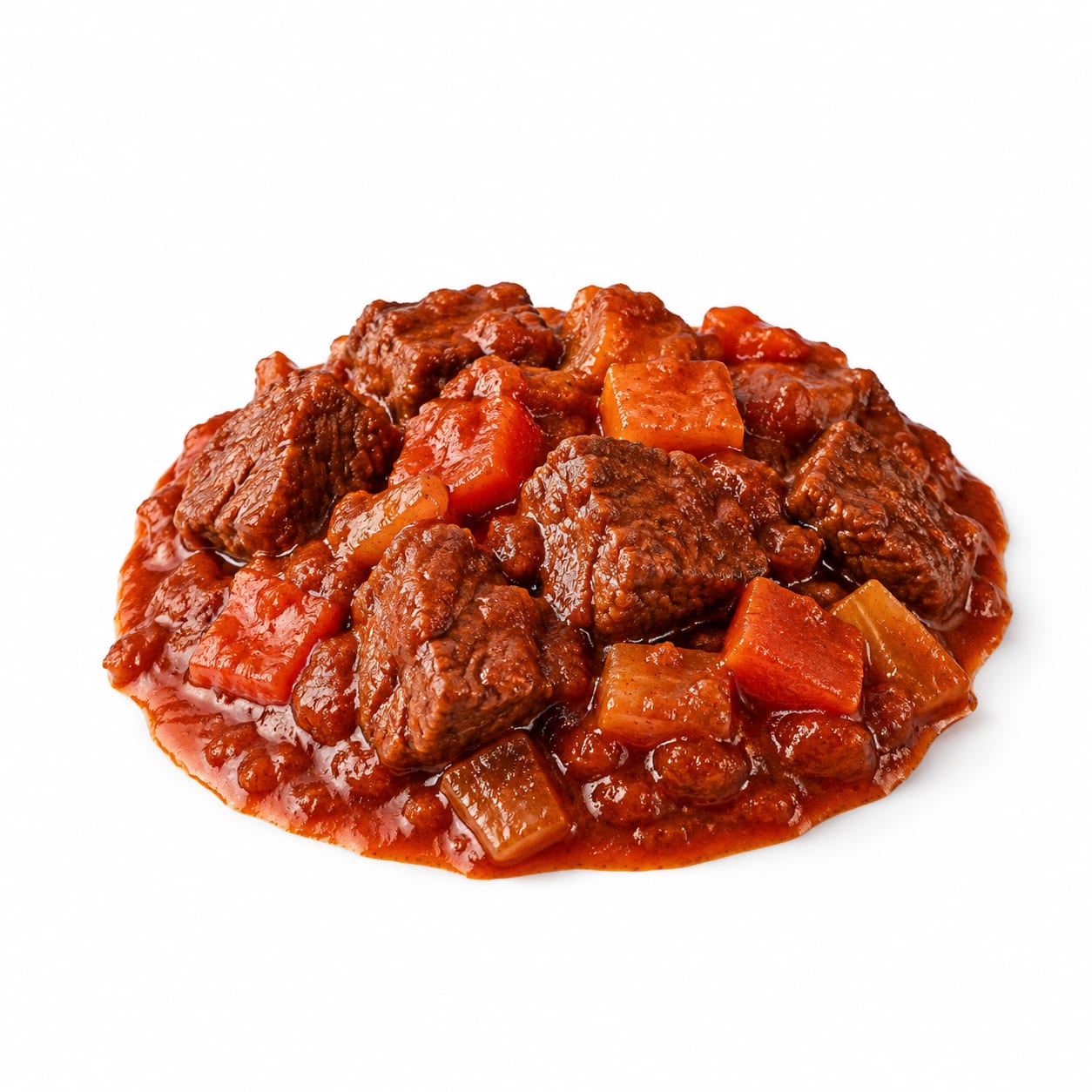
Goulash
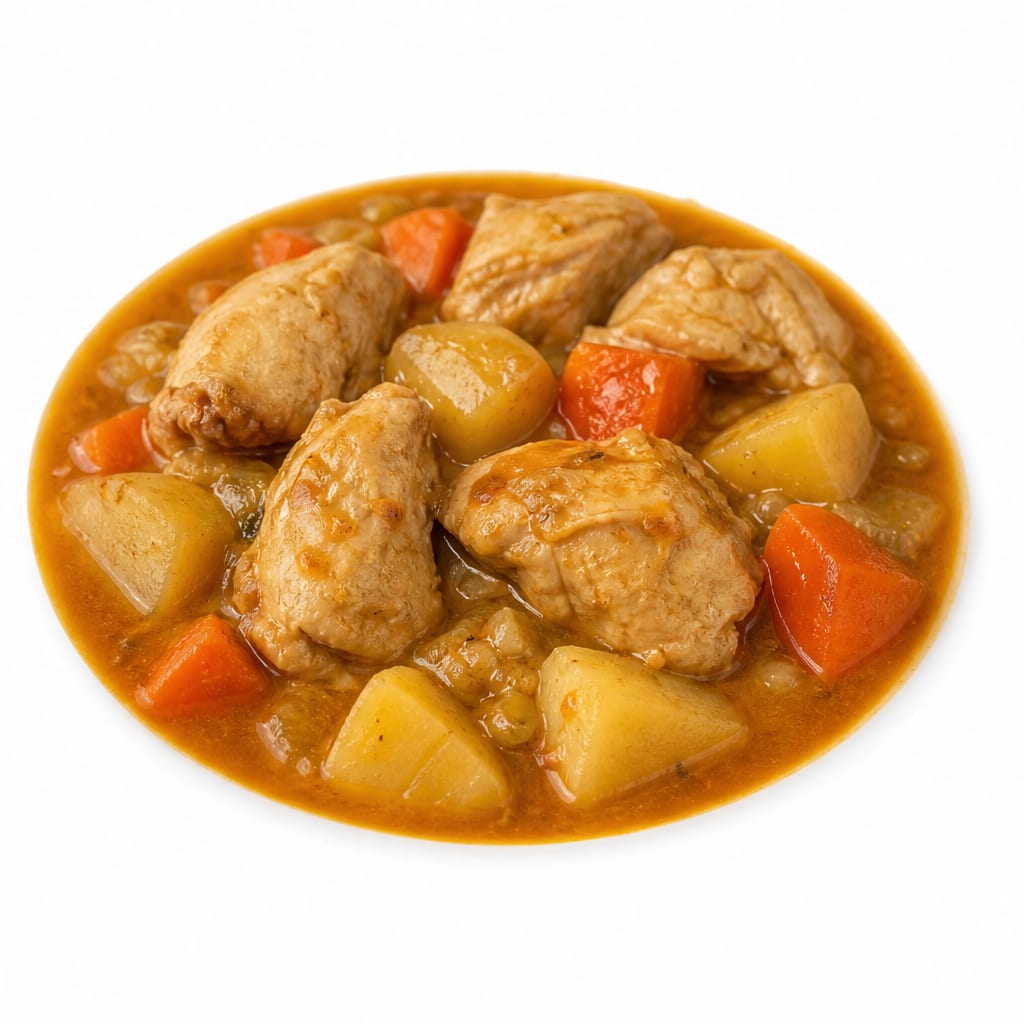
Chicken Stew
Chicken stew wins for everyday health with leaner protein and less saturated fat, but goulash delivers superior iron and a deeper comfort factor for occasional meals.
Chicken stew scores notably higher due to its leaner fat profile, better suitability for regular consumption, and lower cardiovascular risk. Goulash remains valuable for iron and zinc but its saturated fat load prevents a higher score.
Goulash gives you more iron, zinc, and rich satisfaction at the cost of significantly more saturated fat and calories. Chicken stew gives you cleaner, leaner nutrition but less micronutrient punch per serving.
At a glance
Executive summary
Overall
Chicken Stew
Healthier
Chicken Stew
More practical
Chicken Stew
Daily use
Chicken Stew
Key comparison lenses
heart health and fat profile
Beef-based goulash carries significantly more saturated fat than chicken stew, making cardiovascular impact the primary decision factor
protein quality and lean nutrition
Both are protein-rich stews but differ markedly in protein leanness and calorie-to-protein ratio
weight management and calorie density
Goulash is substantially more calorie-dense, directly affecting portion control and weight goals
micronutrient tradeoffs iron vs lean protein
Goulash delivers far more iron and zinc while chicken stew offers cleaner protein with less metabolic baggage
long term eating sustainability
Daily consumption patterns favor chicken stew for health, while goulash works better as an occasional hearty meal
comfort and satisfaction
Both are comforting stews but goulash's richness makes it emotionally heavier and more satisfying in cold weather
Best choice for
Goulash
- Athletes needing iron and zinc replenishment
- Anyone recovering from illness needing calorie-dense nourishment
- Cold weather meals where deep comfort matters
- Occasional red meat cravings without guilt
- People with low iron or B12 levels
Chicken Stew
- Weight-conscious eaters wanting filling meals without excess calories
- Anyone managing cholesterol or heart health concerns
- Daily meal prep with lean protein as the foundation
- Older adults needing easily digestible protein
- People eating stews multiple times per week
Least suitable for
Goulash
- People with high cholesterol or cardiovascular risk
- Anyone closely monitoring saturated fat intake
- Daily or frequent consumption patterns
- Those trying to reduce red meat consumption
Chicken Stew
- Those needing iron supplementation through food
- Anyone seeking the richest, most indulgent comfort food experience
- People wanting maximum calorie density per serving
Deep comparison
Dimension by dimension
Each lens scores both foods and breaks down who each option suits.
- Dimension 1 · Priority 95Chicken Stew
Fat Profile and Heart Health
Goulash · 40Chicken Stew · 82Chicken stew has dramatically less saturated fat, making it far gentler on your cardiovascular system over time.
Tradeoff
Goulash's beef delivers more flavor richness and fat-soluble vitamin absorption but at a real cost to heart health if eaten frequently.
Why it matters
Saturated fat from red meat directly raises LDL cholesterol. Eating goulash regularly could meaningfully impact heart disease risk compared to chicken stew.
Real-world impact
A bowl of goulash can pack 15-25g of saturated fat versus 4-8g in chicken stew. That difference compounds quickly if stews are a weekly staple.
Goulash
- Fat-soluble vitamin absorption from the richer broth
- Longer-lasting warmth and satiety from higher fat content
Better for
- LDL cholesterol elevation with frequent consumption
- Heavier digestive load after eating
Worse for
Chicken Stew
- Sustained cardiovascular health with regular consumption
- Cleaner blood lipid profiles over months and years
- Less post-meal sluggishness from heavy fat loads
Better for
- Less rich mouthfeel and flavor depth
- May feel less satisfying in bitter cold weather
Worse for
- Dimension 2 · Priority 90Chicken Stew
Protein Quality and Leanness
Goulash · 62Chicken Stew · 88Chicken stew delivers more protein per calorie with far less fat baggage, making it the cleaner protein source.
Tradeoff
Beef protein comes with more iron and zinc but also more saturated fat. Chicken protein is leaner but less micronutrient-dense per bite.
Why it matters
For anyone tracking protein intake whether for muscle, satiety, or weight management, the calorie-to-protein ratio matters enormously.
Real-world impact
Chicken stew typically offers 25-30g protein with 200-300 calories. Goulash delivers similar protein but often at 400-550 calories per serving.
Goulash
- More complete micronutrient package alongside protein
- Higher zinc supports immune function and testosterone
Better for
- Protein comes bundled with significant fat calories
- Harder to fit into calorie-controlled eating plans
Worse for
Chicken Stew
- Superior protein-to-calorie ratio for body composition goals
- Leaner protein source easier to fit into macro targets
- Less digestive heaviness after eating
Better for
- Lower iron content means less blood-building nutrition
- Less zinc per serving for immune support
Worse for
- Dimension 3 · Priority 82Goulash
Micronutrient Density
Goulash · 85Chicken Stew · 60Goulash is the clear micronutrient winner with substantially more iron, zinc, B12, and selenium per serving.
Tradeoff
Those micronutrients come wrapped in more saturated fat and calories. You get more nutritional punch per bite but at a metabolic cost.
Why it matters
Iron deficiency is common especially in women. Goulash's heme iron is far more bioavailable than plant sources. Zinc and B12 also support energy and immunity.
Real-world impact
A serving of goulash can provide 30-50% of daily iron needs versus 8-15% from chicken stew. That matters enormously for anyone prone to anemia.
Goulash
- Significantly more heme iron for blood health
- Higher B12 for nerve function and energy
- More zinc for immune resilience and wound healing
- Paprika adds antioxidant carotenoids
Better for
- Iron and zinc come with saturated fat trade-off
- Not suitable as a daily iron source due to fat load
Worse for
Chicken Stew
- Still solid B-vitamin content from chicken
- Less concern about iron overload for those with hemochromatosis risk
Better for
- Notably less iron per serving
- Lower zinc may not meet needs for immune-compromised individuals
Worse for
- Dimension 4 · Priority 88Chicken Stew
Calorie Density and Weight Management
Goulash · 38Chicken Stew · 80Chicken stew is significantly less calorie-dense, making portion control and weight management far easier.
Tradeoff
Goulash is more filling per bowl due to higher fat content, but that fullness comes with substantially more calories.
Why it matters
For anyone managing weight, the difference between a 280-calorie bowl and a 500-calorie bowl of similar size is massive over weeks and months.
Real-world impact
Eating chicken stew twice weekly instead of goulash could save 400-500 calories per week without feeling deprived of a warm, hearty meal.
Goulash
- Higher fat content provides longer-lasting fullness
- More satisfying when you genuinely need a heavy meal
Better for
- Easy to overconsume calories without realizing
- Harder to fit into weight loss plans
Worse for
Chicken Stew
- Much easier to maintain calorie deficit while eating warm meals
- Less likely to trigger overeating from calorie density
- Better for portion-conscious meal prep
Better for
- May require larger portions or side dishes to feel fully satisfied
- Less calorically efficient for those needing to gain weight
Worse for
- Dimension 5 · Priority 75Goulash
Satiety and Comfort Factor
Goulash · 88Chicken Stew · 72Goulash delivers a deeper, richer comfort experience that feels more emotionally satisfying, especially in cold weather.
Tradeoff
That comfort comes from fat and calorie density. Chicken stew is still comforting but in a lighter, cleaner way that may leave some wanting more.
Why it matters
Emotional satisfaction from food is real and legitimate. A meal that leaves you psychologically satisfied prevents later snacking and food preoccupation.
Real-world impact
On a freezing evening after a hard day, goulash feels like a genuine reward. Chicken stew feels nourishing but less emotionally indulgent.
Goulash
- Richer broth and fat content create deeper satisfaction
- Paprika and beef create a warming, indulgent experience
- Better at replacing the desire for dessert or snacking after dinner
Better for
- Heavy comfort can become a trap for emotional eating patterns
- Post-meal lethargy may reduce activity levels
Worse for
Chicken Stew
- Lighter comfort that does not leave you feeling sluggish
- Better for lunch when you need energy afterward rather than a food coma
Better for
- May feel incomplete as a standalone comfort meal
- Could trigger cravings for something richer later
Worse for
- Dimension 6 · Priority 78Chicken Stew
Inflammatory Potential
Goulash · 45Chicken Stew · 75Chicken stew has lower inflammatory potential due to less saturated fat and heme iron, which both drive inflammation when consumed in excess.
Tradeoff
Goulash's paprika provides anti-inflammatory capsaicinoids, partially offsetting the inflammatory effects of beef. The net effect still favors chicken stew.
Why it matters
Chronic low-grade inflammation underlies heart disease, joint pain, and metabolic issues. Food choices that reduce inflammatory load matter enormously over decades.
Real-world impact
Regular red meat consumption is associated with higher inflammatory markers. Swapping goulash for chicken stew a few times per week can meaningfully lower CRP levels over time.
Goulash
- Paprika contributes anti-inflammatory compounds
- Spices in traditional recipes may offer some protective effect
Better for
- Heme iron promotes oxidative damage when consumed in excess
- Higher saturated fat drives inflammatory pathways
- Regular consumption linked to elevated CRP and IL-6
Worse for
Chicken Stew
- Lower heme iron reduces oxidative stress
- Less saturated fat means less inflammatory signaling
- Poultry is associated with lower inflammatory markers in population studies
Better for
- Without anti-inflammatory spices, plain chicken stew offers less active inflammation protection
Worse for
- Dimension 7 · Priority 70It depends
Sodium Load
Goulash · 55Chicken Stew · 58Both stews can be quite high in sodium depending on preparation, making this a tie that depends entirely on how they are made.
Tradeoff
Restaurant and canned versions of both are typically sodium bombs. Homemade versions of either can be controlled. Neither has an inherent sodium advantage.
Why it matters
A single bowl of restaurant stew can contain 800-1500mg sodium. For salt-sensitive individuals, this matters more than the beef versus chicken distinction.
Real-world impact
If blood pressure is a concern, the preparation method matters far more than which meat you choose. Homemade with low-sodium broth makes either option reasonable.
Goulash
- Traditional goulash recipes often rely more on paprika than salt for flavor
Better for
- Canned and restaurant versions are extremely high in sodium
- Beef broth tends to be saltier than chicken broth commercially
Worse for
Chicken Stew
- Chicken broth can be made lower in sodium than beef broth more easily
- Milder flavor profile may require less salt to taste balanced
Better for
- Without enough seasoning, chicken stew can taste bland, tempting cooks to over-salt
Worse for
Timeline
Health impact over time
Short-term
Hours to days
Goulash
- Strong satiety and fullness lasting 4-5 hours due to high fat and protein content
- Possible post-meal drowsiness from the heavy digestive load
- Warming and deeply comforting sensation especially in cold weather
- Higher sodium may cause temporary water retention and bloating
Chicken Stew
- Sustained energy without the heavy sluggishness that follows richer meals
- Comforting but lighter feeling that allows activity after eating
- Less risk of afternoon energy crash compared to the heavier goulash
- Easier digestion with less bloating or heaviness
Long-term
Months to years
Goulash
- Regular consumption increases cardiovascular risk from saturated fat and heme iron exposure
- Excellent iron and B12 status preventing anemia and fatigue
- Higher risk of elevated LDL cholesterol if consumed multiple times per week
- Potential increased inflammatory markers with frequent red meat intake
Chicken Stew
- Leaner protein supports healthier blood lipid profiles and cardiovascular markers over years
- Lower inflammatory burden reduces chronic disease risk
- Adequate but not exceptional iron levels may require supplementation for some women
- Easier weight maintenance due to lower calorie density supporting long-term body composition
Risk profile
Safety & processing
Both goulash and chicken stew are traditionally whole-food dishes made from scratch with meat, vegetables, and spices. Neither is inherently ultra-processed. The main concern is canned or restaurant versions that may add preservatives, flavor enhancers, and excessive sodium. Homemade preparations of both are equally natural and clean.
Goulash
Heme iron overexposure with frequent consumption
mediumExcess heme iron from regular red meat intake is associated with oxidative stress and increased colorectal cancer risk. Moderate consumption minimizes this concern.
Improper beef storage and handling
mediumGround beef in goulash requires careful handling and thorough cooking to eliminate E. coli and other pathogens.
Sodium load in prepared versions
mediumCanned and restaurant goulash often exceeds 1000mg sodium per serving, posing risks for hypertensive individuals.
Chicken Stew
Campylobacter and Salmonella from undercooked chicken
highChicken requires more careful handling and thorough cooking than beef. Cross-contamination risk is higher with raw chicken preparation.
Antibiotic residue in conventionally raised chicken
lowWhile regulations have reduced antibiotic use, conventionally raised chicken may still carry trace residues. Organic chicken eliminates this concern.
Sodium load in prepared versions
mediumSimilar to goulash, canned and restaurant chicken stew can be extremely high in sodium.
Who wins for whom
Audience fit
Same foods, different winners depending on your goal.
children
It dependsChicken stew is gentler on young digestive systems and safer from a pathogen standpoint when properly cooked. However, children with higher iron needs may benefit from occasional goulash.
daily consumption
Chicken StewChicken stew can realistically be eaten several times per week without negative health consequences. Goulash is best limited to once per week due to saturated fat and heme iron exposure.
diabetes
Chicken StewLower saturated fat intake improves insulin sensitivity over time. Both stews are low-glycemic, but chicken stew's leaner profile better supports metabolic health long-term.
elderly
Chicken StewOlder adults need easily digestible lean protein and have higher cardiovascular risk. Chicken stew delivers both while being gentle on the digestive system.
muscle gain
Chicken StewThe superior protein-to-calorie ratio in chicken stew supports muscle protein synthesis without excess fat calories that can compromise lean bulk goals.
weight loss
Chicken StewChicken stew provides similar protein and satiety with significantly fewer calories, making it far easier to maintain a calorie deficit without feeling deprived of warm, filling meals.
Your move
Decision guide
Choose Goulash
- You have low iron levels or are prone to anemia
- It is a cold winter evening and you want maximum comfort
- You eat red meat no more than once per week and want it to count
- You need a calorie-dense recovery meal after intense physical exertion
- You are cooking for someone who needs more zinc and B12 in their diet
Choose Chicken Stew
- You want a hearty stew you can eat multiple times per week guilt-free
- Heart health or cholesterol management is a priority
- You are tracking calories or trying to lose weight
- You need a post-workout meal with lean protein
- You meal-prep stews as a weekly staple for lunches or dinners
Either works if
- You are making homemade stew and can control the sodium and ingredients
- You want a warming meal and both sound appealing
- You are eating stew as part of a varied diet with plenty of vegetables and whole grains
Avoid both if
- You have severe sodium restrictions and are eating canned or restaurant versions
- You have gout and need to limit purine-rich meats
- You are following a plant-based diet
- You have a histamine intolerance and are sensitive to aged or slow-cooked meats
Final recommendation
Make chicken stew your default weekly stew and treat goulash as a satisfying occasional meal. This gives you the lean protein and heart health benefits of chicken most days while still enjoying the iron-rich comfort of goulash when the moment calls for it. If you make goulash, use leaner beef cuts and load up on vegetables to improve its nutritional profile.
Practical
Consumer tips
- 1
If making goulash, choose lean beef chuck and trim visible fat to reduce saturated fat by 30-40% without sacrificing flavor
- 2
Add extra carrots, potatoes, and bell peppers to either stew to increase fiber and micronutrient density per calorie
- 3
Use low-sodium broth and salt at the table instead of during cooking to reduce sodium by 50% while maintaining taste
- 4
Make a large batch of chicken stew for weekly meal prep and freeze individual portions for easy high-protein lunches
- 5
If craving goulash's richness, try a hybrid using half beef and half chicken for a middle-ground flavor and fat profile
- 6
Let both stews cool and skim the fat layer that solidifies on top for an easy calorie and saturated fat reduction
- 7
Serve either stew with a side salad to add volume and fiber without significant calories, helping with satiety on fewer calories