
Nutrition comparison
Goulash vs Pork Goulash: Nutrition, Health, and Taste Comparison
Compare goulash and pork goulash side by side. Discover which is healthier, higher in iron, better for weight loss, and more budget-friendly in this detailed nutritional breakdown.
Overall winner · Goulash
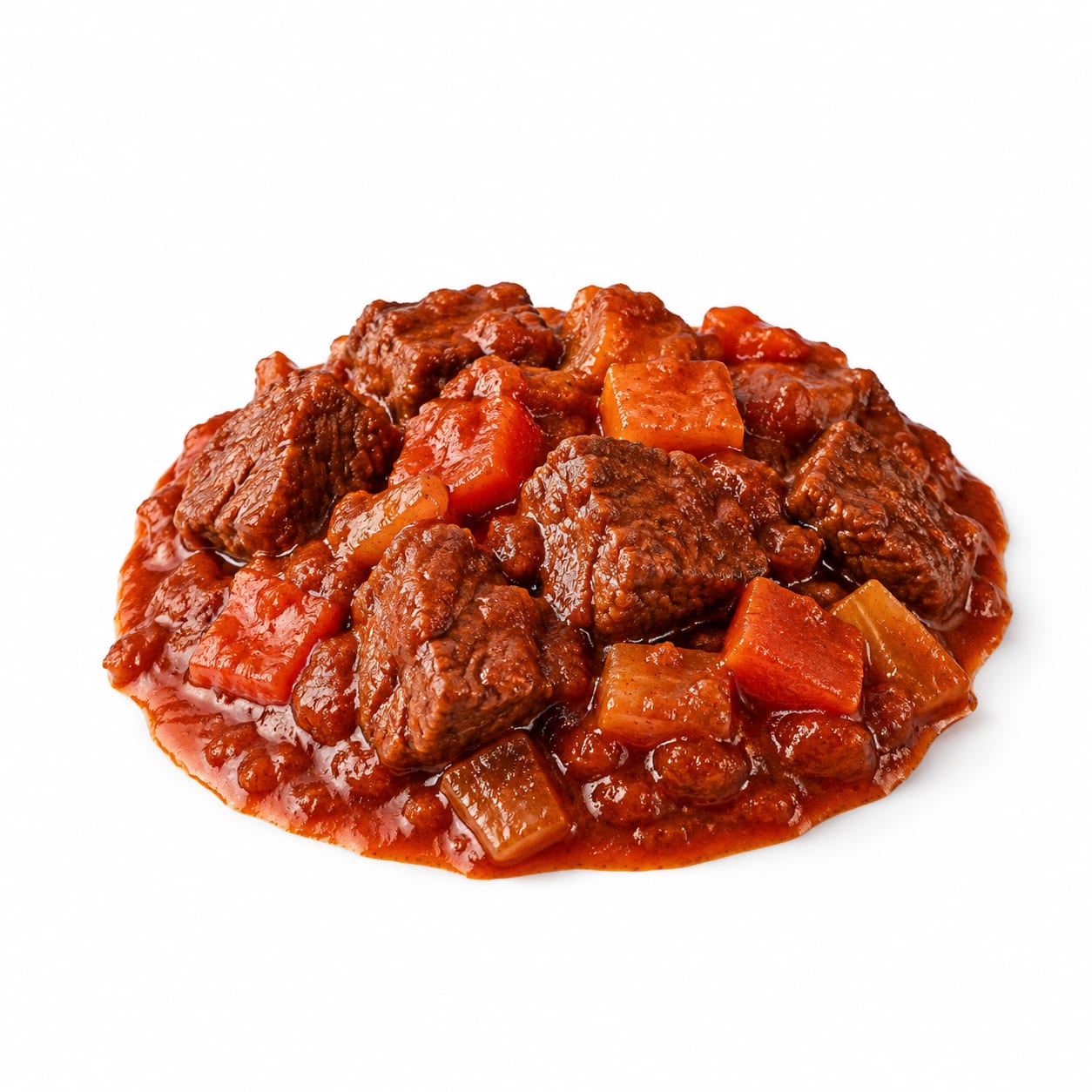
Goulash
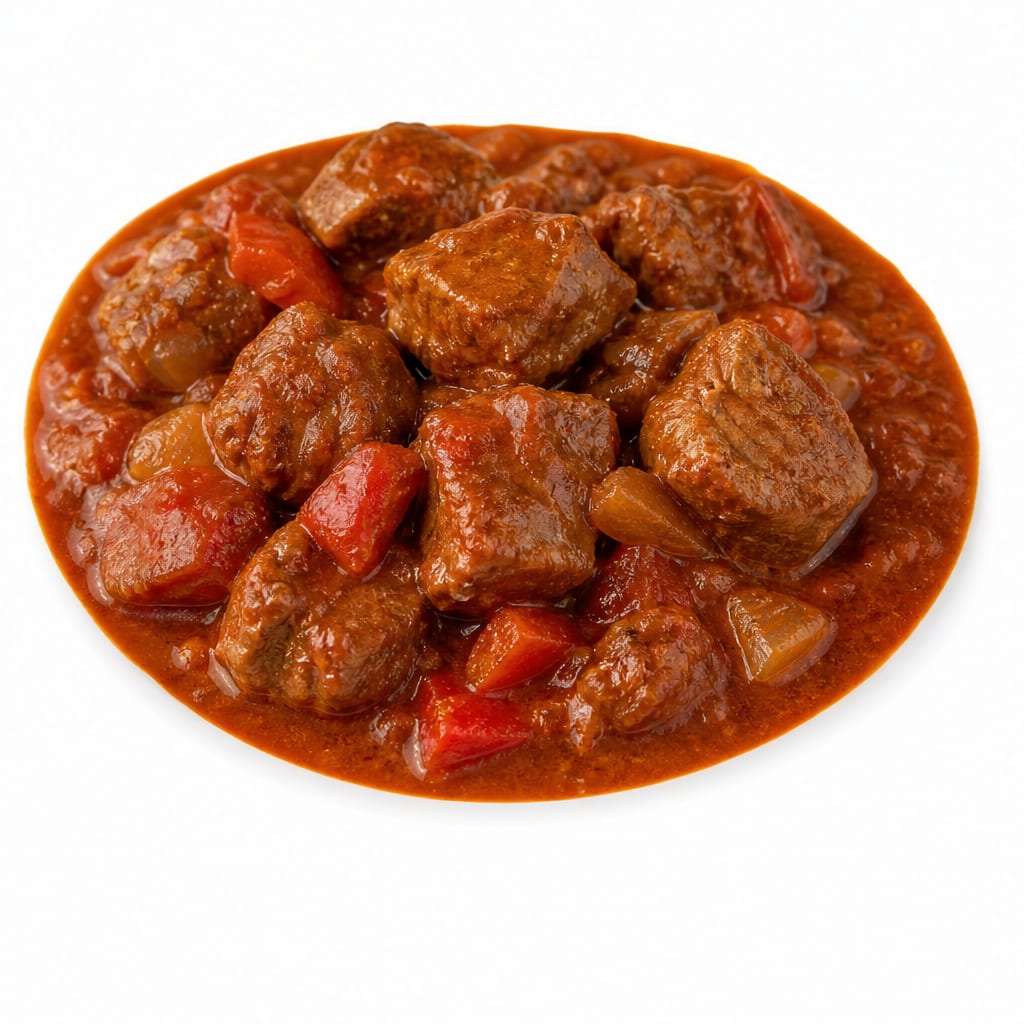
Pork Goulash
Traditional beef goulash edges out pork goulash for most health goals thanks to higher iron, more protein, and typically less saturated fat, though pork goulash wins on cost and tenderness.
Goulash scores higher due to superior iron content, higher protein, and generally lower saturated fat. Pork goulash loses ground on heart health metrics but remains a comforting, affordable option that still delivers solid nutrition.
You trade better micronutrients and a leaner profile in goulash for the softer texture and lower price of pork goulash.
At a glance
Executive summary
Overall
Goulash
Healthier
Goulash
More practical
Pork Goulash
Daily use
Goulash
Key comparison lenses
meat protein source comparison
The core difference is the protein: traditional goulash typically uses beef while pork goulash uses pork, changing fat content, micronutrients, and health implications significantly
heart health and saturated fat tradeoffs
Pork generally brings more saturated fat than beef cuts used in goulash, making cardiovascular impact a central concern
iron and micronutrient density
Beef-based goulash delivers substantially more heme iron and B12, which matters for anemia prevention and energy
cost and everyday practicality
Pork is often cheaper than beef, making pork goulash more accessible for regular cooking
culinary authenticity and tradition
Hungarian goulash is traditionally beef-based, so pork goulash represents a variation that some may find less authentic
Best choice for
Goulash
- Athletes needing iron and protein recovery
- Women prone to anemia
- Anyone watching saturated fat intake
- Traditional recipe enthusiasts
Pork Goulash
- Budget-conscious families
- Those who prefer tender, melt-in-your-mouth meat
- Home cooks wanting forgiving, hard-to-overcook stew meat
- People with lower iron needs
Least suitable for
Goulash
- Very tight grocery budgets
- Those avoiding beef for religious or personal reasons
Pork Goulash
- People managing high cholesterol
- Anyone on a heart-healthy diet
- Those needing maximum iron intake
Deep comparison
Dimension by dimension
Each lens scores both foods and breaks down who each option suits.
- Dimension 1 · Priority 92Goulash
saturated fat and heart health
Goulash · 68Pork Goulash · 48Beef goulash typically contains less saturated fat than pork goulash, especially if made with lean chuck.
Tradeoff
Pork shoulder — the most common cut for pork goulash — is marbled with fat that adds richness but raises cardiovascular risk with frequent consumption.
Why it matters
Regular high saturated fat intake raises LDL cholesterol over time, increasing heart disease risk.
Real-world impact
Eating pork goulash several times a week could nudge your cholesterol numbers in the wrong direction within months.
Goulash
- Heart-healthy meal plans
- Cholesterol-conscious eaters
Better for
- People who find lean beef stew meat too dry
Worse for
Pork Goulash
- Those wanting richer, more indulgent flavor
Better for
- Anyone with existing high LDL cholesterol
Worse for
- Dimension 2 · Priority 88Goulash
iron and micronutrient density
Goulash · 85Pork Goulash · 55Beef delivers roughly twice the heme iron of pork and significantly more vitamin B12 per serving.
Tradeoff
Pork goulash still provides decent B vitamins but cannot match beef for iron density, which is critical for energy and oxygen transport.
Why it matters
Heme iron from meat is far more absorbable than plant iron. Low iron causes fatigue, brain fog, and poor exercise recovery.
Real-world impact
If you are borderline anemic, switching from pork goulash to beef goulash could meaningfully improve your energy within weeks.
Goulash
- Menstruating women
- Endurance athletes
- Vegetarians transitioning back to meat
Better for
- People with hemochromatosis or iron overload
Worse for
Pork Goulash
- Those who already have adequate iron stores
Better for
- Anyone at risk for iron deficiency
Worse for
- Dimension 3 · Priority 82Goulash
protein quality and quantity
Goulash · 80Pork Goulash · 72Beef goulash provides slightly more complete protein per serving with a favorable amino acid profile for muscle maintenance.
Tradeoff
Pork goulash still offers solid protein but slightly less per calorie due to its higher fat content.
Why it matters
Higher protein-per-calorie ratios help with satiety, muscle preservation, and healthy body composition.
Real-world impact
A bowl of beef goulash keeps you fuller slightly longer than the same-sized bowl of pork goulash, making overeating less likely.
Goulash
- Strength athletes
- Older adults preserving muscle mass
Better for
Pork Goulash
- Those prioritizing flavor over macros
Better for
- Strict macro trackers watching protein-to-fat ratios
Worse for
- Dimension 4 · Priority 78Pork Goulash
cost and accessibility
Goulash · 55Pork Goulash · 82Pork shoulder and pork stew meat are consistently cheaper than beef chuck in most markets.
Tradeoff
You save money with pork goulash but sacrifice some nutritional density and traditional authenticity.
Why it matters
For families cooking on a budget, the price difference can make goulash a weekly meal instead of an occasional one.
Real-world impact
Pork goulash can cost 30-50% less per serving than beef goulash, which adds up significantly over a month of meal prep.
Goulash
- Those where budget is not a constraint
Better for
- Budget-limited households
Worse for
Pork Goulash
- Large families on tight budgets
- Meal preppers cooking in bulk
- Students cooking economically
Better for
- Dimension 5 · Priority 70Pork Goulash
texture and eating satisfaction
Goulash · 65Pork Goulash · 80Pork becomes exceptionally tender and silky in slow-cooked goulash, often more so than beef.
Tradeoff
The softer texture is more comforting and forgiving to cook, but some diners prefer the chewier bite of beef.
Why it matters
Enjoyment drives long-term dietary adherence. Food that feels satisfying is easier to stick with.
Real-world impact
Pork goulash is harder to overcook into toughness, making it a more reliable choice for less experienced cooks.
Goulash
- Those who prefer heartier, chewier meat texture
Better for
- Impatient cooks who might rush the simmer
Worse for
Pork Goulash
- Beginner home cooks
- Fans of melt-in-your-mouth tenderness
- Comfort food seekers
Better for
- Those who find very soft meat unappealing
Worse for
- Dimension 6 · Priority 65Goulash
inflammatory potential
Goulash · 62Pork Goulash · 50Beef has a slightly lower inflammatory profile compared to pork when both are conventionally raised, though the difference narrows with pasture-raised pork.
Tradeoff
Both are red meats with moderate inflammatory potential, but pork's higher omega-6 to omega-3 ratio tips the scale slightly.
Why it matters
Chronic low-grade inflammation underlies many age-related diseases and joint issues.
Real-world impact
If you eat red meat stews frequently, choosing beef over pork is a small but meaningful way to reduce inflammatory load over years.
Goulash
- People with inflammatory conditions
- Those eating red meat multiple times weekly
Better for
Pork Goulash
- Occasional eaters where inflammation impact is minimal
Better for
- Those already managing chronic inflammation
Worse for
Timeline
Health impact over time
Short-term
Hours to days
Goulash
- High satiety from protein and complex carbs keeps hunger away for hours
- Iron-rich meal can boost alertness if you are running low
- Heavier meal may cause sluggishness if eaten in large portions at lunch
Pork Goulash
- Rich, fatty mouthfeel provides strong comfort and satisfaction
- Higher fat content can slow digestion, extending fullness but potentially causing heaviness
- May trigger sleepiness after eating due to higher fat load
Long-term
Months to years
Goulash
- Regular consumption supports healthy iron stores and prevents deficiency-related fatigue
- Moderate saturated fat intake is manageable if the rest of the diet is balanced
- Consistent red meat intake still warrants monitoring for colorectal cancer risk
Pork Goulash
- Frequent pork goulash consumption may gradually raise LDL cholesterol
- Lower iron contribution means other dietary iron sources become more important
- Higher cumulative saturated fat intake could increase cardiovascular risk over years
Risk profile
Safety & processing
Both goulash and pork goulash are traditionally made from whole ingredients — meat, vegetables, paprika, and broth. Neither is ultra-processed, making both solid choices compared to most convenience foods. The main difference is the meat itself, not additives.
Goulash
undercooked beef bacterial contamination
lowBeef stew meat cooked in goulash reaches safe temperatures easily during simmering. Risk is minimal with proper cooking.
antibiotic residues in conventionally raised beef
mediumConventionally raised beef may carry trace antibiotic residues. Choosing grass-fed or organic reduces this concern.
Pork Goulash
trichinella parasite from undercooked pork
lowModern farming practices have virtually eliminated trichinella in commercial pork, and goulash's long simmer ensures safety. Mostly a historical concern.
higher antibiotic and hormone exposure in conventional pork
mediumPork production often uses more antibiotics than beef. Residue levels are regulated but cumulative exposure concerns remain for frequent consumers.
Who wins for whom
Audience fit
Same foods, different winners depending on your goal.
children
Pork GoulashPork goulash's softer texture is easier for young children to chew, and the milder flavor is often more kid-friendly.
daily consumption
GoulashNeither red meat stew should be eaten daily, but beef goulash's better micronutrient profile and lower saturated fat make it the less risky choice for frequent rotation.
diabetes
GoulashLower saturated fat and slightly better protein-to-fat ratio help with insulin sensitivity, though both are reasonable choices.
elderly
Pork GoulashTender pork is easier to chew and digest for aging teeth and digestive systems, though beef's iron advantage still matters.
muscle gain
GoulashHigher protein content and superior iron availability make beef goulash better for muscle recovery and growth.
weight loss
GoulashBeef goulash offers more protein per calorie and less fat, supporting better satiety and easier portion control.
Your move
Decision guide
Choose Goulash
- You want maximum iron and B12 from your meal
- Heart health or cholesterol is a concern for you
- You prefer traditional Hungarian-style goulash
- You are tracking protein intake for fitness goals
Choose Pork Goulash
- Grocery budget is a primary factor
- You want the most tender, forgiving stew possible
- You are cooking for kids or elderly who need softer meat
- You simply prefer the taste and richness of pork
Either works if
- You are eating goulash occasionally as part of a varied diet
- You plan to load the stew with vegetables regardless of meat choice
- You are using high-quality, pasture-raised meat where nutritional differences shrink
Avoid both if
- You have been advised to eliminate red meat entirely
- You have severe gout and are sensitive to purine-rich foods
- You are strictly following a plant-based diet
Final recommendation
For most health-conscious eaters, traditional beef goulash is the better default — it delivers more iron, more protein, and less saturated fat. However, pork goulash is a perfectly valid and sometimes smarter choice when budget, tenderness, or family preference matters more. The best approach is alternating between both, using lean cuts, and always packing the pot with extra vegetables.
Practical
Consumer tips
- 1
Trim visible fat from pork shoulder before cooking to significantly reduce saturated fat without losing tenderness
- 2
Choose grass-fed beef when possible — it has a better omega-3 profile and fewer antibiotic concerns
- 3
Add extra bell peppers, carrots, and tomatoes to either version to boost fiber and antioxidants
- 4
Make a large batch and refrigerate overnight — both goulashes taste better the next day as flavors meld
- 5
Skim congealed fat from the surface of refrigerated leftovers for an easy calorie reduction
- 6
If using pork, consider loin instead of shoulder for a leaner stew, though you will sacrifice some tenderness
- 7
Serve with a side of fermented vegetables like sauerkraut to aid digestion and add probiotics