
Nutrition comparison
Goulash vs Borscht: Nutrition, Calories, and Health Comparison
Comparing Goulash and Borscht? Discover which Eastern European classic is better for weight loss, protein, and heart health, plus nutritional tradeoffs.
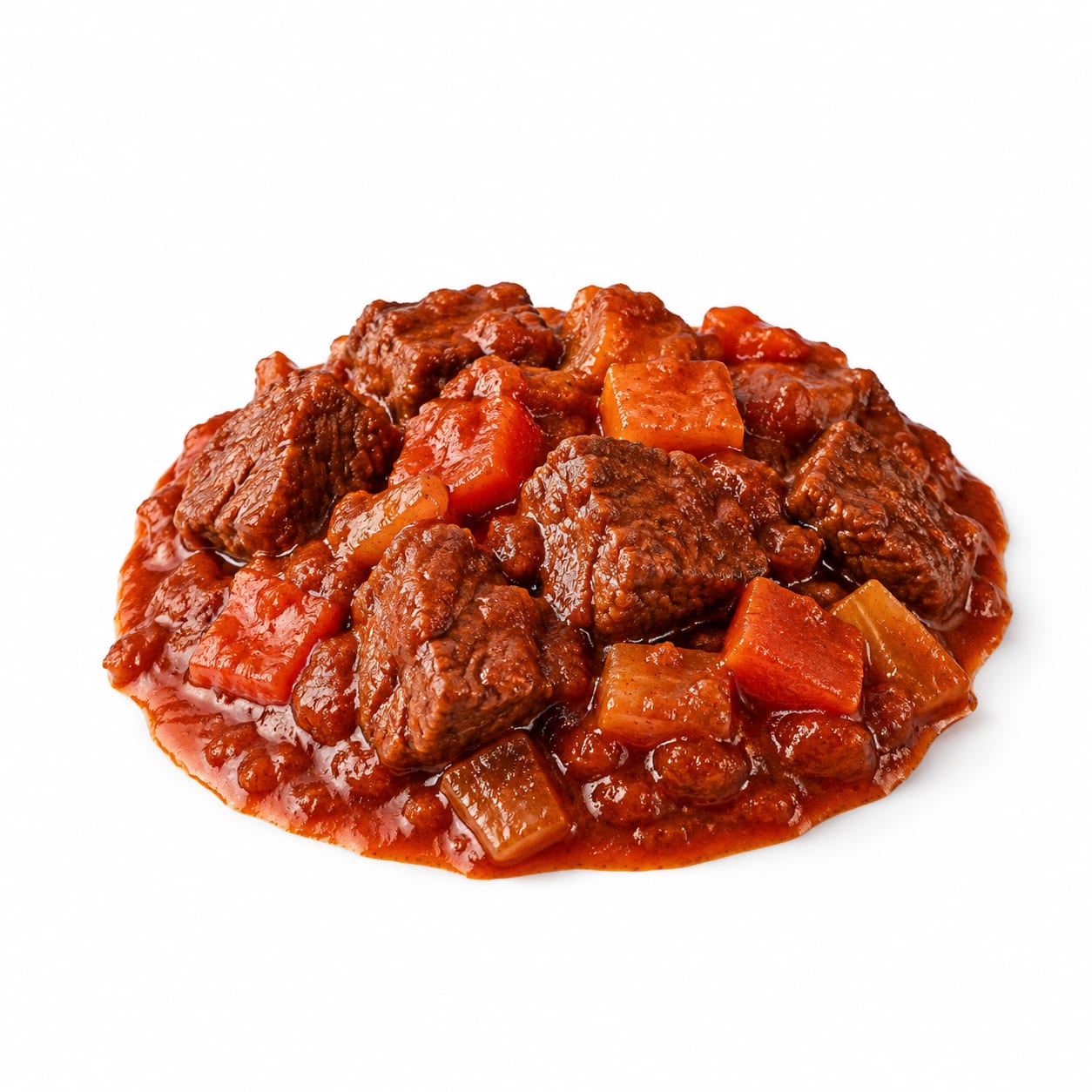
Goulash
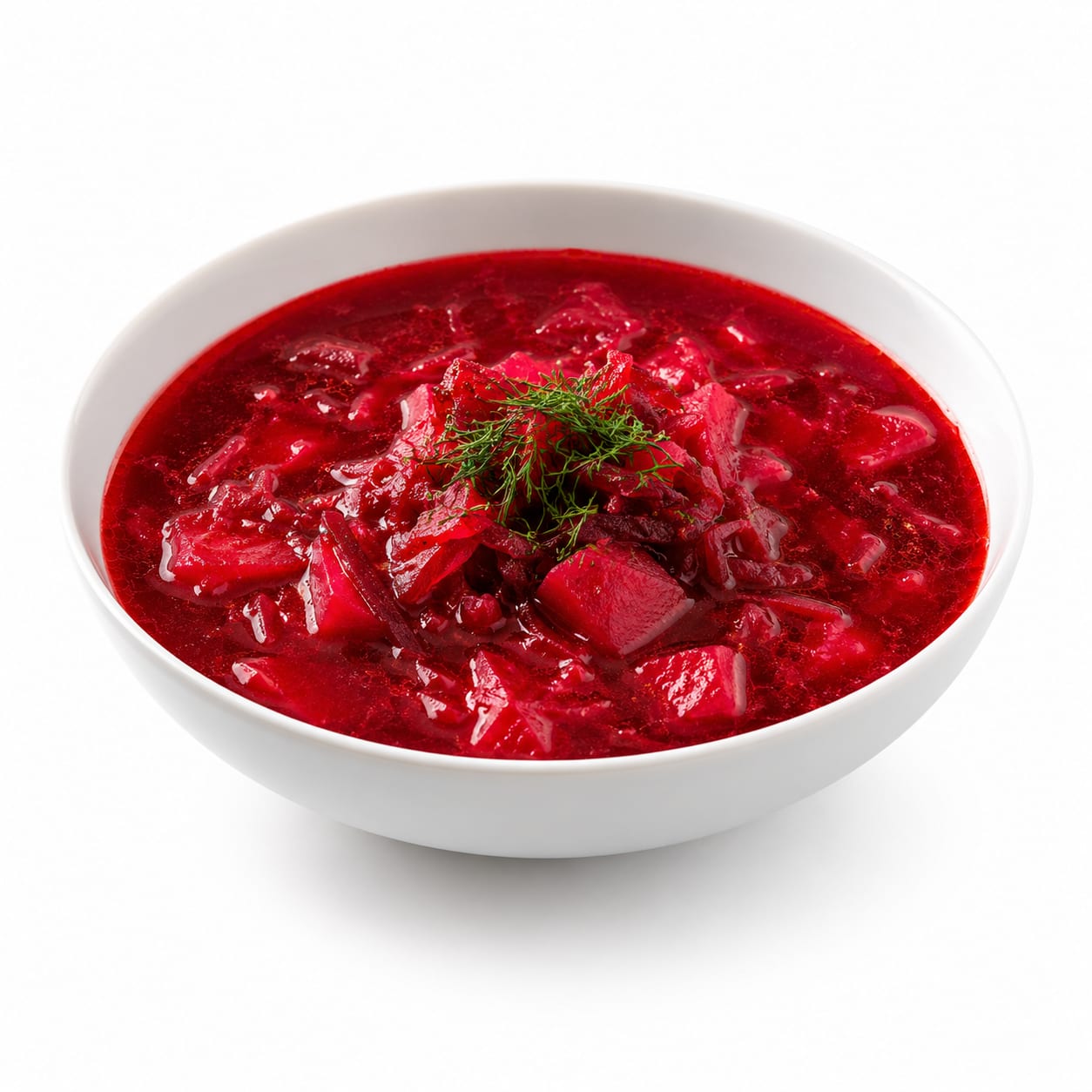
Borscht
Goulash delivers heavy-hitting protein and comfort, while Borscht offers lighter, nutrient-packed eating with far fewer calories.
Borscht scores higher due to its superior micronutrient profile, lower calorie density, and better long-term health alignment. Goulash remains valuable for specific protein needs but carries heavier metabolic tradeoffs.
Satiety and muscle fuel from meat in Goulash versus antioxidant and fiber benefits from beets in Borscht.
At a glance
Executive summary
Overall
It depends
Healthier
Borscht
More practical
It depends
Daily use
Borscht
Key comparison lenses
Hearty meat stew vs vegetable-based soup
The core difference is protein and fat density from meat versus micronutrient and fiber density from beets and root vegetables.
Weight management and calorie density
Goulash is significantly more calorie-dense, making portion control harder, whereas Borscht is naturally lighter and more filling per calorie.
Long-term heart health
Frequent red meat consumption in Goulash raises saturated fat intake, while Borscht offers heart-friendly nitrates and fiber.
Best choice for
Goulash
- Athletes needing high protein
- People recovering from illness needing calorie density
- Cold winter days demanding a heavy, warming meal
Borscht
- People managing their weight
- Those seeking heart-healthy options
- Anyone needing more dietary fiber and antioxidants
Least suitable for
Goulash
- People watching their saturated fat intake
- Those on a low-calorie diet
- Individuals prone to red meat digestive sluggishness
Borscht
- Those needing high protein intake
- People sensitive to oxalates
- Anyone looking for a calorie-dense meal
Deep comparison
Dimension by dimension
Each lens scores both foods and breaks down who each option suits.
- Dimension 1 · Priority 90Goulash
Satiety & Fullness
Goulash · 88Borscht · 75Goulash keeps you fuller for longer due to its high protein and fat content, while Borscht provides a lighter, more temporary fullness.
Tradeoff
Goulash offers heavy satiety but at a high caloric cost, whereas Borscht fills you up on fewer calories but may require sooner snacking.
Why it matters
If you need one meal to carry you through a physically demanding afternoon, Goulash is more reliable.
Real-world impact
Eating Goulash for lunch likely means skipping an afternoon snack; Borscht might leave you hunting for something to munch on by 3 PM.
Goulash
- Long gaps between meals
- Physically demanding days
Better for
- Sedentary office days
- Eating right before bed
Worse for
Borscht
- Lighter dinners
- Eating multiple times a day
Better for
- Intense workout recovery
- Long hikes or active outings
Worse for
- Dimension 2 · Priority 92Borscht
Nutrient Density & Antioxidants
Goulash · 55Borscht · 92Borscht is loaded with betalains, vitamin C, and folate from beets, while Goulash provides mainly iron and B12 from meat.
Tradeoff
You get broader cellular protection and anti-inflammatory benefits from Borscht, whereas Goulash focuses heavily on structural nutrients like protein and iron.
Why it matters
Long-term health and aging are heavily influenced by dietary antioxidants, an area where Borscht vastly outperforms Goulash.
Real-world impact
Regularly choosing Borscht supports better blood flow and reduces oxidative stress, making you feel less sluggish over time.
Goulash
- Correcting iron deficiency
- Rebuilding muscle tissue
Better for
- Fighting chronic inflammation
- Boosting immune resilience
Worse for
Borscht
- Reducing inflammation
- Supporting cardiovascular health
Better for
- Overcoming anemia
- Rapid tissue repair
Worse for
- Dimension 3 · Priority 88Borscht
Calorie & Weight Management
Goulash · 45Borscht · 85Borscht is a low-calorie-density food, making it easy to eat a large, satisfying bowl without overconsuming calories. Goulash is calorie-dense.
Tradeoff
Goulash makes it easy to accidentally overeat calories, while Borscht naturally supports portion control through its high water and fiber content.
Why it matters
For sustainable weight management, foods that fill you up without excess calories are crucial.
Real-world impact
A large bowl of Borscht might cost you 250 calories, while the same volume of Goulash can easily exceed 600 calories.
Goulash
- Bulking up healthily
- High-calorie needs
Better for
- Cutting body fat
- Sedentary lifestyles
Worse for
Borscht
- Calorie deficit diets
- Mindful eating practices
Better for
- Gaining healthy weight
- Endurance athletes needing fuel
Worse for
- Dimension 4 · Priority 85Goulash
Protein & Muscle Support
Goulash · 90Borscht · 45Goulash is a robust source of complete protein, essential for muscle repair, while Borscht is typically low in protein unless heavily supplemented with meat.
Tradeoff
Choosing Goulash guarantees high-quality protein but brings saturated fat along for the ride; Borscht requires adding a side protein to match.
Why it matters
Muscle maintenance and metabolic health depend heavily on adequate protein intake, which Goulash delivers effortlessly.
Real-world impact
After a heavy lifting session, Goulash provides the amino acids your muscles crave, whereas Borscht leaves you needing a side of chicken or tofu.
Goulash
- Post-workout recovery
- Older adults preventing muscle loss
Better for
- Kidney disease management
- Low-protein diet requirements
Worse for
Borscht
- Lighter protein footprints
- Plant-forward diets
Better for
- Athletes needing quick protein synthesis
- Growing teenagers
Worse for
- Dimension 5 · Priority 80Borscht
Digestive Comfort & Fiber
Goulash · 50Borscht · 88Borscht is rich in fiber from beets, cabbage, and carrots, promoting smooth digestion. Goulash can be heavy and slow to digest due to high fat and meat.
Tradeoff
Borscht keeps your gut moving and feels light in the stomach, while Goulash can sit heavily and cause sluggishness.
Why it matters
Good digestion affects daily energy levels and comfort; heavy meals can trigger food comas and bloating.
Real-world impact
Borscht is a great choice before an active evening; Goulash is better saved for when you plan to relax on the couch afterward.
Goulash
- Those needing slow-digesting energy
Better for
- Prone to bloating
- Acid reflux sufferers
Worse for
Borscht
- Managing constipation
- Sensitive stomachs
Better for
- Acute diarrhea
- Low-residue diets
Worse for
Timeline
Health impact over time
Short-term
Hours to days
Goulash
- Strong satiety and reduced hunger for hours
- Potential sluggishness or food coma due to high fat and calorie content
Borscht
- Quick hydration and light energy
- Gentle digestive stimulation from fiber-rich vegetables
Long-term
Months to years
Goulash
- Increased risk of cardiovascular issues if consumed frequently due to saturated fat
- Solid muscle maintenance from consistent high-quality protein
Borscht
- Improved blood pressure and vascular health from dietary nitrates
- Better digestive regularity and gut microbiome support from diverse fibers
Risk profile
Safety & processing
Both are traditional slow-cooked dishes made from whole ingredients. Goulash is marked as processed due to the inclusion of cured or stewed meats, while Borscht relies primarily on fresh root vegetables and broth.
Goulash
Saturated fat and cholesterol load
mediumRegular consumption of fatty cuts of beef or pork can elevate LDL cholesterol over time.
Sodium content
mediumStew broths and added seasonings can make Goulash surprisingly high in sodium, especially in restaurant versions.
Borscht
Oxalate concentration
mediumBeets are high in oxalates, which can contribute to kidney stone formation in susceptible individuals.
Sodium content
lowIf made with commercial broth or added salt, sodium can creep up, though typically less than meat-heavy stews.
Who wins for whom
Audience fit
Same foods, different winners depending on your goal.
children
It dependsGoulash offers iron and protein for growth, but Borscht provides essential vitamins; rotating both is ideal.
daily consumption
BorschtThe lower calorie density and higher nutrient variety of Borscht make it a safer everyday staple than red meat-heavy Goulash.
diabetes
BorschtBorscht has a lower glycemic load and more fiber, leading to steadier blood sugar, whereas Goulash's fat can delay but prolong glucose spikes.
elderly
BorschtBorscht is easier to chew, gentler on the digestive system, and provides nitrates that support healthy blood flow.
muscle gain
GoulashGoulash delivers a substantial dose of complete protein necessary for muscle repair and growth.
weight loss
BorschtBorscht provides high volume and fiber for very few calories, making it far easier to maintain a calorie deficit.
Your move
Decision guide
Choose Goulash
- You had a heavy workout and need serious protein recovery
- It is freezing outside and you need a dense, warming comfort meal
- You struggle to get enough iron or calories in your day
Choose Borscht
- You want a filling meal without the heavy calorie price tag
- You are focusing on heart health and lowering blood pressure
- You need more fiber to keep your digestion on track
Either works if
- You are eating a balanced diet and just want a comforting Eastern European meal
- You pair the meal with a side salad or whole grain bread to round out the macros
Avoid both if
- You are on a strict low-sodium diet, as both can be heavily salted in restaurant preparations
- You have severe histamine intolerance, as slow-cooked meats and fermented beet components can trigger symptoms
Final recommendation
Let your daily energy needs make the call. Choose Goulash when your body demands heavy fuel and protein, but lean on Borscht for everyday nourishment that keeps your heart and gut happy without weighing you down.
Practical
Consumer tips
- 1
Make Borscht even healthier by using a bone broth base for added protein without the heavy meat chunks.
- 2
Trim visible fat from the beef in Goulash to significantly reduce the saturated fat load.
- 3
For both dishes, control the sodium by making them at home rather than ordering from a restaurant.
- 4
Add a dollop of plain Greek yogurt to Borscht instead of sour cream to boost protein and cut fat.
- 5
If making vegetarian Borscht, add white beans or lentils to close the protein gap with Goulash.