
Nutrition comparison
Goulash vs Vegetable Beef Soup: Which Hearty Meal Is Healthier?
Compare Goulash and Vegetable Beef Soup on calories, protein, sodium, and comfort. Find out which warming meal fits your health goals and when to choose each.
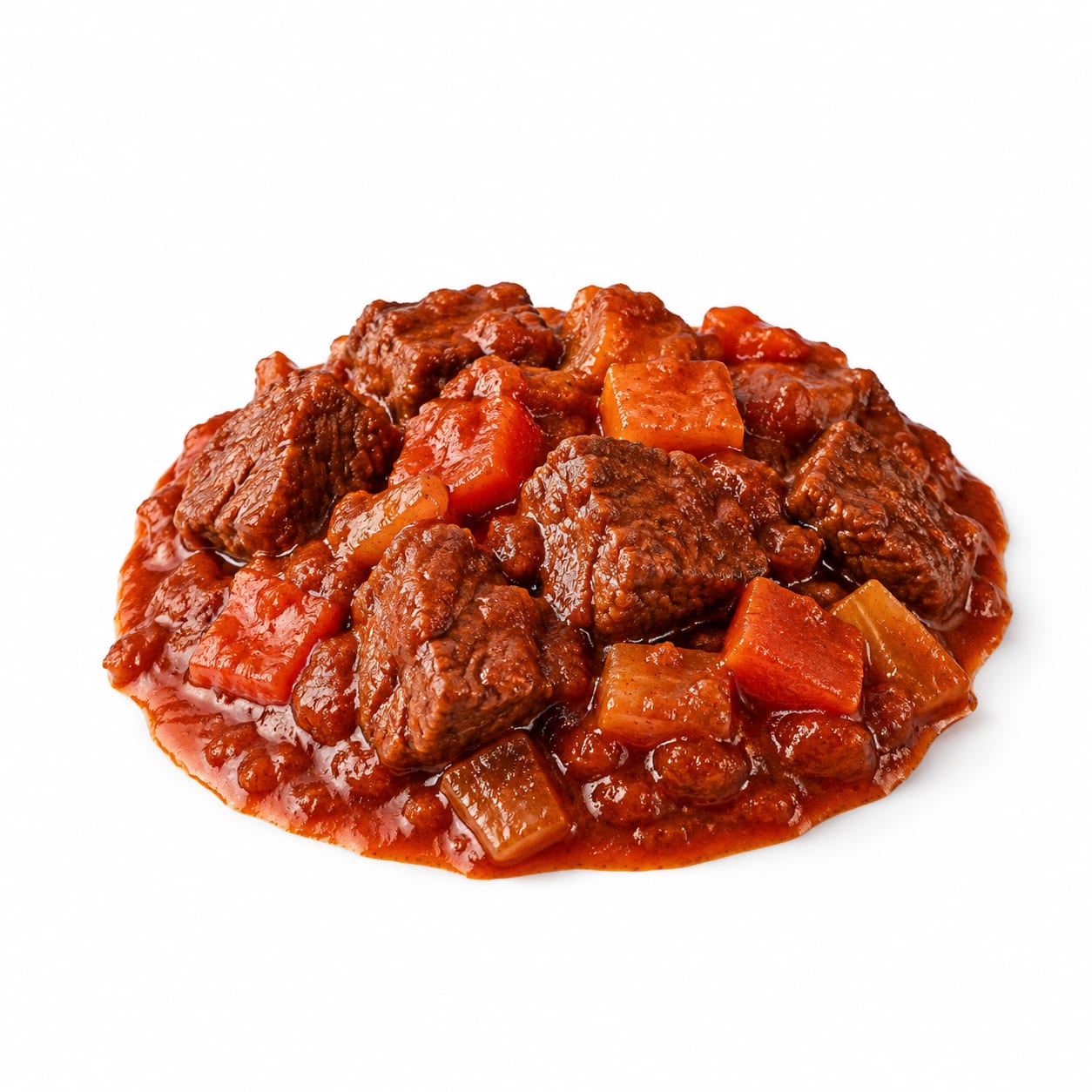
Goulash
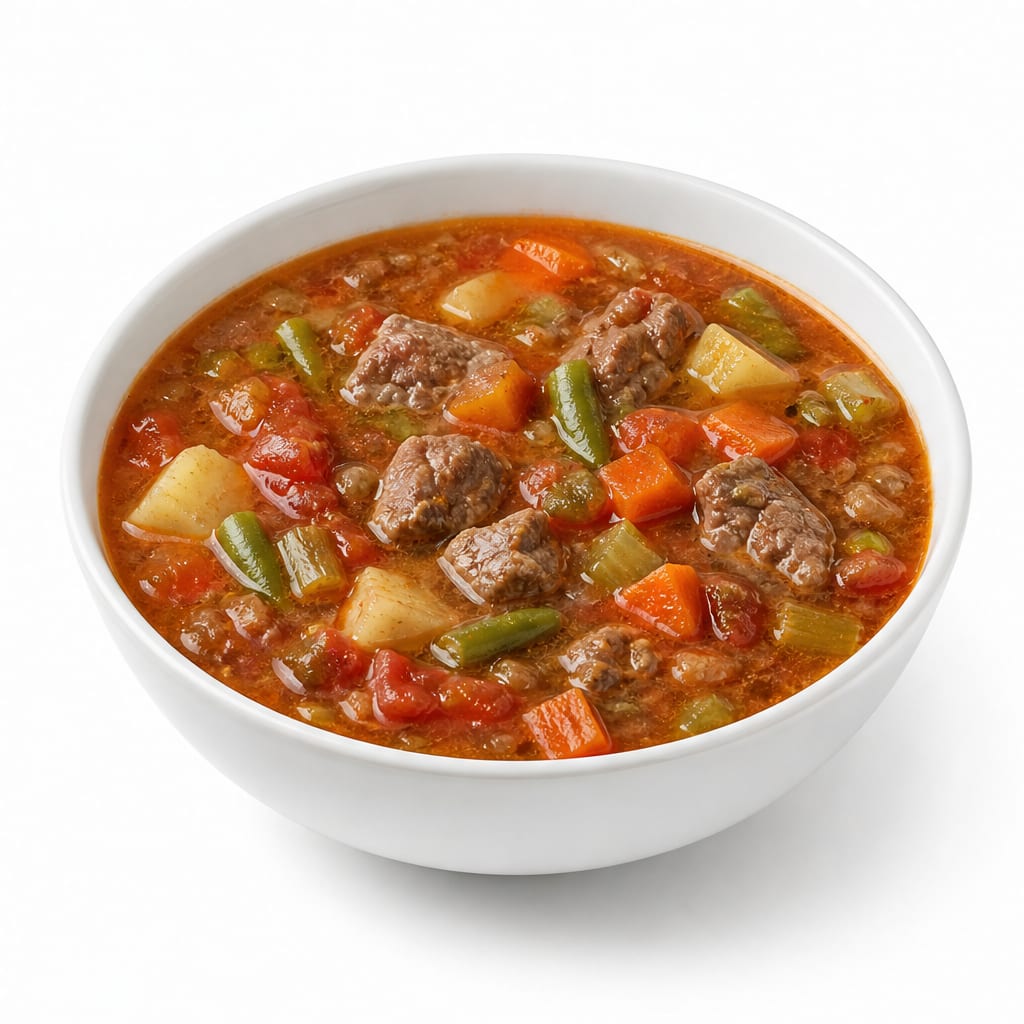
Vegetable Beef Soup
Goulash delivers richer flavor and more satisfying protein density, while Vegetable Beef Soup offers lighter calories and better vegetable volume for everyday eating.
Vegetable Beef Soup scores higher for everyday health alignment due to lower calorie density and more vegetable content. Goulash remains competitive for satisfaction and protein but loses ground on sodium and calorie load.
Comforting density and flavor intensity versus lighter nutrition and easier portion control.
At a glance
Executive summary
Overall
It depends
Healthier
Vegetable Beef Soup
More practical
Vegetable Beef Soup
Daily use
Vegetable Beef Soup
Key comparison lenses
Comfort meal selection for cold weather
Both are hearty warm dishes commonly chosen for comfort and warmth
Calorie and portion control tradeoffs
Goulash is denser and more calorie-packed while Vegetable Beef Soup is lighter and broth-based
Sodium awareness for daily meals
Both are savory liquid-based dishes that can be high in sodium depending on preparation
Protein satisfaction versus vegetable intake balance
Goulash leans heavier on meat while Vegetable Beef Soup offers more vegetable volume per calorie
Best choice for
Goulash
- Active individuals needing calorie-dense meals
- Cold days when you want deep comfort and satisfaction
- Those struggling to get enough protein from meals
- People wanting a meal that keeps them full for hours
Vegetable Beef Soup
- People managing weight who want volume without excess calories
- Anyone watching sodium who can control broth seasoning
- Those trying to increase daily vegetable intake easily
- Older adults needing lighter, easier-to-digest meals
Least suitable for
Goulash
- People closely monitoring calorie intake
- Those with high blood pressure sensitive to sodium
- Anyone wanting a light meal before physical activity
Vegetable Beef Soup
- Athletes needing calorie-dense recovery meals
- Those who find broth-based meals unsatisfying
- People looking for rich, indulgent comfort food
Deep comparison
Dimension by dimension
Each lens scores both foods and breaks down who each option suits.
- Dimension 1 · Priority 90Vegetable Beef Soup
Calorie Density and Portion Control
Goulash · 45Vegetable Beef Soup · 82Vegetable Beef Soup provides more food volume per calorie, making it far easier to manage portions without feeling deprived.
Tradeoff
Goulash packs more calories into a smaller bowl, so you may eat more than intended before feeling full.
Why it matters
Lower calorie density meals naturally help with weight management without requiring willpower or tracking.
Real-world impact
A bowl of Vegetable Beef Soup typically runs 150-250 calories versus 350-500 for Goulash, a difference that compounds over weekly meals.
Goulash
- Muscle-building phases requiring surplus calories
- Physically demanding days needing extra energy
Better for
- Sedentary evenings when extra calories go unused
- Anyone who tends to overeat rich foods
Worse for
Vegetable Beef Soup
- Weight loss or maintenance goals
- Days with low activity when you still want a warm meal
Better for
- Post-workout recovery when you need concentrated energy
- Growing teenagers who need calorie-dense meals
Worse for
- Dimension 2 · Priority 85Goulash
Protein Quality and Satiety
Goulash · 80Vegetable Beef Soup · 62Goulash typically contains more beef per serving, delivering higher protein content that keeps you satisfied longer.
Tradeoff
More protein comes with more saturated fat and calories, which may not suit every health goal.
Why it matters
Protein is the most satiating macronutrient and helps preserve muscle during weight loss or aging.
Real-world impact
Goulash can deliver 25-35g protein per bowl versus 15-22g in Vegetable Beef Soup, making the difference between staying full for 4 hours versus getting hungry again in 2.
Goulash
- Strength training days when protein needs are elevated
- Anyone who finds meals without substantial meat unsatisfying
Better for
- People limiting saturated fat for heart health
- Those who feel sluggish after heavy meat meals
Worse for
Vegetable Beef Soup
- Lighter meal occasions where moderate protein suffices
- Those reducing red meat intake while keeping some
Better for
- Older adults who need higher protein per meal to prevent muscle loss
- Anyone prone to snacking after insufficiently filling meals
Worse for
- Dimension 3 · Priority 82Vegetable Beef Soup
Vegetable and Fiber Content
Goulash · 50Vegetable Beef Soup · 78Vegetable Beef Soup generally contains a wider variety and larger volume of vegetables, providing more fiber and micronutrients per serving.
Tradeoff
Goulash's thicker sauce and spice profile can mask fewer vegetables, while Vegetable Beef Soup makes veggies the star alongside the beef.
Why it matters
Fiber supports digestion, blood sugar stability, and heart health, and most people fall short of daily targets.
Real-world impact
A bowl of Vegetable Beef Soup can contribute 2-3 servings of vegetables toward your daily goal, while Goulash may only provide 1 serving hidden in the sauce.
Goulash
- Those who dislike vegetables and prefer them hidden in sauce
- Meals where flavor intensity matters more than micronutrients
Better for
- Those relying on this meal as a significant vegetable source
- People with constipation or slow digestion
Worse for
Vegetable Beef Soup
- Anyone trying to hit daily vegetable targets effortlessly
- People needing digestive regularity from more fiber
Better for
- Picky eaters who find visible vegetable chunks unappealing
Worse for
- Dimension 4 · Priority 80It depends
Sodium Load
Goulash · 55Vegetable Beef Soup · 58Both dishes can be sodium traps, but homemade versions of either can be controlled. Restaurant or canned versions of both tend to be very high in sodium.
Tradeoff
Goulash relies on seasoned broth and paprika-based sauce, while Vegetable Beef Soup depends heavily on broth. Both are only as good as their preparation method.
Why it matters
Regular high-sodium meals raise blood pressure over time and contribute to bloating and thirst.
Real-world impact
A restaurant bowl of either can deliver 800-1500mg sodium, nearly half your daily limit. Home cooking drops this to 300-600mg easily.
Goulash
- Home-cooked versions using low-sodium broth and fresh spices
Better for
- Restaurant or canned versions with heavily salted sauce bases
Worse for
Vegetable Beef Soup
- Home-cooked versions with salt-controlled broth and fresh vegetables
Better for
- Canned varieties where broth is the primary sodium carrier
Worse for
- Dimension 5 · Priority 75Goulash
Comfort and Emotional Satisfaction
Goulash · 88Vegetable Beef Soup · 70Goulash delivers a richer, more indulgent eating experience with its thick sauce and deep paprika flavor that feels like a true comfort meal.
Tradeoff
That comfort comes from calorie density and fat content, which can work against health goals if relied on too frequently.
Why it matters
Meals that feel satisfying emotionally reduce the urge to snack later and support sustainable eating patterns.
Real-world impact
On a stressful winter evening, Goulash feels like a hug in a bowl, while Vegetable Beef Soup can feel more like a responsible choice than a comforting one.
Goulash
- Emotionally difficult days when food comfort matters
- Cold weather meals where richness feels appropriate
Better for
- Emotional eaters who struggle to stop at one serving
- Hot summer days when heavy food feels draining
Worse for
Vegetable Beef Soup
- Warmer days when heavy meals feel oppressive
- Times when you want comfort without the food coma afterward
Better for
- Anyone seeking indulgence who might feel deprived and snack later
Worse for
- Dimension 6 · Priority 70Vegetable Beef Soup
Digestive Tolerance
Goulash · 55Vegetable Beef Soup · 80Vegetable Beef Soup is gentler on the digestive system with its broth base and lighter ingredient density.
Tradeoff
Goulash's thicker sauce, higher fat content, and spice level can trigger heartburn or sluggish digestion in sensitive individuals.
Why it matters
Meals that digest easily support better sleep, steadier energy, and less bloating throughout the day.
Real-world impact
Vegetable Beef Soup as a late dinner is unlikely to cause bedtime discomfort, while Goulash may leave you feeling heavy if eaten within 2 hours of sleep.
Goulash
- Those with robust digestion who never experience heartburn
- Midday meals allowing time for heavier digestion
Better for
- Late-night eating situations
- Those with GERD or sensitive stomachs
Worse for
Vegetable Beef Soup
- Anyone prone to acid reflux or heartburn
- Evening meals close to bedtime
- People recovering from illness needing gentle nutrition
Better for
- Situations where lightness feels unsatisfying
Worse for
Timeline
Health impact over time
Short-term
Hours to days
Goulash
- Strong satiety that reduces between-meal snacking for 3-4 hours
- Possible sluggishness after eating due to higher fat and calorie content
- Potential heartburn from spice and fat if eaten before lying down
- Warming and energizing in cold weather
Vegetable Beef Soup
- Light comfortable fullness without heaviness
- Better hydration from higher broth volume
- Minimal post-meal energy crash
- Easier to eat before physical activity without discomfort
Long-term
Months to years
Goulash
- Higher saturated fat intake if consumed frequently may impact heart health markers
- Generous protein supports muscle maintenance with aging
- Risk of gradual weight gain if portions are not managed
- Spice content from paprika provides beneficial antioxidants
Vegetable Beef Soup
- Better weight management due to lower calorie density and higher fiber
- Greater vegetable diversity supports gut microbiome health over time
- Easier sodium control in homemade versions benefits blood pressure
- Moderate protein sufficient for most but may fall short for very active individuals
Risk profile
Safety & processing
Homemade versions of both are whole-food based, but Goulash often incorporates flour thickeners, commercial spice blends, and sometimes MSG or flavor enhancers. Vegetable Beef Soup typically uses simpler whole ingredients with fewer additives, especially when made from scratch.
Goulash
Spice contamination
lowPaprika and spice blends can occasionally contain adulterants or heavy metals from sourcing. Choosing reputable brands minimizes this.
Flour thickener cross-contamination
lowTraditional Goulash uses flour for thickening, which is a concern for those with celiac or gluten sensitivity.
Vegetable Beef Soup
Broth-based bacterial growth
mediumBroth-based soups are more susceptible to bacterial growth if left at room temperature. Refrigerate promptly within 2 hours.
Nitrate exposure from beef broth
lowCommercial beef broth may contain nitrates. Homemade broth eliminates this concern.
Who wins for whom
Audience fit
Same foods, different winners depending on your goal.
children
Vegetable Beef SoupVegetable Beef Soup is easier for small stomachs to digest and provides vegetable variety in a kid-friendly format.
daily consumption
Vegetable Beef SoupLower calorie density, more vegetables, and gentler digestion make Vegetable Beef Soup more sustainable as a regular meal.
diabetes
Vegetable Beef SoupLower calorie density and higher fiber content support steadier blood sugar, though both can be appropriate with portion control.
elderly
Vegetable Beef SoupLighter digestion, higher hydration from broth, and easier nutrient absorption make Vegetable Beef Soup more suitable for aging digestive systems.
muscle gain
GoulashGoulash delivers more protein per serving and the extra calories support a muscle-building surplus.
weight loss
Vegetable Beef SoupVegetable Beef Soup provides more volume and fiber per calorie, making it easier to stay within targets while feeling satisfied.
Your move
Decision guide
Choose Goulash
- You need a calorie-dense meal after physical labor or exercise
- It is a cold day and you want maximum comfort from your food
- You are struggling to eat enough protein and need a satisfying source
- You are serving a crowd where indulgence and flavor matter more than lightness
Choose Vegetable Beef Soup
- You want a warm meal without the heaviness afterward
- You are managing your weight and need volume with fewer calories
- You are trying to increase your daily vegetable intake effortlessly
- You need a gentle meal for an upset stomach or recovery from illness
- You are eating late and want something that will not disrupt sleep
Either works if
- You are cooking at home and can control sodium and ingredients in either dish
- You want a warming lunch that provides protein and vegetables
- You are meal prepping for the week and both fit your rotation
Avoid both if
- You are on a strict low-sodium diet and eating restaurant or canned versions
- You have a beef allergy or avoid red meat for health reasons
- You need a low-purine diet for gout management
Final recommendation
Make Vegetable Beef Soup your everyday choice and save Goulash for occasions when comfort and richness matter more than calorie efficiency. If you love Goulash, consider making a lighter version with more vegetables and less flour thickener to capture the flavor with fewer tradeoffs.
Practical
Consumer tips
- 1
Make either dish at home to control sodium, which is the biggest variable in both
- 2
Add extra vegetables to Goulash to boost fiber and reduce calorie density without losing flavor
- 3
Use lean beef cuts like sirloin or round in either dish to reduce saturated fat
- 4
Skip the flour thickener in Goulash and let it reduce naturally for a gluten-free version
- 5
Freeze individual portions of Vegetable Beef Soup for quick low-effort healthy meals
- 6
If buying canned versions, compare labels as sodium can vary by 500mg between brands
- 7
Add a side salad to Goulash to increase vegetable intake without changing the dish itself