
Nutrition comparison
Goulash vs Beef Stew: Which Hearty Stew Is Healthier?
Compare Goulash and Beef Stew nutrition, anti-inflammatory benefits, fiber content, and digestibility. Find out which comforting stew better fits your health goals.
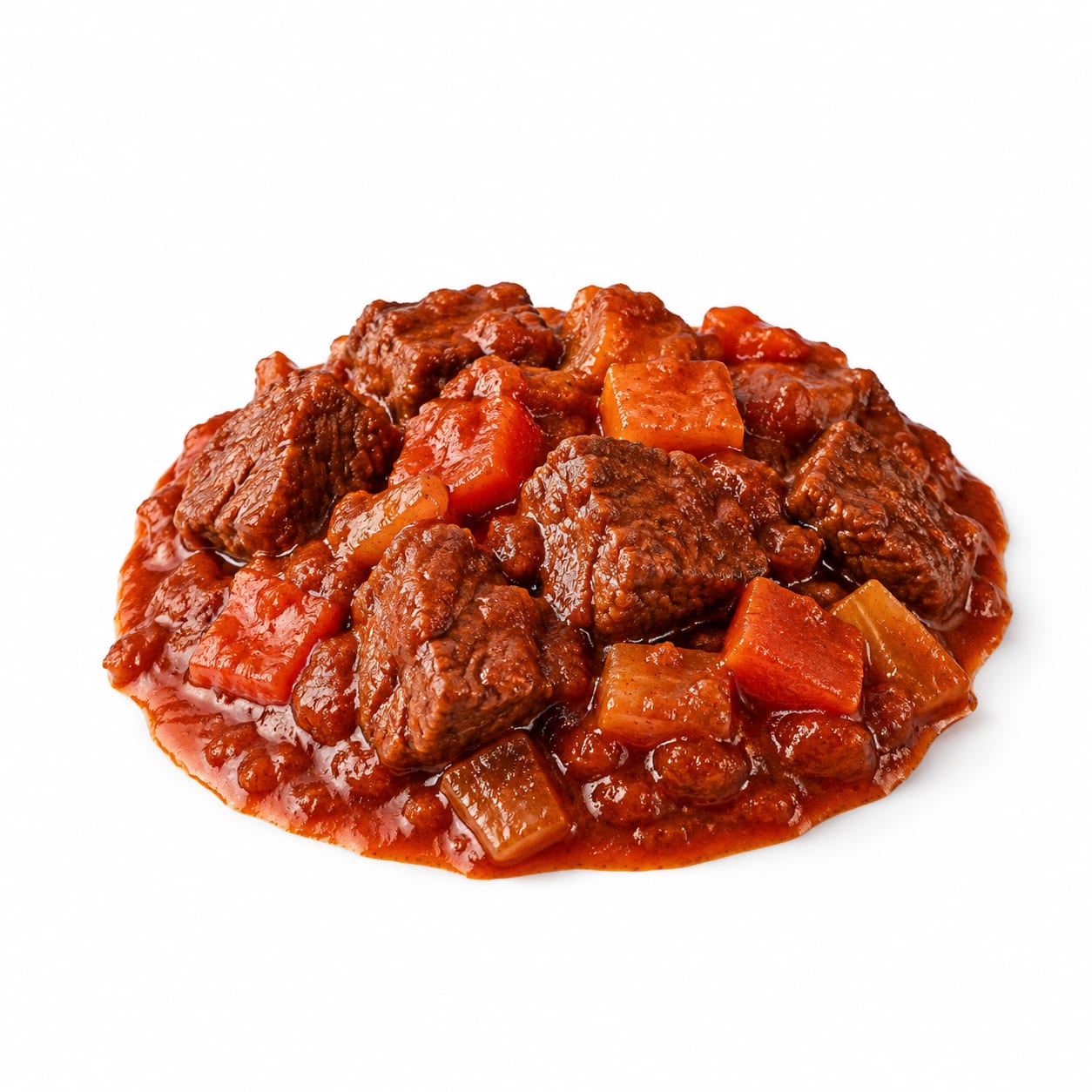
Goulash
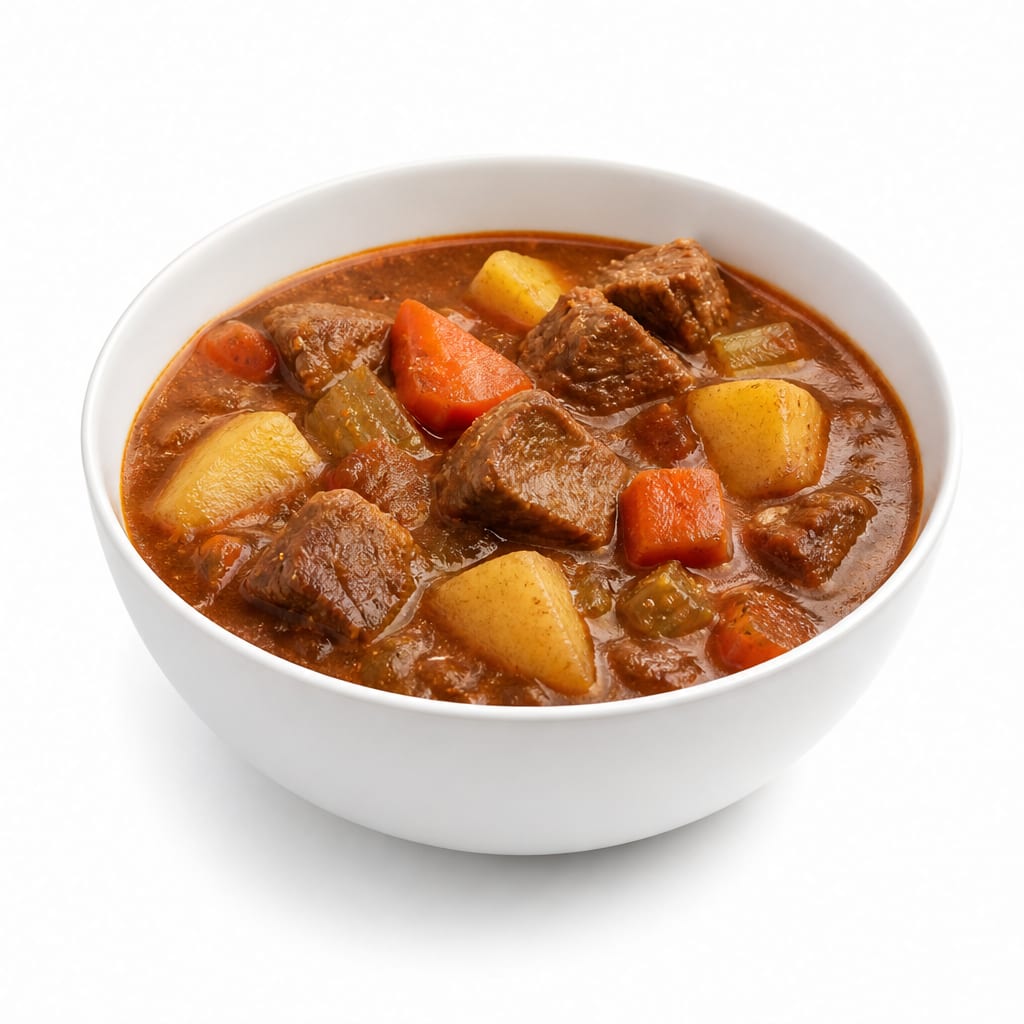
Beef Stew
Goulash brings more anti-inflammatory punch from paprika, while Beef Stew delivers more vegetable fiber and gentler digestion. Choose based on what your body needs today.
Beef Stew edges ahead slightly due to higher vegetable content and broader digestibility, but Goulash's paprika-driven antioxidant advantage keeps it competitive. The close scores reflect how preparation variations can easily shift the winner.
Antioxidant spice power versus vegetable-dense comfort — Goulash fights inflammation better, but Beef Stew fills you up with more fiber and is easier on sensitive stomachs.
At a glance
Executive summary
Overall
It depends
Healthier
It depends
More practical
Beef Stew
Daily use
Beef Stew
Key comparison lenses
comfort food nutritional comparison
Both are hearty beef-based stews, so users are likely choosing between two comforting cold-weather meals
spice and anti-inflammatory benefits
Goulash's heavy paprika content introduces a meaningful antioxidant and anti-inflammatory dimension that Beef Stew lacks
vegetable density and fiber
Beef Stew typically packs more root vegetables, directly affecting fiber, satiety, and micronutrient intake
sodium and heart health tradeoffs
Both dishes can be sodium-heavy, but preparation differences matter significantly for blood pressure concerns
digestive comfort and tolerance
Spice levels and ingredient complexity differ enough to affect how each dish sits with sensitive stomachs
Best choice for
Goulash
- People wanting anti-inflammatory benefits from paprika and capsaicin
- Those who enjoy bold, spicy flavors and find them more satisfying
- Anyone eating for immune support during cold season
Beef Stew
- People prioritizing vegetable intake and fiber in every meal
- Those with sensitive digestion who need milder flavors
- Anyone wanting a more balanced macronutrient plate in one bowl
Least suitable for
Goulash
- People with GERD, acid reflux, or spice sensitivity
- Anyone watching sodium closely who dines out frequently
- Children unaccustomed to bold paprika flavors
Beef Stew
- People seeking bold, exciting flavors who find mild food unsatisfying
- Anyone looking for anti-inflammatory spice benefits
- Those avoiding flour-thickened gravies due to gluten sensitivity
Deep comparison
Dimension by dimension
Each lens scores both foods and breaks down who each option suits.
- Dimension 1 · Priority 90Goulash
Anti-Inflammatory Potential
Goulash · 82Beef Stew · 48Goulash's generous paprika delivers significant capsaicin and carotenoid antioxidants that Beef Stew simply cannot match.
Tradeoff
You gain real anti-inflammatory compounds with Goulash, but the spice can irritate sensitive digestive systems.
Why it matters
Chronic inflammation drives heart disease, joint pain, and fatigue. Regular intake of paprika-based compounds offers a meaningful dietary defense.
Real-world impact
Eating Goulash regularly may reduce morning stiffness and post-exercise soreness more noticeably than Beef Stew over time.
Goulash
- Joint pain sufferers
- People with chronic low-grade inflammation
- Older adults seeking dietary anti-inflammatory support
Better for
- GERD and ulcer sufferers
- People with irritable bowel triggered by spice
Worse for
Beef Stew
- Those already on anti-inflammatory medication who need dietary neutrality
- People with spice-triggered digestive flares
Better for
- Anyone specifically eating to reduce inflammation through diet
Worse for
- Dimension 2 · Priority 88Beef Stew
Vegetable Density and Fiber
Goulash · 52Beef Stew · 78Beef Stew typically loads in carrots, potatoes, peas, and celery, while Goulash leans heavier on meat and onions with fewer root vegetables.
Tradeoff
More vegetables means better fiber, more vitamins, and steadier blood sugar — but it also means a milder, less intense eating experience.
Why it matters
Fiber controls hunger, supports gut bacteria, and stabilizes blood sugar. Most people fall short on daily fiber intake, and Beef Stew helps close that gap.
Real-world impact
A bowl of Beef Stew will keep you full longer and prevent the afternoon energy crash better than Goulash, which digests faster due to lower fiber.
Goulash
- People already meeting fiber needs elsewhere
- Those wanting a more protein-forward meal
Better for
- Constipation-prone individuals
- People relying on one-pot meals for most of their vegetable intake
Worse for
Beef Stew
- Anyone struggling to eat enough vegetables daily
- People managing blood sugar who need fiber slowing digestion
- Those wanting longer-lasting fullness from a single meal
Better for
- Low-carb eaters avoiding root vegetables
Worse for
- Dimension 3 · Priority 82Beef Stew
Digestive Comfort
Goulash · 55Beef Stew · 80Beef Stew's mild, herb-forward broth is far gentler on the stomach than Goulash's paprika-heavy, potentially spicy profile.
Tradeoff
Goulash's spice aids circulation and metabolism but can trigger heartburn, while Beef Stew sacrifices excitement for comfort.
Why it matters
If a meal leaves you reaching for antacids, its nutritional benefits get overshadowed by discomfort. Digestive tolerance determines whether you can actually eat something regularly.
Real-world impact
After Beef Stew, you feel comfortably full. After Goulash, you might feel comfortably full — or you might be up with heartburn depending on your tolerance.
Goulash
- People with robust digestion who enjoy spice
- Those whose metabolism benefits from mild thermogenic effects
Better for
- Evening eaters prone to nighttime reflux
- People with active ulcers or gastritis
Worse for
Beef Stew
- GERD and acid reflux sufferers
- Post-surgical patients needing gentle nutrition
- Anyone with a sensitive stomach or IBS
Better for
- Those who find mild food unsatisfying and overeat to compensate
Worse for
- Dimension 4 · Priority 85Beef Stew
Satiety and Fullness
Goulash · 68Beef Stew · 80Beef Stew's mix of root vegetables, protein, and thickened broth creates a more sustained fullness than Goulash's leaner vegetable profile.
Tradeoff
Beef Stew keeps you fuller longer, but Goulash's intense spice signals satisfaction to the brain differently — through flavor intensity rather than volume.
Why it matters
Meals that fail to satisfy lead to snacking. Sustained satiety from fiber and protein prevents the 3pm vending machine visit.
Real-world impact
Beef Stew at lunch means you likely skip the afternoon snack. Goulash at lunch might leave you hungry again by 3pm unless portion sizes are large.
Goulash
- Fast eaters who benefit from spice-driven satiety signals
- Those eating smaller portions who want flavor intensity
Better for
- Big eaters who need volume-based fullness
- Athletes needing sustained calorie delivery
Worse for
Beef Stew
- People trying to reduce between-meal snacking
- Anyone eating one main meal who needs it to last
Better for
- Light eaters who find heavy meals uncomfortable
Worse for
- Dimension 5 · Priority 78It depends
Sodium Load
Goulash · 58Beef Stew · 60Both dishes carry significant sodium, but the source differs — Goulash from paprika blends and seasoning pastes, Beef Stew from broth and gravy thickeners.
Tradeoff
Neither is a low-sodium hero. Restaurant versions of both can easily exceed 1000mg per bowl. Homemade is the only way to control this.
Why it matters
For the 1 in 3 adults with hypertension, sodium is the single most important number in a meal like this.
Real-world impact
One restaurant bowl of either dish can use up half your daily sodium budget. At home, you can cut that by 60% without losing flavor.
Goulash
- Home cooks using pure paprika instead of seasoned blends
Better for
- Restaurant diners getting seasoned paprika mixes with hidden sodium
- Canned goulash consumers
Worse for
Beef Stew
- Home cooks using low-sodium broth and skipping added salt
Better for
- Those eating canned or restaurant beef stew with heavy gravy
- People sensitive to bouillon-based sodium
Worse for
- Dimension 6 · Priority 76Goulash
Vitamin and Micronutrient Profile
Goulash · 75Beef Stew · 70Goulash's paprika delivers a surprising vitamin A and C boost, while Beef Stew's carrots provide beta-carotene but less overall antioxidant diversity.
Tradeoff
Goulash offers more concentrated antioxidants from spice, while Beef Stew provides broader but less potent micronutrient coverage from mixed vegetables.
Why it matters
Micronutrient gaps accumulate over time. A meal that delivers meaningful vitamin A and C alongside protein is doing double duty.
Real-world impact
Regular Goulash consumption can meaningfully contribute to your daily vitamin A intake in a way most stews cannot. Beef Stew contributes more potassium from potatoes.
Goulash
- People with low vitamin A intake
- Those eating for skin and immune health
Better for
- Those who need potassium more than vitamin A
Worse for
Beef Stew
- People needing potassium for blood pressure management
- Those whose diet lacks orange vegetables entirely
Better for
- Anyone already taking vitamin A supplements who needs diversity instead
Worse for
Timeline
Health impact over time
Short-term
Hours to days
Goulash
- Warming thermogenic effect from paprika that can boost circulation
- Potential heartburn or reflux within 1-2 hours for sensitive individuals
- Strong flavor signals that promote faster meal satisfaction
Beef Stew
- Steady, comfortable fullness without digestive drama
- Moderate blood sugar rise from root vegetables, tempered by protein and fiber
- Gentle warming comfort without circulatory stimulation
Long-term
Months to years
Goulash
- Consistent paprika intake may reduce inflammatory markers over months
- Risk of sodium-related blood pressure elevation if eating restaurant versions frequently
- Possible improved immune resilience from regular carotenoid consumption
Beef Stew
- Better sustained fiber intake supporting gut microbiome diversity
- More stable weight management from higher satiety per calorie
- Risk of sodium accumulation if gravy-heavy versions are the norm
Risk profile
Safety & processing
Both dishes sit at similar processing levels when homemade — simply cooked whole foods. The concern arises with canned or restaurant versions, where Goulash sometimes uses paprika paste with preservatives and Beef Stew relies on gravy thickeners with modified starches. Homemade versions of both are equally clean.
Goulash
Paprika adulteration with artificial colorants
mediumSome commercial paprika, especially in processed goulash products, may contain unauthorized dye additives. Buy quality paprika from trusted sources.
Sodium nitrite in cured meat additions
lowSome Goulash recipes incorporate smoked sausage or bacon bits, introducing nitrites. Traditional recipes use fresh beef only.
Beef Stew
Flour thickener cross-contamination
mediumRestaurant Beef Stew almost always uses wheat flour for gravy. Celiac or gluten-sensitive diners must verify preparation methods.
Botulism risk in improperly stored leftovers
lowLike any meat stew, slow cooling and improper refrigeration can create anaerobic conditions. Cool rapidly and refrigerate within 2 hours.
Who wins for whom
Audience fit
Same foods, different winners depending on your goal.
children
Beef StewMilder flavors and familiar vegetables make Beef Stew far more approachable for kids. Goulash's paprika intensity often triggers rejection.
daily consumption
Beef StewBeef Stew's broader nutrient coverage, better digestive tolerance, and higher fiber make it more sustainable as a regular meal without accumulating irritation or gaps.
diabetes
Beef StewBeef Stew's fiber from root vegetables slows glucose absorption more effectively, provided portions are controlled for carbohydrate content.
elderly
Beef StewGentler digestion, softer vegetable textures, and lower spice irritation make Beef Stew more suitable for aging digestive systems and medication-sensitive stomachs.
muscle gain
It dependsBoth provide similar beef protein content. Goulash may have slightly more protein per bite due to less vegetable dilution, but the difference is minimal and preparation-dependent.
weight loss
Beef StewHigher fiber and vegetable volume in Beef Stew creates more satiety per calorie, making it easier to eat less overall without feeling deprived.
Your move
Decision guide
Choose Goulash
- You want anti-inflammatory benefits and enjoy bold, spicy flavors
- Your digestion handles spice well and you find intense flavors more satisfying
- You are eating for immune support during cold and flu season
- You are cooking at home with quality paprika and want maximum antioxidant impact
Choose Beef Stew
- You have sensitive digestion, GERD, or simply prefer milder comfort food
- You want more vegetables and fiber in a single satisfying bowl
- You are feeding children or elderly family members who need gentle flavors
- You are meal-prepping for the week and need something universally tolerable
Either works if
- You are cooking at home and can control sodium and ingredient quality
- You simply want a warming, protein-rich meal on a cold day
- Your main concern is getting adequate protein and neither dish poses specific health risks for you
Avoid both if
- You have severe sodium restrictions and cannot control preparation
- You are following a plant-based or vegetarian diet
- You have gout flares triggered by beef and need to limit purine intake
Final recommendation
Let your body decide. If spice sits well with you, Goulash offers unique anti-inflammatory benefits most stews cannot match. If comfort and digestion are priorities, Beef Stew delivers more reliable nourishment. For most people eating several times a week, Beef Stew is the safer default — but rotating both gives you the best of both worlds.
Practical
Consumer tips
- 1
Make either dish at home to cut sodium by 50-60% compared to restaurant versions
- 2
Use authentic Hungarian sweet paprika for Goulash — the cheap stuff lacks the antioxidant potency
- 3
Add extra carrots and parsnips to Beef Stew to boost fiber without changing the flavor profile
- 4
If Goulash causes heartburn, try using more sweet paprika and less hot paprika — you keep most antioxidants with less irritation
- 5
Freeze individual portions of either stew — they both reheat beautifully and make excellent meal prep
- 6
Skip the bread dipping — both stews are complete meals on their own, and bread adds unnecessary refined carbs