
Nutrition comparison
Goulash vs Pot Roast: Which Comfort Food Is Healthier?
Compare Goulash and Pot Roast nutrition, sodium, protein, and health effects. Learn which hearty beef dish is better for weight loss, heart health, and meal prep.
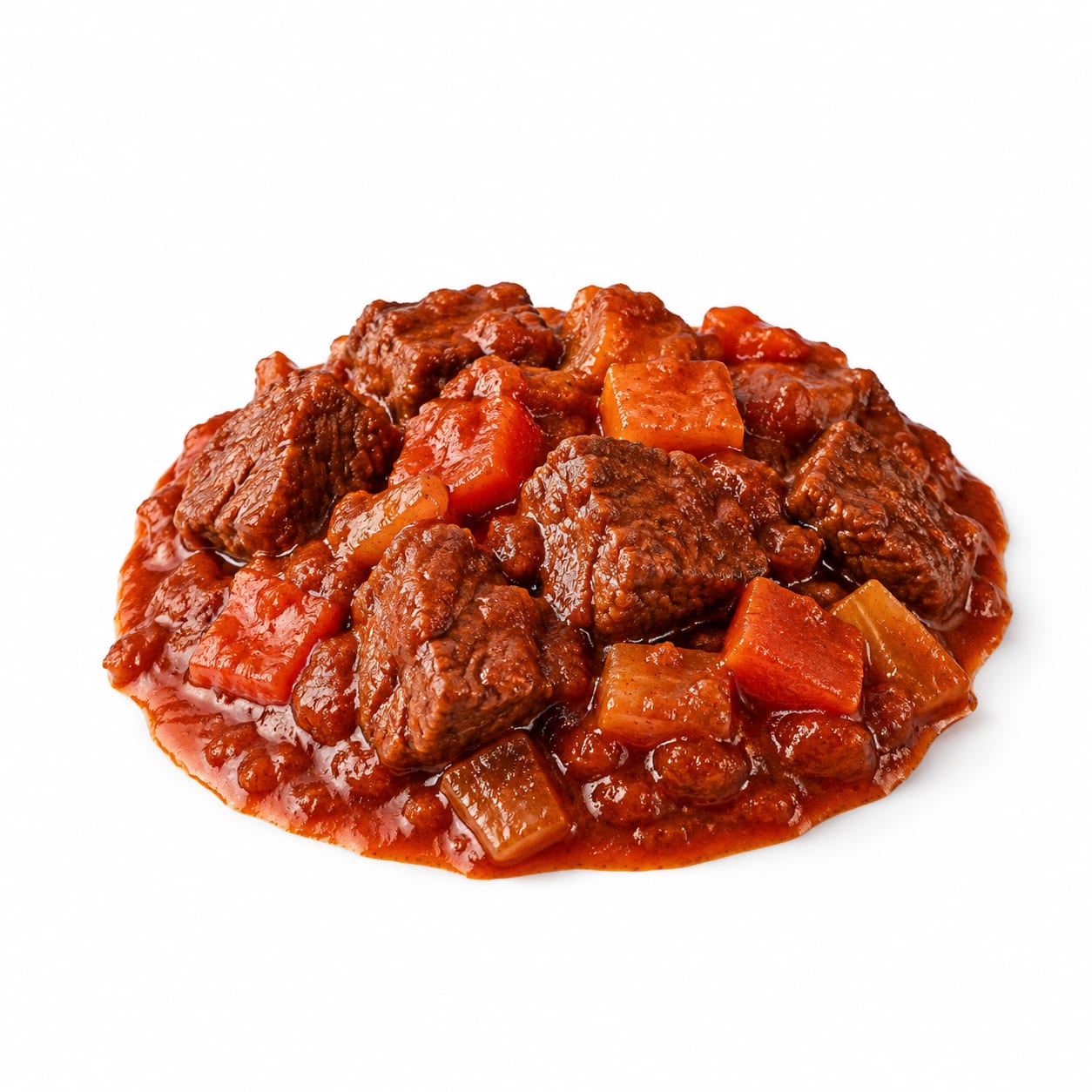
Goulash
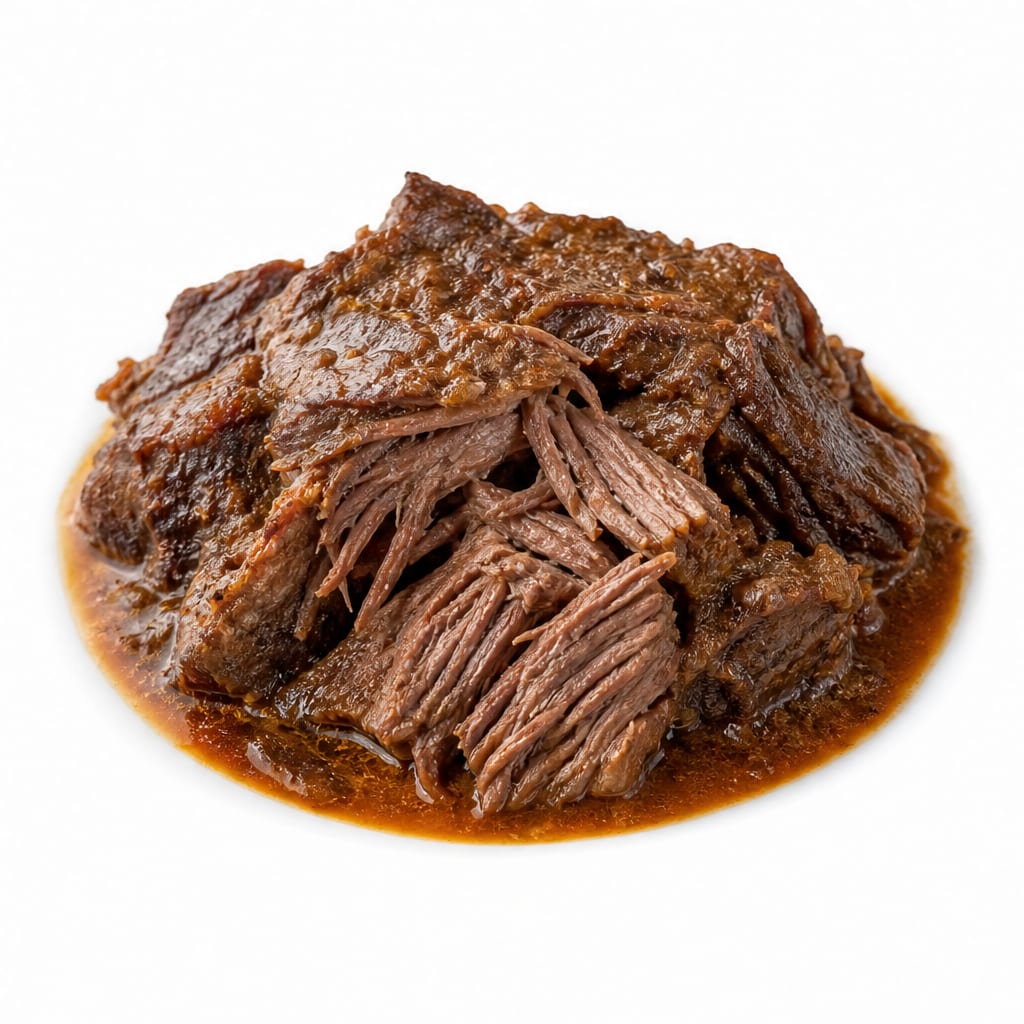
Pot Roast
Goulash offers more vegetable diversity and antioxidants but carries a higher sodium load. Pot Roast delivers simpler, cleaner protein with less salt but fewer micronutrients.
Goulash edges ahead slightly due to better micronutrient density from vegetables and spices, but Pot Roast stays competitive with lower sodium and cleaner protein. The close scores reflect that both are heavy comfort foods best enjoyed in moderation rather than as daily staples.
You trade sodium and sauce richness in Goulash for the cleaner, meat-focused simplicity of Pot Roast.
At a glance
Executive summary
Overall
It depends
Healthier
Goulash
More practical
Pot Roast
Daily use
Pot Roast
Key comparison lenses
comfort meal nutritional value
Both are hearty, slow-cooked beef dishes often chosen for cold-weather comfort, so users want to know which delivers more nutrition per bite
sodium and heart health tradeoffs
Goulash relies heavily on paprika, broth, and tomato-based sauces which drive sodium up, while Pot Roast tends to be seasoned more simply
vegetable and micronutrient intake
Goulash typically incorporates more vegetables like bell peppers and tomatoes, while Pot Roast is meat-forward with fewer veggie additions
meal prep and batch cooking practicality
Both are classic make-ahead meals, but users want to know which reheats better and provides more versatile leftovers
satiety and portion control
Both are filling dishes, but their different compositions affect how easily you can control portions and avoid overeating
Best choice for
Goulash
- People wanting more vegetable variety in their comfort meals
- Those who benefit from lycopene and vitamin C from tomatoes and peppers
- Anyone looking for a more flavorful, spice-rich eating experience
- Families wanting to stretch meat further with a saucy, filling dish
Pot Roast
- People watching sodium intake closely
- Those prioritizing higher protein per calorie
- Anyone wanting a simpler ingredient list with fewer additives
- Meal preppers who want straightforward reheating without sauce separation
Least suitable for
Goulash
- People on low-sodium diets
- Anyone sensitive to nightshades like tomatoes and peppers
- Those avoiding added carbohydrates from thickeners or noodles
Pot Roast
- People wanting diverse micronutrient intake from vegetables
- Anyone finding plain meat dishes unappealing or monotonous
- Those who need higher fiber content in their meals
Deep comparison
Dimension by dimension
Each lens scores both foods and breaks down who each option suits.
- Dimension 1 · Priority 88Goulash
micronutrient density
Goulash · 72Pot Roast · 48Goulash delivers significantly more vitamins and antioxidants thanks to tomatoes, bell peppers, and paprika.
Tradeoff
You gain lycopene, vitamin C, and carotenoids with Goulash but take on more sodium from the sauce base.
Why it matters
These antioxidants support immune function and reduce inflammation, which matters more as you age or face stress.
Real-world impact
A bowl of Goulash feels more like a complete meal with built-in vegetable servings, while Pot Roast often needs side vegetables added separately.
Goulash
- Boosting antioxidant intake without taking supplements
- Getting more vitamin C during cold season
- Adding vegetable variety without eating salads
Better for
- Those with tomato or pepper sensitivities
- Anyone counting every milligram of sodium
Worse for
Pot Roast
- Keeping meals simple with fewer potential irritants
- Avoiding nightshade vegetables that trigger joint pain in some people
Better for
- Anyone relying on a single dish for micronutrient coverage
- People who struggle to eat enough vegetables throughout the day
Worse for
- Dimension 2 · Priority 85Pot Roast
sodium load
Goulash · 38Pot Roast · 62Pot Roast is typically seasoned with modest salt and herbs, while Goulash packs significantly more sodium from broth, paprika blends, and tomato sauce.
Tradeoff
The rich, complex flavor of Goulash comes at the cost of substantially higher sodium intake per serving.
Why it matters
High sodium meals can leave you bloated and thirsty, and regular overconsumption raises blood pressure over time.
Real-world impact
After eating Goulash you may notice puffiness or need extra water, while Pot Roast feels lighter the next morning.
Goulash
- Active individuals who sweat heavily and need more sodium replenishment
Better for
- People managing heart failure or kidney disease
- Anyone already exceeding daily sodium limits from other meals
Worse for
Pot Roast
- Anyone with hypertension or sodium-sensitive blood pressure
- People who feel bloated after salty restaurant meals
- Those trying to stay under 1500mg sodium per meal
Better for
- Endurance athletes who actually need electrolyte replenishment
Worse for
- Dimension 3 · Priority 82Pot Roast
protein quality and quantity
Goulash · 58Pot Roast · 74Pot Roast centers on a large cut of beef, delivering more protein per serving. Goulash stretches meat with sauce and vegetables, diluting protein density.
Tradeoff
Pot Roast gives you more muscle-supporting protein per bite, while Goulash offers a more balanced macronutrient spread.
Why it matters
Higher protein per serving helps with satiety, muscle maintenance, and blood sugar stability after eating.
Real-world impact
A Pot Roast dinner keeps you full longer with fewer cravings later, while Goulash may leave you hungry again sooner despite feeling initially satisfied.
Goulash
- Anyone wanting a more balanced macro ratio rather than protein-heavy meals
- Older adults who prefer smaller meat portions with more sauce
Better for
- Those tracking protein macros who find it hard to hit targets
Worse for
Pot Roast
- Athletes and lifters needing higher protein intake
- Anyone trying to stay full for 5+ hours after dinner
- People recovering from illness or surgery who need tissue repair support
Better for
- People trying to reduce red meat consumption per meal
Worse for
- Dimension 4 · Priority 78It depends
comfort and emotional satisfaction
Goulash · 80Pot Roast · 78Both deliver deep comfort, but in different ways. Goulash feels warming and exotic with its paprika-rich sauce, while Pot Roast feels like home with its simple gravy and tender meat.
Tradeoff
Goulash satisfies cravings for bold, complex flavors. Pot Roast satisfies cravings for familiar, grounding simplicity.
Why it matters
Emotional satisfaction determines whether a meal actually fulfills your craving or leaves you hunting for snacks afterward.
Real-world impact
Choose Goulash when you want something exciting and warming on a dreary day. Choose Pot Roast when you need a meal that feels like a reset button.
Goulash
- Breaking out of a food rut with bolder flavors
- Cold evenings when you want something that feels like a warm hug with spice
Better for
- Anyone overwhelmed by strong spices during stress or fatigue
Worse for
Pot Roast
- Stressful days when familiar food feels more comforting than exciting food
- Family dinners where picky eaters prefer simpler flavors
Better for
- People bored by plain meals who crave complexity
Worse for
- Dimension 5 · Priority 72Pot Roast
meal prep and leftover quality
Goulash · 60Pot Roast · 75Pot Roast reheats beautifully with consistent texture. Goulash can separate or become overly thick as leftovers, requiring more attention when reheating.
Tradeoff
Pot Roast is lower-maintenance for batch cooking, while Goulash demands more careful storage and reheating to maintain quality.
Why it matters
If a meal does not reheat well, you are less likely to actually eat your leftovers, leading to food waste and inconsistent eating.
Real-world impact
Pot Roast leftovers taste nearly identical to the fresh meal. Goulash leftovers often need a splash of water and stirring to bring the sauce back together.
Goulash
- Cooking for a single meal where leftovers are not a priority
- Making a big batch for freezing where sauce consistency matters less
Better for
- Anyone frustrated by meals that look unappetizing after refrigeration
Worse for
Pot Roast
- Weekly meal prep where you eat leftovers for 3-4 days
- Busy households that reheat dinner on autopilot without extra steps
Better for
- People who enjoy transforming leftovers into different meals, since Pot Roast is harder to repurpose
Worse for
- Dimension 6 · Priority 68Pot Roast
digestive tolerance
Goulash · 52Pot Roast · 70Pot Roast is gentler on digestion with fewer potential irritants. Goulash combines tomatoes, peppers, and spices that can trigger heartburn or reflux in sensitive individuals.
Tradeoff
The ingredients that make Goulash flavorful also make it riskier for anyone with acid reflux, IBS, or spice sensitivity.
Why it matters
A meal that causes heartburn or bloating undermines its own nutritional value by disrupting sleep and comfort.
Real-world impact
Pot Roast is a safer choice for a late dinner since it is less likely to cause nighttime reflux. Goulash is better positioned as a lunch or early dinner.
Goulash
- People with hardy digestion who never experience heartburn
- Lunchtime meals when you have hours to digest before lying down
Better for
- People who avoid spicy or acidic foods after 6pm
- Anyone with a history of gastric ulcers
Worse for
Pot Roast
- Anyone prone to acid reflux or GERD
- Older adults with more sensitive digestion
- Late dinners when you need something gentle before bed
Better for
- Those who find very plain meals unsatisfying and end up overeating dessert instead
Worse for
Timeline
Health impact over time
Short-term
Hours to days
Goulash
- Higher sodium may cause noticeable thirst and mild bloating within hours
- Rich sauce can trigger heartburn in prone individuals, especially if eaten late
- The warming spice effect can feel energizing and comforting immediately after eating
Pot Roast
- High protein content promotes strong satiety that lasts 4-5 hours
- Simple preparation means fewer digestive surprises or discomforts
- Lower sodium means less post-meal thirst and puffiness
Long-term
Months to years
Goulash
- Regular consumption provides consistent lycopene and antioxidant intake from tomatoes and peppers
- Frequent high-sodium intake could contribute to elevated blood pressure if not balanced with low-sodium meals elsewhere
- The spice and vegetable diversity supports anti-inflammatory dietary patterns when eaten as part of a varied diet
Pot Roast
- Consistent high-quality protein supports muscle maintenance, especially important for adults over 40
- Simpler ingredient profile makes it easier to control what enters your body long-term
- Lower vegetable content means you must intentionally add fiber and micronutrients from other meals to avoid gaps
Risk profile
Safety & processing
Pot Roast is typically a straightforward braise of beef with vegetables and herbs. Goulash often incorporates tomato paste, broth cubes, and sometimes flour thickeners, which introduce more processed elements. Homemade versions of both can be quite clean, but restaurant or canned Goulash tends to carry more additives.
Goulash
sodium-related health effects
mediumA single serving of Goulash can contain 800-1200mg of sodium, which is a significant portion of the daily limit for sodium-sensitive individuals.
histamine from slow-cooked tomato sauce
lowLong-simmered tomato-based sauces can accumulate histamines that trigger headaches or flushing in sensitive people.
Pot Roast
undercooking large cuts
mediumPot Roast requires thorough cooking to reach safe internal temperatures throughout a thick cut, which takes several hours at low temperature.
refrigeration safety with large portions
lowLarge roasts cool slowly in the center, creating a window where bacteria can multiply if not refrigerated promptly after cooking.
Who wins for whom
Audience fit
Same foods, different winners depending on your goal.
children
It dependsSome kids love the saucy, noodle-friendly nature of Goulash, while others prefer the simple, familiar taste of Pot Roast. It depends entirely on the child.
daily consumption
Pot RoastLower sodium and simpler ingredient profile make Pot Roast more sustainable as a regular meal without accumulating health risks from excessive salt intake.
diabetes
Pot RoastPot Roast has fewer carbohydrates and a lower glycemic impact, while Goulash may contain flour thickeners or noodles that spike blood sugar.
elderly
Pot RoastPot Roast is gentler on digestion, lower in sodium, and the tender meat is easy to chew, making it more appropriate for older adults with common dietary restrictions.
muscle gain
Pot RoastHigher protein density per serving from the larger meat portion supports muscle repair and growth more effectively.
weight loss
Pot RoastPot Roast provides more protein per calorie and fewer hidden carbs from thickeners, making it easier to control portions and stay within calorie targets.
Your move
Decision guide
Choose Goulash
- You want a more nutrient-diverse meal with built-in vegetables and antioxidants
- Bold, warming flavors matter more to you than sodium control
- You are cooking for a group and want a dish that stretches meat further affordably
- You are eating at lunchtime and have hours to digest before bed
Choose Pot Roast
- You are watching your blood pressure or sodium intake
- You want maximum protein and satiety per calorie
- You need a gentle meal that will not trigger heartburn or reflux
- You are meal prepping for the week and want reliable leftovers
Either works if
- You are eating an occasional comfort meal and both fit your calorie budget
- You are serving a crowd with diverse preferences and either would be appreciated
- You plan to balance the meal with a large side salad and low-sodium sides
Avoid both if
- You are strictly limiting red meat for cardiovascular or cancer risk reasons
- You need a light meal under 500 calories
- You have gout and are sensitive to purine-rich beef dishes
- You are following a plant-based diet
Final recommendation
For everyday eating, Pot Roast is the safer and more sustainable choice due to lower sodium and cleaner protein. For occasional variety and a micronutrient boost, Goulash delivers more per bowl but should be balanced with low-sodium meals throughout the rest of your day. Neither should be a daily staple if you are managing heart health, but both have a legitimate place in a balanced diet when enjoyed mindfully.
Practical
Consumer tips
- 1
Make Goulash at home using low-sodium broth and no-salt-added tomato products to cut sodium by 40-50%
- 2
Add extra carrots, parsnips, or mushrooms to Pot Roast to close the micronutrient gap with Goulash
- 3
Serve either dish with a large side of steamed or roasted vegetables to improve the overall nutritional profile
- 4
If ordering Goulash at a restaurant, ask for it over cauliflower rice instead of noodles to reduce carbs and calories
- 5
Freeze individual portions of either dish for quick meals that are far healthier than fast food alternatives
- 6
Use a slow cooker for Pot Roast to ensure food safety while keeping the preparation effortless
- 7
Skim the fat from both dishes after refrigeration to significantly reduce calorie density without sacrificing flavor