
Soup
Gazpacho
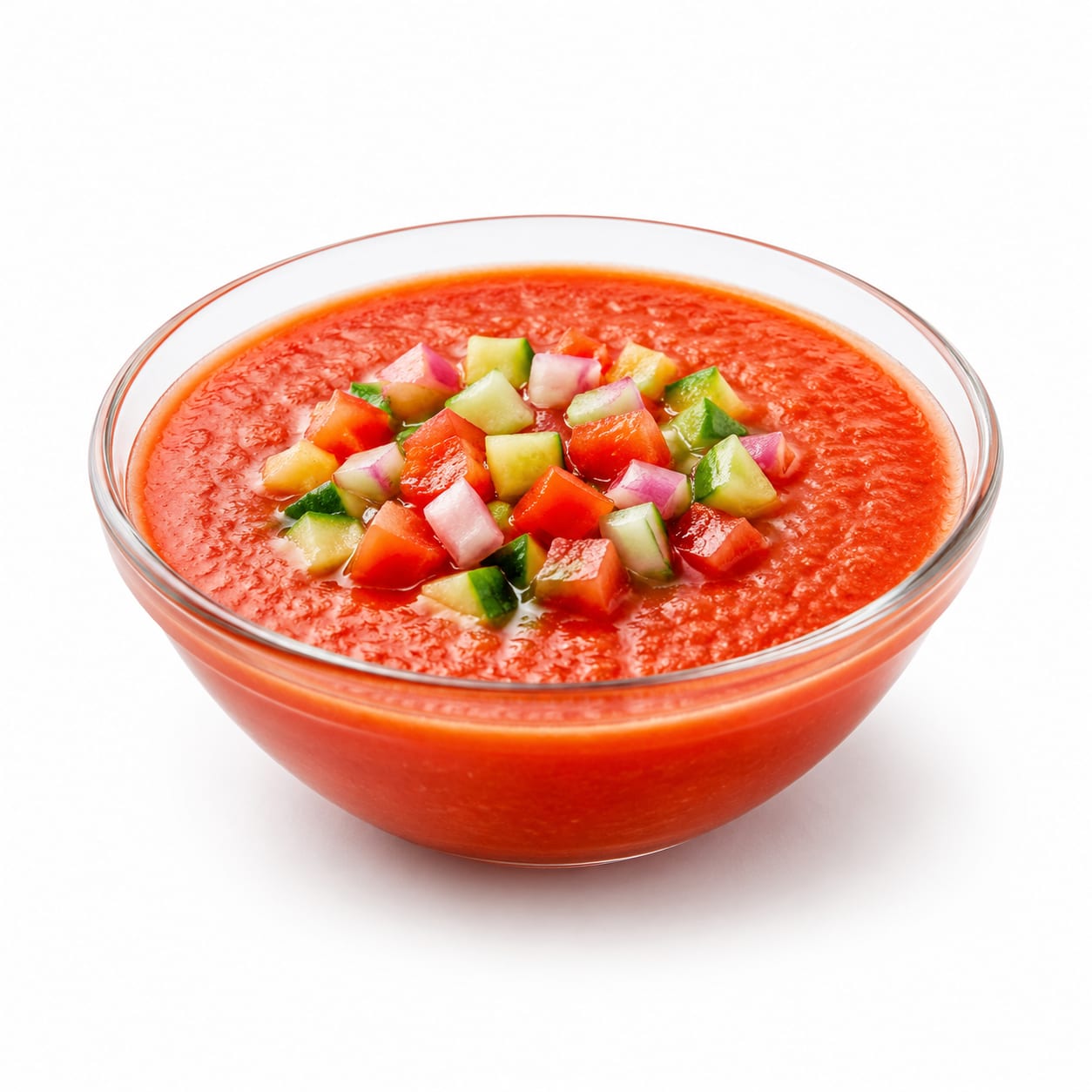
Gazpacho is a chilled, raw vegetable soup made primarily from blended tomatoes, peppers, and cucumbers.
Gazpacho is a cold, raw vegetable soup originating from the Andalusia region of Spain, traditionally made with blended tomatoes, cucumbers, bell peppers, onions, garlic, olive oil, vinegar, and stale bread.
high-volume low-calorie raw vegetable blend
Typical serving · 250g
Common varieties · traditional andalusian, salmorejo (thicker, bread-heavy), gazpacho verde (green, herb-based), gazpacho de melon, ajoblanco (white, almond-based) +1 more
Overall context score across nutrition, safety, and diet fit
At a glance
Quick facts
Simple indicators based on nutrition, processing, and diet fit.
The story
What makes it unique
Gazpacho is a high-water, low-energy-density food primarily composed of raw, mechanically processed vegetables. Its macronutrient profile is very low in protein and fat, with carbohydrates derived mainly from natural vegetable sugars and a small amount of complex carbohydrates if bread is included. The intact cellular structure of the vegetables is partially broken by blending, which slightly increases the glycemic impact compared to chewing whole vegetables but retains dietary fiber. Satiety is moderate due to high volume and water content, though the liquid form may accelerate gastric emptying compared to solid meals.
Varieties: traditional andalusian · salmorejo (thicker, bread-heavy) · gazpacho verde (green, herb-based) · gazpacho de melon · ajoblanco (white, almond-based) · fruit gazpacho
Per 100g
Nutrition breakdown
Macro balance and key metrics at a glance.
Energy
Density 0.40 kcal/g
Protein
Carbs
Fat
Fiber
Sugar
3 g
Sodium
250 mg
Potassium
210 mg
Glycemic index
15
Glycemic load
1
Water content
90%
Standout compounds
Nutrient highlights
Lycopene
highPowerful antioxidant that supports cardiovascular health and protects against cellular damage.
Vitamin C
highSupports immune function and collagen synthesis, highly preserved due to raw preparation.
Potassium
moderateHelps regulate blood pressure and fluid balance, counteracting some effects of sodium.
Monounsaturated fat
moderateFrom olive oil, supports heart health and increases absorption of fat-soluble vitamins like lycopene.
Wellness map
Health scores & processing
NOVA processing scale
minimally processed · Whole food
Traditional gazpacho consists entirely of uncooked, minimally processed whole foods that are mechanically blended. Commercial bottled versions may contain added sugars, thickeners, or excess sodium, shifting them toward Nova Group 3.
Diet compatibility
- Weight loss
- Muscle gain
- Diabetes
- Gut health
- Low carb
- High protein
- Heart health
Relative standing
Food rankings
Qualitative ranks compared to similar whole foods.
- Satietygood
- Blood sugarexcellent
- Nutrient densitygood
- Fitness fuelmoderate
- Processing qualityexcellent
Eat with confidence
Food safety profile
Because gazpacho is consumed raw, thorough washing of all vegetables is essential to remove surface pathogens and pesticide residues. Commercial preparation requires strict cold-chain management to prevent bacterial growth.
Evidence confidence 85%
- Pesticidesmoderate
- Antibioticslow
- Heavy metalslow
- Contaminationmoderate
Watch for
- salmonella
- e. coli
- pesticide residue
Safer choices
Organic tomatoes and peppers, locally sourced in-season produce
Prep tips
Wash all vegetables under running water and scrub firm produce like cucumbers. Use a vinegar soak for leafy components if included. Keep prepared gazpacho refrigerated and consume within 3 days.
Tomatoes and bell peppers consistently rank high on the EWG's Dirty Dozen list for pesticide residue, making organic sourcing preferable for raw consumption.
Deep dive
Health analysis
How this food may fit different goals and preparation choices.
Weight loss
Extremely low energy density allows for large portion sizes with minimal caloric intake, promoting fullness through volume rather than macronutrient density.
Blood sugar
Very low glycemic index and load. Natural sugars from tomatoes are balanced by fiber and water, preventing blood sugar spikes.
Fitness & energy
Provides excellent hydration and electrolytes post-workout but lacks the protein required for muscle recovery and synthesis.
Gut health
Raw vegetable fiber and polyphenols feed beneficial gut bacteria. Olive oil provides oleic acid, which supports anti-inflammatory gut environments.
Processing quality
Homemade gazpacho is entirely whole-food based. Store-bought versions often contain added sugars, industrial seed oils, or emulsifiers that degrade nutritional quality.
Food safety
Raw produce carries a higher risk of foodborne illness compared to cooked soups. Proper washing and temperature control are mandatory.
Common mistakes
Assuming all gazpacho is low-sodium; restaurant versions can contain over 600mg of sodium per serving. Adding excessive bread increases the glycemic load and calorie density.
Best preparation
Blend fresh, peak-season tomatoes, cucumbers, and peppers with high-quality extra virgin olive oil, garlic, and a splash of sherry vinegar. Omit or strictly limit bread to maintain low glycemic properties.
Practical guide
Best use cases
When and how this food fits real eating patterns.
Low-calorie appetizer
Consuming a bowl of gazpacho before a main meal reduces overall calorie intake by promoting early satiety through volume and water content.
Post-workout hydration
The high water content and natural electrolytes (potassium and sodium) make it an effective rehydration fluid after sweating in hot weather.
Raw nutrient boost
Provides a concentrated source of raw phytonutrients, specifically lycopene and vitamin C, which are often degraded by heat cooking methods.
Summer cooling meal
Served cold, it helps lower core body temperature and provides nourishment without the thermal effect of hot, cooked meals.
Balance sheet
Pros & cons
Upsides
- Very low in calories and energy density
- High in antioxidants like lycopene and vitamin C
- Excellent for blood sugar control
- Raw preparation preserves heat-sensitive nutrients
- High water content supports hydration
Trade-offs
- Very low protein content makes it an incomplete meal
- Restaurant and commercial versions are often high in sodium
- Raw preparation poses a slightly higher food safety risk
- Liquid format may provide less satiety than chewing solid vegetables
- Acidity from tomatoes and vinegar can trigger acid reflux in sensitive individuals
Fit check
Who is it for?
Great match
- weight loss
- blood sugar control
- hot weather hydration
- raw food diets
- low-calorie volume eating
Consider alternatives
- muscle building
- low-sodium diets (if eating out)
- severe acid reflux or GERD
- high-protein diets
Side by side
How it compares
Open the full head-to-head analysis for nutrition, safety, and practical tradeoffs.
This food
Gazpacho
VS75% alike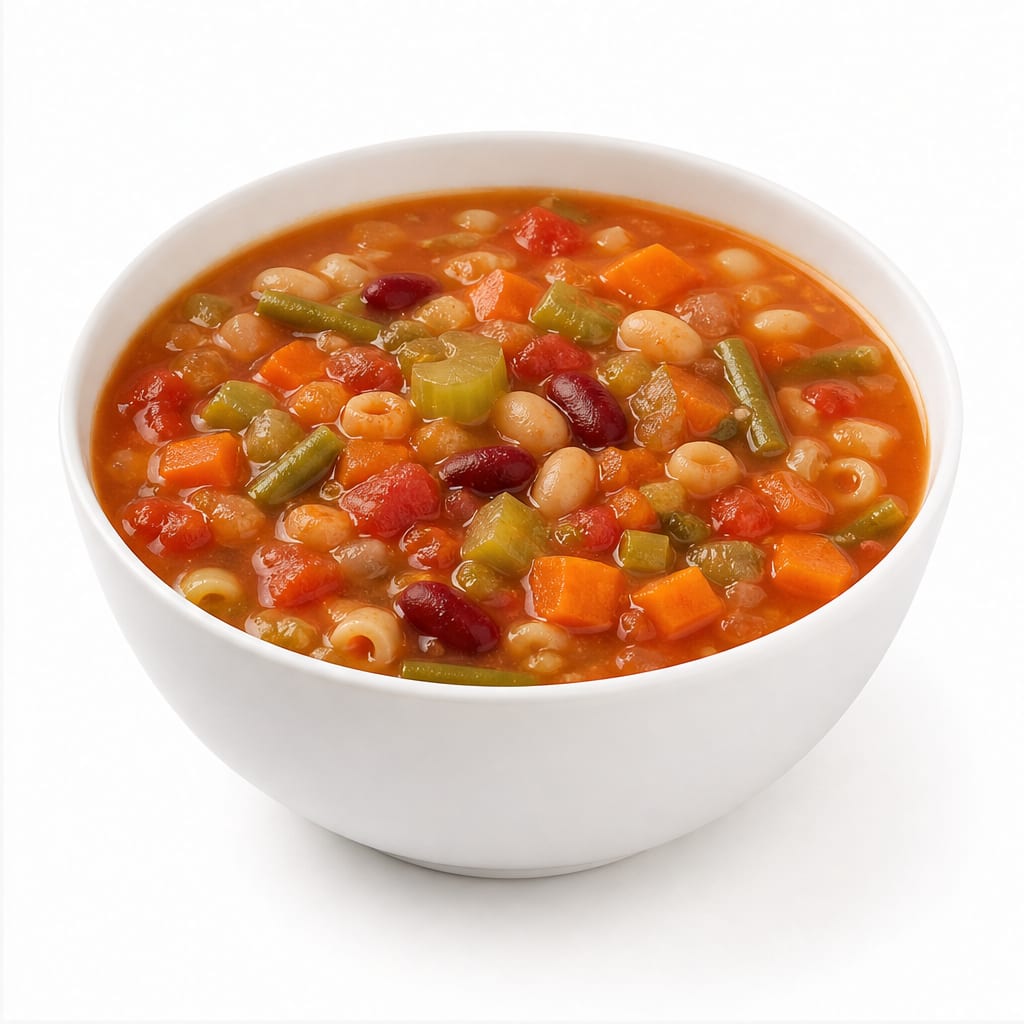
Compare with
Minestrone
Minestrone offers more protein and fiber from beans but has higher calories and carbohydrates than gazpacho.
Gazpacho is lower in calories and better for blood sugar control, while minestrone provides more protein and fiber for sustained energy and satiety.
This food
Gazpacho
VS90% alike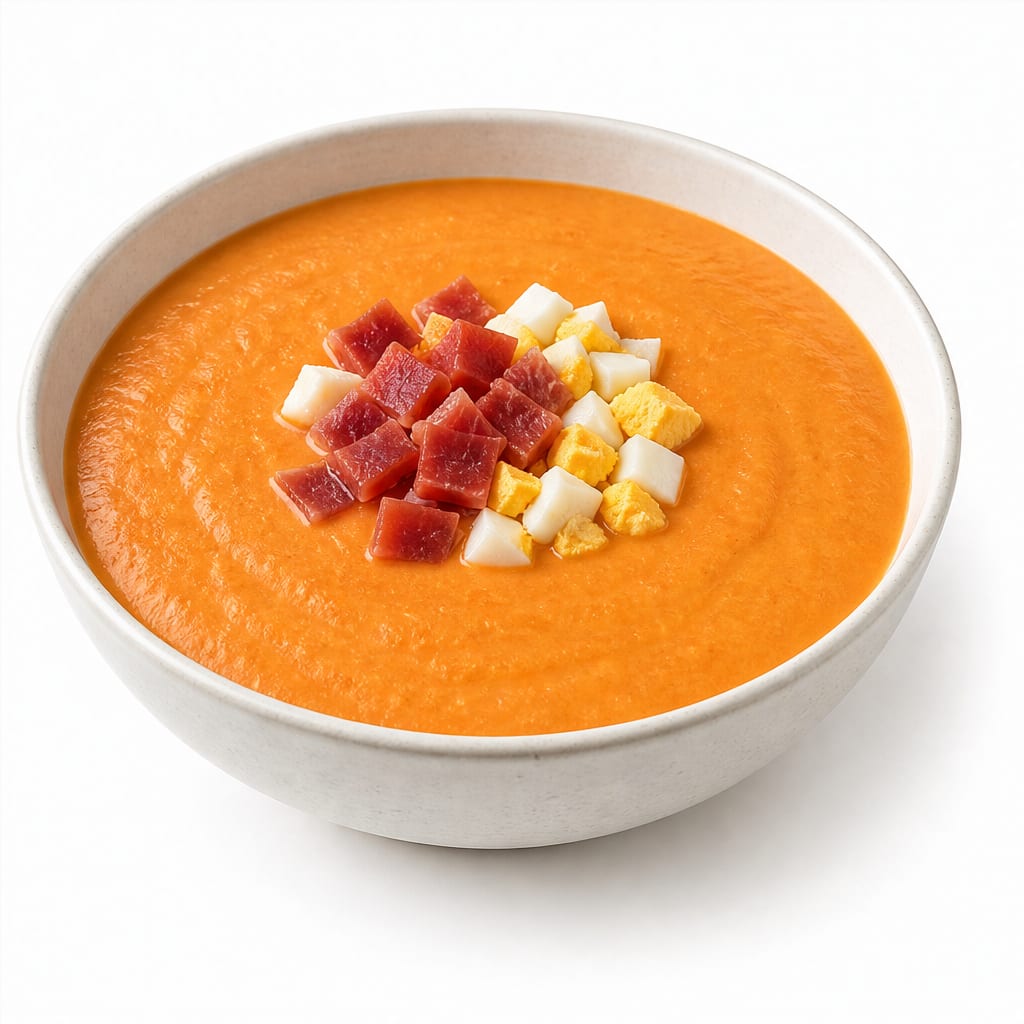
Compare with
Salmorejo
Salmorejo is richer and higher in calories due to bread and olive oil, while gazpacho is lighter and includes more varied vegetables.
Gazpacho is lighter and lower in carbohydrates, making it better for weight loss, whereas salmorejo is thicker and more calorie-dense due to added bread.
This food
Gazpacho
VS80% alike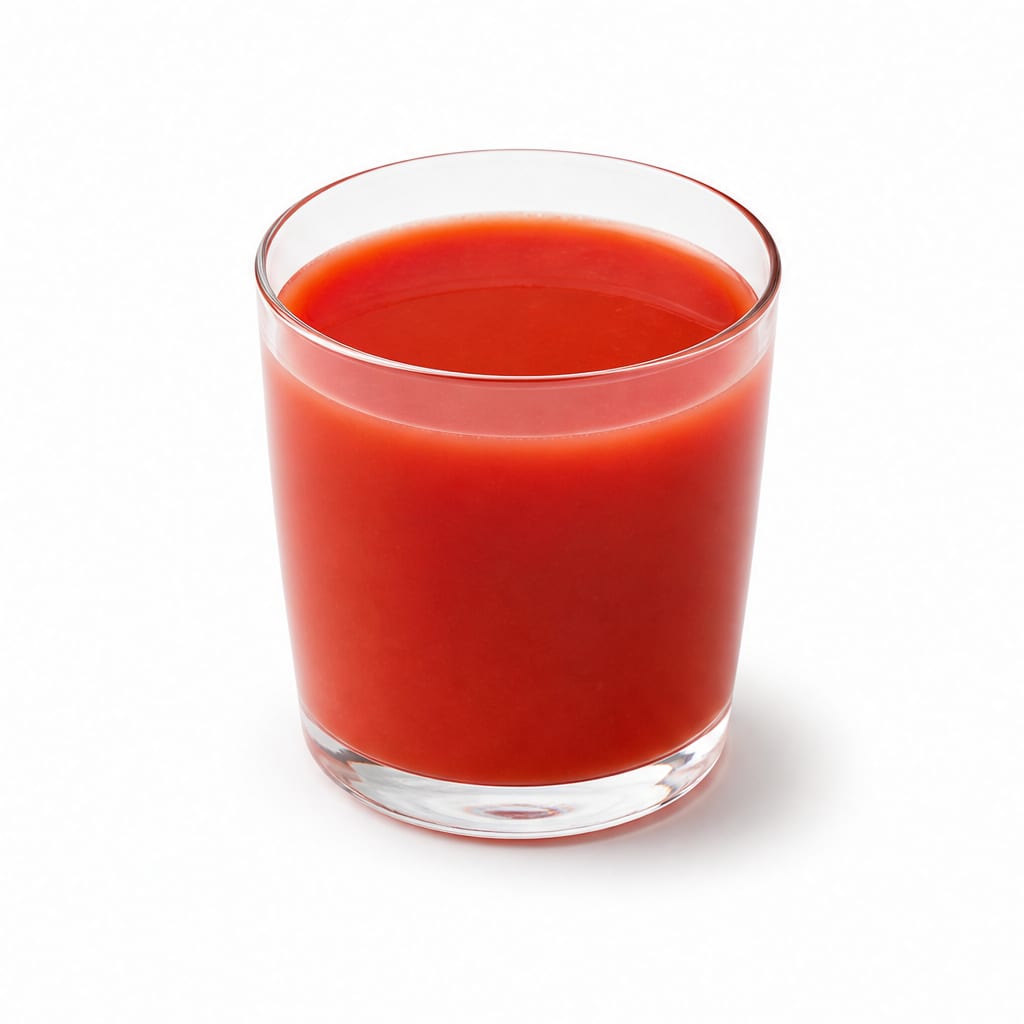
Compare with
Tomato Juice
Gazpacho retains vegetable fiber and includes healthy fats for nutrient absorption, whereas tomato juice is stripped of fiber.
Gazpacho provides better satiety and blood sugar control than tomato juice because it retains vegetable fiber and includes healthy fats.
This food
Gazpacho
VS65% alike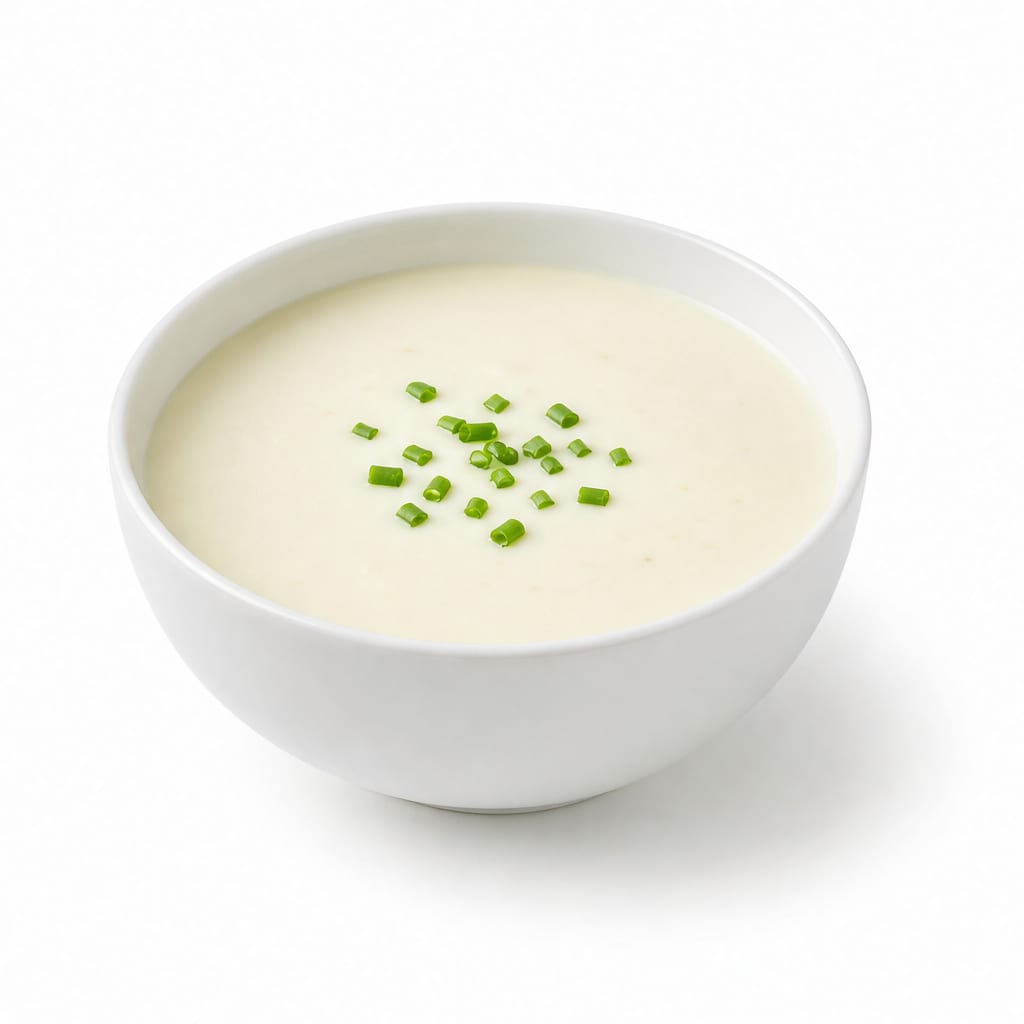
Compare with
Vichyssoise
Vichyssoise is high in saturated fat and carbohydrates, while gazpacho is low-fat and low-carb.
Gazpacho is significantly lower in calories and fat than vichyssoise, making it the better choice for weight loss and heart health.
This food
Gazpacho
VS60% alike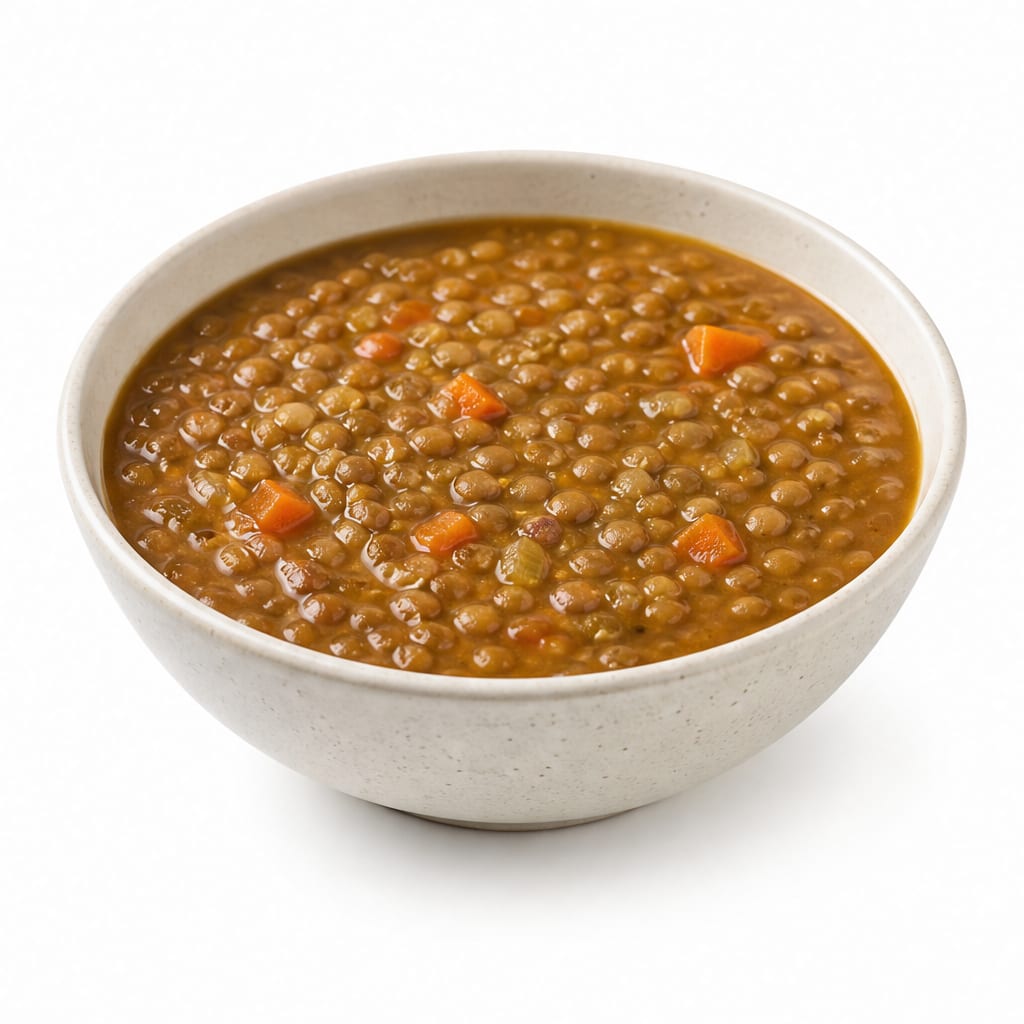
Compare with
Lentil Soup
Lentil soup is a high-protein, high-fiber meal, whereas gazpacho is a low-calorie, hydrating appetizer.
Lentil soup provides far more protein and fiber for muscle support and satiety, while gazpacho offers superior low-calorie hydration.
This food
Gazpacho
VS70% alike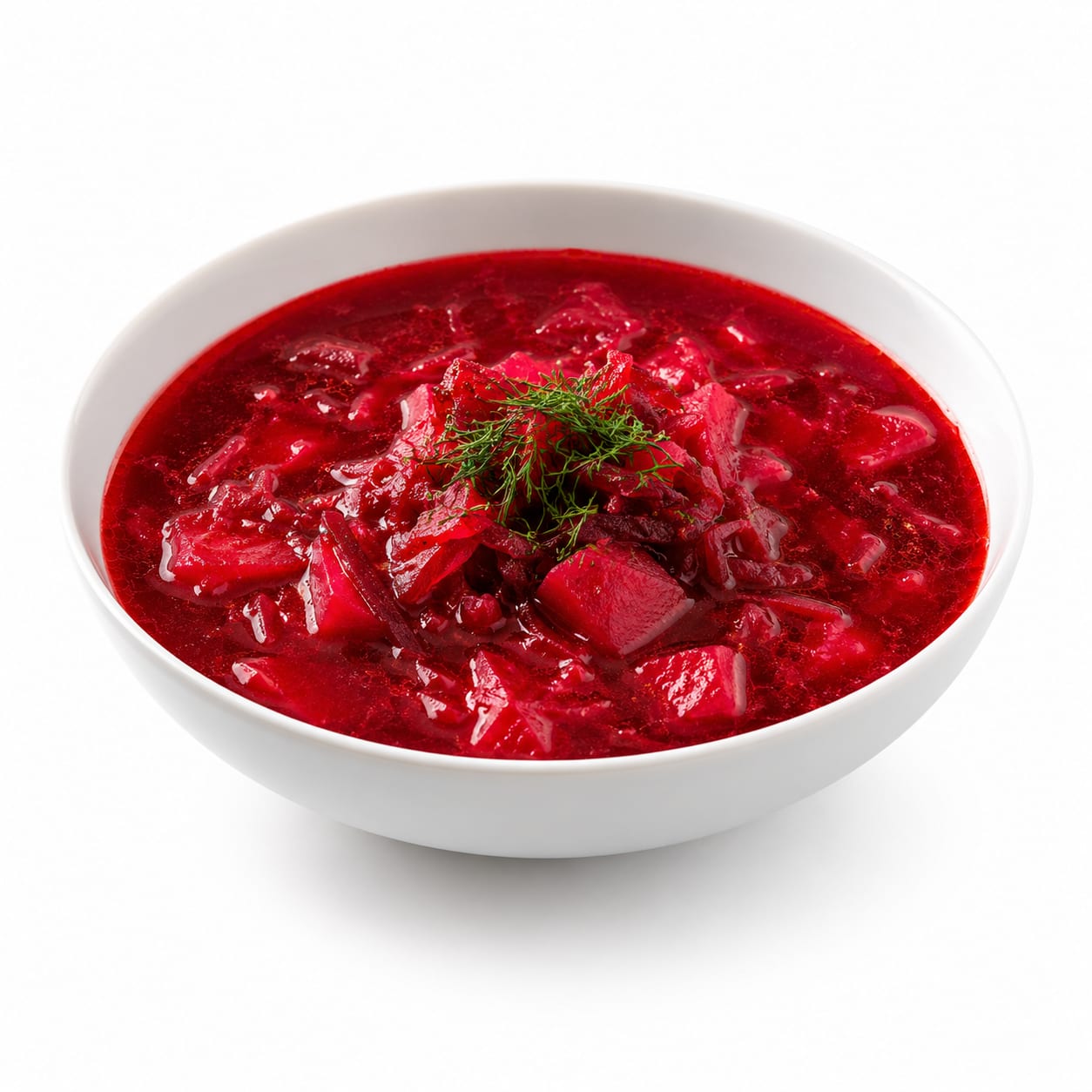
Compare with
Borscht
Cold borscht offers similar low-calorie hydration but provides different antioxidants (betalains) compared to gazpacho's lycopene.
Both cold soups are low in calories and highly nutritious, but gazpacho has a slightly lower carbohydrate profile, benefiting blood sugar control.
This food
Gazpacho
VS55% alike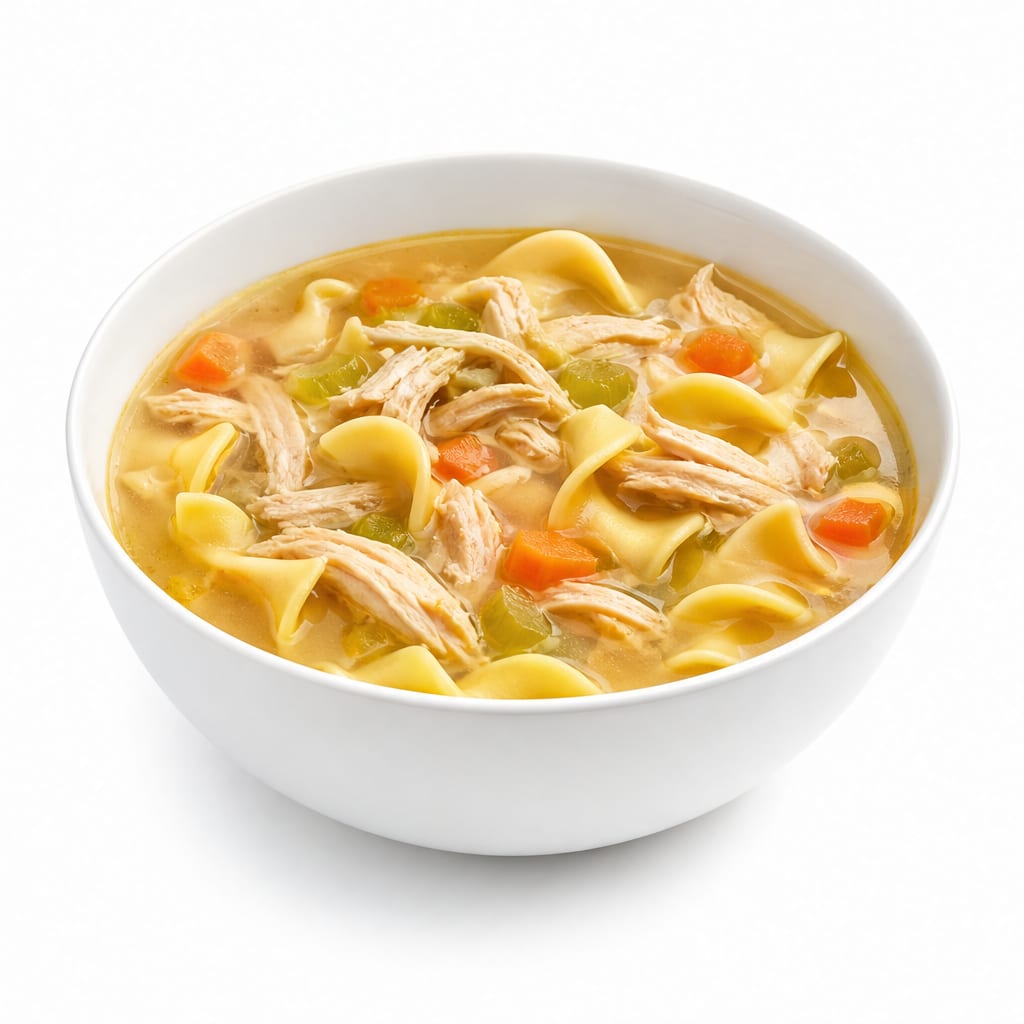
Compare with
Chicken Noodle Soup
Chicken noodle soup provides protein from chicken but contains refined carbs from noodles, whereas gazpacho is raw and low-carb.
Gazpacho is lower in calories and carbohydrates, while chicken noodle soup provides more protein for fitness recovery but includes refined grains.
This food
Gazpacho
VS95% alike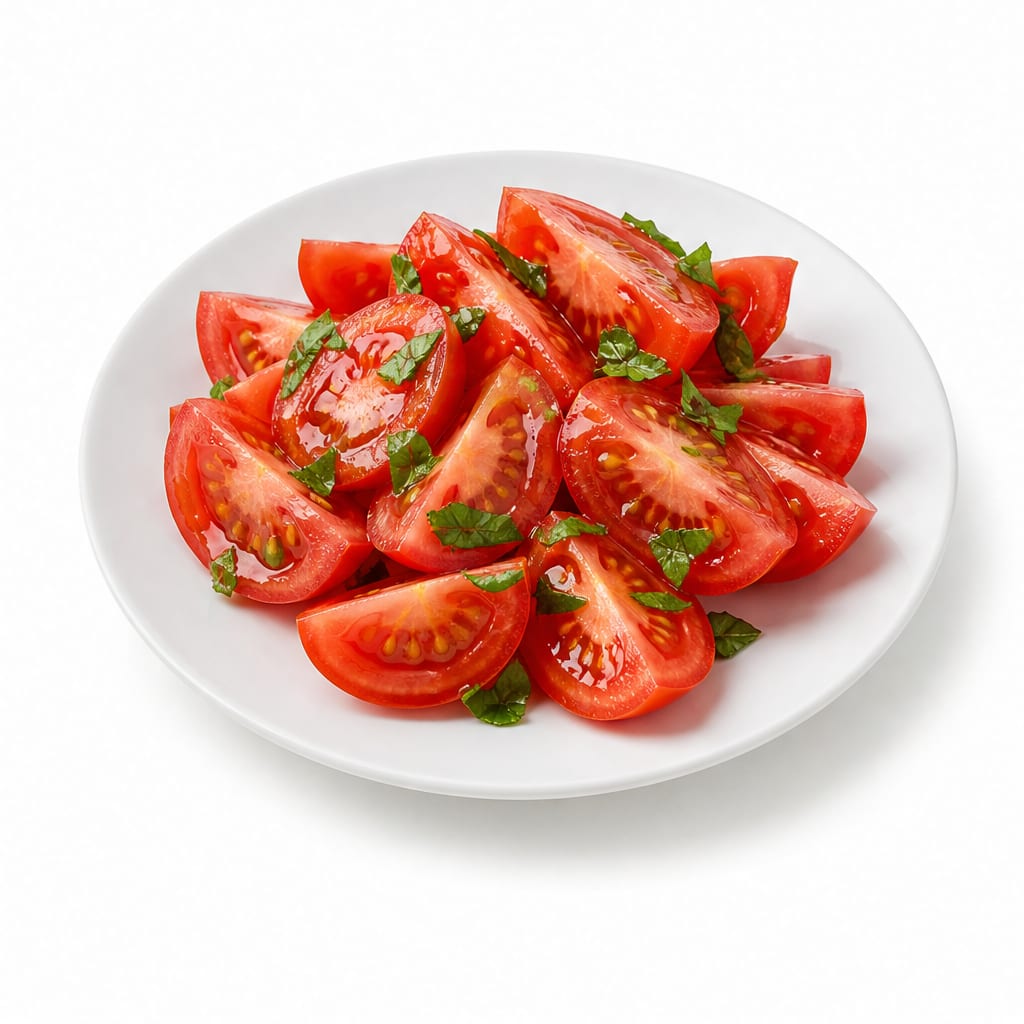
Compare with
Tomato Salad
Chewing a salad provides higher satiety due to the solid form, while gazpacho offers faster hydration and easier digestion.
A tomato salad offers the same nutrients as gazpacho but with better satiety because chewing solid food slows consumption, whereas gazpacho provides quicker hydration.
This food
Gazpacho
VS50% alike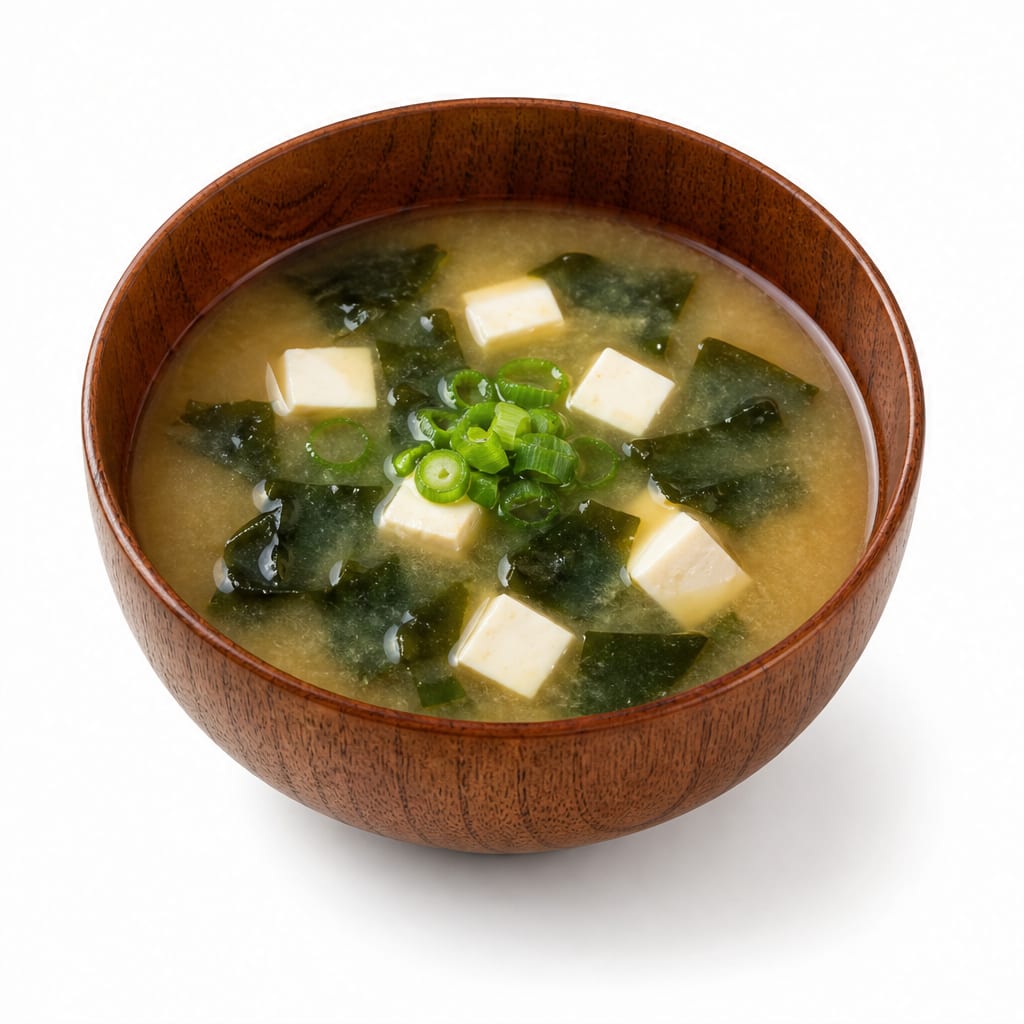
Compare with
Miso Soup
Miso provides probiotics from fermentation but is very high in sodium, whereas gazpacho provides raw vitamins and fiber.
Gazpacho offers more fiber and vitamins with a better blood sugar profile, while miso soup provides gut-friendly probiotics but lacks fiber.
This food
Gazpacho
VS85% alike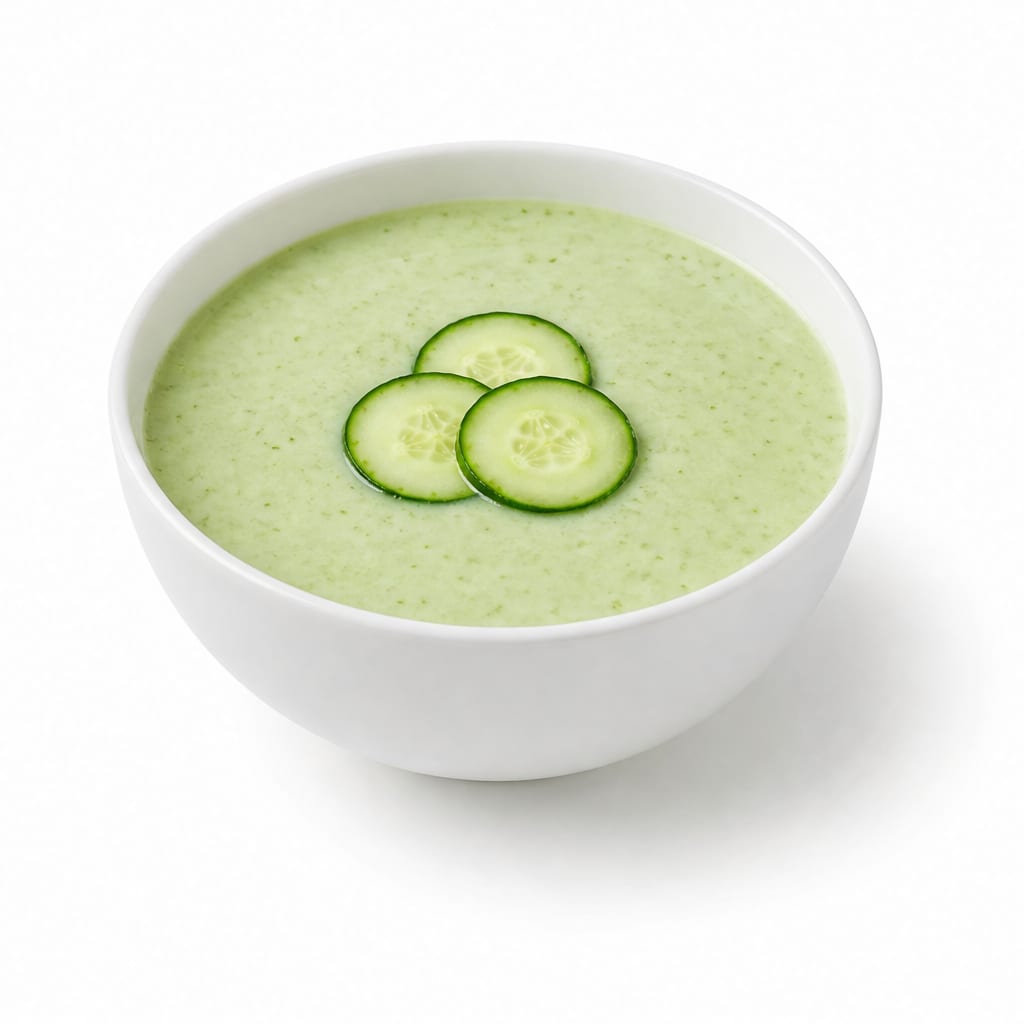
Compare with
Cucumber Soup
Cucumber soup is even lower in calories and carbohydrates than gazpacho but lacks the high lycopene content provided by tomatoes.
Cucumber soup is slightly lower in calories and carbs, but gazpacho provides more satiety and powerful antioxidants like lycopene from its tomato base.
Common questions
FAQ
Answers aligned with how people search for this food.
Is gazpacho good for weight loss?
Yes, gazpacho is excellent for weight loss. It is a high-volume, low-calorie food with high water content, allowing you to eat a large portion for very few calories, which helps increase satiety.
Can diabetics eat gazpacho?
Yes, traditional gazpacho is very blood-sugar friendly. It has a low glycemic index and load because its carbohydrates come primarily from fiber-rich, non-starchy vegetables, preventing glucose spikes.
Is store-bought gazpacho healthy?
It can be, but you must read the label. Many commercial brands add excessive sodium and added sugars to preserve flavor and shelf life, diminishing the health benefits of the raw vegetables.
Does gazpacho have a lot of sugar?
Naturally occurring sugar is low, coming mainly from tomatoes and peppers. However, some recipes and store-bought versions add refined sugar to balance the acidity of the tomatoes and vinegar.
Is gazpacho anti-inflammatory?
Yes, the combination of raw tomatoes (rich in lycopene), garlic (containing allicin), and extra virgin olive oil (rich in oleocanthal) provides strong anti-inflammatory and antioxidant properties.
Why is gazpacho high in sodium?
Traditional recipes require salt to enhance the flavor of the raw vegetables and balance the acidity. Restaurant versions are often heavily salted, which can be a concern for those monitoring blood pressure.
Is gazpacho considered a raw food?
Yes, traditional gazpacho is a raw food because none of the ingredients are cooked before blending. This preserves heat-sensitive vitamins like Vitamin C and enzymes.
What is the difference between gazpacho and salmorejo?
Salmorejo is a thicker, creamier Andalusian soup made with tomatoes, bread, garlic, and olive oil, typically topped with hard-boiled egg and ham. Gazpacho is thinner, includes various vegetables like cucumbers and peppers, and is entirely vegan in its base form.
Transparency
Data confidence
Estimated confidence for nutrition data, interpretation, safety notes, and comparisons.
Nutrition data
Health analysis
Food safety
Comparisons