
Nutrition comparison
Gazpacho vs Cucumber Soup: Which Cold Soup Is Healthier?
Compare gazpacho and cucumber soup on antioxidants, digestion, calories, and heart health. Learn which cold soup fits your goals best.
Overall winner · Gazpacho
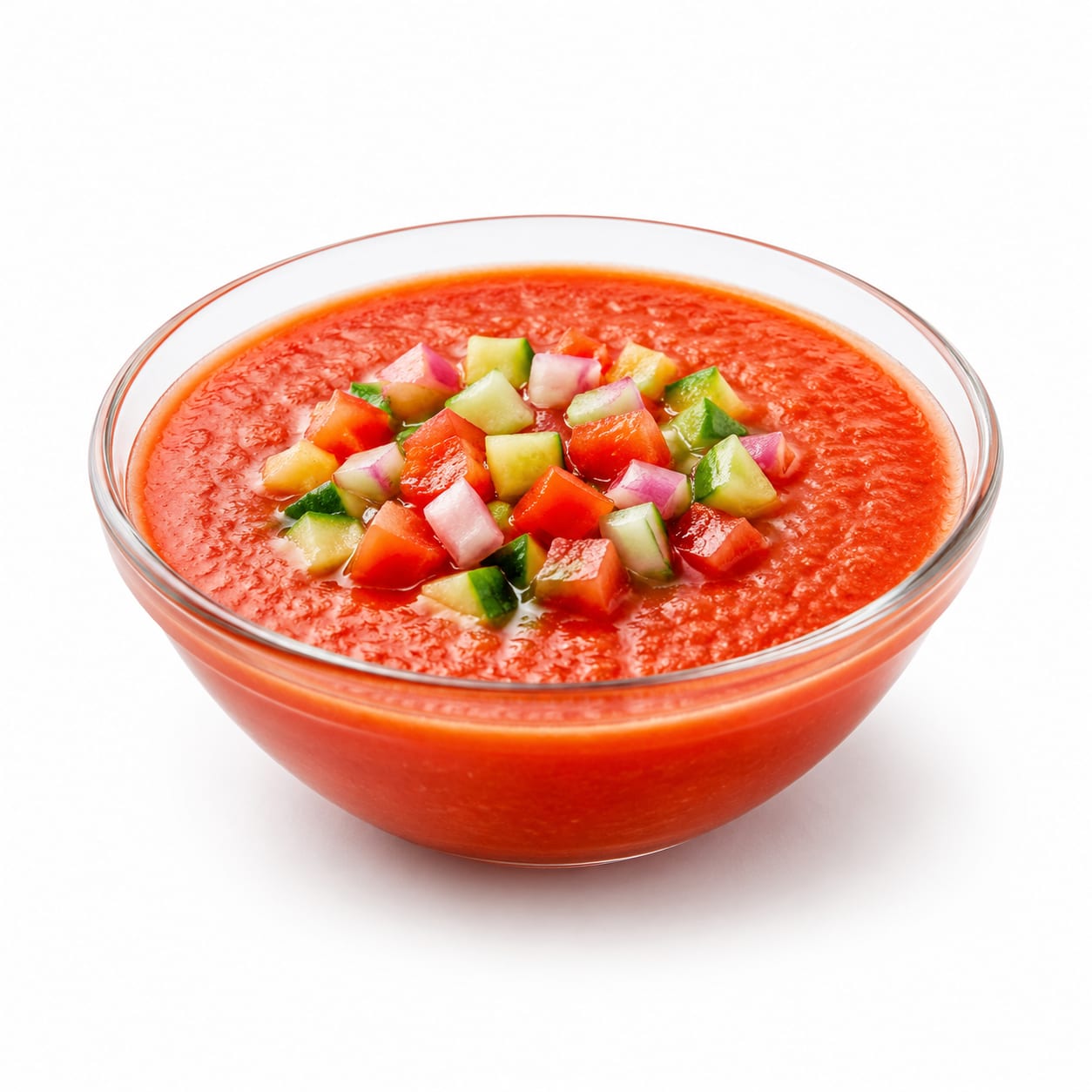
Gazpacho
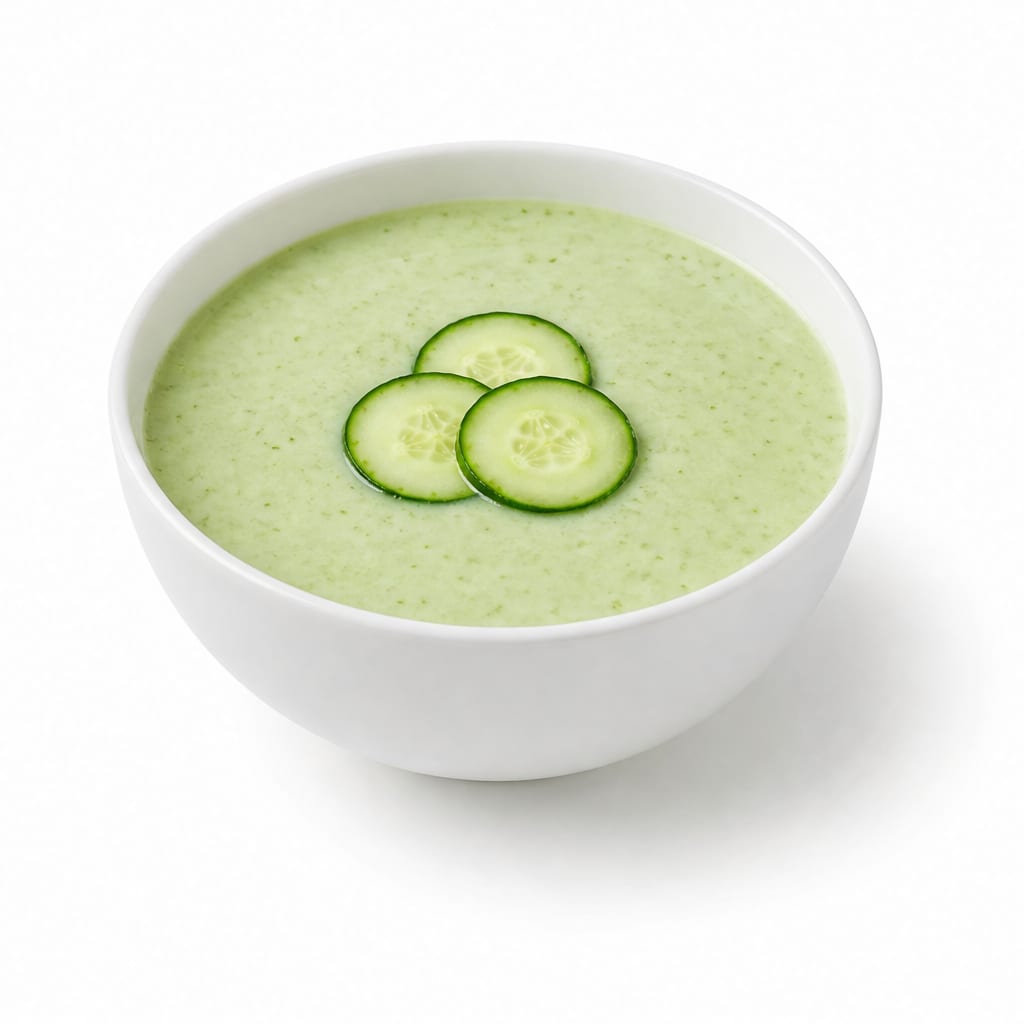
Cucumber Soup
Gazpacho wins on nutrient density and heart-protective compounds, while cucumber soup excels at gentle digestion and pure refreshment.
Gazpacho scores higher due to its broader micronutrient profile, lycopene content, and olive oil benefits. Cucumber soup remains solid but narrower in nutritional impact.
You get more antioxidants and anti-inflammatory power from gazpacho, but cucumber soup is kinder to sensitive stomachs and more predictably low-calorie.
At a glance
Executive summary
Overall
Gazpacho
Healthier
Gazpacho
More practical
It depends
Daily use
Gazpacho
Key comparison lenses
Nutrient density and antioxidant variety
Gazpacho's multi-vegetable base delivers significantly more diverse micronutrients and antioxidants than cucumber-focused soup
Digestive comfort and gut gentleness
Cucumber soup is typically milder and easier on sensitive stomachs, while gazpacho's raw garlic, onion, and acidity can irritate
Hydration and cooling effectiveness
Both are cold soups prized for hot weather, but users want to know which truly cools and hydrates better
Heart health and anti-inflammatory benefits
Gazpacho's olive oil and lycopene give it a cardiovascular edge worth quantifying against cucumber soup's lighter profile
Calorie control and weight management
Both are low-calorie options, but cream-based cucumber soup variations can change the math significantly
Best choice for
Gazpacho
- Heart health optimization
- Maximizing vegetable variety in one dish
- Anti-inflammatory eating patterns
- Mediterranean diet followers
Cucumber Soup
- Sensitive digestion and GERD management
- Post-illness gentle nutrition
- Lowest calorie cold soup option
- Hot weather pure refreshment
Least suitable for
Gazpacho
- People with acid reflux or GERD
- Nightshade-sensitive individuals
- Those avoiding raw garlic or onion
Cucumber Soup
- Anyone needing robust nutrient variety
- People seeking antioxidant-dense meals
- Those wanting more satisfying satiety from soup
Deep comparison
Dimension by dimension
Each lens scores both foods and breaks down who each option suits.
- Dimension 1 · Priority 94Gazpacho
Antioxidant Power and Cellular Protection
Gazpacho · 88Cucumber Soup · 45Gazpacho delivers lycopene from tomatoes, vitamin C from peppers, and flavonoids from multiple vegetables. Cucumber soup offers far less antioxidant diversity.
Tradeoff
You sacrifice cellular protection compounds when choosing cucumber soup's simplicity over gazpacho's vegetable medley.
Why it matters
Lycopene alone reduces oxidative stress significantly. Gazpacho is essentially a multi-antioxidant delivery system in a bowl.
Real-world impact
Regular gazpacho consumption correlates with lower inflammatory markers. Cucumber soup hydrates well but does not move the needle on long-term cellular health.
Gazpacho
- Reducing chronic inflammation
- Supporting skin health from within
- Long-term disease risk reduction
Better for
- Nightshade-sensitive people who react to tomatoes and peppers
Worse for
Cucumber Soup
- Avoiding acid-related irritation while still getting some antioxidants
Better for
- Anyone specifically eating for antioxidant coverage
Worse for
- Dimension 2 · Priority 88Cucumber Soup
Digestive Comfort and Tolerance
Gazpacho · 48Cucumber Soup · 85Cucumber soup is soothing and gentle. Gazpacho's raw garlic, onion, vinegar, and tomato acidity can trigger heartburn or bloating in sensitive people.
Tradeoff
Choosing gazpacho for nutrients may cost you digestive peace if you have a sensitive gut.
Why it matters
A nutrient-dense food you cannot tolerate gives you zero benefits. Digestive comfort determines whether you can actually eat something regularly.
Real-world impact
People with GERD or IBS often find gazpacho causes burning or bloating, while cucumber soup feels calming and restorative.
Gazpacho
- Those with robust digestion who want prebiotic fiber from raw vegetables
Better for
- Evening meals for acid reflux prone people
Worse for
Cucumber Soup
- Acid reflux and GERD sufferers
- Post-stomach-illness recovery
- IBS-sensitive individuals
Better for
- Situations where you need more substance and staying power
Worse for
- Dimension 3 · Priority 86Gazpacho
Heart Health and Lipid Profile Support
Gazpacho · 84Cucumber Soup · 52Gazpacho's olive oil provides monounsaturated fats, and lycopene supports arterial health. Cucumber soup lacks these cardiovascular allies unless specifically fortified.
Tradeoff
If heart health is a priority, gazpacho's fat content is a feature, not a bug. Cucumber soup's leanness comes at the cost of cardio-protective compounds.
Why it matters
The combination of olive oil and tomato-based antioxidants is one of the most evidence-backed heart health patterns in nutrition science.
Real-world impact
Replacing a cream-based cucumber soup with gazpacho could meaningfully shift your daily fat quality toward the heart-protective end.
Gazpacho
- Cardiovascular risk reduction
- Improving fat quality in your diet
- Mediterranean diet adherence
Better for
- People on medically prescribed low-fat diets
Worse for
Cucumber Soup
- Strict low-fat diet protocols where even healthy fats are restricted
Better for
- Long-term heart health optimization
Worse for
- Dimension 4 · Priority 80Gazpacho
Hydration and Electrolyte Content
Gazpacho · 78Cucumber Soup · 74Both are highly hydrating cold soups. Gazpacho edges ahead because tomatoes and peppers contribute more potassium and electrolytes than cucumber alone.
Tradeoff
The difference is modest. Both excel at hydration compared to nearly any other food category.
Why it matters
In hot weather or after exercise, electrolyte content matters as much as water volume for actual rehydration.
Real-world impact
After a sweaty summer hike, gazpacho replenishes potassium and sodium slightly better. Cucumber soup still hydrates effectively but with less electrolyte support.
Gazpacho
- Post-exercise rehydration
- Hot climate electrolyte replenishment
Better for
- Sodium-sensitive individuals who find gazpacho too salty
Worse for
Cucumber Soup
- Pure thirst quenching without any digestive load
Better for
- Active people needing electrolyte replenishment
Worse for
- Dimension 5 · Priority 77It depends
Calorie Control and Weight Management
Gazpacho · 72Cucumber Soup · 75Both are naturally low-calorie, but gazpacho's olive oil adds 40-80 calories per serving. Cream-based cucumber soup can match or exceed that. Broth-based cucumber soup is the lightest option.
Tradeoff
Gazpacho's calories come from heart-healthy olive oil. Cucumber soup's calories depend entirely on whether it is cream-based or broth-based.
Why it matters
A 50-calorie difference per bowl matters for strict calorie counters but is irrelevant for most people eating intuitively.
Real-world impact
If you eat soup daily for weight loss, broth-based cucumber soup gives you the lowest calorie ceiling. Gazpacho is still very reasonable at roughly 80-120 calories per serving.
Gazpacho
- People who want satisfying low-calorie meals with healthy fats that increase fullness
Better for
- Very low-calorie diet protocols under medical supervision
Worse for
Cucumber Soup
- Strict calorie counters choosing broth-based versions
- Volume eaters wanting maximum portion size for minimum calories
Better for
- Anyone eating cream-based cucumber soup thinking it is automatically low-calorie
Worse for
- Dimension 6 · Priority 73Gazpacho
Satiety and Meal Satisfaction
Gazpacho · 74Cucumber Soup · 58Gazpacho's fiber from multiple vegetables and fat from olive oil keeps you fuller longer. Cucumber soup, especially broth-based, can feel like eating flavored water.
Tradeoff
Gazpacho is more likely to hold you over until your next meal. Cucumber soup may leave you reaching for a snack within an hour.
Why it matters
A healthy food that leaves you hungry undermines your dietary goals. Satiety determines real-world adherence.
Real-world impact
Having gazpacho for lunch actually feels like a meal. Having broth-based cucumber soup often feels like a starter that needs something alongside it.
Gazpacho
- Standalone light meals
- Preventing afternoon energy crashes
- Reducing between-meal snacking urges
Better for
- Moments when you want something very light before a heavy dinner
Worse for
Cucumber Soup
- Appetite stimulation before a main course
- Light evening eating when you want minimal digestion load
Better for
- Using soup as a meal replacement
Worse for
Timeline
Health impact over time
Short-term
Hours to days
Gazpacho
- Immediate hydration boost with electrolyte replenishment
- Possible heartburn or acid reflux within 30 minutes for sensitive individuals
- Quick feeling of fullness from fiber and healthy fat combination
Cucumber Soup
- Gentle hydration with minimal digestive stress
- Calming effect on the stomach lining
- Less immediate satiety, potentially leaving hunger unresolved
Long-term
Months to years
Gazpacho
- Consistent lycopene intake linked to reduced cardiovascular risk
- Olive oil consumption supports healthy cholesterol patterns
- Raw vegetable fiber promotes diverse gut microbiome over time
Cucumber Soup
- Reliable low-calorie option supporting sustainable weight management
- Consistent hydration habit with minimal digestive complaints
- Narrower nutrient spectrum means less long-term disease risk reduction
Risk profile
Safety & processing
Traditional gazpacho is simply blended raw vegetables with olive oil and vinegar. Cucumber soup's additive concern rises with cream-based or commercial versions that often include thickeners, stabilizers, and preservatives. Homemade versions of both are equally clean.
Gazpacho
Pesticide residue on raw vegetables
mediumTomatoes and peppers consistently rank high for pesticide residue. Washing helps but does not eliminate all exposure. Organic sourcing significantly reduces this risk.
Foodborne illness from raw preparation
lowNo cooking means no heat kill step. Proper refrigeration and fresh ingredients are essential. Leftovers should be consumed within 2 days.
Cucumber Soup
Dairy spoilage in cream-based versions
mediumCream-based cucumber soup is more perishable than gazpacho. Improper refrigeration creates higher foodborne illness risk than raw vegetable soups.
Pesticide residue on cucumber skins
mediumCucumbers are often consumed with skin in soup. Conventional cucumbers carry moderate pesticide residue. Peeling reduces risk but also removes nutrients.
Who wins for whom
Audience fit
Same foods, different winners depending on your goal.
children
Cucumber SoupCucumber soup's mild, creamy flavor is far more kid-friendly than gazpacho's acidic, garlicky punch. Children are more likely to actually eat it consistently.
daily consumption
GazpachoGazpacho's broader nutrient profile makes daily consumption more beneficial. The variety of vegetables ensures you are not eating the same narrow nutrient set every day.
diabetes
GazpachoGazpacho's fiber from multiple vegetables and healthy fat from olive oil creates steadier blood sugar response. Cucumber soup's lower fiber means less glycemic buffering if eaten alone.
elderly
Cucumber SoupGentle on aging digestive systems, easy to swallow, and soothing. Gazpacho's acidity and raw allium vegetables can aggravate common elderly GI complaints.
muscle gain
It dependsNeither soup is a muscle-building food. Both would need protein added. Gazpacho pairs better with grilled chicken; cucumber soup pairs better with yogurt or white fish.
weight loss
Cucumber SoupBroth-based cucumber soup offers the lowest calorie floor while still feeling like a real food experience. Gazpacho is close, but olive oil calories add up with frequent consumption.
Your move
Decision guide
Choose Gazpacho
- You want maximum nutritional payoff from a single dish
- Heart health and anti-inflammatory eating are top priorities
- You have robust digestion and enjoy bold, tangy flavors
- You follow a Mediterranean or plant-forward eating pattern
Choose Cucumber Soup
- You have acid reflux, GERD, or a sensitive stomach
- You want the lightest possible meal on a hot day
- You are feeding children or elderly family members
- You need a gentle food during illness recovery
Either works if
- You simply want a hydrating cold soup in summer
- Both are far superior to processed snack alternatives
- You are rotating between different vegetable soups weekly
Avoid both if
- You need a protein-dense meal and have nothing to pair with them
- You have severe oral allergy syndrome triggered by raw vegetables
- You are on a very low-sodium diet and cannot control salt content
Final recommendation
Make gazpacho your default cold soup for nutritional impact, but keep cucumber soup as your go-to when your stomach needs a break. Alternating between them gives you the antioxidant power of gazpacho with the digestive recovery window of cucumber soup. If you can only choose one for daily use, gazpacho delivers more long-term health value for most people.
Practical
Consumer tips
- 1
Choose organic tomatoes and peppers for gazpacho to minimize pesticide exposure from the two most contaminated ingredients
- 2
Make cucumber soup with Greek yogurt instead of cream to add protein while keeping it gentle and lower in saturated fat
- 3
Blend gazpacho in batches and refrigerate for up to 2 days; the flavor actually improves after a few hours of resting
- 4
If gazpacho causes heartburn, try reducing the vinegar and garlic by half before giving up on it entirely
- 5
Peel conventional cucumbers for soup if organic is unavailable; the nutrient loss is worth the pesticide reduction
- 6
Add a hard-boiled egg or chickpeas to either soup to turn it from a side dish into a complete light meal