
Nutrition comparison
Gazpacho vs Minestrone: Nutrition, Satiety, and Health Comparison
Gazpacho vs Minestrone: Which soup is healthier? Compare raw vitamins, satiety from beans, blood sugar impact, and the best seasons for each Mediterranean classic.
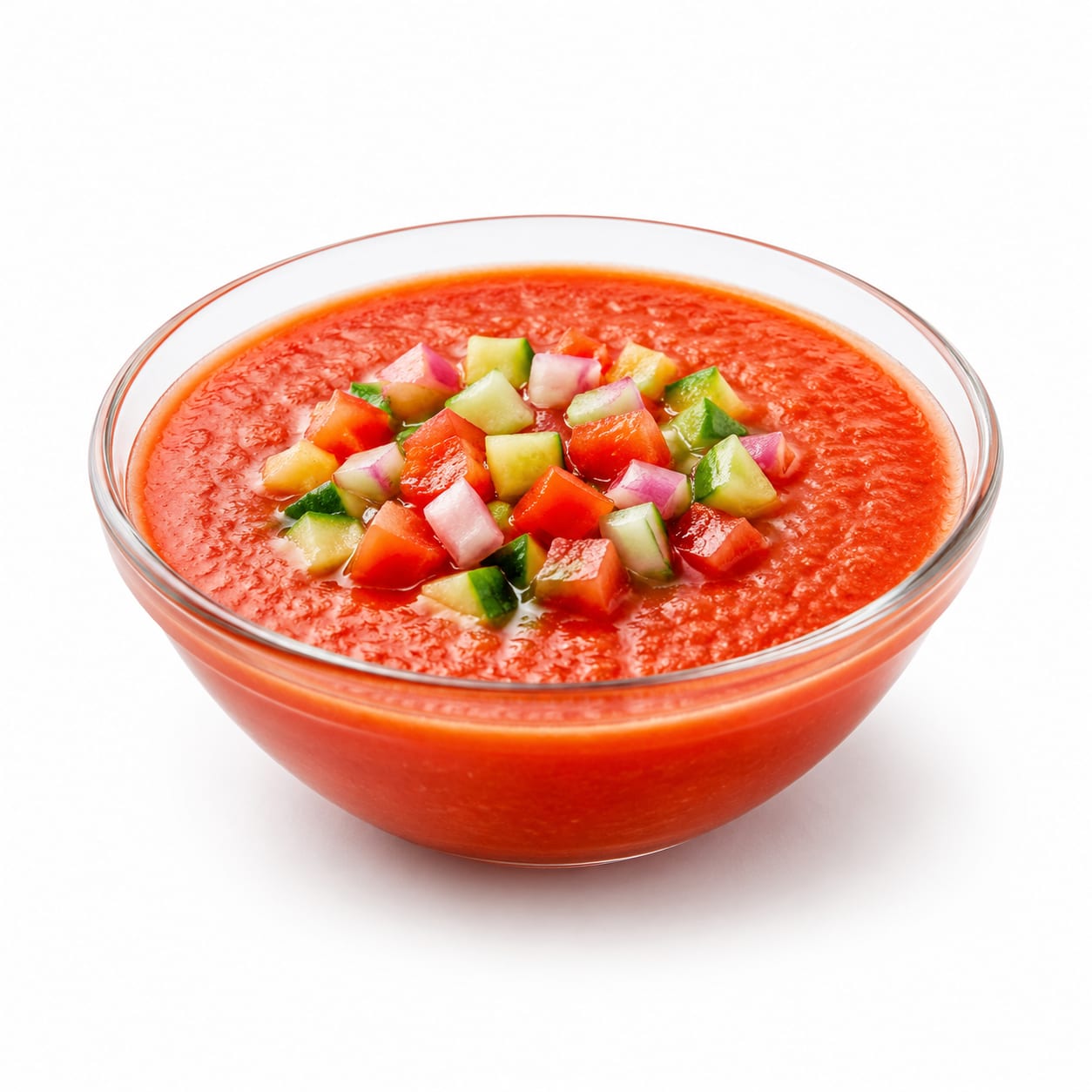
Gazpacho
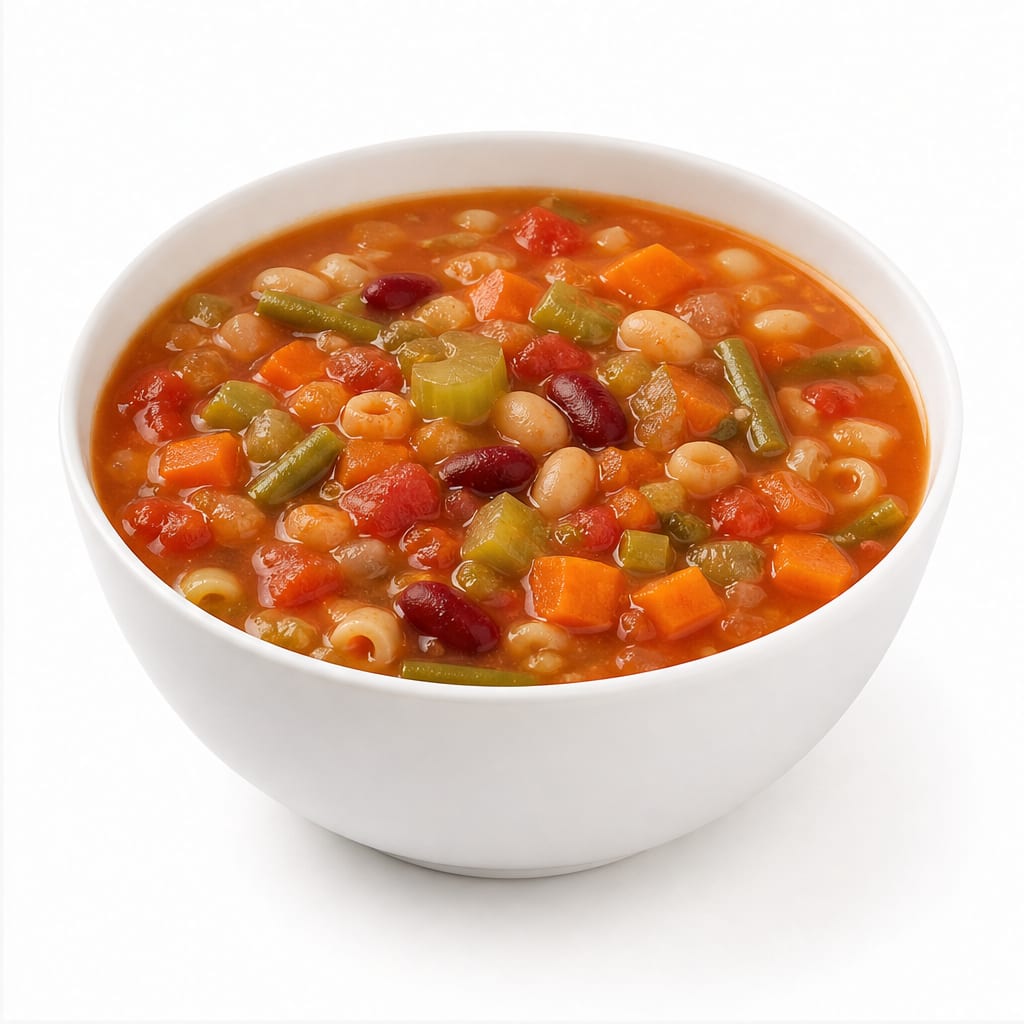
Minestrone
Gazpacho delivers raw, heat-sensitive vitamins and refreshing hydration, while Minestrone provides deeper satiety and steadier energy from beans and hearty vegetables.
Minestrone scores slightly higher due to better satiety and macronutrient balance, making it a more complete meal. Gazpacho excels in raw nutrient density but falls short as a standalone meal.
Raw nutrient preservation and light refreshment versus filling, comforting sustenance with stabilized blood sugar.
At a glance
Executive summary
Overall
It depends
Healthier
It depends
More practical
Minestrone
Daily use
Minestrone
Key comparison lenses
Raw vs Cooked Nutrient Availability
Gazpacho is served raw, preserving heat-sensitive vitamins, while Minestrone is cooked, altering nutrient profiles and increasing bioavailability of certain antioxidants.
Satiety and Meal Completeness
Minestrone contains beans and sometimes pasta, making it a filling main dish, whereas Gazpacho is typically a light appetizer.
Seasonal and Emotional Comfort
Gazpacho is deeply refreshing in summer heat, while Minestrone provides warming comfort during cold months.
Digestive Tolerance
Raw vegetables in Gazpacho can challenge sensitive stomachs, while the cooked ingredients in Minestrone are generally easier to break down, though beans can cause bloating.
Best choice for
Gazpacho
- Hot summer days when you need to cool down
- Maximizing raw Vitamin C and enzyme intake
- Low-calorie appetizers before a heavier main
Minestrone
- Cold winter nights needing comforting warmth
- Satisfying plant-based main courses
- Steady blood sugar control between meals
Least suitable for
Gazpacho
- Those with raw vegetable or garlic sensitivities
- People needing a filling, standalone meal
- Cold climates where a chilled soup feels unappealing
Minestrone
- Scorching days when a hot soup sounds unbearable
- Those strictly avoiding nightshades or legumes
- Preserving maximum heat-sensitive vitamins
Deep comparison
Dimension by dimension
Each lens scores both foods and breaks down who each option suits.
- Dimension 1 · Priority 90Minestrone
Satiety and Fullness
Gazpacho · 55Minestrone · 88Minestrone is far more filling thanks to beans, potatoes, and sometimes pasta, while Gazpacho is lighter and less satiating.
Tradeoff
You trade the light, refreshing feel of Gazpacho for the stick-to-your-ribs comfort of Minestrone.
Why it matters
A meal that keeps you full prevents snacking later and sustains your energy through the afternoon.
Real-world impact
Minestrone easily works as a standalone dinner; Gazpacho often needs a sandwich or protein alongside to feel complete.
Gazpacho
- Light lunch appetizers
- Staying cool without feeling heavy
Better for
- Those who get hungry an hour after eating
- Long stretches between meals
Worse for
Minestrone
- Post-workout recovery meals
- Busy days needing long-lasting energy
Better for
- Eating right before bed
- Needing a light stomach for physical activity
Worse for
- Dimension 2 · Priority 85Gazpacho
Nutrient Density and Vitamin Retention
Gazpacho · 90Minestrone · 75Gazpacho's raw ingredients preserve heat-sensitive vitamins like Vitamin C, whereas Minestrone's cooking process degrades some vitamins but boosts others.
Tradeoff
Raw vitamin preservation in Gazpacho versus enhanced antioxidant bioavailability from cooking in Minestrone.
Why it matters
Different vitamins react differently to heat; Vitamin C is lost, but lycopene becomes more available when cooked.
Real-world impact
Eating Gazpacho gives you a brighter, more immediate vitamin boost, especially on hot days when you sweat out nutrients.
Gazpacho
- Maximizing Vitamin C intake
- Raw food diet followers
Better for
- Situations requiring cooked food safety
- Those needing calorie-dense nourishment
Worse for
Minestrone
- Boosting lycopene absorption from tomatoes
- Easier extraction of minerals from cooked greens
Better for
- Preserving B-vitamins and Vitamin C
- Avoiding nutrient leaching into cooking water
Worse for
- Dimension 3 · Priority 75It depends
Digestive Comfort and Tolerance
Gazpacho · 65Minestrone · 70Minestrone's cooked vegetables are gentler on an upset stomach, but its beans can cause bloating; Gazpacho's raw veggies can be rough on sensitive digestion.
Tradeoff
Cooked softness and digestibility versus raw fiber that can irritate sensitive guts.
Why it matters
Digestive comfort dictates whether a food makes you feel energized or sluggish after eating.
Real-world impact
If you have IBS, Minestrone might trigger gas from beans, while Gazpacho might trigger bloating from raw garlic and onions.
Gazpacho
- Those avoiding beans or legumes
- Quick hydration without heavy digestion
Better for
- People with raw vegetable intolerances
- Those sensitive to cold foods
Worse for
Minestrone
- Soothing an upset stomach with warm broth
- Those who struggle to chew raw vegetables
Better for
- People prone to bean-related bloating
- Those with severe IBS triggers
Worse for
- Dimension 4 · Priority 80Minestrone
Blood Sugar Stability
Gazpacho · 60Minestrone · 85Minestrone's beans and complex carbs provide a slow, steady energy release, while Gazpacho lacks the protein and dense fiber to stabilize blood sugar long-term.
Tradeoff
Light, low-calorie hydration versus sustained metabolic fuel.
Why it matters
Stable blood sugar prevents the afternoon crash and cravings that lead to poor food choices.
Real-world impact
A bowl of Minestrone keeps you going for hours; Gazpacho might leave you reaching for a snack by 3 PM.
Gazpacho
- Low-calorie dieting phases
- Pre-dinner appetizers
Better for
- Those prone to blood sugar spikes and crashes
- Long gaps between meals
Worse for
Minestrone
- Diabetics needing steady glucose
- Athletes needing sustained energy
Better for
- Sedentary evenings requiring very light intake
- Strict low-carb diets
Worse for
Timeline
Health impact over time
Short-term
Hours to days
Gazpacho
- Immediate cooling and hydration
- Light feeling in the stomach
- Potential quick energy from natural fruit sugars
Minestrone
- Deep feeling of fullness
- Warmth and physical comfort
- Steady energy without a crash
Long-term
Months to years
Gazpacho
- High raw antioxidant intake supporting skin health
- Potential for higher raw fiber tolerance
- Low calorie intake aiding weight maintenance
Minestrone
- Improved heart health from soluble bean fiber
- Better long-term blood sugar regulation
- Sustained plant-protein intake supporting muscle maintenance
Risk profile
Safety & processing
Both Gazpacho and Minestrone are traditionally made from whole, natural vegetables and olive oil. Canned or restaurant versions of both can hide excess sodium, but homemade versions of each are incredibly clean.
Gazpacho
Bacterial contamination from raw produce
mediumSince Gazpacho is uncooked, any bacteria on the raw vegetables remains intact. Washing produce thoroughly is critical.
Minestrone
Sodium overload in canned or restaurant versions
mediumCommercial Minestrone can pack a day's worth of sodium in a single bowl due to broth and canned beans.
Who wins for whom
Audience fit
Same foods, different winners depending on your goal.
children
MinestroneKids often prefer the warm, soft, and slightly sweet profile of Minestrone over the cold, acidic, and sometimes spicy kick of Gazpacho.
daily consumption
MinestroneMinestrone offers a more complete macronutrient profile, making it a better everyday staple, whereas Gazpacho is best suited as a seasonal complement.
diabetes
MinestroneThe high fiber and protein from beans in Minestrone slow down carbohydrate absorption, preventing glucose spikes better than the lighter Gazpacho.
elderly
MinestroneMinestrone is easier to chew and digest for aging digestive systems, and the beans provide essential protein to prevent muscle loss.
muscle gain
MinestroneMinestrone contains beans and sometimes pasta, offering more protein and carbohydrates necessary for muscle recovery and growth.
weight loss
GazpachoGazpacho is significantly lower in calories, making it easier to fit into a strict calorie deficit, though Minestrone's fiber helps prevent overeating later.
Your move
Decision guide
Choose Gazpacho
- It is a hot summer day and you need to cool down
- You want a low-calorie, refreshing appetizer
- You are focusing on maximizing raw Vitamin C intake
Choose Minestrone
- You need a filling, comforting meal on a cold day
- You want a balanced dish with protein and complex carbs
- You need sustained energy without blood sugar crashes
Either works if
- You are trying to increase your daily vegetable intake
- You want a Mediterranean-diet-friendly meal
- You are looking for a low-fat, plant-based lunch option
Avoid both if
- You are on a strict very-low-carb or keto diet
- You have severe nightshade allergies to tomatoes or peppers
Final recommendation
Choose Gazpacho for summer hydration and raw nutrients, but lean toward Minestrone when you need a satisfying, balanced meal that stabilizes energy for hours.
Practical
Consumer tips
- 1
Blend Gazpacho longer for a silkier texture if raw chunks bother your digestion.
- 2
Rinse canned beans thoroughly before adding to Minestrone to cut sodium and reduce gas-causing compounds.
- 3
Add a scoop of quinoa to Gazpacho or a side of grilled chicken to make it a complete meal.
- 4
Make large batches of Minestrone; it tastes even better the next day as flavors meld in the fridge.