
Nutrition comparison
Gazpacho vs Chicken Noodle Soup: Which Is Healthier?
Compare gazpacho and chicken noodle soup on sodium, protein, vitamins, and comfort. Learn which soup fits your health goals, season, and lifestyle best.
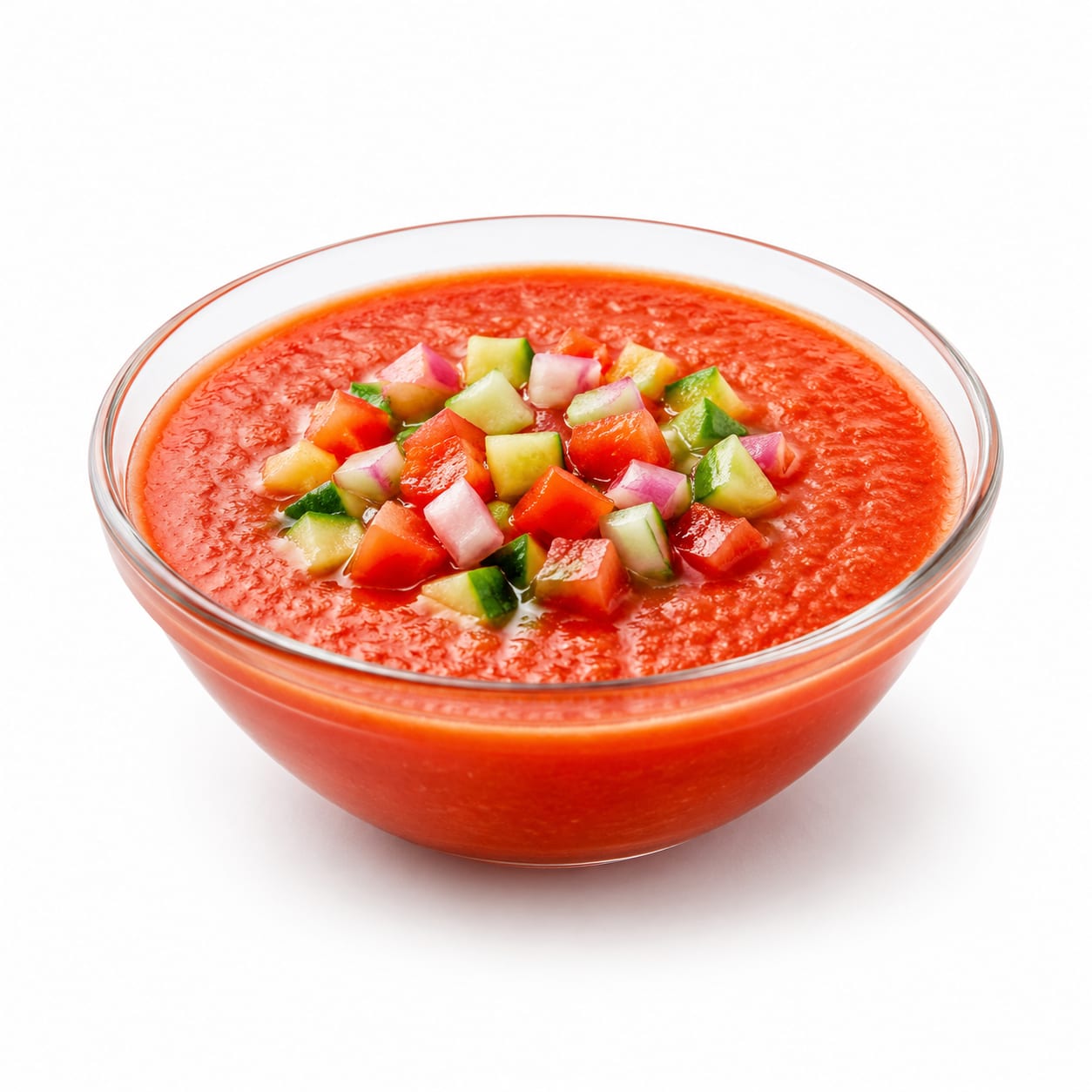
Gazpacho
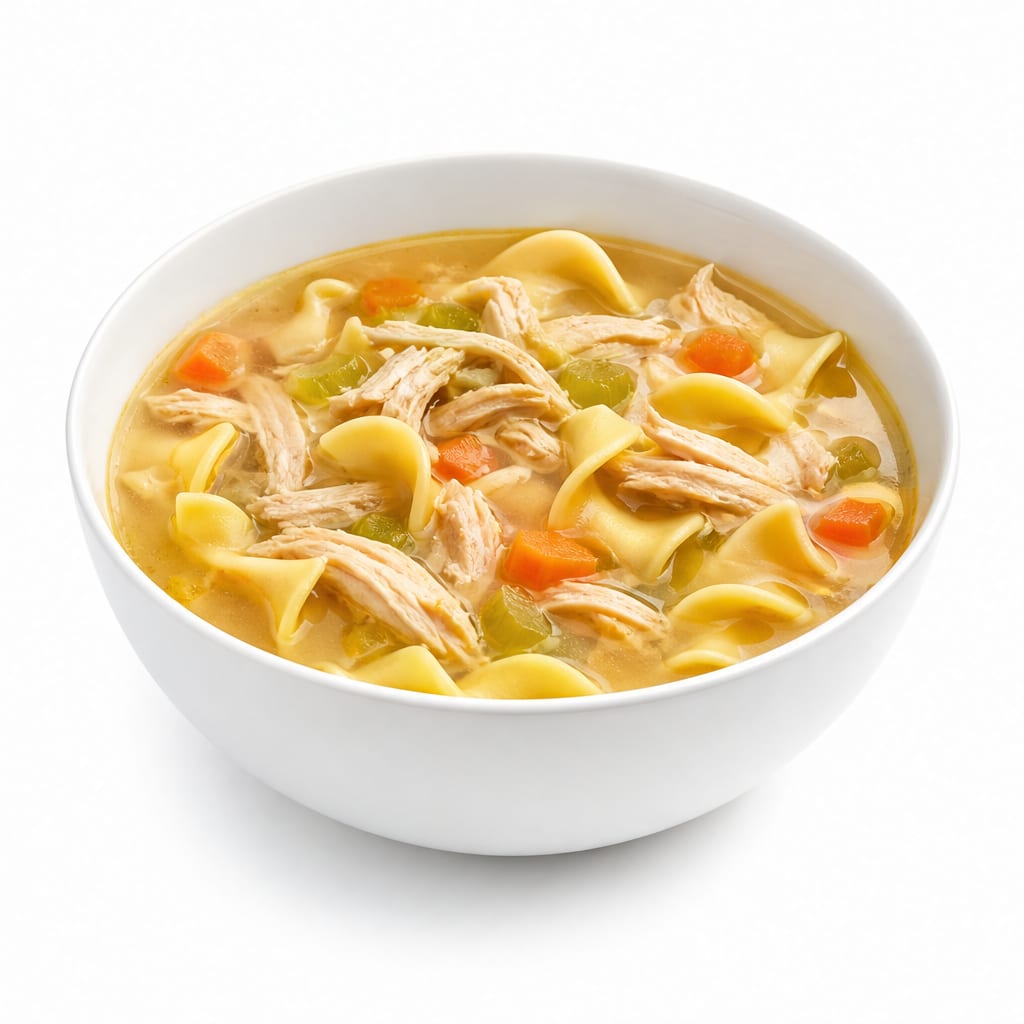
Chicken Noodle Soup
Gazpacho wins for low-sodium refreshment and raw nutrients; chicken noodle soup wins for protein, comfort, and recovery
Gazpacho scores higher for nutritional density and sodium profile but chicken noodle soup earns points for protein and recovery utility. The gap reflects gazpacho's stronger daily-use health profile despite chicken noodle soup's irreplaceable comfort role.
You choose between cooling raw nutrition and warming protein-rich comfort — they serve almost opposite purposes
At a glance
Executive summary
Overall
It depends
Healthier
Gazpacho
More practical
Chicken Noodle Soup
Daily use
Gazpacho
Key comparison lenses
sodium and hydration
Gazpacho is naturally low sodium while chicken noodle soup is notoriously sodium-heavy, making this the most impactful health tradeoff
comfort vs refreshment
These soups serve completely different emotional and seasonal roles — warming comfort versus cooling refreshment
nutrient density vs protein
Gazpacho delivers raw vitamins and antioxidants while chicken noodle soup provides protein and amino acids for recovery
digestive tolerance
Both are easy on the stomach but in different ways — raw fiber versus cooked blandness
sick day recovery
Chicken noodle soup has cultural and scientific backing for illness recovery while gazpacho offers no such tradition
Best choice for
Gazpacho
- Hot summer days when you need hydration without heaviness
- Blood pressure management requiring low sodium intake
- Raw vitamin C and antioxidant boosting
- Weight loss with maximum volume for minimal calories
- Light lunches that will not slow you down
Chicken Noodle Soup
- Sick days when you need warmth and easy protein
- Post-workout recovery needing amino acids and electrolytes
- Cold winter meals craving comfort and warmth
- Elderly or recovering patients needing gentle nutrition
Least suitable for
Gazpacho
- Anyone wanting a warming meal on a cold day
- People needing significant protein intake
- Those who find cold souks unappealing or unsatisfying
- Sick individuals wanting traditional comfort food
Chicken Noodle Soup
- People managing hypertension or sodium-restricted diets
- Hot weather eating when you want something light
- Anyone avoiding wheat or gluten in noodles
- Those seeking raw enzyme-rich foods
Deep comparison
Dimension by dimension
Each lens scores both foods and breaks down who each option suits.
- Dimension 1 · Priority 95Gazpacho
sodium_load
Gazpacho · 88Chicken Noodle Soup · 28Gazpacho is naturally low in sodium while canned or restaurant chicken noodle soup often delivers 800-1500mg per bowl
Tradeoff
Choosing chicken noodle soup for comfort means accepting a sodium hit that can raise blood pressure and cause bloating
Why it matters
Most people already exceed daily sodium limits, and a single bowl of chicken noodle soup can use up half your daily allowance
Real-world impact
After eating chicken noodle soup you may notice thirst, puffiness, or a scale bump the next morning from water retention
Gazpacho
- Blood pressure management
- Reducing bloating and water retention
- Kidney-friendly eating patterns
Better for
- Situations requiring electrolyte replacement
Worse for
Chicken Noodle Soup
- Replenishing sodium after heavy sweating or illness
- Electrolyte restoration post-endurance exercise
Better for
- Daily consumption for sodium-sensitive individuals
- Anyone with hypertension or heart disease risk
Worse for
- Dimension 2 · Priority 88Chicken Noodle Soup
protein_and_recovery
Gazpacho · 22Chicken Noodle Soup · 72Chicken noodle soup provides 10-20g protein per bowl from chicken while gazpacho offers almost none
Tradeoff
Gazpacho's vitamin richness comes without the muscle-supporting protein that makes chicken noodle soup a recovery food
Why it matters
Protein matters for satiety, muscle maintenance, and immune function — especially when your body is fighting illness
Real-world impact
A bowl of chicken noodle soup after a workout or during illness actually helps your body rebuild; gazpacho leaves you hunting for protein elsewhere
Gazpacho
- Light eating where protein is coming from other meal components
Better for
- Using as a standalone meal without adding protein
- Recovery from illness or surgery
Worse for
Chicken Noodle Soup
- Post-illness recovery
- Muscle maintenance during sick days
- More complete mini-meal when appetite is low
Better for
- Vegetarian or plant-based diets
Worse for
- Dimension 3 · Priority 85Gazpacho
vitamin_and_antioxidant_density
Gazpacho · 90Chicken Noodle Soup · 35Gazpacho's raw tomatoes, peppers, and cucumber deliver intact vitamin C, lycopene, and antioxidants that cooking diminishes
Tradeoff
Chicken noodle soup's cooking process destroys heat-sensitive vitamins while gazpacho preserves them in raw form
Why it matters
Raw vegetables retain enzymes and vitamins that support immune function and reduce oxidative stress more effectively
Real-world impact
Regular gazpacho consumption can meaningfully boost your antioxidant intake and skin health in ways cooked soup cannot match
Gazpacho
- Immune system support through raw vitamin C
- Anti-inflammatory diets emphasizing antioxidants
- Skin health and oxidative stress reduction
Better for
- Those with raw vegetable sensitivities or IBS triggers
Worse for
Chicken Noodle Soup
- Situations where cooked food is easier to digest than raw
Better for
- Maximizing micronutrient intake from vegetables
Worse for
- Dimension 4 · Priority 82Chicken Noodle Soup
comfort_and_emotional_satisfaction
Gazpacho · 38Chicken Noodle Soup · 92Chicken noodle soup is the universal comfort food with cultural and psychological warmth; gazpacho is refreshing but not emotionally soothing
Tradeoff
The psychological comfort of warm chicken noodle soup has real health benefits for stress and recovery that cold gazpacho cannot replicate
Why it matters
Emotional eating satisfaction reduces stress hormones and improves digestion — comfort food has measurable physiological benefits
Real-world impact
When you feel awful, a warm bowl of chicken noodle soup genuinely makes you feel cared for; gazpacho feels like a health obligation
Gazpacho
- Hot days when cooling down feels like comfort
- Refreshing appetizers before heavy meals
Better for
- Any situation where warmth equals comfort
Worse for
Chicken Noodle Soup
- Sick days and emotional comfort
- Cold weather warmth and wellbeing
- Nostalgic family meal traditions
Better for
- Summer heat when warm food feels oppressive
Worse for
- Dimension 5 · Priority 78Gazpacho
calorie_efficiency
Gazpacho · 88Chicken Noodle Soup · 55Gazpacho typically runs 80-120 calories per bowl while chicken noodle soup ranges 150-250 calories with noodles and chicken
Tradeoff
Lower calories mean gazpacho is better for weight management but less sustaining as a standalone meal
Why it matters
Volume eating with low-calorie gazpacho lets you feel full without overconsuming, but you may get hungry sooner
Real-world impact
You can eat a large bowl of gazpacho guilt-free; chicken noodle soup requires more portion awareness especially if watching calories
Gazpacho
- Weight loss and calorie-controlled eating
- Large portion satisfaction without calorie overload
Better for
- Those needing calorie sufficiency in small volumes
Worse for
Chicken Noodle Soup
- When you need more calories to feel satisfied
- Active individuals needing energy density
Better for
- Strict calorie counting or weight loss phases
Worse for
- Dimension 6 · Priority 75It depends
digestive_tolerance
Gazpacho · 65Chicken Noodle Soup · 70Chicken noodle soup is gentler for upset stomachs but gazpacho's raw enzymes aid healthy digestion
Tradeoff
Cooked blandness is safer during illness but raw fiber and enzymes are better for everyday gut health
Why it matters
The right choice depends entirely on your digestive state — healing from illness versus maintaining healthy digestion
Real-world impact
With a stomach bug, chicken noodle soup stays down; on a normal day, gazpacho's raw fiber keeps things moving better
Gazpacho
- Everyday gut health and regularity
- Enzyme support for healthy digestion
Better for
- Active GI illness or nausea
- Raw vegetable intolerance or IBS flare-ups
Worse for
Chicken Noodle Soup
- Recovery from stomach illness
- Bland diet requirements after GI distress
Better for
- Long-term reliance without fiber variety
Worse for
Timeline
Health impact over time
Short-term
Hours to days
Gazpacho
- Immediate hydration boost from high water content
- Refreshing cooling effect on hot days
- Light feeling without post-meal sluggishness
- Potential bloating if unused to raw vegetables
Chicken Noodle Soup
- Quick warmth and comfort sensation
- Sodium-driven thirst within hours
- Moderate satiety from protein and noodles
- Easier to eat when appetite is suppressed
Long-term
Months to years
Gazpacho
- Better blood pressure management from low sodium
- Higher antioxidant intake supporting skin and immune health
- Improved fiber consumption for gut regularity
- Lower cardiovascular risk profile with regular consumption
Chicken Noodle Soup
- Risk of elevated blood pressure if consumed frequently due to sodium
- Moderate protein support for muscle maintenance
- Potential reliance on processed soup with preservatives
- Warming comfort that supports emotional wellbeing in cold months
Risk profile
Safety & processing
Homemade gazpacho is simply blended raw vegetables with olive oil and vinegar — as natural as soup gets. Chicken noodle soup, especially canned, often contains preservatives, flavor enhancers, and excess sodium. Even homemade versions rely on processed noodles and potentially factory-farmed chicken broth.
Gazpacho
Raw vegetable contamination
mediumUncooked tomatoes, peppers, and cucumber can carry bacteria like salmonella if not washed properly
Olive oil quality fraud
lowSome olive oils are adulterated with cheaper oils, reducing health benefits and potentially introducing contaminants
Chicken Noodle Soup
High sodium from processed broth
highCanned and restaurant versions regularly exceed 1000mg sodium per serving, posing cardiovascular risk with regular consumption
Preservatives in canned versions
mediumCanned chicken noodle soup often contains MSG, BPA from can linings, and sodium benzoate
Undercooked chicken in homemade versions
mediumImproperly prepared homemade chicken noodle soup can harbor salmonella if chicken is not fully cooked
Who wins for whom
Audience fit
Same foods, different winners depending on your goal.
children
Chicken Noodle SoupKids generally accept warm chicken noodle soup more readily and benefit from the protein, while cold gazpacho is often refused by picky eaters
daily consumption
GazpachoLow sodium and high nutrient density make gazpacho safer and more beneficial for everyday eating without health tradeoffs
diabetes
GazpachoGazpacho has minimal impact on blood sugar with its low carbohydrate content, while noodles in chicken noodle soup can cause glucose spikes
elderly
Chicken Noodle SoupOlder adults benefit from the gentle protein, easy-to-chew texture, and warming comfort of chicken noodle soup, though sodium should be monitored
muscle gain
Chicken Noodle SoupChicken noodle soup provides actual protein from chicken, which is essential for muscle repair and growth that gazpacho cannot offer
weight loss
GazpachoGazpacho delivers more volume and fiber for fewer calories, making it easier to maintain a calorie deficit without feeling deprived
Your move
Decision guide
Choose Gazpacho
- You want a low-sodium, nutrient-dense option for regular meals
- It is hot outside and cold soup sounds refreshing
- You are managing blood pressure or cardiovascular risk
- You want maximum vitamins and antioxidants from raw vegetables
- You are counting calories but still want satisfying portions
Choose Chicken Noodle Soup
- You are sick and need warm, comforting, easy-to-digest nutrition
- It is cold and you want a meal that warms you from the inside
- You need protein and recovery support after illness or exercise
- You are feeding children who prefer familiar warm foods
- You want emotional comfort food that feels like a hug
Either works if
- You want a light meal that includes vegetables
- You are well-hydrated and just want something tasty
- You pair the soup with a balanced side like salad or bread
Avoid both if
- You need a high-protein main dish (both are relatively light)
- You have specific allergies to key ingredients like tomatoes or wheat
- You are on a strict low-FODMAP diet as both contain trigger ingredients
Final recommendation
Keep both in rotation seasonally — gazpacho for summer nutrition and daily low-sodium eating, chicken noodle soup for winter comfort and sick-day recovery. If forced to pick one for regular health, gazpacho wins for its superior nutrient density and cardiovascular-friendly sodium profile. Just add a protein source on the side to make it a complete meal.
Practical
Consumer tips
- 1
If choosing canned chicken noodle soup, look for low-sodium versions and rinse with water to reduce salt further
- 2
Add chickpeas or grilled chicken to gazpacho for protein if using it as a standalone meal
- 3
Make chicken noodle soup from scratch to control sodium and avoid preservatives — it freezes well for sick-day prep
- 4
Use gazpacho as a starter before heavier meals to increase vegetable intake without filling up
- 5
Check olive oil quality for gazpacho — cold-pressed extra virgin preserves antioxidants that heat-processed oils lose
- 6
For sick children who refuse gazpacho, blend cooked vegetables into chicken noodle soup for hidden nutrition