
Nutrition comparison
Gazpacho vs Salmorejo: Nutrition, Calories, and Health Comparison
Discover the nutritional differences between Gazpacho and Salmorejo. Learn which cold Spanish soup is better for weight loss, hydration, and daily meals.
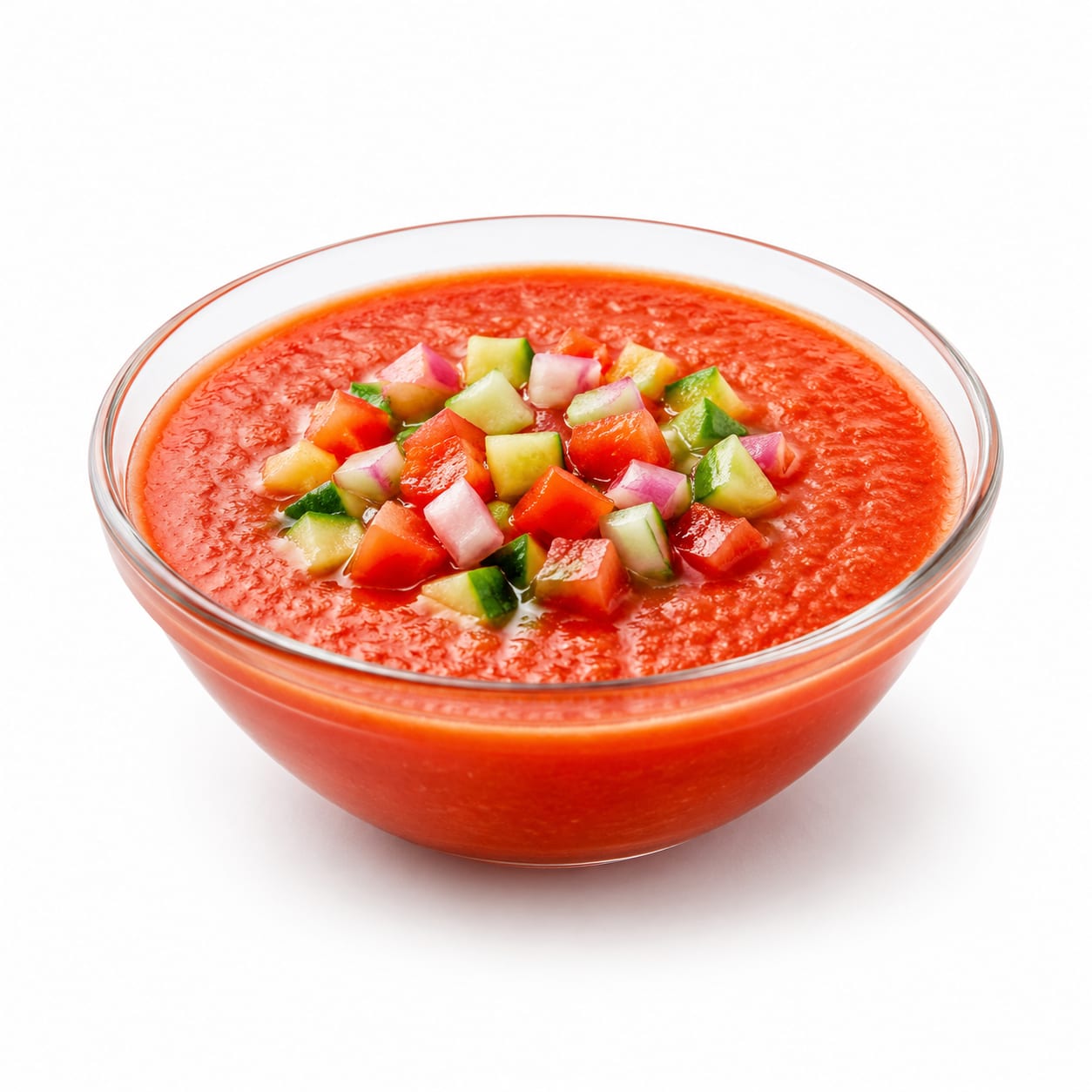
Gazpacho
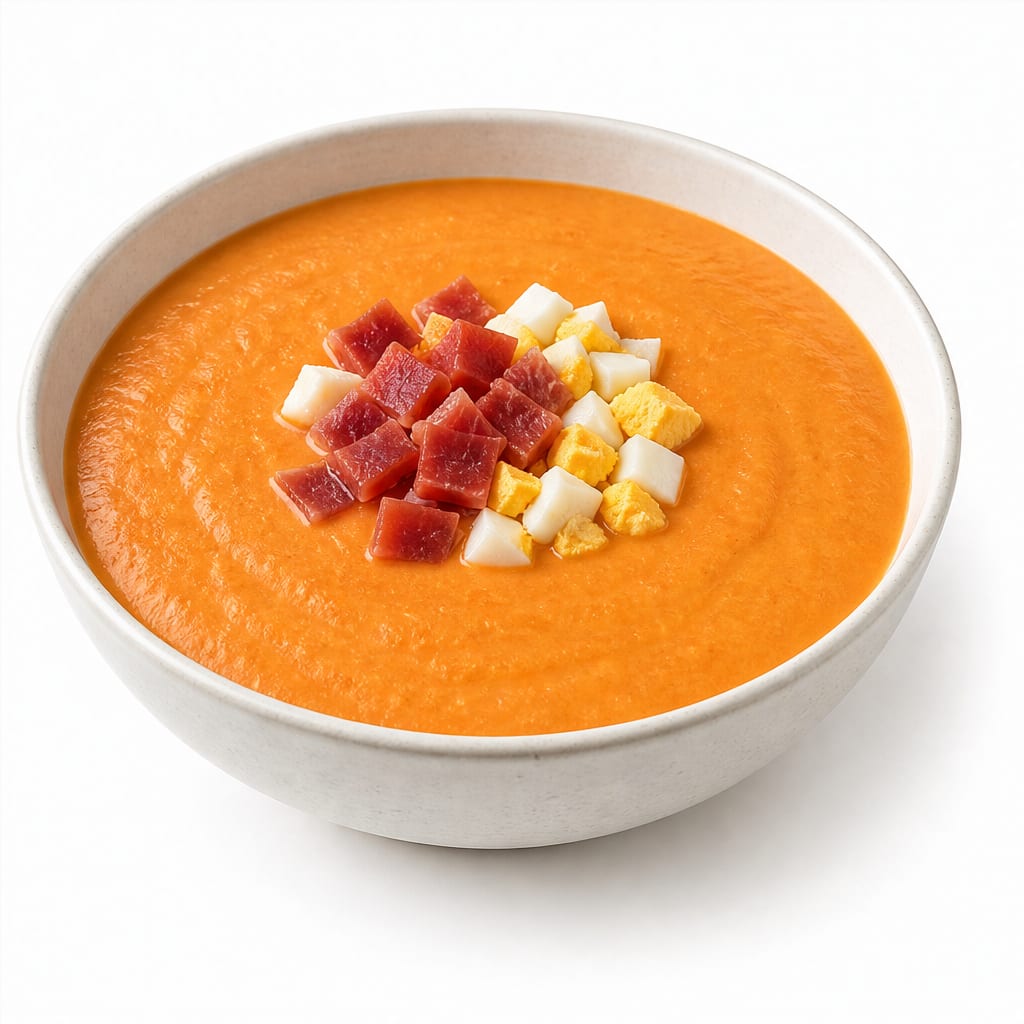
Salmorejo
Gazpacho is a light, hydrating vegetable splash, while Salmorejo is a creamy, comforting meal in a bowl.
Gazpacho scores higher overall due to its lower calorie density and broader micronutrient profile, though Salmorejo wins for satiety and sustained energy.
Refreshing low-calorie hydration versus rich, filling sustenance.
At a glance
Executive summary
Overall
It depends
Healthier
Gazpacho
More practical
Gazpacho
Daily use
Gazpacho
Key comparison lenses
Calorie density and weight management
Gazpacho is a light, water-based refreshment while Salmorejo is a dense, calorie-rich meal
Satiety versus lightness
Choosing between a hydrating starter and a filling main dish dictates which soup fits your meal plan
Carbohydrate and fat balance
Salmorejo relies heavily on bread and olive oil for texture, significantly shifting the macronutrient profile compared to veggie-heavy Gazpacho
Best choice for
Gazpacho
- People counting calories
- Hot summer days when you need hydration
- Those seeking broader micronutrient diversity from mixed vegetables
Salmorejo
- Active individuals needing sustained energy
- Those wanting a filling meal replacement
- People who find pureed vegetables too light to feel satisfied
Least suitable for
Gazpacho
- People on low-acid diets due to vinegar and tomato content
- Those looking for a meal that will keep them full for hours
Salmorejo
- People strictly limiting calories or fat intake
- Those with gluten sensitivity unless prepared with gluten-free bread
Deep comparison
Dimension by dimension
Each lens scores both foods and breaks down who each option suits.
- Dimension 1 · Priority 90Gazpacho
Hydration and Lightness
Gazpacho · 95Salmorejo · 60Gazpacho is incredibly water-rich and refreshing, while Salmorejo feels heavy and creamy.
Tradeoff
You get maximum refreshment with Gazpacho, but very little staying power.
Why it matters
In hot weather or after exercise, light hydration feels better in the stomach than a dense puree.
Real-world impact
Gazpacho works as a thirst-quencher; Salmorejo needs a glass of water on the side.
Gazpacho
- Post-workout refreshment
- Scorching summer afternoons
Better for
- Recovering from heavy physical labor when you need calories
Worse for
Salmorejo
- A sit-down lunch that feels like a real meal
Better for
- Feeling sluggish and bloated on a hot day
Worse for
- Dimension 2 · Priority 85Salmorejo
Satiety and Fullness
Gazpacho · 45Salmorejo · 88Salmorejo's generous olive oil and bread content makes it genuinely filling, whereas Gazpacho is just an appetizer.
Tradeoff
Salmorejo keeps hunger away for hours but packs a heavy caloric price tag.
Why it matters
If you try to replace a meal with Gazpacho, you will be hungry again within the hour.
Real-world impact
A bowl of Salmorejo at lunch prevents the afternoon energy crash; Gazpacho does not.
Gazpacho
- Light appetizer before a heavy main course
Better for
- Using it as a standalone work-from-home lunch
Worse for
Salmorejo
- A single-dish lunch
- Hiking or active days requiring sustained energy
Better for
- Eating right before a heavy dinner
Worse for
- Dimension 3 · Priority 88Gazpacho
Calorie Density
Gazpacho · 92Salmorejo · 55Gazpacho is very low in calories, while Salmorejo is surprisingly calorie-dense due to emulsified oil and bread.
Tradeoff
Gazpacho lets you eat a large volume for few calories; Salmorejo delivers high energy in a small package.
Why it matters
For weight management, the invisible calories in Salmorejo's creamy texture can easily sneak up on you.
Real-world impact
A large bowl of Gazpacho has the calories of an apple; a large bowl of Salmorejo has the calories of a sandwich.
Gazpacho
- Weight loss phases
- Large portion lovers
Better for
- Underweight individuals needing easy calories
Worse for
Salmorejo
- Bulking up
- Long hikes where you need compact calories
Better for
- Strict calorie counting
Worse for
- Dimension 4 · Priority 75Gazpacho
Micronutrient Diversity
Gazpacho · 85Salmorejo · 65Gazpacho contains a rainbow of vegetables, while Salmorejo is essentially tomato and bread.
Tradeoff
Gazpacho offers broader vitamin coverage, but Salmorejo delivers a more concentrated dose of tomato antioxidants paired with better fat absorption.
Why it matters
The bell peppers, cucumbers, and onions in Gazpacho provide vitamin C and diverse phytonutrients that Salmorejo lacks.
Real-world impact
Eating Gazpacho feels like eating a salad; Salmorejo feels like eating a dip.
Gazpacho
- Boosting vitamin C intake
- Broad-spectrum antioxidant support
Better for
- Situations where fiber causes digestive distress
Worse for
Salmorejo
- Maximizing lycopene absorption from tomatoes via high olive oil content
Better for
- Those lacking varied vegetable intake in the rest of their diet
Worse for
Timeline
Health impact over time
Short-term
Hours to days
Gazpacho
- Immediate cooling and hydration
- Light feeling in the stomach
- Possible mild heartburn from raw garlic and vinegar on an empty stomach
Salmorejo
- Strong feeling of fullness and satisfaction
- Steadier blood sugar from the fat and bread matrix
- Potential sluggishness after a large portion
Long-term
Months to years
Gazpacho
- Supports healthy weight maintenance due to low calorie density
- Excellent hydration habits
- Broad vegetable intake supports gut microbiome diversity
Salmorejo
- High olive oil intake supports cardiovascular health
- Risk of gradual weight gain if portions are not managed
- Concentrated lycopene supports cellular health
Risk profile
Safety & processing
Both are traditional, whole-food recipes made from raw or simply cooked ingredients, though Salmorejo relies on refined bread as a thickener.
Gazpacho
Raw vegetable contamination
lowAs with any raw vegetable dish, improper washing of peppers and cucumbers can harbor bacteria, but commercial preparations follow strict hygiene standards.
Salmorejo
Traditional garnish contamination
mediumSalmorejo is often topped with chopped hard-boiled egg and jamón, which pose a higher food safety risk if left unrefrigerated compared to pure vegetables.
Gluten exposure
mediumTraditional recipes use wheat bread as a thickener, making it unsuitable for those with celiac disease unless modified.
Who wins for whom
Audience fit
Same foods, different winners depending on your goal.
children
SalmorejoSalmorejo's creamy, mild, and slightly sweeter profile is usually more appealing to kids than Gazpacho's acidic, vinegary kick.
daily consumption
GazpachoThe low calorie and fat burden of Gazpacho makes it easier to consume daily without unintended weight gain.
diabetes
GazpachoGazpacho has fewer carbohydrates and a lower glycemic load since it lacks the dense bread thickener found in Salmorejo.
elderly
GazpachoGazpacho is exceptionally hydrating and easier to digest for sensitive stomachs, while providing essential vitamins without heavy fats.
muscle gain
SalmorejoSalmorejo offers more calories and often includes protein-rich toppings like egg and ham, supporting a calorie surplus.
weight loss
GazpachoGazpacho provides high volume and hydration for very few calories, making it far easier to fit into a calorie deficit.
Your move
Decision guide
Choose Gazpacho
- You want a light, refreshing starter or low-calorie snack
- Hydration is your top priority on a hot day
- You are watching your carbohydrate or fat intake
Choose Salmorejo
- You need a filling, satisfying meal that will keep you full
- You want a comforting, creamy texture without dairy
- You are an active person needing sustained caloric energy
Either works if
- You crave a cold tomato-based dish in the summer
- You want to incorporate more healthy olive oil into your diet
Avoid both if
- You have a severe nightshade sensitivity to tomatoes
- You cannot tolerate raw garlic or onions
Final recommendation
Let the context guide you: drink Gazpacho when you are hot and thirsty, and eat Salmorejo when you are genuinely hungry.
Practical
Consumer tips
- 1
If making Salmorejo at home, use stale high-quality sourdough for better texture and lower glycemic impact.
- 2
Blend a ice cube into Gazpacho right before serving for an extra-chilled, refreshing texture.
- 3
If watching calories but craving Salmorejo, reduce the bread by half and add roasted red peppers to maintain body.
- 4
Always taste both soups cold, as chilling mutes flavors and they often need a final pinch of salt or splash of vinegar before serving.