
Nutrition comparison
Gazpacho vs Tomato Juice: Which Is Healthier for Daily Use?
Compare gazpacho and tomato juice on sodium, fiber, satiety, and processing. Gazpacho wins on nutrition and fullness, but tomato juice offers convenience and lycopene. See which fits your goals.
Overall winner · Gazpacho
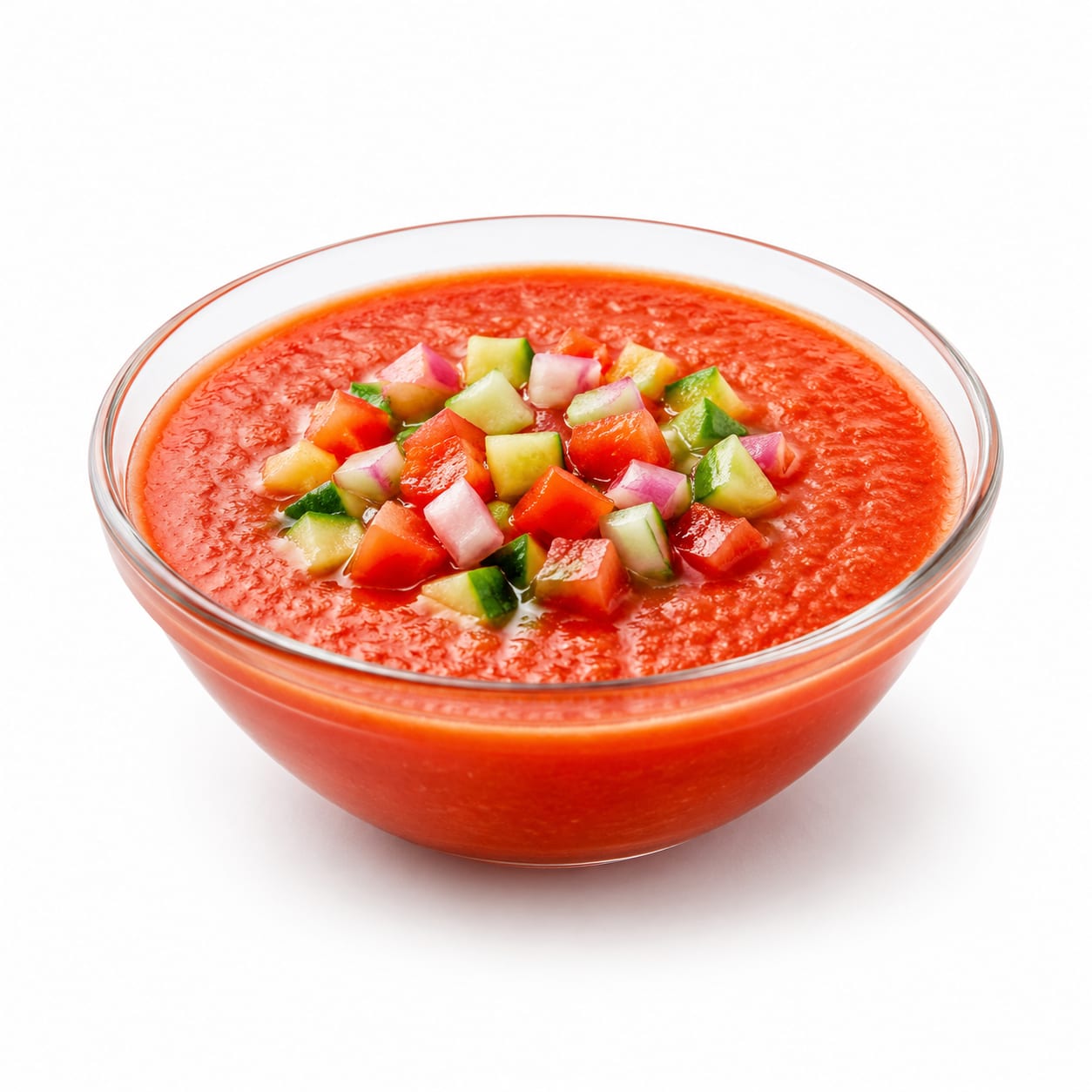
Gazpacho
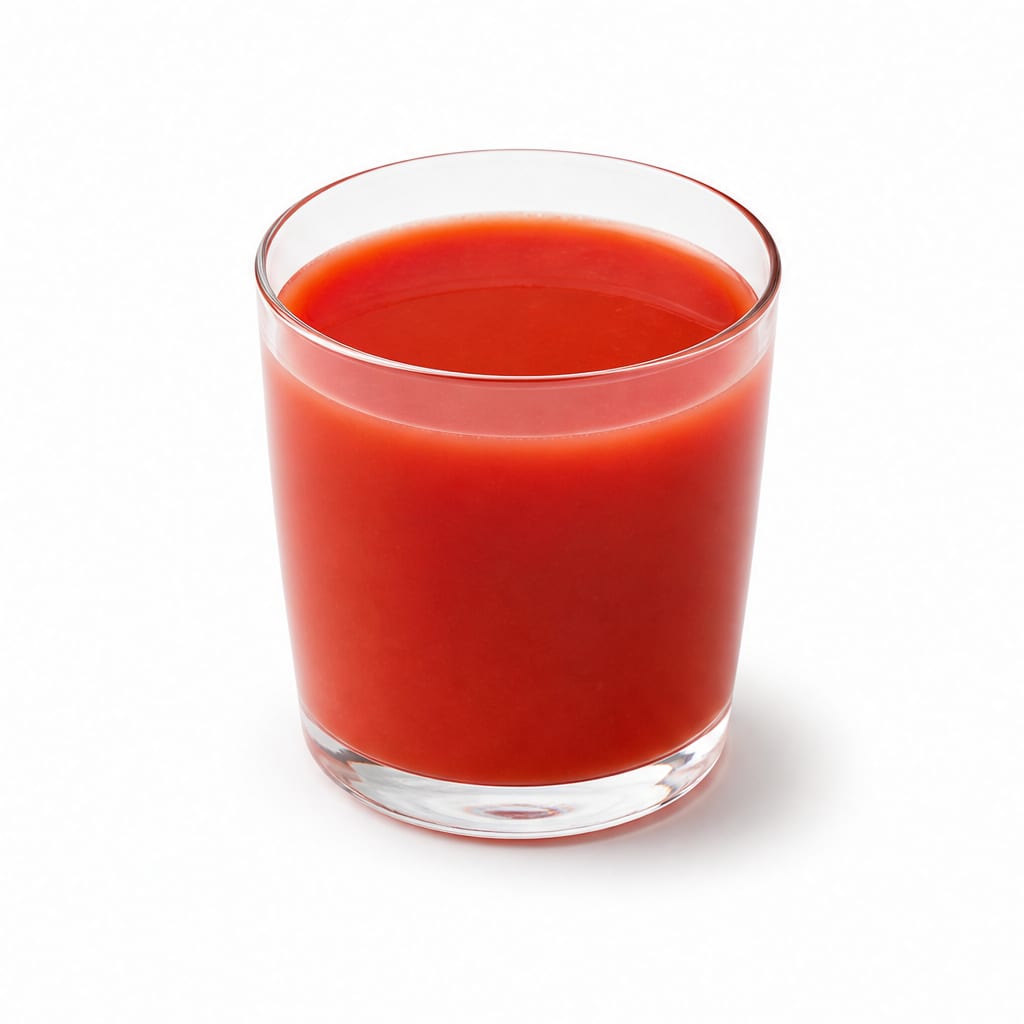
Tomato Juice
Gazpacho delivers more nutrition, more fullness, and less sodium than tomato juice, making it the stronger everyday choice for most people.
Gazpacho scores notably higher due to its fiber content, healthy fats from olive oil, lower sodium, and broader nutrient profile. Tomato juice loses ground on sodium, processing level, and satiety, but remains a convenient source of lycopene and potassium.
You gain fiber, healthy fats, and vegetable variety with gazpacho, but sacrifice the grab-and-go convenience of tomato juice.
At a glance
Executive summary
Overall
Gazpacho
Healthier
Gazpacho
More practical
Tomato Juice
Daily use
Gazpacho
Key comparison lenses
Satiety and meal replacement potential
Gazpacho is a vegetable soup with fiber and fat that satisfies like a light meal, while tomato juice is a beverage that rarely fills you up
Sodium awareness
Store-bought tomato juice is notoriously high in sodium, which is a major health concern for daily consumption
Processing and naturalness
Gazpacho is typically made from whole raw vegetables, while commercial tomato juice undergoes heat processing and often contains additives
Convenience and portability
Tomato juice is grab-and-go in a bottle or can, while gazpacho requires preparation or refrigeration and a bowl
Nutrient diversity
Gazpacho brings multiple vegetables to the table, while tomato juice is nutritionally one-dimensional
Best choice for
Gazpacho
- People watching their sodium intake
- Anyone wanting a light meal that actually satisfies
- Those seeking more vegetable variety in their diet
- People avoiding ultra-processed foods
Tomato Juice
- Busy people needing quick hydration and nutrients on the go
- Anyone wanting maximum lycopene absorption
- People who want a shelf-stable pantry option
- Those who prefer drinking over eating a cold soup
Least suitable for
Gazpacho
- People who find cold souks unappealing or strange
- Anyone needing a portable, spill-free drink option
- Those without refrigeration access during the day
Tomato Juice
- People on sodium-restricted diets unless they choose low-sodium versions
- Anyone looking for a filling snack or light meal replacement
- Those concerned about ultra-processed food intake
Deep comparison
Dimension by dimension
Each lens scores both foods and breaks down who each option suits.
- Dimension 1 · Priority 92Gazpacho
Satiety and Fullness
Gazpacho · 82Tomato Juice · 35Gazpacho fills you up like a small meal thanks to fiber and olive oil. Tomato juice leaves you hungry again within minutes.
Tradeoff
Gazpacho requires sitting down with a bowl and spoon, while tomato juice can be chugged on the move.
Why it matters
Drinking your calories or nutrients without fiber often leads to overeating later because your body barely registers the intake.
Real-world impact
A bowl of gazpacho at lunch can hold you until dinner. A glass of tomato juice at noon often means you are snacking by 2pm.
Gazpacho
- Weight management through natural portion control
- Reduced afternoon snacking
- Feeling satisfied without heavy meals
Better for
- When you want something light before a big meal
Worse for
Tomato Juice
- Quick hydration when food is not the priority
- Situations where lightness is preferred over fullness
Better for
- Blood sugar crashes from lack of sustained energy
- Compensatory eating later in the day
Worse for
- Dimension 2 · Priority 88Gazpacho
Sodium Load
Gazpacho · 75Tomato Juice · 30Homemade gazpacho controls sodium naturally. Most commercial tomato juice packs 600-900mg of sodium per cup, which is a significant portion of your daily limit.
Tradeoff
Low-sodium tomato juice exists but often compensates with potassium chloride that tastes metallic to some people.
Why it matters
High sodium intake is one of the leading drivers of hypertension and cardiovascular disease, and liquid sources are the sneakiest because they do not taste salty.
Real-world impact
Two glasses of regular tomato juice can deliver over half your recommended daily sodium before you have eaten any solid food.
Gazpacho
- Blood pressure management
- Kidney health
- Reduced bloating and water retention
Better for
- Over-salted restaurant versions can still be problematic
Worse for
Tomato Juice
- Post-exercise rehydration when sodium loss is high
Better for
- Daily consumption risks chronic high blood pressure
- Hidden sodium that people do not account for
Worse for
- Dimension 3 · Priority 80Gazpacho
Nutrient Diversity
Gazpacho · 88Tomato Juice · 55Gazpacho delivers tomatoes, cucumbers, peppers, onions, garlic, and olive oil in one bowl. Tomato juice gives you concentrated tomato nutrients and not much else.
Tradeoff
Tomato juice provides more lycopene per serving because heat processing makes it more bioavailable than raw tomatoes in gazpacho.
Why it matters
Eating a rainbow of vegetables is linked to better health outcomes than loading up on a single vegetable, no matter how nutritious it is.
Real-world impact
Gazpacho covers multiple vegetable servings in one meal. Tomato juice is essentially one vegetable in a glass.
Gazpacho
- Broad-spectrum antioxidant intake
- Vitamin K from peppers and olive oil
- Allicin from fresh garlic
- Vitamin C from raw vegetables
Better for
- Lycopene is less bioavailable from raw tomatoes
Worse for
Tomato Juice
- Concentrated lycopene for prostate and heart health
- Consistent potassium intake per serving
Better for
- Missing the synergistic benefits of diverse plant compounds
Worse for
- Dimension 4 · Priority 78Tomato Juice
Convenience and Portability
Gazpacho · 35Tomato Juice · 90Tomato juice is shelf-stable, portable, and ready in seconds. Gazpacho needs refrigeration, a container, and a spoon.
Tradeoff
The convenience of tomato juice comes with the processing and sodium downsides that gazpacho avoids.
Why it matters
The best nutritious food is the one you actually consume. If gazpacho is too inconvenient, tomato juice is still better than nothing.
Real-world impact
You can keep tomato juice in your desk, car, or gym bag. Gazpacho is a fridge-to-bowl situation that requires planning.
Gazpacho
- Home meals where convenience matters less
- Meal prep scenarios where you make a batch for the week
Better for
- On-the-go lifestyles
- Situations without refrigeration
Worse for
Tomato Juice
- Commuting and travel
- Office desk lunches
- Emergency pantry nutrition
- Post-workout quick refueling
Better for
- Anyone trying to reduce reliance on processed foods
Worse for
- Dimension 5 · Priority 75Gazpacho
Processing and Additives
Gazpacho · 85Tomato Juice · 40Traditional gazpacho is simply blended raw vegetables with olive oil and vinegar. Commercial tomato juice often contains citric acid, sodium benzoate, and added salt.
Tradeoff
Some premium tomato juices are minimally processed with no additives, but they are harder to find and more expensive.
Why it matters
Minimally processed foods retain more of their natural enzyme activity, vitamin content, and beneficial plant compounds.
Real-world impact
Making gazpacho at home means you control every ingredient. Reading tomato juice labels can feel like a chemistry quiz.
Gazpacho
- Clean eating goals
- Avoiding preservatives and emulsifiers
- Knowing exactly what you are consuming
Better for
- Restaurant versions may include bread thickeners or excess oil
Worse for
Tomato Juice
- Consistent standardized nutrition per serving
Better for
- Sodium benzoate concerns when combined with vitamin C
- Flavor enhancers that mask lower-quality tomatoes
Worse for
- Dimension 6 · Priority 65It depends
Digestive Tolerance
Gazpacho · 65Tomato Juice · 65Gazpacho has fiber that supports gut health but can bother sensitive stomachs. Tomato juice is easier to digest but its acidity triggers reflux for some people.
Tradeoff
Neither is a clear winner here because both are acidic tomato-based foods that can irritate similar conditions.
Why it matters
People with GERD, IBS, or sensitive stomachs often struggle with tomato-based foods regardless of form.
Real-world impact
If raw onions and garlic in gazpacho trigger IBS symptoms, tomato juice might be gentler. If acid reflux is your main issue, both could be problematic.
Gazpacho
- Promoting healthy gut bacteria through fiber
- Regular digestion from vegetable roughage
Better for
- Raw garlic and onions are high-FODMAP triggers
- Fiber can bloat sensitive digestive systems
Worse for
Tomato Juice
- Easier on stomachs sensitive to raw vegetables
- Lower FODMAP if gazpacho contains garlic and onions
Better for
- High acidity can worsen GERD and heartburn
- Lack of fiber does not support long-term gut health
Worse for
Timeline
Health impact over time
Short-term
Hours to days
Gazpacho
- Provides sustained energy from healthy fats and fiber
- May cause mild bloating if you are not used to raw vegetables
- Hydrating while also satisfying hunger
Tomato Juice
- Quick hydration and electrolyte replenishment
- Possible blood pressure spike from sodium in commercial varieties
- Acidic burn for those with reflux or sensitive stomachs
Long-term
Months to years
Gazpacho
- Better cardiovascular profile from olive oil and low sodium
- Improved gut health from diverse fiber intake
- Lower risk of sodium-related hypertension
Tomato Juice
- Consistent lycopene intake supports prostate and heart health
- Risk of elevated blood pressure if drinking regular high-sodium versions daily
- Missing out on fiber benefits for gut and blood sugar regulation
Risk profile
Safety & processing
Traditional gazpacho is about as natural as it gets: raw vegetables, olive oil, and vinegar blended together. Commercial tomato juice undergoes heat pasteurization, straining, and often receives sodium, citric acid, and preservatives. The gap narrows if you make tomato juice at home or buy premium cold-pressed versions, but standard grocery store tomato juice is noticeably more processed.
Gazpacho
Foodborne illness from raw vegetables
lowUnwashed produce can carry bacteria, but proper washing eliminates most risk. Homemade gazpacho consumed fresh is very safe.
Oxalate accumulation
lowTomatoes contain moderate oxalates, which is rarely a concern unless you have a history of calcium oxalate kidney stones.
Tomato Juice
Sodium-related health effects
highRegular tomato juice can deliver 600-900mg sodium per cup, making it a major contributor to exceeding daily limits and raising blood pressure over time.
BPA exposure from canned varieties
mediumMany canned tomato juices still use BPA-lined cans, and the acidity of tomatoes increases leaching. Choose carton or glass-packaged options when possible.
Sodium benzoate and vitamin C interaction
lowSome brands use sodium benzoate as a preservative, which can form benzene in the presence of ascorbic acid, though levels are typically below safety thresholds.
Who wins for whom
Audience fit
Same foods, different winners depending on your goal.
children
Tomato JuiceMost kids find tomato juice more approachable than a cold vegetable soup. The texture and concept of gazpacho can be a hard sell for picky eaters.
daily consumption
GazpachoDaily gazpacho provides diverse nutrients with minimal sodium risk. Daily commercial tomato juice can quietly push sodium intake into dangerous territory.
diabetes
GazpachoThe fiber and fat in gazpacho slow sugar absorption, leading to steadier blood sugar. Tomato juice, even without added sugar, can cause faster glucose spikes due to lack of fiber.
elderly
GazpachoOlder adults benefit more from the fiber, healthy fats, and lower sodium in gazpacho, especially for cardiovascular and digestive health.
muscle gain
It dependsNeither is a protein source, but tomato juice has gained popularity post-workout for hydration and antioxidant recovery. Gazpacho could work as a light pre-workout meal.
weight loss
GazpachoGazpacho provides more satiety per calorie, making it easier to eat less throughout the day. Tomato juice drinks can leave you hungry and reaching for snacks.
Your move
Decision guide
Choose Gazpacho
- You want something that actually fills you up, not just hydrates you
- Sodium intake is a health priority for you
- You enjoy cooking or meal prepping at home
- You want broader vegetable nutrition beyond just tomatoes
- You are trying to eat more whole, minimally processed foods
Choose Tomato Juice
- Convenience is non-negotiable and you need something shelf-stable
- You specifically want maximum lycopene absorption for prostate or heart health
- You need post-exercise hydration with electrolytes
- You are choosing low-sodium versions and using it strategically
- You find cold soup weird and know you will not actually eat gazpacho
Either works if
- You want a refreshing tomato-based option on a hot day
- You are looking for vitamin C and potassium from tomatoes
- You are mixing it into a larger recipe like a cocktail or marinade
Avoid both if
- You have severe GERD or acid reflux triggered by tomatoes
- You are on a strict low-oxalate diet for kidney stone prevention
- You have a nightshade sensitivity or tomato allergy
Final recommendation
Gazpacho is the stronger choice for most people most of the time because it delivers more nutrition, more satisfaction, and less sodium. The real advantage of tomato juice is convenience, and that matters. If you choose tomato juice, go for low-sodium versions in glass or cartons, and treat it as a supplement rather than a meal. If you choose gazpacho, make a batch on Sunday and enjoy it through the week. The best option is the one you will actually consume consistently, but your body will thank you for choosing gazpacho more often.
Practical
Consumer tips
- 1
If you buy tomato juice, always check the sodium label. Low-sodium versions cut salt by 50-70% with minimal taste sacrifice.
- 2
Make gazpacho in bulk and portion it into jars for the week. It actually tastes better after a day in the fridge as flavors meld.
- 3
Choose tomato juice in glass bottles or cartons over cans to avoid BPA exposure from can linings.
- 4
If gazpacho gives you bloating, try blending it longer or straining lightly. The fiber is still there but gentler on your stomach.
- 5
For maximum lycopene from gazpacho, drizzle with extra olive oil. Fat dramatically improves lycopene absorption even from raw tomatoes.
- 6
Avoid tomato juice with added sugar. Some brands sneak it in, and tomatoes are already naturally sweet enough.