
Nutrition comparison
Gazpacho vs Miso Soup: Nutrition, Gut Health, and Which is Better
Comparing Gazpacho and Miso Soup for weight loss, sodium, and daily use. Find out which light soup fits your health goals and digestive needs.
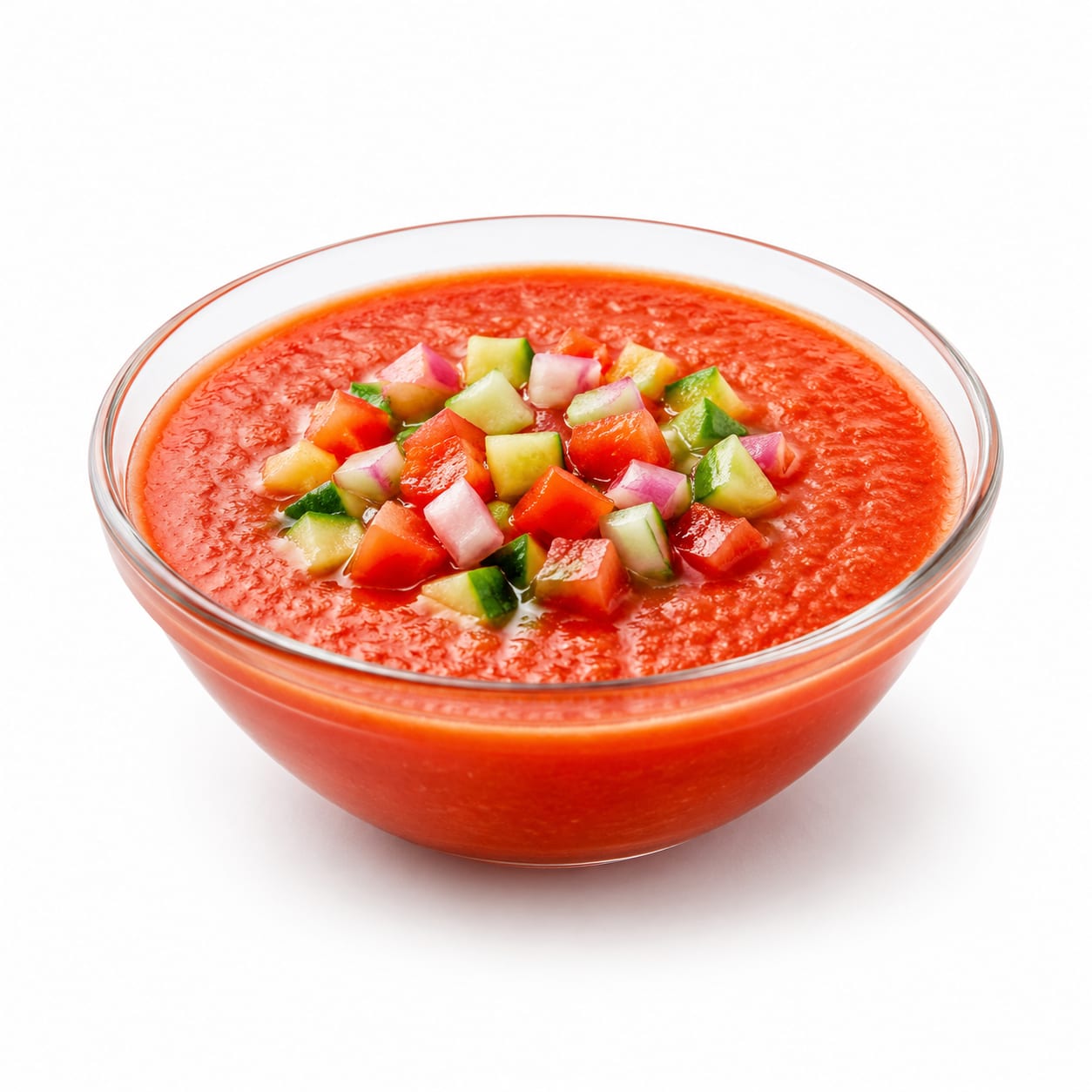
Gazpacho
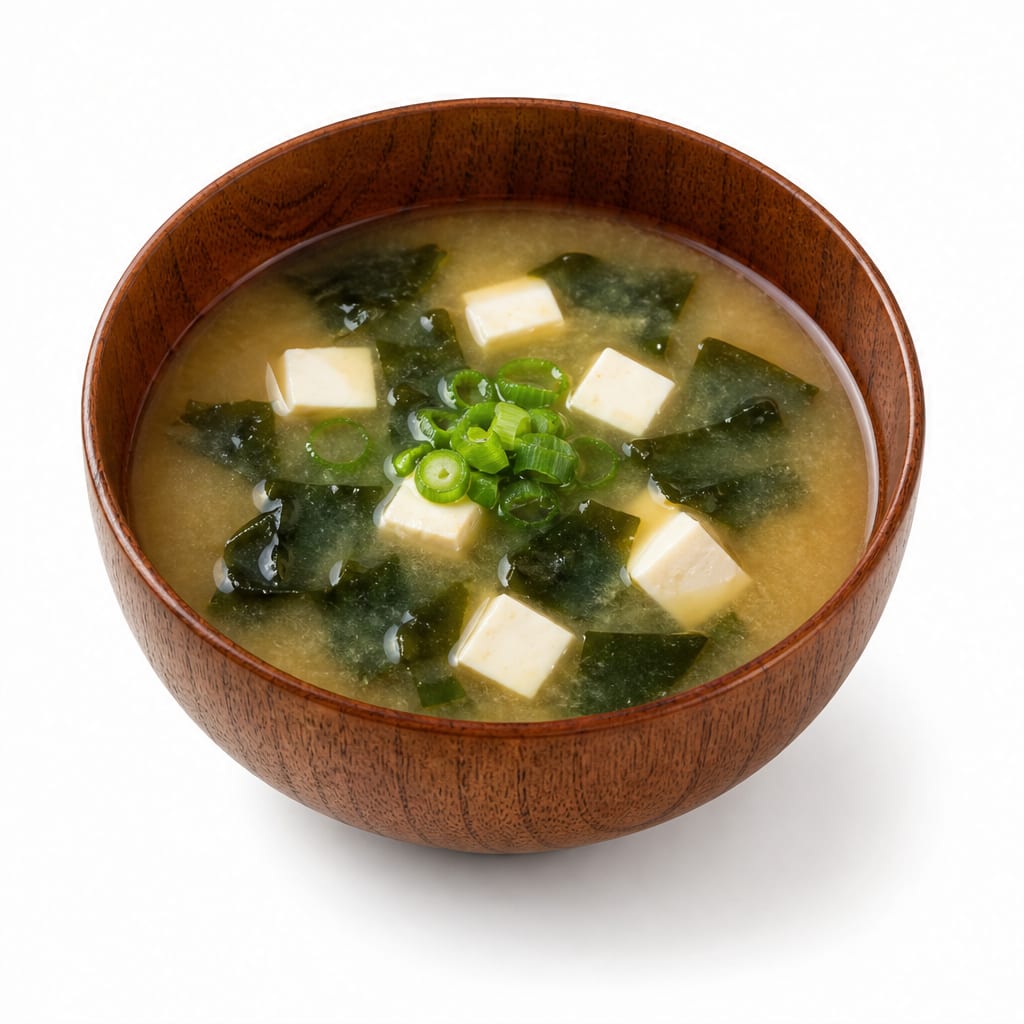
Miso Soup
Gazpacho delivers raw vitamins and refreshing hydration, while Miso Soup offers gut-friendly probiotics and warming comfort—both are light, low-calorie options with a sodium tradeoff.
Gazpacho edges ahead slightly on raw nutrient density and fiber, but Miso Soup's probiotic benefits and convenience keep it highly competitive. The sodium levels in both are the main limiting factor for higher scores.
Raw vegetable nutrients and fiber from Gazpacho versus fermented gut benefits and warming comfort from Miso Soup.
At a glance
Executive summary
Overall
It depends
Healthier
It depends
More practical
Miso Soup
Daily use
It depends
Key comparison lenses
Low-calorie weight management
Both are widely used as light, low-calorie starters or snacks for appetite control.
Sodium and blood pressure impact
Miso is naturally high in sodium from fermented soy, while Gazpacho can also be salty, making sodium a key tradeoff.
Gut health and digestion
Miso provides probiotics from fermentation, whereas Gazpacho offers raw fiber and enzymes from vegetables.
Temperature and meal context
A cold refreshing soup versus a hot comforting soup dictates when and how each is consumed.
Best choice for
Gazpacho
- Hot summer days when you need hydration
- Boosting antioxidant and Vitamin C intake
- Increasing raw vegetable fiber in your diet
Miso Soup
- Cold weather or when you need a warming comfort food
- Supporting gut microbiome diversity
- A quick, low-effort afternoon snack
Least suitable for
Gazpacho
- People with severe nightshade sensitivities
- Those who struggle with digesting raw vegetables
- Cold winter evenings when a chilled soup feels unappealing
Miso Soup
- People strictly monitoring sodium for blood pressure
- Those avoiding soy products
- Scorching summer days when a hot soup is unappealing
Deep comparison
Dimension by dimension
Each lens scores both foods and breaks down who each option suits.
- Dimension 1 · Priority 90Gazpacho
Nutrient Density and Antioxidants
Gazpacho · 88Miso Soup · 65Gazpacho is a powerhouse of Vitamin C, lycopene, and Vitamin A from raw tomatoes and peppers, while Miso Soup offers some B vitamins and isoflavones but less overall vitamin diversity.
Tradeoff
You get broader vitamin coverage and antioxidants from Gazpacho, but Miso provides unique fermented compounds that support cellular health.
Why it matters
Antioxidants from raw vegetables help fight daily oxidative stress, supporting skin health and immune function.
Real-world impact
Eating Gazpacho regularly can visibly support skin clarity and immune resilience, whereas Miso acts more subtly on long-term cellular health.
Gazpacho
- Immune system support
- Skin health and collagen production
- Reducing oxidative stress
Better for
- Those needing high caloric intake
Worse for
Miso Soup
- Long-term cellular protection
- Hormonal balance from soy isoflavones
Better for
- Anyone seeking high vitamin C content
Worse for
- Dimension 2 · Priority 85Miso Soup
Gut Health and Digestion
Gazpacho · 70Miso Soup · 89Miso Soup contains live probiotics that directly feed the gut microbiome, while Gazpacho offers raw fiber and enzymes that aid digestion but can cause bloating in sensitive individuals.
Tradeoff
Miso is easier on the stomach and introduces beneficial bacteria, but Gazpacho provides the prebiotic fiber those bacteria need to survive long-term.
Why it matters
A healthy gut microbiome affects everything from mood to immunity, making daily probiotic or fiber intake crucial.
Real-world impact
A warm bowl of Miso Soup can soothe an upset stomach and improve digestion within hours, while Gazpacho's fiber keeps you regular over the long term.
Gazpacho
- Providing prebiotic fiber to feed existing gut bacteria
- Improving bowel regularity
Better for
- People with IBS triggered by raw vegetables or fructans
Worse for
Miso Soup
- Introducing new beneficial probiotic strains
- Soothing an irritated digestive tract
- Easier digestion for sensitive stomachs
Better for
- Those who are sensitive to fermented foods or histamine
Worse for
- Dimension 3 · Priority 80Gazpacho
Sodium Load
Gazpacho · 60Miso Soup · 40Both soups can be sodium traps, but Miso paste is inherently very high in salt, whereas Gazpacho's sodium is more easily controlled in homemade versions.
Tradeoff
Miso's salt is essential for its fermentation and flavor, making it hard to reduce, while Gazpacho can be made with minimal salt and still taste great due to natural vegetable flavors.
Why it matters
High sodium intake can lead to water retention and increased blood pressure, overshadowing the other health benefits of these soups.
Real-world impact
Eating Miso Soup daily might cause noticeable water retention or bloating, whereas a low-salt Gazpacho keeps you feeling light and hydrated.
Gazpacho
- Blood pressure management
- Reducing water retention
Better for
- Restaurant versions that are heavily salted
Worse for
Miso Soup
- Replenishing electrolytes after heavy sweating or illness
Better for
- Anyone with hypertension or salt sensitivity
Worse for
- Dimension 4 · Priority 75Miso Soup
Convenience and Meal Timing
Gazpacho · 55Miso Soup · 90Miso Soup can be prepared in under 2 minutes by just adding hot water to paste, while Gazpacho requires chopping, blending, and chilling, making it far less spontaneous.
Tradeoff
Miso is an instant comfort fix for busy days, but Gazpacho requires meal prep, offering a more substantial, filling result.
Why it matters
Convenience often dictates what we actually eat on a stressful Tuesday versus what we plan to eat on a relaxed Sunday.
Real-world impact
Miso Soup is a lifesaver for a quick, warming afternoon break at the office, while Gazpacho is better suited for a planned weekend lunch.
Gazpacho
- A sit-down meal that feels substantial
- Batch-prepping for the week
Better for
- Last-minute meal needs
Worse for
Miso Soup
- Instant preparation
- Quick warm snacks on cold days
- Travel or office convenience
Better for
- Situations where only cold food is available
Worse for
Timeline
Health impact over time
Short-term
Hours to days
Gazpacho
- Immediate hydration and a refreshing cooling effect
- Potential bloating if unaccustomed to high raw fiber intake
Miso Soup
- Quick soothing of the stomach and warming of the body
- Possible thirst shortly after due to the high sodium content
Long-term
Months to years
Gazpacho
- Improved antioxidant status and skin health from lycopene and Vitamin C
- Better bowel regularity from consistent raw vegetable fiber
Miso Soup
- Enhanced gut microbiome diversity from regular probiotic intake
- Potential blood pressure concerns if consumed excessively due to sodium
Risk profile
Safety & processing
Gazpacho is typically a blend of raw, whole vegetables. Miso paste is a fermented product, which is a traditional form of processing that enhances nutritional value rather than degrading it, though instant packets may contain added preservatives.
Gazpacho
Bacterial growth from improper refrigeration
mediumThe raw vegetable blend is highly perishable and can harbor bacteria if left at room temperature for too long.
Pesticide residue
mediumSince the vegetables are consumed raw and often with the skin on, non-organic versions carry a higher pesticide risk.
Miso Soup
Soy allergen exposure
highMiso is made from soy, which is a common allergen and can cause severe reactions in sensitive individuals.
GMO exposure
mediumUnless explicitly organic, most soy grown for miso paste is genetically modified.
Who wins for whom
Audience fit
Same foods, different winners depending on your goal.
children
GazpachoGazpacho's mild, familiar tomato flavor is often more kid-friendly than the salty, umami taste of miso, while providing essential vitamins for growth.
daily consumption
GazpachoGazpacho offers a broader daily spectrum of essential vitamins and fiber with less sodium risk, making it safer for everyday use.
diabetes
GazpachoGazpacho's raw fiber slows down any sugar absorption from the tomatoes, providing steadier blood sugar. Miso Soup is also very low carb but some instant versions add sugar.
elderly
Miso SoupMiso Soup is warm, easy to swallow, gentle on aging digestive systems, and provides probiotics that older adults often lack.
muscle gain
Miso SoupMiso Soup often contains tofu, which provides a small amount of plant protein, whereas Gazpacho has virtually no protein.
weight loss
It dependsBoth are extremely low in calories. Gazpacho is more filling due to fiber volume, but Miso Soup's warmth can quickly satisfy cravings with even fewer calories.
Your move
Decision guide
Choose Gazpacho
- You want a refreshing, hydrating meal on a hot day
- You need to increase your raw vegetable and fiber intake
- You are watching your sodium intake closely
Choose Miso Soup
- You want a quick, warming comfort food for cold weather
- You are focused on improving your gut microbiome
- You need a lightning-fast, low-calorie snack at the office
Either works if
- You just want a light, low-calorie starter before a main course
- You are looking for a gentle way to ease into eating after being sick
Avoid both if
- You are on a strict low-sodium diet prescribed by a doctor
- You need a high-protein, calorie-dense meal to recover from heavy training
Final recommendation
Let the season and your gut guide you. Reach for Gazpacho in the summer to hydrate and load up on raw vitamins, and switch to Miso Soup in the winter for a probiotic-rich, warming comfort fix. Just keep an eye on the sodium in both.
Practical
Consumer tips
- 1
Make Gazpacho at home to control the salt and ensure the freshest raw nutrients.
- 2
Look for unpasteurized miso paste to ensure the probiotics are still alive and beneficial.
- 3
Never boil miso paste; stirring it into warm water preserves the delicate probiotics.
- 4
Add a handful of spinach or extra cucumber to Gazpacho for an even bigger fiber boost without changing the flavor.