
Tropical Fruit
Durian
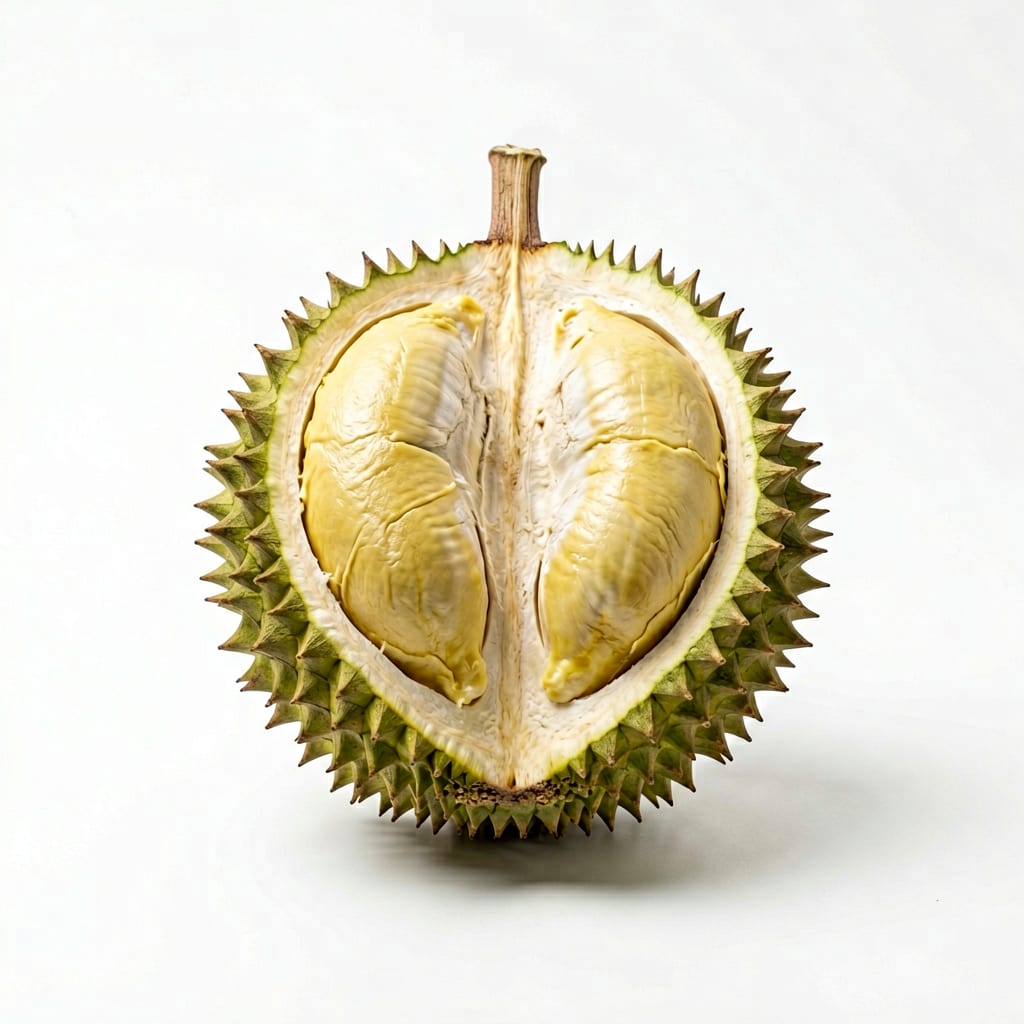
A large, spiky tropical fruit known for its pungent aroma and uniquely high fat and calorie content compared to other fruits.
A large, spiky tropical fruit known for its pungent aroma and rich, custardy flesh. It is uniquely high in fat and calories compared to most fruits.
calorie-dense high-fat tropical fruit
Typical serving · 100g
Common varieties · Monthong, Musang King, D24, Red Prawn, Kan Yao
Overall context score across nutrition, safety, and diet fit
At a glance
Quick facts
Simple indicators based on nutrition, processing, and diet fit.
The story
What makes it unique
Durian is an energy-dense fruit with a macronutrient profile atypical for fruit, containing significant amounts of dietary fat alongside carbohydrates. Its moderate glycemic index is tempered by high fiber and fat content, which slows gastric emptying and digestion, resulting in sustained satiety.
Varieties: Monthong · Musang King · D24 · Red Prawn · Kan Yao
Per 100g
Nutrition breakdown
Macro balance and key metrics at a glance.
Energy
Density 1.47 kcal/g
Protein
Carbs
Fat
Fiber
Sugar
15 g
Sodium
2 mg
Potassium
436 mg
Glycemic index
49
Glycemic load
7
Water content
65%
Standout compounds
Nutrient highlights
Potassium
highsupports blood pressure regulation and fluid balance
Dietary Fiber
moderatepromotes digestive health and slows sugar absorption
Vitamin C
moderateacts as an antioxidant and supports immune function
Manganese
moderateaids in metabolism and bone formation
Monounsaturated Fats
moderateprovides sustained energy and supports heart health
Wellness map
Health scores & processing
NOVA processing scale
minimally processed · Whole food
Fresh durian is a whole, unprocessed plant food consumed in its natural state.
Diet compatibility
- Weight loss
- Muscle gain
- Diabetes
- Gut health
- Low carb
- High protein
- Heart health
Relative standing
Food rankings
Qualitative ranks compared to similar whole foods.
- Satietygood
- Blood sugarmoderate
- Nutrient densitygood
- Fitness fuelgood
- Processing qualityexcellent
Eat with confidence
Food safety profile
The thick, spiky husk protects the edible flesh from direct pesticide application and environmental contaminants. Spoilage is the primary safety concern due to rapid fermentation at warm temperatures.
Evidence confidence 85%
- Pesticideslow
- Antibioticslow
- Heavy metalslow
- Contaminationlow
Watch for
- environmental soil pollutants
Safer choices
Organically grown durian reduces any minimal pesticide risk from soil absorption.
Prep tips
Wash the outer husk thoroughly before cutting to prevent transferring dirt or bacteria to the inner flesh.
None significant for fresh fruit.
Deep dive
Health analysis
How this food may fit different goals and preparation choices.
Weight loss
High calorie and fat content make portion control essential; not ideal for unrestricted volume eating.
Blood sugar
Moderate glycemic index, but the high carbohydrate load requires mindful pairing and portioning for diabetics.
Fitness & energy
Excellent pre-workout energy source due to simple carbs combined with sustained release from fats.
Gut health
Soluble fiber supports healthy bowel movements and feeds beneficial gut bacteria.
Processing quality
Whole, unprocessed food with intact micronutrients and fiber matrix.
Food safety
Thick rind protects inner flesh from pesticides; wash before opening to avoid cross-contamination.
Common mistakes
Overconsuming due to its rich taste, leading to excess calorie intake, or pairing it with alcohol which can exacerbate digestive discomfort.
Best preparation
Consumed fresh and raw, or blended into smoothies; avoid deep-fried durian fritters which add excessive unhealthy fats.
Practical guide
Best use cases
When and how this food fits real eating patterns.
pre-workout energy boost
The combination of simple carbohydrates for quick energy and fats for sustained release makes it effective before endurance training.
high-calorie whole food snacking
Useful for individuals needing to increase caloric intake without resorting to processed foods.
natural dessert alternative
Its rich, custardy texture satisfies sweet cravings while providing fiber and micronutrients absent in traditional desserts.
Balance sheet
Pros & cons
Upsides
- Uniquely rich in healthy fats for a fruit
- High potassium supports cardiovascular health
- Good source of dietary fiber for gut health
- Provides sustained energy release
- Rich in B-vitamins and vitamin C
Trade-offs
- Very high in calories compared to other fruits
- Strong odor limits where it can be consumed
- High carbohydrate content requires portion control
- Can cause digestive discomfort if overeaten
- Relatively expensive and difficult to find fresh
Fit check
Who is it for?
Great match
- endurance athletes needing calorie-dense fuel
- weight maintenance diets
- whole-food fat sources
Consider alternatives
- strict low-carb diets
- calorie-restricted weight loss
- people sensitive to strong odors
Side by side
How it compares
Open the full head-to-head analysis for nutrition, safety, and practical tradeoffs.
This food
Durian
VS85% alike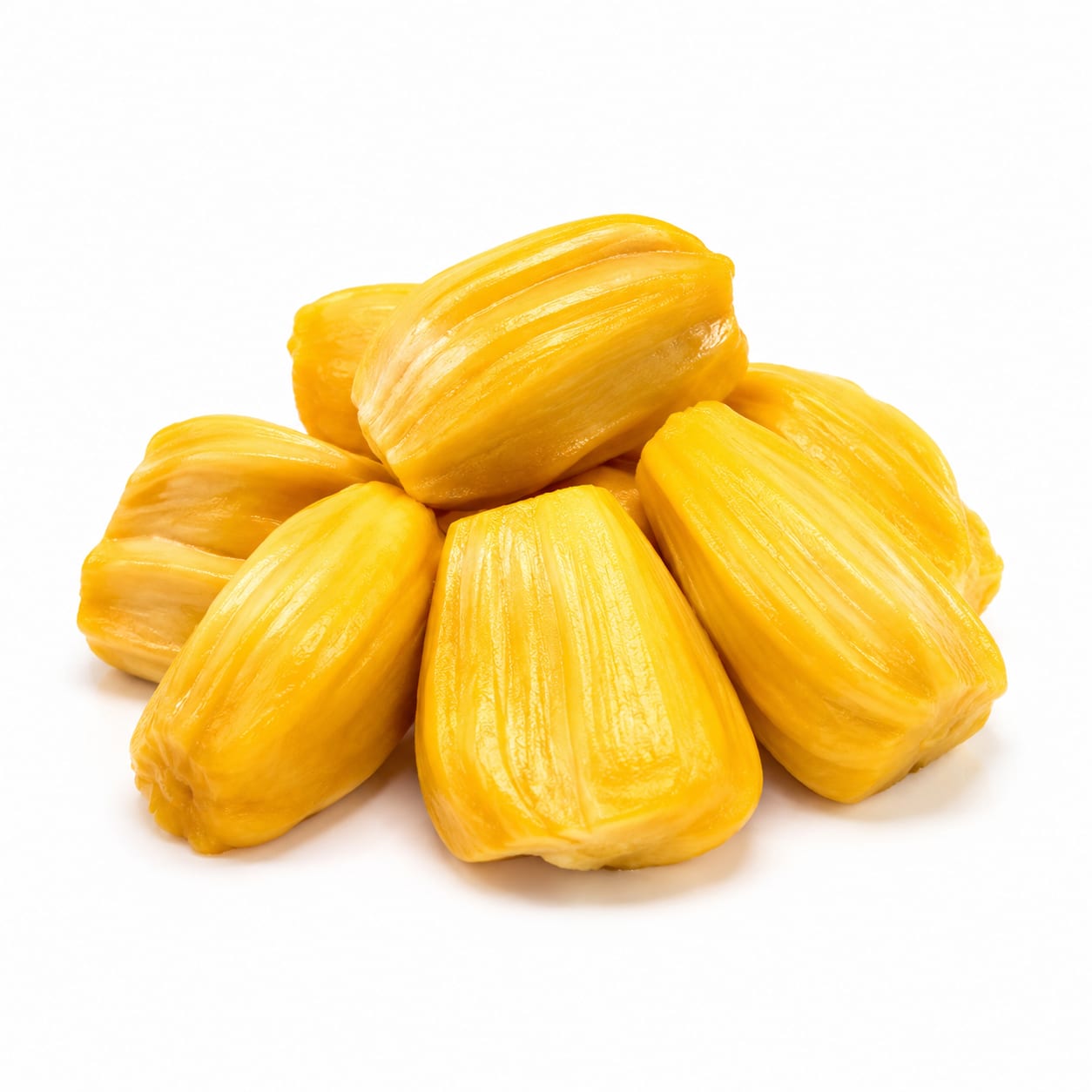
Compare with
Jackfruit
Durian is high in fat and calories with a creamy texture, while jackfruit is low in fat, higher in carbs, and has a fibrous, pull-apart texture.
Durian provides more fat and sustained energy, while jackfruit is lower in calories and better for weight loss.
This food
Durian
VS75% alike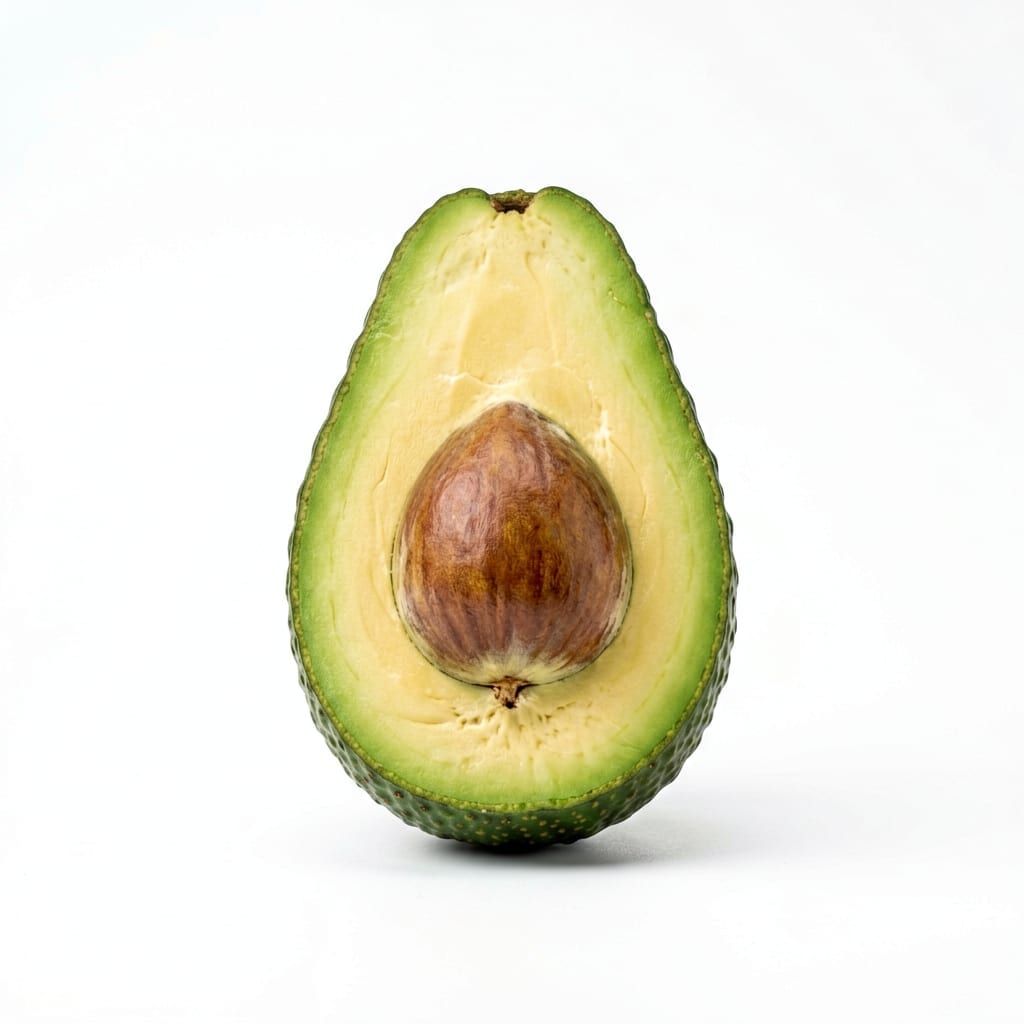
Compare with
Avocado
Avocado offers more monounsaturated fat and fiber with fewer carbs, whereas durian provides more energy from carbohydrates and sugars.
Avocado is lower in sugar and higher in fiber, making it better for blood sugar, while durian offers more quick workout energy.
This food
Durian
VS65% alike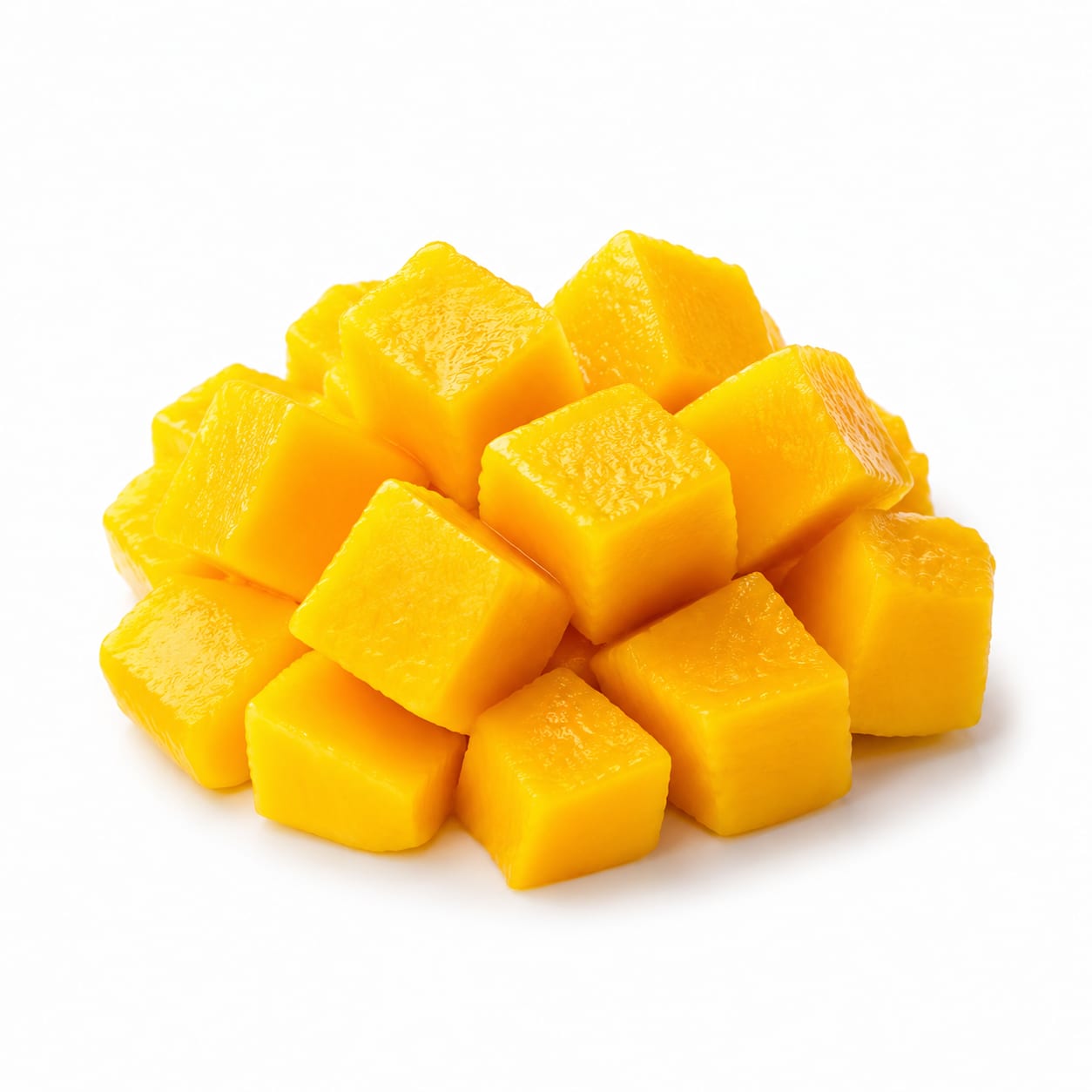
Compare with
Mango
Mango is primarily a high-carb, water-rich fruit, while durian is a high-fat, calorie-dense fruit.
Mango is lower in calories and fat, while durian provides more sustained satiety and energy density.
This food
Durian
VS60% alike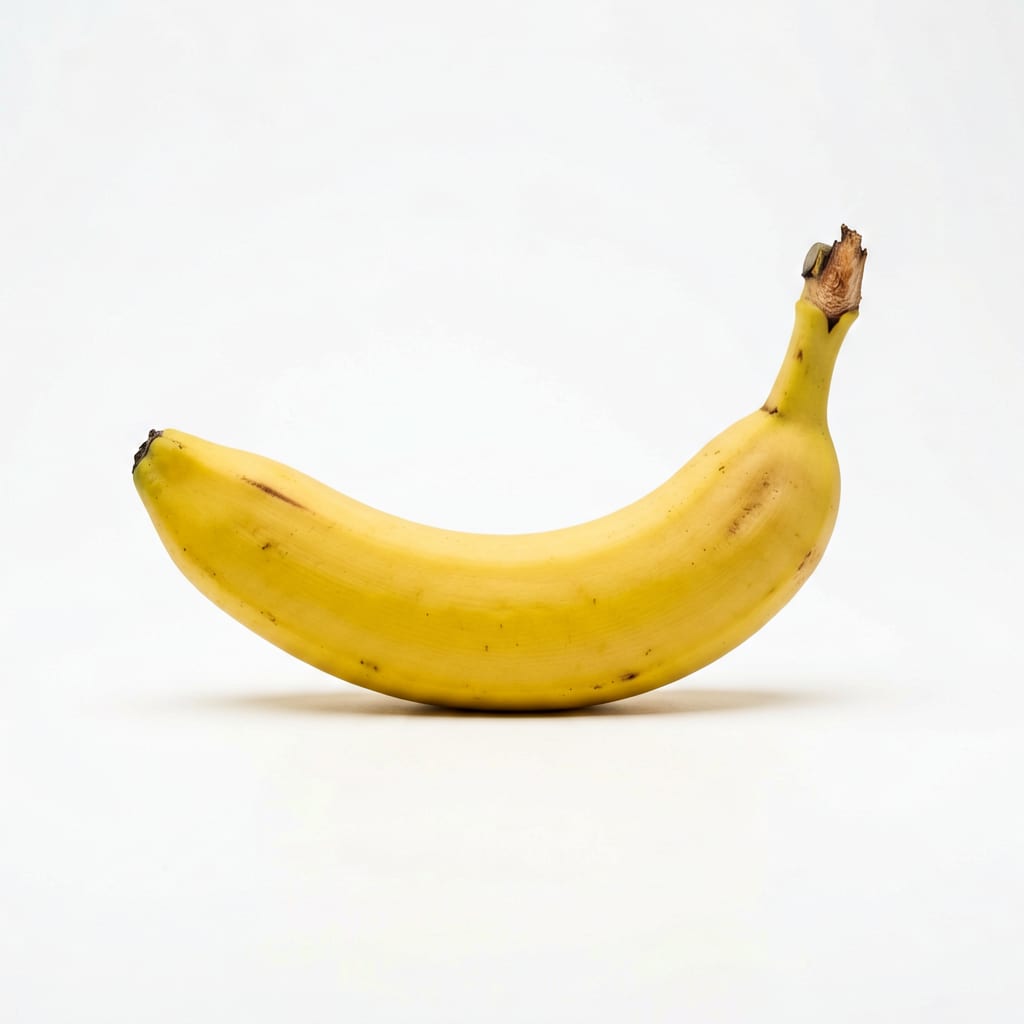
Compare with
Banana
Bananas are fat-free with rapid-digesting carbs, whereas durian includes fats that slow digestion and provide prolonged energy.
Bananas offer quick carbs and lower calories, while durian provides a sustained energy release from its fat content.
This food
Durian
VS70% alike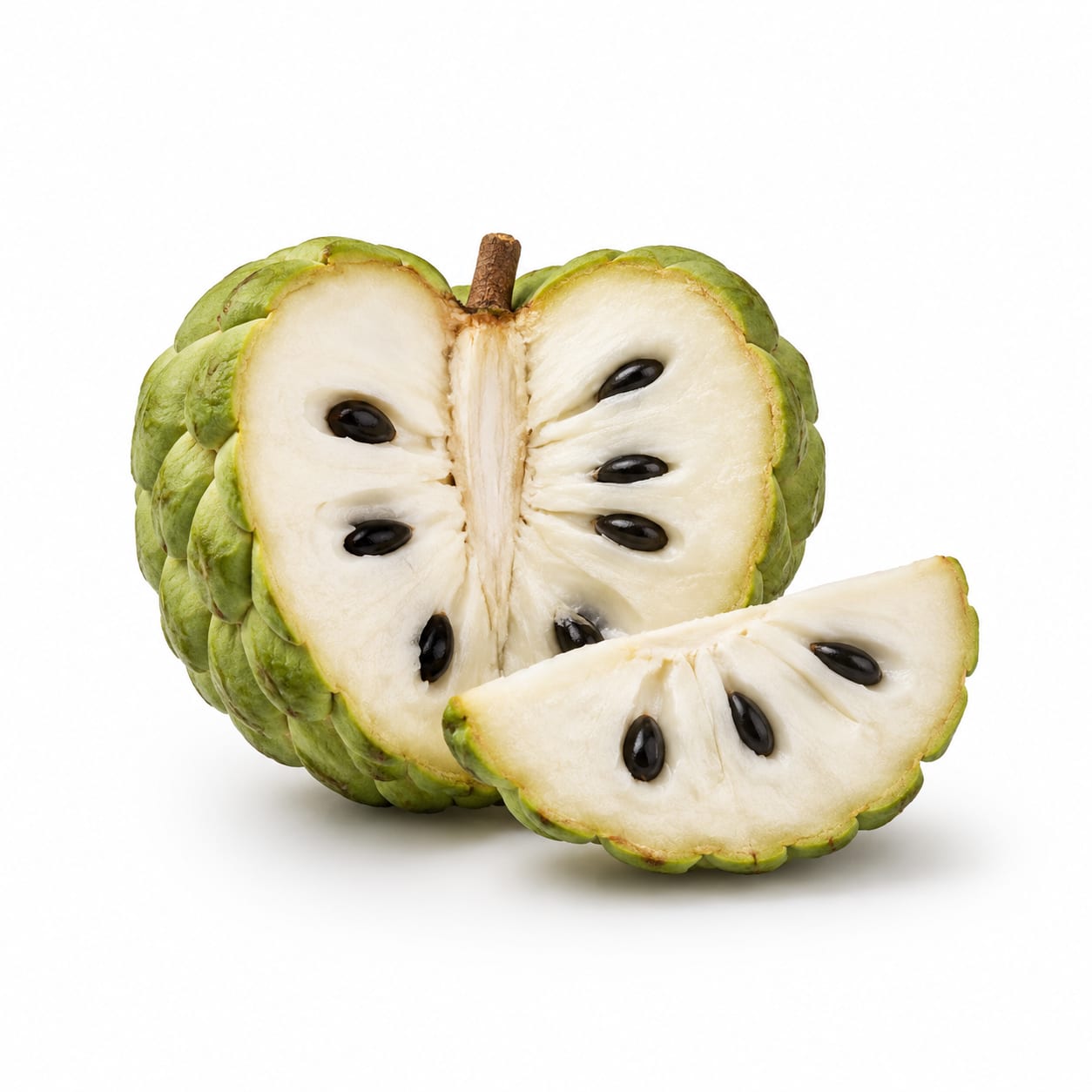
Compare with
Cherimoya
Cherimoya is lower in calories and fat, acting more like a traditional sweet fruit, while durian is uniquely energy-dense.
Cherimoya is a lighter, sweeter custard fruit, whereas durian is heavier and significantly higher in calories and fat.
This food
Durian
VS70% alike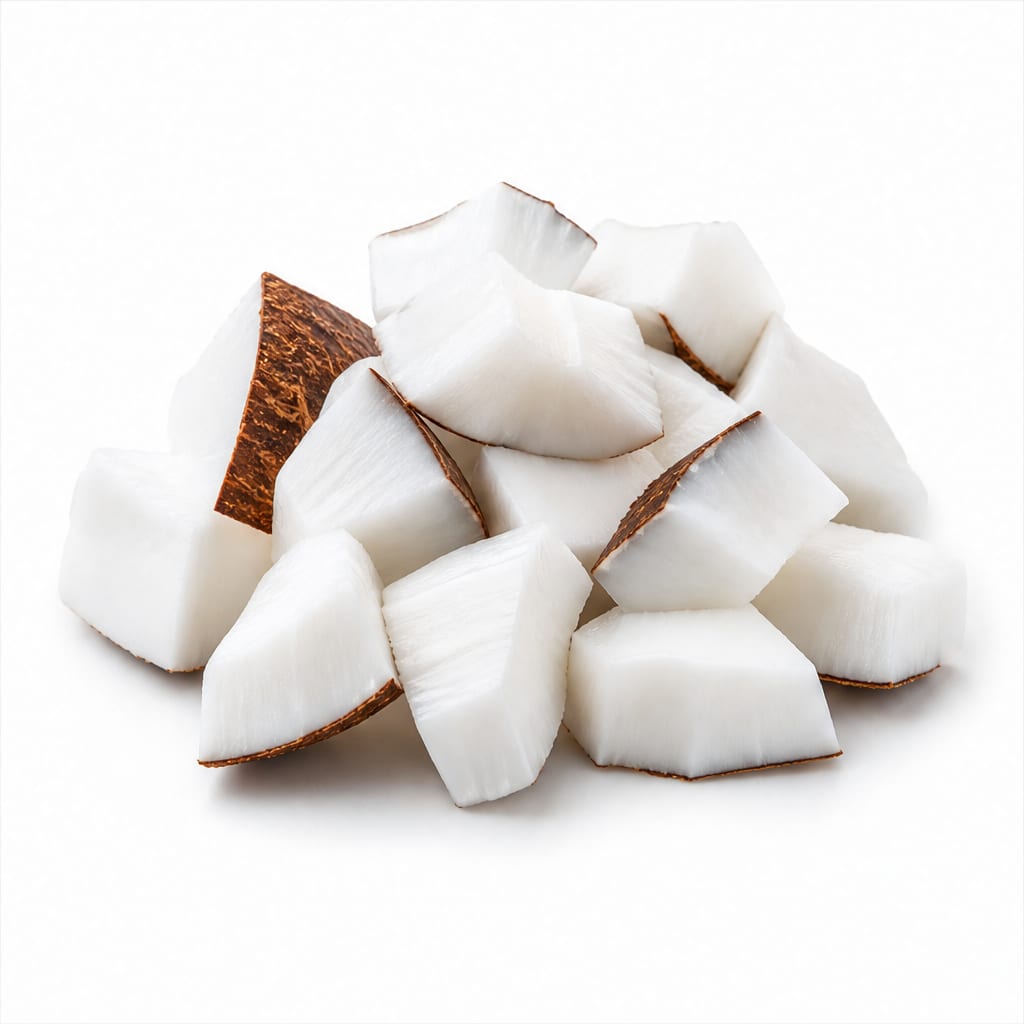
Compare with
Coconut Meat
Coconut meat is extremely high in saturated fat and fiber with minimal sugar, while durian contains monounsaturated fats and significant carbohydrates.
Coconut meat is very low in sugar but high in saturated fat, while durian offers a balance of carbs and monounsaturated fats for energy.
This food
Durian
VS65% alike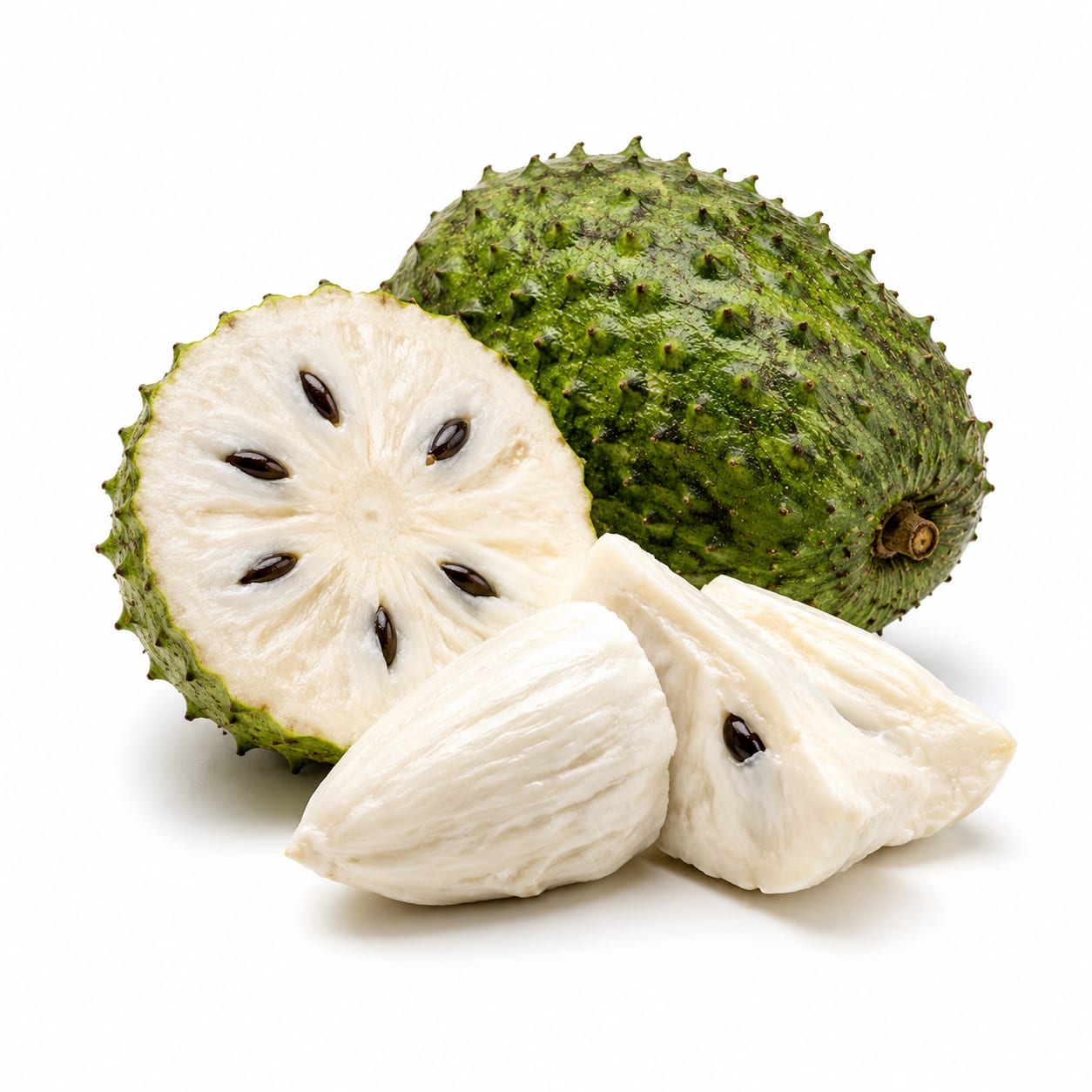
Compare with
Soursop
Soursop is low in fat and calories, relying mostly on carbs, while durian is a high-fat, high-calorie fruit.
Soursop is a lower-calorie tropical option, while durian provides much more energy and dietary fat.
This food
Durian
VS55% alike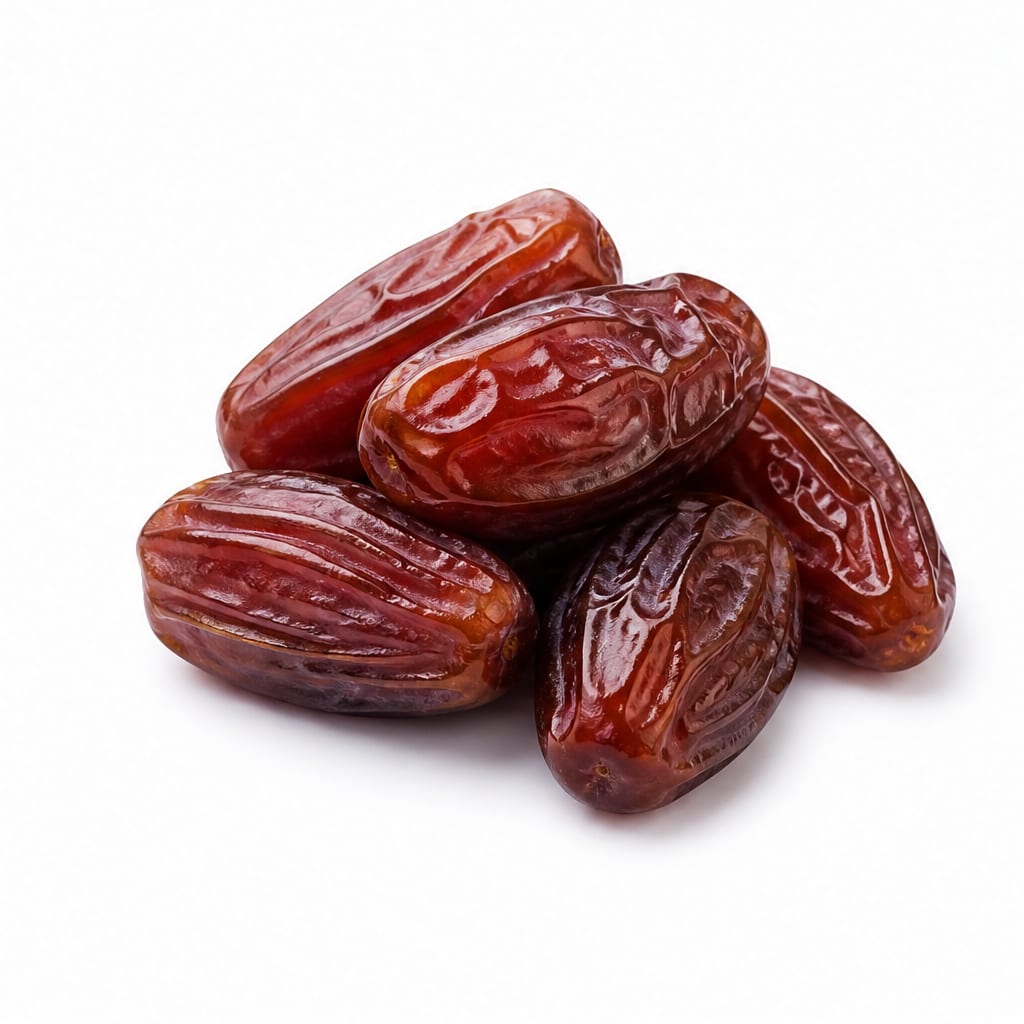
Compare with
Dates
Dates are almost purely carbohydrate and extremely sweet, while durian provides a mix of fats and carbs for slower energy release.
Dates provide rapid sugar for immediate energy, while durian offers a more sustained release due to its fat content.
This food
Durian
VS50% alike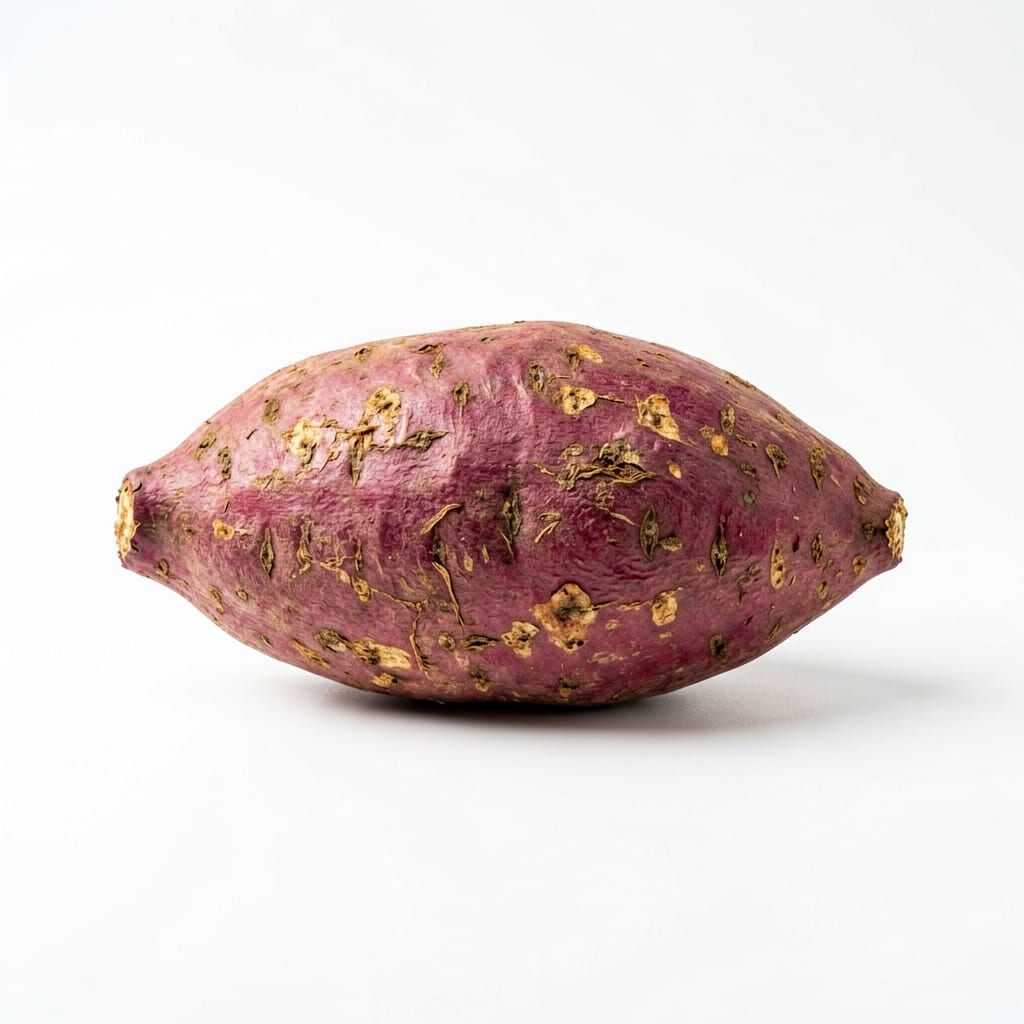
Compare with
Sweet Potato
Sweet potatoes are fat-free starchy root vegetables, while durian is a high-fat, moderate-carb fruit.
Sweet potatoes offer low-fat complex carbs, whereas durian provides a unique mix of dietary fat and carbohydrates.
This food
Durian
VS40% alike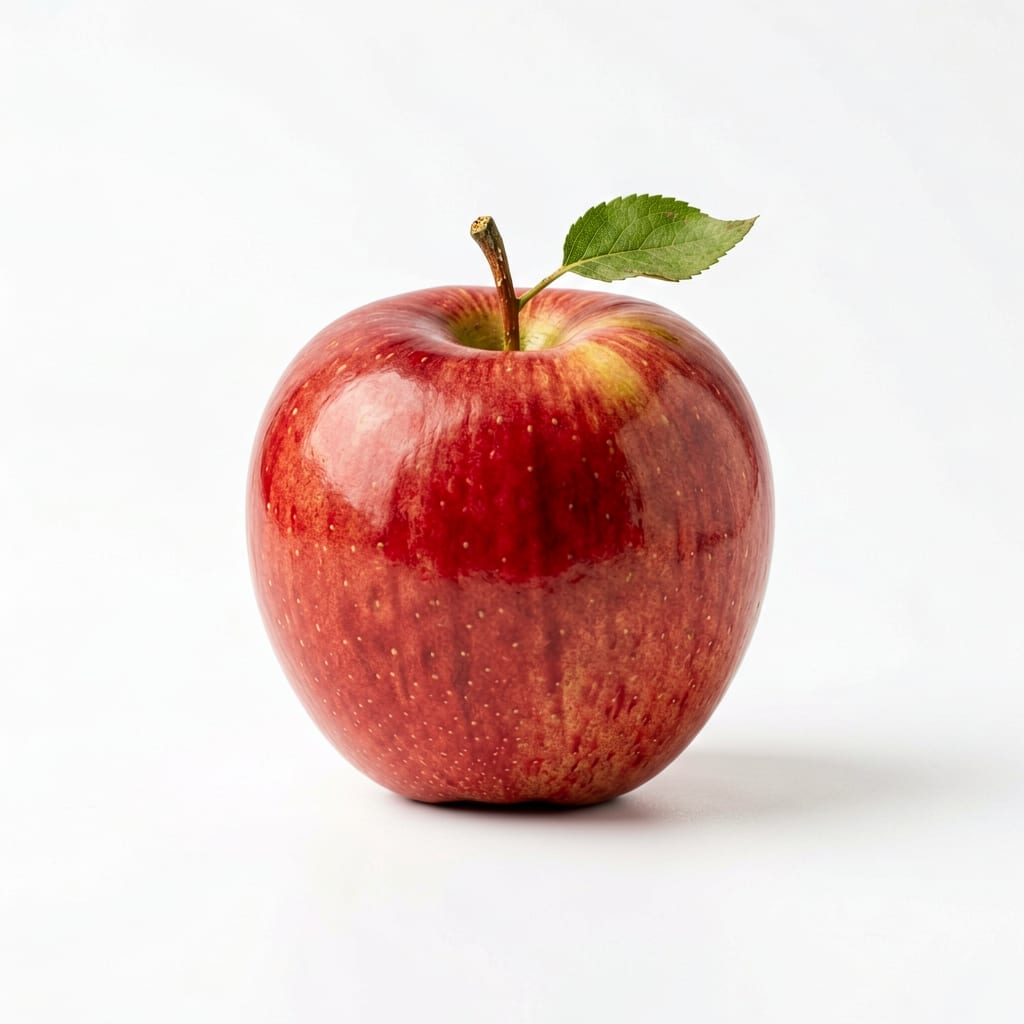
Compare with
Apple
Apples are low-calorie, high-water, fat-free fruits, whereas durian is highly caloric and fat-dense.
Apples are excellent for low-calorie snacking, while durian serves as a heavy, energy-packed fruit.
Common questions
FAQ
Answers aligned with how people search for this food.
Is durian good for weight loss?
Durian is not ideal for weight loss due to its high calorie and fat content. A small portion provides significant calories, making it easy to overconsume.
Can diabetics eat durian?
Diabetics can eat durian in strict moderation. It has a moderate glycemic index, but its high carbohydrate content can spike blood sugar if eaten in large amounts.
Why does durian smell so strong?
The pungent aroma comes from volatile sulfur compounds and esters produced as the fruit ripens. Some people find it sweet and fragrant, while others find it overpowering.
How many calories are in durian?
There are approximately 147 calories in 100 grams of durian, making it one of the most calorie-dense fruits available.
Is durian a high-fat fruit?
Yes, durian is uniquely high in fat for a fruit, containing about 5 grams of fat per 100 grams, mostly as healthy monounsaturated fats.
Does durian have protein?
Durian contains only a small amount of protein, about 1.5 grams per 100 grams. It is not a significant protein source.
Can you eat durian every day?
Eating durian daily is possible in small portions, but its high calorie density means it should be balanced within your daily energy needs to avoid weight gain.
Transparency
Data confidence
Estimated confidence for nutrition data, interpretation, safety notes, and comparisons.
Nutrition data
Health analysis
Food safety
Comparisons