
Nutrition comparison
Durian vs Banana: Nutrition, Calories, and Health Comparison
Compare Durian vs Banana to see which fruit fits your goals. Discover the calorie, sugar, and nutrient differences between Durian and Bananas.
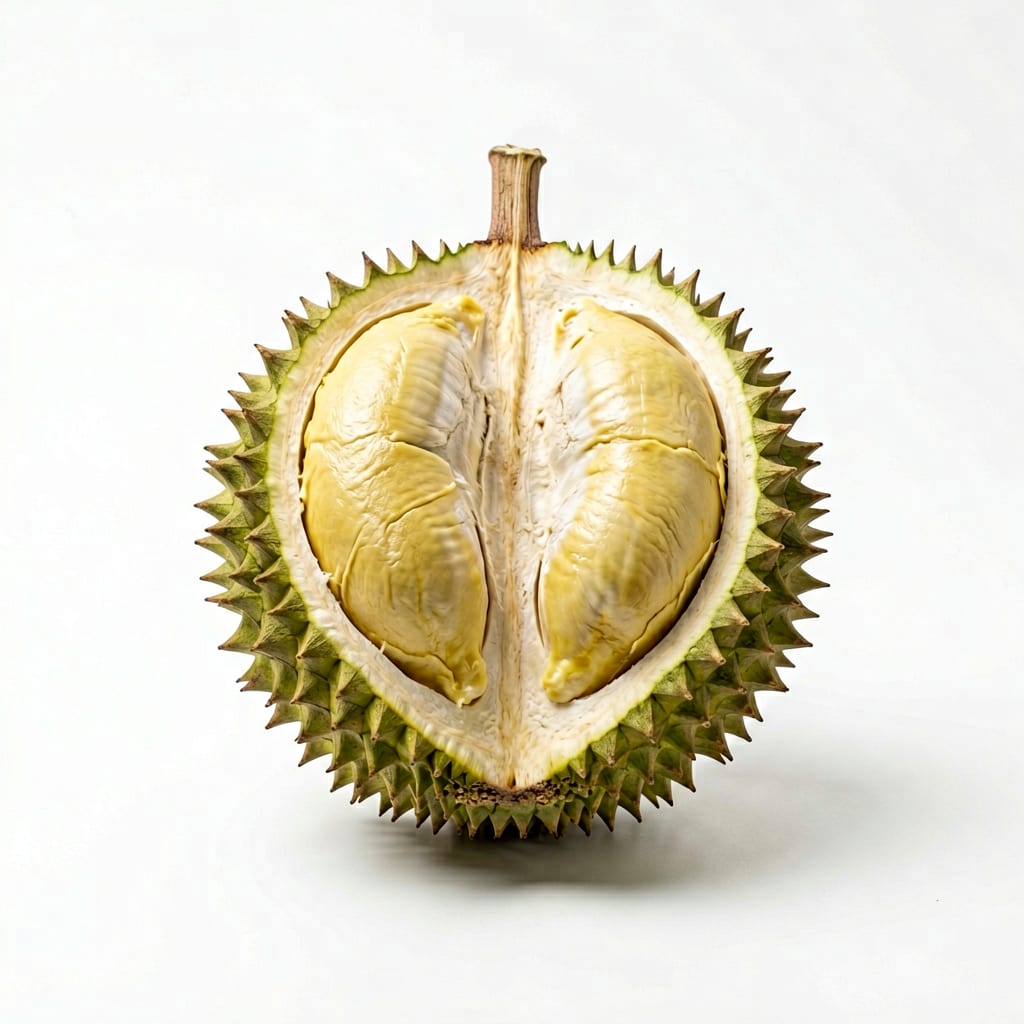
Durian
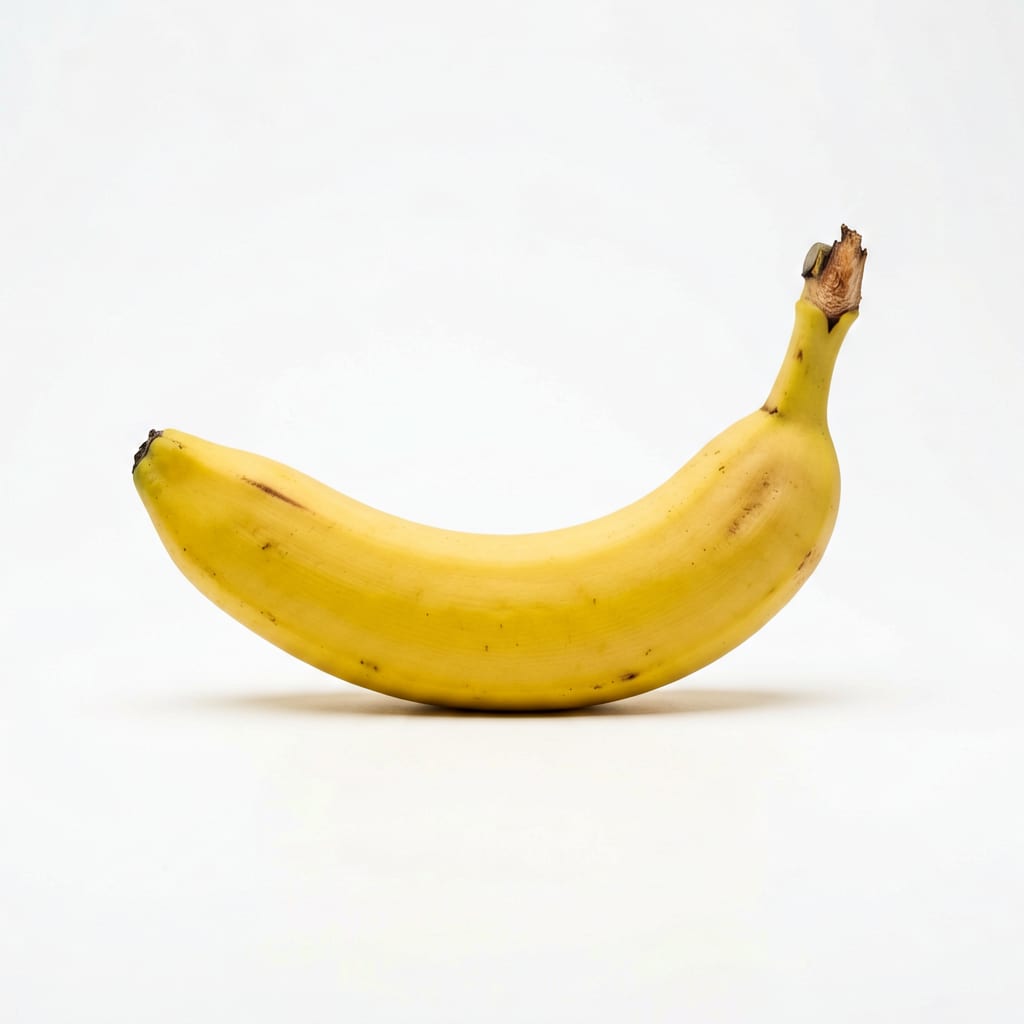
Banana
Durian delivers a massive nutrient and calorie hit, while Bananas provide quick, convenient, everyday energy with far fewer calories.
Banana wins on practicality and daily usability, while Durian is a nutrient powerhouse but too calorie-dense for regular consumption.
Nutrient and calorie density versus convenience and calorie control.
At a glance
Executive summary
Overall
It depends
Healthier
It depends
More practical
Banana
Daily use
Banana
Key comparison lenses
Calorie density and weight management
Durian is famously calorie-dense for a fruit, while Bananas are a standard moderate-calorie snack, making this the most critical daily tradeoff.
Convenience and social acceptability
Bananas are the ultimate portable food, whereas Durian is banned in many public spaces due to its odor, heavily impacting real-world use.
Nutrient density per serving
Durian offers a massive hit of B-vitamins and iron compared to Bananas, which matters for those seeking nutritional boosts.
Blood sugar and energy sustainability
Bananas provide quick energy, while Durian's fat and fiber offer slower, sustained energy, affecting how each fruit fits into a daily routine.
Best choice for
Durian
- Durian is best for nutrient-dense calorie loading
- Durian suits those needing an iron and B-vitamin boost
- Durian fits those wanting high-energy, satisfying treats
Banana
- Bananas are best for quick portable energy
- Bananas suit daily snack routines
- Bananas are ideal for pre-workout fuel
Least suitable for
Durian
- Durian is least suitable for strict calorie control
- Durian is a poor choice for public spaces due to its smell
- Durian is too heavy for light snacking
Banana
- Bananas are less suitable for those needing high-calorie intake
- Bananas may not suit severe sugar-restricted diets
- Bananas are insufficient for heavy bulking goals
Deep comparison
Dimension by dimension
Each lens scores both foods and breaks down who each option suits.
- Dimension 1 · Priority 95Banana
Calorie Density & Weight Management
Durian · 40Banana · 85Durian packs nearly twice the calories per serving of a Banana, making portion control critical.
Tradeoff
You get more nutrients per bite with Durian, but the calorie load adds up fast compared to Bananas.
Why it matters
Eating calorie-dense foods without realizing it is a common trap for weight gain.
Real-world impact
A few Durian pods can equal a full meal in calories, while a Banana is a light snack.
Durian
- Durian is better for healthy weight gain
- Durian suits high-calorie bulking diets
Better for
- Durian is worse for cutting phases
- Durian makes strict calorie tracking harder
Worse for
Banana
- Bananas are better for calorie-conscious snacking
- Bananas fit easily into weight loss plans
Better for
- Bananas may feel too light if you need serious calories
- Bananas alone will not satisfy high energy demands
Worse for
- Dimension 2 · Priority 85Durian
Nutrient Density (Micronutrients)
Durian · 92Banana · 70Durian is loaded with B-vitamins, vitamin C, and iron, easily outmatching Bananas in micronutrient concentration.
Tradeoff
Durian offers superior micronutrition per gram, but you pay for it with high calories and fat.
Why it matters
Getting enough vitamins and minerals often requires nutrient-dense foods, especially if you eat less overall.
Real-world impact
Eating Durian occasionally can boost your iron and B-vitamin intake significantly more than a Banana.
Durian
- Durian is better for fighting nutrient deficiencies
- Durian provides a rare fruit source of iron and healthy fats
Better for
- Durian's high fat content might surprise those expecting a typical watery fruit
Worse for
Banana
- Bananas are better for a quick potassium top-up without the calories
Better for
- Bananas fall short on iron, fat-soluble vitamins, and overall nutrient variety
Worse for
- Dimension 3 · Priority 90Banana
Convenience & Practicality
Durian · 25Banana · 98Bananas are the ultimate grab-and-go food, while Durian requires effort to open and is banned in many public spaces.
Tradeoff
You trade the convenience and social acceptability of a Banana for the rich, unique experience of Durian.
Why it matters
If a food is hard to eat or carry, you will naturally reach for it less often.
Real-world impact
You can eat a Banana at your desk or the gym, but Durian is strictly an at-home or specialized market treat.
Durian
- Durian is better for slow, mindful eating at home
Better for
- Durian is terrible for commuting or office snacks
- Durian's strong smell limits where you can eat it
Worse for
Banana
- Bananas are better for busy mornings
- Bananas are ideal for post-workout convenience
Better for
- Bananas can get easily bruised in a bag, but are still far more portable than Durian
Worse for
- Dimension 4 · Priority 80It depends
Blood Sugar & Energy Sustainability
Durian · 75Banana · 78Bananas offer rapid energy from simple carbs, whereas Durian provides slower, sustained energy due to its fat and fiber content.
Tradeoff
Bananas spike blood sugar faster but give quick fuel; Durian digests slowly, preventing crashes but feeling heavy.
Why it matters
Choosing the right energy source depends on whether you need an immediate boost or lasting fullness.
Real-world impact
Grab a Banana before a run for quick fuel, but choose Durian if you want to stay full for hours without a crash.
Durian
- Durian is better for sustained energy without a crash
- Durian's fat and fiber stabilize blood sugar over time
Better for
- Durian is too heavy for intense physical activity right after eating
Worse for
Banana
- Bananas are better for pre-workout quick fuel
- Bananas provide immediate energy when you feel sluggish
Better for
- Bananas can cause a quick energy crash if eaten without protein or fat
Worse for
- Dimension 5 · Priority 70Banana
Digestive Tolerance
Durian · 55Banana · 90Bananas are famously gentle on the stomach, while Durian can cause bloating or discomfort if eaten in large amounts.
Tradeoff
Bananas are a safe bet for sensitive stomachs, whereas Durian's richness demands strict portion control.
Why it matters
Digestive comfort dictates whether a food makes you feel energized or sluggish after eating.
Real-world impact
A Banana is a safe choice before a stressful meeting; a large Durian feast might leave you feeling overly full and bloated.
Durian
- Durian's fiber supports gut health in small portions
Better for
- Durian can cause heavy bloating if overeaten
- Durian's richness can trigger acid reflux in prone individuals
Worse for
Banana
- Bananas are excellent for settling an upset stomach
- Bananas are safe for almost all digestive sensitivities
Better for
- Underripe Bananas can cause constipation due to high resistant starch
Worse for
Timeline
Health impact over time
Short-term
Hours to days
Durian
- Immediate feeling of heavy fullness
- Quick satisfaction of sweet cravings with rich flavor
Banana
- Rapid energy lift
- Gentle settling of the stomach
Long-term
Months to years
Durian
- Risk of weight gain if consumed frequently due to high calories
- Improved micronutrient status from B-vitamins and iron
Banana
- Better blood pressure management from consistent potassium intake
- Potential for blood sugar issues if overconsumed without balancing fats or proteins
Risk profile
Safety & processing
Both Durian and Bananas are whole, minimally processed foods with no artificial additives, making them equally clean choices from a processing standpoint.
Durian
Alcohol interaction
mediumCombining Durian with alcohol can cause severe digestive distress, nausea, and a dangerous drop in blood pressure due to sulfur compounds inhibiting alcohol metabolism.
Overconsumption discomfort
mediumEating too much Durian at once can lead to intense bloating, stomach cramps, and a feeling of internal heat.
Banana
Pesticide residue
lowConventional Bananas are grown with pesticides, though the thick peel reduces direct ingestion; washing hands after peeling is advised.
Latex-fruit allergy
lowIndividuals with latex allergies may experience itching or swelling when eating Bananas due to cross-reactive proteins.
Who wins for whom
Audience fit
Same foods, different winners depending on your goal.
children
BananaBananas are mild, sweet, easy to digest, and pose no choking or smell barriers like Durian does.
daily consumption
BananaBananas are light, portable, and easy to eat every day without excessive calorie intake.
diabetes
It dependsBoth contain significant carbs; Bananas are easier to portion, but Durian's fat slows sugar absorption. Both require strict moderation.
elderly
BananaBananas are soft, easy to chew, and gentle on aging digestive systems, whereas Durian can feel too heavy.
muscle gain
DurianDurian's high calorie and carbohydrate content supports bulking phases better than Bananas.
weight loss
BananaBananas are much lower in calories and easier to portion control than Durian.
Your move
Decision guide
Choose Durian
- You need a calorie-dense, nutrient-rich treat
- You are bulking and want plant-based calories
- You enjoy the taste and are eating at home
Choose Banana
- You need quick, portable energy for your day
- You want a low-calorie, filling snack
- You have a sensitive stomach or need a pre-workout boost
Either works if
- You want a natural, unprocessed source of carbohydrates and potassium
- You need a whole-food energy boost before physical activity
Avoid both if
- You are on a strict ketogenic diet
- You have severe carbohydrate restrictions
Final recommendation
Choose Bananas for a reliable, everyday energy snack that fits easily into any lifestyle. Save Durian for occasional enjoyment when you want a rich, nutrient-dense treat and can afford the extra calories.
Practical
Consumer tips
- 1
Limit Durian to one or two pods per sitting to avoid calorie overload and bloating.
- 2
Freeze overripe Bananas to make naturally sweet, creamy smoothies or dairy-free ice cream.
- 3
Never consume Durian and alcohol in the same sitting to avoid severe digestive distress.
- 4
Choose slightly green Bananas if you want slower-digesting resistant starch for steadier blood sugar.