
Nutrition comparison
Durian vs Coconut Meat: Nutrition, Calories, and Health Comparison
Discover the nutritional differences between durian and coconut meat. Compare calories, fats, carbs, and which is better for keto, energy, and daily health.
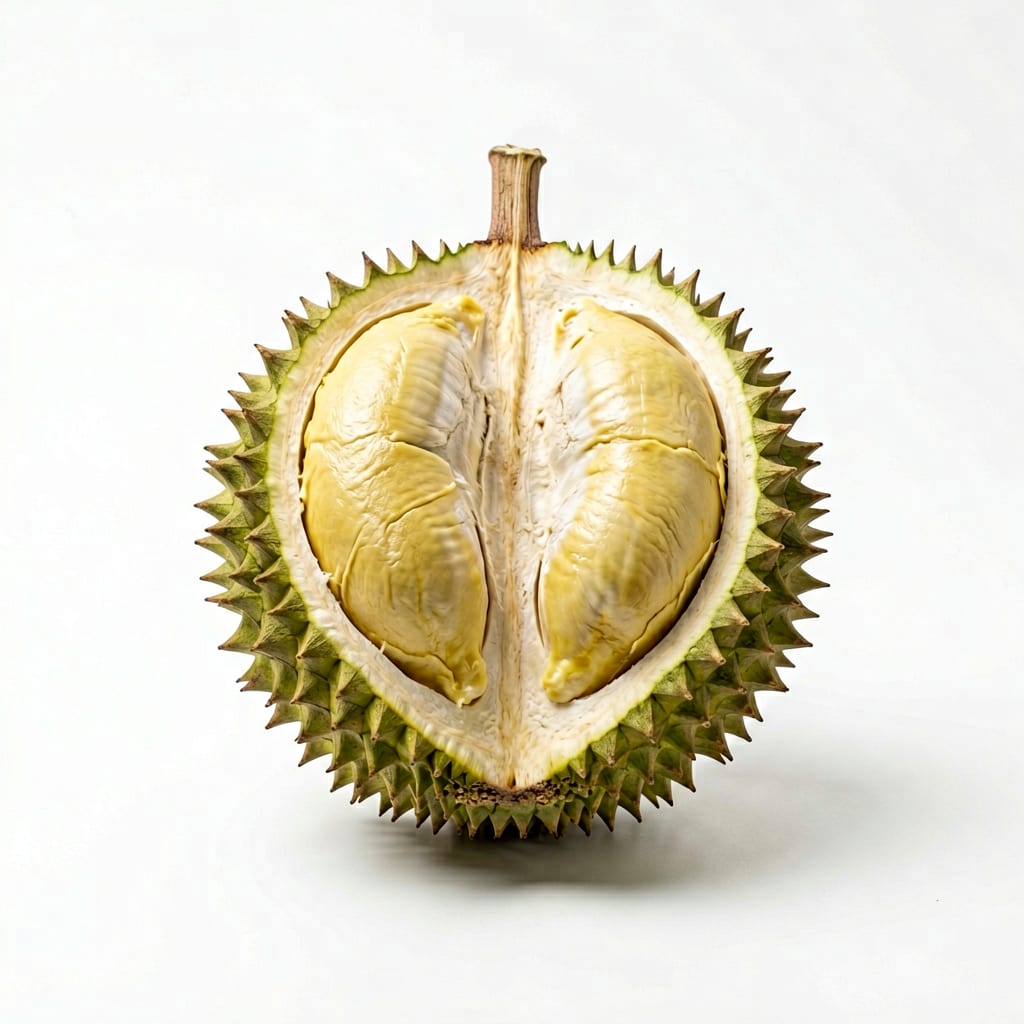
Durian
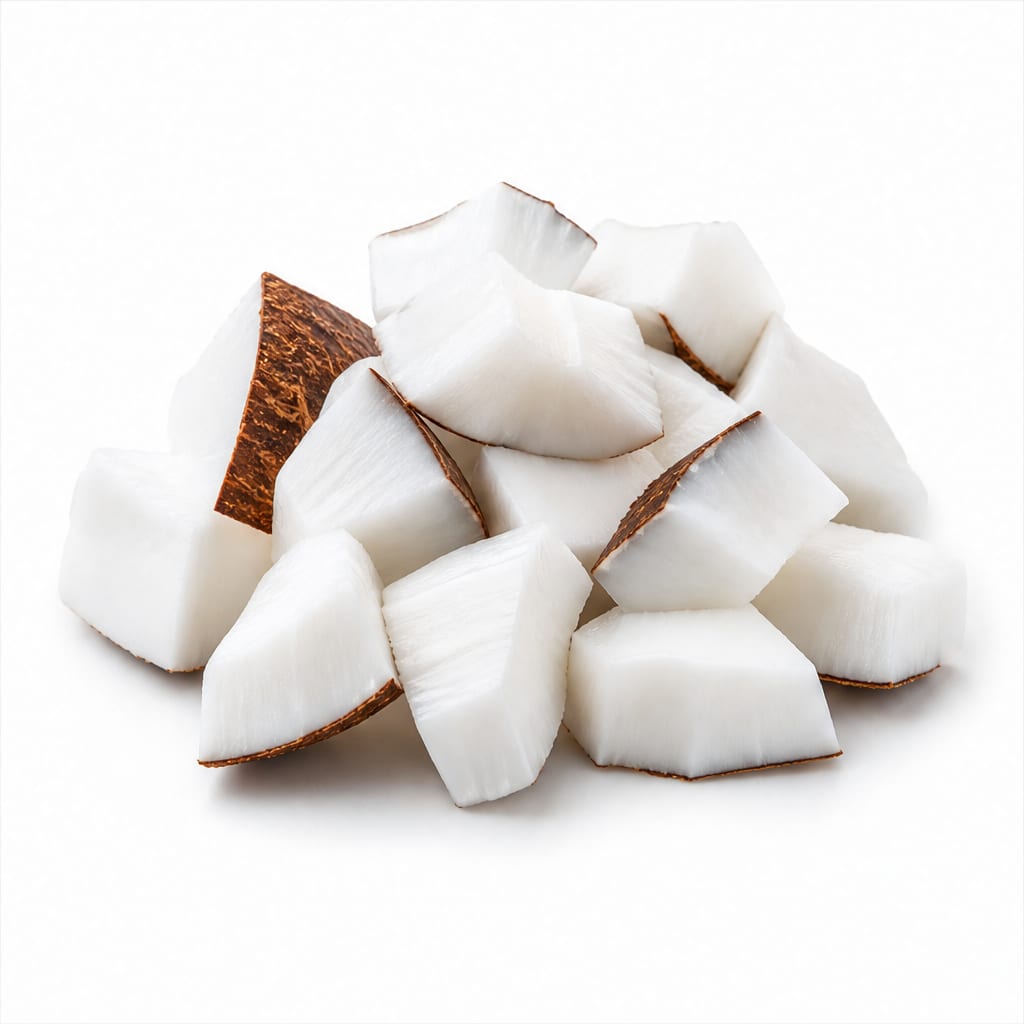
Coconut Meat
Durian offers carb-driven energy and broad micronutrients, while coconut meat provides low-carb, fat-driven fuel perfect for keto.
Scores are nearly tied because both serve very different dietary needs. Durian wins on micronutrients, but coconut meat wins on blood sugar stability and dietary versatility.
Quick carbohydrate energy and vitamin C from durian versus steady, zero-sugar saturated fat from coconut meat.
At a glance
Executive summary
Overall
It depends
Healthier
It depends
More practical
Coconut Meat
Daily use
Coconut Meat
Key comparison lenses
Carb vs Fat Energy Source
Durian provides quick carb energy while coconut meat delivers sustained fat energy, making them polar opposites for dietary approaches.
Keto and Low-Carb Compatibility
Coconut meat is a keto staple, whereas durian is one of the few fruits too high in carbs to fit strict low-carb diets.
Calorie Density and Portion Control
Both are extremely calorie-dense, making overconsumption a real risk for weight management.
Blood Sugar Impact
Durian can spike blood sugar, while coconut meat stabilizes it, which is critical for diabetics or metabolic health.
Best choice for
Durian
- People needing quick carbohydrate fuel before physical activity
- Those seeking a natural potassium and vitamin C boost
- Individuals not restricted by low-carb diets who enjoy rich, sweet flavors
Coconut Meat
- Strict keto or low-carb dieters
- People wanting steady fat-based energy without sugar crashes
- Those looking for a versatile, mild-flavored cooking ingredient
Least suitable for
Durian
- People managing diabetes or insulin resistance
- Those following a ketogenic diet
- Individuals sensitive to strong odors or prone to acid reflux
Coconut Meat
- People on low-fat or heart-healthy diets limiting saturated fat
- Those needing a quick carbohydrate energy spike
- Individuals looking for low-calorie snacking options
Deep comparison
Dimension by dimension
Each lens scores both foods and breaks down who each option suits.
- Dimension 1 · Priority 90It depends
Caloric & Energy Density
Durian · 85Coconut Meat · 85Both are highly caloric and pack a serious energy punch, but they deliver that energy through completely different macronutrients.
Tradeoff
Durian gives you fast energy from carbs, while coconut meat gives you slow, sustained energy from fats.
Why it matters
Your body handles these energy sources differently, affecting your stamina and hunger levels throughout the day.
Real-world impact
Eat durian before a long hike for quick fuel, or coconut meat as a keto-friendly snack to power through an afternoon without crashing.
Durian
- Quick pre-workout energy
- Carb-loading for endurance
Better for
- Sitting at a desk all day
- Late-night snacking
Worse for
Coconut Meat
- Sustained energy without sugar spikes
- Fasting-friendly fat fuel
Better for
- Needing an immediate energy burst
- Low-fat diet plans
Worse for
- Dimension 2 · Priority 95It depends
Macronutrient Fit (Carbs vs Fats)
Durian · 80Coconut Meat · 80Durian is carb-heavy with moderate fat, while coconut meat is almost entirely fat with minimal carbs.
Tradeoff
You must choose between carbohydrate fuel and high saturated fat fuel based on your dietary philosophy.
Why it matters
This makes them incompatible with opposite diets; one breaks ketosis, the other supports it.
Real-world impact
Durian will derail a keto diet, while coconut meat fits seamlessly into a low-carb lifestyle.
Durian
- Balanced macro diets
- Replenishing glycogen stores
Better for
- Strict keto diets
- Blood sugar management
Worse for
Coconut Meat
- Ketogenic diets
- Low-carb meal plans
Better for
- High-carb athletic diets
- Low-fat dietary protocols
Worse for
- Dimension 3 · Priority 85Coconut Meat
Blood Sugar Stability
Durian · 45Coconut Meat · 90Coconut meat has minimal impact on blood sugar, while durian can cause noticeable spikes due to its sugar content.
Tradeoff
Durian offers sweet satisfaction but comes with a glycemic cost, whereas coconut meat avoids the sugar rollercoaster entirely.
Why it matters
Blood sugar crashes lead to fatigue, cravings, and long-term metabolic strain.
Real-world impact
Coconut meat keeps your energy steady all afternoon, while a large portion of durian might leave you reaching for a nap.
Durian
- Preventing hypoglycemia during intense activity
- Quick recovery from a blood sugar dip
Better for
- Insulin resistance
- Sedentary evenings
Worse for
Coconut Meat
- Managing diabetes
- Avoiding afternoon energy crashes
- Intermittent fasting
Better for
- Acute low blood sugar episodes
Worse for
- Dimension 4 · Priority 75Durian
Micronutrient Density
Durian · 90Coconut Meat · 60Durian is loaded with vitamin C, potassium, and B vitamins, while coconut meat offers manganese and copper but less overall variety.
Tradeoff
Durian provides broader nutritional support for immunity and energy metabolism, while coconut meat is more limited.
Why it matters
Micronutrients are essential for long-term vitality, immune defense, and electrolyte balance.
Real-world impact
Eating durian helps you hit your daily vitamin and mineral targets much easier than coconut meat.
Durian
- Boosting immune function
- Replenishing electrolytes after sweating
Better for
- Those watching potassium intake due to kidney issues
Worse for
Coconut Meat
- Supporting bone health via manganese
- Supporting iron absorption via copper
Better for
- Correcting vitamin C deficiencies
- Broad-spectrum nutrient replenishment
Worse for
- Dimension 5 · Priority 80Coconut Meat
Digestive Comfort & Tolerance
Durian · 50Coconut Meat · 70Durian can cause bloating and a 'heating' sensation, while coconut meat's high fat can slow digestion but is generally well-tolerated in small amounts.
Tradeoff
Durian's fermentable fibers may upset sensitive stomachs, whereas coconut's fat can cause heaviness if overeaten.
Why it matters
Digestive discomfort ruins the benefit of eating healthy foods and disrupts your daily routine.
Real-world impact
Overeating durian often leads to indigestion or stomach warmth, while too much coconut meat just makes you feel overly full.
Durian
- Promoting bowel regularity via fiber
Better for
- Irritable bowel syndrome (IBS)
- Acid reflux or GERD
Worse for
Coconut Meat
- Gentle on blood sugar-related digestion
- Easier to eat small, controlled portions
Better for
- Gallbladder issues
- Fat malabsorption
Worse for
Timeline
Health impact over time
Short-term
Hours to days
Durian
- Rapid energy boost from natural sugars
- Potential feeling of body warmth or bloating
- Quick rise in blood sugar
Coconut Meat
- Immediate satiety from high fat content
- Steady energy without a sugar spike
- Possible feeling of heaviness if overeaten
Long-term
Months to years
Durian
- Improved nutrient intake from vitamins and minerals
- Potential weight gain if large portions are consumed regularly
- Better electrolyte balance from high potassium
Coconut Meat
- Sustained low-carb metabolic state
- Potential increase in LDL cholesterol from saturated fat
- Consistent energy without glycemic stress
Risk profile
Safety & processing
Both durian and coconut meat are whole, natural foods when purchased fresh or dried without added sugars, carrying minimal risk of hidden additives.
Durian
Alcohol interaction
highConsuming durian with alcohol severely inhibits aldehyde dehydrogenase, leading to toxic buildup, severe bloating, and heart palpitations.
Overconsumption discomfort
mediumEating too much can cause intense stomach discomfort, nausea, and a traditional 'heaty' sensation in the body.
Coconut Meat
Saturated fat overload
mediumHigh saturated fat content may raise LDL cholesterol in susceptible individuals, impacting heart health over time.
Hidden sugars in packaged versions
mediumSweetened coconut flakes often contain added sugars that negate the natural low-carb benefit.
Who wins for whom
Audience fit
Same foods, different winners depending on your goal.
children
Coconut MeatCoconut meat is easier to portion, lacks the intense odor children often dislike, and provides safe fat energy.
daily consumption
Coconut MeatCoconut meat is easier to incorporate into daily meals without overwhelming flavor or digestive discomfort.
diabetes
Coconut MeatCoconut meat's near-zero carbs make it vastly superior for avoiding blood sugar spikes compared to durian.
elderly
Coconut MeatBetter for managing blood sugar and easier to digest in small amounts, avoiding the digestive heaviness of durian.
muscle gain
It dependsDurian offers carbs for glycogen replenishment post-workout, while coconut meat offers calorie-dense fats, but neither provides significant protein.
weight loss
It dependsBoth are very calorie-dense, making portion control critical for either to work in a weight loss plan.
Your move
Decision guide
Choose Durian
- You need carbohydrate energy for physical activity
- You want a micronutrient-rich fruit treat
- You are not on a low-carb diet and enjoy the unique flavor
Choose Coconut Meat
- You follow a keto or low-carb lifestyle
- You want a zero-sugar energy source
- You need a versatile ingredient for cooking or snacking
Either works if
- You need a high-calorie natural food source
- You want plant-based energy density
Avoid both if
- You are strictly counting calories for weight loss
- You have difficulty controlling portions with rich foods
Final recommendation
Choose durian when you need carb-driven energy and a micronutrient boost, but keep portions small to avoid sugar spikes and stomach warmth. Opt for coconut meat if you live a low-carb lifestyle or need steady, fat-based energy without the glycemic rollercoaster.
Practical
Consumer tips
- 1
Limit durian to 2-3 pods per sitting to avoid calorie and sugar overload.
- 2
Never consume durian alongside alcoholic beverages due to dangerous metabolic interactions.
- 3
Choose unsweetened, raw coconut meat over sweetened flakes to avoid hidden sugars and carbs.
- 4
Store coconut meat in the fridge to preserve its natural oils and prevent rancidity.