
Nutrition comparison
Durian vs Apple: Which Fruit Is Better for Daily Health?
Compare durian and apple side by side — calories, nutrients, blood sugar impact, safety, and practicality. Find out which fruit fits your health goals and lifestyle.
Overall winner · Apple

Durian
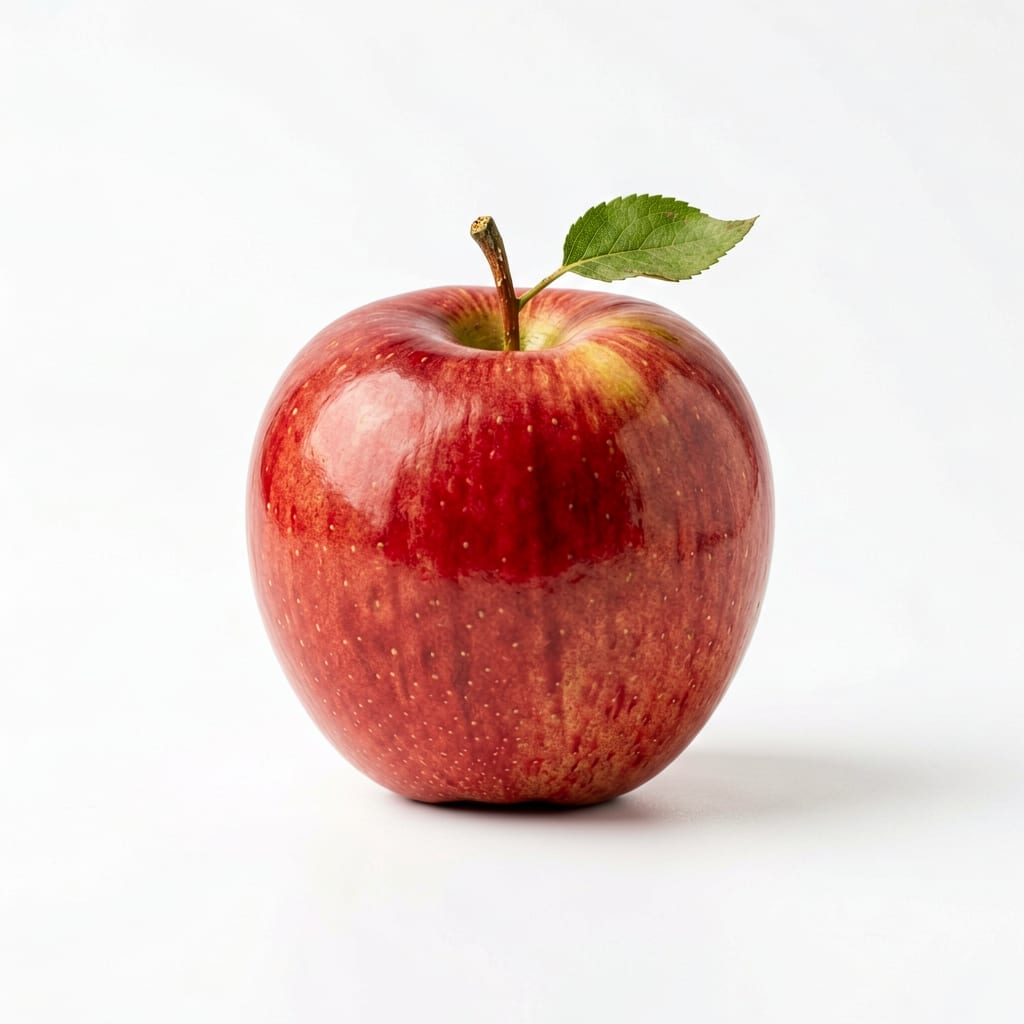
Apple
Apples win for everyday eating due to low calories, easy availability, and universal convenience. Durian is a nutrient-packed indulgence best enjoyed occasionally.
Apples score significantly higher due to everyday practicality, low calorie density, and universal accessibility. Durian earns respectable marks for nutrient richness but loses ground on calories, availability, odor restrictions, and safety concerns that limit regular use.
Durian delivers far more nutrients per bite but at nearly triple the calories and with serious practical drawbacks. Apples give you simplicity, portability, and guilt-free daily snacking.
At a glance
Executive summary
Overall
Apple
Healthier
Apple
More practical
Apple
Daily use
Apple
Key comparison lenses
calorie density and weight management
Durian is one of the most calorie-dense fruits available, while apples are light and low-calorie, making this the dominant tradeoff
daily eating practicality
Apples can be eaten anywhere anytime; durian has strong odor restrictions, seasonal availability, and social limitations
blood sugar and energy stability
Both are sugary fruits but with very different glycemic impacts and portion control challenges
nutrient breadth vs leanness
Durian offers unusual fats and B vitamins for a fruit; apples offer simplicity and fiber with minimal calories
safety and digestive tolerance
Durian carries alcohol interaction risks and digestive discomfort potential that apples do not
Best choice for
Durian
- People needing calorie-dense natural foods for weight gain
- Those seeking plant-based B vitamins and healthy fats from fruit
- Adventurous eaters wanting nutrient-rich tropical fruit occasionally
Apple
- Anyone managing weight or watching calorie intake
- People who want a reliable daily fruit habit
- Those needing a portable, office-friendly, odor-free snack
Least suitable for
Durian
- People trying to lose weight or control portions
- Anyone with blood sugar concerns who struggles with portion control
- Those in shared living or office spaces where strong odors are problematic
Apple
- Someone actively trying to gain weight who needs calorie-dense foods
- Those seeking significant fat or B-vitamin intake from fruit alone
Deep comparison
Dimension by dimension
Each lens scores both foods and breaks down who each option suits.
- Dimension 1 · Priority 92Apple
calorie_efficiency
Durian · 30Apple · 88Apples deliver satisfying crunch and sweetness at roughly one-third the calories of durian per 100 grams.
Tradeoff
Durian packs more nutrients per serving but costs you nearly 150 calories per 100g versus just 52 for an apple.
Why it matters
If you snack on fruit multiple times daily, choosing durian could easily add 300+ extra calories without feeling like you ate more.
Real-world impact
An afternoon apple costs you about 95 calories. A similar-sized durian portion can run 300-400 calories before you feel full.
Durian
- Underweight individuals needing calorie-dense natural food
- Endurance athletes replenishing serious energy after long efforts
Better for
- Mindless snacking while watching TV
- Multiple servings per day as a casual fruit
Worse for
Apple
- Anyone tracking calories for weight loss
- People who snack frequently throughout the day
Better for
- Situations where you genuinely need concentrated energy in a small package
Worse for
- Dimension 2 · Priority 82Durian
nutrient_density
Durian · 85Apple · 60Durian is unusually rich for a fruit, offering healthy fats, B vitamins, copper, and potassium in amounts apples cannot match.
Tradeoff
You get more nutrition per bite with durian, but also more calories. Apples give you decent nutrition with far fewer calories attached.
Why it matters
Durian is one of the only fruits with meaningful fat content, making it uniquely satiating among fruits.
Real-world impact
A durian serving can contribute meaningfully to your daily B-vitamin and mineral intake. An apple mostly gives you fiber and vitamin C with modest minerals.
Durian
- Plant-based eaters seeking fruit-sourced fats and B vitamins
- Those wanting maximum nutrition from limited food volume
Better for
- Those already meeting nutrient needs through other foods who would just add excess calories
Worse for
Apple
- People who get their fats and proteins from other sources already
- Anyone prioritizing nutrient-per-calorie ratios
Better for
- Very restricted diets where every food must contribute diverse nutrients
Worse for
- Dimension 3 · Priority 80Apple
blood_sugar_stability
Durian · 45Apple · 72Apples have a lower glycemic index and are easier to portion-control, making them friendlier for stable blood sugar.
Tradeoff
Durian's fat content slows sugar absorption somewhat, but its sheer carbohydrate load per serving makes portion control critical.
Why it matters
A single durian serving can deliver 30-40g of carbs. That is a lot for one snack if you are watching blood sugar.
Real-world impact
An apple gives you a gentle energy lift. A durian portion can spike blood sugar if you eat too much, which is easy to do because it tastes rich and addictive.
Durian
- Active people who will burn through the carbs quickly
- Those who eat small, measured portions and stop
Better for
- Diabetics who struggle with portion discipline
- Late-night snacking when activity is low
Worse for
Apple
- People with insulin resistance or prediabetes
- Anyone wanting steady energy without crashes
Better for
- Situations where you need quick, substantial energy replenishment
Worse for
- Dimension 4 · Priority 88Apple
daily_practicality
Durian · 20Apple · 95Apples are arguably the most convenient fruit on earth. Durian is among the least practical.
Tradeoff
Apples are available year-round everywhere, store well, travel easily, and offend nobody. Durian is seasonal, expensive, perishable, and banned in many public spaces.
Why it matters
The best healthy food is the one you actually eat consistently. Convenience drives consistency.
Real-world impact
You can toss an apple in your bag and eat it at your desk, in your car, or on a walk. Durian requires planning, proper tools, ventilation, and social awareness.
Durian
- Special occasions and cultural celebrations where durian is traditional
- Weekend enjoyment at home with proper preparation
Better for
- Hotels, public transit, offices, and any enclosed shared space
- Quick grab-and-go mornings
Worse for
Apple
- Work lunches and commute snacking
- Travel, hiking, and on-the-go fuel
- Shared office environments
Better for
- None significant — apples are practically the definition of convenient fruit
Worse for
- Dimension 5 · Priority 75Durian
satiety_and_fullness
Durian · 82Apple · 65Durian's fat and calorie content makes it genuinely filling. Apples satisfy through fiber and crunch but leave you hungry sooner.
Tradeoff
Durian keeps you full longer per serving, but that fullness comes with a heavy calorie price tag.
Why it matters
If you need one snack to carry you from lunch to dinner, durian does the job better — if you can control the portion.
Real-world impact
A durian portion at 3pm can kill your appetite until dinner. An apple at 3pm might only buy you 90 minutes before you want more food.
Durian
- Long gaps between meals where you need sustained fullness
- Replacing a small meal rather than adding a snack
Better for
- Situations where you want a light bite without feeling heavy and sluggish
Worse for
Apple
- Light snacking where you want to stay hungry for your next meal
- Controlling appetite without overconsuming calories
Better for
- Intense hunger moments when only something rich and filling will do
Worse for
- Dimension 6 · Priority 70Apple
safety_and_tolerance
Durian · 40Apple · 90Apples are safe for nearly everyone. Durian carries unique risks including dangerous alcohol interactions and digestive distress.
Tradeoff
Durian's sulfur compounds create real health risks when mixed with alcohol and can cause bloating or stomach upset even alone.
Why it matters
The durian-alcohol interaction is not a myth — it can cause severe discomfort, nausea, and in extreme cases more serious symptoms.
Real-world impact
Eating durian at a dinner party where wine is served is genuinely risky. An apple at the same party is completely harmless.
Durian
- Sober occasions with no alcohol present
- People who have eaten durian before and know their tolerance
Better for
- Bars, restaurants, celebrations with drinking
- First-time eaters with unknown digestive reactions
Worse for
Apple
- Any social setting where alcohol might be consumed
- People with sensitive digestion trying new foods
Better for
- None significant — apples are among the safest common fruits
Worse for
Timeline
Health impact over time
Short-term
Hours to days
Durian
- Quick energy from dense carbs and fat, but risk of feeling overly full or sluggish
- Potential bloating or mild stomach discomfort, especially for first-time eaters
- Strong body odor that can persist hours after eating
Apple
- Light, clean energy boost without heaviness
- Gentle fiber that aids digestion without discomfort
- Hydration support from high water content
Long-term
Months to years
Durian
- Occasional durian provides beneficial fats, B vitamins, and minerals that support nerve and immune health
- Regular consumption risks calorie surplus and weight gain if portions are not carefully managed
- Sustained intake may elevate blood sugar patterns if eaten in large quantities frequently
Apple
- Daily apple consumption supports heart health through soluble fiber and polyphenols
- Consistent low-calorie fruit intake helps maintain healthy weight long-term
- Regular fiber supports gut microbiome diversity and digestive regularity
Risk profile
Safety & processing
Both durian and apple are whole, unprocessed fruits you eat in their natural state. Neither carries additive concerns when consumed fresh. The main difference is that durian is more commonly found frozen or in processed desserts, which can add sugar and reduce its natural advantage.
Durian
Alcohol interaction
highCombining durian with alcohol can cause severe nausea, vomiting, heart palpitations, and discomfort. The sulfur compounds inhibit aldehyde dehydrogenase, creating a disulfiram-like reaction. Avoid alcohol for 8-12 hours after eating durian.
Digestive intolerance
mediumFirst-time eaters may experience bloating, gas, or stomach cramps due to the high fat and fiber load. Start with small portions.
Overconsumption calorie load
mediumThe rich taste makes it easy to overeat. A single durian fruit can exceed 1,300 calories, which is more than many full meals.
Apple
Pesticide residue on conventionally grown apples
mediumApples consistently rank high on pesticide residue lists. Washing helps but does not remove all residues. Peeling removes most but also removes fiber and nutrients.
Choking hazard for young children
lowWhole apples can be a choking risk for children under 4. Cut into thin slices for safe consumption.
Who wins for whom
Audience fit
Same foods, different winners depending on your goal.
children
AppleApples are kid-friendly, safe, mild in flavor, and easy to portion. Durian's strong taste, digestive risks, and alcohol interaction potential make it inappropriate for children.
daily consumption
AppleApples are sustainable as a daily fruit habit — affordable, available, and low-risk. Durian is best enjoyed weekly or monthly as a treat, not a staple.
diabetes
AppleApples have a lower glycemic load per serving and are far easier to portion-control. Durian's high carb content per typical serving makes blood sugar management harder.
elderly
AppleApples are gentle, hydrating, and easy to digest. Durian's heaviness and potential for digestive upset make it a riskier choice for older adults with sensitive systems.
muscle gain
DurianDurian provides more calories and a small amount of fat that supports hormone production, making it slightly more useful in a bulking context, though neither fruit is a muscle-building food.
weight loss
AppleAt roughly one-third the calories per serving with strong fiber content, apples support weight loss far more effectively than calorie-dense durian.
Your move
Decision guide
Choose Durian
- You are underweight or actively bulking and need calorie-dense whole foods
- You want a nutrient-rich tropical fruit experience for occasional enjoyment
- You follow a plant-based diet and want fruit-sourced fats and B vitamins
- You are preparing a special meal or cultural celebration where durian is traditional
Choose Apple
- You want a reliable daily fruit that supports weight management
- You need a portable, office-friendly snack that works anywhere
- You are managing blood sugar, watching calories, or trying to lose weight
- You want something you can eat mindfully without overdoing calories
Either works if
- You simply want whole fruit as part of a balanced diet and can manage portions
- You are healthy, active, and not restricting calories or managing a condition
Avoid both if
- You have a fructose intolerance or FODMAP sensitivity that triggers symptoms from any high-sugar fruit
Final recommendation
Make apples your everyday fruit. They are affordable, portable, low-calorie, and safe in any setting. Save durian for occasional enjoyment when you can savor it properly at home, away from alcohol, and in a controlled portion. Think of durian as dessert, not your daily fruit.
Practical
Consumer tips
- 1
If you try durian for the first time, start with a small portion the size of a golf ball to test your digestive tolerance
- 2
Never consume alcohol within 8-12 hours of eating durian — the interaction is real and unpleasant
- 3
Choose organic apples when possible to reduce pesticide exposure, especially if you eat the skin
- 4
Freeze durian flesh for up to 2 months if you have leftover portions — it thaws well for smoothies
- 5
If weight management is your goal, pre-portion durian into 100g servings to avoid accidental overconsumption
- 6
Pair apple slices with a tablespoon of nut butter to add staying power without many extra calories