
Nutrition comparison
Durian vs Avocado: Which High-Fat Fruit Is Healthier?
Compare Durian and Avocado on nutrition, fats, sugar, and daily practicality. Find out which fruit is better for weight loss, heart health, and keto diets.
Overall winner · Avocado
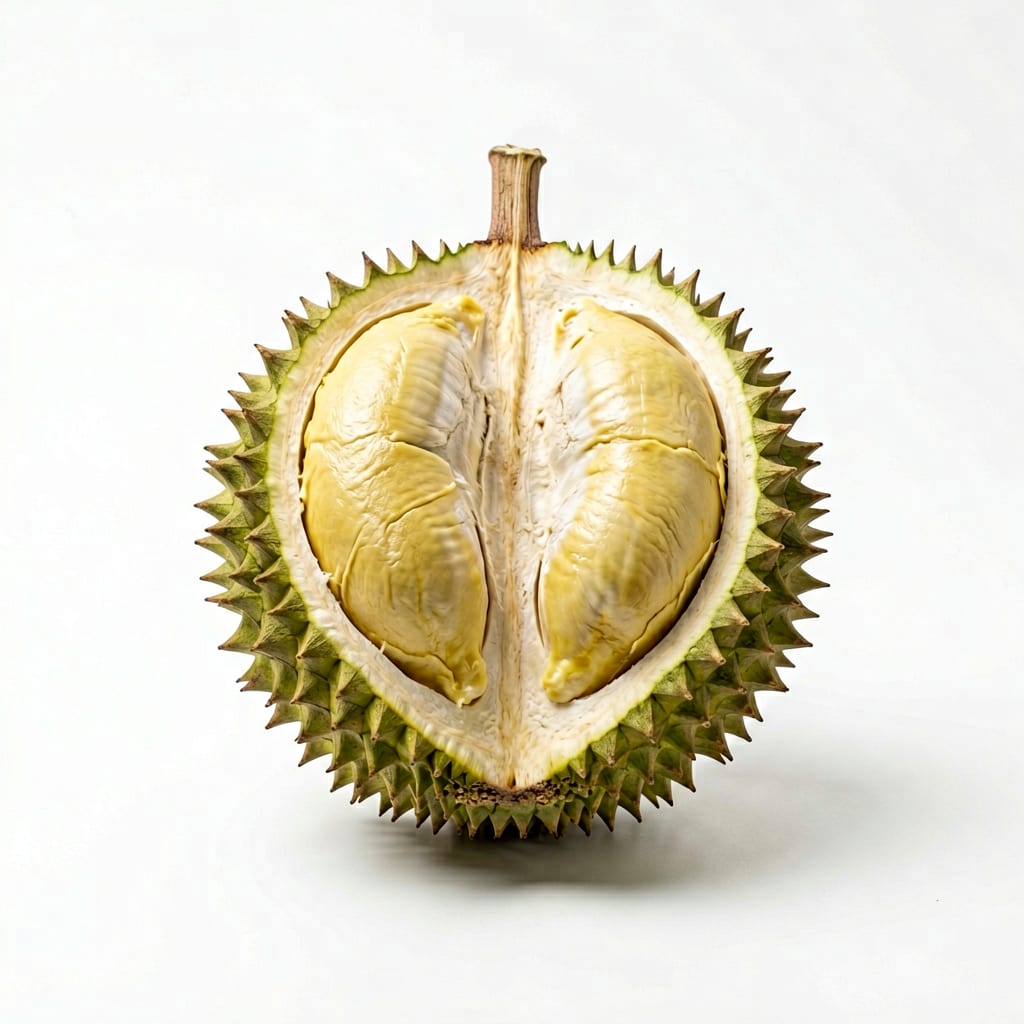
Durian
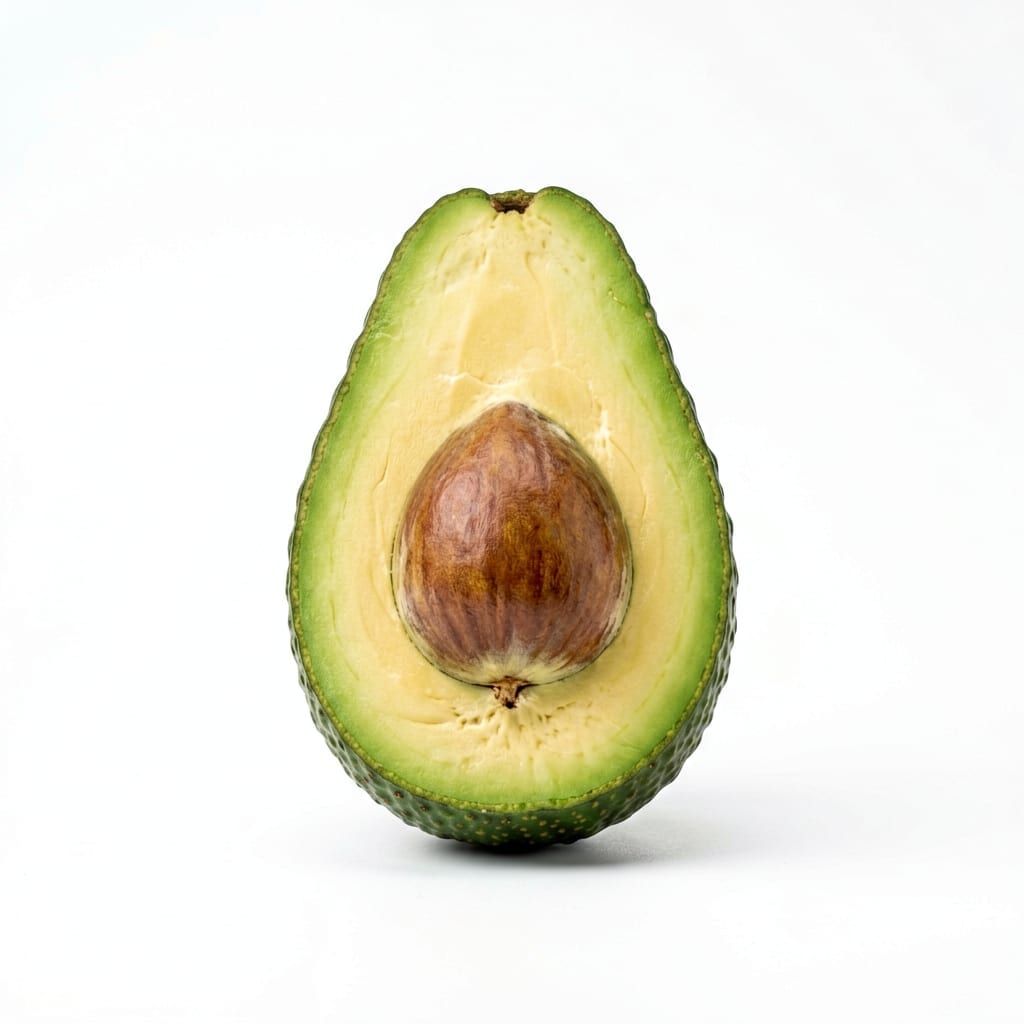
Avocado
Avocado wins for daily nutrition and heart health, while Durian is a high-sugar tropical treat best enjoyed in moderation.
Avocado scores significantly higher due to its superior fat profile, zero sugar content, and everyday versatility. Durian is nutritious but its high sugar and saturated fat content keep its score lower for regular consumption.
Avocado offers heart-healthy fats with almost no sugar, whereas Durian provides an energy and vitamin C boost but comes with heavy carbs and a pungent aroma.
At a glance
Executive summary
Overall
Avocado
Healthier
Avocado
More practical
Avocado
Daily use
Avocado
Key comparison lenses
Fat quality and heart health impact
Both are high-fat fruits, but the type of fat differs drastically, affecting cardiovascular outcomes.
Sugar content and blood sugar stability
Avocado is nearly sugar-free while Durian is surprisingly high in carbs, making this a critical differentiator.
Daily practicality and culinary versatility
Avocado is a kitchen staple, whereas Durian is highly polarizing and restricted in many public spaces.
Calorie density and portion control
Both are calorie-dense, but the sugar in Durian makes it much easier to overconsume.
Best choice for
Durian
- Athletes needing quick carbs post-workout
- People seeking a calorie-dense energy boost
- Those wanting a vitamin C rich tropical treat
Avocado
- Heart health conscious individuals
- Low-carb or keto dieters
- People wanting a versatile, daily healthy fat source
Least suitable for
Durian
- Diabetics managing blood sugar
- People on strict low-carb diets
- Those sensitive to strong smells or living in shared spaces
Avocado
- People on extremely low-fat diets
- Those strictly counting calories who struggle with portion control
Deep comparison
Dimension by dimension
Each lens scores both foods and breaks down who each option suits.
- Dimension 1 · Priority 95Avocado
Fat Profile & Heart Health
Durian · 40Avocado · 95Avocado is loaded with heart-healthy monounsaturated fats, while Durian's fat content includes more saturated fat.
Tradeoff
You get a creamy texture from both, but Avocado supports cardiovascular health better, whereas Durian's fats are more neutral or slightly less beneficial.
Why it matters
Monounsaturated fats lower bad cholesterol, while too much saturated fat can raise it.
Real-world impact
Eating Avocado daily can improve heart health markers over time; eating Durian daily might not offer the same cardiovascular benefits.
Durian
- Quick energy in cold climates
Better for
- Strict heart-healthy diets
Worse for
Avocado
- Lowering cholesterol
- Sustained satiety without sugar crash
Better for
- Very low-fat diet protocols
Worse for
- Dimension 2 · Priority 90Avocado
Blood Sugar & Carb Load
Durian · 30Avocado · 90Avocado has virtually zero sugar and is very low in net carbs, making it blood-sugar friendly. Durian is surprisingly high in carbs and sugar for a fruit.
Tradeoff
Durian provides quick energy from carbs, but it can spike blood sugar, whereas Avocado provides steady energy with no sugar crash.
Why it matters
Blood sugar spikes lead to energy crashes and cravings, while stable blood sugar supports focus and weight management.
Real-world impact
Avocado is a safe bet for diabetics; Durian requires strict portion control to avoid blood sugar rollercoasters.
Durian
- Post-workout carb replenishment
Better for
- Insulin resistance
- Sugar-sensitive individuals
Worse for
Avocado
- Diabetics
- Keto dieters
- Avoiding afternoon energy crashes
Better for
- Endurance athletes needing immediate carb fuel
Worse for
- Dimension 3 · Priority 75It depends
Micronutrient Density
Durian · 80Avocado · 85Durian shines with Vitamin C and B-vitamins, while Avocado dominates in Potassium, Folate, Vitamin K, and Vitamin E.
Tradeoff
Durian acts like a vitamin C supplement, while Avocado provides fat-soluble vitamins that are better absorbed because of its own fat content.
Why it matters
Different vitamin profiles support different needs, from immunity to bone and blood health.
Real-world impact
Durian can give your immune system a quick boost, but Avocado better supports long-term cellular and bone health.
Durian
- Immune support
- Fighting off a cold
Better for
- Fat-soluble vitamin absorption without other fats
Worse for
Avocado
- Pregnancy nutrition due to folate
- Electrolyte balance from potassium
Better for
- High acute vitamin C needs
Worse for
- Dimension 4 · Priority 85Avocado
Versatility & Daily Practicality
Durian · 35Avocado · 95Avocado blends into everything from toast to smoothies to salads. Durian is mostly eaten alone or in specific Southeast Asian desserts due to its intense, polarizing odor.
Tradeoff
Avocado is a culinary chameleon; Durian is an acquired taste that limits where and when you can eat it.
Why it matters
A healthy food only works if you can easily incorporate it into your life without hassle or social awkwardness.
Real-world impact
You can bring an Avocado salad to work without offending anyone; Durian is banned in many public spaces and hotels.
Durian
- Adventurous eating
- Cultural dessert recipes
Better for
- Eating in shared or public spaces
Worse for
Avocado
- Meal prep
- Office lunches
- Neutral flavor base for savory dishes
Better for
- Sweet dessert recipes
Worse for
Timeline
Health impact over time
Short-term
Hours to days
Durian
- Quick energy surge from natural sugars
- Potential indigestion if eaten in large amounts
- Strong aftertaste
Avocado
- Immediate feeling of fullness
- Stable energy without a sugar rush
- Easy on the stomach
Long-term
Months to years
Durian
- Potential weight gain if overconsumed due to high calorie and sugar
- Occasional immune boost from Vitamin C
Avocado
- Improved heart health from monounsaturated fats
- Better weight management from high satiety
- Healthier skin from Vitamin E
Risk profile
Safety & processing
Both Durian and Avocado are whole, natural foods typically eaten fresh with no additives.
Durian
Overconsumption digestive distress
mediumEating too much Durian can cause bloating and stomach discomfort due to its high fiber and sugar content.
Alcohol interaction
mediumTraditional belief and some evidence suggest mixing Durian with alcohol can cause severe indigestion or discomfort.
Avocado
Allergic reaction (latex-fruit syndrome)
lowPeople with latex allergies may react to Avocado due to cross-reactive proteins.
Fungal contamination in pit
lowRarely, the pit can harbor fungi, but the flesh is generally safe if eaten fresh.
Who wins for whom
Audience fit
Same foods, different winners depending on your goal.
children
AvocadoAvocado's mild taste and creamy texture are usually kid-friendly, while Durian's strong odor is often rejected by kids.
daily consumption
AvocadoAvocado's neutral flavor and low sugar make it an easy daily staple, unlike the heavy, intense Durian.
diabetes
AvocadoAvocado has almost no impact on blood sugar, whereas Durian's high carb content requires careful portion control.
elderly
AvocadoAvocado is easy to chew, gentle on the stomach, and supports heart health, which is crucial for older adults.
muscle gain
It dependsDurian offers carbs for workout recovery, while Avocado offers anti-inflammatory fats for joint health; both need added protein.
weight loss
AvocadoAvocado's high fiber and healthy fats keep you full longer with zero sugar, making it easier to control cravings.
Your move
Decision guide
Choose Durian
- You need a high-energy, carb-rich snack after intense physical activity.
- You love the unique taste and are eating it as an occasional treat.
- You want a natural Vitamin C and B-vitamin boost.
Choose Avocado
- You want a daily source of healthy fats that supports heart health.
- You are managing blood sugar or following a low-carb diet.
- You need a versatile ingredient for meals, not just a snack.
Either works if
- You are looking for whole-food sources of calories and fiber.
- You want to improve your potassium intake.
Avoid both if
- You are on a strict, low-calorie weight loss diet and cannot control portions.
- You have a severe digestive sensitivity to high-fat or high-fiber foods.
Final recommendation
Make Avocado your daily fat source for its heart benefits and blood sugar stability. Enjoy Durian as an occasional tropical indulgence when you crave its unique flavor and an energy boost.
Practical
Consumer tips
- 1
Keep Avocado portions to a quarter or half a fruit to manage calories while getting the fat benefits.
- 2
If trying Durian, start with a small amount to test your digestive tolerance and blood sugar response.
- 3
Pair Durian with a protein source to blunt the blood sugar spike from its carbs.
- 4
Store unripe Avocados on the counter and move to the fridge once soft to extend their window of perfection.