
Nutrition comparison
Durian vs Mango: Nutrition, Calories, and Health Comparison
Which tropical fruit is healthier? Compare Durian and Mango on calories, sugar, vitamins, and which is best for weight loss or daily snacking.

Durian
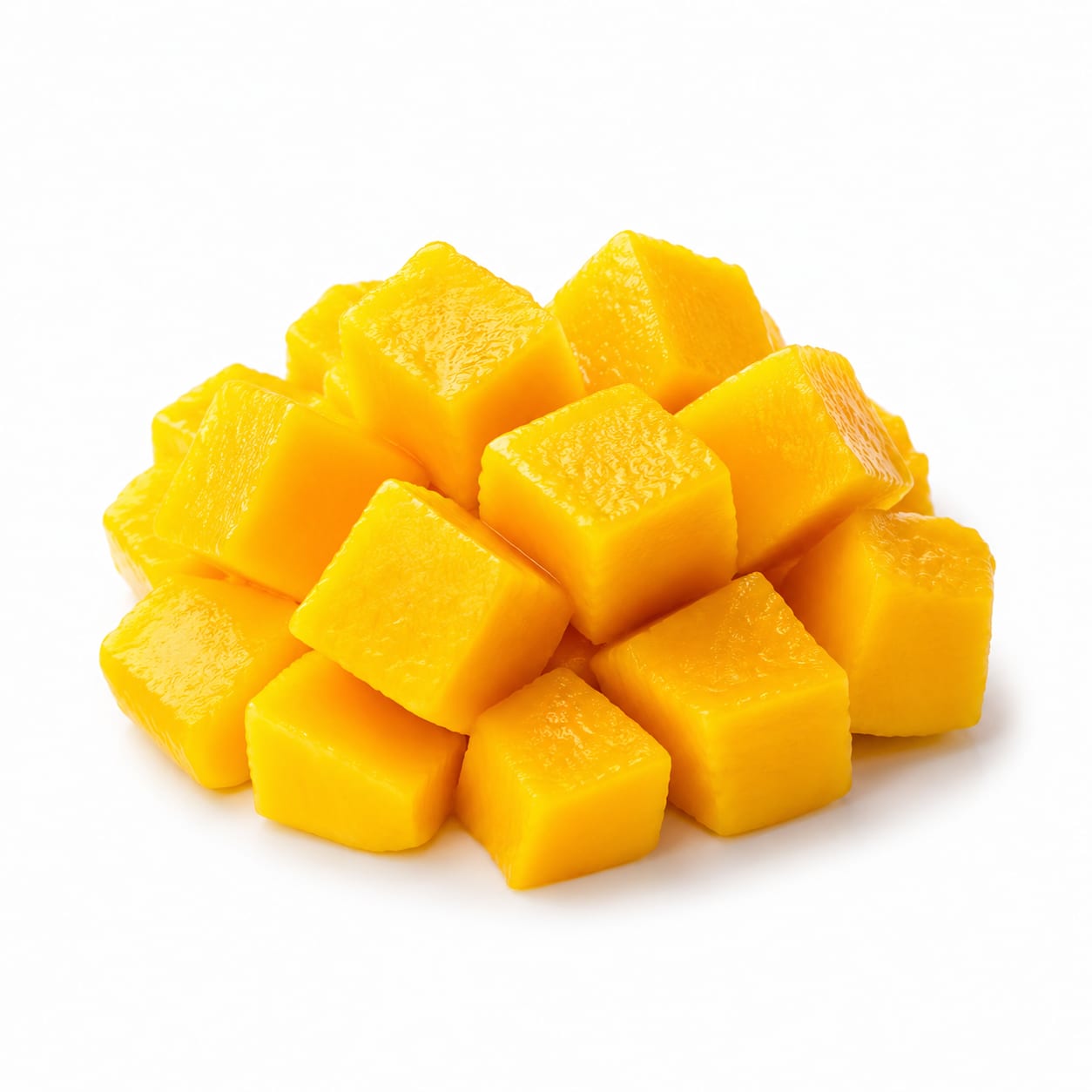
Mango
Mango is the lighter, everyday tropical fruit, while Durian is a rich, calorie-dense indulgence best enjoyed in moderation.
Mango scores higher due to its versatility, lower calorie density, and broader everyday appeal. Durian is nutritionally powerful but its heavy calorie load and strong flavor limit its daily practicality.
You trade the low-calorie hydration and Vitamin C of Mango for the dense energy, healthy fats, and B-vitamins of Durian.
At a glance
Executive summary
Overall
It depends
Healthier
Mango
More practical
Mango
Daily use
Mango
Key comparison lenses
Calorie density and weight impact
Durian is uniquely high in calories and fat for a fruit, while Mango is light and water-rich, making this the biggest daily tradeoff.
Blood sugar management
Both are sweet tropical fruits, but their glycemic loads and portion sizes affect blood sugar very differently.
Practicality and everyday usability
Mango is easy to find and eat anywhere; Durian requires navigating thorns, strong odors, and seasonal availability.
Micronutrient priorities
Durian offers B-vitamins and potassium, whereas Mango shines with Vitamin A and Vitamin C.
Best choice for
Durian
- Endurance athletes needing calorie-dense fuel
- People wanting to gain healthy weight
- Those seeking B-vitamin and potassium boosts
Mango
- Weight-conscious individuals
- People wanting a refreshing, light snack
- Anyone needing an immune-boosting Vitamin C hit
Least suitable for
Durian
- People strictly managing calorie intake
- Those with irritable bowel syndrome (IBS)
- Anyone sensitive to strong food odors
Mango
- People with latex-fruit syndrome allergies
- Those on a strict low-sugar diet
Deep comparison
Dimension by dimension
Each lens scores both foods and breaks down who each option suits.
- Dimension 1 · Priority 95Mango
Calorie Density & Weight Management
Durian · 35Mango · 85Mango is a water-rich, low-fat fruit, while Durian is one of the most calorie-dense fruits available.
Tradeoff
Durian provides lasting energy and healthy fats, but it is very easy to overeat calories compared to Mango.
Why it matters
If you mindlessly snack on Durian, you can easily consume a meal's worth of calories in minutes.
Real-world impact
A few pods of Durian can equal the calories of a full lunch, whereas a whole Mango feels like a light afternoon treat.
Durian
- Bulking up for athletic performance
Better for
- Cutting weight for a competition
- Late-night snacking
Worse for
Mango
- Staying full without overconsuming calories
- Satisfying sweet cravings guilt-free
Better for
- Situations where you need dense, lasting energy
Worse for
- Dimension 2 · Priority 88Mango
Blood Sugar Impact
Durian · 55Mango · 70Both fruits contain natural sugars, but Mango has a lower calorie density which makes portion control easier and blood sugar spikes more manageable.
Tradeoff
Durian has more fiber to slow digestion, but its massive carbohydrate load per serving can still cause significant blood sugar swings.
Why it matters
Managing blood sugar is about both the quality of carbs and the total amount consumed in one sitting.
Real-world impact
Eating a Mango gives you a refreshing energy lift without the heavy crash, while a Durian binge can lead to a sugar coma.
Durian
- Active individuals who will immediately burn the carbs
Better for
- Sedentary evenings on the couch
Worse for
Mango
- Those needing steady, lighter energy
- People monitoring their glycemic load
Better for
- Overconsumption if eating dried or sweetened mango
Worse for
- Dimension 3 · Priority 80It depends
Micronutrient Profile
Durian · 82Mango · 85Mango is a Vitamin A and C powerhouse, while Durian delivers unique B-vitamins, potassium, and beneficial fats.
Tradeoff
You choose between immune and skin support with Mango, or energy metabolism and electrolyte replenishment with Durian.
Why it matters
Your daily nutrient gaps should dictate which fruit serves you better.
Real-world impact
Mango helps you fight off a cold and keeps skin glowing; Durian helps replenish electrolytes after heavy sweating.
Durian
- Replenishing potassium after intense exercise
- Getting B-vitamins from a whole food source
Better for
- Situations requiring a low-potassium diet
Worse for
Mango
- Boosting immunity during cold season
- Supporting eye health and skin repair
Better for
- Those needing calorie-dense nutrition
Worse for
- Dimension 4 · Priority 75Mango
Digestion & Tolerance
Durian · 45Mango · 75Mango is generally gentle on the stomach, while Durian is notoriously heavy and fermentable.
Tradeoff
Durian's rich fiber can aid digestion in small amounts, but its dense fats and sulfur compounds often cause bloating.
Why it matters
A food that makes you feel sluggish or gassy ruins the eating experience, no matter how nutritious it is.
Real-world impact
Mango feels refreshing and light after a meal; Durian can sit in your stomach like a brick if you eat too much.
Durian
- Small servings to stimulate bowel movements via fiber
Better for
- People prone to indigestion or bloating
- Before intense physical activity
Worse for
Mango
- A gentle snack for sensitive stomachs
- A refreshing palate cleanser
Better for
- Those with latex-fruit allergy cross-reactivity
Worse for
- Dimension 5 · Priority 85Mango
Practicality & Versatility
Durian · 30Mango · 90Mango is widely available, easy to prep, and integrates into smoothies, salsas, and desserts. Durian is seasonal, pungent, and banned in many public spaces.
Tradeoff
Durian offers a unique culinary experience, but Mango is a hassle-free everyday staple.
Why it matters
Convenience heavily dictates what you actually eat consistently.
Real-world impact
You can toss Mango in a lunchbox or blend it for breakfast; Durian requires a dedicated eating event and good ventilation.
Durian
- Adventurous eating and cultural experiences
- Special occasion desserts
Better for
- Eating at your desk or in shared spaces
- Quick meal prep
Worse for
Mango
- Quick breakfast smoothies
- Office-friendly snacking
- Family-friendly meals
Better for
- Seeking a bold, savory-sweet flavor explosion
Worse for
Timeline
Health impact over time
Short-term
Hours to days
Durian
- Rapid feeling of fullness and heaviness
- Surge of energy from dense carbs and fats
- Potential bloating or indigestion if overeaten
Mango
- Light, hydrating refreshment
- Quick energy lift from natural sugars
- Soothing effect on digestion
Long-term
Months to years
Durian
- Weight gain if consumed frequently in large portions
- Excellent nutrient intake if portions are controlled
- Improved electrolyte balance from high potassium
Mango
- Easier weight maintenance due to low calorie density
- Enhanced skin health and immunity from Vitamins A and C
- Consistent fiber intake for regular digestion
Risk profile
Safety & processing
Both Durian and Mango are whole, unprocessed fruits when eaten fresh. The main concern is avoiding frozen Durian with added sugars or sweetened dried mango, which strip away the natural benefits.
Durian
Alcohol interaction
highCombining Durian with alcohol can cause severe indigestion, and the sulfur compounds may inhibit aldehyde dehydrogenase, leading to a disulfiram-like reaction.
Overconsumption calorie bomb
mediumIt is very easy to overeat Durian because the rich flavor is addictive, leading to an unintended massive calorie surplus.
Mango
Latex-fruit syndrome allergy
mediumMango contains urushiol and profilins that can trigger allergic reactions in people sensitive to latex or poison ivy.
Skin dermatitis from peel
lowThe sap near the mango skin contains urushiol, which can cause contact dermatitis if handled carelessly.
Who wins for whom
Audience fit
Same foods, different winners depending on your goal.
children
MangoMango has a universally loved, mild sweetness and smooth texture that kids enjoy, whereas Durian's pungent smell and heavy richness are usually rejected by children.
daily consumption
MangoMango is light, versatile, and easy to incorporate into daily meals without risking calorie overload or digestive heaviness.
diabetes
MangoWhile both require portion control, Mango's lower calorie density and lower total carb load per typical serving make blood sugar management more predictable.
elderly
MangoMango is easier to digest, gentler on the stomach, and provides excellent Vitamin C for aging immune systems without the heavy calorie burden.
muscle gain
DurianDurian offers a dense source of carbs and calories that can help fuel intense training and support a caloric surplus needed for muscle growth.
weight loss
MangoMango provides high volume and sweetness for a fraction of the calories found in Durian, making it far easier to stick to a calorie deficit.
Your move
Decision guide
Choose Durian
- You need dense, high-energy fuel for hiking or heavy training
- You are actively trying to gain weight
- You are a flavor adventurer who loves rich, custardy textures
Choose Mango
- You want a refreshing, low-calorie snack
- You are focusing on immune support and skin health
- You need a versatile fruit for smoothies, salads, or salsas
Either works if
- You just want a nutritious tropical fruit treat
- You are mixing fruit into a high-protein yogurt bowl
Avoid both if
- You are on a strict ketogenic diet
- You are severely restricting all fruit sugars
Final recommendation
Keep Mango as your everyday tropical staple for its light nutrition and versatility. Treat Durian as a special occasion powerhouse—enjoy it for the unique experience and dense energy, but strictly watch your portions to avoid the calorie trap.
Practical
Consumer tips
- 1
Limit Durian to 2-3 pods per sitting to avoid a calorie bomb and digestive overload.
- 2
Never consume alcohol right after eating Durian to prevent severe stomach distress.
- 3
Peel Mango using a glass to scrape the flesh from the skin, avoiding the urushiol sap that causes rashes.
- 4
Freeze cubed Mango for an easy, refreshing addition to morning smoothies.
- 5
If trying Durian for the first time, start with a small amount to test both your palate and your digestion.