
Fruit
Cranberry
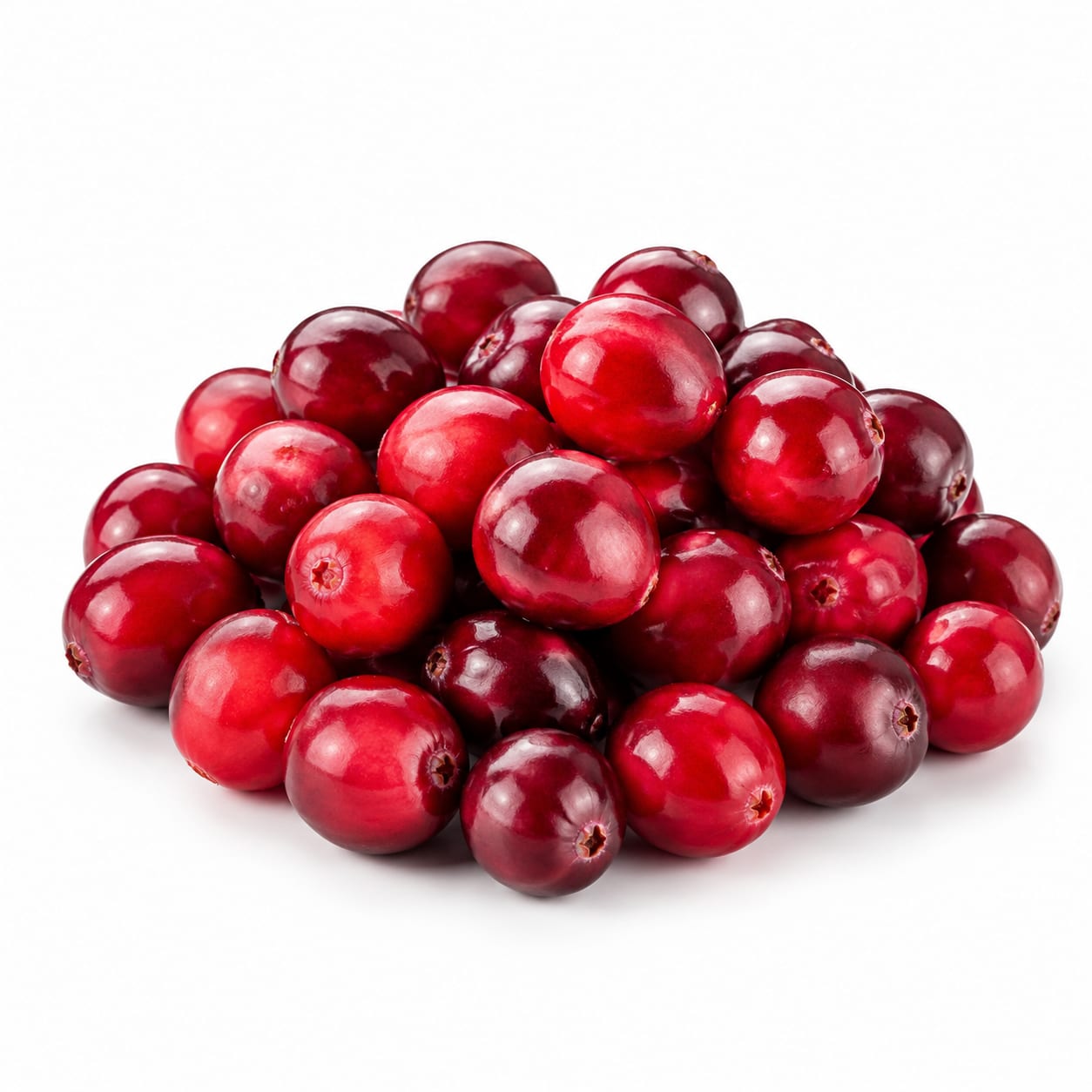
A tart, nutrient-dense red berry renowned for its high antioxidant content and urinary tract health benefits.
Cranberries are small, hard, round, red fruits with a distinctively tart, astringent flavor. They are native to North America and commonly consumed dried, juiced, or as a sauce, though raw cranberries offer the highest nutrient density.
low-sugar high-antioxidant fruit
Typical serving · 100g
Common varieties · early black, howes, stevens, ben lear, pilgrim
Overall context score across nutrition, safety, and diet fit
At a glance
Quick facts
Simple indicators based on nutrition, processing, and diet fit.
The story
What makes it unique
Raw cranberries are low in calories and sugar but high in fiber and unique phytochemicals, specifically proanthocyanidins (PACs). Digestion is slow due to high fiber and low sugar content. Satiety is moderate; the tartness limits overconsumption. The macronutrient profile is carbohydrate-dominant with minimal fat or protein. Processing drastically alters their nutritional value, especially when sweetened into juices or dried snacks.
Varieties: early black · howes · stevens · ben lear · pilgrim
Per 100g
Nutrition breakdown
Macro balance and key metrics at a glance.
Energy
Density 0.46 kcal/g
Protein
Carbs
Fat
Fiber
Sugar
4 g
Sodium
2 mg
Potassium
85 mg
Glycemic index
50
Glycemic load
6
Water content
87.3%
Standout compounds
Nutrient highlights
Proanthocyanidins (PACs)
highPrevents bacterial adhesion in the urinary tract and gut
Vitamin C
moderateSupports immune function and collagen synthesis
Fiber
highPromotes digestive regularity and feeds gut microbiome
Manganese
moderateEssential for metabolism, bone formation, and antioxidant defense
Wellness map
Health scores & processing
NOVA processing scale
minimally processed · Whole food
Raw cranberries are an unprocessed whole food. However, most commercial cranberry products (juices, dried cranberries, sauces) are ultra-processed with high added sugar to offset natural tartness.
Diet compatibility
- Weight loss
- Muscle gain
- Diabetes
- Gut health
- Low carb
- High protein
- Heart health
Relative standing
Food rankings
Qualitative ranks compared to similar whole foods.
- Satietygood
- Blood sugarexcellent
- Nutrient densityexcellent
- Fitness fuelmoderate
- Processing qualityexcellent
Eat with confidence
Food safety profile
Raw cranberries are generally safe but can carry pesticide residues. Washing thoroughly is recommended. Their high acidity naturally inhibits many bacterial pathogens.
Evidence confidence 85%
- Pesticidesmoderate
- Antibioticslow
- Heavy metalslow
- Contaminationlow
Watch for
- pesticide residues
- mold
Safer choices
Organic fresh cranberries reduce pesticide exposure risk.
Prep tips
Rinse fresh cranberries thoroughly under cool running water and discard any soft, shriveled, or brown berries.
Conventional cranberries often test positive for multiple pesticide residues, though usually within regulatory limits.
Deep dive
Health analysis
How this food may fit different goals and preparation choices.
Weight loss
Excellent for weight loss due to extremely low energy density and high fiber, which promotes fullness without excess calories.
Blood sugar
Raw cranberries have a low glycemic load and minimal sugar impact. This changes drastically with sweetened dried cranberries or juice cocktails, which spike blood sugar.
Fitness & energy
Not a primary energy source due to low carbohydrate and calorie content. Better utilized as a micronutrient boost rather than a fuel source.
Gut health
Fiber supports healthy digestion and acts as a prebiotic. Polyphenols promote a favorable gut microbiome composition.
Processing quality
Raw cranberries are unprocessed and highly nutritious. Beware of cranberry products, which are often loaded with added sugars to mask tartness.
Food safety
Pesticide residues are the primary concern with conventional fresh cranberries. Choosing organic mitigates this risk effectively.
Common mistakes
Assuming cranberry juice cocktail is healthy; it is often primarily sugar water. Eating sweetened dried cranberries as a health food when they are essentially candy.
Best preparation
Eaten raw, blended into unsweetened smoothies, cooked into homemade sauces with minimal added sweeteners, or taken as a standardized extract supplement.
Practical guide
Best use cases
When and how this food fits real eating patterns.
UTI Prevention Support
Consuming pure cranberry extract or unsweetened juice daily helps prevent bacteria from adhering to the urinary tract.
Low-Calorie Flavor Enhancer
Adding chopped raw cranberries to salads or oatmeal provides intense flavor and antioxidants without significant calories.
Antioxidant Boost
Blending raw or frozen cranberries into smoothies delivers a concentrated dose of disease-fighting polyphenols.
Balance sheet
Pros & cons
Upsides
- Very low in natural sugar compared to other fruits
- High in unique antioxidants that prevent UTIs
- Excellent source of dietary fiber
- Low energy density supports weight management
- Anti-inflammatory properties support heart health
Trade-offs
- Extremely tart flavor makes them hard to eat raw
- Most commercial cranberry products are loaded with added sugar
- Not a good source of protein or healthy fats
- Can interact with blood-thinning medications like warfarin in high doses
Fit check
Who is it for?
Great match
- UTI prevention
- low-sugar diets
- weight loss
- antioxidant support
- low-glycemic eating
Consider alternatives
- quick pre-workout energy
- muscle building
- people on blood thinners without medical advice
- those seeking sweet, easy-to-eat raw fruit
Side by side
How it compares
Open the full head-to-head analysis for nutrition, safety, and practical tradeoffs.
This food
Cranberry
VS90% alike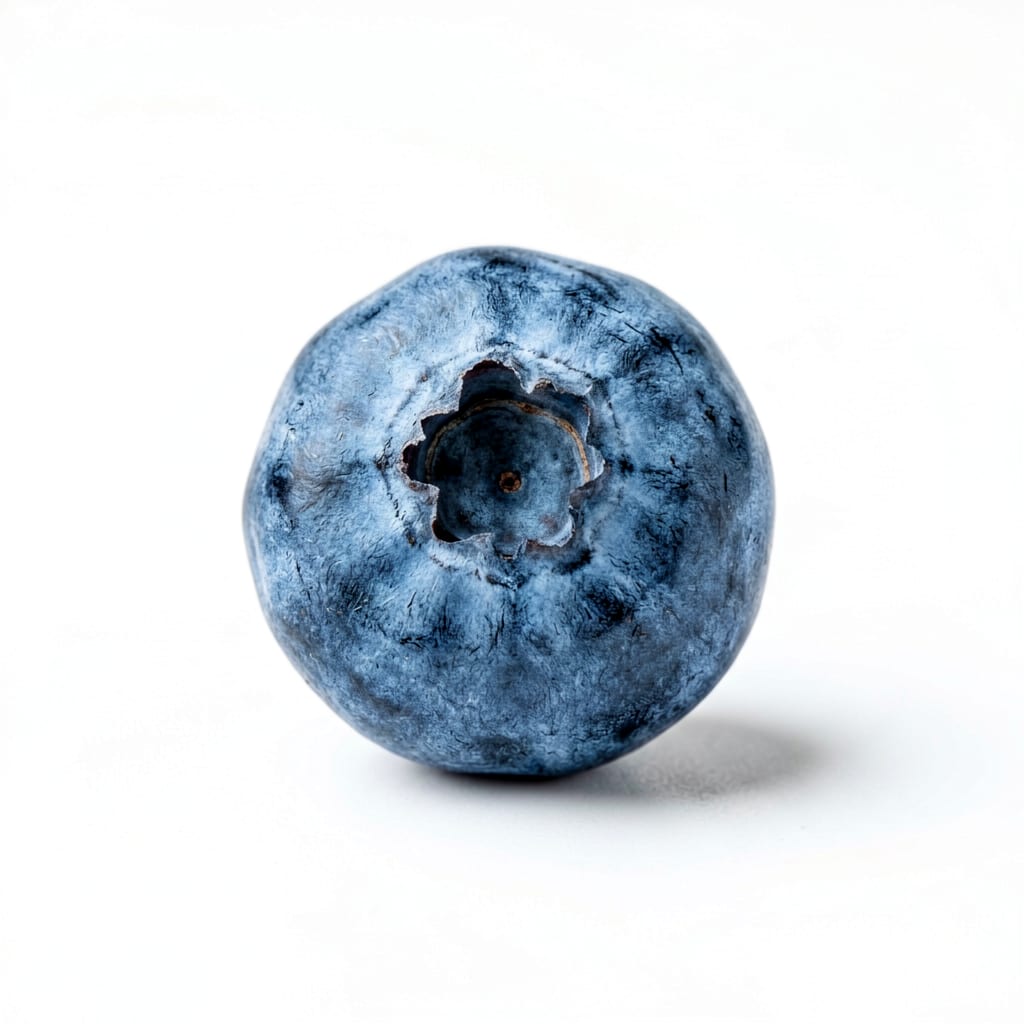
Compare with
Blueberry
Cranberries are much lower in sugar and higher in fiber than blueberries, but blueberries are sweeter and easier to eat raw.
Cranberries are lower in sugar and better for blood sugar control than blueberries, while blueberries offer a sweeter taste and more workout-friendly carbs.
This food
Cranberry
VS85% alike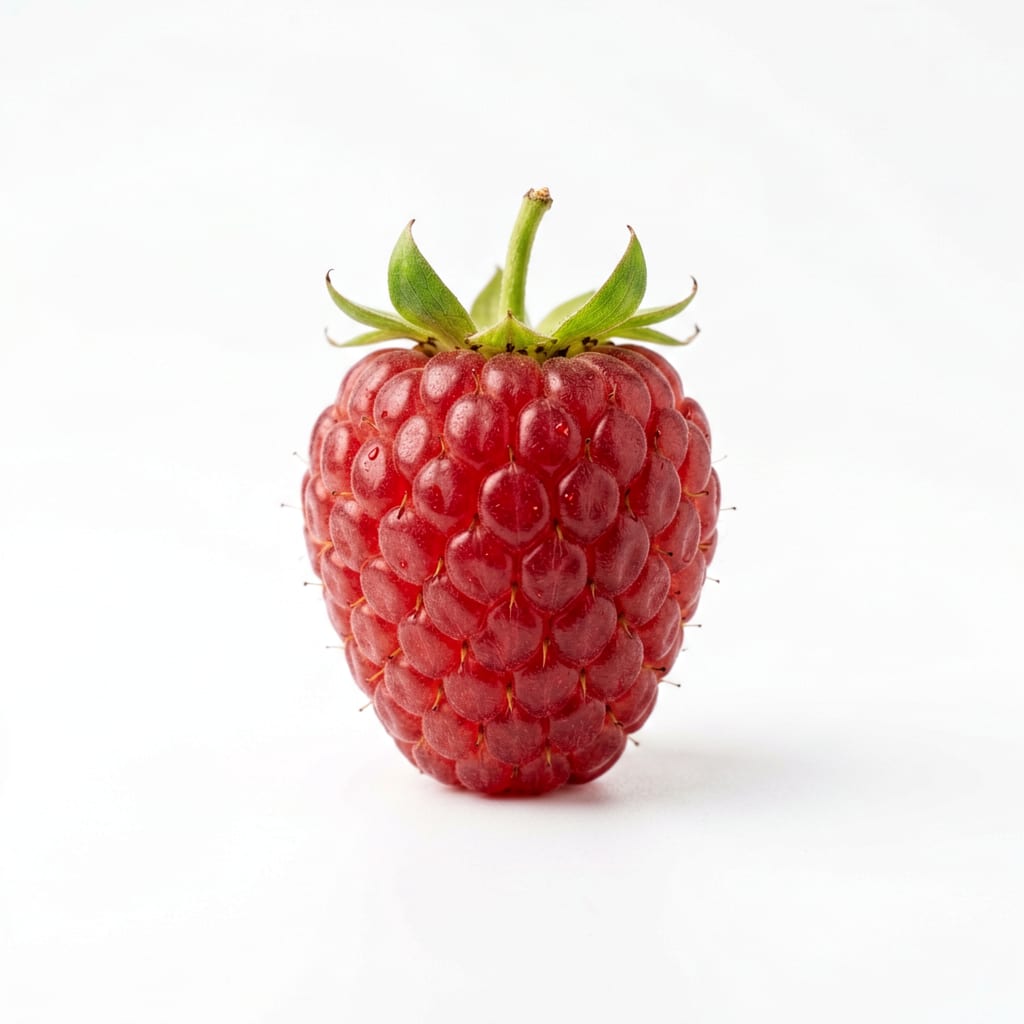
Compare with
Raspberry
Raspberries have slightly more fiber and are easier to eat raw, while cranberries offer unique UTI-fighting PACs.
Raspberries and cranberries are both low-sugar, high-fiber berries, but cranberries have unique compounds for UTI prevention.
This food
Cranberry
VS80% alike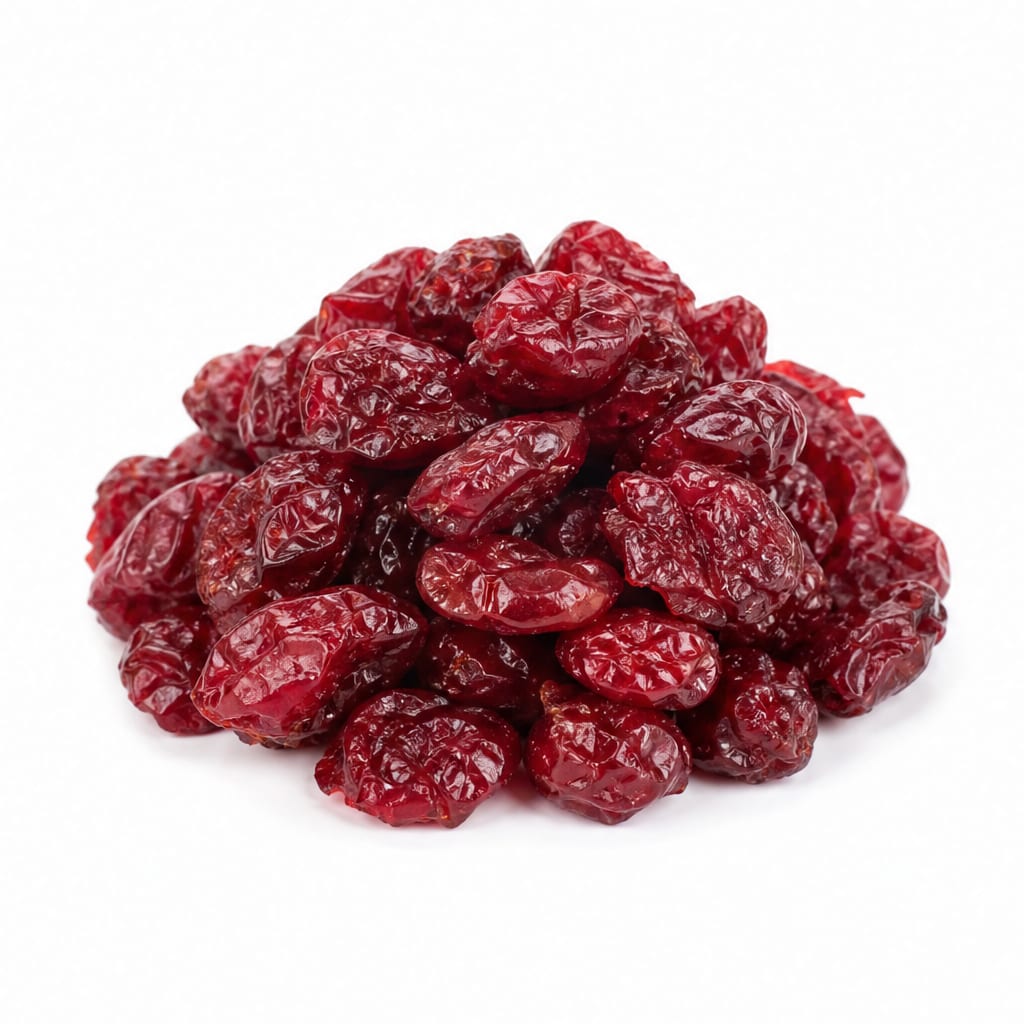
Compare with
Dried Cranberry
Dried cranberries are heavily sweetened, making them high in sugar and calories compared to the raw fruit.
Raw cranberries are far superior for weight loss and blood sugar control, while sweetened dried cranberries act more like candy.
This food
Cranberry
VS75% alike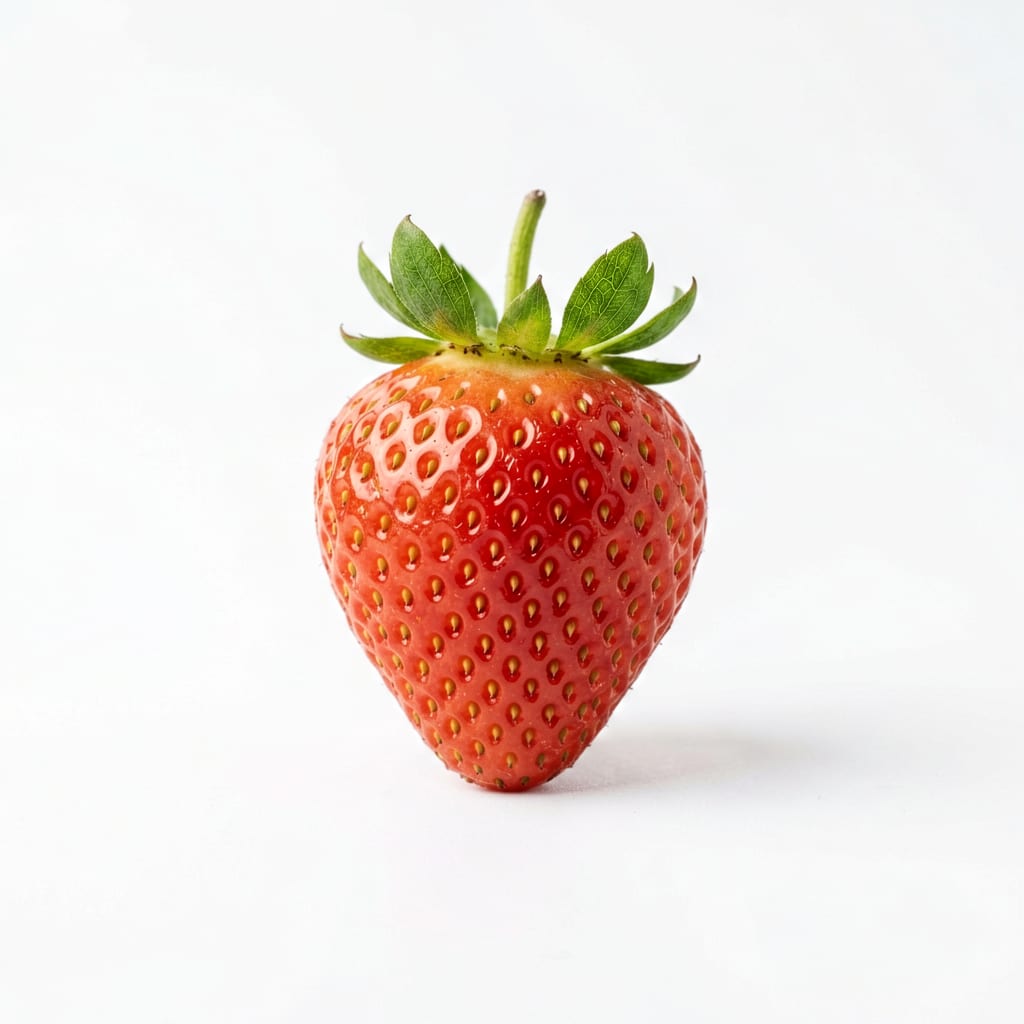
Compare with
Strawberry
Strawberries are sweeter and higher in vitamin C, while cranberries are lower in sugar and contain UTI-fighting compounds.
Cranberries contain less sugar and more fiber than strawberries, making them better for blood sugar management.
This food
Cranberry
VS95% alike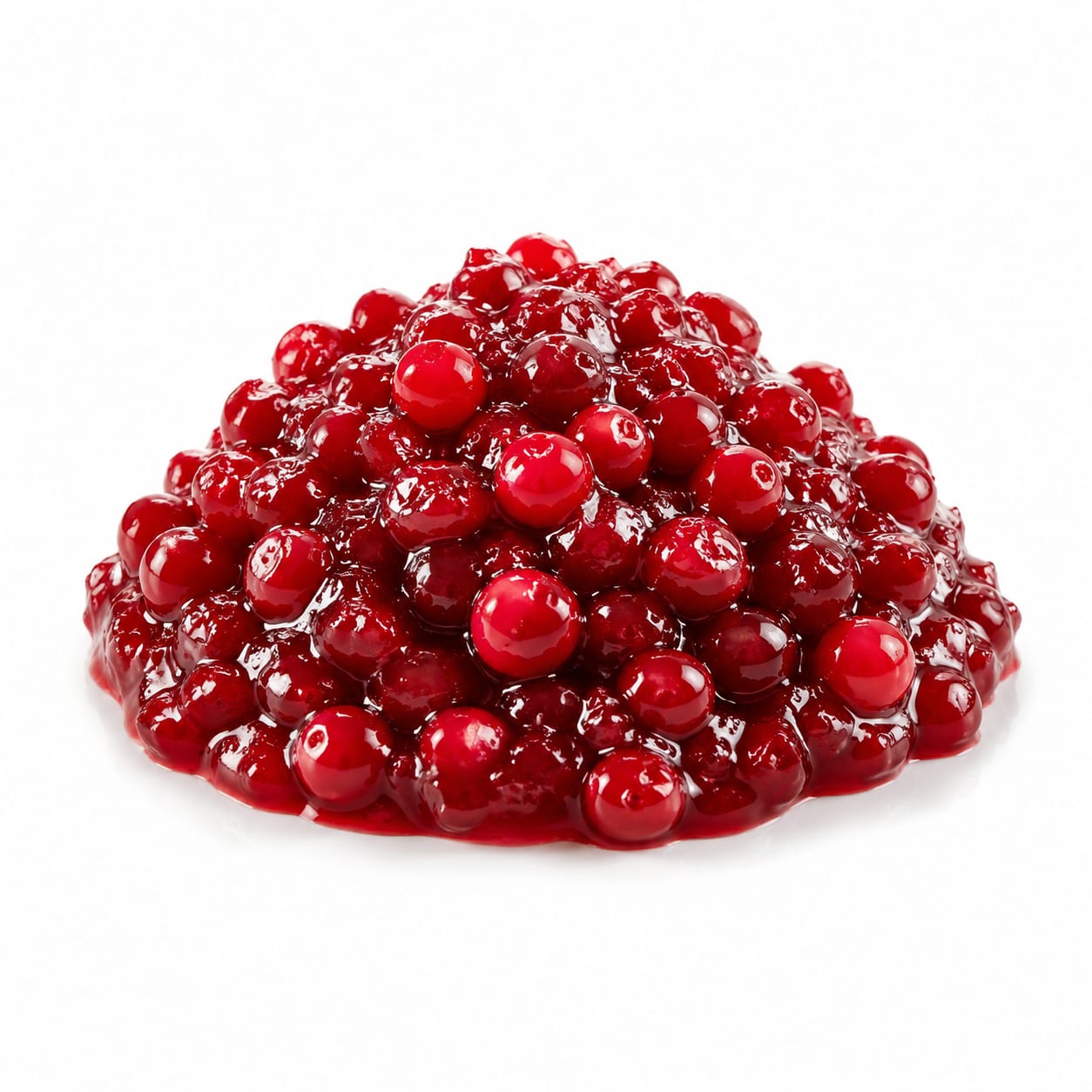
Compare with
Lingonberry
Lingonberries are slightly sweeter and smaller, but both share similar antioxidant profiles and tart flavors.
Lingonberries and cranberries are nutritionally very similar tart red berries, both offering low sugar and high antioxidants.
This food
Cranberry
VS65% alike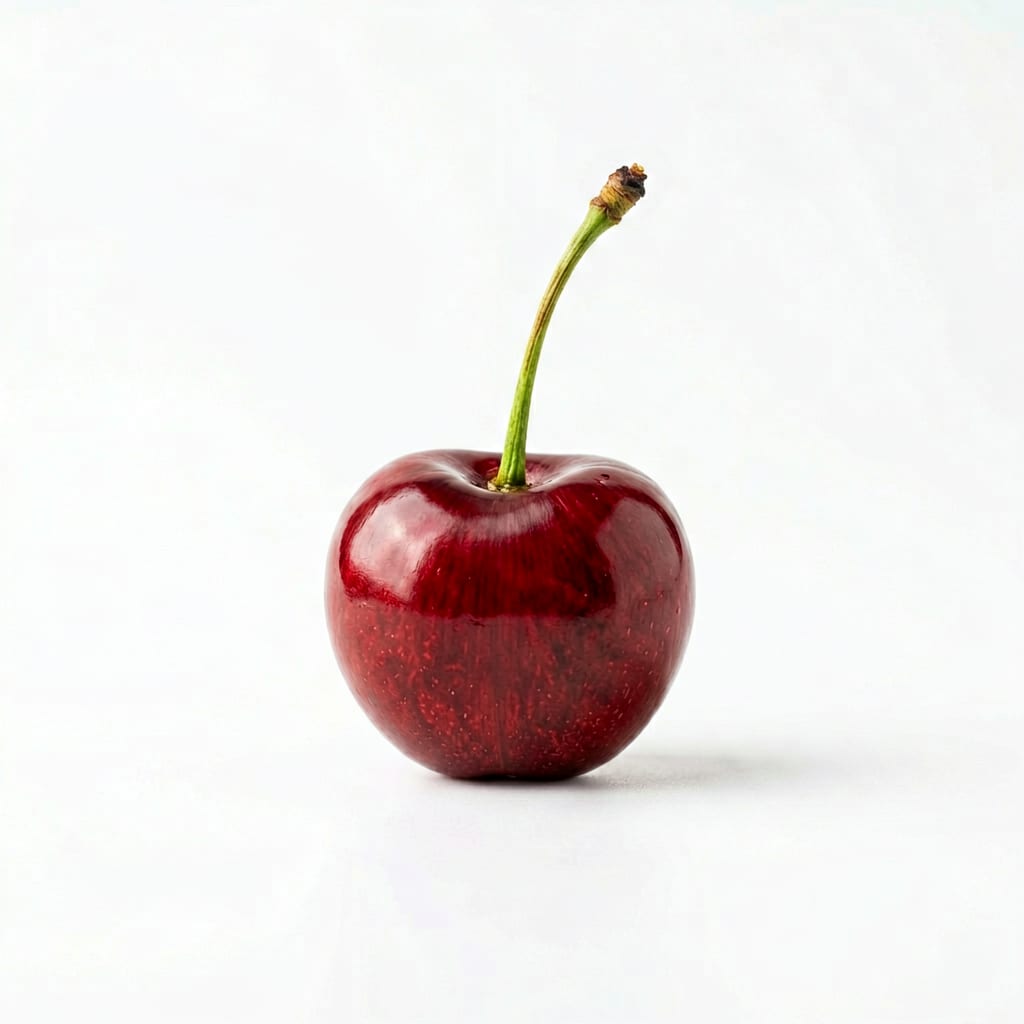
Compare with
Cherry
Cherries are much sweeter and higher in sugar, while cranberries are tart and significantly lower in calories.
Cranberries are lower in sugar and calories than cherries, making them a better choice for strict weight loss diets.
This food
Cranberry
VS60% alike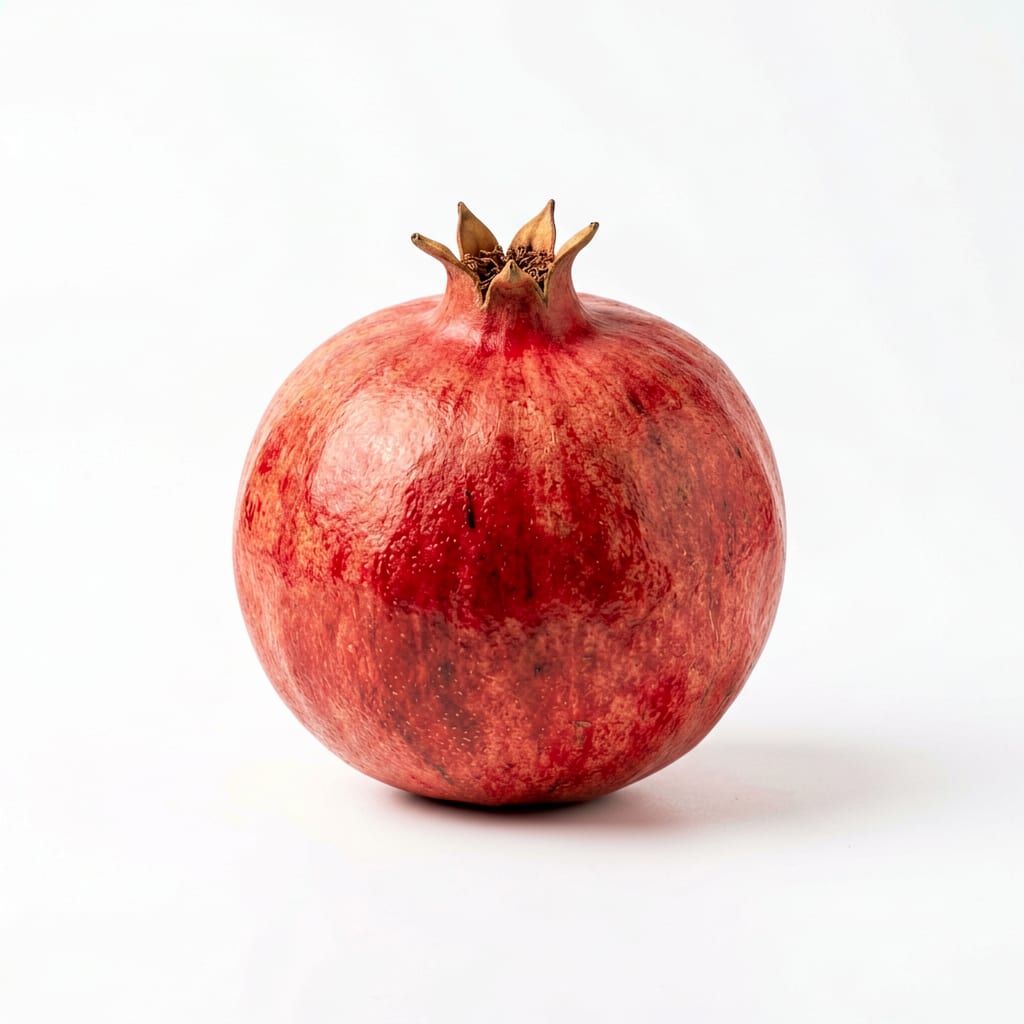
Compare with
Pomegranate
Pomegranate is higher in sugar and antioxidants overall, while cranberry is lower in calories and specifically targets UTIs.
Pomegranates offer more antioxidants and natural sugar for energy, while cranberries are lower in calories and better for blood sugar.
This food
Cranberry
VS80% alike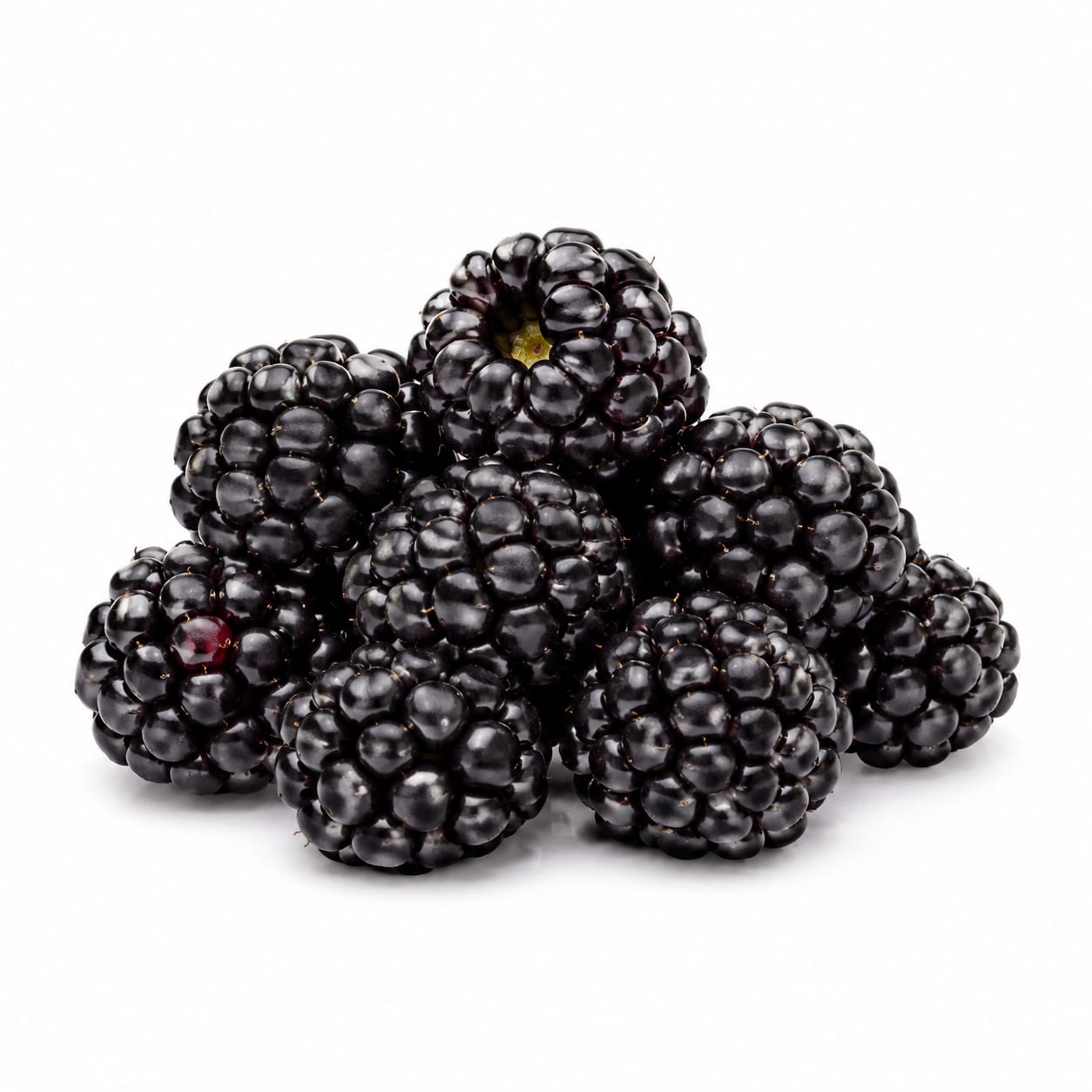
Compare with
Blackberry
Blackberries are slightly higher in fiber and easier to eat raw, while cranberries are lower in sugar.
Blackberries provide more fiber and a sweeter taste, while cranberries offer a lower sugar profile and UTI benefits.
This food
Cranberry
VS50% alike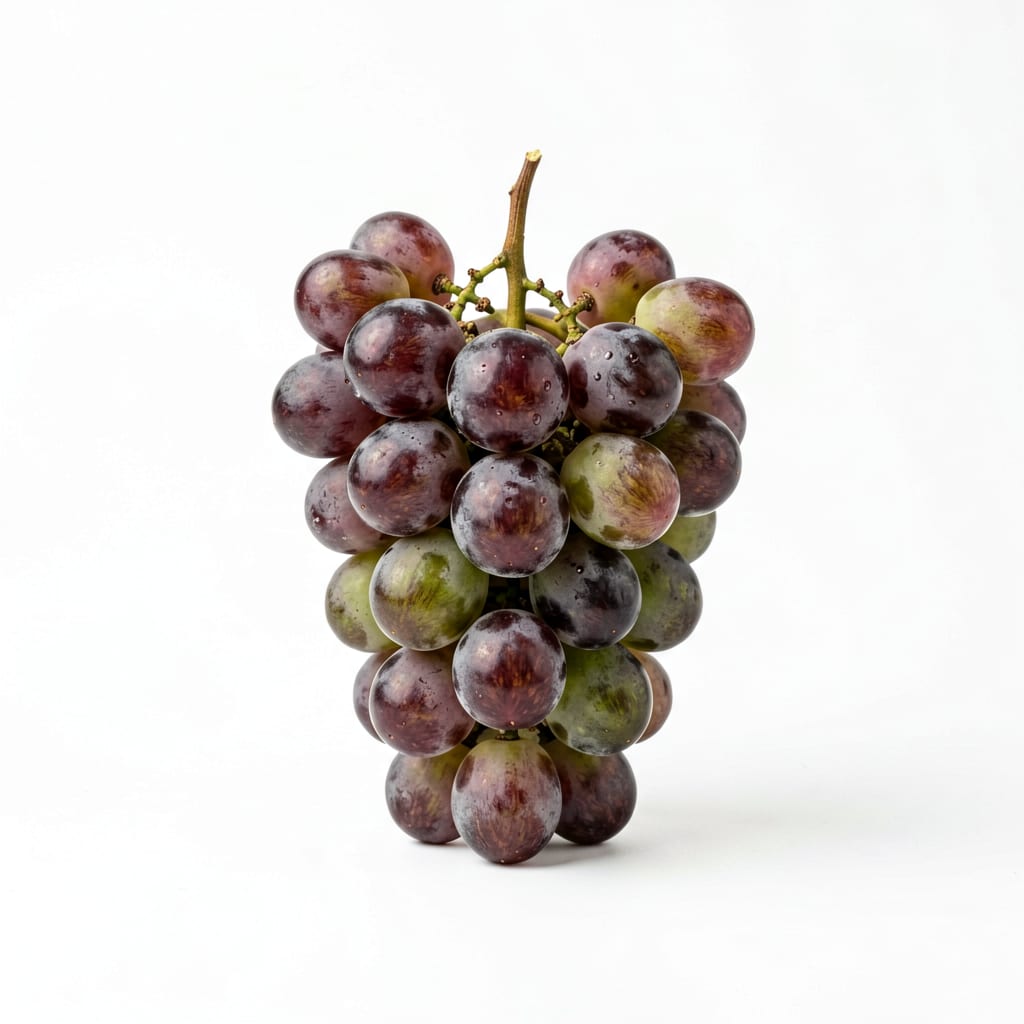
Compare with
Grape
Grapes are very high in sugar and low in fiber compared to cranberries, making cranberries far better for blood sugar control.
Cranberries are vastly lower in sugar and higher in fiber than grapes, making them superior for blood sugar management.
This food
Cranberry
VS55% alike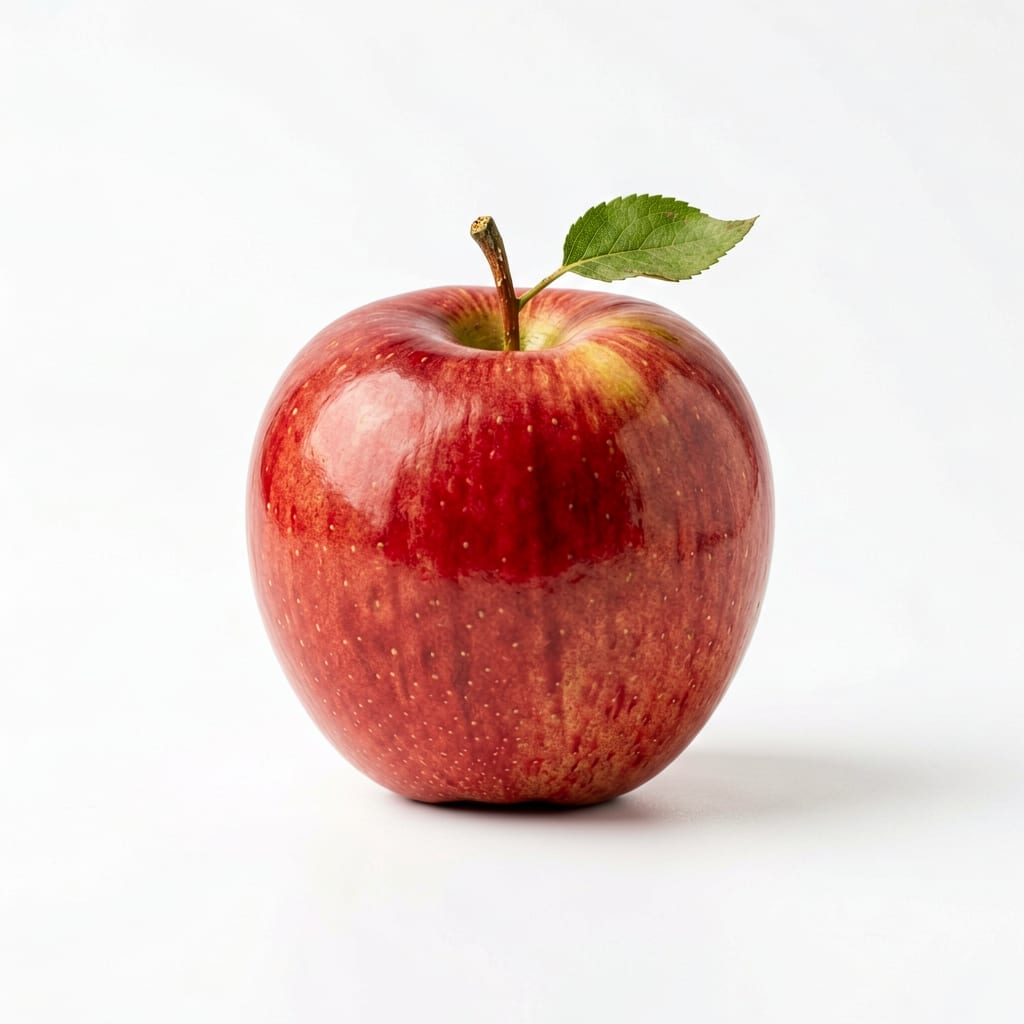
Compare with
Apple
Apples are sweeter and easier to snack on, while cranberries are much lower in sugar and calories.
Cranberries provide fewer calories and less sugar than apples, though apples offer more portable, satisfying snacking.
Common questions
FAQ
Answers aligned with how people search for this food.
Are cranberries good for weight loss?
Yes, raw cranberries are excellent for weight loss. They are very low in calories and sugar while being high in fiber, which helps you feel full without overconsuming calories.
Can diabetics eat cranberries?
Raw cranberries are a great choice for diabetics because they have a low glycemic index and low sugar content. However, diabetics should avoid sweetened dried cranberries and cranberry juice cocktails, which contain high amounts of added sugar.
Do cranberries really help with UTIs?
Yes, cranberries contain proanthocyanidins (PACs) that prevent bacteria like E. coli from sticking to the urinary tract walls. However, this benefit is best obtained from pure, unsweetened cranberry juice or extracts, not sugary cocktails.
Is cranberry juice as healthy as whole cranberries?
No, most commercial cranberry juice is heavily sweetened and lacks the fiber of whole cranberries. Pure, unsweetened cranberry juice retains antioxidants but loses fiber, while whole raw cranberries provide the complete nutritional package.
Are dried cranberries a healthy snack?
Most commercial dried cranberries are sweetened with added sugar, making them more like candy than fruit. They are high in calories and sugar. Look for unsweetened dried cranberries if you want a healthier snack.
How many carbs are in raw cranberries?
There are about 12 grams of carbohydrates per 100 grams of raw cranberries. However, because 4.6 grams of that is fiber, the net carb count is only around 7.6 grams.
Why are raw cranberries so tart?
Raw cranberries are extremely tart because they contain very little natural sugar (about 4g per 100g) and high amounts of organic acids, including citric and malic acid, alongside astringent tannins.
Can you eat raw cranberries off the bush?
Yes, raw cranberries are safe to eat, but their intense tartness and astringency make them unpalatable to most people when eaten in large quantities. They are best blended or cooked with a sweetener.
Transparency
Data confidence
Estimated confidence for nutrition data, interpretation, safety notes, and comparisons.
Nutrition data
Health analysis
Food safety
Comparisons