
Nutrition comparison
Cranberry vs Lingonberry: Which Tart Berry Is Healthier?
Compare cranberry and lingonberry nutrition, antioxidants, sugar content, and UTI prevention benefits. Find out which Nordic berry wins for your health goals.
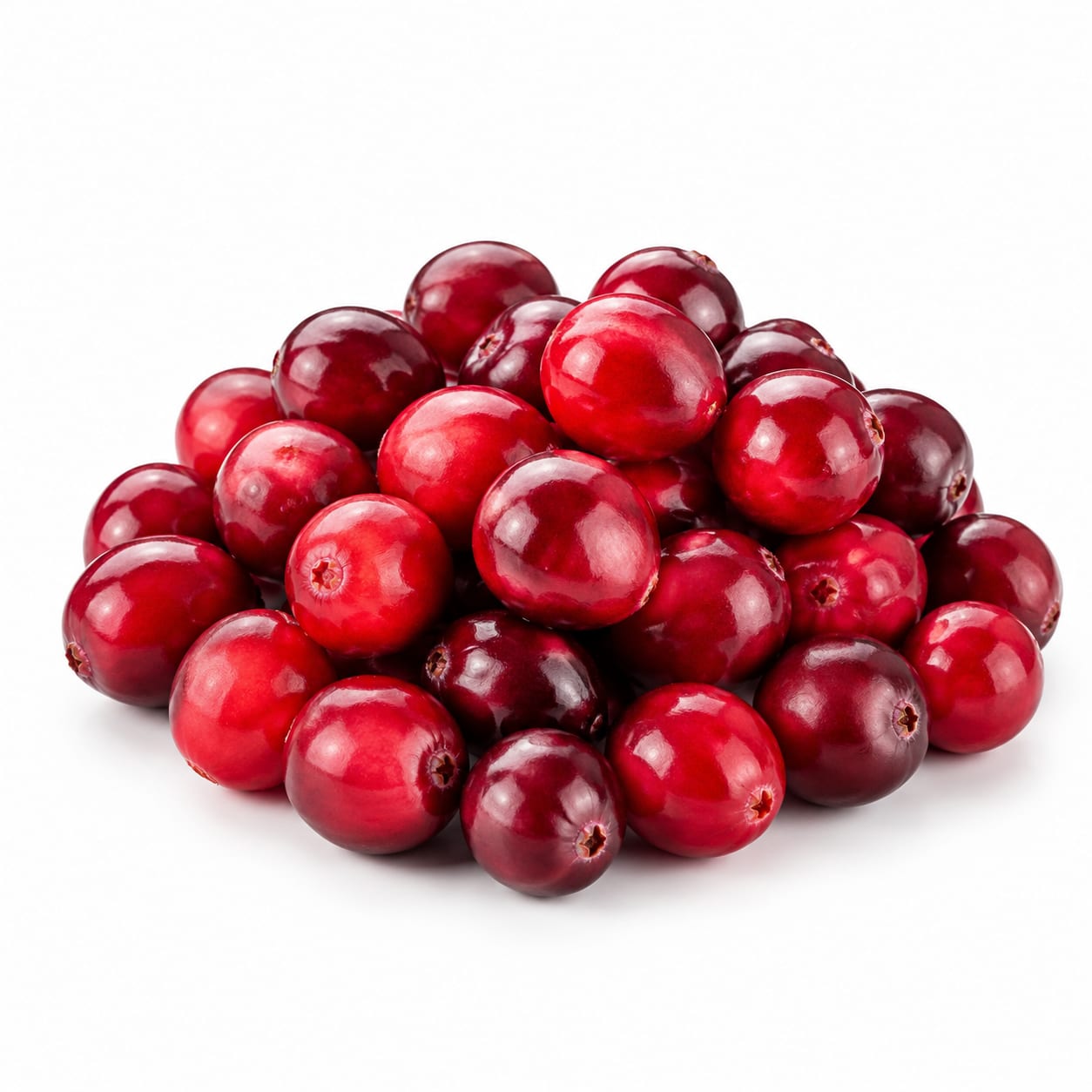
Cranberry
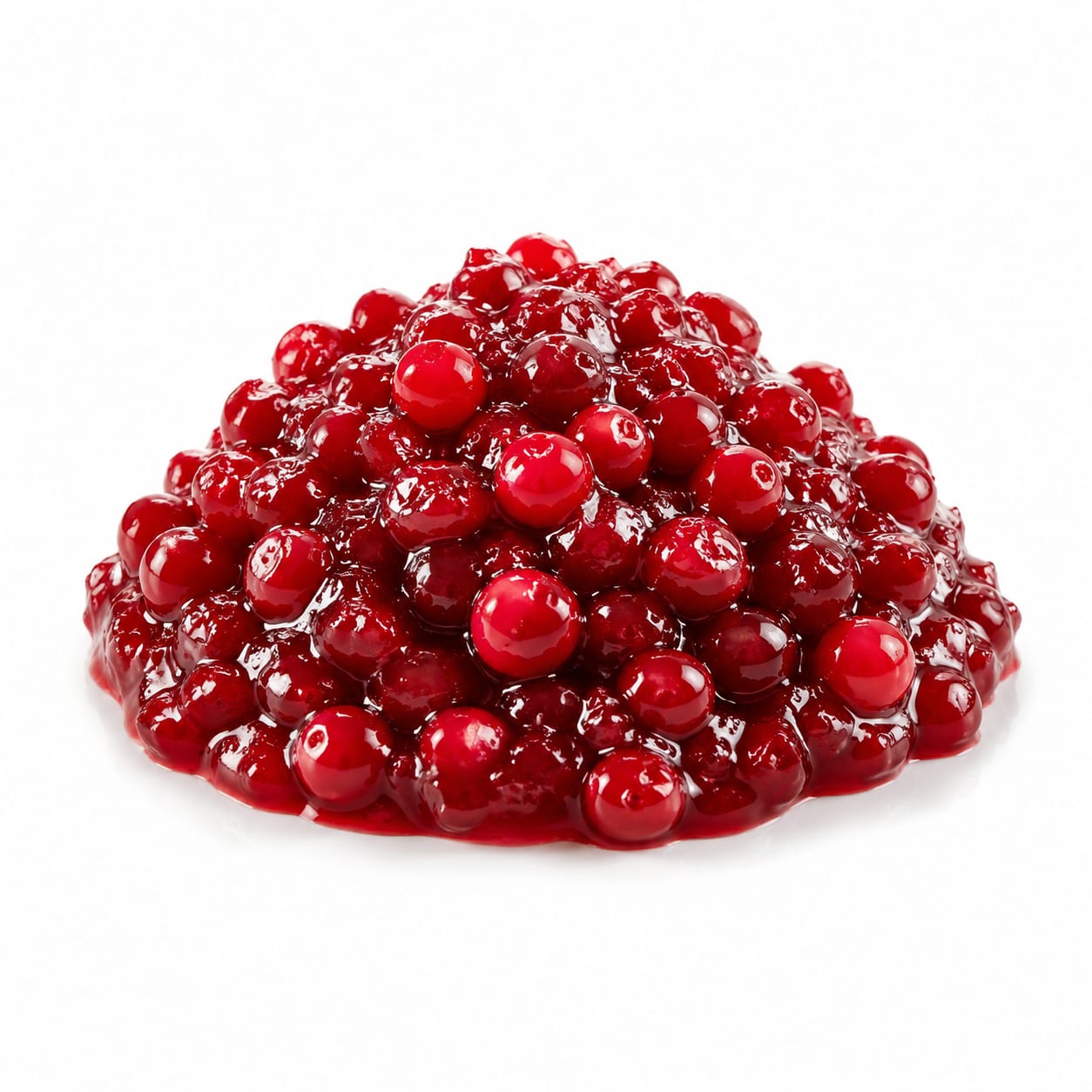
Lingonberry
Lingonberry edges ahead nutritionally with more diverse polyphenols and slightly less sugar, but cranberry wins on accessibility and research backing for urinary tract health.
Lingonberry scores higher due to superior polyphenol diversity, slightly lower sugar, and resveratrol content. Cranberry stays competitive thanks to overwhelming clinical evidence for UTI prevention and global availability. The moderate confidence reflects limited direct human trials comparing the two.
Lingonberry offers a richer antioxidant profile and lower natural sugar, but cranberry is far easier to find and has decades of clinical evidence for UTI prevention.
At a glance
Executive summary
Overall
It depends
Healthier
Lingonberry
More practical
Cranberry
Daily use
Cranberry
Key comparison lenses
antioxidant and urinary health comparison
Both berries are famously linked to urinary tract protection, so users want to know which actually delivers more benefit
sugar and processing concerns
Both are extremely tart and rarely eaten raw, so added sugar in common products is a major real-world issue
availability and everyday practicality
Lingonberry is hard to find outside Scandinavia, while cranberry is mainstream globally
polyphenol diversity and inflammation
Users choosing between these are often seeking anti-inflammatory benefits and want to know which packs more punch
Best choice for
Cranberry
- Easy access to urinary tract support at any grocery store
- People who want a well-researched, trusted berry for UTI prevention
- Anyone needing a widely available option for daily smoothies or supplements
Lingonberry
- Maximum antioxidant diversity and anti-inflammatory potential
- Those with Scandinavian heritage or access to Nordic markets
- People seeking lower-sugar preserves without compromising on tart flavor
Least suitable for
Cranberry
- People avoiding added sugar who only find cranberry in sweetened juice or dried form
- Those wanting the broadest polyphenol spectrum from a single berry
Lingonberry
- Anyone without access to specialty or imported food stores
- Budget-conscious shoppers who find lingonberry products overpriced
Deep comparison
Dimension by dimension
Each lens scores both foods and breaks down who each option suits.
- Dimension 1 · Priority 95Cranberry
urinary_tract_protection
Cranberry · 88Lingonberry · 80Cranberry has the most studied A-type proanthocyanidins with proven anti-adhesion effects against E. coli in the urinary tract.
Tradeoff
Lingonberry contains similar compounds but has far less clinical research confirming the same effect in humans.
Why it matters
If you are specifically trying to prevent recurrent UTIs, cranberry is the evidence-backed choice.
Real-world impact
Daily cranberry extract or unsweetened juice has a track record of reducing UTI recurrence by roughly 30-40% in studies.
Cranberry
- Recurrent UTI sufferers wanting proven prevention
- Women prone to post-coital UTIs
Better for
- People expecting benefits from sweetened cranberry juice cocktail, which has too little actual cranberry
Worse for
Lingonberry
- Mild urinary support as part of a broader antioxidant strategy
Better for
- Anyone needing a clinically validated UTI prevention tool
Worse for
- Dimension 2 · Priority 90Lingonberry
antioxidant_and_polyphenol_diversity
Cranberry · 74Lingonberry · 86Lingonberry contains a wider array of polyphenols including resveratrol, quercetin, and anthocyanins not as prominent in cranberry.
Tradeoff
Cranberry concentrates heavily on proanthocyanidins, making it potent in one area but less broad-spectrum.
Why it matters
A more diverse polyphenol profile means broader anti-inflammatory and cellular protection across different body systems.
Real-world impact
Regular lingonberry consumption may offer more comprehensive protection against oxidative stress, similar to how a varied diet outperforms a single superfood.
Cranberry
- Targeted proanthocyanidin intake for specific anti-adhesion benefits
Better for
- Those wanting the widest antioxidant coverage from one berry
Worse for
Lingonberry
- Overall cellular defense and healthy aging
- Reducing systemic inflammation from multiple pathways
Better for
- Situations where concentrated PACs are the specific goal
Worse for
- Dimension 3 · Priority 85Lingonberry
sugar_and_glycemic_impact
Cranberry · 62Lingonberry · 72Raw lingonberry is slightly lower in natural sugar than raw cranberry, but the real difference comes down to how each is typically sold.
Tradeoff
Cranberry juice cocktail and sweetened dried cranberries are loaded with added sugar, while traditional lingonberry preserves often use less.
Why it matters
Most people never eat either berry raw, so the sugar in the packaged product matters more than the berry itself.
Real-world impact
A cup of sweetened cranberry juice can hit 30g of sugar. Unsweetened options exist but are harder to find and very tart.
Cranberry
- Access to unsweetened cranberry juice or extract supplements
Better for
- Anyone reaching for cranberry juice cocktail thinking it is healthy
- Smoothie builders using sweetened dried cranberries
Worse for
Lingonberry
- Lower sugar intake even in traditional preserve form
- Diabetics seeking tart flavor without the sugar spike
Better for
- People who assume all lingonberry products are low-sugar without checking labels
Worse for
- Dimension 4 · Priority 82Cranberry
availability_and_convenience
Cranberry · 92Lingonberry · 45Cranberry products are available in virtually every supermarket worldwide. Lingonberry is a specialty item outside Nordic countries.
Tradeoff
You can find cranberry in fresh, frozen, dried, juice, and supplement form anywhere. Lingonberry often requires online ordering or specialty shops.
Why it matters
The healthiest berry is the one you can actually buy and eat consistently.
Real-world impact
A cranberry habit is easy to maintain. A lingonberry habit requires planning, higher spending, and compromise on product selection.
Cranberry
- Consistent daily use without supply issues
- Budget-friendly options across multiple product formats
Better for
- Overreliance on heavily processed cranberry products just because they are available
Worse for
Lingonberry
- Occasional specialty use when available
- Travelers or residents in Scandinavia with easy access
Better for
- Inconsistent intake due to availability gaps
- Paying premium prices that make daily use unsustainable
Worse for
- Dimension 5 · Priority 68It depends
digestive_tolerance_and_fiber
Cranberry · 70Lingonberry · 70Both berries offer similar fiber content and are generally well tolerated. Neither is a standout fiber source compared to other fruits.
Tradeoff
Both are relatively low in fiber per serving compared to raspberries or blackberries, so neither should be your primary fiber source.
Why it matters
If you have a sensitive stomach, both are gentle options, but do not rely on either for significant fiber intake.
Real-world impact
A handful of either berry adds pleasant texture and mild fiber to oatmeal or yogurt, but will not move the needle on daily fiber goals alone.
Cranberry
- Adding tart flavor to high-fiber meals without digestive strain
Better for
- Expecting significant fiber benefits from cranberry alone
Worse for
Lingonberry
- Similar mild digestive profile with slightly less acidity
Better for
- Same limitation on fiber contribution
Worse for
Timeline
Health impact over time
Short-term
Hours to days
Cranberry
- Quick dose of vitamin C supporting immune function
- Tart flavor can help with mild nausea or palate fatigue
- Unsweetened cranberry may cause mouth puckering astringency
Lingonberry
- Similar vitamin C boost with slightly milder tartness
- Polyphenol rush that may briefly improve blood flow
- Rare mild stomach upset if consumed in large amounts as preserves
Long-term
Months to years
Cranberry
- Consistent UTI risk reduction with regular unsweetened intake
- Potential cardiovascular benefits from proanthocyanidins
- Risk of excess sugar intake if relying on sweetened cranberry products
Lingonberry
- Broader anti-inflammatory protection from diverse polyphenols including resveratrol
- Possible metabolic benefits emerging from early animal research
- Limited human data means some benefits are plausible but not yet confirmed
Risk profile
Safety & processing
Both berries are minimally processed in their raw or frozen form, but the most common cranberry products like juice cocktail and dried cranberries often contain significant added sugar and sometimes preservatives. Lingonberry preserves also contain added sugar but traditional Nordic preparation tends to use less. Always check labels regardless of which berry you choose.
Cranberry
added_sugar_in_commercial_products
mediumCranberry juice cocktail and sweetened dried cranberries can contain 25-30g of added sugar per serving, undermining the health benefits.
oxalate_content
lowCranberry contains moderate oxalates. People with a history of calcium oxalate kidney stones should moderate intake and stay well hydrated.
medication_interaction
lowHigh-dose cranberry supplements may interact with blood-thinning medications like warfarin in sensitive individuals.
Lingonberry
added_sugar_in_preserves
mediumTraditional lingonberry preserves and jams contain added sugar, though typically less than commercial cranberry products.
limited_regulatory_oversight_in_imports
lowImported lingonberry products may have less consistent quality standards depending on the source country.
oxalate_content
lowSimilar to cranberry, lingonberry contains moderate oxalates relevant only for those managing oxalate kidney stones.
Who wins for whom
Audience fit
Same foods, different winners depending on your goal.
children
CranberryCranberry is easier to find in kid-friendly formats like lower-sugar dried snacks, and its UTI prevention benefits are well-studied in pediatric populations.
daily consumption
CranberryAccessibility and affordability make cranberry the more sustainable daily habit. The best berry for daily use is the one you can actually buy every week.
diabetes
LingonberryLower natural sugar and a polyphenol mix that early research suggests may improve insulin sensitivity make lingonberry slightly more favorable, but unsweetened cranberry is also acceptable.
elderly
CranberryStronger clinical evidence for UTI prevention matters more for older adults, and cranberry's wide availability supports consistent daily use.
muscle gain
It dependsNeither berry is relevant for muscle gain. Both provide negligible protein and calories. Choose based on taste preference as a meal accompaniment.
weight loss
LingonberryLingonberry's slightly lower sugar content and more diverse polyphenol profile give it a small edge, but both are fine choices if you stick to unsweetened forms.
Your move
Decision guide
Choose Cranberry
- You want clinically backed UTI prevention and can find unsweetened cranberry products
- Availability and affordability are top priorities
- You are buying for a household where consistency matters more than novelty
- You prefer a tart flavor that pairs well with both sweet and savory dishes
Choose Lingonberry
- You have access to quality lingonberry products at reasonable prices
- Maximum antioxidant diversity is your primary goal
- You want slightly less sugar in your berry preserves without sacrificing tartness
- You are curious about emerging research on resveratrol and metabolic health
Either works if
- You just want a tart, polyphenol-rich berry to add to oatmeal or yogurt
- Both are available unsweetened and you want variety in your diet
- You are using them as flavor accents rather than primary health interventions
Avoid both if
- You have oxalate-sensitive kidney stones and have been advised to limit high-oxalate foods
- You can only find sweetened versions and are strictly limiting added sugar
- You expect either berry to produce dramatic health changes on its own
Final recommendation
Choose cranberry if you want reliable, affordable, evidence-backed urinary tract support you can find at any store. Choose lingonberry if you have access to it and want broader antioxidant coverage with slightly less sugar. Better yet, alternate between both when possible. The real enemy is added sugar in commercial products, not the choice between these two excellent berries.
Practical
Consumer tips
- 1
Always choose unsweetened or minimally sweetened products for both berries. The sugar in cranberry juice cocktail cancels out most of the health benefits.
- 2
Frozen cranberries and lingonberries retain nearly all their polyphenols and are often more practical than fresh.
- 3
If you find both berries too tart, mix a small amount into a smoothie with sweeter fruits rather than buying pre-sweetened versions.
- 4
Cranberry extract supplements can deliver UTI prevention benefits without any sugar, but check for quality certifications.
- 5
Lingonberry powder is increasingly available online and offers an easy way to add the berry to recipes without the sugar of preserves.
- 6
Check labels on lingonberry preserves carefully. Some premium brands use less sugar, but others match or exceed the sugar in cranberry sauce.
- 7
For either berry, a serving size of roughly 1/4 cup of fresh or frozen, or 1-2 tablespoons of preserves, is enough to get meaningful polyphenol benefits.