
Nutrition comparison
Cranberry vs Dried Cranberry: Which Is Actually Healthier?
Fresh cranberries and dried cranberries may start from the same fruit, but their sugar content, calorie density, and health impact differ dramatically. Learn which to choose for your goals.
Overall winner · Cranberry
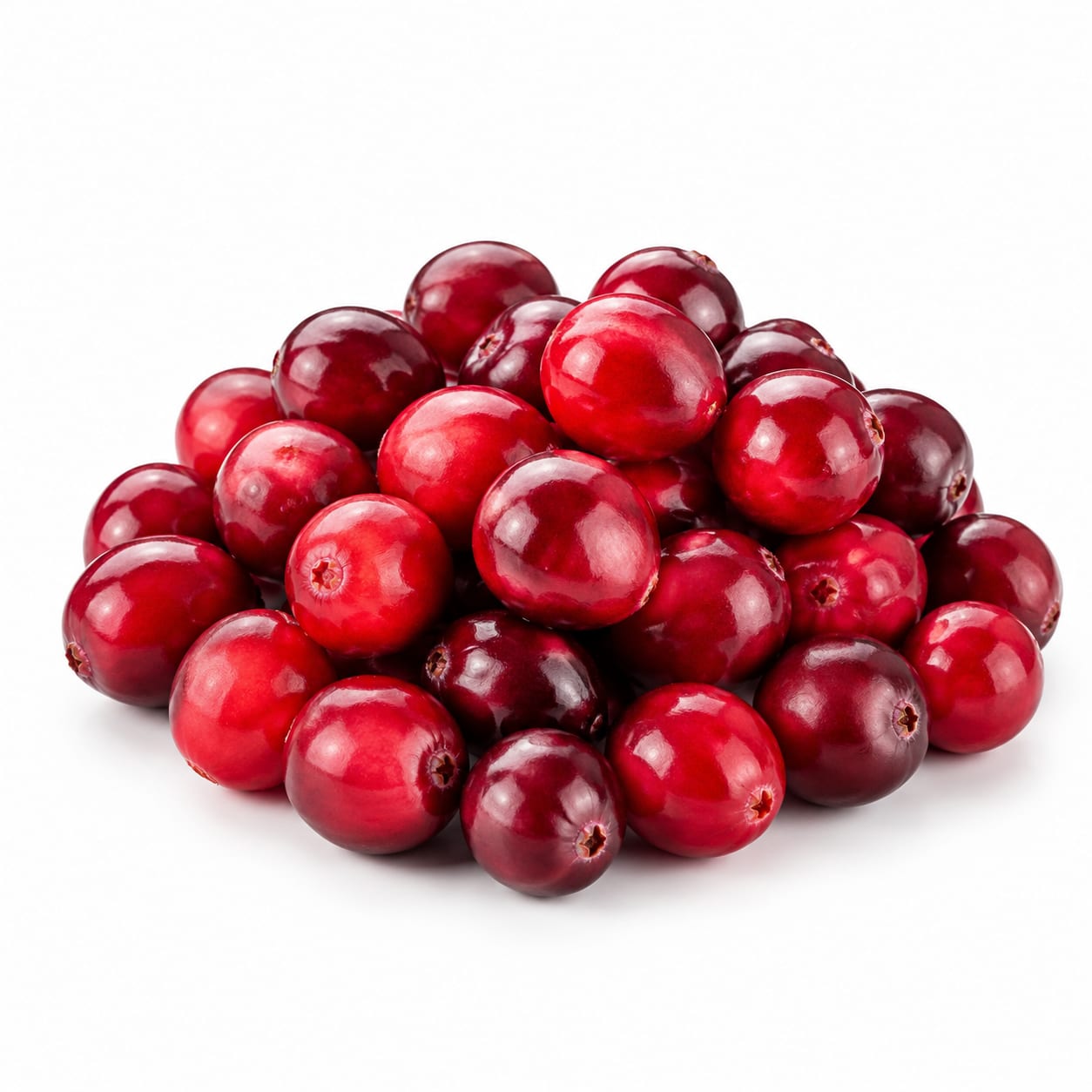
Cranberry
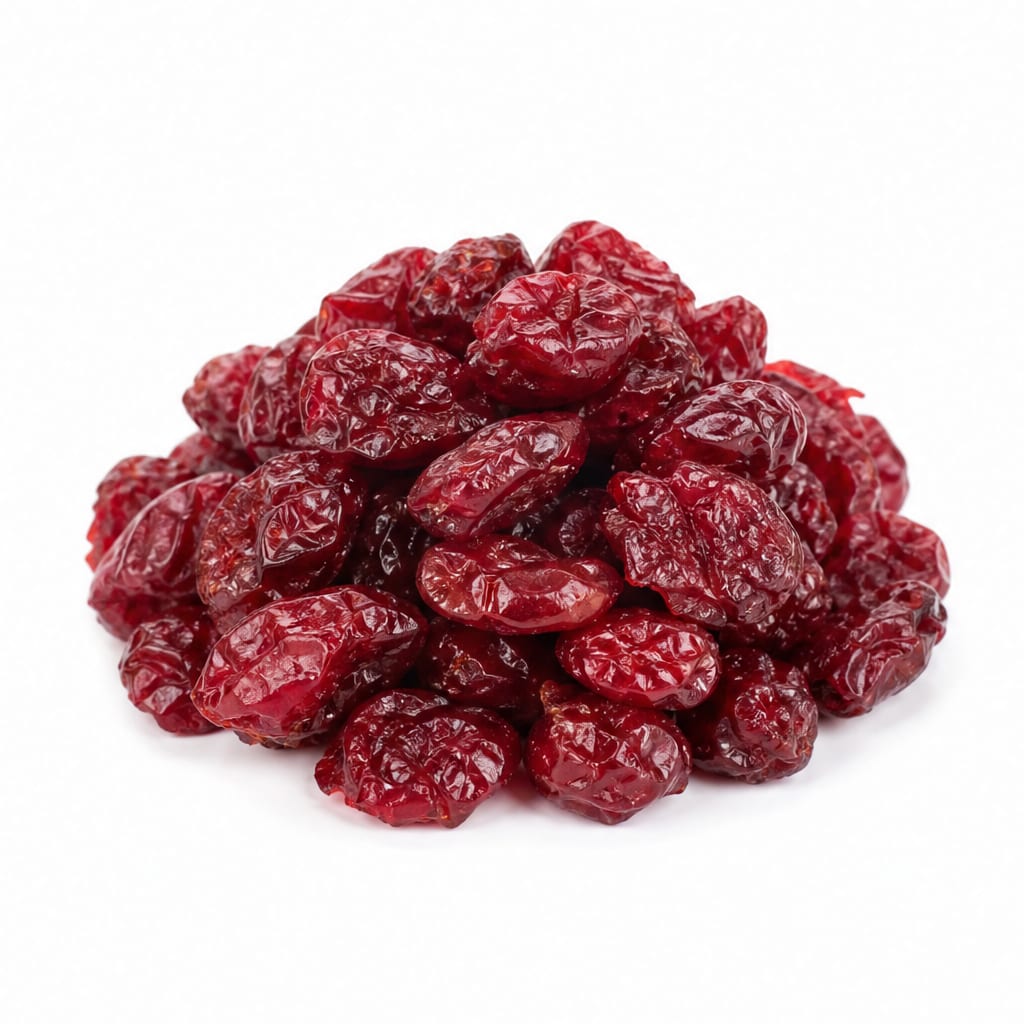
Dried Cranberry
Fresh cranberries win for health, but dried cranberries win for convenience — the sugar gap is enormous.
Fresh cranberries score significantly higher due to minimal sugar, lower calorie density, and no processing additives. Dried cranberries lose ground mainly because of added sugar and calorie concentration, though they gain some points for convenience and shelf stability.
You trade a huge amount of added sugar and calorie density for shelf stability and grab-and-go ease.
At a glance
Executive summary
Overall
Cranberry
Healthier
Cranberry
More practical
Dried Cranberry
Daily use
Cranberry
Key comparison lenses
sugar and calorie comparison
Dried cranberries are typically sweetened with added sugar, making sugar content the single most important difference between these two forms
convenience vs nutrition tradeoff
Users choosing between fresh and dried cranberries are usually weighing snack convenience against nutritional quality
weight management impact
Calorie density differs dramatically, making this relevant for anyone watching portion sizes or daily intake
antioxidant preservation
Both forms retain proanthocyanidins linked to urinary tract health, but drying affects vitamin C and certain phytonutrients
processing and additive concerns
Most commercial dried cranberries contain added sugar and sometimes oils or preservatives, raising processing concerns
Best choice for
Cranberry
- People managing blood sugar or diabetes
- Anyone counting calories or watching weight
- Those avoiding added sugars
- UTI prevention with minimal calorie cost
- Home cooks making sauces or baked goods from scratch
Dried Cranberry
- Trail mix and on-the-go snacking
- Hikers and athletes needing portable energy
- People who find fresh cranberries too tart
- Long-term pantry storage without refrigeration
- Quick salad or oatmeal toppings
Least suitable for
Cranberry
- People wanting a sweet, ready-to-eat snack
- Those without refrigeration access
- Anyone who strongly dislikes tart flavors
Dried Cranberry
- People with diabetes or insulin resistance
- Anyone on a low-sugar or low-carb diet
- Those prone to overeating calorie-dense snacks
- Children whose sugar intake parents want to limit
Deep comparison
Dimension by dimension
Each lens scores both foods and breaks down who each option suits.
- Dimension 1 · Priority 95Cranberry
Sugar & Blood Sugar Impact
Cranberry · 92Dried Cranberry · 22Fresh cranberries contain only natural sugars (~4g per cup), while dried cranberries often pack 25-30g of added sugar per serving.
Tradeoff
Dried cranberries are palatable and sweet, but that sweetness comes at a steep metabolic cost that spikes blood sugar.
Why it matters
The added sugar in dried cranberries can trigger energy crashes, increase cravings, and undermine the very health benefits cranberries are known for.
Real-world impact
A handful of dried cranberries can hit you with more sugar than a candy bar, while a full cup of fresh cranberries has less sugar than an apple.
Cranberry
- Steady energy without afternoon crashes
- Diabetes-friendly fruit option
- Lower insulin demand throughout the day
Better for
- Too tart to eat large quantities plain
Worse for
Dried Cranberry
- Quick energy before or during exercise
- More palatable for people who dislike tart flavors
Better for
- Blood sugar spikes followed by crashes
- Can trigger sugar cravings in sequence
- Makes portion control very difficult
Worse for
- Dimension 2 · Priority 88Cranberry
Calorie Density & Weight Management
Cranberry · 88Dried Cranberry · 30Fresh cranberries provide about 46 calories per cup. Dried cranberries deliver roughly 310 calories per cup due to sugar addition and water removal.
Tradeoff
Dried cranberries are easy to overeat because they are small, sweet, and less filling — a recipe for unintended calorie surplus.
Why it matters
Water content in fresh cranberries provides volume and fullness. Removing water and adding sugar creates a calorie bomb that does not signal satiety.
Real-world impact
You could eat two full cups of fresh cranberries for fewer calories than a quarter cup of dried ones, and feel far more satisfied.
Cranberry
- Volume eating — feel full on fewer calories
- Weight loss diets where satiety matters
- Mindless snacking without major calorie damage
Better for
- Need refrigeration and spoil faster
- Bulkier to carry as a snack
Worse for
Dried Cranberry
- Backpacking or endurance sports where calorie density is desired
- Gaining weight healthily when appetite is low
Better for
- Very easy to accidentally consume 300+ calories in a sitting
- Does not trigger fullness signals effectively
Worse for
- Dimension 3 · Priority 78Cranberry
Antioxidant & Phytonutrient Content
Cranberry · 85Dried Cranberry · 68Both forms retain proanthocyanidins that support urinary tract health, but fresh cranberries preserve more vitamin C and certain heat-sensitive antioxidants.
Tradeoff
Drying concentrates some antioxidants per gram, but the added sugar and loss of vitamin C reduce the net benefit.
Why it matters
The UTI-preventing compounds survive drying reasonably well, so dried cranberries still offer this benefit — just with a sugar side effect.
Real-world impact
If you are eating cranberries specifically for urinary tract health, fresh gives you the benefit without the sugar penalty, but dried still works if you keep portions tiny.
Cranberry
- Higher vitamin C per serving
- More complete antioxidant profile
- Anti-inflammatory benefits without sugar-driven inflammation
Better for
- Need to eat more volume to match concentrated doses
Worse for
Dried Cranberry
- Concentrated proanthocyanidins per gram of food
- Still effective for UTI support in small doses
Better for
- Added sugar can promote inflammation, partially counteracting antioxidant benefits
- Vitamin C significantly reduced during drying
Worse for
- Dimension 4 · Priority 82Dried Cranberry
Convenience & Practicality
Cranberry · 35Dried Cranberry · 88Dried cranberries are shelf-stable, portable, and ready to eat. Fresh cranberries require refrigeration, are seasonal, and are too tart for most people to eat raw.
Tradeoff
You gain grab-and-go convenience with dried cranberries, but you lose the nutritional advantage and risk overconsumption.
Why it matters
In real life, convenience often wins over nutrition. Dried cranberries fit into busy routines, lunchboxes, and travel bags effortlessly.
Real-world impact
Tossing dried cranberries into a salad or trail mix takes zero effort. Fresh cranberries usually need cooking or sweetening before most people enjoy them.
Cranberry
- Better for cooking and baking from scratch
- No hidden ingredients to worry about
Better for
- Limited seasonal availability in many regions
- Perishable — spoils within weeks
- Too tart to eat raw for most palates
Worse for
Dried Cranberry
- Pantry staple that lasts months
- Easy topping for oatmeal, yogurt, and salads
- Portable snack for travel and outdoor activities
- No prep required
Better for
- Portion control is harder when food is easy to eat mindlessly
Worse for
- Dimension 5 · Priority 65Cranberry
Fiber Content
Cranberry · 78Dried Cranberry · 55Fresh cranberries provide about 4.6g fiber per cup. Dried cranberries offer similar fiber per cup by weight, but the much higher calorie cost makes fiber-per-calorie far worse.
Tradeoff
Dried cranberries have concentrated fiber, but you pay for it with far more calories and sugar to get the same fiber amount.
Why it matters
Fiber per calorie is a more useful metric than fiber per gram when managing weight and blood sugar.
Real-world impact
Getting 5g of fiber from fresh cranberries costs you about 50 calories. Getting that same fiber from dried cranberries costs roughly 300 calories.
Cranberry
- Better fiber-to-calorie ratio
- More filling per calorie consumed
Better for
- Need to eat a full cup for meaningful fiber
Worse for
Dried Cranberry
- Dense fiber source for those who struggle to eat enough volume
Better for
- Fiber comes packaged with excessive sugar and calories
Worse for
- Dimension 6 · Priority 72Cranberry
Processing & Additives
Cranberry · 95Dried Cranberry · 35Fresh cranberries are a whole, unprocessed fruit. Most dried cranberries contain added sugar, and some include vegetable oil and preservatives.
Tradeoff
Dried cranberries are a processed food masquerading as fruit. The ingredient list often reveals sugar as the first or second ingredient.
Why it matters
Many consumers assume dried fruit is equivalent to fresh fruit nutritionally, but the processing changes the food fundamentally.
Real-world impact
A bag of dried cranberries often lists cranberries, sugar, and sometimes sunflower oil — making it closer to candy than fresh fruit.
Cranberry
- Single ingredient — no label reading needed
- No hidden oils, preservatives, or added sweeteners
- Truly a whole food
Better for
- Limited availability outside harvest season in some areas
Worse for
Dried Cranberry
- Some brands offer unsweetened or juice-sweetened versions with cleaner labels
Better for
- Added sugar is essentially universal in conventional brands
- May contain sunflower oil or other processing aids
- Preservatives like sulfur dioxide in some varieties
Worse for
Timeline
Health impact over time
Short-term
Hours to days
Cranberry
- Tart flavor may limit overconsumption naturally
- Low sugar means no blood sugar spike or crash
- High water content supports hydration
Dried Cranberry
- Quick blood sugar spike followed by energy dip within 1-2 hours
- Easy to eat multiple servings without feeling full
- May trigger cravings for more sweet foods shortly after eating
Long-term
Months to years
Cranberry
- Consistent intake supports urinary tract health without metabolic cost
- Low sugar intake supports stable weight and insulin sensitivity
- Antioxidant intake without pro-inflammatory sugar load
Dried Cranberry
- Regular consumption contributes significant added sugar to diet, increasing risk of insulin resistance
- Calorie density may contribute to gradual weight gain if portions are not carefully controlled
- UTI-protective compounds still present, but net anti-inflammatory benefit is reduced by added sugar
Risk profile
Safety & processing
Fresh cranberries are a whole food with one ingredient. Dried cranberries are a processed product where sugar typically outweighs the fruit itself by weight, and some brands add oils or preservatives. The naturalness gap here is substantial.
Cranberry
Pesticide residue
mediumCranberries appear on the EWG Dirty Dozen list periodically due to pesticide residues. Washing helps but does not eliminate all residues. Organic options are advisable if available.
Mold and spoilage
lowFresh cranberries can develop mold if stored too long. Discard any soft or discolored berries.
Dried Cranberry
Added sugar overconsumption
highThe primary safety concern is not contamination but chronic overconsumption of added sugar, which is linked to obesity, diabetes, heart disease, and fatty liver.
Sulfur dioxide sensitivity
mediumSome dried cranberry brands use sulfur dioxide as a preservative, which can trigger asthma or allergic reactions in sensitive individuals.
Oxidized oils
lowSome brands add sunflower oil to prevent clumping. Over time, this oil can oxidize, especially if stored in warm conditions.
Who wins for whom
Audience fit
Same foods, different winners depending on your goal.
children
CranberryChildren benefit from low-sugar fruit options. Dried cranberries train young palates toward excessive sweetness and contribute to daily added sugar limits quickly.
daily consumption
CranberryDaily intake of fresh cranberries supports health without sugar burden. Daily dried cranberries would add significant sugar to the diet over time.
diabetes
CranberryMinimal natural sugar and a low glycemic load make fresh cranberries safe for blood sugar management. Dried cranberries are essentially candy for a diabetic metabolism.
elderly
It dependsFresh cranberries support urinary tract and metabolic health in older adults. Dried cranberries may help those with poor appetite who need calorie-dense, easy-to-chew options.
muscle gain
Dried CranberryDried cranberries offer quick-digesting carbs that can support glycogen replenishment after training, though neither food is a significant protein source.
weight loss
CranberryFresh cranberries provide volume and satisfaction at a fraction of the calorie cost. Dried cranberries are too calorie-dense and easy to overeat for most weight loss plans.
Your move
Decision guide
Choose Cranberry
- You want the full health benefits of cranberries without added sugar
- You are managing your weight, blood sugar, or daily calorie intake
- You enjoy cooking and can use fresh cranberries in sauces, baked goods, or smoothies
- You want a single-ingredient whole food with no label surprises
- You are prone to urinary tract infections and want preventative support without metabolic cost
Choose Dried Cranberry
- You need a portable, shelf-stable snack for hiking, travel, or busy days
- You find fresh cranberries too tart and would not eat them otherwise
- You are an athlete needing quick carbohydrate energy after exercise
- You want an easy salad, oatmeal, or yogurt topping that requires zero prep
- You can reliably control portions to a small handful per sitting
Either works if
- You are using cranberries primarily for their proanthocyanidin content and can manage portions
- You want variety in your fruit intake and rotate between fresh and dried forms
Avoid both if
- You have a cranberry allergy or sensitivity
- You are on blood-thinning medication like warfarin, as cranberries can interact with it
- You are prone to kidney stones from oxalates, as cranberries contain moderate oxalate levels
Final recommendation
Choose fresh cranberries whenever possible for the best health return. If you opt for dried cranberries, look for unsweetened or juice-sweetened brands, stick to a quarter-cup serving, and treat them more like a condiment than a snack. The sugar difference between these two forms is the deciding factor for most people.
Practical
Consumer tips
- 1
Check the ingredient list on dried cranberries — if sugar is the first ingredient, you are eating more sugar than cranberry
- 2
Look for unsweetened dried cranberries sweetened with apple juice or no sweetener at all — brands like Patience Fruit & Co offer cleaner options
- 3
Fresh cranberries freeze beautifully — stock up during fall harvest season and freeze for year-round use
- 4
If using dried cranberries in recipes, reduce other added sugars to compensate for the sweetness they bring
- 5
A quarter cup of dried cranberries contains roughly the same sugar as a fun-size candy bar — use that as a mental reference
- 6
Add fresh cranberries to smoothies, oatmeal, or muffins where their tartness balances other sweet ingredients naturally
- 7
Mix a small amount of dried cranberries with nuts and seeds to slow sugar absorption and add satiety