
Nutrition comparison
Cranberry vs Pomegranate: Antioxidants, Sugar, and Health Benefits Compared
Cranberry vs Pomegranate comparison: Discover which fruit is better for UTIs, heart health, and daily snacking. Learn about sugar content, fiber, and practical tradeoffs.
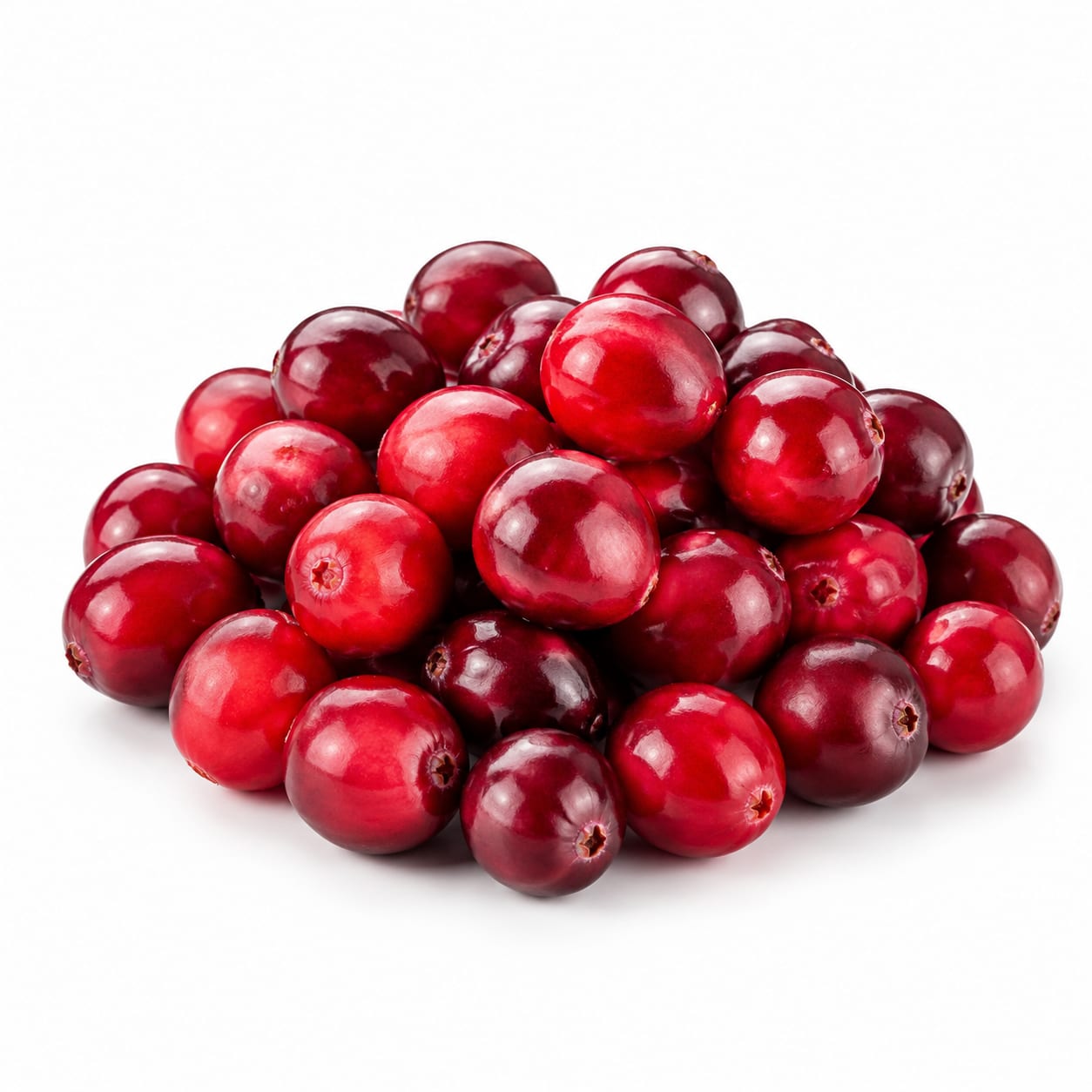
Cranberry
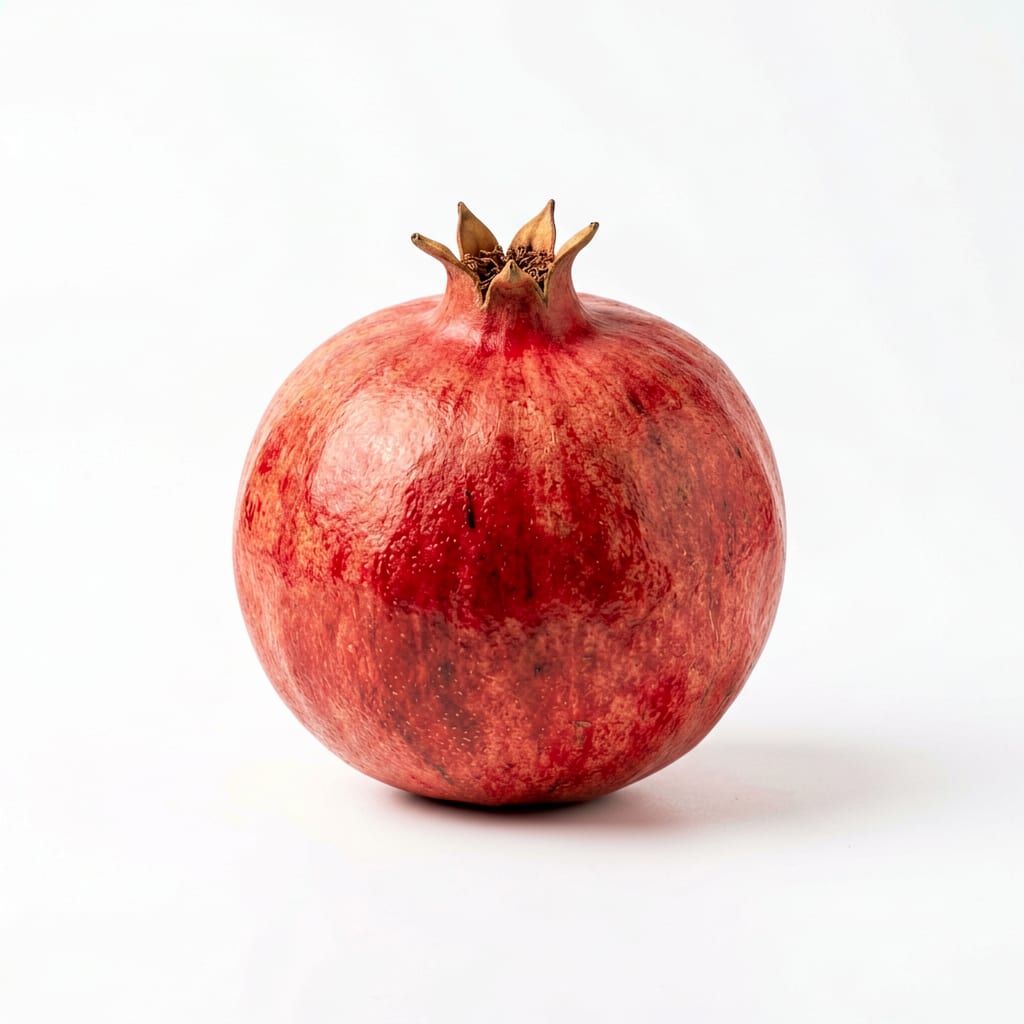
Pomegranate
Pomegranate wins for everyday eating and heart health, while cranberry is the targeted choice for urinary tract protection.
Pomegranate scores higher due to its superior whole-food versatility, fiber content, and broader cardiovascular benefits. Cranberry scores lower because its most potent benefits require isolated extracts, and its common dietary forms are loaded with added sugar.
Pomegranate offers a tastier, fiber-rich whole-food experience, whereas cranberry's real power is in targeted UTI prevention, but its extreme tartness often leads to high added sugar consumption.
At a glance
Executive summary
Overall
It depends
Healthier
It depends
More practical
Pomegranate
Daily use
Pomegranate
Key comparison lenses
Targeted health benefits (UTI vs Heart)
Cranberry is uniquely famous for urinary tract health, while pomegranate is heavily researched for cardiovascular benefits.
Sugar content and form of consumption
Cranberries are rarely eaten raw due to tartness, leading to high-sugar juices and dried forms, whereas pomegranate arils are naturally sweet and eaten whole.
Antioxidant profile comparison
Both are antioxidant powerhouses, but they contain different types of polyphenols that serve different purposes in the body.
Best choice for
Cranberry
- Preventing urinary tract infections
- Reducing H. pylori stomach issues
- Adding tart flavor to recipes
Pomegranate
- Boosting heart health and blood flow
- Getting more daily fiber
- A naturally sweet, antioxidant-rich snack
Least suitable for
Cranberry
- People avoiding added sugars (if consuming dried/juice forms)
- Those who dislike very tart flavors
Pomegranate
- People on strict low-sugar diets (due to natural sugar content)
- Those who find seeding them too tedious
Deep comparison
Dimension by dimension
Each lens scores both foods and breaks down who each option suits.
- Dimension 1 · Priority 95It depends
Antioxidant Profile & Targeted Benefits
Cranberry · 90Pomegranate · 92Both are antioxidant powerhouses, but they shine in different areas. Cranberry is famous for UTI prevention, while pomegranate excels at heart health and reducing inflammation.
Tradeoff
You trade cranberry's unique urinary tract benefits for pomegranate's broader cardiovascular and anti-inflammatory perks.
Why it matters
If you struggle with recurrent UTIs, cranberry's specific PACs are unmatched. For general longevity and heart health, pomegranate's punicalagins are more impactful.
Real-world impact
Eating cranberries regularly can keep UTIs at bay, while adding pomegranate to your diet can improve blood pressure and exercise recovery.
Cranberry
- Recurrent UTI sufferers
- Kidney health maintenance
Better for
- Immediate heart health markers like blood pressure
Worse for
Pomegranate
- Cardiovascular health
- Reducing muscle soreness after exercise
- General anti-aging
Better for
- Specific UTI prevention
Worse for
- Dimension 2 · Priority 85Pomegranate
Sugar Content & Blood Sugar Impact
Cranberry · 55Pomegranate · 80Fresh cranberries are extremely low in sugar but nearly inedible raw. Pomegranate arils are naturally sweet and eaten whole, making them a better real-world choice for blood sugar stability.
Tradeoff
Cranberry's low natural sugar is a plus, but the added sugar in cranberry juice, dried cranberries, and sauce negates this. Pomegranate has more natural sugar but is satisfying enough to eat without sweeteners.
Why it matters
Hidden added sugars in cranberry products can spike blood sugar and add empty calories. Pomegranate's sugar comes packaged with fiber, slowing absorption.
Real-world impact
A handful of dried cranberries can spike your blood sugar like candy, whereas a bowl of pomegranate arils provides steady, refreshing energy.
Cranberry
- People who strictly consume fresh/frozen cranberries in smoothies
Better for
- People buying standard cranberry juice or dried cranberries
Worse for
Pomegranate
- Those wanting a naturally sweet treat without added sugar
- Better blood sugar control in realistic eating
Better for
- Very low-carb dieters who count even natural sugars
Worse for
- Dimension 3 · Priority 75Pomegranate
Fiber & Satiety
Cranberry · 60Pomegranate · 88Pomegranate arils deliver a satisfying crunch and 4g of fiber per 100g, while cranberries are rarely eaten in large enough quantities whole to provide significant fiber.
Tradeoff
Pomegranate fills you up and supports digestion better, while cranberry's fiber contribution is usually minimal due to portion sizes and preparation methods.
Why it matters
Fiber keeps you full and stabilizes digestion. Pomegranate is a true filling snack; cranberry is usually a condiment or juice.
Real-world impact
Eating pomegranate arils as an afternoon snack curbs hunger effectively. Cranberry juice does nothing for satiety.
Cranberry
- Adding small amounts of fiber to baked goods
Better for
- Those relying on cranberry juice for health benefits
Worse for
Pomegranate
- Feeling full between meals
- Improving daily fiber intake
- Supporting gut motility
Better for
- People who only drink pomegranate juice and skip the arils
Worse for
- Dimension 4 · Priority 70Pomegranate
Practicality & Versatility
Cranberry · 65Pomegranate · 85Pomegranate arils are a delicious, ready-to-eat snack or topping. Fresh cranberries are too tart to eat alone and have a very short seasonal availability.
Tradeoff
Pomegranate takes effort to seed but is immediately rewarding. Cranberries require cooking or sweetening to be palatable.
Why it matters
You are more likely to eat a food regularly if it tastes good in its natural state. Pomegranate wins on enjoyability.
Real-world impact
Sprinkling pomegranate on a salad or yogurt feels like a treat. Raw cranberries straight from the bag will make you pucker.
Cranberry
- Making sauces and relishes
- Baking
Better for
- Quick snacking
- Eating raw
Worse for
Pomegranate
- Snacking straight from the bowl
- Topping oatmeal or salads
- Quick no-cook additions
Better for
- Quick prep (seeding takes time)
Worse for
Timeline
Health impact over time
Short-term
Hours to days
Cranberry
- Can quickly acidify urine to fight bacteria
- Drinking juice may cause a rapid blood sugar spike
- Raw cranberries are very astringent
Pomegranate
- Provides a quick burst of refreshing energy
- High water content in arils aids hydration
- Satisfies sweet cravings without junk food
Long-term
Months to years
Cranberry
- Reduced UTI recurrence with regular consumption
- Potential dental erosion if consuming sugary cranberry juice daily
- Better gut health from unique polyphenols
Pomegranate
- Improved arterial health and blood flow
- Lower blood pressure over time
- Better digestive regularity from consistent fiber intake
Risk profile
Safety & processing
Both are whole foods when fresh, but cranberry's extreme tartness pushes most consumers toward processed, sugar-added versions like dried cranberries or juice cocktails. Pomegranate is typically consumed as fresh arils or 100% juice.
Cranberry
Pesticide residue
mediumConventional cranberries often have moderate pesticide residue; opt for organic if possible.
Added sugar in processed forms
highMost dried cranberries and juices contain huge amounts of added sugar, acting more like candy than fruit.
Pomegranate
Pesticide residue
mediumConventional pomegranates can carry pesticide residue on the thick rind, though the arils are protected.
Staining
lowThe juice stains easily, which is a cosmetic annoyance rather than a health risk.
Who wins for whom
Audience fit
Same foods, different winners depending on your goal.
children
PomegranateKids love the sweet, crunchy burst of pomegranate arils, whereas raw cranberries are too tart and sweetened versions pack too much sugar.
daily consumption
PomegranatePomegranate is easier to eat daily as a whole food without getting tired of the flavor or consuming excess added sugar.
diabetes
PomegranatePomegranate arils have a lower glycemic impact in realistic serving sizes compared to the added sugars in typical cranberry juices and dried forms.
elderly
CranberryCranberry's proven ability to prevent UTIs is highly beneficial for older adults, who are more susceptible to urinary infections.
muscle gain
It dependsNeither is a protein source, but pomegranate's nitrate content can improve blood flow and exercise recovery.
weight loss
PomegranatePomegranate arils are high in fiber and satisfying, making it easier to control portions and avoid added sugars found in most cranberry products.
Your move
Decision guide
Choose Cranberry
- You struggle with recurrent UTIs
- You enjoy making homemade sauces and baked goods
- You are careful to buy unsweetened juice or extracts
Choose Pomegranate
- You want a delicious, daily antioxidant boost
- Heart health is a top priority
- You need a high-fiber, naturally sweet snack
Either works if
- You want to increase your overall polyphenol intake
- You are looking for vibrant, antioxidant-rich salad toppings
Avoid both if
- You are on a strict very-low-carb or keto diet and cannot fit the carbs into your macros
Final recommendation
Choose pomegranate for a delicious, daily heart-healthy snack that you can actually enjoy raw. Turn to cranberry specifically if you need UTI prevention, but stick to extracts or unsweetened forms to avoid the sugar trap.
Practical
Consumer tips
- 1
If buying cranberry juice for UTIs, look for 100% pure unsweetened juice or take a PAC extract supplement instead of sugary cocktails.
- 2
Buy whole pomegranates when in season; pre-packaged arils are convenient but expensive.
- 3
Freeze fresh cranberries when they are in season in the fall to use in smoothies year-round.
- 4
To seed a pomegranate quickly, score the skin, submerge it in a bowl of water, and gently pry it apart—the arils sink, and the white membrane floats.
- 5
Avoid standard dried cranberries (like Craisins) if you are watching your sugar; they contain as much added sugar as candy.