
Nutrition comparison
Cranberry vs Grape: Which Is Healthier for You?
Compare cranberries and grapes on sugar, antioxidants, UTI prevention, and snacking behavior. Find out which fruit fits your health goals and lifestyle better.
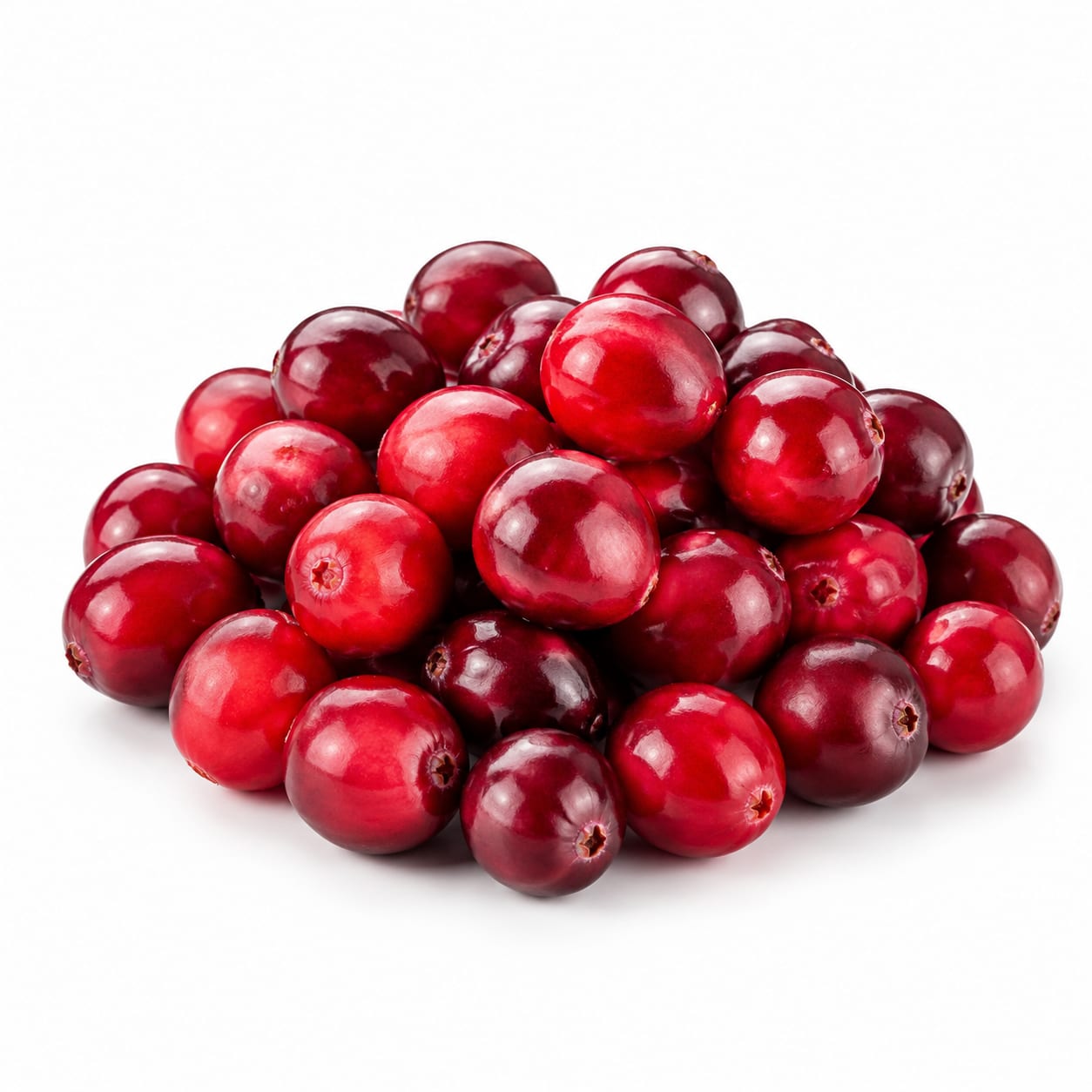
Cranberry
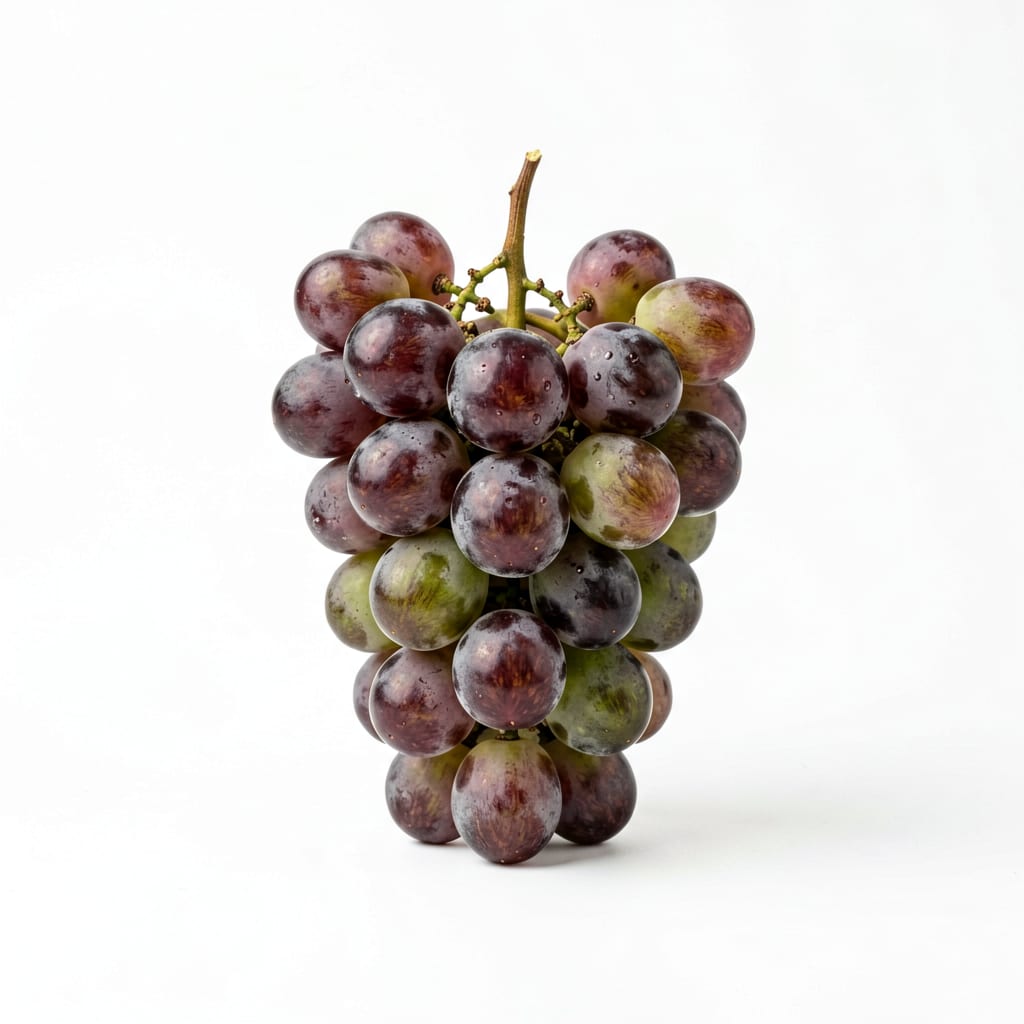
Grape
Cranberries win for targeted health benefits and blood sugar control; grapes win for enjoyment, convenience, and everyday snacking ease.
Cranberries score higher on health density and sugar control, but grapes score much higher on palatability and convenience. The modest overall gap reflects that most people will eat grapes more consistently, which matters for real-world nutrition outcomes.
Cranberries offer superior sugar control and unique UTI protection but require sweetness adjustment, while grapes are delicious and convenient but carry a higher sugar load that can sneak up on you.
At a glance
Executive summary
Overall
It depends
Healthier
Cranberry
More practical
Grape
Daily use
Grape
Key comparison lenses
sugar and blood impact
Grapes are significantly sweeter and higher in sugar, making blood sugar response a central concern for many users
antioxidant and disease prevention
Both berries are prized for unique antioxidants but serve very different protective roles in the body
urinary and gut health
Cranberries are uniquely famous for UTI prevention, a distinguishing factor most users care about
snacking behavior and overeating
Grapes are easy to overeat due to sweetness and poppability; cranberries naturally limit portions
everyday practicality
Fresh cranberries are seasonal and very tart; grapes are year-round and effortlessly snackable
Best choice for
Cranberry
- People prone to urinary tract infections
- Anyone monitoring blood sugar closely
- Those wanting maximum antioxidants per calorie
- Low-carb and keto-friendly snack seekers
Grape
- Active individuals needing quick natural energy
- Kids who reject tart flavors
- People wanting an effortless daily fruit habit
- Anyone recovering from illness who needs easy calories
Least suitable for
Cranberry
- People who strongly dislike tart or sour flavors
- Anyone looking for a sweet satisfying dessert fruit
- Those who struggle to find fresh cranberries outside autumn
Grape
- People with diabetes or insulin resistance managing sugar tightly
- Anyone prone to mindless snacking and overeating
- Those on very low-carb diets
Deep comparison
Dimension by dimension
Each lens scores both foods and breaks down who each option suits.
- Dimension 1 · Priority 92Cranberry
sugar_and_blood_stability
Cranberry · 88Grape · 42Cranberries contain roughly one-third the sugar of grapes per serving, making them far gentler on blood sugar.
Tradeoff
You get steadier energy with cranberries but sacrifice the immediate satisfaction and natural sweetness grapes provide.
Why it matters
Grapes can spike blood sugar quickly, especially eaten in large handfuls. Cranberries barely move the needle.
Real-world impact
A bowl of grapes can leave you hungry again in 30 minutes. Cranberries with a few nuts give you lasting energy without the crash.
Cranberry
- Diabetics and prediabetics
- Low-carb eaters
- Anyone avoiding afternoon energy crashes
Better for
- People who find unsweetened cranberries too tart to eat raw
Worse for
Grape
- Endurance athletes needing fast carbs
- Underweight individuals needing easy calories
Better for
- Insulin-resistant individuals
- Anyone tracking daily sugar intake carefully
Worse for
- Dimension 2 · Priority 88Cranberry
antioxidant_and_disease_prevention
Cranberry · 90Grape · 72Cranberries deliver unique proanthocyanidins that prevent bacteria from adhering to cell walls, a benefit virtually no other common fruit offers.
Tradeoff
Grapes provide resveratrol for heart health, but cranberries cover a broader range of protective effects including urinary, gut, and oral health.
Why it matters
The anti-adhesion properties of cranberry antioxidants are clinically proven for UTI prevention and emerging evidence supports gut and stomach lining protection.
Real-world impact
Regular cranberry consumption can meaningfully reduce UTI recurrence. Grapes support cardiovascular health but through more commonly available antioxidant pathways you can get from other fruits too.
Cranberry
- Women with recurrent UTIs
- People concerned about H. pylori and gut lining health
- Anyone wanting harder-to-replicate antioxidant coverage
Better for
- Those who only eat cranberries dried or sweetened, which diminishes the health advantage
Worse for
Grape
- People focused specifically on heart health and circulation
- Red wine seekers wanting a non-alcoholic source of resveratrol
Better for
- People expecting unique disease-fighting benefits beyond what other common fruits offer
Worse for
- Dimension 3 · Priority 80Cranberry
snacking_behavior_and_satiety
Cranberry · 78Grape · 52Cranberries naturally limit overeating through their tartness, while grapes are one of the easiest fruits to overconsume.
Tradeoff
Built-in portion control with cranberries comes at the cost of less enjoyment per bite. Grapes are more pleasurable but rarely trigger fullness signals before you have eaten too many.
Why it matters
It is very easy to consume 300+ calories of grapes in one sitting without feeling full. Cranberries effectively self-regulate intake.
Real-world impact
A standard grape snacking session can easily become 2-3 servings before you notice. A handful of fresh cranberries will feel like plenty quickly.
Cranberry
- Emotional eaters who benefit from natural portion limits
- Anyone tracking calories who wants low-risk snacking
Better for
- Those who find fresh cranberries too sour to eat as a standalone snack
Worse for
Grape
- People who struggle to eat enough fruit and need an enjoyable entry point
- Kids who need palatable fruit options
Better for
- Anyone who has finished a whole bag of grapes without realizing it
Worse for
- Dimension 4 · Priority 75Grape
convenience_and_availability
Cranberry · 40Grape · 90Grapes are available year-round, require no prep, and are instantly snackable. Fresh cranberries are seasonal and nearly inedible raw without sweetening.
Tradeoff
Grapes win on pure convenience, but most people consume cranberries as dried fruit or juice, which dramatically changes their nutritional profile.
Why it matters
The form in which you actually eat cranberries matters enormously. Dried cranberries are sugar-loaded, and cranberry juice is often heavily sweetened.
Real-world impact
You can grab grapes on your way out the door. Fresh cranberries require cooking or sweetening, which adds time and often added sugar.
Cranberry
- Home cooks who enjoy making sauces, relishes, and baked goods
- People who plan meals ahead and batch-prep
Better for
- People who want grab-and-go fruit
- Anyone shopping outside autumn without access to frozen cranberries
Worse for
Grape
- Busy professionals needing zero-prep snacks
- Parents packing school lunches quickly
- Anyone who wants fruit that requires zero thought
Better for
- Those in regions with limited fresh grape quality
Worse for
- Dimension 5 · Priority 70Cranberry
fiber_and_digestive_value
Cranberry · 75Grape · 55Cranberries provide more fiber per calorie and contain compounds that support gut lining integrity beyond basic fiber benefits.
Tradeoff
Neither fruit is a fiber powerhouse compared to berries like raspberries, but cranberries edge ahead meaningfully when adjusted for sugar content.
Why it matters
Fiber per sugar ratio matters more than absolute fiber. Cranberries give you more gut benefit per gram of sugar consumed.
Real-world impact
A serving of cranberries gives you useful fiber with minimal sugar cost. Grapes require more sugar intake to get the same fiber benefit.
Cranberry
- People prioritizing gut health per calorie
- Those managing digestive conditions who need gentle fiber
Better for
- People eating only dried sweetened cranberries, which have less fiber and much more sugar
Worse for
Grape
- Anyone who simply needs easy hydration and mild fiber from fruit
Better for
- Those relying on grapes as a primary fiber source
Worse for
Timeline
Health impact over time
Short-term
Hours to days
Cranberry
- Very stable blood sugar with no energy crash
- Mouth-puckering tartness that naturally limits intake
- Immediate diuretic effect that supports urinary tract flushing
Grape
- Quick energy boost from natural sugars
- Refreshing hydration from high water content
- Possible urge to keep eating beyond hunger due to sweetness
Long-term
Months to years
Cranberry
- Reduced UTI recurrence with consistent consumption
- Better blood sugar control over months and years
- Potential protection against H. pylori and stomach lining issues
- Risk of excess sugar intake if primarily consumed as dried sweetened cranberries or juice cocktails
Grape
- Cardiovascular support from resveratrol and polyphenols
- Possible contribution to gradual weight gain if portions are not managed
- Decent antioxidant intake but from pathways easily replicated by other fruits
- Risk of habitual overconsumption normalizing high daily sugar intake
Risk profile
Safety & processing
Both fruits are whole and unprocessed in fresh form. However, most cranberries reach consumers as dried fruit with added sugar or as juice cocktails with sweeteners, which significantly raises additive concerns. Grapes are overwhelmingly eaten fresh, making their real-world processing exposure lower.
Cranberry
Added sugar in dried and juiced forms
mediumOver 95% of cranberries consumed are dried or juiced, often with substantial added sugar that undermines the health advantages of the raw fruit.
Oxalate content
lowCranberries contain moderate oxalates, which could be a concern for people prone to calcium oxalate kidney stones if consumed in large amounts.
Pesticide residue
lowCranberries are on the EWG's Clean Fifteen list, meaning conventional cranberries typically have low pesticide residues.
Grape
Pesticide residue
mediumGrapes consistently appear on the EWG's Dirty Dozen list with frequent and varied pesticide residues. Washing helps but does not eliminate all exposure.
Sugar overconsumption
mediumNot a contamination risk per se, but the ease of eating large quantities rapidly makes sugar load a practical safety concern for metabolic health.
Mold and spoilage
lowGrapes spoil relatively quickly and can harbor mold that spreads fast within a bunch. Inspect carefully before eating.
Who wins for whom
Audience fit
Same foods, different winners depending on your goal.
children
GrapeMost children enjoy the sweetness of grapes and reject the tartness of fresh cranberries. Grapes are also easier for small hands to manage, though they should be sliced for toddlers.
daily consumption
GrapeGrapes are easier to enjoy daily without recipe effort. Cranberries require more preparation or acceptance of tartness, which reduces daily adherence for most people.
diabetes
CranberryCranberries have a much lower glycemic impact and sugar content. Grapes can cause noticeable blood sugar spikes, especially in larger portions.
elderly
CranberryUTI prevention, blood sugar stability, and anti-inflammatory benefits are especially valuable for older adults. The tartness is less of a barrier when cranberries are cooked into sauces or baked goods.
muscle gain
GrapeGrapes provide faster-digesting carbs that can support glycogen replenishment around workouts. Neither fruit is a protein source.
weight loss
CranberryLower sugar, more fiber per calorie, and built-in portion control from tartness make cranberries more weight-loss friendly. Grapes are easy to overeat.
Your move
Decision guide
Choose Cranberry
- You want maximum health benefit per calorie and sugar gram
- You are prone to UTIs or want preventative urinary tract support
- You are managing blood sugar, insulin resistance, or a low-carb diet
- You enjoy tart flavors or are willing to cook and sweeten them yourself with controlled amounts of honey or maple syrup
Choose Grape
- You want a delicious, effortless everyday snack fruit
- You need quick natural energy before or after exercise
- You are feeding kids who reject sour flavors
- You struggle to eat enough fruit and need something you genuinely look forward to
Either works if
- You want antioxidant-rich fruit variety in your diet
- You are generally healthy and not monitoring sugar closely
- You enjoy mixing both into salads, oatmeal, or yogurt for contrasting flavors
Avoid both if
- You are on a strict very-low-carb or ketogenic diet and cannot budget for fruit sugar
- You have a fructose intolerance or malabsorption issue
- You are looking for a high-protein snack — neither fruit provides meaningful protein
Final recommendation
Eat cranberries when health optimization is your priority, especially for urinary and blood sugar benefits. Eat grapes when enjoyment and consistency matter more. The best approach is rotating both — cranberries for targeted protection, grapes for daily pleasure — while being honest about how much sugar each handful of grapes actually contains.
Practical
Consumer tips
- 1
If you buy dried cranberries, check the label — many brands add more sugar per serving than the fruit itself contains. Look for unsweetened or lightly sweetened options.
- 2
Freeze fresh cranberries in autumn when they are widely available. They keep for months and work perfectly in smoothies, oatmeal, and baked goods year-round.
- 3
Wash grapes thoroughly and consider buying organic since they rank high for pesticide residue. This matters more for grapes than for cranberries.
- 4
If fresh cranberries are too tart, try simmering them with a splash of orange juice and a small amount of honey. You control the sugar this way, unlike store-bought cranberry sauce.
- 5
Aim for whole cranberries over cranberry juice. Most commercial cranberry juice is diluted with other juices and sweetened, delivering a fraction of the benefits with far more sugar.
- 6
Mixing a small handful of fresh cranberries into a grape snack bowl adds tart contrast and naturally slows down how fast you eat.