
Nutrition comparison
Raspberry vs Cranberry: Which Berry is Healthier?
Compare Raspberries vs Cranberries for fiber, sugar, and health benefits. Learn which is better for UTIs, weight loss, and daily snacking.
Overall winner · Raspberry
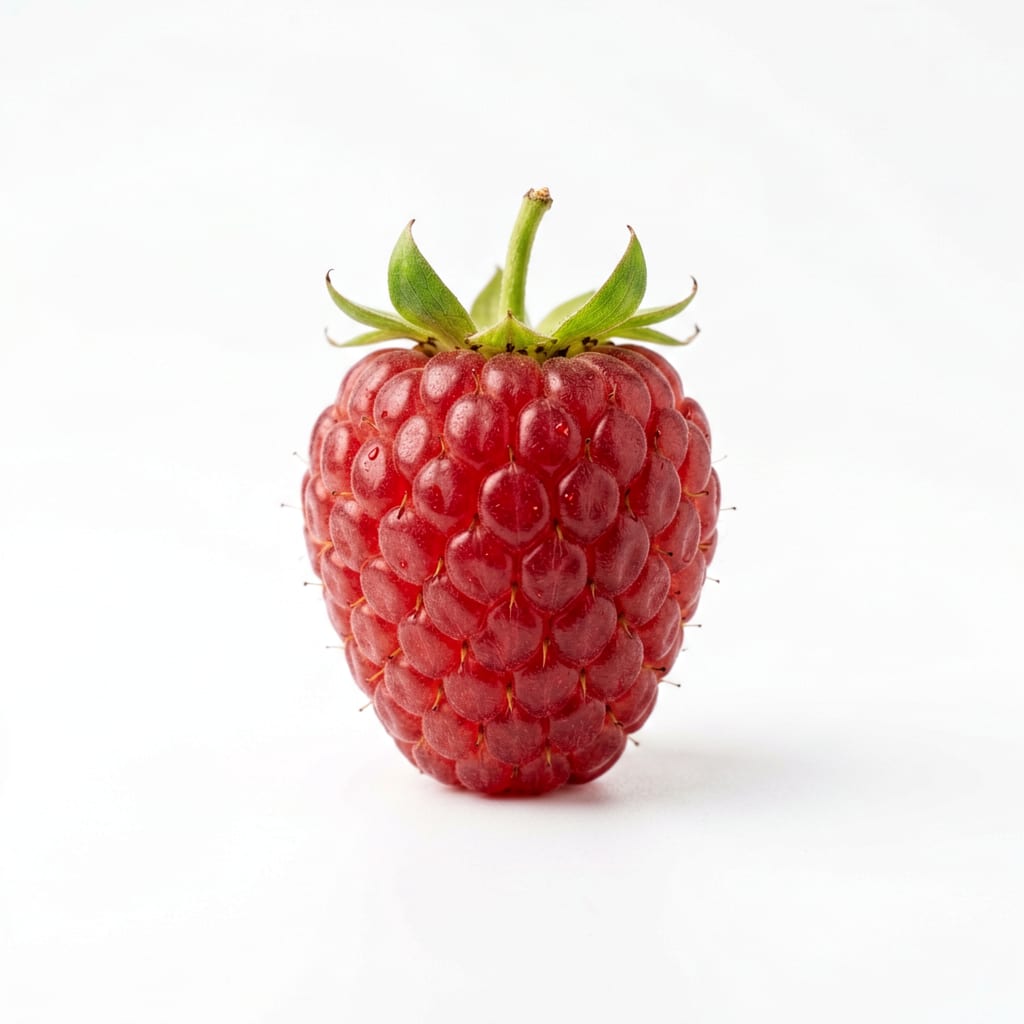
Raspberry
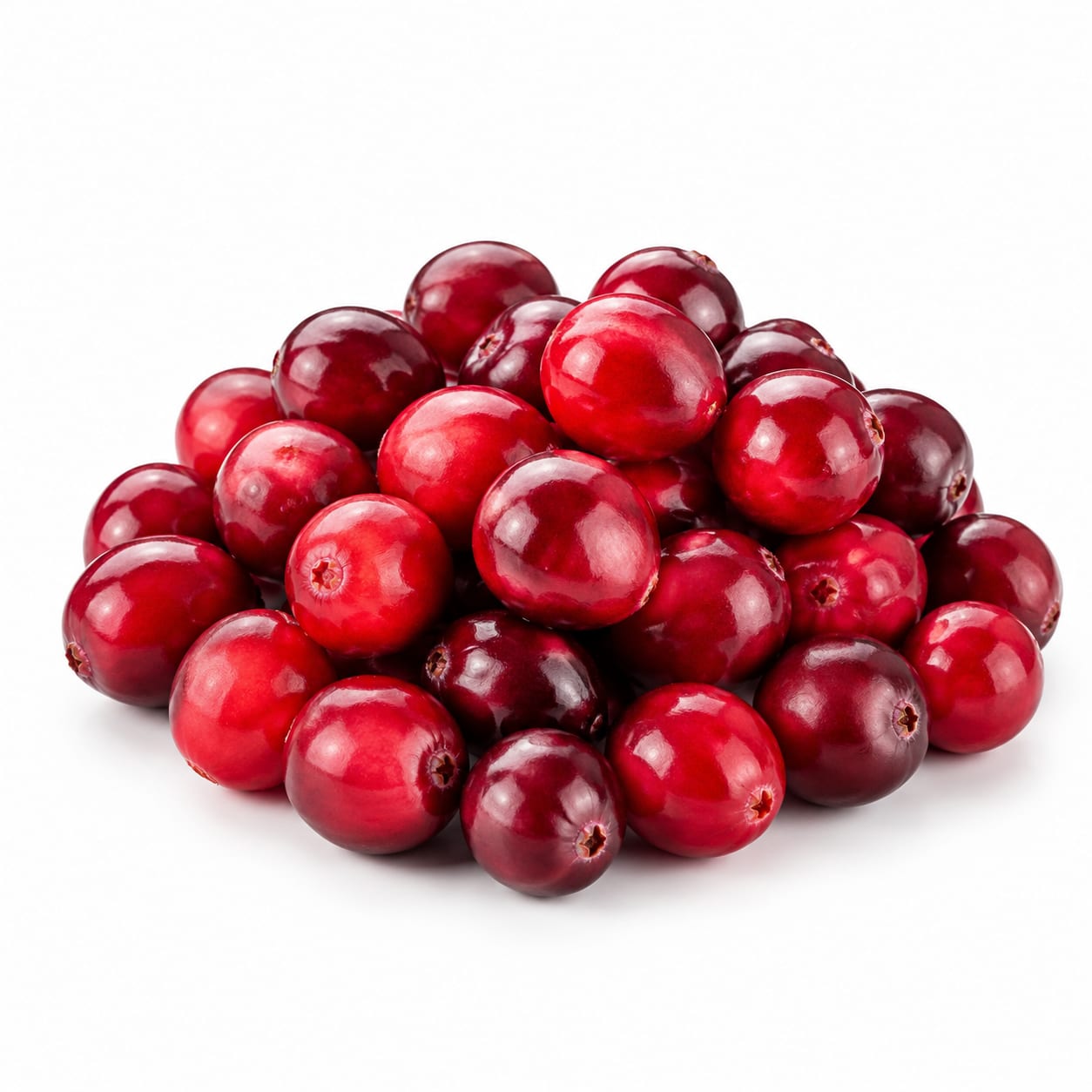
Cranberry
Raspberries are the better everyday berry, offering superior fiber and a naturally sweet taste that requires no added sugar. Cranberries excel for specific issues like UTI prevention but are rarely enjoyable raw.
Raspberries score higher because they are naturally palatable and packed with fiber, making them easy to eat raw. Cranberries lose points because their extreme tartness usually leads to processed, sugar-added consumption.
You trade the digestive benefits and easy snacking appeal of Raspberries for the unique urinary tract protections of Cranberries.
At a glance
Executive summary
Overall
Raspberry
Healthier
Raspberry
More practical
Raspberry
Daily use
Raspberry
Key comparison lenses
Fiber and digestive health
Raspberries are one of the highest fiber berries available, making gut health a major differentiator.
Sugar content and practical consumption
Raw cranberries are extremely tart and rarely eaten without added sugar, which drastically changes their real-world nutritional profile.
Targeted health benefits like UTI prevention
Cranberries are uniquely famous for urinary tract health, which drives many consumers to choose them over sweeter berries.
Best choice for
Raspberry
- Daily snacking and breakfast toppings
- Improving digestion and gut health
- Satisfying sweet cravings naturally
Cranberry
- Preventing urinary tract infections
- Adding tart flavor to recipes
- Using as a targeted supplement alternative
Least suitable for
Raspberry
- People needing a tart, acidic flavor profile for cooking
- Targeted UTI prevention without eating large volumes
Cranberry
- Anyone sensitive to tart flavors who might add heavy sweeteners
- A quick, satisfying raw snack on the go
Deep comparison
Dimension by dimension
Each lens scores both foods and breaks down who each option suits.
- Dimension 1 · Priority 95Raspberry
Fiber and Satiety
Raspberry · 95Cranberry · 55Raspberries dominate with nearly double the fiber per serving, keeping you fuller for longer.
Tradeoff
You get significantly less digestive support from Cranberries unless you eat them in large quantities.
Why it matters
High fiber stabilizes blood sugar and prevents afternoon energy crashes.
Real-world impact
A bowl of Raspberries feels like a satisfying snack; a bowl of raw Cranberries feels like a chore to finish.
Raspberry
- Gut health
- Staying full between meals
- Blood sugar stability
Better for
- Slightly higher calorie count per cup due to larger berry size and carb content
Worse for
Cranberry
- Low-calorie bulk if you can tolerate the tartness
Better for
- Feeling hungry soon after eating
Worse for
- Dimension 2 · Priority 90Raspberry
Sugar and Real-World Consumption
Raspberry · 88Cranberry · 45While raw Cranberries are very low in sugar, almost no one eats them that way, leading to added sugars in juices and dried forms.
Tradeoff
Raspberries offer a naturally sweet experience with no sweetener needed, whereas Cranberries often require sugar to be palatable.
Why it matters
Hidden added sugars undermine the health benefits of berries, spiking insulin and causing cravings.
Real-world impact
Adding Raspberries to yogurt is a zero-sugar win; adding Cranberries usually means reaching for sweetened dried fruit or juice.
Raspberry
- Clean, no-sugar-added snacking
- Avoiding hidden sweeteners
Better for
- Slightly higher natural sugar than raw Cranberries
Worse for
Cranberry
- Strict low-sugar diets only if consuming the raw fruit or unsweetened extract
Better for
- High risk of consuming added sugars in common formats like dried cranberries or juice cocktails
Worse for
- Dimension 3 · Priority 85Cranberry
Targeted Health Benefits
Raspberry · 60Cranberry · 95Cranberries contain unique proanthocyanidins that prevent bacteria from sticking to the urinary tract walls.
Tradeoff
You sacrifice the general nutritional balance of Raspberries for a highly specific medicinal benefit found in Cranberries.
Why it matters
For chronic UTI sufferers, this specific antioxidant profile is more valuable than general fiber intake.
Real-world impact
Drinking unsweetened Cranberry juice can actively prevent painful infections, while Raspberries offer no such targeted protection.
Raspberry
- General antioxidant variety
- Vitamin C intake
Better for
- No specific medicinal use for bacterial infections
Worse for
Cranberry
- UTI prevention
- Oral health by reducing bacteria
Better for
- Benefits are often negated if consumed with high sugar
Worse for
Timeline
Health impact over time
Short-term
Hours to days
Raspberry
- Quick feeling of fullness from the high fiber content
- A natural, mild energy lift without a sugar crash
Cranberry
- Immediate tartness that can cause mouth puckering or stomach upset if eaten raw in large amounts
- Unsweetened juice can cause temporary digestive loosening
Long-term
Months to years
Raspberry
- Improved bowel regularity and gut microbiome diversity
- Better weight management due to high satiety
Cranberry
- Significantly reduced risk of recurrent urinary tract infections
- Potential increased sugar intake if consuming processed Cranberry products regularly
Risk profile
Safety & processing
Fresh or frozen Raspberries are almost always consumed in their natural state. Cranberries, however, are rarely eaten raw and are typically found as sweetened dried fruit or juice cocktails, which introduces added sugars and preservatives.
Raspberry
Pesticide residue
mediumRaspberries are on the EWG's Dirty Dozen list and hold onto pesticides easily due to their delicate structure. Always buy organic if possible.
Mold and spoilage
mediumRaspberries spoil very quickly and can harbor mold within days, requiring careful inspection before eating.
Cranberry
Oxalate content
mediumCranberries contain moderate levels of oxalates, which can contribute to kidney stone formation in susceptible individuals.
Added sugar in processed forms
highDried Cranberries and juice cocktails often contain massive amounts of added sugar or artificial sweeteners to mask the natural tartness.
Who wins for whom
Audience fit
Same foods, different winners depending on your goal.
children
RaspberryKids naturally prefer the sweet, easy-to-eat nature of Raspberries over the mouth-puckering tartness of raw Cranberries.
daily consumption
RaspberryRaspberries are an easy, delicious daily habit. Daily raw Cranberries are a tough sell for most palates.
diabetes
RaspberryThe high fiber in Raspberries slows sugar absorption, whereas common Cranberry products often contain added sugars that spike blood glucose.
elderly
It dependsRaspberries are better for digestion, but Cranberries are superior for preventing UTIs, which are common in older adults.
muscle gain
It dependsNeither berry is a significant protein source, but both offer antioxidants that aid in workout recovery.
weight loss
RaspberryRaspberries provide much more fiber per calorie, keeping you full and satisfied without needing added sugar.
Your move
Decision guide
Choose Raspberry
- You want a delicious, high-fiber snack that requires zero preparation
- You are focused on gut health and staying full longer
- You are trying to cut back on added sugars without sacrificing flavor
Choose Cranberry
- You are prone to urinary tract infections and need a preventative measure
- You want a tart, acidic punch for sauces, baked goods, or cocktails
- You are committed to drinking unsweetened juice or eating the raw fruit
Either works if
- You are simply looking to boost your overall antioxidant intake
- You want a colorful, vitamin-C rich addition to a smoothie
Avoid both if
- You are on a very strict low-fiber diet for digestive rest
- You have severe allergies to berries
Final recommendation
Keep Raspberries as your daily go-to berry for their fiber, taste, and ease of use. Turn to Cranberries specifically when you need their unique UTI-fighting properties, but strictly avoid the sugar-loaded dried versions and juices.
Practical
Consumer tips
- 1
Buy frozen Raspberries to save money and avoid the rapid mold spoilage of fresh cartons.
- 2
If you buy dried Cranberries, look for versions sweetened with apple juice instead of refined sugar.
- 3
For UTI prevention, unsweetened Cranberry juice concentrate is far more effective and lower in sugar than standard juice cocktails.
- 4
Wash Raspberries right before eating, not before storing, to prevent them from getting mushy.