
Pasta
Couscous Pearl
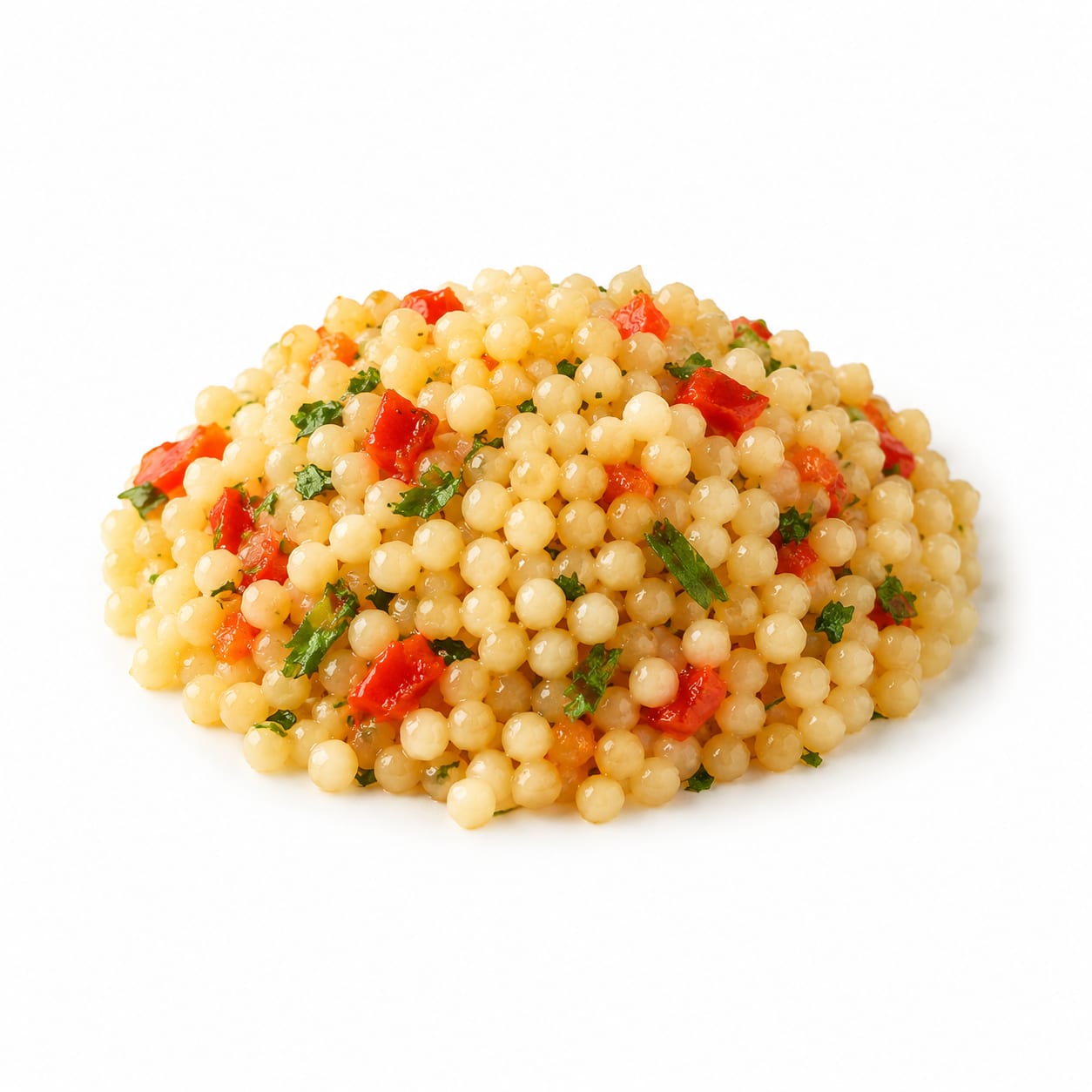
Pearl couscous is a small, round, toasted pasta made from semolina flour, commonly used as a base for salads and bowls.
Pearl couscous, also known as Israeli couscous or ptitim, is a toasted pasta shaped into small balls. Unlike traditional Moroccan couscous, it has a chewy, al dente texture and is often used in grain bowls, salads, and pilafs. Nutrition values below are for cooked pearl couscous.
refined fast-digesting carbohydrate source
Typical serving · 150g
Common varieties · traditional white, whole wheat, tri-color, gluten-free corn-rice blend
Overall context score across nutrition, safety, and diet fit
The story
What makes it unique
Pearl couscous is a refined wheat pasta with a moderate-to-high digestion rate due to its starch content and processing. It provides quick carbohydrate energy but offers modest fiber and protein, resulting in lower satiety compared to whole grains.
Varieties: traditional white · whole wheat · tri-color · gluten-free corn-rice blend
Per 100g
Nutrition breakdown
Macro balance and key metrics at a glance.
Energy
Density 1.12 kcal/g
Protein
Carbs
Fat
Fiber
Sugar
0.5 g
Sodium
5 mg
Potassium
60 mg
Glycemic index
62
Glycemic load
14
Water content
70%
Standout compounds
Nutrient highlights
Selenium
moderateSupports antioxidant function and thyroid health
Carbohydrates
highProvides quick energy for muscles and brain
Folate
moderateImportant for cell division and DNA synthesis
Fiber
lowSupports digestion and gut health
Wellness map
Health scores & processing
NOVA processing scale
Processed · Whole food
Made from refined semolina flour and water, shaped, and toasted. It lacks the artificial additives typical of ultra-processed foods but is stripped of bran and germ.
Diet compatibility
- Weight loss
- Muscle gain
- Diabetes
- Gut health
- Low carb
- High protein
- Heart health
Relative standing
Food rankings
Qualitative ranks compared to similar whole foods.
- Satietypoor
- Blood sugarpoor
- Nutrient densitypoor
- Fitness fuelgood
- Processing qualitymoderate
Eat with confidence
Food safety profile
Pearl couscous is a dry, shelf-stable pasta with very low risk of microbial contamination. Primary concern is wheat allergen exposure.
Evidence confidence 90%
- Pesticideslow
- Antibioticslow
- Heavy metalslow
- Contaminationlow
Watch for
- wheat gluten
Safer choices
Whole wheat or legume-based pearl couscous for improved nutrient density.
Prep tips
Toast dry pearls in oil before boiling to enhance flavor and prevent clumping; drain well after cooking.
None significant; standard grain product regulations apply.
Deep dive
Health analysis
How this food may fit different goals and preparation choices.
Weight loss
Low fiber and refined carbohydrates provide minimal satiety, making it easy to overconsume calories.
Blood sugar
Rapidly digested starches cause moderate blood sugar spikes; not ideal for insulin resistance without pairing with protein and fat.
Fitness & energy
Excellent pre-workout carb source due to quick digestion and glycogen replenishment capabilities.
Gut health
Low fiber content offers minimal prebiotic benefits for gut microbiome compared to whole grain alternatives.
Processing quality
Refined wheat base strips away the bran and germ, reducing natural micronutrients unless enriched.
Food safety
Very safe dry storage food; primary risk is cross-contamination with allergens during preparation.
Common mistakes
Treating it as a whole grain nutritionally, or eating it plain without adding vegetables or protein to balance the meal.
Best preparation
Boil like pasta until al dente, then toss with olive oil, roasted vegetables, and lean protein to improve nutritional profile.
Practical guide
Best use cases
When and how this food fits real eating patterns.
Pre-workout carb loading
Provides fast-digesting carbohydrates for quick energy before intense exercise.
Cold pasta salads
Chewy texture holds up well to dressings and vegetables in cold salads.
Quick-cooking dinner base
Cooks faster than rice or larger pasta shapes for easy weeknight meals.
Balance sheet
Pros & cons
Upsides
- Cooks quickly in about 10 minutes
- Pleasant chewy texture that absorbs flavors well
- Good source of quick energy for athletes
- Versatile base for both warm and cold dishes
- Low in fat and sodium
Trade-offs
- High glycemic index causes blood sugar spikes
- Low in dietary fiber and protein
- Made from refined wheat, stripping away natural nutrients
- Not suitable for gluten-free or low-carb diets
- Easy to overeat due to low satiety
Fit check
Who is it for?
Great match
- pre-workout carb loading
- athletes needing quick glycogen replenishment
- quick weeknight dinner bases
Consider alternatives
- strict ketogenic diets
- blood sugar management
- high-volume weight loss eating
Side by side
How it compares
Open the full head-to-head analysis for nutrition, safety, and practical tradeoffs.
This food
Couscous Pearl
VS80% alike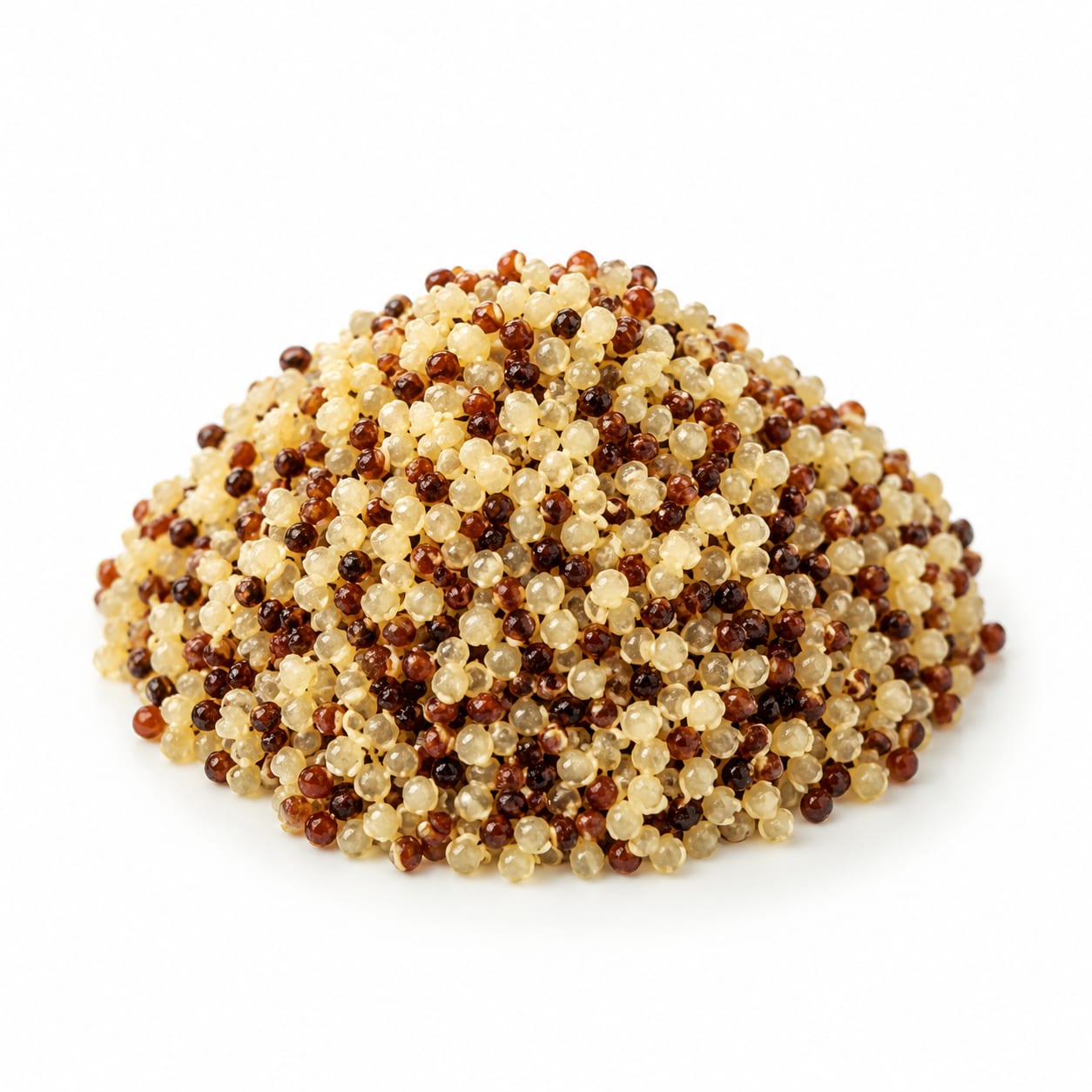
Compare with
Quinoa
Quinoa offers significantly more protein and fiber than pearl couscous, making it better for blood sugar control and satiety.
Quinoa provides more protein and fiber than pearl couscous, making it better for satiety and blood sugar control.
This food
Couscous Pearl
VS75% alike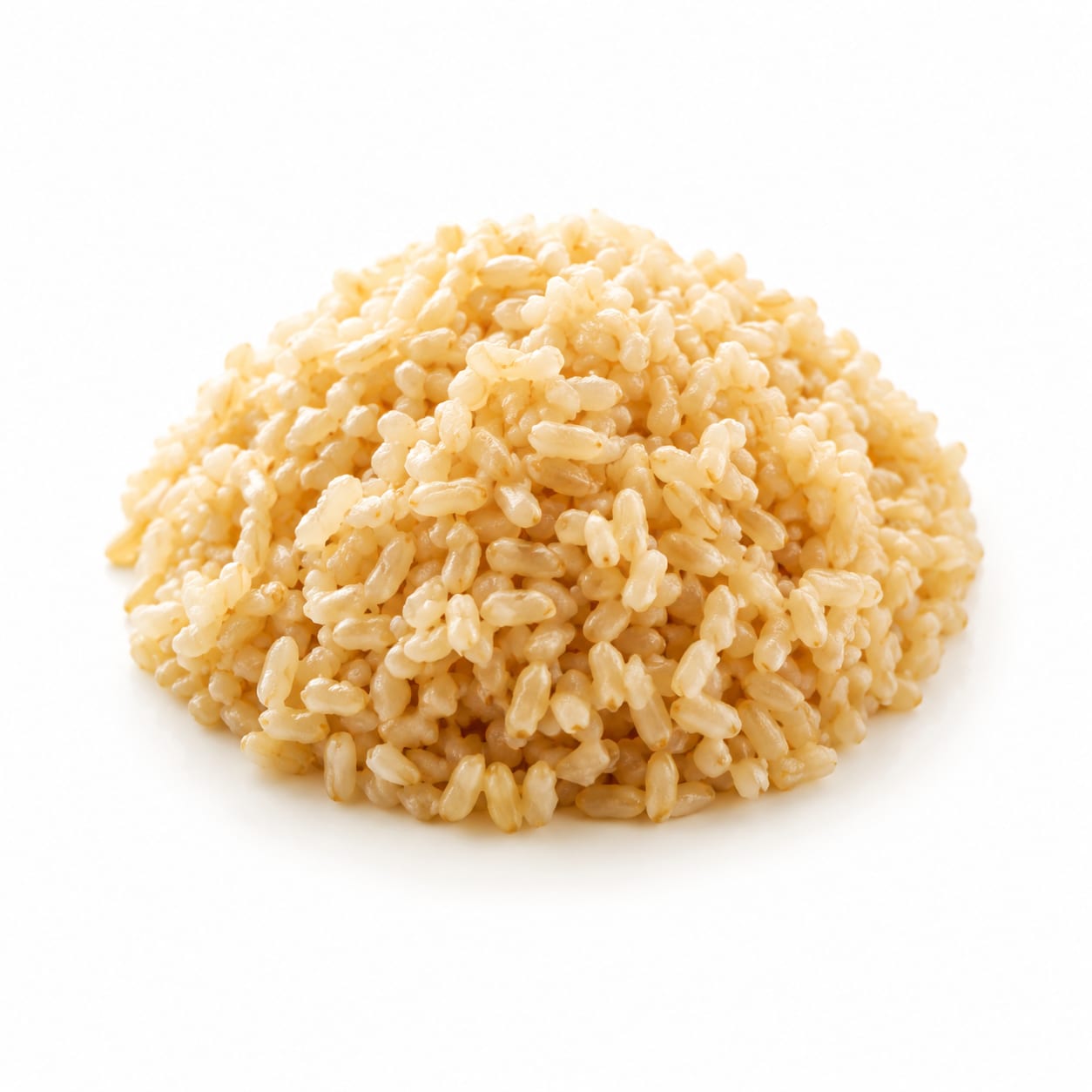
Compare with
Brown Rice
Brown rice retains its bran and germ, offering more fiber and a lower glycemic impact than pearl couscous.
Brown rice provides more fiber and slower-digesting carbs than pearl couscous, improving fullness and blood sugar stability.
This food
Couscous Pearl
VS90% alike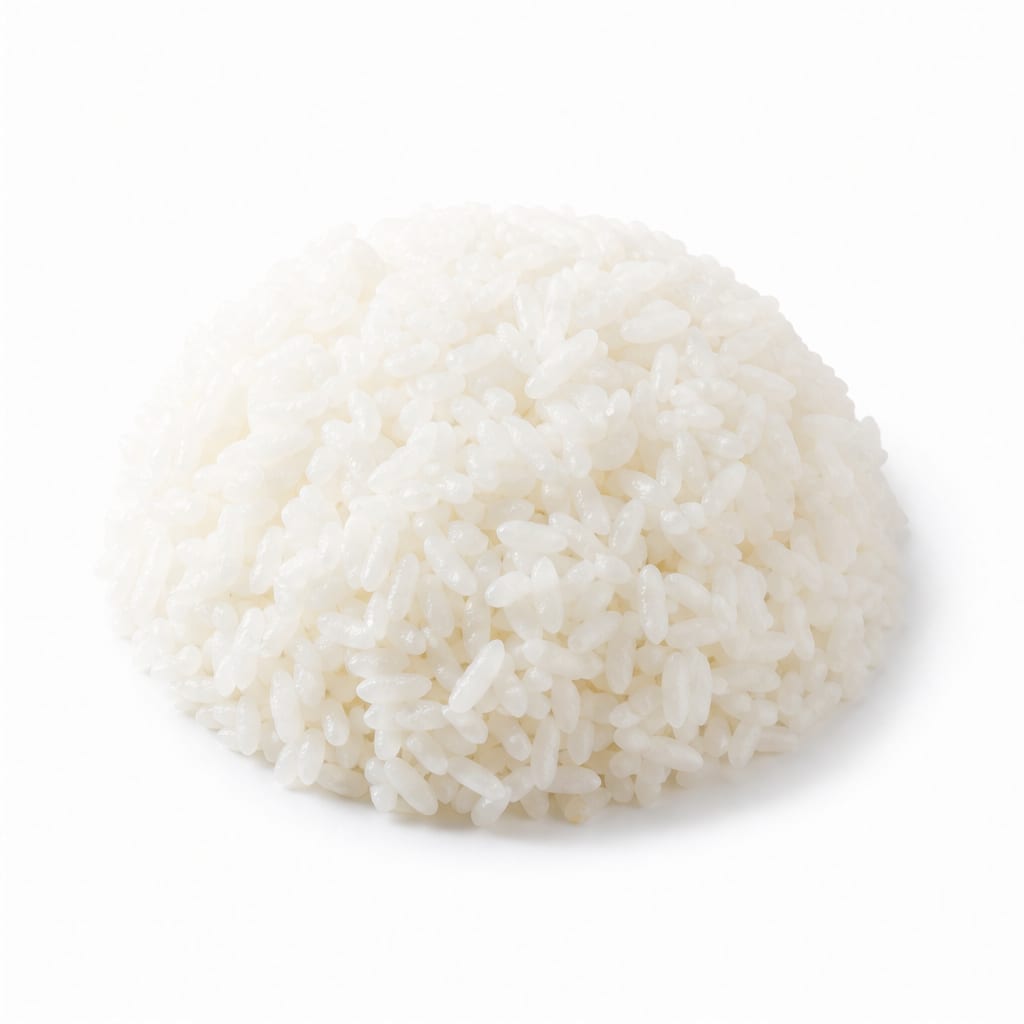
Compare with
White Rice
Both are refined carbs with similar calorie counts, but pearl couscous is slightly lower in protein than white rice.
Pearl couscous and white rice are similar refined carbs, but pearl couscous offers a chewier texture for salads.
This food
Couscous Pearl
VS95% alike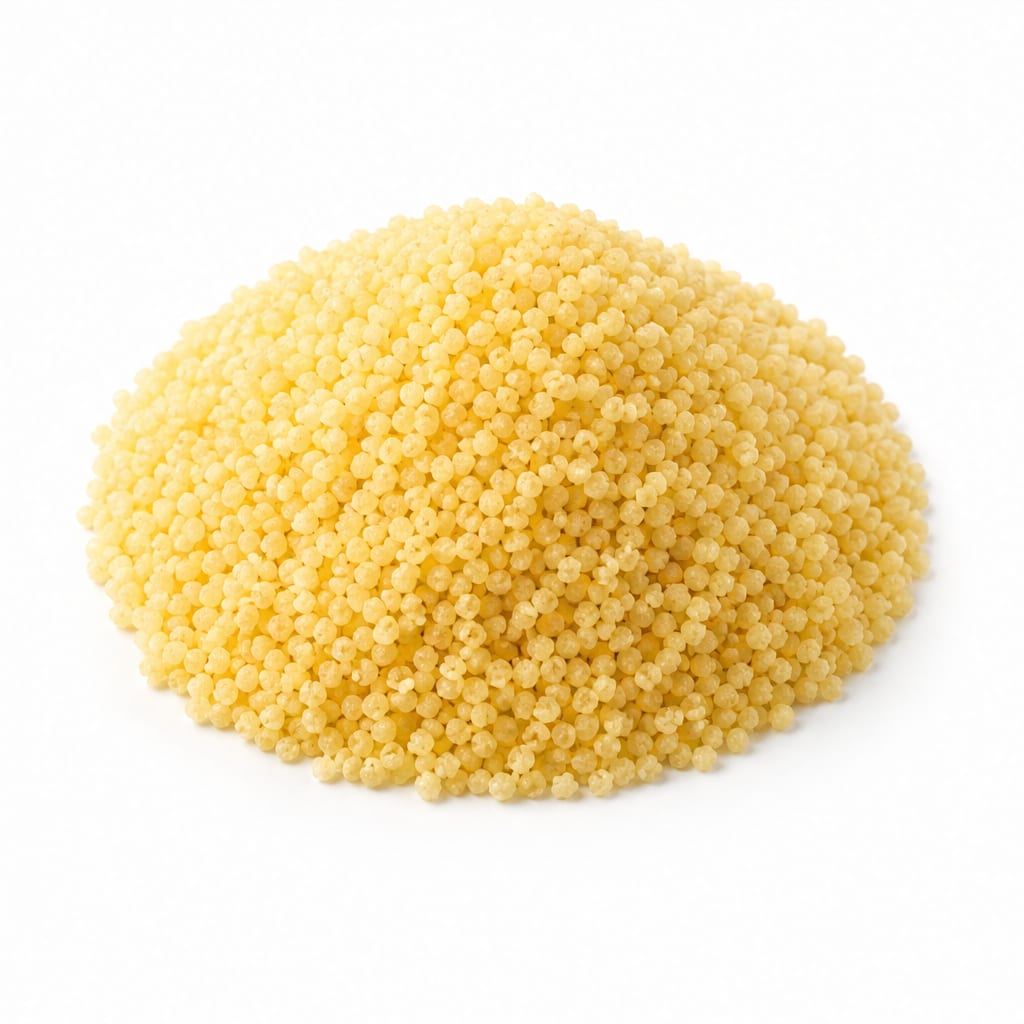
Compare with
Regular Couscous
Regular couscous is much smaller and steamed, while pearl couscous is boiled pasta; both are refined wheat with similar nutrition.
Pearl couscous and regular couscous have nearly identical nutrition, but pearl couscous has a chewier, denser bite.
This food
Couscous Pearl
VS95% alike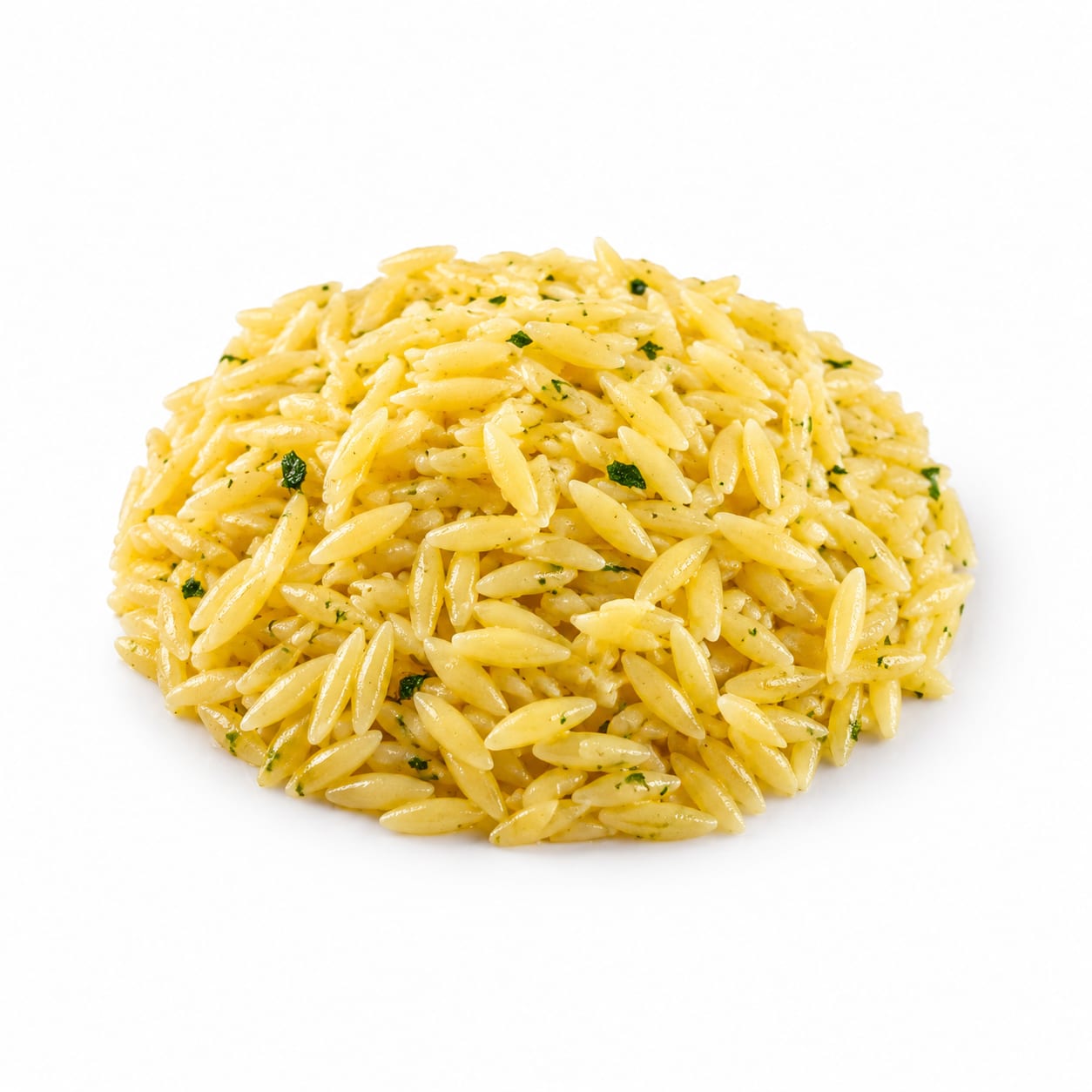
Compare with
Orzo
Orzo is also a refined wheat pasta, just shaped differently; their nutritional profiles are virtually identical.
Orzo and pearl couscous are nutritionally identical refined wheat pastas, differing only in shape and texture.
This food
Couscous Pearl
VS70% alike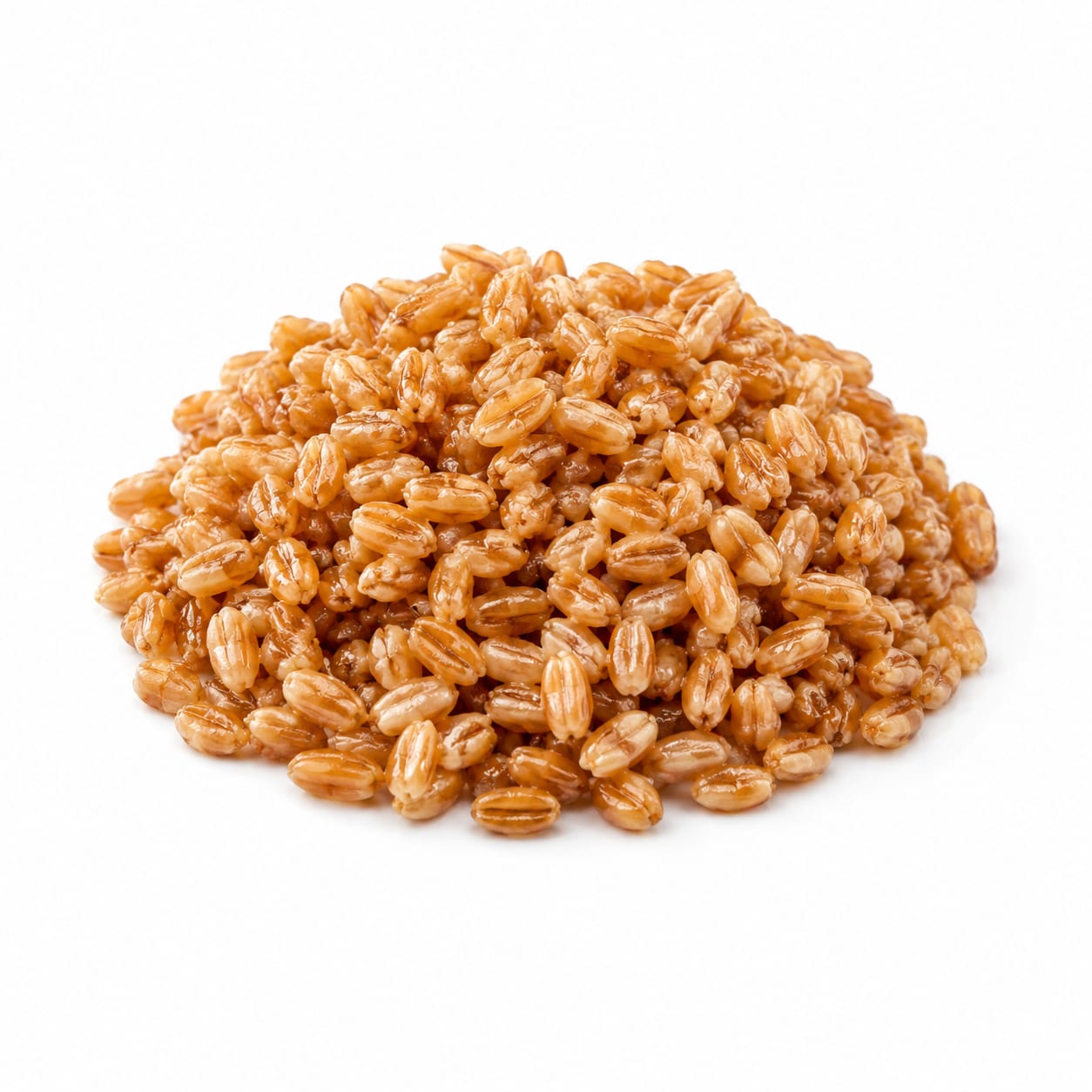
Compare with
Farro
Farro is an ancient whole grain wheat with much more fiber, protein, and nutrients than pearl couscous.
Farro is a whole grain with triple the fiber of pearl couscous, providing superior satiety and blood sugar control.
This food
Couscous Pearl
VS70% alike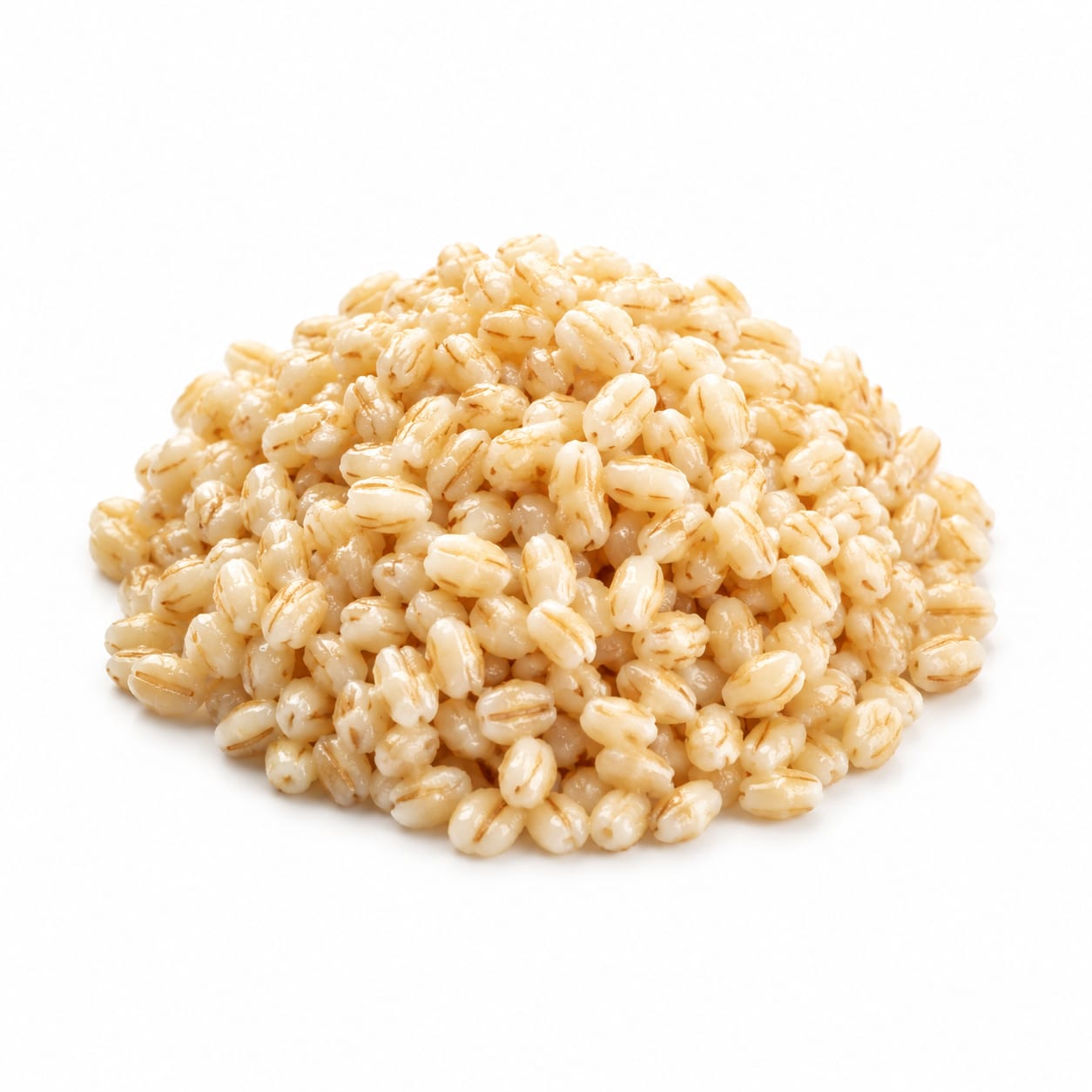
Compare with
Barley
Barley is rich in beta-glucan fiber, which actively lowers cholesterol, unlike the fiber-poor pearl couscous.
Barley's high soluble fiber content makes it vastly superior to pearl couscous for heart health and blood sugar management.
This food
Couscous Pearl
VS75% alike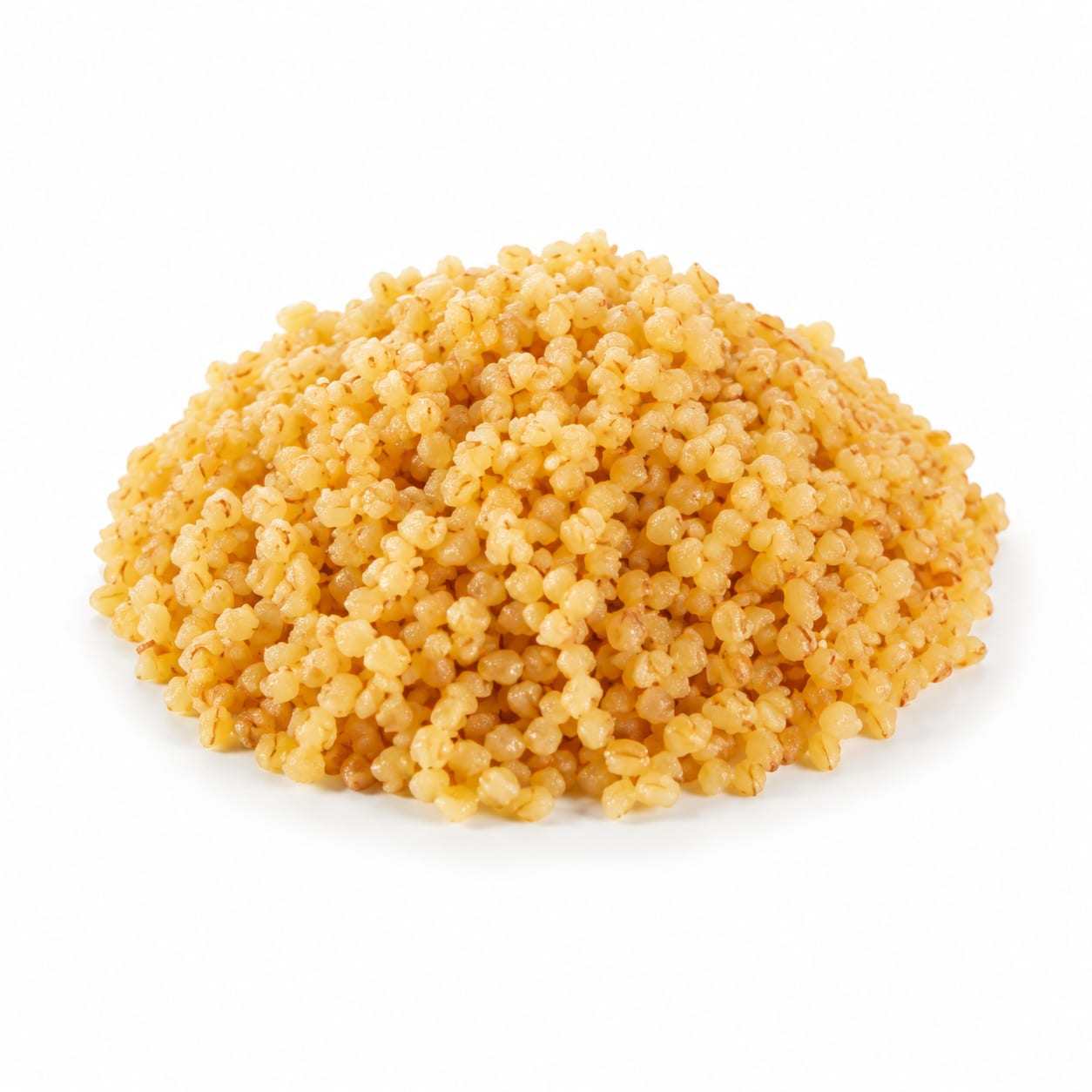
Compare with
Bulgur
Bulgur is a cracked whole wheat that is parboiled, retaining far more fiber and nutrients than refined pearl couscous.
Bulgur provides a similar chewy texture to pearl couscous but with significantly more fiber and a lower glycemic index.
This food
Couscous Pearl
VS60% alike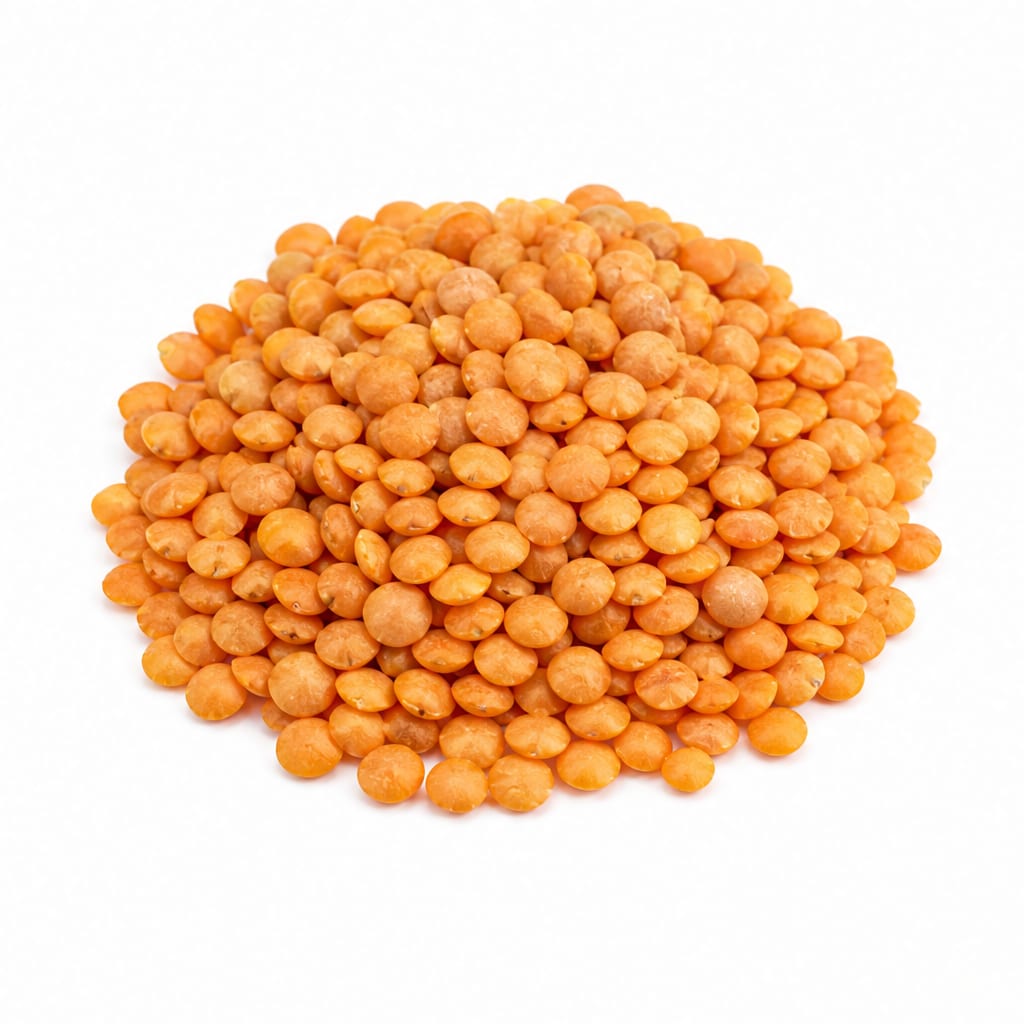
Compare with
Lentils
Lentils are legumes packed with protein and fiber, making them much slower to digest than pearl couscous.
Lentils offer far more protein and fiber than pearl couscous, ensuring steady energy and much higher satiety.
This food
Couscous Pearl
VS55% alike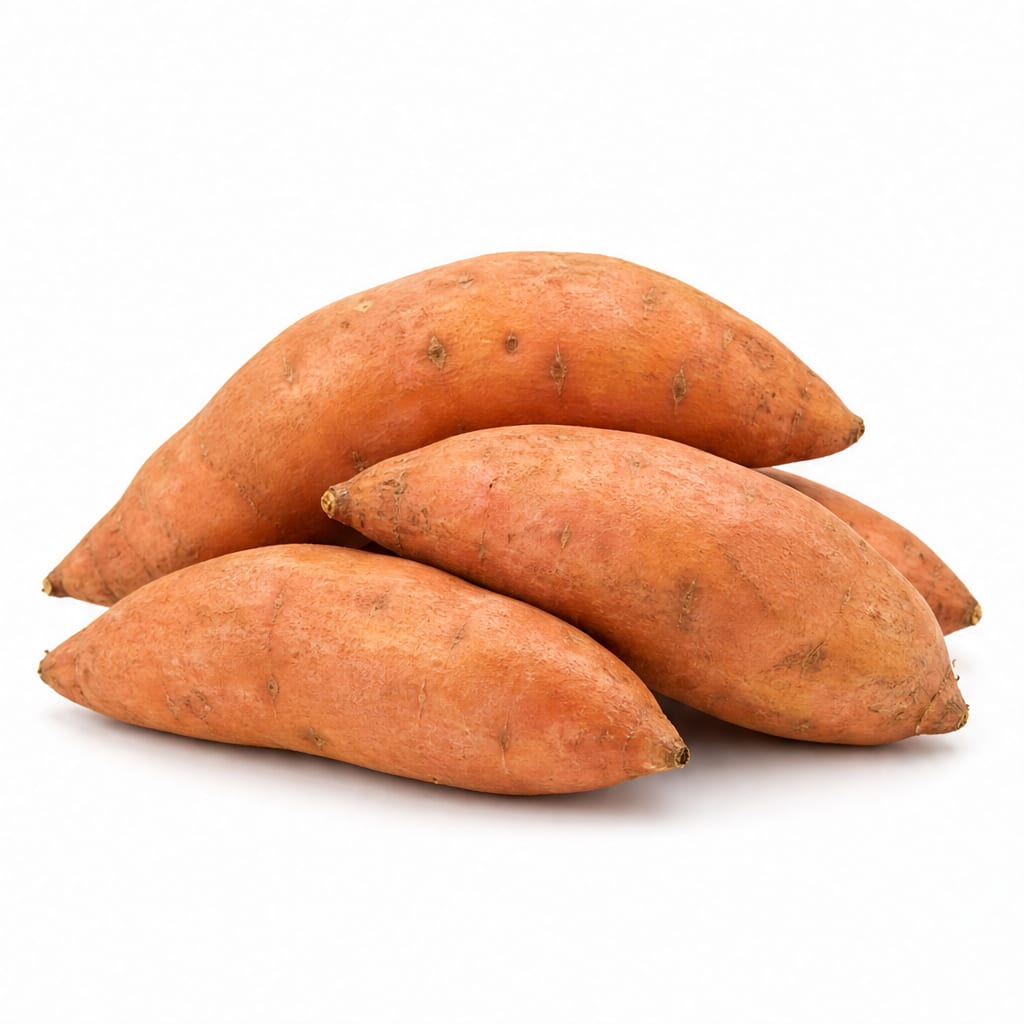
Compare with
Sweet Potatoes
Sweet potatoes are a whole food carb source rich in vitamins and antioxidants, unlike refined pearl couscous.
Sweet potatoes deliver more vitamins, fiber, and antioxidants than pearl couscous, offering better nutritional value per calorie.
Common questions
FAQ
Answers aligned with how people search for this food.
Is pearl couscous a whole grain?
No, traditional pearl couscous is made from refined semolina wheat flour. Whole wheat versions exist, but the standard variety is not a whole grain.
Is pearl couscous the same as regular couscous?
No, pearl couscous (Israeli couscous) is larger, toasted, and boiled like pasta. Regular Moroccan couscous is much smaller and steamed.
Can I eat pearl couscous on a low-carb diet?
No, pearl couscous is high in carbohydrates and not suitable for keto or low-carb diets.
Is pearl couscous good for diabetics?
It has a moderate-to-high glycemic index, so portion control and pairing with protein and healthy fats are essential to prevent blood sugar spikes.
How does pearl couscous compare to quinoa?
Quinoa is a whole grain with significantly more protein and fiber, while pearl couscous is a refined pasta with quicker digestion and less nutritional value.
Is pearl couscous just pasta?
Yes, it is technically a small, round pasta made from semolina flour and water, despite being used as a grain substitute in meals.
Does pearl couscous have gluten?
Yes, traditional pearl couscous contains wheat and is not gluten-free. Gluten-free versions made from corn or rice are available.
How many calories are in cooked pearl couscous?
There are approximately 112 calories in 100 grams of cooked pearl couscous.
Transparency
Data confidence
Estimated confidence for nutrition data, interpretation, safety notes, and comparisons.
Nutrition data
Health analysis
Food safety
Comparisons