
Nutrition comparison
Couscous Pearl vs Orzo: Which Refined Wheat Is the Smarter Choice?
Couscous Pearl and Orzo are nearly identical nutritionally, but differences in texture, glycemic impact, and meal compatibility might change which one belongs on your plate tonight.
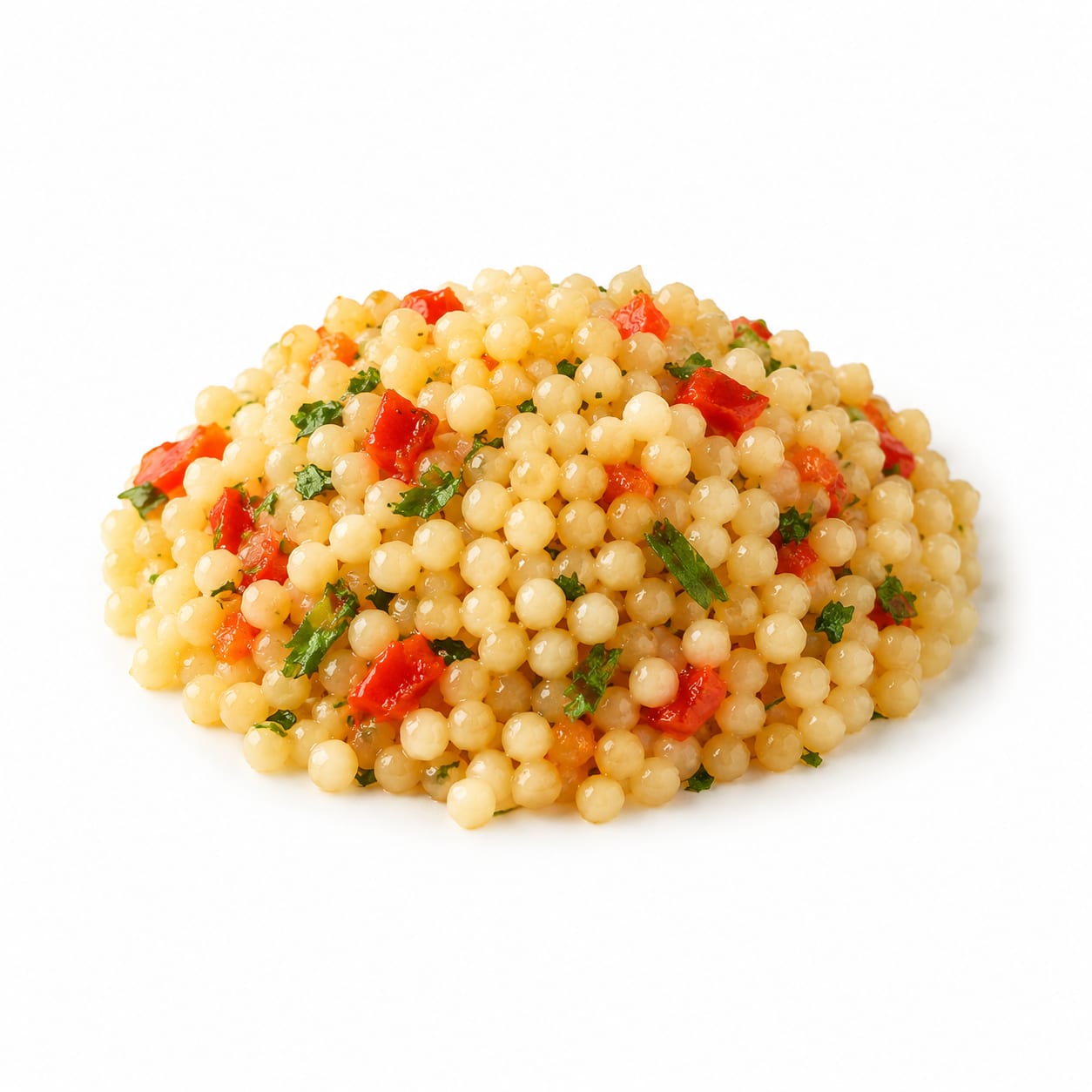
Couscous Pearl
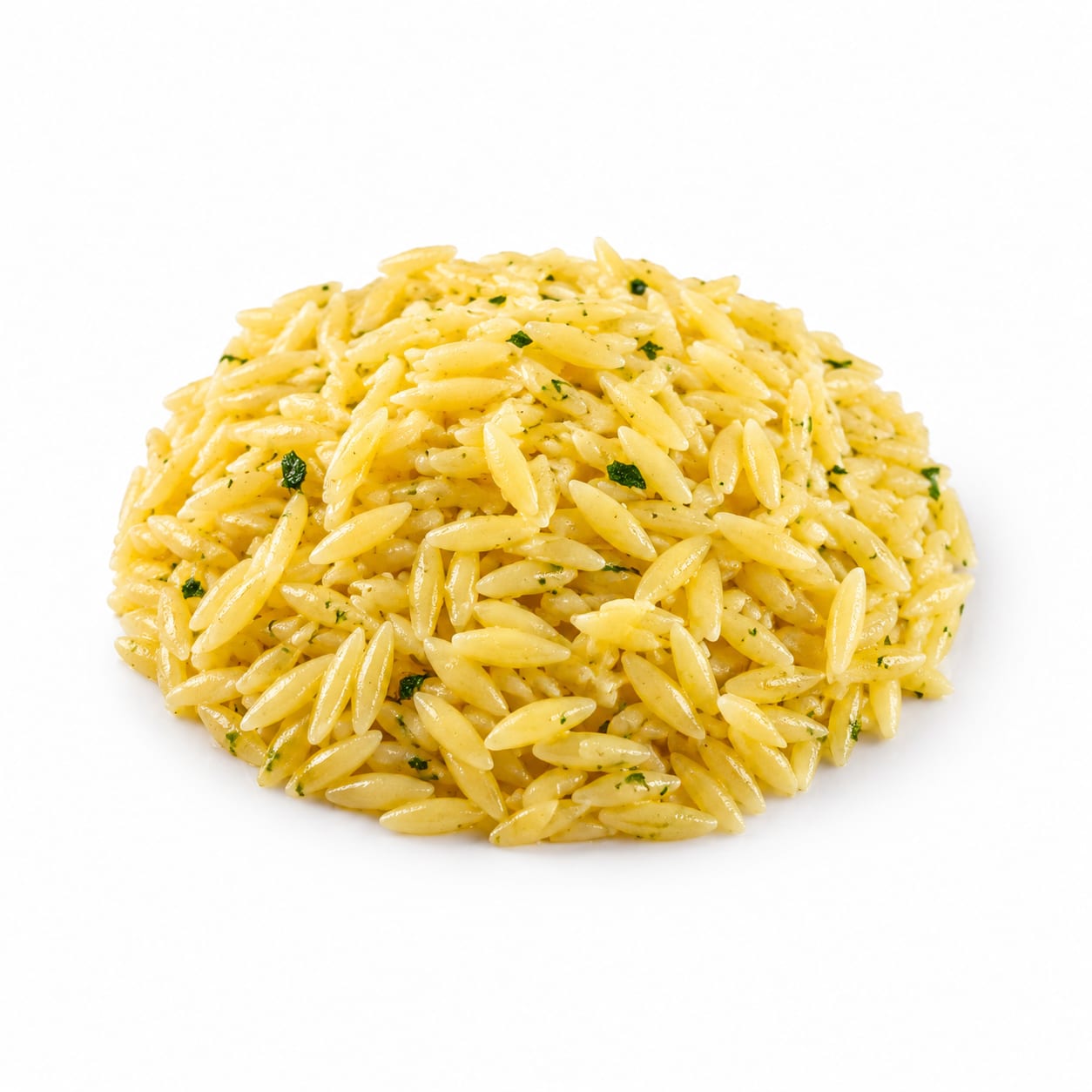
Orzo
Couscous Pearl and Orzo are nutritionally near-identical refined wheat products — the real difference is texture, cooking speed, and how each fits your meal.
Scores are close because both are refined wheat products with nearly identical macronutrients. Couscous Pearl edges ahead slightly due to its toasted preparation lowering the glycemic response a touch, but the difference is modest.
Couscous Pearl offers slightly steadier energy due to its toasted starch structure, while Orzo absorbs flavors better and shines in soups and brothy dishes.
At a glance
Executive summary
Overall
It depends
Healthier
Couscous Pearl
More practical
Orzo
Daily use
It depends
Key comparison lenses
refined carbohydrate tradeoffs
Neither is a whole grain, so the core question is which refined carb does less harm while still being enjoyable
blood sugar impact
Both are refined wheat products with high glycemic potential, so understanding which spikes blood sugar less matters for everyday energy
satiety and portion control
Their different shapes and densities affect how filling they feel, which directly impacts overeating risk
meal versatility
People choose between these based on recipe compatibility — soups, salads, sides — more than nutrition alone
cooking convenience
Weeknight dinner decisions often come down to which cooks faster and requires less attention
Best choice for
Couscous Pearl
- Light grain bowls where you want a chewy, satisfying bite
- Side dishes paired with stews or roasted vegetables
- Meals where steadier energy matters more than bold flavor absorption
- People watching blood sugar who still want a pasta-like experience
Orzo
- Soups and brothy dishes where the shape mimics rice beautifully
- Pasta salads where a delicate, slippery texture works better
- One-pot meals where the pasta cooks directly in sauce
- Families wanting a familiar pasta shape kids accept easily
Least suitable for
Couscous Pearl
- Soups — the pearls get mushy and lose their appealing chew
- Anyone strictly avoiding refined wheat or gluten
- Low-carb or keto eating styles
Orzo
- Grain bowls — it clumps and feels slippery rather than distinct
- Anyone strictly avoiding refined wheat or gluten
- Low-carb or keto eating styles
Deep comparison
Dimension by dimension
Each lens scores both foods and breaks down who each option suits.
- Dimension 1 · Priority 90Couscous Pearl
blood sugar stability
Couscous Pearl · 45Orzo · 38Couscous Pearl causes a slightly gentler blood sugar rise because the toasting process during manufacturing creates resistant starch that digests more slowly.
Tradeoff
Neither food is genuinely blood-sugar-friendly — both are refined wheat that will spike glucose compared to whole grains or legumes.
Why it matters
If you are prone to afternoon energy crashes, even small differences in glycemic impact can affect how you feel two hours after eating.
Real-world impact
A Couscous Pearl lunch might buy you 20-30 more minutes of steady energy before hunger returns, compared to Orzo.
Couscous Pearl
- Pre-diabetics choosing the lesser of two refined-carb evils
- Office workers trying to avoid the 3pm crash
Better for
Orzo
- Anyone monitoring blood sugar closely — Orzo digests fast and hits hard
Worse for
- Dimension 2 · Priority 82Couscous Pearl
satiety and fullness
Couscous Pearl · 48Orzo · 44Couscous Pearl feels more filling per bite because its chewy, dense texture slows eating and signals fullness better than Orzo's smoother, slipperier mouthfeel.
Tradeoff
Orzo's lighter texture can feel less heavy, which is either a pro or con depending on whether you want a light meal or a filling one.
Why it matters
Foods you chew more thoroughly tend to satisfy hunger more effectively, even when calories are identical.
Real-world impact
You are more likely to go back for seconds with Orzo — not because you need more calories, but because your brain registers less satisfaction per bite.
Couscous Pearl
- Portion controllers who rely on physical fullness cues
- Anyone trying to eat less without feeling deprived
Better for
Orzo
- Hot summer days when heavy meals feel unappealing
- Appetizer courses where you want something light
Better for
- Emotional eaters — the slippery texture makes it easy to overeat mindlessly
Worse for
- Dimension 3 · Priority 75Orzo
meal versatility
Couscous Pearl · 55Orzo · 72Orzo works in far more dishes — soups, salads, casseroles, pilafs — while Couscous Pearl excels mainly as a standalone side or bowl base.
Tradeoff
Couscous Pearl has a more distinctive, satisfying texture, but it limits you to fewer recipe styles.
Why it matters
A versatile pantry staple reduces food waste and makes weeknight cooking easier because you always have a use for it.
Real-world impact
Orzo is the Swiss army knife of small pasta shapes — it slides into almost any recipe. Couscous Pearl is more like a specialty ingredient you buy for specific meals.
Couscous Pearl
- Grain bowls and plated dishes where texture is the star
- Mediterranean-style sides with roasted vegetables
Better for
- Soups — the pearls bloat and turn gummy
- Baked casseroles — the texture becomes unappealing
Worse for
Orzo
- Minestrone and chicken soup where you want a rice-like shape
- Cold pasta salads for potlucks and picnics
- Baked dishes like orzo casserole or giouvetsi
Better for
- Dimension 4 · Priority 60Couscous Pearl
cooking convenience
Couscous Pearl · 70Orzo · 58Couscous Pearl cooks in about 8-10 minutes with minimal attention, while Orzo requires more careful timing and draining to avoid mushiness.
Tradeoff
Orzo gives you more control over doneness if you are attentive, but it is less forgiving when you are multitasking.
Why it matters
On busy weeknights, a pasta that tolerates neglect without turning to mush is genuinely more practical.
Real-world impact
You can step away to chop vegetables while Couscous Pearl simmers. With Orzo, 60 seconds of distraction can mean the difference between al dente and wallpaper paste.
Couscous Pearl
- Multitasking cooks juggling several dishes at once
- Beginner cooks who need forgiving recipes
Better for
Orzo
- Experienced cooks who prefer precise control over texture
- One-pot meal methods where Orzo cooks directly in broth
Better for
- Distracted cooks — Orzo goes from perfect to mushy fast
Worse for
- Dimension 5 · Priority 70It depends
nutritional density
Couscous Pearl · 30Orzo · 30Both are refined wheat with minimal fiber, modest protein, and no significant micronutrients — nutritionally they are essentially the same food in different shapes.
Tradeoff
Neither contributes meaningful vitamins or minerals unless enriched, and both displace more nutritious options on your plate.
Why it matters
If a quarter of your plate is refined wheat, that is a quarter of your plate not delivering fiber, antioxidants, or sustained energy.
Real-world impact
Regardless of which you pick, you need to make up the nutritional gap elsewhere — add vegetables, lean protein, and healthy fats to the same meal.
Couscous Pearl
- Anyone relying on grains for fiber — you will not get it here
Worse for
Orzo
- Anyone relying on grains for fiber — you will not get it here either
Worse for
Timeline
Health impact over time
Short-term
Hours to days
Couscous Pearl
- Mild blood sugar rise within 30-60 minutes, slightly gentler than standard pasta
- Moderate satiety from chewy texture, hunger returns in 2-3 hours
- Quick energy for active individuals — decent pre-workout carb source
Orzo
- Faster blood sugar spike within 20-45 minutes due to rapid digestion
- Less physical fullness per bite, easier to overeat before feeling satisfied
- Quick energy but with a steeper crash — may trigger cravings sooner
Long-term
Months to years
Couscous Pearl
- Regular consumption as a dietary staple displaces whole grains, reducing overall fiber intake
- Moderate glycemic load contributes to insulin resistance risk if eaten frequently without balancing foods
- Refined wheat as a dietary cornerstone correlates with higher metabolic syndrome risk over decades
Orzo
- Same long-term risks as any refined wheat staple — insulin resistance, fiber shortfall
- Slightly higher glycemic load per serving may compound metabolic risk faster
- Easy to overeat due to low satiety, which can quietly increase daily calorie intake over time
Risk profile
Safety & processing
Both are processed wheat products — semolina flour shaped and dried. Couscous Pearl undergoes an extra toasting step, but this is a traditional technique, not an industrial additive. Neither contains concerning preservatives or emulsifiers in standard forms.
Couscous Pearl
gluten exposure
highContains wheat gluten — strictly unsafe for celiac disease and gluten sensitivity. No safe threshold for affected individuals.
cross-contamination in bulk bins
mediumOften sold in bulk bins where cross-contact with other grains or allergens can occur.
Orzo
gluten exposure
highContains wheat gluten — strictly unsafe for celiac disease and gluten sensitivity.
overcooking and texture degradation
lowNot a safety issue per se, but mushy Orzo is unappetizing and may lead to food waste or adding excess sauce and calories to compensate.
Who wins for whom
Audience fit
Same foods, different winners depending on your goal.
children
OrzoOrzo's rice-like shape is familiar and easy for small mouths. Kids who reject new textures often accept Orzo in soup without complaint.
daily consumption
It dependsNeither should be a daily staple due to refined carbohydrate content. Rotating both occasionally is fine, but whole grains should dominate most days.
diabetes
Couscous PearlThe toasted starch structure in Couscous Pearl digests marginally slower, causing a slightly lower glycemic spike. But honestly, both are poor choices for blood sugar management.
elderly
OrzoOrzo's softer, smoother texture is easier to chew and swallow for anyone with dental issues or swallowing difficulties.
muscle gain
It dependsBoth provide similar refined carbs for glycogen replenishment. Neither has enough protein to matter for muscle building — pair with a protein source regardless.
weight loss
Couscous PearlThe chewier texture slows eating and improves satiety signals, making it slightly easier to eat smaller portions without feeling deprived.
Your move
Decision guide
Choose Couscous Pearl
- You want a chewier, more satisfying texture in grain bowls or side dishes
- Blood sugar stability matters to you and you are choosing between these two
- You tend to overeat pasta — the denser bite helps you feel done sooner
- You are making a Mediterranean-inspired plate with roasted vegetables and a drizzle of olive oil
Choose Orzo
- You are making soup — Orzo was practically invented for it
- You want a pasta salad that feels light and absorbs dressing well
- You are cooking for kids or elderly family members who prefer softer textures
- You are making a one-pot meal where the pasta cooks in sauce or broth
Either works if
- You are eating it as a side and covering it with sauce or stew anyway
- Both are available and you just want a quick carb on the plate
- You pair it with plenty of vegetables, protein, and healthy fats — the base grain matters less
Avoid both if
- You have celiac disease, gluten intolerance, or wheat allergy
- You are following a low-carb or ketogenic eating plan
- You are trying to increase your daily fiber intake significantly
- You eat refined grains at most meals and need to diversify toward whole grains
Final recommendation
Pick based on the meal, not the nutrition label — the health difference between these two is negligible. Choose Couscous Pearl for texture-forward sides and bowls where you want a satisfying chew. Choose Orzo for soups, pasta salads, and family-friendly dishes where a lighter, rice-like shape works better. Either way, treat both as occasional refined carbs rather than daily staples, and always pair them with protein, vegetables, and healthy fats to blunt the blood sugar impact.
Practical
Consumer tips
- 1
Check the ingredient list — some Couscous Pearl brands add unnecessary oils or salt during toasting
- 2
Look for whole-wheat Orzo if you want to keep the shape but gain fiber and slower digestion
- 3
Rinse Orzo after cooking if using it in a cold salad — it prevents clumping and lowers surface starch
- 4
Cook Couscous Pearl in broth instead of water for a flavor boost without adding calories
- 5
Both freeze well after cooking — make a double batch and freeze portions for quick weeknight sides
- 6
If blood sugar is a concern, add a tablespoon of olive oil or a handful of nuts to the same meal — fat slows carbohydrate absorption meaningfully