
Nutrition comparison
Couscous Pearl vs White Rice: Which Refined Carb Is Better For You?
Compare Couscous Pearl and White Rice on blood sugar impact, arsenic risk, protein content, and digestibility. Find out which carb fits your health goals and when to choose each.
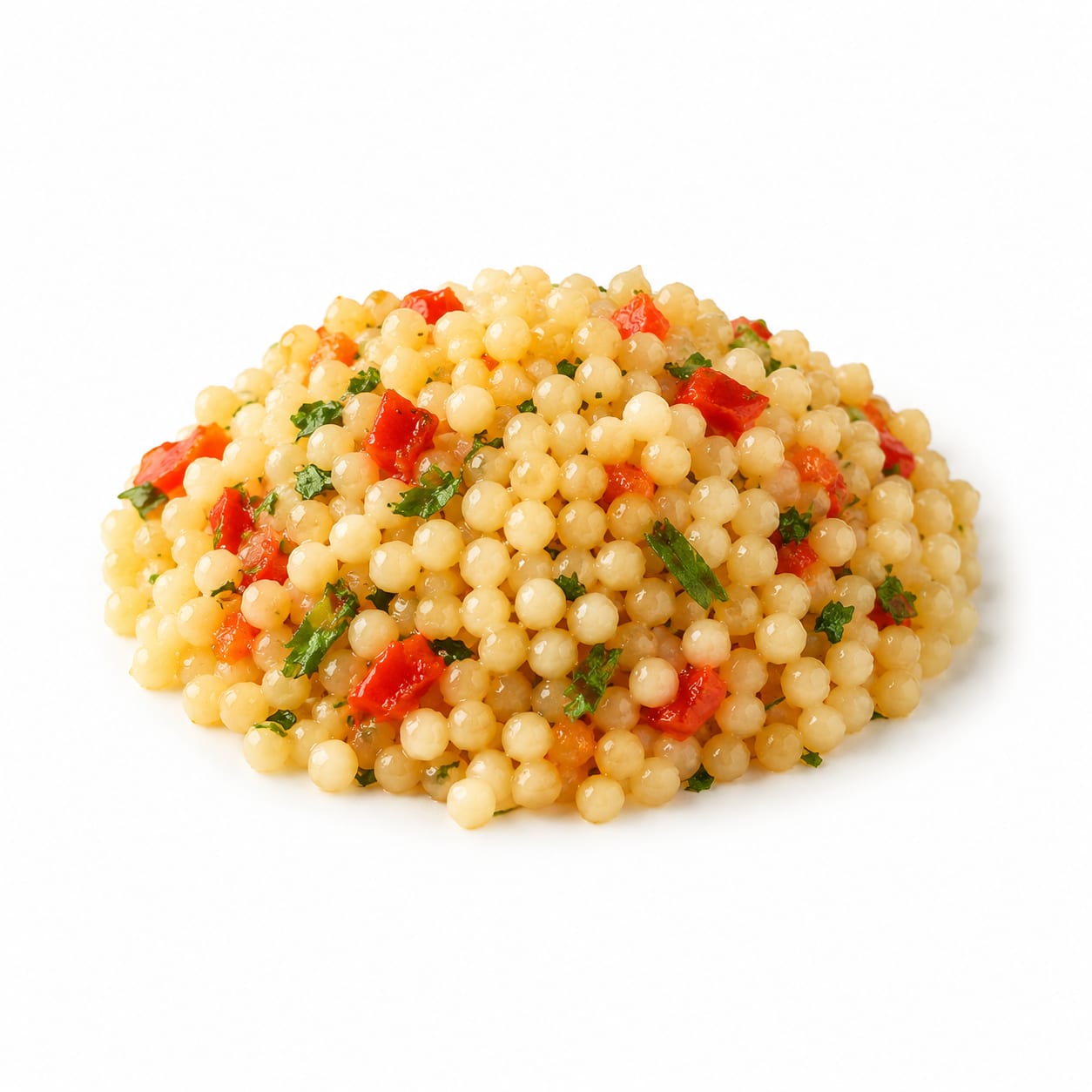
Couscous Pearl
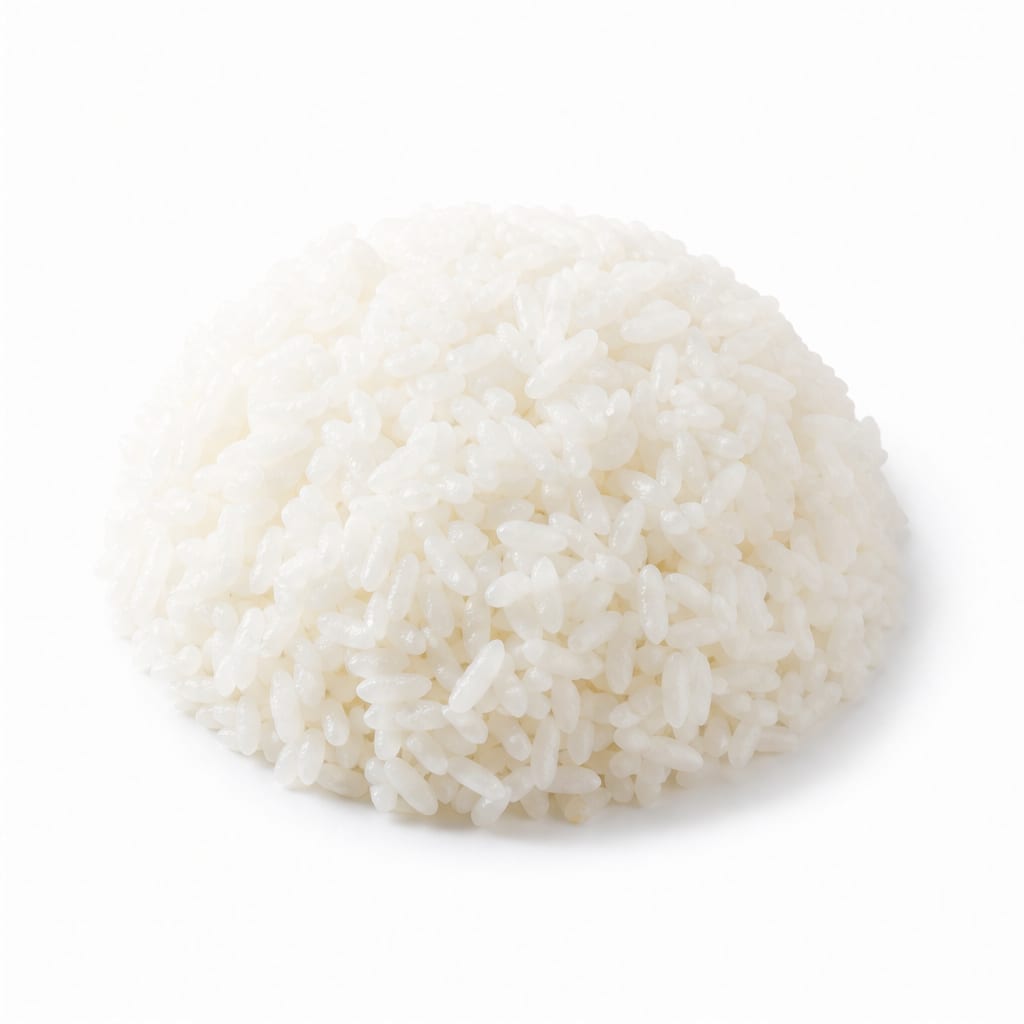
White Rice
Couscous Pearl edges ahead on protein and selenium, while White Rice wins for digestive ease and blood sugar sensitivity in some varieties. Neither is a nutritional standout.
Couscous Pearl scores modestly higher due to more protein, selenium, and slightly better satiety. White Rice loses ground on arsenic concerns and lower micronutrient content, but remains competitive due to superior digestibility and universal tolerance. The gap is small because both are refined carbs with similar metabolic profiles.
Slightly more protein and micronutrients in Couscous Pearl versus easier digestion and lower arsenic risk in White Rice
At a glance
Executive summary
Overall
It depends
Healthier
Couscous Pearl
More practical
White Rice
Daily use
It depends
Key comparison lenses
blood sugar management
Both are refined carbohydrate staples that spike blood sugar, making glycemic impact the most critical differentiator
weight management and satiety
Users choosing between these carb sources often care about which keeps them fuller and supports calorie control
daily staple sustainability
Both are common everyday carbs, so long-term health effects of regular consumption matter significantly
meal versatility and convenience
Practical cooking and pairing differences affect which food fits better into real meal routines
nutrient density tradeoffs
Neither food is a nutritional powerhouse, but subtle differences in vitamins and minerals can accumulate over time
Best choice for
Couscous Pearl
- People wanting slightly more protein from their carb source
- Those looking for selenium support for thyroid and immune function
- Anyone bored with rice wanting texture variety while keeping similar convenience
- Active individuals who tolerate moderate glycemic loads well
White Rice
- People with sensitive digestion or recovering from illness
- Those monitoring arsenic exposure carefully
- Anyone pairing carbs with high-protein mains where the carb's protein matters less
- Budget-conscious shoppers needing affordable bulk calories
Least suitable for
Couscous Pearl
- People with celiac disease or gluten sensitivity since it contains wheat
- Anyone needing very low glycemic index foods for diabetes management
- Those avoiding wheat-based processed foods
White Rice
- People concerned about arsenic in their diet, especially if eating rice daily
- Anyone wanting more protein and micronutrients from their staple carb
- Those who find white rice too blood-sugar-spiky without enough fiber to slow it down
Deep comparison
Dimension by dimension
Each lens scores both foods and breaks down who each option suits.
- Dimension 1 · Priority 92It depends
blood sugar stability
Couscous Pearl · 38White Rice · 32Both spike blood sugar significantly. Couscous Pearl has a moderate glycemic index around 52-65, while White Rice ranges higher at 73-89 depending on variety.
Tradeoff
Couscous Pearl causes a slightly gentler rise, but neither is ideal for steady energy without added fiber, fat, or protein from other foods
Why it matters
Afternoon energy crashes and hunger returning quickly are real consequences of choosing either food without balancing accompaniments
Real-world impact
Eating either food alone leads to a quick energy spike followed by a dip within 1-2 hours, leaving you reaching for another snack
Couscous Pearl
- Moderately active people who burn through carbs efficiently
- Meals paired with protein and vegetables that blunt the glycemic rise
Better for
- Anyone with insulin resistance eating it as a standalone meal
- Late dinners where blood sugar spikes disrupt sleep quality
Worse for
White Rice
- Basmati or jasmine varieties which have slightly lower glycemic impact than short-grain options
- Post-workout meals where faster carb absorption supports recovery
Better for
- Diabetics eating short-grain or sticky rice varieties
- Sedentary evenings when that sugar spike has nowhere to go
Worse for
- Dimension 2 · Priority 88Couscous Pearl
satiety and fullness
Couscous Pearl · 48White Rice · 38Couscous Pearl keeps you slightly fuller due to its pasta-like density and marginally higher protein content, but both foods are low in fiber so neither excels.
Tradeoff
You get a bit more staying power from Couscous Pearl, but the difference disappears if you overeat either one because both are easy to consume in large portions
Why it matters
Feeling satisfied after a meal prevents unnecessary snacking and helps with portion control throughout the day
Real-world impact
A cup of Couscous Pearl with vegetables and chicken feels more like a complete meal than the same portion of White Rice, which can feel like empty space on the plate
Couscous Pearl
- Lunch meals where you need 3-4 hours of fullness before the next eating opportunity
- Portion-controlled diets where every gram of protein helps
Better for
- Large bowls where the chewy texture encourages overeating
- Mindless snacking situations
Worse for
White Rice
- Meals where you deliberately want lighter intake like before exercise
- Hot days when heavy food feels unappealing
Better for
- Any meal where rice is the main component rather than a side
- Eating alone without protein or fat to slow digestion
Worse for
- Dimension 3 · Priority 72Couscous Pearl
nutrient density
Couscous Pearl · 42White Rice · 30Couscous Pearl provides more selenium, slightly more protein, and often more B vitamins from enrichment. White Rice offers manganese and some iron but is overall thinner on micronutrients.
Tradeoff
The selenium advantage in Couscous Pearl is meaningful for thyroid and antioxidant defense, but both foods require enrichment to deliver any real micronutrient value
Why it matters
When a carb source is your dietary staple, even small nutrient differences compound over months and years of regular consumption
Real-world impact
Eating Couscous Pearl a few times weekly contributes meaningfully to selenium intake, supporting immune function in a way White Rice simply cannot match
Couscous Pearl
- Thyroid health support through selenium
- Immune system maintenance
- Diets low in other selenium sources like Brazil nuts or seafood
Better for
- Anyone expecting significant nutrition from a refined carb
- Replacing whole grains that would deliver far more nutrients
Worse for
White Rice
- Manganese intake for bone health and metabolism
- Situations where iron enrichment matters more
Better for
- Long-term daily consumption without other nutrient-dense foods compensating
- Diets already low in selenium and B vitamins
Worse for
- Dimension 4 · Priority 80White Rice
digestive tolerance
Couscous Pearl · 45White Rice · 72White Rice is one of the most easily digested foods available, making it a go-to for upset stomachs and sensitive digestion. Couscous Pearl contains gluten and is denser, which can challenge some digestive systems.
Tradeoff
White Rice trades nutritional value for gentle digestibility, while Couscous Pearl offers more nutrients but requires stronger digestion
Why it matters
If your gut is compromised or sensitive, the wrong carb choice can mean bloating, discomfort, or worse absorption of everything else you eat
Real-world impact
After illness or during flare-ups, White Rice feels soothing and predictable, while Couscous Pearl can sit heavy and cause discomfort
Couscous Pearl
- Healthy digestive systems with no gluten sensitivity
- Normal everyday meals when digestion is functioning well
Better for
- Anyone with celiac disease or non-celiac gluten sensitivity
- Days when digestion feels off or bloated
Worse for
White Rice
- Recovery from stomach illness or food poisoning
- Irritable bowel syndrome flare-ups
- Post-surgical digestive recovery
- Morning meals when the stomach is most sensitive
Better for
- Chronic constipation situations where low-fiber foods worsen the problem
- Long-term gut health when microbiome diversity needs fiber fuel
Worse for
- Dimension 5 · Priority 75Couscous Pearl
safety and contamination
Couscous Pearl · 62White Rice · 45White Rice accumulates arsenic from groundwater, especially rice grown in certain regions. Couscous Pearl, being wheat-based, avoids this specific concern but carries typical wheat pesticide residues.
Tradeoff
Arsenic exposure from regular White Rice consumption is a documented long-term risk, while wheat-based Couscous Pearl faces different but generally less concerning pesticide issues
Why it matters
Daily consumers of White Rice can accumulate concerning arsenic levels over years, affecting heart health and cancer risk
Real-world impact
Someone eating White Rice twice daily for years may face measurably higher arsenic exposure than someone rotating in Couscous Pearl and other carb sources
Couscous Pearl
- Reducing arsenic exposure by diversifying away from daily rice
- Long-term daily consumption patterns where cumulative contamination matters
Better for
- Conventionally grown wheat with pesticide residues
- Cross-contamination risks in facilities processing multiple grains
Worse for
White Rice
- Avoiding gluten contamination entirely
- Basmati rice from low-arsenic regions which reduces the concern significantly
Better for
- Brown rice which accumulates even more arsenic in the bran
- Rice from high-arsenic growing regions consumed frequently
- Infant and toddler diets where arsenic exposure is most dangerous
Worse for
- Dimension 6 · Priority 78White Rice
convenience and versatility
Couscous Pearl · 55White Rice · 68White Rice is universally available, pairs with virtually any cuisine, and requires no special knowledge. Couscous Pearl cooks quickly but is less familiar and fits fewer culinary traditions.
Tradeoff
White Rice offers more flexibility across global cuisines and meal types, while Couscous Pearl provides faster cooking but narrower recipe application
Why it matters
The carb you can easily incorporate into more meals is the one you will actually use consistently rather than wasting or abandoning
Real-world impact
Leftover White Rice works in stir-fries, bowls, soups, and wraps the next day. Leftover Couscous Pearl has fewer obvious second-life uses
Couscous Pearl
- Quick weeknight meals where 10-minute cooking beats 20-minute rice
- Mediterranean and Middle Eastern recipe authenticity
- Cold grain salads for meal prep
Better for
- Recipes requiring a neutral carb that disappears into the background
- Households unfamiliar with cooking it
Worse for
White Rice
- Meal prep that spans Asian, Latin, and African cuisines
- Using leftovers creatively across multiple meal types
- Feeding picky eaters who accept rice but reject unfamiliar grains
Better for
- Quick meals when you forgot to start the rice cooker
- Dishes where you want the carb to have more texture and presence
Worse for
Timeline
Health impact over time
Short-term
Hours to days
Couscous Pearl
- Moderate blood sugar rise within 30-60 minutes of eating
- Mild satiety lasting 2-3 hours when eaten alone
- Possible bloating in gluten-sensitive individuals within hours
White Rice
- Rapid blood sugar spike within 20-45 minutes depending on variety
- Hunger returning within 1.5-2.5 hours when eaten without protein or fat
- Very gentle on the stomach with almost no digestive discomfort for most people
Long-term
Months to years
Couscous Pearl
- Regular selenium intake supports thyroid function and antioxidant defenses
- Gluten exposure is fine for most but problematic for those with undiagnosed celiac disease
- Refined carbohydrate habit contributes to potential insulin resistance if portions are excessive
White Rice
- Arsenic accumulation from daily consumption may increase cardiovascular and cancer risk over decades
- Consistent lack of fiber from relying on White Rice as a staple affects gut microbiome diversity
- Enriched varieties help prevent B vitamin deficiencies but do not replace whole grain benefits
Risk profile
Safety & processing
Both foods are refined and processed, with bran and germ removed. Couscous Pearl is essentially small pasta made from semolina flour, while White Rice is milled and polished rice. Neither contains artificial additives in their basic form, but both have lost significant natural nutrition through processing.
Couscous Pearl
Gluten contamination
highContains wheat gluten, making it unsafe for anyone with celiac disease or gluten sensitivity. Cross-contamination in shared facilities is common.
Pesticide residues on conventional wheat
lowConventionally grown wheat may carry pesticide residues, but washing and cooking reduce exposure. Organic options minimize this concern.
White Rice
Arsenic accumulation
highRice absorbs arsenic from soil and water more efficiently than other crops. Regular daily consumption, especially of non-basmati varieties, leads to measurable accumulation over time.
Mycotoxin contamination in storage
lowImproperly stored rice can develop mold toxins. Keeping rice dry and using it within reasonable timeframes prevents this.
Who wins for whom
Audience fit
Same foods, different winners depending on your goal.
children
White RiceWhite Rice is gentler on developing digestive systems and avoids gluten exposure during early introduction, though arsenic concerns mean it should not be served daily
daily consumption
It dependsRotating between both is better than daily reliance on either. Daily White Rice increases arsenic exposure, while daily Couscous Pearl means daily gluten exposure with limited fiber
diabetes
It dependsNeither is ideal, but basmati White Rice has a lower glycemic index than some Couscous Pearl varieties. Both require careful portioning and pairing with protein and fiber
elderly
White RiceEasier digestion and softer texture make White Rice more suitable for aging digestive systems and dental concerns
muscle gain
It dependsBoth provide easily digestible carbs for training fuel. White Rice is often preferred post-workout for faster absorption, while Couscous Pearl offers marginally more protein
weight loss
Couscous PearlSlightly more protein and better satiety per calorie helps with portion control and reduces between-meal snacking
Your move
Decision guide
Choose Couscous Pearl
- You want more protein and selenium from your carb source
- Gluten is not a concern for you
- You are looking to reduce arsenic exposure from eating too much rice
- You enjoy Mediterranean and Middle Eastern flavors
- You want a carb that feels slightly more substantial and filling
Choose White Rice
- You have any gluten sensitivity or celiac disease
- Digestive comfort is your top priority
- You eat a wide variety of cuisines and need a universal carb base
- You choose basmati or jasmine varieties for lower glycemic impact
- Budget is a primary concern since rice is often cheaper per serving
Either works if
- You are mixing carbs into a protein and vegetable-rich bowl where the carb differences barely matter
- You rotate between multiple carb sources throughout the week anyway
- Your main health focus is elsewhere and carb choice is not your bottleneck
Avoid both if
- You are managing diabetes and need low-glycemic carb alternatives like quinoa, lentils, or sweet potatoes
- You are following a low-carb or ketogenic eating approach
- You need high-fiber carbs to support gut health and regular digestion
Final recommendation
Choose Couscous Pearl when you want more substance and nutrients from your carb, especially if you eat rice frequently and want to reduce arsenic exposure. Choose White Rice when digestion needs to be gentle or you need a versatile base for diverse cuisines. Best approach: rotate both rather than relying on either daily, and always pair with protein, healthy fats, and vegetables to offset their refined-carb drawbacks.
Practical
Consumer tips
- 1
Rinse White Rice thoroughly before cooking to reduce surface arsenic by 10-30%
- 2
Choose basmati rice from California, India, or Pakistan for lower arsenic levels compared to southern US rice
- 3
Cook White Rice in excess water and drain it like pasta to reduce arsenic content by up to 50%
- 4
Pair either food with vinegar-based dressings or lemon juice to lower the glycemic impact of the meal
- 5
Add legumes like chickpeas or lentils to either carb to dramatically improve fiber and protein content
- 6
Refrigerate cooked White Rice for 24 hours before reheating to increase resistant starch, which feeds gut bacteria and lowers glycemic response
- 7
Look for whole wheat Couscous Pearl varieties for significantly more fiber and nutrients
- 8
Keep portions to roughly one cup cooked and fill half your plate with vegetables to balance the meal