
Nutrition comparison
Couscous Pearl vs Quinoa: Which Grain Is Actually Better for You?
Compare Couscous Pearl and Quinoa on protein, fiber, blood sugar impact, and convenience. Find out which grain fits your health goals and when each one makes sense.
Overall winner · Quinoa
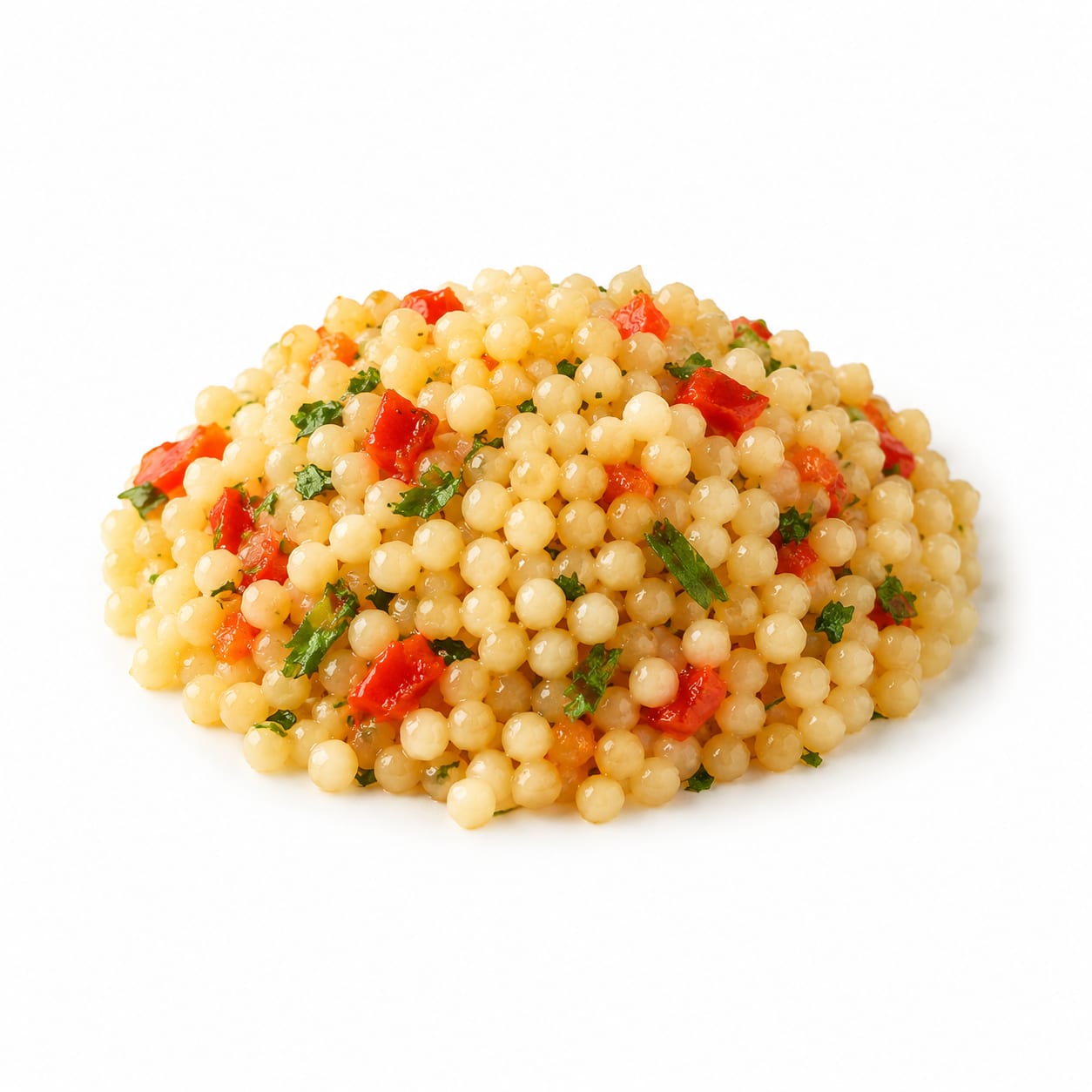
Couscous Pearl
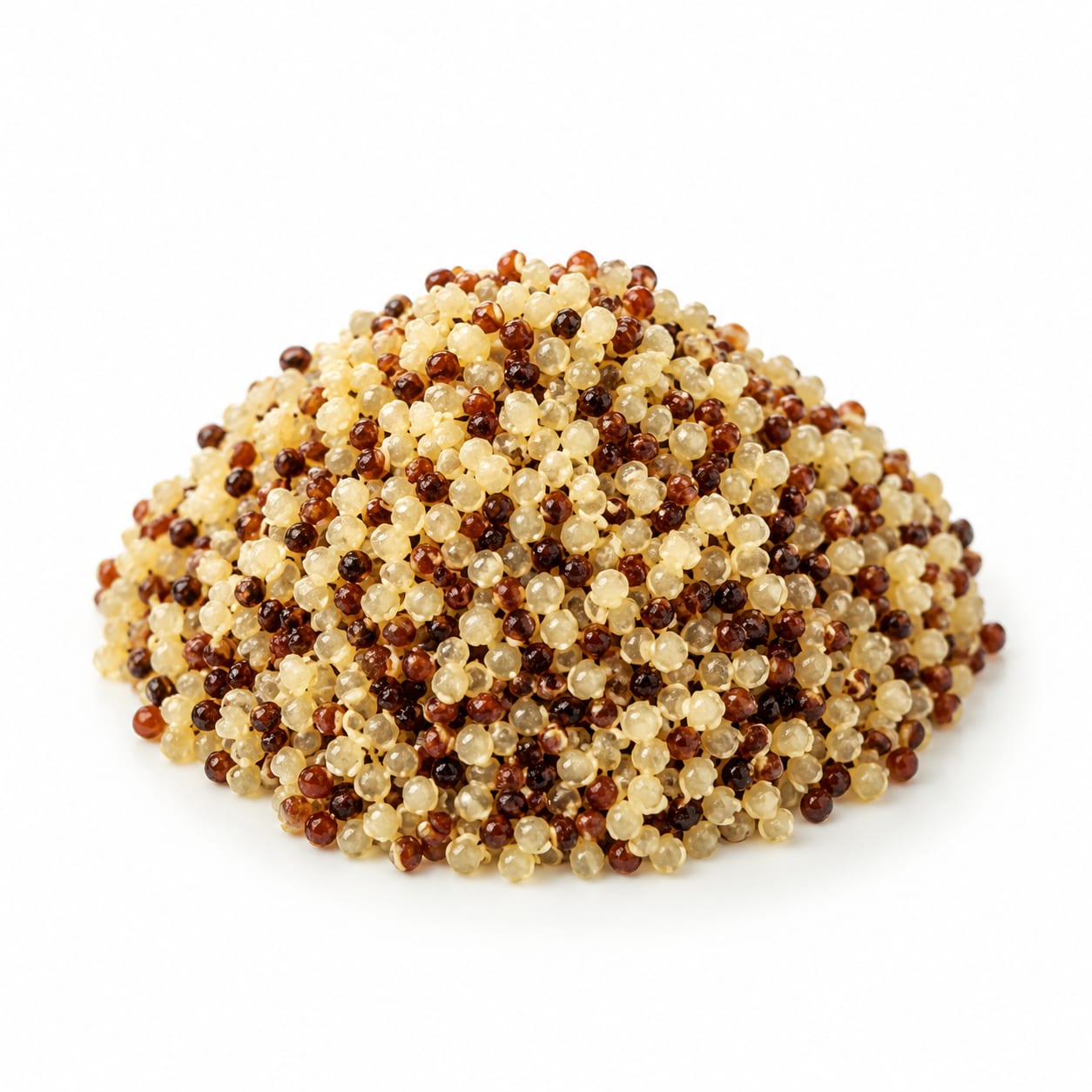
Quinoa
Quinoa wins on nearly every nutritional measure, but Couscous Pearl offers faster cooking and a comforting texture that keeps it relevant for quick meals.
Quinoa scores significantly higher due to its complete protein, superior fiber, lower glycemic impact, and richer micronutrient profile. Couscous Pearl remains relevant for convenience and taste preference but falls behind on most health measures.
You trade complete protein, fiber, and blood sugar stability for speed and a more familiar, pasta-like eating experience.
At a glance
Executive summary
Overall
Quinoa
Healthier
Quinoa
More practical
Couscous Pearl
Daily use
Quinoa
Key comparison lenses
protein quality and completeness
Quinoa is one of the few plant foods with complete protein, while Couscous Pearl lacks key essential amino acids
blood sugar stability
Couscous Pearl digests quickly and spikes blood sugar faster, making glycemic impact a major differentiator
gluten sensitivity and digestive tolerance
Couscous Pearl contains gluten; quinoa is naturally gluten-free, a critical factor for many consumers
satiety and fullness after meals
Fiber and protein differences directly affect how long you stay full after eating either grain
micronutrient density
Quinoa delivers significantly more iron, magnesium, and manganese per serving
convenience and weeknight practicality
Couscous Pearl cooks faster and is easier to find pre-seasoned, making it appealing for busy households
Best choice for
Couscous Pearl
- Busy weeknights when cooking time matters most
- Kids who prefer mild, pasta-like textures
- Budget-conscious shoppers looking for affordable side dishes
- Recovery meals when you need quick-digesting carbs
Quinoa
- Anyone prioritizing sustained energy and fullness
- Gluten-sensitive or celiac individuals
- Vegetarians and vegans needing complete protein
- Meal preppers who cook in batches once a week
Least suitable for
Couscous Pearl
- People managing diabetes or insulin resistance
- Anyone with celiac disease or gluten sensitivity
- Those seeking high-fiber diets for gut health
Quinoa
- People sensitive to saponins or with quinoa intolerance
- Very tight grocery budgets
- Those who dislike earthy or bitter flavors without rinsing
Deep comparison
Dimension by dimension
Each lens scores both foods and breaks down who each option suits.
- Dimension 1 · Priority 92Quinoa
Protein Quality and Completeness
Couscous Pearl · 30Quinoa · 90Quinoa provides all nine essential amino acids in meaningful amounts. Couscous Pearl is low in lysine and delivers less protein per serving overall.
Tradeoff
Couscous Pearl pairs well with legumes to compensate, but quinoa stands alone as a complete protein source without needing food combining.
Why it matters
Complete protein supports muscle repair, immune function, and hormone production without requiring careful meal planning.
Real-world impact
A quinoa bowl keeps you satisfied longer after lunch. A Couscous Pearl dish leaves you hunting for a snack sooner unless you add chickpeas or eggs.
Couscous Pearl
- Post-workout carb loading when paired with a separate protein source
Better for
- Solo meals where protein needs to come from the grain itself
Worse for
Quinoa
- Vegetarians needing reliable protein without combining foods
- Anyone eating grain-only meals who wants staying power
Better for
- Nothing significant — quinoa's protein profile is broadly superior
Worse for
- Dimension 2 · Priority 88Quinoa
Blood Sugar Stability
Couscous Pearl · 35Quinoa · 72Couscous Pearl has a glycemic index around 60-65, causing faster blood sugar rises. Quinoa sits near 53, releasing energy more gradually.
Tradeoff
Couscous Pearl's faster digestion can be useful after intense exercise but problematic for sedentary meals or metabolic conditions.
Why it matters
Steadier blood sugar means fewer energy crashes, reduced cravings, and better long-term metabolic health.
Real-world impact
Eat Couscous Pearl at noon and you may feel sluggish by 2pm. Quinoa carries you through the afternoon with steadier focus.
Couscous Pearl
- Athletes refueling immediately after intense training
- Anyone needing quick available energy
Better for
- Sedentary individuals eating large portions
- Late dinners where blood sugar spikes disrupt sleep
Worse for
Quinoa
- People with prediabetes or insulin resistance
- Office workers wanting to avoid the afternoon crash
- Anyone prone to energy dips after carb-heavy meals
Better for
- Endurance athletes who need fast glycogen replenishment during events
Worse for
- Dimension 3 · Priority 80Quinoa
Fiber and Satiety
Couscous Pearl · 25Quinoa · 78Quinoa delivers roughly 5g of fiber per cooked cup versus only 1-2g in Couscous Pearl. That gap directly affects how full you feel.
Tradeoff
Couscous Pearl's lower fiber makes it lighter and easier to eat in larger quantities, which can be either a benefit or a risk depending on your goals.
Why it matters
Fiber slows digestion, feeds gut bacteria, and signals fullness. Low-fiber meals often lead to overeating without realizing it.
Real-world impact
A quinoa salad feels like a complete meal. A Couscous Pearl salad often needs added vegetables, nuts, or dressing to reach the same satisfaction level.
Couscous Pearl
- Light meals before exercise when you want less digestive bulk
- People with temporary digestive sensitivity needing low-fiber options
Better for
- Chronic constipation or sluggish digestion
- Appetite control during calorie deficits
Worse for
Quinoa
- Weight management through natural portion control
- Gut health optimization and regular digestion
- Anyone trying to reduce between-meal snacking
Better for
- Sudden large increases in fiber can cause bloating if introduced too quickly
Worse for
- Dimension 4 · Priority 85Quinoa
Gluten and Digestive Tolerance
Couscous Pearl · 20Quinoa · 85Couscous Pearl is made from wheat and contains gluten. Quinoa is naturally gluten-free and safe for celiac individuals when certified.
Tradeoff
Quinoa contains saponins that can irritate sensitive stomachs if not rinsed, but this is easily managed. Gluten avoidance has no workaround with Couscous Pearl.
Why it matters
Even mild gluten sensitivity affects energy, digestion, and inflammation. For celiac individuals, this is non-negotiable.
Real-world impact
Gluten-sensitive people report bloating and brain fog after wheat-based sides. Switching to quinoa often resolves these issues within days.
Couscous Pearl
- People without any gluten sensitivity who tolerate wheat well
Better for
- Anyone with diagnosed celiac disease
- People with non-celiac gluten sensitivity
Worse for
Quinoa
- Celiac individuals and anyone with gluten intolerance
- Those exploring anti-inflammatory eating patterns
- People with unexplained bloating after wheat meals
Better for
- Rare individuals with quinoa-specific intolerance or saponin sensitivity
Worse for
- Dimension 5 · Priority 75Quinoa
Micronutrient Density
Couscous Pearl · 30Quinoa · 85Quinoa is rich in iron, magnesium, manganese, phosphorus, and folate. Couscous Pearl, made from refined wheat, loses most micronutrients during processing unless enriched.
Tradeoff
Enriched Couscous Pearl adds back some B vitamins and iron, but these are synthetic additions rather than naturally occurring nutrients with full cofactor complexes.
Why it matters
Micronutrient gaps accumulate over time. Small daily differences in mineral intake affect energy, bone health, and immune resilience.
Real-world impact
Regular quinoa eaters get meaningful contributions toward daily iron and magnesium needs. Couscous Pearl eaters need to source these minerals elsewhere.
Couscous Pearl
- Situations where enriched B vitamins are specifically helpful
- Quick carbs paired with nutrient-dense sauces or stews
Better for
- Reliance on it as a primary nutrient source
Worse for
Quinoa
- Vegetarians and vegans at higher risk for iron deficiency
- Women needing extra magnesium and folate
- Anyone eating grain-based meals as nutritional anchors
Better for
- People already taking high-dose mineral supplements who might exceed upper limits
Worse for
- Dimension 6 · Priority 70Couscous Pearl
Convenience and Practicality
Couscous Pearl · 82Quinoa · 55Couscous Pearl cooks in 8-10 minutes with minimal attention. Quinoa requires 15-20 minutes, rinsing, and careful water ratios for best results.
Tradeoff
The time saved with Couscous Pearl comes at the cost of nutritional quality. Quinoa demands more effort but rewards with better health outcomes.
Why it matters
When weeknight dinners feel rushed, convenience often wins over nutrition. The best grain is the one you actually cook.
Real-world impact
Couscous Pearl is a realistic Tuesday night side dish. Quinoa requires planning but works beautifully in Sunday meal prep batches.
Couscous Pearl
- Last-minute dinners with limited cooking time
- Families needing quick kid-friendly sides
- Camping or travel cooking with limited resources
Better for
- Nothing significant — convenience is its genuine strength
Worse for
Quinoa
- Weekly meal prep sessions where cooking time is less critical
- Batch cooking that reheats well throughout the week
Better for
- Spontaneous cooking when you forgot to plan ahead
Worse for
Timeline
Health impact over time
Short-term
Hours to days
Couscous Pearl
- Quick energy from fast-digesting carbohydrates
- Possible blood sugar spike followed by an energy dip within 2-3 hours
- Lighter stomach feel due to low fiber content
- Bloating or discomfort in gluten-sensitive individuals
Quinoa
- Steadier energy release over 3-4 hours after eating
- Greater immediate fullness from protein and fiber
- Mild bloating if saponins are not rinsed off before cooking
- Better appetite control reducing urge to snack between meals
Long-term
Months to years
Couscous Pearl
- Potential for increased insulin resistance with frequent large portions
- Lower contribution to daily fiber goals affecting gut health over time
- Possible chronic low-grade inflammation in gluten-sensitive people
- Minimal contribution to long-term micronutrient adequacy
Quinoa
- Improved blood sugar regulation with regular consumption
- Better digestive health and gut microbiome diversity from consistent fiber intake
- Meaningful contribution to iron and magnesium status over months
- Support for sustained healthy weight through natural appetite regulation
Risk profile
Safety & processing
Couscous Pearl is made from refined wheat flour that is moistened, rolled into pearls, and toasted. While it contains no artificial additives, the refining process strips away the bran and germ. Quinoa is a whole seed harvested, cleaned, and sold with minimal processing. It retains its full nutritional structure, making it closer to its natural state.
Couscous Pearl
Gluten exposure for sensitive individuals
highContains wheat gluten. Unsafe for anyone with celiac disease or significant gluten intolerance. Cross-contamination in shared kitchens is also a concern.
Enrichment additive sensitivity
lowSome enriched varieties add synthetic folic acid and iron. Rarely causes issues but may concern those avoiding synthetic fortification.
Quinoa
Saponin residue causing digestive irritation
mediumNaturally occurring saponins on the seed coating can cause bitterness and stomach upset. Thorough rinsing before cooking eliminates most of this risk.
Cross-contamination with gluten grains
mediumQuinoa is often processed in facilities that handle wheat. Certified gluten-free labels matter for celiac individuals.
Who wins for whom
Audience fit
Same foods, different winners depending on your goal.
children
It dependsCouscous Pearl's mild flavor and soft texture appeal to picky eaters. Quinoa's superior nutrition matters more for growth but may face resistance from texture-sensitive kids.
daily consumption
QuinoaQuinoa's nutrient density and blood sugar stability make it a stronger daily staple. Couscous Pearl works better as an occasional change of pace.
diabetes
QuinoaLower glycemic index and higher fiber make quinoa significantly gentler on blood sugar. Couscous Pearl's faster glucose release is riskier for glycemic management.
elderly
QuinoaOlder adults benefit more from quinoa's iron, magnesium, and fiber. The softer texture of Couscous Pearl is easier to chew but nutritionally less supportive of aging bodies.
muscle gain
QuinoaQuinoa's complete protein profile supports muscle repair more effectively. Couscous Pearl can work but requires pairing with dedicated protein sources.
weight loss
QuinoaHigher protein and fiber in quinoa naturally reduce calorie intake by keeping you fuller longer, making portion control easier without feeling deprived.
Your move
Decision guide
Choose Couscous Pearl
- You need dinner on the table in under 15 minutes
- Your family prefers mild, pasta-like sides over earthy grains
- You are pairing it with a protein-rich stew or legume dish that fills the nutritional gaps
- You are an athlete carb-loading before or refueling after intense exercise
- You have no gluten sensitivity and prioritize taste familiarity
Choose Quinoa
- You want one grain that delivers protein, fiber, and minerals without additions
- You are managing blood sugar, weight, or eating for metabolic health
- You eat gluten-free or cook for someone who does
- You meal prep on weekends and want a nutrient-dense base for bowls and salads
- You want sustained energy that carries you between meals without snacking
Either works if
- You rotate grains for variety and already eat a nutrient-dense diet overall
- You are cooking for a group with mixed dietary preferences
- You pair either grain with vegetables, healthy fats, and quality protein
Avoid both if
- You have a wheat allergy and cannot verify quinoa's gluten-free certification
- You are on a strict very-low-carb or ketogenic eating plan
- You have severe digestive conditions requiring a low-residue diet
Final recommendation
Make quinoa your default grain for its nutritional completeness and blood sugar benefits. Keep Couscous Pearl as a convenience backup for rushed evenings or when feeding picky eaters. The health gap between them is real but manageable if you pair Couscous Pearl with fiber-rich vegetables and protein. Over a week, aim for quinoa at least four times and let Couscous Pearl handle the busy nights.
Practical
Consumer tips
- 1
Always rinse quinoa under cold water for 30 seconds to remove bitter saponins — this single step transforms the flavor
- 2
Toast Couscous Pearl in a dry pan for 2 minutes before adding liquid to deepen its flavor without added salt or fat
- 3
Cook quinoa in vegetable or chicken broth instead of water for a flavor boost that costs zero extra time
- 4
Mix both grains together — half quinoa for nutrition, half Couscous Pearl for texture — as a transition strategy for reluctant eaters
- 5
Batch-cook quinoa on Sunday and refrigerate portions for up to 5 days — it reheats perfectly and saves weeknight time
- 6
Check for certified gluten-free labels on quinoa if cooking for someone with celiac disease, as cross-contamination in processing is common
- 7
Add a splash of lemon juice and olive oil to either grain right after cooking — the acid brightens flavor and the fat helps absorb fat-soluble nutrients