
Nutrition comparison
Couscous Pearl vs Barley: Which Grain Is Healthier?
Compare Couscous Pearl and Barley nutrition, fiber, glycemic impact, and health benefits. Discover which grain is better for weight loss, diabetes, and daily eating.
Overall winner · Barley
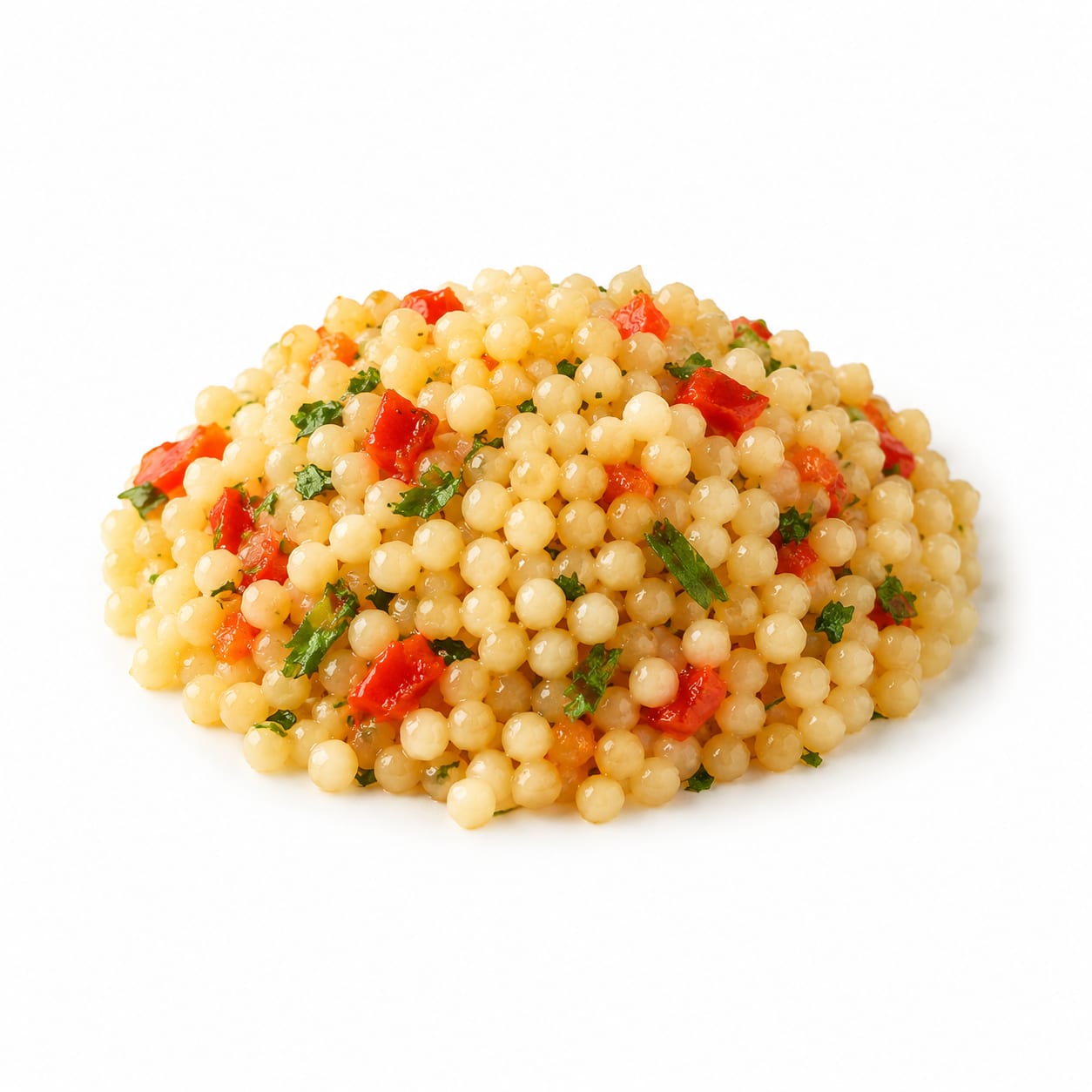
Couscous Pearl
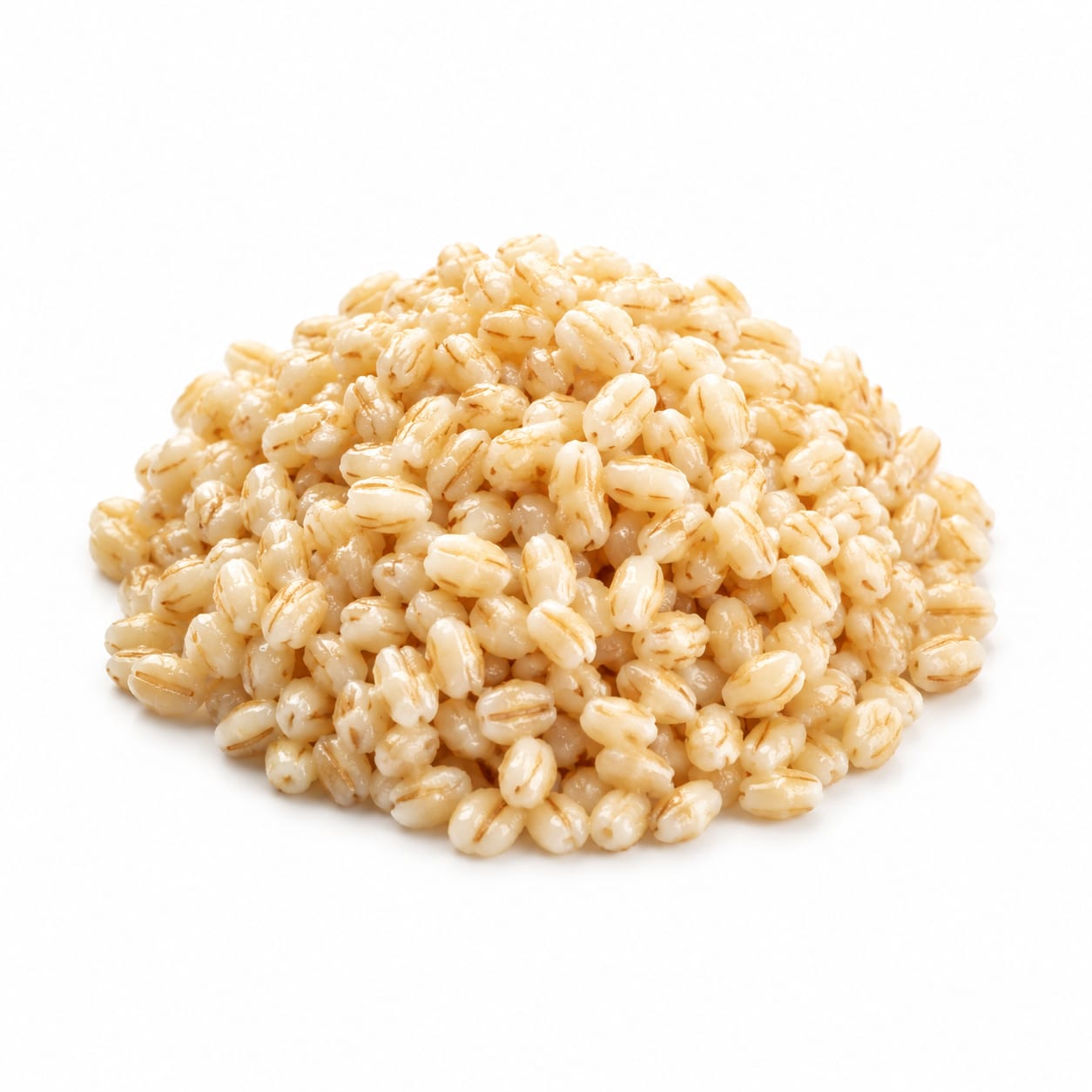
Barley
Barley wins on nutrition and health impact, but Couscous Pearl wins on speed and convenience. The fiber gap is massive.
Barley scores significantly higher due to superior fiber, blood sugar stability, and long-term health benefits. Couscous Pearl is not unhealthy but offers minimal nutritional advantage beyond convenience.
You trade quick cooking time and a lighter texture for dramatically better fiber, blood sugar control, and long-term health benefits when you choose Barley over Couscous Pearl.
At a glance
Executive summary
Overall
Barley
Healthier
Barley
More practical
Couscous Pearl
Daily use
Barley
Key comparison lenses
blood sugar control and glycemic impact
These grains differ dramatically in how they affect blood sugar, making this the most critical differentiator for health-conscious users
fiber content and digestive health
Barley's soluble fiber advantage over Couscous Pearl is substantial and drives many downstream health benefits
weight management and satiety
The fullness factor differs significantly, directly impacting eating behavior and portion control
convenience and meal preparation
Couscous Pearl cooks much faster, making it a practical weeknight choice for busy households
heart health and cholesterol management
Barley's beta-glucan content makes it clinically relevant for cardiovascular health
Best choice for
Couscous Pearl
- Busy weeknights when cooking time matters most
- Lighter meals where a heavy grain feels wrong
- Kids who prefer milder, softer textures
- Quick meal prep sessions with tight schedules
- Pilafs and salads needing a delicate grain
Barley
- Blood sugar management and diabetes prevention
- Heart health and cholesterol reduction
- Weight loss through better satiety
- Meal prepping large batches for the week
- Hearty soups and stews where texture holds up
Least suitable for
Couscous Pearl
- Anyone managing diabetes or insulin resistance
- Low-glycemic diet followers
- Those needing high fiber intake
- People seeking maximum fullness from meals
Barley
- Last-minute meals with no prep time
- Gluten-sensitive individuals
- Those wanting a light, delicate grain texture
- Quick side dishes under 15 minutes
Deep comparison
Dimension by dimension
Each lens scores both foods and breaks down who each option suits.
- Dimension 1 · Priority 95Barley
Fiber Content and Digestive Health
Couscous Pearl · 15Barley · 90Barley contains roughly 3-4 times more fiber than Couscous Pearl, with much of it being soluble beta-glucan.
Tradeoff
Couscous Pearl is easier to digest for sensitive stomachs but provides almost no fiber benefit for gut health or regularity.
Why it matters
Fiber drives fullness, gut health, blood sugar control, and cholesterol reduction. This single dimension changes how the rest of your day feels.
Real-world impact
A barley-based lunch keeps you full until dinner. A Couscous Pearl lunch often leaves you snacking by 3pm.
Couscous Pearl
- Sensitive digestion requiring low-fiber meals
- Post-digestive illness recovery
Better for
- Meeting daily fiber goals
- Blood sugar spikes after meals
Worse for
Barley
- Gut microbiome health
- Cholesterol management
- Preventing constipation
- Sustained fullness between meals
Better for
- Acclimating to high fiber if currently eating low-fiber
- Gas and bloating during transition period
Worse for
- Dimension 2 · Priority 93Barley
Blood Sugar Stability
Couscous Pearl · 20Barley · 82Couscous Pearl has a high glycemic index similar to white pasta, while Barley's beta-glucan slows glucose absorption significantly.
Tradeoff
Couscous Pearl gives quick energy but causes sharper blood sugar spikes and crashes. Barley provides steadier, longer-lasting energy.
Why it matters
Blood sugar crashes drive cravings, fatigue, irritability, and overeating. Stable energy changes how your entire afternoon feels.
Real-world impact
After Couscous Pearl, you may feel a brief energy surge followed by an afternoon slump. After Barley, energy holds steady for hours.
Couscous Pearl
- Pre-workout quick energy when you need fast carbs
- Recovery meals after intense exercise
Better for
- Insulin resistance worsening
- Reactive hypoglycemia risk
Worse for
Barley
- Diabetes management or prevention
- Avoiding afternoon energy crashes
- Reducing cravings between meals
- Metabolic syndrome management
Better for
- Immediate post-workout glycogen replenishment speed
Worse for
- Dimension 3 · Priority 88Barley
Satiety and Fullness
Couscous Pearl · 30Barley · 85Barley's fiber and chewy texture make it substantially more filling than Couscous Pearl per calorie consumed.
Tradeoff
Couscous Pearl feels lighter in the stomach, which can be pleasant or unsatisfying depending on your needs.
Why it matters
Fullness determines whether you stick to your intended portion or go back for seconds. It directly affects total calorie intake.
Real-world impact
A cup of barley-based soup feels like a complete meal. The same volume of Couscous Pearl feels like a starter.
Couscous Pearl
- Light summer meals when heaviness feels wrong
- Smaller appetites or elderly eaters
Better for
- Overeating risk from low satiety
- Needing larger portions to feel satisfied
Worse for
Barley
- Weight loss through natural portion control
- Long workdays without snack access
- Athletes needing sustained fuel
Better for
- Feeling overly full before physical activity
Worse for
- Dimension 4 · Priority 78Barley
Heart Health and Cholesterol
Couscous Pearl · 25Barley · 88Barley's beta-glucan fiber is clinically proven to lower LDL cholesterol. Couscous Pearl offers no cardiovascular benefit.
Tradeoff
Heart health benefits accumulate over months and years, not single meals. But consistent choices compound significantly.
Why it matters
Heart disease remains the leading cause of death globally. Daily grain choices meaningfully impact cardiovascular risk over time.
Real-world impact
Eating barley regularly can reduce LDL cholesterol by 5-10%, comparable to some dietary interventions people find much harder.
Couscous Pearl
- No specific heart health advantage
Better for
- Contributing to poor lipid profiles when replacing whole grains
Worse for
Barley
- Lowering LDL cholesterol
- Reducing cardiovascular disease risk
- Supporting healthy blood pressure
- Improving lipid panels over time
Better for
- No meaningful heart health downside
Worse for
- Dimension 5 · Priority 80Couscous Pearl
Convenience and Cooking Time
Couscous Pearl · 88Barley · 35Couscous Pearl cooks in roughly 10 minutes. Pearl barley takes 25-40 minutes, and hulled barley can take over an hour.
Tradeoff
The time savings of Couscous Pearl is real and meaningful for busy households, but batch cooking barley eliminates most of this disadvantage.
Why it matters
When cooking time exceeds 20 minutes, people default to less healthy convenience foods. Practical barriers matter.
Real-world impact
Couscous Pearl works for spontaneous weeknight dinners. Barley requires planning or weekend batch cooking.
Couscous Pearl
- Last-minute meal preparation
- Weeknight cooking under time pressure
- Camping and travel cooking
- Beginner cooks wanting easy wins
Better for
- No meaningful convenience downside
Worse for
Barley
- Slow cooker and pressure cooker meals
- Soup and stew recipes with long cook times
- Weekend meal prep sessions
Better for
- Spontaneous cooking decisions
- Quick side dish needs
Worse for
- Dimension 6 · Priority 75Barley
Nutrient Density
Couscous Pearl · 28Barley · 78Barley delivers more protein, vitamins, and minerals per calorie than Couscous Pearl, which is essentially refined wheat.
Tradeoff
Couscous Pearl is sometimes enriched with B vitamins, but whole grain barley naturally contains more nutrients without fortification.
Why it matters
Nutrient density determines how much nutritional value you extract per calorie eaten. Empty calories displace better options.
Real-world impact
Barley contributes meaningfully to your daily magnesium, selenium, and B-vitamin intake. Couscous Pearl contributes mostly just carbohydrates.
Couscous Pearl
- Iron-fortified versions can help with deficiency
Better for
- Displacing more nutrient-dense grain options
Worse for
Barley
- Meeting micronutrient needs from whole foods
- Magnesium intake for muscle and nerve function
- Selenium for thyroid and immune health
- B vitamins for energy metabolism
Better for
- Phytic acid reducing mineral absorption slightly
Worse for
Timeline
Health impact over time
Short-term
Hours to days
Couscous Pearl
- Quick energy from easily digested carbohydrates
- Light feeling in the stomach after eating
- Possible hunger returning within 1-2 hours
- Blood sugar spike followed by mild crash
- Easy digestion for sensitive stomachs
Barley
- Sustained energy lasting 3-4 hours
- Comfortable fullness that prevents snacking
- Slower digestion that stabilizes blood sugar
- Possible mild bloating if not accustomed to high fiber
- Steady mental energy without afternoon dips
Long-term
Months to years
Couscous Pearl
- Missing daily fiber targets consistently
- Higher risk of blood sugar dysregulation over years
- Potential contribution to elevated LDL cholesterol
- Greater difficulty maintaining healthy weight
- Minimal protection against chronic disease
Barley
- Improved cholesterol panels and cardiovascular markers
- Better blood sugar control and reduced diabetes risk
- Healthier gut microbiome from consistent prebiotic fiber
- Easier weight management through natural appetite regulation
- Reduced systemic inflammation markers
Risk profile
Safety & processing
Couscous Pearl is made from refined semolina wheat formed into small balls, stripping away the bran and germ. Pearl barley has its hull removed but retains more of its natural grain structure. Hulled barley is the least processed form and retains nearly all nutrients.
Couscous Pearl
Gluten exposure
highMade from wheat semolina, Couscous Pearl is unsafe for anyone with celiac disease or gluten sensitivity.
Contamination during processing
lowCommercial Couscous Pearl processing may involve shared facilities with other allergens.
Barley
Gluten exposure
highBarley contains gluten and is unsafe for those with celiac disease or non-celiac gluten sensitivity.
Phytic acid interference
lowBarley contains phytic acid that can slightly reduce absorption of iron, zinc, and calcium. Soaking reduces this significantly.
Who wins for whom
Audience fit
Same foods, different winners depending on your goal.
children
Couscous PearlKids often prefer the softer, milder texture of Couscous Pearl, and their calorie needs are better served by its easier-to-eat consistency.
daily consumption
BarleyDaily barley consumption offers cumulative health benefits for heart, gut, and blood sugar that Couscous Pearl simply cannot match.
diabetes
BarleyBarley's beta-glucan fiber slows glucose absorption and significantly reduces post-meal blood sugar spikes compared to Couscous Pearl.
elderly
It dependsCouscous Pearl is easier to chew and digest for those with dental or digestive issues. Barley provides crucial fiber for older adults struggling with constipation and heart health.
muscle gain
It dependsNeither grain is a protein powerhouse. Couscous Pearl offers faster carbs for post-workout recovery, while Barley provides more sustained fuel for training days.
weight loss
BarleyBarley's high fiber and beta-glucan create lasting fullness that naturally reduces overall calorie intake throughout the day.
Your move
Decision guide
Choose Couscous Pearl
- You need dinner on the table in under 15 minutes tonight
- You are cooking for kids who reject chewy grains
- You want a light grain for a summer salad or side dish
- You are eating before intense exercise and need quick carbs
- You have digestive sensitivity and need low-fiber options temporarily
Choose Barley
- You want steady energy without afternoon crashes
- Heart health and cholesterol management matter to you
- You are trying to lose weight or control portions naturally
- You meal prep on weekends and can batch cook grains
- Blood sugar stability is a health priority for you
Either works if
- You are rotating grains for dietary variety
- Neither grain is your primary protein source
- You are building grain bowls with plenty of vegetables and healthy fats
- You have no specific health conditions driving grain selection
Avoid both if
- You have celiac disease or gluten intolerance
- You are following a strict low-carb or ketogenic diet
- You have a wheat or barley allergy
Final recommendation
Make Barley your default grain for health reasons, but keep Couscous Pearl in your pantry for busy nights. The nutritional gap is too large to ignore long-term. If time is your barrier, cook a large batch of barley on Sunday and refrigerate portions for the week. This eliminates the convenience advantage of Couscous Pearl while keeping all of Barley's benefits.
Practical
Consumer tips
- 1
Soak barley overnight to cut cooking time in half and reduce phytic acid
- 2
Toast Couscous Pearl in a dry pan before cooking for deeper flavor that makes it feel more satisfying
- 3
Mix barley into soups where its chewy texture becomes an asset rather than a barrier
- 4
If transitioning from Couscous Pearl to Barley, start with half-and-half to let your digestion adjust
- 5
Freeze cooked barley in portion bags for instant convenience that rivals Couscous Pearl
- 6
Choose hulled barley over pearl barley when possible for maximum fiber and nutrient retention
- 7
Add healthy fats like olive oil to either grain to slow digestion and reduce glycemic impact
- 8
Couscous Pearl absorbs flavors quickly, making it ideal for quick herb and citrus dressings