
Nutrition comparison
Pearl Couscous vs Regular Couscous: Which Is Healthier?
Compare pearl couscous and regular couscous on nutrition, blood sugar impact, satiety, and cooking convenience. Find out which refined grain is the better choice for your meals.
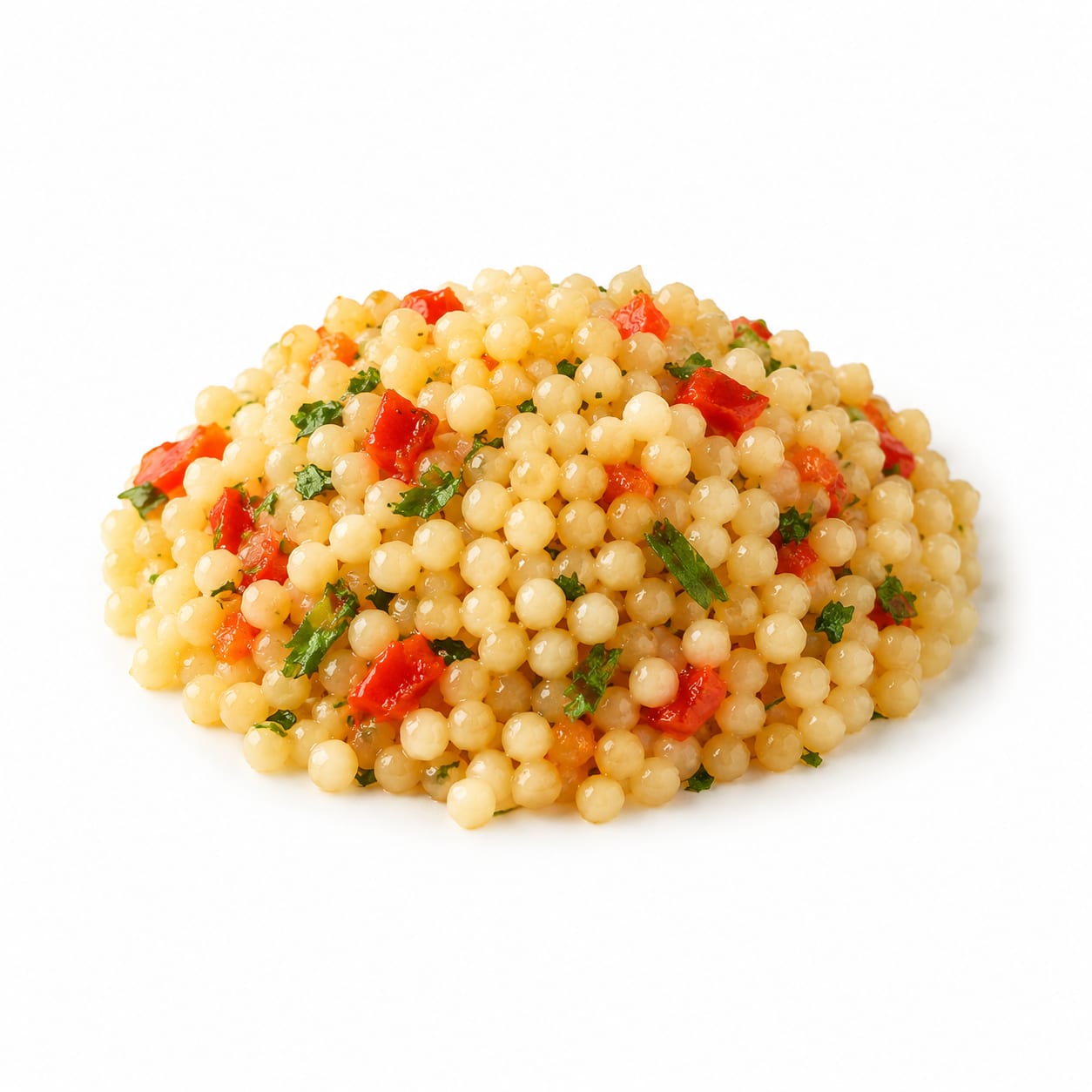
Couscous Pearl
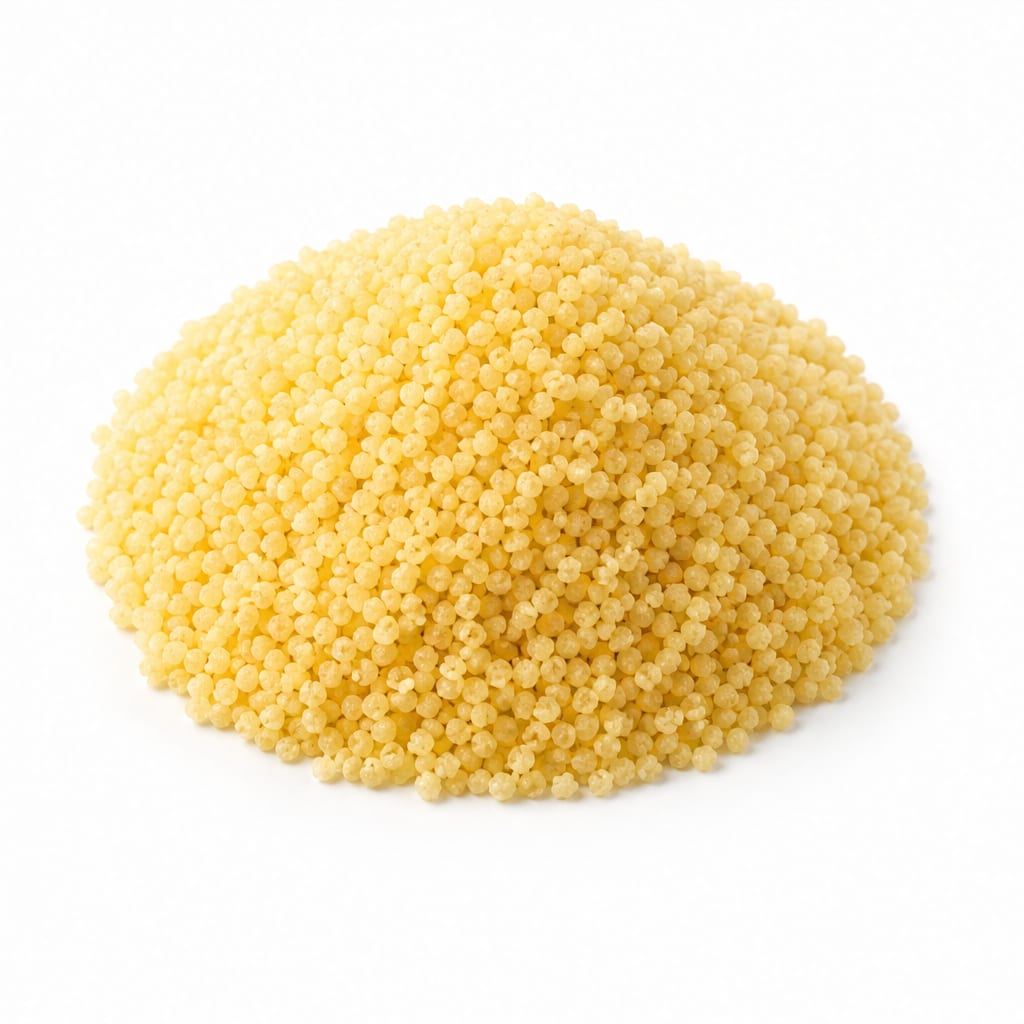
Regular Couscous
Pearl couscous is more filling and slightly gentler on blood sugar, while regular couscous is faster to cook and lighter on the plate. Neither is a nutritional powerhouse — the choice comes down to texture preference and how your body handles refined carbs.
Pearl couscous scores modestly higher due to better satiety and slightly slower digestion, but both are refined grains with limited nutritional density. The gap is small because neither offers meaningful fiber, protein, or micronutrient advantages.
Satisfaction and slower digestion versus speed and lighter portions
At a glance
Executive summary
Overall
It depends
Healthier
Couscous Pearl
More practical
Regular Couscous
Daily use
It depends
Key comparison lenses
blood sugar and glycemic impact
Both are refined wheat products with high glycemic potential, but their different structures affect how quickly glucose hits the bloodstream
satiety and meal satisfaction
Pearl couscous is denser and chewier, making meals more filling — a key factor for portion control and energy stability
convenience and weeknight practicality
Regular couscous is famously fast to prepare, while pearl couscous requires more active cooking — a real factor for busy households
culinary versatility and texture preference
The two have very different mouthfeels and work better in different dishes, which affects how often people actually use them
refined carbohydrate awareness
Neither is a whole grain, so users comparing them are often trying to pick the lesser of two refined-carb options
Best choice for
Couscous Pearl
- People who find refined carbs leave them hungry an hour later
- Salads and grain bowls where chewy texture matters
- Those wanting slightly steadier energy from a refined grain
- Meal preppers who cook in batches
Regular Couscous
- Weeknight dinners when time is tight
- Lighter meals where a heavy grain feels like too much
- Serving as a fluffy base for stews and sauces
- Anyone new to cooking who wants foolproof prep
Least suitable for
Couscous Pearl
- Quick lunch breaks with limited cooking access
- Anyone strictly limiting refined carbohydrate intake
- People who find dense grains feel heavy
Regular Couscous
- Blood sugar management without protein and fat pairing
- Meals where you need long-lasting fullness
- People who find light carbs trigger cravings
Deep comparison
Dimension by dimension
Each lens scores both foods and breaks down who each option suits.
- Dimension 1 · Priority 90Couscous Pearl
blood sugar stability
Couscous Pearl · 38Regular Couscous · 28Pearl couscous digests slightly slower due to its larger, toasted granules, but both spike blood sugar significantly compared to whole grains.
Tradeoff
The difference is real but modest — neither is a low-glycemic food
Why it matters
If you're sensitive to refined carbs, even a small slowdown in glucose absorption can mean less of an energy crash an hour later
Real-world impact
After a regular couscous lunch you might feel hungry again by 2pm; pearl couscous might buy you another 30-45 minutes before the crash
Couscous Pearl
- Pre-diabetics choosing between the two
- Afternoon meals where energy crashes affect productivity
Better for
- Anyone assuming it won't spike blood sugar — it still will
Worse for
Regular Couscous
- Post-workout when faster carb absorption is actually desired
Better for
- Solo meals without protein or fat to slow digestion
- Breakfast when steady morning energy matters
Worse for
- Dimension 2 · Priority 85Couscous Pearl
satiety and fullness
Couscous Pearl · 55Regular Couscous · 35Pearl couscous is noticeably more filling thanks to its dense, chewy texture and higher calorie density per bite.
Tradeoff
More filling also means more calories per serving if you don't adjust portions
Why it matters
Feeling satisfied after a meal reduces snacking and makes it easier to eat less overall without feeling deprived
Real-world impact
A pearl couscous bowl at noon can carry you to dinner; regular couscous often leaves you reaching for a snack by 4pm
Couscous Pearl
- Anyone who finds light carbs unsatisfying
- Lunches where you can't snack before dinner
Better for
- Those counting calories who don't measure portions carefully
Worse for
Regular Couscous
- Smaller appetites or lighter dinner preferences
- Eating before exercise when you don't want to feel weighed down
Better for
- Emotional eaters triggered by never feeling full enough
Worse for
- Dimension 3 · Priority 80Regular Couscous
convenience and cooking speed
Couscous Pearl · 40Regular Couscous · 88Regular couscous is one of the fastest grains to prepare — just add boiling water and wait five minutes. Pearl couscous needs 10-12 minutes of active simmering.
Tradeoff
Speed comes at the cost of texture depth and satisfaction
Why it matters
On a busy Tuesday night, the difference between 5 minutes hands-off and 12 minutes at the stove can determine what you actually cook
Real-world impact
Regular couscous is a realistic weeknight staple; pearl couscous is more of a weekend or meal-prep choice
Couscous Pearl
- Meal prep sessions where you're cooking multiple things anyway
Better for
- Anyone who abandons cooking when it takes more than 15 minutes
Worse for
Regular Couscous
- Last-minute dinners
- Work-from-home lunch breaks
- College dorm cooking with limited equipment
Better for
- Situations where texture and experience matter more than speed
Worse for
- Dimension 4 · Priority 65It depends
nutritional density
Couscous Pearl · 32Regular Couscous · 30Both are refined wheat products with minimal fiber, modest protein, and low micronutrient content. The nutritional difference between them is negligible.
Tradeoff
Choosing between them on nutrition alone is a losing game — both need help from vegetables, protein, and healthy fats
Why it matters
Neither should be the nutritional star of your plate — they're both essentially blank canvases
Real-world impact
A bowl of either one alone is just empty calories with a different texture; what you pair them with determines the health value of the meal
Couscous Pearl
- Slightly more selenium and B vitamins due to marginally higher wheat density per serving
Better for
- Anyone expecting a nutrient-dense grain — this is not quinoa
Worse for
Regular Couscous
- Slightly fewer calories per cup if portion control is the priority
Better for
- Same — both fall far short of whole grain alternatives
Worse for
- Dimension 5 · Priority 70It depends
culinary experience and versatility
Couscous Pearl · 72Regular Couscous · 68Pearl couscous shines in salads and bowls where its chewy, substantial bite is the point. Regular couscous works better as a fluffy bed for saucy dishes.
Tradeoff
Each excels in different dishes — neither is universally more versatile
Why it matters
Food you enjoy eating is food you'll actually cook, which matters more than marginal nutritional differences
Real-world impact
Pearl couscous makes a Mediterranean grain salad feel like a real meal; regular couscous makes a quick tagine feel complete
Couscous Pearl
- Cold grain salads with vegetables and dressing
- Pilafs where the grain stands on its own
- Appetizer or side dish where texture is the star
Better for
- Delicate sauces where a lighter grain would absorb better
Worse for
Regular Couscous
- Soaking up rich sauces and stews
- Breakfast porridge with fruit and honey
- Dishes where the grain should disappear into the background
Better for
- Any dish where mushy texture would be disappointing
Worse for
Timeline
Health impact over time
Short-term
Hours to days
Couscous Pearl
- Moderate blood sugar rise within 30-60 minutes of eating
- Noticeable fullness that lasts 2-3 hours when paired with protein
- Can feel heavy if eaten in large portions without vegetables
Regular Couscous
- Rapid blood sugar rise within 15-45 minutes, especially eaten alone
- Hunger returning within 1.5-2 hours without adequate protein and fat
- Light feeling in the stomach that some find unsatisfying
Long-term
Months to years
Couscous Pearl
- Regular consumption as a dietary staple without whole grains may contribute to insulin resistance over time
- Slightly better than regular couscous for long-term satiety patterns if it helps control overall intake
- No meaningful fiber contribution to gut health
Regular Couscous
- Frequent reliance as a primary grain may reinforce blood sugar spikes and crashes that drive overeating
- Easy to overconsume because it's light and doesn't trigger fullness signals strongly
- Same long-term refined grain risks as white bread or white rice
Risk profile
Safety & processing
Both are refined wheat products, but their processing differs slightly. Pearl couscous is made from wheat flour rolled into balls and toasted, giving it a more artisan feel. Regular couscous is made from semolina that's moistened, rolled into tiny granules, and steamed — then often dried for instant preparation. Neither contains artificial additives in its basic form, but both have stripped away the bran and germ that make whole wheat nutritious.
Couscous Pearl
gluten exposure
highContains wheat gluten — completely unsuitable for anyone with celiac disease or gluten sensitivity
contamination from bulk bins
lowIf purchased from bulk bins, cross-contamination with allergens is possible
Regular Couscous
gluten exposure
highContains wheat gluten — completely unsuitable for anyone with celiac disease or gluten sensitivity
added sodium in pre-seasoned packets
mediumMany instant couscous products come with seasoning packets that can contain 400-800mg of sodium per serving
Who wins for whom
Audience fit
Same foods, different winners depending on your goal.
children
Regular CouscousRegular couscous's soft, fluffy texture is easier for young children to eat, and its mild flavor is more kid-friendly than the chewier pearl variety
daily consumption
It dependsIf you rotate with whole grains and pair with vegetables and protein, either works. Neither should be a daily staple on its own without whole grain alternatives in the mix
diabetes
Couscous PearlThe slightly slower digestion of pearl couscous gives a modest edge, but both require careful pairing with protein, fat, and fiber to prevent dangerous spikes
elderly
Regular CouscousSofter texture is easier to chew and digest for aging teeth and more sensitive digestive systems
muscle gain
It dependsNeither offers meaningful protein. Both can serve as carb sources post-workout, with regular couscous absorbing slightly faster and pearl couscous providing longer-lasting energy
weight loss
Regular CouscousRegular couscous has fewer calories per cup and its lighter texture can support smaller portions — but only if the lower satiety doesn't trigger snacking later
Your move
Decision guide
Choose Couscous Pearl
- You find regular couscous leaves you hungry too soon
- You're making grain salads or bowls where chewiness matters
- You're meal prepping and don't mind longer cook times
- You want the most satisfying option within the refined grain category
Choose Regular Couscous
- Weeknight speed is non-negotiable
- You prefer lighter meals that don't sit heavy
- You're serving it under a saucy stew where it needs to absorb flavor
- You're cooking for kids or anyone with texture sensitivities
Either works if
- You always pair grains with protein, vegetables, and healthy fat anyway
- You're rotating between grains and not relying on either as a daily staple
- Price is similar at your store and you just want variety
Avoid both if
- You have celiac disease or gluten intolerance
- You're strictly limiting refined carbohydrates
- You're looking for a high-fiber or high-protein grain — try quinoa, farro, or brown rice instead
Final recommendation
Pick pearl couscous when satisfaction and texture matter most; pick regular couscous when speed and lightness win. But honestly, the bigger decision isn't between these two — it's whether to include more whole grains in your rotation. Neither pearl nor regular couscous should be your everyday grain if long-term health is the goal.
Practical
Consumer tips
- 1
Always pair either couscous with a protein source and vegetables to blunt the blood sugar spike and add real nutritional value
- 2
Skip the pre-seasoned couscous packets — they're loaded with sodium and cost more per serving
- 3
Toast pearl couscous in a little olive oil before adding liquid for deeper flavor and a slightly slower glycemic response
- 4
If choosing regular couscous, stir in chickpeas, feta, and roasted vegetables to make it a complete meal rather than a side dish
- 5
Consider swapping either one for whole wheat couscous occasionally — it has significantly more fiber and a similar cooking experience