
Nutrition comparison
Pearl Couscous vs Brown Rice: Which Grain Is Healthier?
Compare pearl couscous and brown rice on fiber, blood sugar impact, cooking time, and nutrition. Find out which grain is better for weight loss, diabetes, and daily meals.
Overall winner · Brown Rice
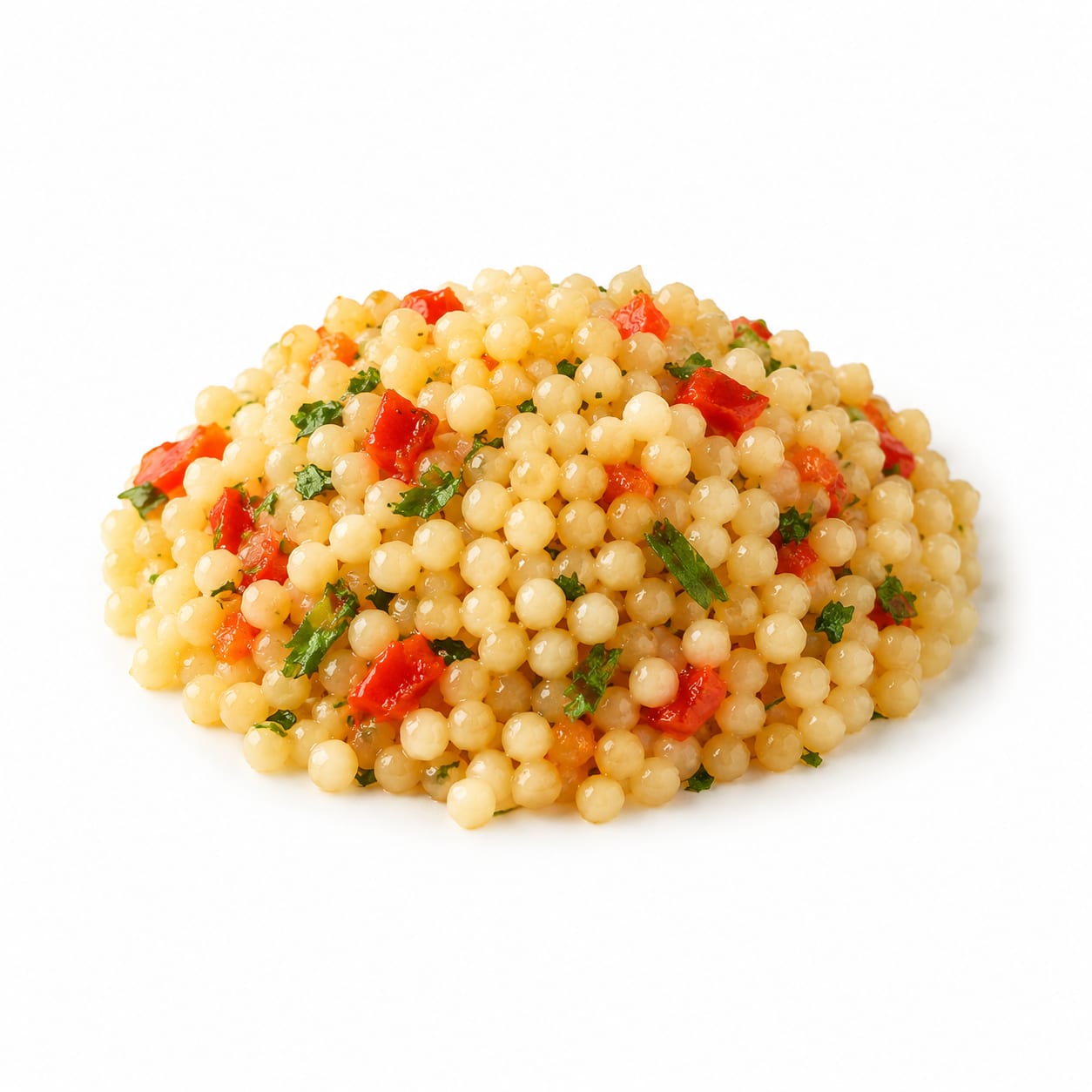
Couscous Pearl
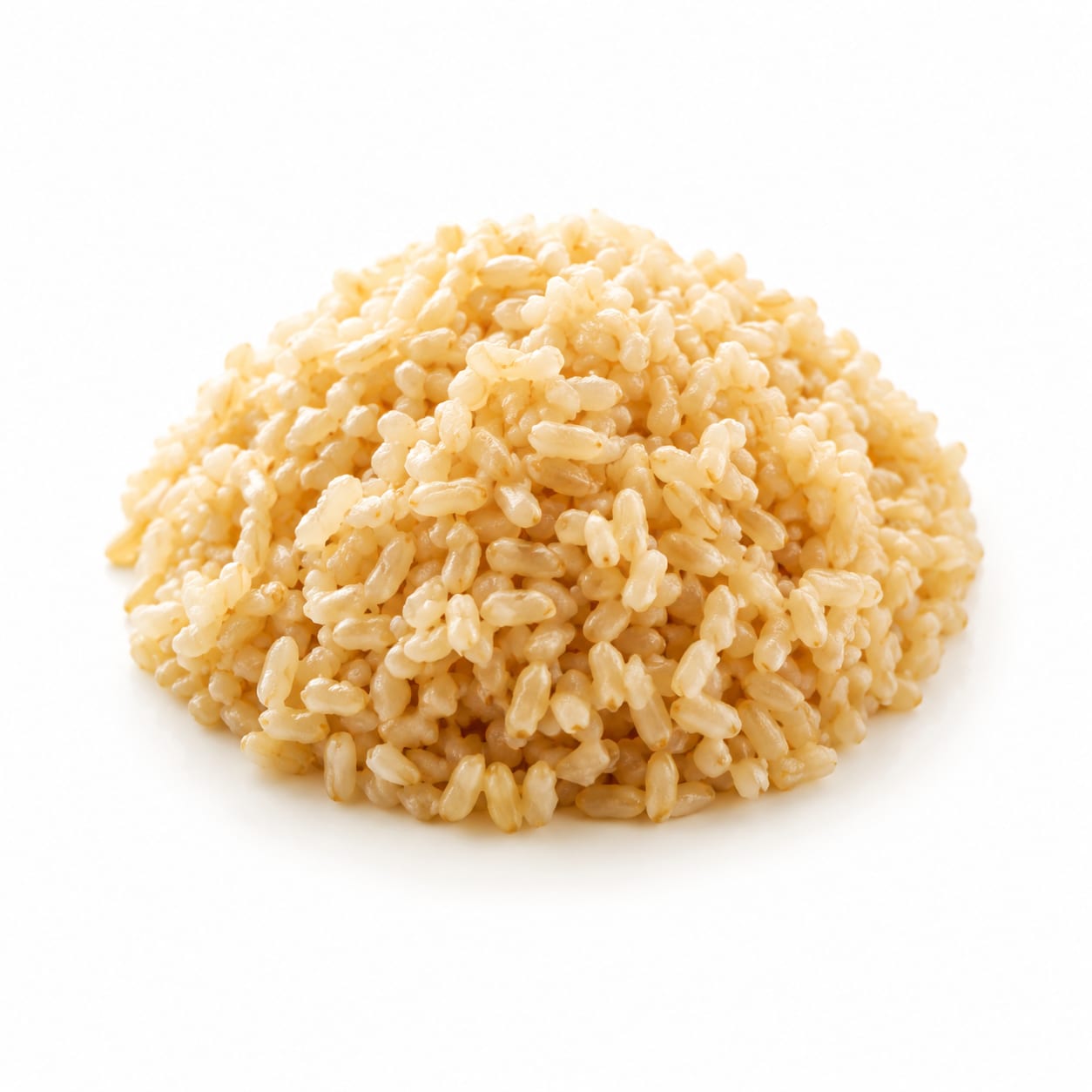
Brown Rice
Brown rice delivers steadier energy, more fiber, and better long-term health value, while pearl couscous offers faster cooking and a lighter texture but spikes blood sugar harder.
Brown rice scores meaningfully higher due to its whole grain fiber, mineral content, and blood sugar stability. Pearl couscous is not unhealthy in isolation but compares poorly as a daily staple because it behaves like refined pasta nutritionally.
Convenience and pleasant eating experience versus metabolic stability and nutritional depth.
At a glance
Executive summary
Overall
Brown Rice
Healthier
Brown Rice
More practical
Couscous Pearl
Daily use
Brown Rice
Key comparison lenses
blood sugar management
These are both carb-heavy staples where glycemic impact is the dominant health concern for most people choosing between them
whole grain vs refined grain decision
Brown rice is a whole grain while pearl couscous is essentially a pasta product made from refined semolina, making this a classic whole vs refined grain tradeoff
weight management and satiety
Fiber and fullness differences directly affect how much people eat and how long they stay satisfied
meal prep convenience
Cooking time and ease of preparation often drive real-world staple choices
mineral and nutrient density
Brown rice retains its bran and germ, delivering significantly more minerals and protective compounds
Best choice for
Couscous Pearl
- Busy weeknights when cooking time matters most
- Lighter meals where a heavy grain feels too filling
- Kids or picky eaters who prefer milder texture
- Mediterranean and Middle Eastern recipe authenticity
Brown Rice
- Blood sugar management and diabetes prevention
- Sustained energy without afternoon crashes
- Weight loss or maintenance through better fullness
- Long-term heart and metabolic health
Least suitable for
Couscous Pearl
- Anyone managing diabetes or insulin resistance
- Low-glycemic or keto-adjacent eating plans
- People seeking maximum nutrient density per calorie
Brown Rice
- Quick weeknight meals under 20 minutes
- People with digestive sensitivity to whole grains
- Those who find brown rice too heavy or bland
Deep comparison
Dimension by dimension
Each lens scores both foods and breaks down who each option suits.
- Dimension 1 · Priority 95Brown Rice
Blood Sugar Stability
Couscous Pearl · 35Brown Rice · 72Brown rice digests slowly and releases glucose gradually. Pearl couscous hits your bloodstream fast, similar to white pasta.
Tradeoff
You get a quicker energy burst from pearl couscous but risk a crash within hours. Brown rice keeps you on an even keel.
Why it matters
Blood sugar spikes drive hunger returns, fatigue, and over time increase diabetes risk. This is the single most important difference between these two foods.
Real-world impact
Eat pearl couscous at lunch and you may feel hungry again by 3pm. Brown rice carries you further.
Couscous Pearl
- Post-workout recovery when fast carbs are actually helpful
- Endurance athletes mid-activity who need quick fuel
Better for
- Sedentary evenings when fast carbs go straight to storage
- Breakfast on its own without protein or fat to slow absorption
Worse for
Brown Rice
- Anyone prediabetic or managing diabetes
- Office workers who need steady focus through the afternoon
- Preventing the energy crash-hunger-overeat cycle
Better for
- Immediately after intense exercise when you actually want rapid replenishment
Worse for
- Dimension 2 · Priority 90Brown Rice
Fiber and Satiety
Couscous Pearl · 25Brown Rice · 78Brown rice delivers roughly 3-4 times more fiber than pearl couscous, making it significantly more filling per serving.
Tradeoff
Pearl couscous is lighter and easier to eat in larger quantities, which is either pleasant or dangerous depending on your goals.
Why it matters
Fiber controls appetite, supports gut health, and slows sugar absorption. Low-fiber refined grains make portion control harder.
Real-world impact
A bowl of brown rice feels substantial and keeps you full. Pearl couscous disappears quickly and invites seconds.
Couscous Pearl
- Recovery from digestive illness when you need gentle, low-residue foods
- Small appetites where too much fullness is uncomfortable
Better for
- Anyone struggling with overeating refined carbs
- Chronic constipation or sluggish digestion
Worse for
Brown Rice
- Weight loss efforts where satiety per calorie matters
- Gut health and regular digestion
- Reducing between-meal snacking
Better for
- Acute digestive flare-ups when roughage irritates the gut
Worse for
- Dimension 3 · Priority 80Brown Rice
Mineral and Nutrient Density
Couscous Pearl · 30Brown Rice · 75Brown rice retains its bran and germ, providing magnesium, selenium, manganese, and B vitamins that pearl couscous loses during refining.
Tradeoff
Pearl couscous is sometimes enriched with iron and B vitamins, but naturally occurring nutrients in brown rice come with cofactors that improve absorption.
Why it matters
Magnesium supports sleep, muscle recovery, and blood pressure. Selenium protects thyroid function. These add up over years of daily consumption.
Real-world impact
Choosing brown rice as your daily grain is a small but real investment in long-term mineral status, especially magnesium which many people lack.
Couscous Pearl
- Situations where iron enrichment is specifically needed
- Meals already rich in vegetables and minerals where the grain contributes less
Better for
- Reliance on it as a primary daily carb without other nutrient sources
Worse for
Brown Rice
- Daily staple use where the grain is a primary nutrient source
- Older adults at risk for magnesium deficiency
- Active people needing better mineral recovery
Better for
- Concerns about arsenic in regions where rice accumulates heavy metals
Worse for
- Dimension 4 · Priority 72Couscous Pearl
Convenience and Cooking Speed
Couscous Pearl · 85Brown Rice · 40Pearl couscous cooks in about 10 minutes. Brown rice typically takes 40-50 minutes on the stovetop.
Tradeoff
The time savings are real and matter on busy nights, but batch-cooking brown rice eliminates most of this advantage.
Why it matters
When cooking feels like a chore, convenience wins. The grain that gets cooked is always healthier than the one that stays in the pantry.
Real-world impact
On a Tuesday at 7pm, pearl couscous gets dinner on the table. Brown rice requires planning or a rice cooker on a timer.
Couscous Pearl
- Last-minute meals with no prep time
- Small households without rice cookers
- Camping or travel cooking with limited fuel
Better for
- Situations where the convenience encourages over-reliance on a refined grain
Worse for
Brown Rice
- Meal prep Sundays when you cook in batches anyway
- Households with rice cookers or Instant Pots
Better for
- Spontaneous cooking without pre-planning
Worse for
- Dimension 5 · Priority 65It depends
Digestive Tolerance
Couscous Pearl · 60Brown Rice · 55Pearl couscous is gentler on an irritated digestive system due to lower fiber. Brown rice supports healthier digestion long-term but can bother sensitive guts.
Tradeoff
Short-term comfort versus long-term gut health. The right choice depends on your current digestive state.
Why it matters
People with IBS, post-surgical digestion, or acute GI issues often tolerate refined grains better temporarily.
Real-world impact
Recovering from a stomach bug? Pearl couscous is easier. Building a healthy gut microbiome? Brown rice feeds it better.
Couscous Pearl
- Post-illness recovery when the gut needs rest
- IBS flare-ups where fiber triggers symptoms
- Transitioning off a low-fiber diet gradually
Better for
- Long-term exclusive use that starves gut bacteria of fiber
Worse for
Brown Rice
- Healthy guts that benefit from prebiotic fiber
- Chronic constipation management
- Building microbiome diversity over months
Better for
- Active IBS or colitis flares when roughage is painful
Worse for
- Dimension 6 · Priority 60It depends
Culinary Versatility and Enjoyment
Couscous Pearl · 70Brown Rice · 68Pearl couscous has a pleasant chew and absorbs sauces beautifully. Brown rice offers nutty flavor and works in bowls, stir-fries, and sides globally.
Tradeoff
Pearl couscous feels more special and refined on the plate. Brown rice is more of a workhorse that pairs with everything.
Why it matters
Food that tastes good and fits your cooking style gets eaten. Nutrition only matters if you actually cook and enjoy it.
Real-world impact
Pearl couscous elevates a dinner party dish. Brown rice is the reliable daily companion that never feels out of place.
Couscous Pearl
- Mediterranean and Middle Eastern dishes where it belongs culturally
- Elegant presentations and dinner parties
- Cold grain salads with vinaigrette
Better for
- Dishes where a nutty whole grain flavor is expected
- Breakfast porridge applications
Worse for
Brown Rice
- Grain bowls and meal prep containers
- Asian stir-fries and curries
- Hearty soups and stews where it holds texture
Better for
- Delicate dishes where its earthiness overwhelms lighter flavors
Worse for
Timeline
Health impact over time
Short-term
Hours to days
Couscous Pearl
- Quick energy that may fade within 2-3 hours
- Less immediate fullness, potentially leading to larger portions
- Easier digestion for sensitive stomachs
Brown Rice
- Sustained energy lasting 4-5 hours without crashes
- Comfortable fullness that discourages overeating
- May cause mild bloating if your body is unaccustomed to higher fiber
Long-term
Months to years
Couscous Pearl
- Higher risk of blood sugar dysregulation with daily use
- Lower fiber intake contributing to poorer gut health over time
- Potential contribution to elevated triglycerides if eaten in large portions frequently
Brown Rice
- Better insulin sensitivity and diabetes risk reduction
- Improved gut microbiome diversity and regularity
- Higher magnesium intake supporting cardiovascular health
- Arsenic exposure risk if consumed in very high quantities daily without variety
Risk profile
Safety & processing
Pearl couscous is made from refined semolina flour rolled and toasted, stripping away the bran and germ. Brown rice is the whole grain with only the inedible hull removed. Neither contains artificial additives, but brown rice is closer to its natural state.
Couscous Pearl
Wheat gluten exposure
mediumPearl couscous contains gluten from semolina wheat, making it unsuitable for those with celiac disease or gluten sensitivity.
Low nutrient density displacement
lowNot a safety risk per se, but regularly choosing a refined grain over a whole grain has cumulative health costs.
Brown Rice
Arsenic accumulation
mediumBrown rice accumulates more inorganic arsenic than most other grains because it retains the bran where arsenic concentrates. Varying your grains and rinsing rice before cooking reduces this significantly.
Spoilage of cooked rice
lowCooked rice left at room temperature can harbor Bacillus cereus. Refrigerate promptly and reheat thoroughly.
Who wins for whom
Audience fit
Same foods, different winners depending on your goal.
children
It dependsPearl couscous is often more appealing to kids due to its mild flavor and fun texture, but brown rice provides better nutrition for growing bodies. Mixing both or gradually transitioning works well.
daily consumption
Brown RiceAs a daily staple eaten multiple times per week, brown rice's cumulative fiber, mineral, and glycemic advantages compound meaningfully over time.
diabetes
Brown RiceThe fiber and slower glucose release of brown rice make it clearly superior for blood sugar management. Pearl couscous behaves too much like white pasta for diabetic safety.
elderly
Brown RiceOlder adults benefit most from the fiber, magnesium, and blood sugar stability of brown rice, unless dental or digestive issues make the softer pearl couscous necessary.
muscle gain
Couscous PearlFaster-digesting carbs from pearl couscous can be useful around workouts, and the lower fiber content means less bloating when eating large quantities for calorie surplus.
weight loss
Brown RiceHigher fiber and slower digestion make brown rice more filling per calorie, naturally reducing overall intake without willpower battles.
Your move
Decision guide
Choose Couscous Pearl
- You need dinner on the table in under 15 minutes tonight
- You are cooking a Mediterranean-inspired meal where it fits authentically
- You are recovering from a stomach illness and need gentle, low-fiber food
- You are an athlete looking for quick post-workout carb replenishment
- You eat whole grains most of the time and want something lighter occasionally
Choose Brown Rice
- You want steady energy without crashes throughout the day
- You are managing weight, blood sugar, or metabolic health
- You meal prep on weekends and can batch-cook grains
- You care about maximizing nutrient density from your daily staples
- You want better digestion and gut health over the long run
Either works if
- You already eat a varied diet with plenty of vegetables, protein, and healthy fats
- You rotate your grains weekly and neither is a daily default
- You are at a healthy weight with normal blood sugar and no digestive issues
Avoid both if
- You are following a strict low-carb or ketogenic eating plan
- You have severe blood sugar instability and need to limit all dense carb sources
- You are sensitive to both gluten and arsenic, which eliminates each option respectively
Final recommendation
Make brown rice your default daily grain for the clear metabolic and nutritional advantages. Keep pearl couscous as an occasional guest for meals where its unique texture and speed shine. The health gap between them is real but not dramatic for occasional use. What matters most is which one you reach for most often.
Practical
Consumer tips
- 1
Rinse brown rice thoroughly before cooking to reduce arsenic levels by up to 30%
- 2
Cook a large batch of brown rice on Sunday and refrigerate portions for the week to eliminate the time disadvantage
- 3
Pair pearl couscous with protein, healthy fats, and vegetables to slow its blood sugar impact when you do eat it
- 4
Try mixing brown rice and pearl couscous together for a compromise on texture, speed, and nutrition
- 5
Use a rice cooker or Instant Pot for brown rice to make it as hands-off as pearl couscous
- 6
Look for parboiled brown rice which cooks faster while retaining most whole grain benefits
- 7
If arsenic concerns you, vary your grains with quinoa, farro, or millet instead of relying solely on rice daily