
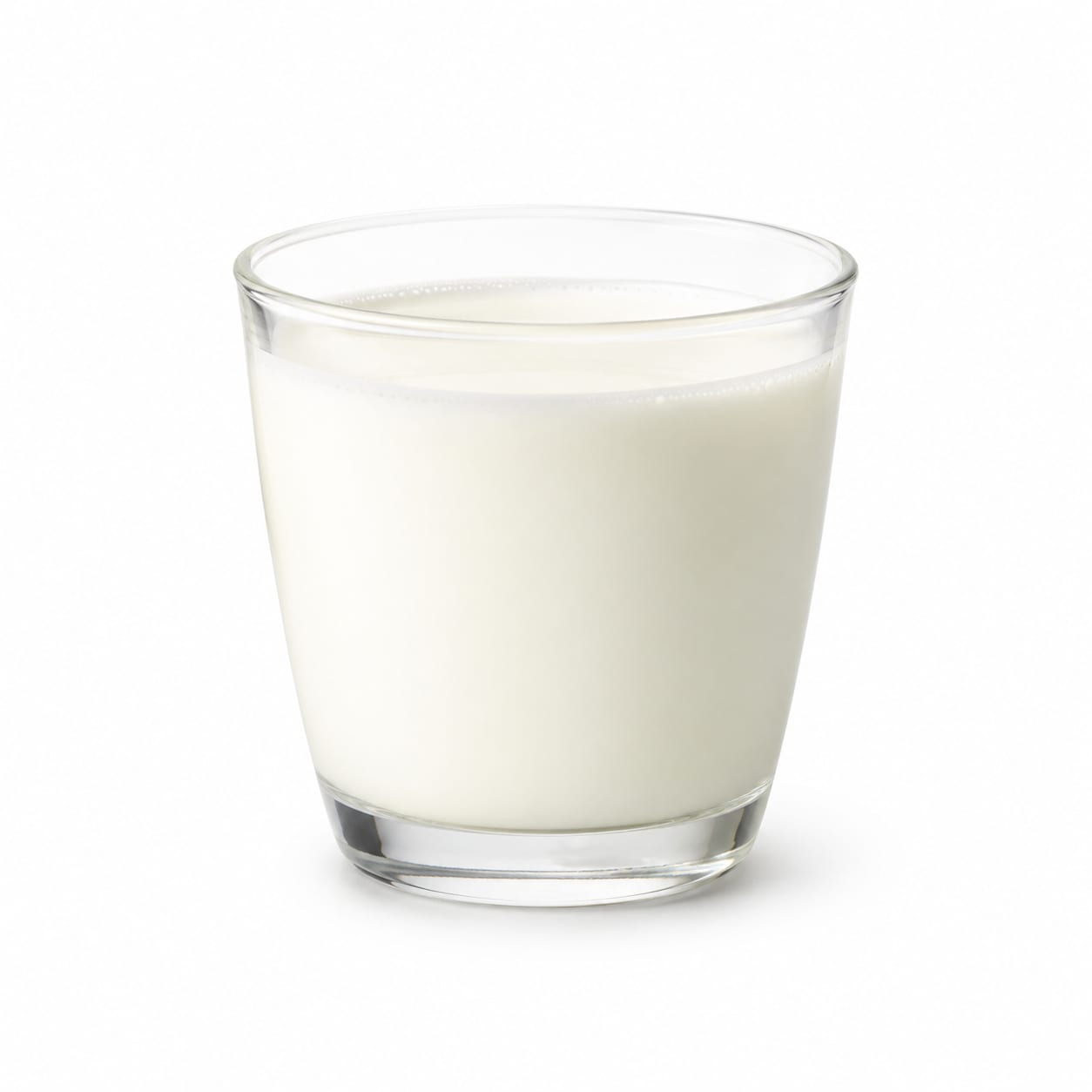
Dairy
Buffalo Milk
A nutrient-dense, high-fat dairy milk from water buffalo known for its rich texture and high protein content.
Rich, creamy milk produced by water buffalo, widely consumed in South Asia and Italy where it is the traditional base for mozzarella cheese.
high-fat high-protein dairy source
Typical serving · 244g
Common varieties · whole buffalo milk, skimmed buffalo milk, pasteurized buffalo milk, raw buffalo milk
Overall context score across nutrition, safety, and diet fit
At a glance
Quick facts
Simple indicators based on nutrition, processing, and diet fit.
The story
What makes it unique
Buffalo milk digests at a moderate speed due to its high fat and protein content, which delays gastric emptying and promotes satiety. Its macronutrient profile features significantly higher fat, protein, and calcium concentrations than cow milk, resulting in a dense energy source. Processing typically involves pasteurization, retaining its whole-food structure without industrial alteration.
Varieties: whole buffalo milk · skimmed buffalo milk · pasteurized buffalo milk · raw buffalo milk
Per 100g
Nutrition breakdown
Macro balance and key metrics at a glance.
Energy
Density 1.10 kcal/g
Protein
Carbs
Fat
Fiber
Sugar
5.2 g
Sodium
45 mg
Potassium
170 mg
Glycemic index
28
Glycemic load
1.5
Water content
83%
Standout compounds
Nutrient highlights
Calcium
highEssential for bone density and muscle contraction
Protein
highSupports muscle repair and satiety
Saturated Fat
highProvides concentrated energy but may impact heart health
Phosphorus
moderateWorks with calcium to build strong bones and teeth
Wellness map
Health scores & processing
NOVA processing scale
minimally processed · Whole food
Standard buffalo milk undergoes pasteurization to eliminate pathogens, which is a minimal physical process that does not introduce industrial additives.
Diet compatibility
- Weight loss
- Muscle gain
- Diabetes
- Gut health
- Low carb
- High protein
- Heart health
Relative standing
Food rankings
Qualitative ranks compared to similar whole foods.
- Satietygood
- Blood sugargood
- Nutrient densityexcellent
- Fitness fuelgood
- Processing qualityexcellent
Eat with confidence
Food safety profile
Pasteurized buffalo milk is safe for consumption. Raw milk carries a high risk of bacterial contamination. Conventional dairy farming may use antibiotics, so organic sourcing reduces residue exposure.
Evidence confidence 90%
- Pesticideslow
- Antibioticsmoderate
- Heavy metalslow
- Contaminationmoderate
Watch for
- listeria
- salmonella
- e. coli
- antibiotic residues
Safer choices
Pasteurized organic buffalo milk
Prep tips
Always keep refrigerated and consume before the expiration date. Boiling raw buffalo milk at home is necessary to kill potential pathogens if pasteurized versions are unavailable.
Raw buffalo milk poses significant microbial risk; pasteurization is strictly required for commercial safety in most regions.
Deep dive
Health analysis
How this food may fit different goals and preparation choices.
Weight loss
High energy density and fat content make it less suitable for calorie-restricted diets unless consumed in small portions.
Blood sugar
Low glycemic index due to high fat and protein content, which slows the digestion of lactose and prevents rapid glucose spikes.
Fitness & energy
Provides a sustained release of amino acids and calories, making it effective for muscle recovery and bulking phases.
Gut health
Contains lactose, which triggers symptoms in lactose-intolerant individuals. Fermented versions like buffalo milk yogurt offer probiotic benefits.
Processing quality
Typically sold as a minimally processed whole food with no added sugars or synthetic ingredients.
Food safety
Safe when pasteurized. Raw milk carries a well-documented risk of foodborne illness from pathogenic bacteria.
Common mistakes
Assuming buffalo milk has the same macronutrient profile as standard cow milk, leading to accidental overconsumption of calories and fat.
Best preparation
Consumed plain, boiled, used in traditional curries, or cultured into yogurt and cheese like mozzarella di bufala.
Practical guide
Best use cases
When and how this food fits real eating patterns.
Bulking phase calories
Provides a dense source of high-quality protein and calories to support muscle mass gains without excessive volume.
Making mozzarella cheese
The high casein protein and fat content create the distinct stretchy, creamy texture required for authentic mozzarella di bufala.
Bone health support
Delivers a concentrated dose of calcium and phosphorus per serving, essential for maintaining bone mineral density.
Balance sheet
Pros & cons
Upsides
- Significantly higher protein content than cow milk
- Excellent source of highly bioavailable calcium
- Low glycemic index prevents rapid blood sugar spikes
- Rich, creamy texture enhances culinary applications
- Free of added sugars and artificial ingredients in pure form
Trade-offs
- High in saturated fat, requiring moderation for heart health
- High calorie density complicates weight management
- Contains lactose, making it unsuitable for intolerant individuals
- Less widely available and often more expensive than cow milk
- Raw versions pose severe foodborne illness risks
Fit check
Who is it for?
Great match
- muscle building and bulking
- traditional South Asian cooking
- artisanal cheese making
- increasing calcium intake
Consider alternatives
- strict low-fat diets
- calorie restriction for weight loss
- lactose intolerance
- severe hypercholesterolemia
Side by side
How it compares
Open the full head-to-head analysis for nutrition, safety, and practical tradeoffs.
This food
Buffalo Milk
VS95% alike
Compare with
Cow Milk
Buffalo milk is thicker, higher in protein, fat, and calcium than cow milk, but much more calorie-dense.
Buffalo milk offers more protein and calcium for muscle building, while cow milk is lower in calories and fat for weight loss.
This food
Buffalo Milk
VS90% alike
Compare with
Goat Milk
Buffalo milk is richer and higher in protein, whereas goat milk has smaller fat globules that some find easier to digest.
Buffalo milk provides more protein and satiety, while goat milk is lower in calories and often easier to digest.
This food
Buffalo Milk
VS85% alike
Compare with
Sheep Milk
Sheep milk is even denser in fat, calories, and protein than buffalo milk, making both highly satiating but calorie-heavy.
Sheep milk is richer in protein and fat than buffalo milk, offering slightly better muscle support, but both are high-calorie dairy options.
This food
Buffalo Milk
VS70% alike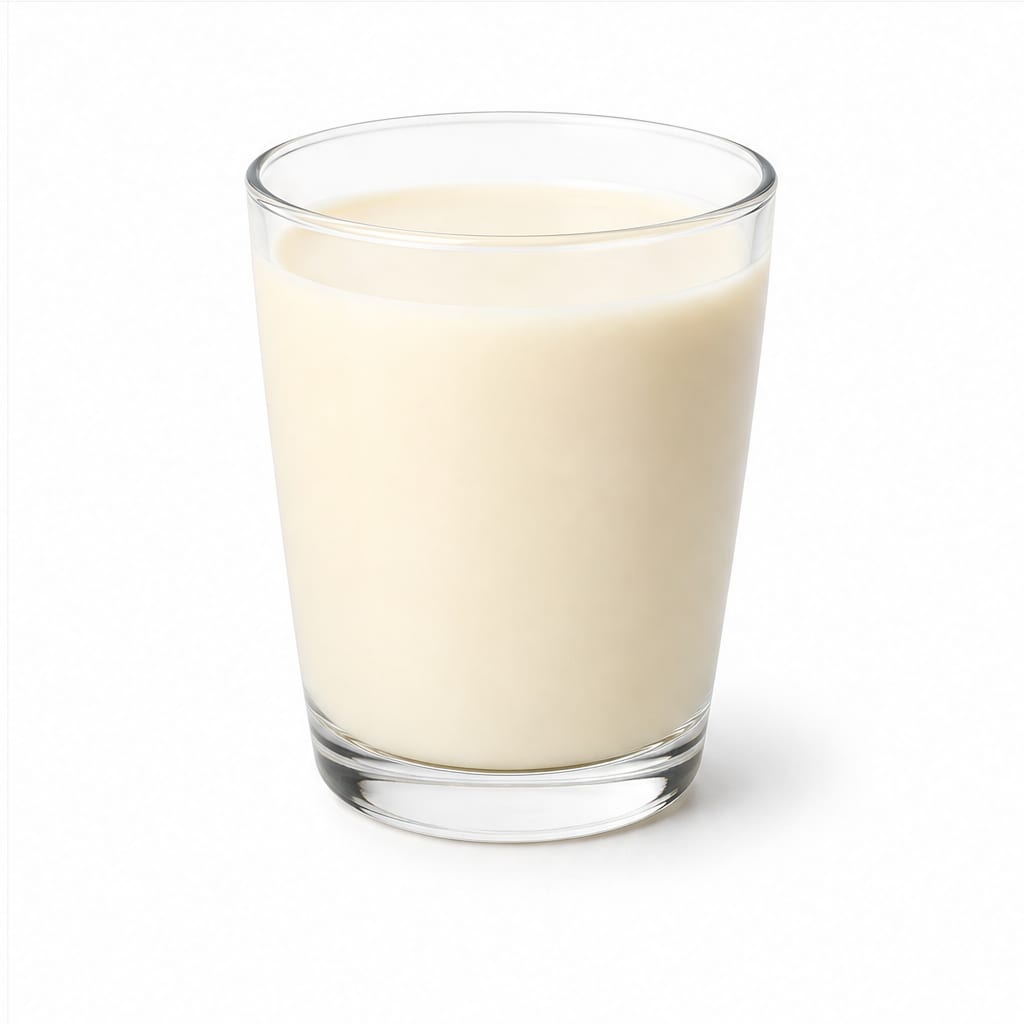
Compare with
Soy Milk
Soy milk is much lower in calories and saturated fat, while buffalo milk provides a richer amino acid profile and more calcium.
Soy milk is lower in calories and saturated fat for weight loss, while buffalo milk offers superior complete protein and calcium for fitness.
This food
Buffalo Milk
VS65% alike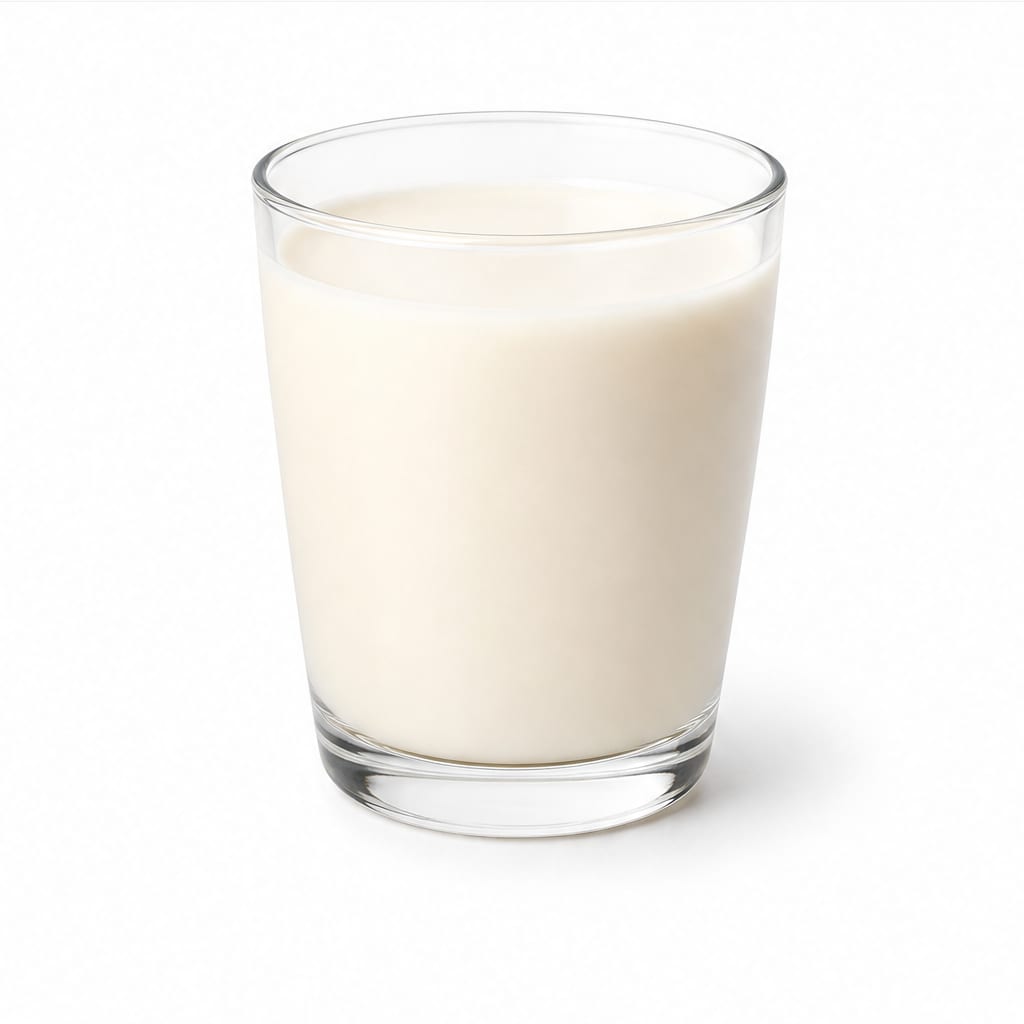
Compare with
Almond Milk
Almond milk is extremely low in calories but lacks the protein and satiety of buffalo milk.
Almond milk is far lower in calories for dieting, while buffalo milk provides substantial protein and satiety for muscle building.
This food
Buffalo Milk
VS65% alike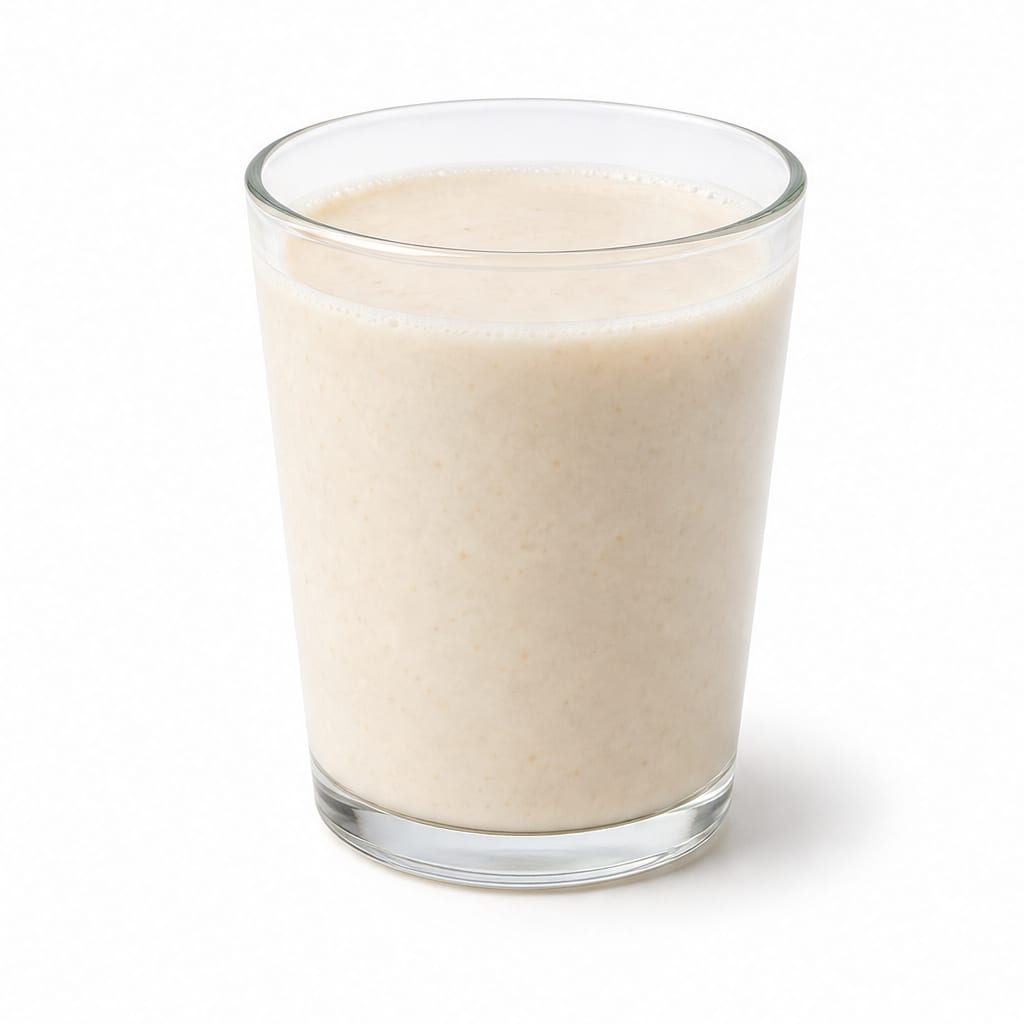
Compare with
Oat Milk
Oat milk is higher in carbohydrates, while buffalo milk is significantly higher in protein and fat.
Buffalo milk is much higher in protein and lower in carbs than oat milk, making it better for blood sugar control and muscle gain.
This food
Buffalo Milk
VS60% alike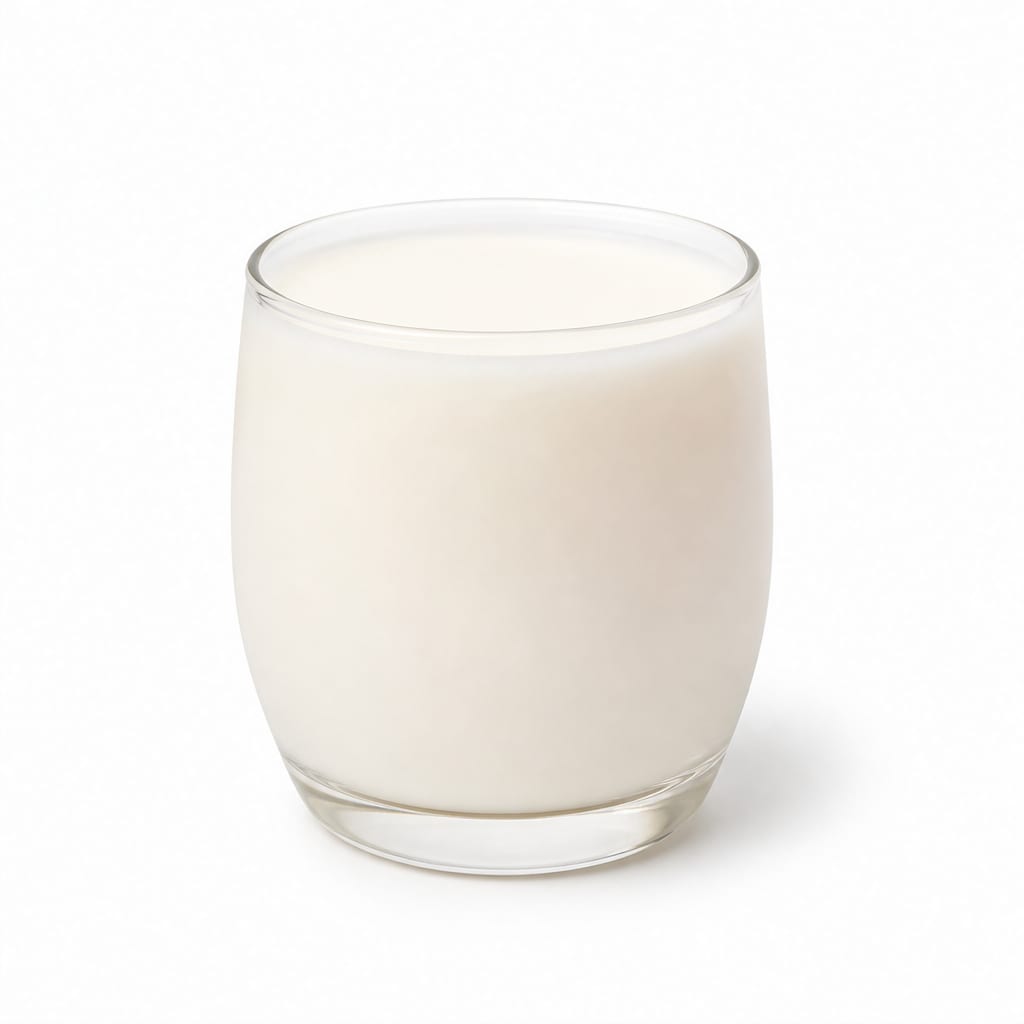
Compare with
Coconut Milk
Both are high in saturated fat, but buffalo milk contains substantial protein whereas coconut milk is virtually protein-free.
Buffalo milk provides high protein alongside its fat content, whereas coconut milk offers only fat with zero protein for muscle support.
This food
Buffalo Milk
VS75% alike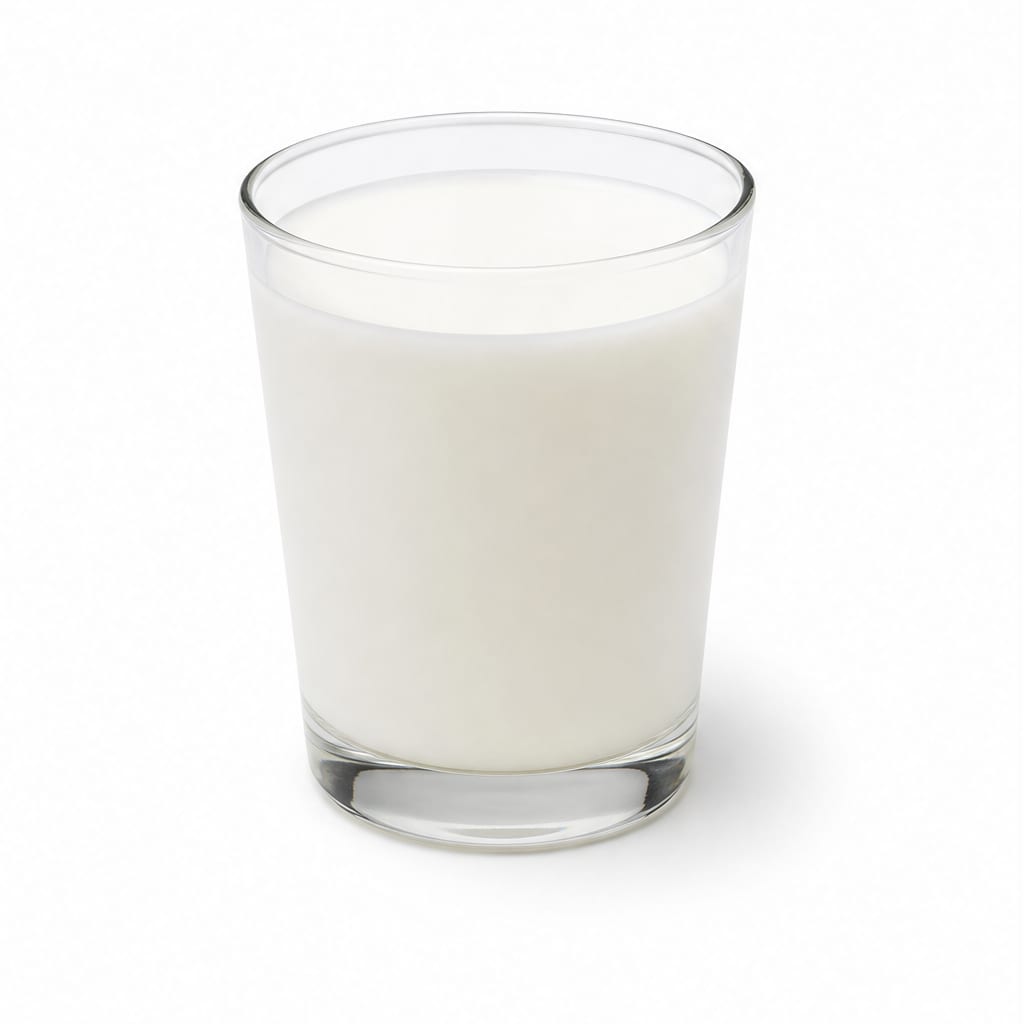
Compare with
Skim Milk
Skim milk removes fat and calories, while buffalo milk embraces a full-fat, high-protein profile.
Skim milk is far lower in calories for weight loss, while buffalo milk provides high fat and protein for satiety and muscle building.
This food
Buffalo Milk
VS80% alike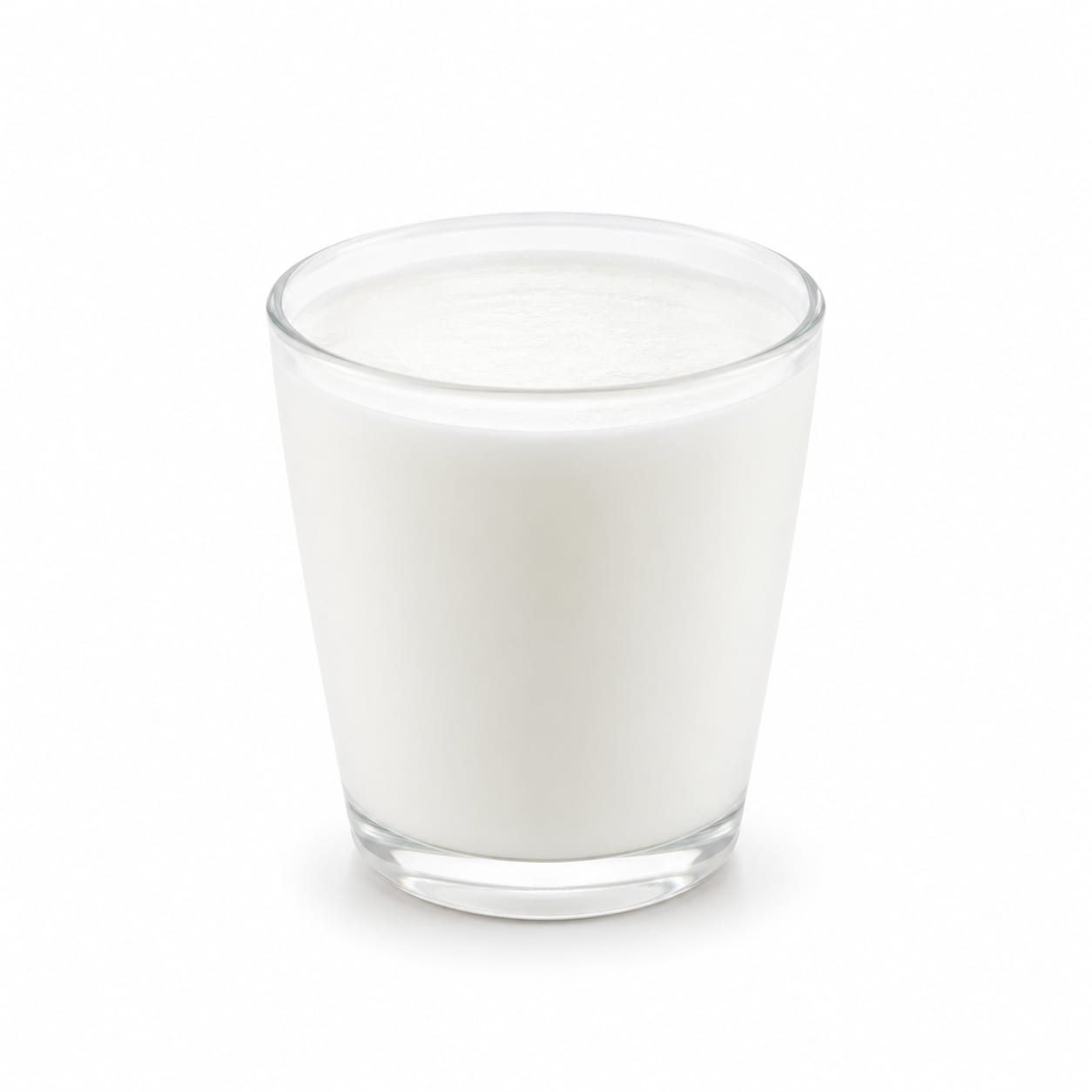
Compare with
Camel Milk
Camel milk is lower in fat and calories than buffalo milk while still offering high protein and unique immune factors.
Camel milk is lower in fat and calories for weight management, while buffalo milk offers more protein and satiety for bulking.
This food
Buffalo Milk
VS85% alike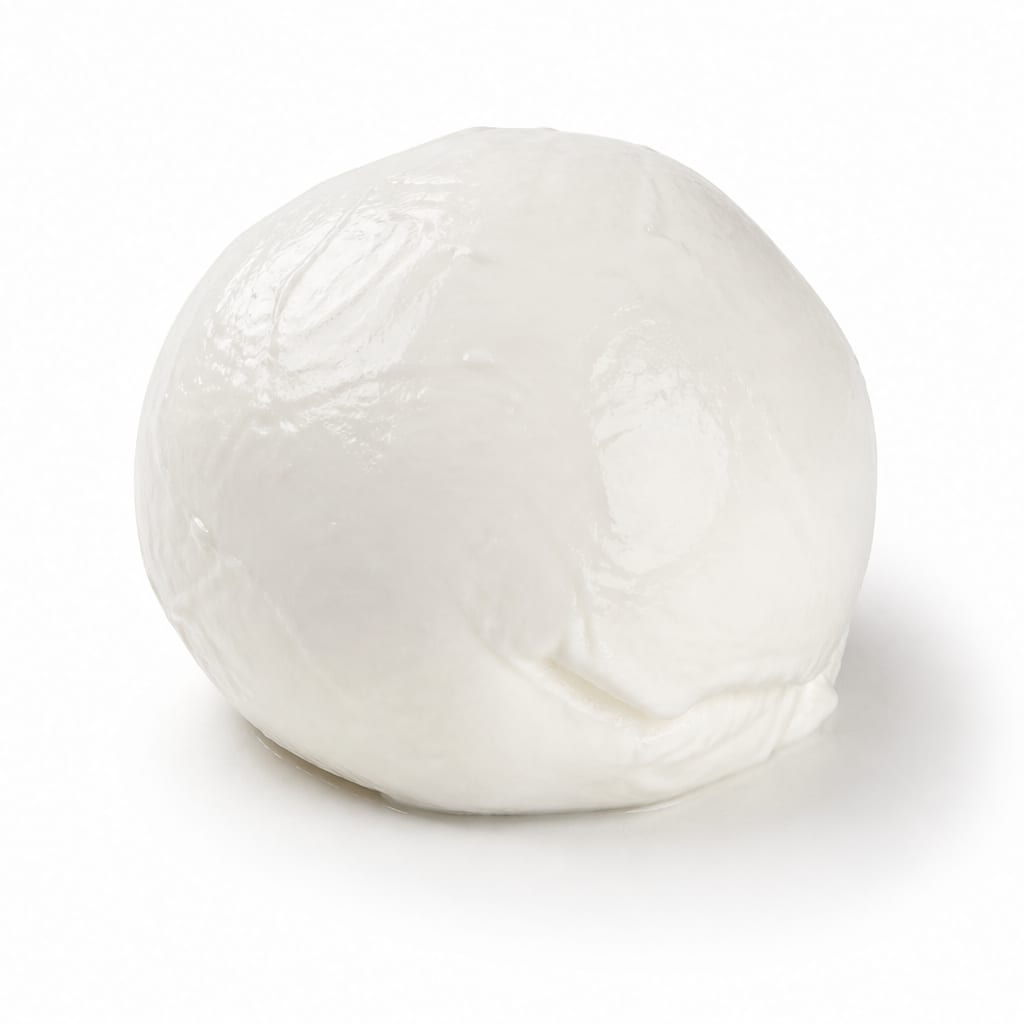
Compare with
Buffalo Mozzarella
Cheese production concentrates the protein and fat, making mozzarella much denser in calories and nutrients than the liquid milk.
Buffalo mozzarella provides concentrated protein for fitness, while liquid buffalo milk offers hydration and lower calorie volume for weight loss.
Common questions
FAQ
Answers aligned with how people search for this food.
Is buffalo milk healthier than cow milk?
Buffalo milk is not inherently healthier, but it is more nutrient-dense. It contains more protein, fat, and calcium per serving than cow milk, making it better for muscle gain and bone health, but worse for low-fat or low-calorie diets.
Can lactose intolerant people drink buffalo milk?
No, buffalo milk contains lactose at levels similar to cow milk. People with lactose intolerance will likely experience the same digestive symptoms and should opt for lactose-free or plant-based alternatives.
Is buffalo milk good for weight loss?
Buffalo milk is high in calories and fat, making it less ideal for weight loss. However, its high protein and fat content can promote strong satiety, which may help control appetite if consumed in careful, measured portions.
Does buffalo milk have more protein than cow milk?
Yes, buffalo milk contains roughly 40% more protein than standard cow milk, making it an excellent choice for muscle repair and growth.
Can diabetics drink buffalo milk?
Yes, in moderation. Buffalo milk has a low glycemic index because its high fat and protein content slows the digestion of milk sugars, resulting in a gradual rise in blood sugar rather than a sharp spike.
Why is buffalo milk so thick and creamy?
The thick texture comes from a significantly higher fat content and larger fat globules compared to cow milk, which also gives it a distinctively rich and creamy mouthfeel.
Is raw buffalo milk safe to drink?
No. Like all raw milk, unpasteurized buffalo milk carries a high risk of containing dangerous bacteria like Salmonella, E. coli, and Listeria. Always choose pasteurized buffalo milk.
What is buffalo milk used for?
Buffalo milk is famously used to make authentic Italian Mozzarella di Bufala Campana. It is also widely consumed as a drinking milk in South Asia and used to make rich desserts, yogurt, and ghee.
Transparency
Data confidence
Estimated confidence for nutrition data, interpretation, safety notes, and comparisons.
Nutrition data
Health analysis
Food safety
Comparisons