
Nutrition comparison
Buffalo Milk vs Buffalo Mozzarella: Nutrition, Sodium, and Daily Health Comparison
Compare buffalo milk and buffalo mozzarella on protein, sodium, lactose, calcium, and daily practicality. Find out which is better for weight loss, muscle gain, and everyday health.
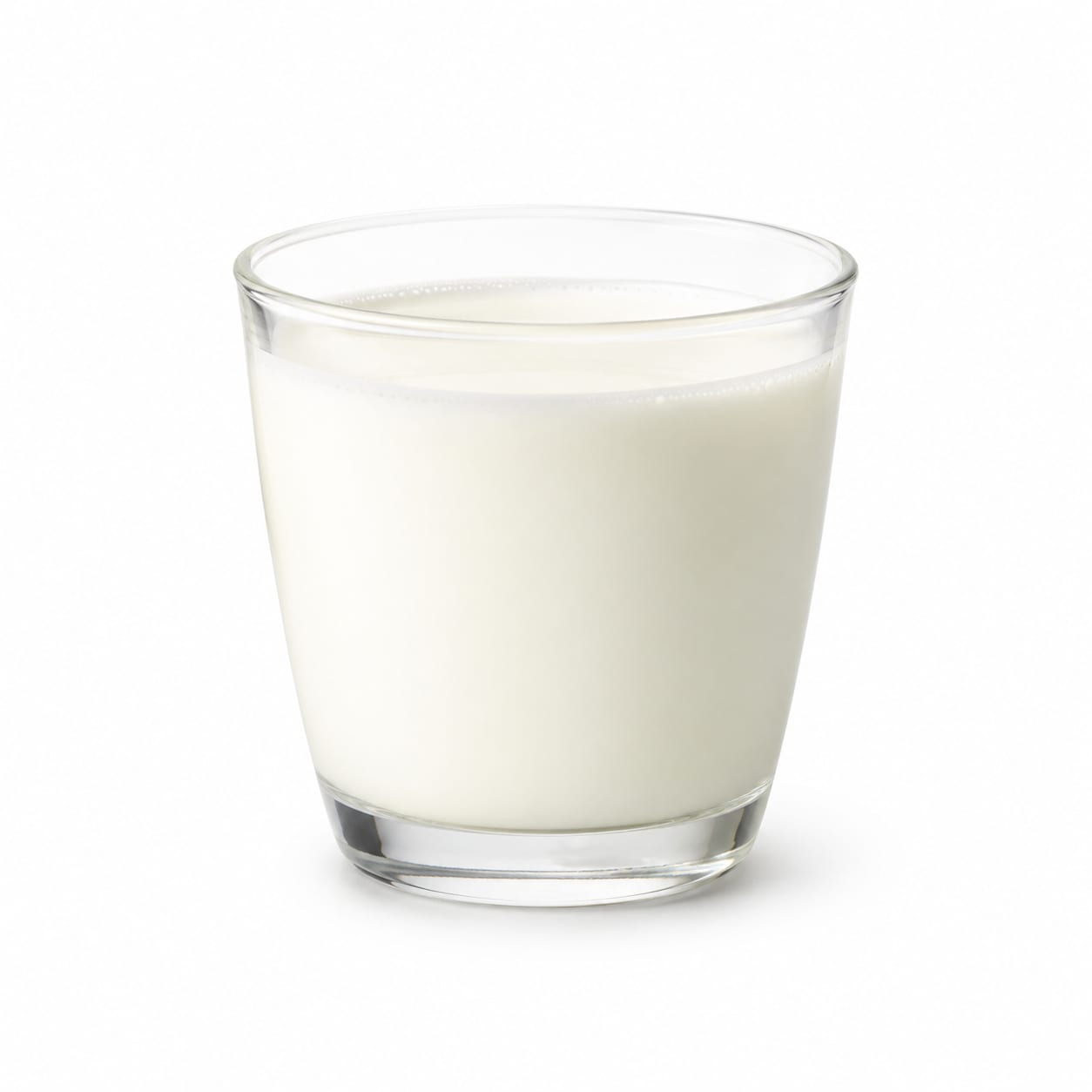
Buffalo Milk
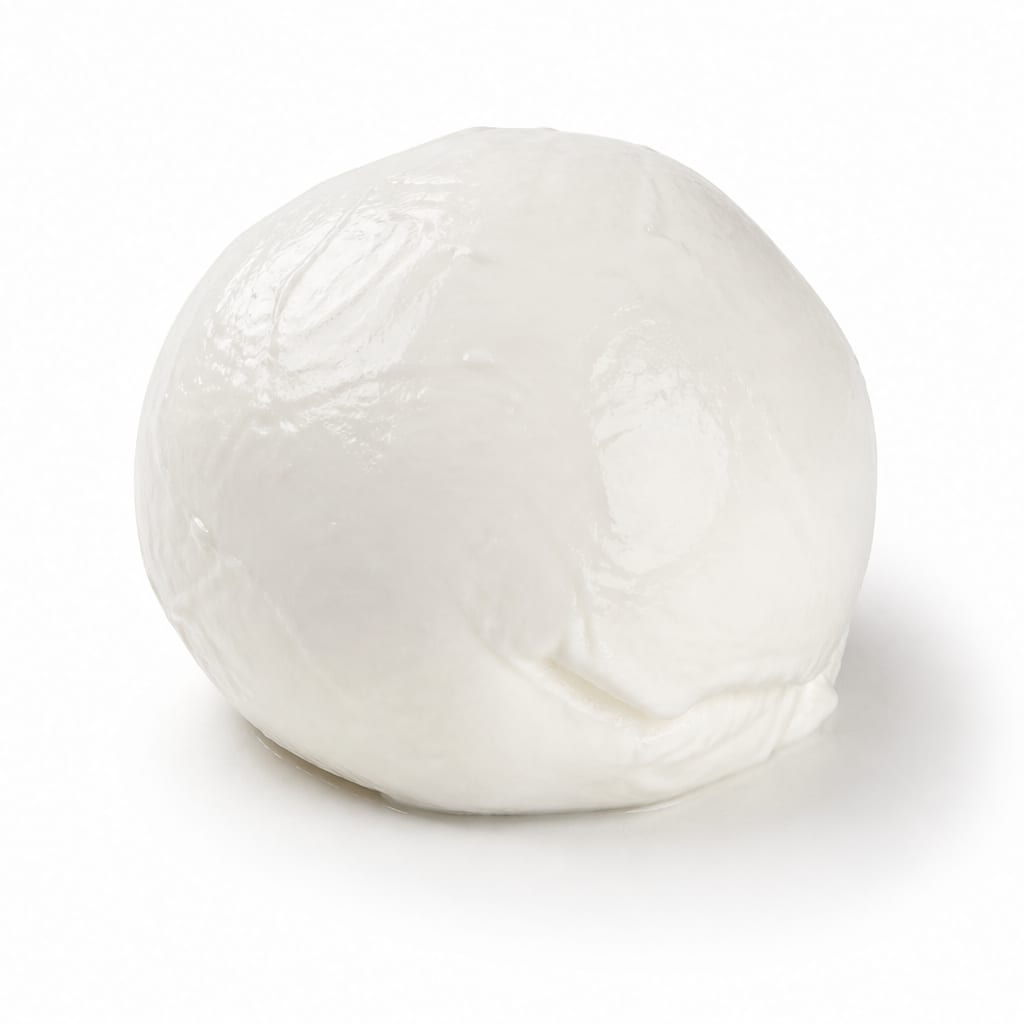
Buffalo Mozzarella
Buffalo milk is the versatile, lower-sodium daily staple; buffalo mozzarella is the protein-packed, lower-lactose indulgence that demands portion awareness.
Buffalo milk scores higher overall due to lower sodium, greater versatility, and easier portion control. Buffalo mozzarella wins on protein density and lactose digestibility but loses ground on sodium load and calorie density, which are everyday health concerns for most people.
You gain concentrated protein and less lactose with buffalo mozzarella, but you lose versatility and take on significant sodium and calorie density.
At a glance
Executive summary
Overall
It depends
Healthier
Buffalo Milk
More practical
Buffalo Milk
Daily use
Buffalo Milk
Key comparison lenses
Nutrient density and concentration tradeoffs
Buffalo Mozzarella concentrates the protein and fat from buffalo milk, making it far more nutrient-dense per bite but also far more calorie-dense
Sodium and blood pressure impact
The brining process in buffalo mozzarella adds significant sodium, which buffalo milk naturally lacks — a critical factor for hypertension-prone users
Lactose tolerance and digestibility
Fermentation and cheese-making reduce lactose substantially, making buffalo mozzarella more tolerable for sensitive individuals
Versatility and daily practicality
Buffalo milk can be drunk, poured, cooked with, or turned into other products; buffalo mozzarella is a specific ingredient with narrower use
Satiety and portion control
Cheese is easy to overeat due to palatability and calorie density, while buffalo milk's liquid form naturally limits overconsumption per sitting
Best choice for
Buffalo Milk
- People managing blood pressure or sodium intake
- Those wanting a versatile daily dairy staple
- Anyone needing hydration alongside nutrition
- Families looking for a pourable milk alternative
Buffalo Mozzarella
- Lactose-sensitive individuals who still want dairy
- Those seeking high protein in a small portion
- People wanting a satisfying, gourmet addition to meals
- Anyone on a low-carb or ketogenic diet
Least suitable for
Buffalo Milk
- Severely lactose-intolerant individuals
- Those needing concentrated protein without volume
- People on strict low-calorie diets who find liquid calories easy to overconsume
Buffalo Mozzarella
- Anyone on a sodium-restricted diet
- People prone to overeating cheese
- Those needing a low-calorie food option
Deep comparison
Dimension by dimension
Each lens scores both foods and breaks down who each option suits.
- Dimension 1 · Priority 95Buffalo Mozzarella
Nutrient Density Per Serving
Buffalo Milk · 55Buffalo Mozzarella · 88Buffalo mozzarella packs far more protein, fat, and calcium into each serving because the cheese-making process removes water and concentrates solids.
Tradeoff
That concentration also means far more calories per gram — easy to overshoot your intake without realizing it.
Why it matters
If you need maximum nutrition in minimal volume, cheese wins. If you eat until full, milk's lower calorie density helps naturally limit intake.
Real-world impact
A 100g portion of buffalo mozzarella delivers roughly 25g of protein but costs you around 280 calories. The same calories in buffalo milk give you less protein but more volume and a fuller stomach.
Buffalo Milk
- People who eat by volume and want to feel full on fewer calories
- Those who sip slowly and want steady nutrition spread over time
Better for
- Anyone struggling to hit protein targets without excessive volume
Worse for
Buffalo Mozzarella
- Athletes needing concentrated protein post-workout
- Older adults with small appetites who need nutrition in compact portions
Better for
- People who find cheese irresistible and tend to eat beyond a single serving
Worse for
- Dimension 2 · Priority 90Buffalo Milk
Sodium and Blood Pressure Impact
Buffalo Milk · 85Buffalo Mozzarella · 30Buffalo milk is naturally low in sodium. Buffalo mozzarella is brined in salt, pushing sodium levels high enough to matter for anyone watching blood pressure.
Tradeoff
The salt is essential for flavor, preservation, and texture in mozzarella — you cannot simply choose a low-sodium version without compromising what makes it authentic.
Why it matters
Even a modest portion of buffalo mozzarella can deliver 200–400mg of sodium, which adds up fast across a day of eating.
Real-world impact
Two slices of buffalo mozzarella on a salad can hit a third of your daily sodium budget before you account for dressing or other ingredients.
Buffalo Milk
- Anyone with hypertension or sodium-sensitive blood pressure
- People who already get plenty of sodium from other foods throughout the day
Better for
- No significant downside here — buffalo milk's low sodium is universally beneficial
Worse for
Buffalo Mozzarella
- Athletes losing sodium through heavy sweating who need replenishment
- People on very low-sodium overall diets who can afford the intake
Better for
- Anyone already exceeding daily sodium recommendations
- People with kidney disease managing electrolyte balance
Worse for
- Dimension 3 · Priority 85Buffalo Mozzarella
Lactose Tolerance and Digestibility
Buffalo Milk · 35Buffalo Mozzarella · 78The cheese-making process removes most lactose along with the whey, making buffalo mozzarella significantly easier to digest for lactose-sensitive people.
Tradeoff
Buffalo milk retains its full lactose content, which can cause bloating, gas, or discomfort for a large portion of the global population.
Why it matters
Roughly 65% of the world's population has some degree of lactose malabsorption. This is not a niche concern.
Real-world impact
Someone who feels bloated after a glass of buffalo milk may comfortably enjoy a caprese salad without the same digestive aftermath.
Buffalo Milk
- People with full lactose tolerance who benefit from the prebiotic effects of lactose
Better for
- Anyone who experiences gas, bloating, or cramping from milk
Worse for
Buffalo Mozzarella
- Lactose-intolerant individuals who still want the taste and nutrition of dairy
- People with IBS triggered by lactose
Better for
- Those with dairy allergy — cheese still contains milk proteins and is not safe
Worse for
- Dimension 4 · Priority 80Buffalo Milk
Versatility and Everyday Practicality
Buffalo Milk · 90Buffalo Mozzarella · 50Buffalo milk can be drunk, poured over cereal, used in smoothies, turned into yogurt or cheese, or used in cooking. Buffalo mozzarella has one role: it is a finished cheese product.
Tradeoff
Milk is a blank canvas; mozzarella is a completed dish. Each has its place, but milk fits into far more meals and moments.
Why it matters
Daily dietary choices are driven by convenience and flexibility. A food that works in more contexts gets eaten more consistently.
Real-world impact
Buffalo milk works at breakfast, as a snack, in coffee, or in baking. Buffalo mozzarella works in salads, on pizza, or as an appetizer — a much narrower window.
Buffalo Milk
- Busy households needing one ingredient that serves multiple purposes
- People who want a single dairy purchase to cover drinking and cooking
Better for
- No real downside to versatility — it simply may not matter if you only want cheese
Worse for
Buffalo Mozzarella
- Home cooks specifically making Italian dishes where the cheese is the star
- Entertainers wanting an impressive, ready-to-serve appetizer
Better for
- Anyone looking for a do-it-all dairy staple
Worse for
- Dimension 5 · Priority 75Buffalo Milk
Satiety and Portion Control
Buffalo Milk · 72Buffalo Mozzarella · 55Buffalo milk's liquid volume and mix of protein, fat, and carbohydrate create steady fullness. Buffalo mozzarella is highly palatable and calorie-dense, making it easy to overeat.
Tradeoff
Cheese tastes incredible and feels satisfying in the moment, but its calorie density means a small overshoot in portion size has a big caloric impact.
Why it matters
Overeating cheese by 50g is an extra 140+ calories. Overeating milk by 50ml is roughly 35 calories. The margin of error is far wider with milk.
Real-world impact
It is very easy to eat 150g of buffalo mozzarella mindlessly while preparing a meal. That is over 400 calories before you sit down to eat.
Buffalo Milk
- People who struggle with portion control around tasty foods
- Anyone tracking calories who wants a bigger margin for error
Better for
- People who do not find liquids filling and end up hungry again quickly
Worse for
Buffalo Mozzarella
- Those who naturally eat small, measured portions and want maximum satisfaction per bite
Better for
- Emotional eaters or grazers who find cheese hard to stop eating
Worse for
- Dimension 6 · Priority 70Buffalo Mozzarella
Calcium and Bone Health Support
Buffalo Milk · 65Buffalo Mozzarella · 82Both are excellent calcium sources, but buffalo mozzarella delivers more calcium per gram due to concentration. A small serving covers a significant portion of daily needs.
Tradeoff
You get more calcium per calorie from buffalo milk, but more calcium per bite from buffalo mozzarella. The better choice depends on whether you prioritize calorie efficiency or portion efficiency.
Why it matters
Calcium intake is chronically insufficient in many diets, especially for women and older adults. Any high-calcium food is valuable, but the form that fits your eating pattern matters.
Real-world impact
A single serving of buffalo mozzarella with lunch can cover roughly 40% of daily calcium needs. You would need to drink a full glass of buffalo milk for similar coverage.
Buffalo Milk
- People who already drink milk daily and get calcium spread across meals
- Those watching calories who want calcium without high energy density
Better for
- Those who cannot drink enough volume to meet calcium needs
Worse for
Buffalo Mozzarella
- Older adults needing to hit calcium targets in small portions
- People who do not drink milk but will eat cheese
Better for
- People whose sodium intake already stresses bone health through calcium excretion
Worse for
Timeline
Health impact over time
Short-term
Hours to days
Buffalo Milk
- Provides steady, sustained energy from a balanced mix of macronutrients
- May cause bloating or gas in lactose-sensitive individuals within 30–60 minutes
- Hydrating due to high water content, making it a reasonable post-exercise option
Buffalo Mozzarella
- Delivers quick satiety and a rich mouthfeel that feels immediately satisfying
- Can cause thirst shortly after eating due to sodium content
- Very unlikely to trigger lactose symptoms even in sensitive individuals
Long-term
Months to years
Buffalo Milk
- Consistent intake supports bone density through reliable calcium delivery
- Daily consumption fits easily into most dietary patterns without excessive calorie or sodium accumulation
- Ongoing lactose exposure may maintain gut enzyme production in tolerant individuals
Buffalo Mozzarella
- Regular consumption without portion awareness can contribute to sodium-related blood pressure elevation
- High saturated fat intake from frequent cheese consumption may affect cardiovascular markers if not balanced with other food choices
- Concentrated calcium and protein support bone and muscle preservation in aging populations
Risk profile
Safety & processing
Buffalo milk is pasteurized but otherwise unchanged — a single-ingredient whole food. Buffalo mozzarella undergoes traditional cheese-making with cultures, rennet, and brining, but authentic versions avoid artificial additives entirely. Both are clean by modern food standards, though mozzarella is one step further from the raw ingredient.
Buffalo Milk
Bacterial contamination from unpasteurized buffalo milk
highRaw buffalo milk can harbor Listeria, Salmonella, and E. coli. Always choose pasteurized unless you actively seek raw milk and understand the risks.
Spoilage with improper refrigeration
mediumFresh milk spoils quickly once opened. Consume within 3–5 days of opening and keep consistently refrigerated.
Buffalo Mozzarella
Listeria risk in fresh unpasteurized mozzarella
mediumTraditional buffalo mozzarella made from raw milk carries listeria risk. Most commercial versions use pasteurized milk, but verify the label, especially for imported products.
Rapid spoilage due to high moisture content
mediumFresh mozzarella has a short shelf life. Once opened, consume within 2–3 days. Do not leave at room temperature for extended periods.
Brine contamination if stored improperly
lowThe preserving brine can harbor bacteria if the cheese is handled with unwashed hands or stored in unclean containers.
Who wins for whom
Audience fit
Same foods, different winners depending on your goal.
children
Buffalo MilkBuffalo milk provides balanced nutrition in a form kids already consume easily. The sodium load in buffalo mozzarella is less appropriate for young children's smaller daily limits.
daily consumption
Buffalo MilkLower sodium, lower calorie density, and greater versatility make buffalo milk easier to incorporate every day without accumulating dietary risks.
diabetes
Buffalo MozzarellaSignificantly lower lactose content translates to less blood sugar impact per serving. Buffalo milk's natural sugars can cause more noticeable glucose spikes.
elderly
It dependsBuffalo mozzarella helps older adults hit protein and calcium targets in small portions, but its sodium content may conflict with blood pressure medications. Buffalo milk is gentler on sodium but requires larger intake for equivalent protein.
muscle gain
Buffalo MozzarellaConcentrated protein content means you get more muscle-building amino acids per serving without having to consume large liquid volumes.
weight loss
Buffalo MilkLower calorie density and liquid volume make buffalo milk more filling per calorie, supporting better portion control and reduced overeating risk.
Your move
Decision guide
Choose Buffalo Milk
- You want a versatile daily dairy staple you can drink, cook with, or pour over meals
- You are managing blood pressure, sodium intake, or cardiovascular risk factors
- You find liquids filling and prefer steady energy over concentrated bites
- You need a single dairy product that works from breakfast through dinner
Choose Buffalo Mozzarella
- You are lactose-sensitive but still want to enjoy rich dairy nutrition
- You need high protein in a compact, satisfying portion
- You are preparing Italian meals where authentic mozzarella makes a real culinary difference
- You are on a low-carb or ketogenic diet and want near-zero carbohydrate dairy
Either works if
- You tolerate lactose well and simply want high-quality dairy fat and calcium
- You are not sodium-sensitive and have no blood pressure concerns
- You enjoy both and can rotate them based on the meal context
Avoid both if
- You have a diagnosed dairy allergy to casein or whey proteins
- You are following a strict vegan diet
- You have severe kidney disease requiring both sodium and protein restriction
Final recommendation
Keep buffalo milk as your everyday dairy foundation — it is the safer, more versatile choice for daily use. Treat buffalo mozzarella as a purposeful addition: reach for it when you need concentrated protein, want a low-lactose option, or are building a meal where its flavor and texture genuinely shine. The biggest mistake is treating buffalo mozzarella as a casual snack food, because its sodium and calorie density add up fast when portions are not measured.
Practical
Consumer tips
- 1
Check that your buffalo mozzarella is made from pasteurized milk, especially for imported or artisanal brands
- 2
Rinse buffalo mozzarella briefly under cold water before eating to reduce surface sodium by roughly 10–15%
- 3
Buffalo milk froths beautifully — use it for lattes or cappuccinos if you enjoy richer coffee drinks
- 4
If you are lactose-sensitive but want the benefits of buffalo milk, try it in small amounts with meals rather than on an empty stomach
- 5
Freeze buffalo milk in ice cube trays for later use in smoothies or cooking — it freezes reasonably well
- 6
Buffalo mozzarella is best eaten at room temperature for maximum flavor; pull it from the fridge 20 minutes before serving
- 7
Do not buy pre-shredded or pre-sliced buffalo mozzarella — it loses quality rapidly and often sits in excess brine