
Nutrition comparison
Buffalo Milk vs Oat Milk: Nutrition, Protein, and Health Compared
Comparing buffalo milk and oat milk? Discover the key differences in protein, carbs, processing, and which milk is better for your diet and lifestyle.
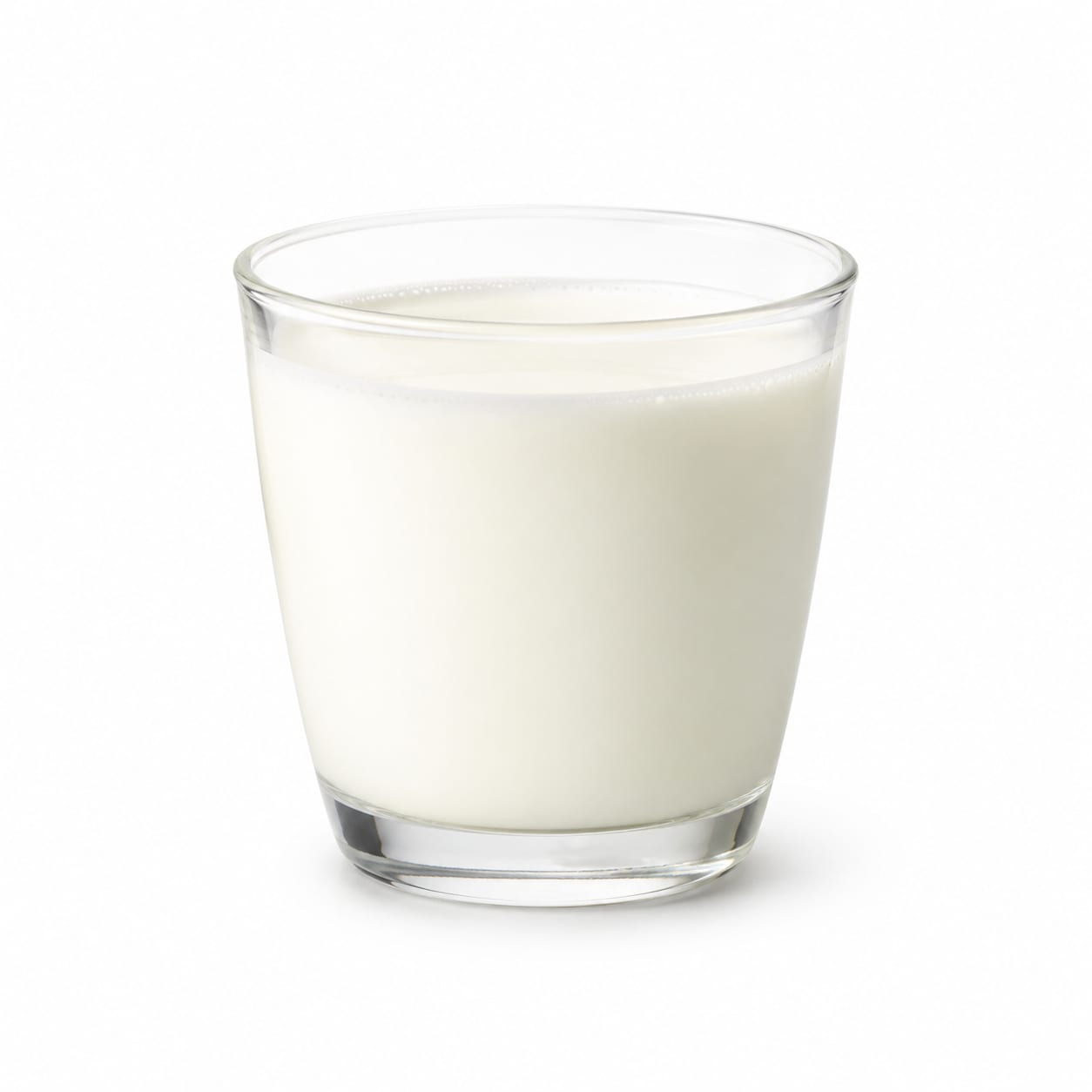
Buffalo Milk
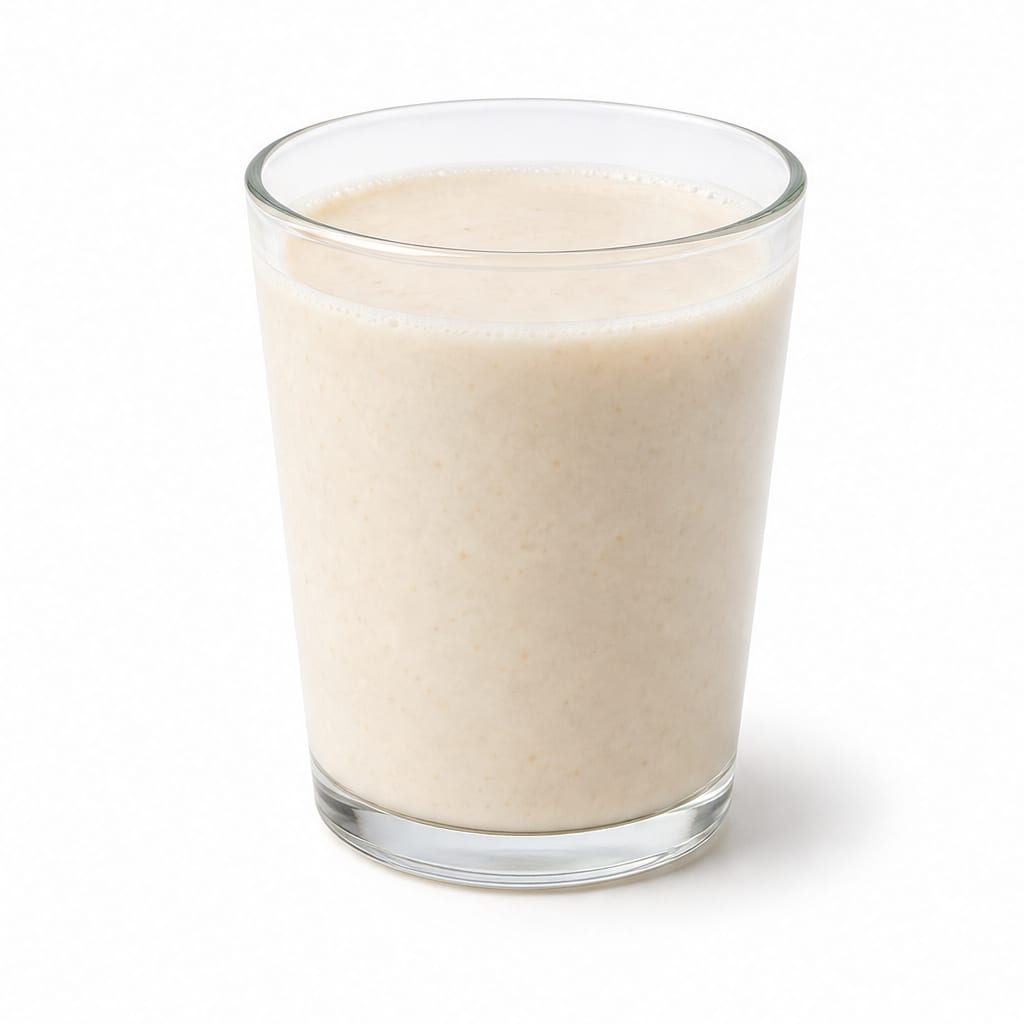
Oat Milk
Buffalo milk delivers unmatched natural protein and creaminess, while oat milk offers a lighter, dairy-free convenience with a lower calorie load.
Buffalo milk scores higher for natural nutrient density and protein, but loses points for high calories and lactose. Oat milk scores well for convenience and low calories, but is dragged down by ultra-processing and low protein.
Rich, whole-food nutrition and satiety versus low-calorie, lactose-free practicality.
At a glance
Executive summary
Overall
It depends
Healthier
It depends
More practical
Oat Milk
Daily use
It depends
Key comparison lenses
Dairy vs Plant-based Nutrient Density
Buffalo milk is a natural whole food with high bioavailable nutrients, while oat milk is a fortified plant-based alternative.
Protein and Satiety Comparison
Buffalo milk is exceptionally high in protein and fat, keeping you full, whereas oat milk is water-heavy and low in protein.
Processing and Additive Exposure
Commercial oat milk often contains emulsifiers, seed oils, and added vitamins, unlike simple buffalo milk.
Blood Sugar and Carbohydrate Impact
Oat milk contains higher carbs and can spike blood sugar, while buffalo milk has minimal carbs and stabilizes blood sugar.
Best choice for
Buffalo Milk
- High-protein and low-carb diets
- Muscle gain and recovery
- Those seeking whole, unprocessed foods
- Making rich desserts or creamy sauces
Oat Milk
- Vegan and plant-based lifestyles
- Lactose intolerance or dairy allergies
- Low-calorie weight loss diets
- Barista-style coffee creaming
Least suitable for
Buffalo Milk
- Lactose intolerant individuals
- Strict low-calorie or low-fat diets
- Vegans
Oat Milk
- High-protein diets
- Low-carb or keto diets
- Those avoiding ultra-processed foods and seed oils
Deep comparison
Dimension by dimension
Each lens scores both foods and breaks down who each option suits.
- Dimension 1 · Priority 95Buffalo Milk
Protein & Satiety
Buffalo Milk · 92Oat Milk · 25Buffalo milk is extremely filling and protein-rich, while oat milk provides minimal protein and satiety.
Tradeoff
You get lasting fullness and muscle-building amino acids with buffalo milk, but oat milk leaves you hungry sooner.
Why it matters
Protein is crucial for staying full between meals and maintaining muscle, especially as you age.
Real-world impact
A glass of buffalo milk can tide you over for hours; a glass of oat milk might have you reaching for a snack within the hour.
Buffalo Milk
- Post-workout recovery
- Breakfast staying power
- Preventing afternoon energy crashes
Better for
- Small stomach capacity
- Right before intense cardio
Worse for
Oat Milk
- Light bedtime snack
- When you want flavor without feeling heavy
Better for
- Recovering from illness
- Managing intense hunger
Worse for
- Dimension 2 · Priority 85Buffalo Milk
Blood Sugar Stability
Buffalo Milk · 88Oat Milk · 45Buffalo milk has almost no carbs and stabilizes blood sugar, while oat milk's starches and maltose can cause spikes.
Tradeoff
Choosing buffalo milk means steadier energy, whereas oat milk can trigger a blood sugar roller coaster, especially on an empty stomach.
Why it matters
Blood sugar spikes lead to cravings, fatigue, and long-term metabolic strain.
Real-world impact
Drinking oat milk in your morning coffee might amplify a sugar crash by 10 AM, while buffalo milk keeps things steady.
Buffalo Milk
- Diabetics
- Fasting support
- Keto dieters
Better for
- Those who need rapid post-workout glycogen replenishment
Worse for
Oat Milk
- Endurance athletes needing quick carbs
Better for
- Insulin resistance
- Sugar cravings management
Worse for
- Dimension 3 · Priority 90Buffalo Milk
Processing & Additives
Buffalo Milk · 90Oat Milk · 35Buffalo milk is a single-ingredient whole food; commercial oat milk is ultra-processed with added oils and emulsifiers.
Tradeoff
You avoid industrial additives with buffalo milk, but oat milk requires them to mimic the texture and shelf-life of dairy.
Why it matters
Emulsifiers and seed oils in oat milk can disrupt gut health and promote inflammation over time.
Real-world impact
Pouring buffalo milk means consuming exactly what nature intended; pouring oat milk means consuming rapeseed oil, gums, and fortified vitamins.
Buffalo Milk
- Gut health optimization
- Clean-eating diets
- Avoiding seed oils
Better for
- None regarding processing
Worse for
Oat Milk
- Shelf-stable emergency supplies
- Consistent texture for barista coffee
Better for
- Sensitive digestion
- Whole-food purists
Worse for
- Dimension 4 · Priority 80Oat Milk
Calorie & Fat Profile
Buffalo Milk · 40Oat Milk · 85Oat milk is light and low in calories, while buffalo milk is dense and high in saturated fat.
Tradeoff
Oat milk helps you save calories easily, but buffalo milk provides deeply satisfying richness that makes meals feel indulgent.
Why it matters
If you are tracking calories, the fat density in buffalo milk adds up very quickly.
Real-world impact
Using buffalo milk in a latte adds over 200 calories of pure fat; oat milk adds about 60 calories of carbs.
Buffalo Milk
- Keto and low-carb diets
- Healthy weight gain
- Making meals satisfying on a low-carb plan
Better for
- Strict calorie counting
- Heart patients limiting saturated fat
Worse for
Oat Milk
- Calorie deficit diets
- Low-fat diets
- Multiple daily coffee drinks
Better for
- Those needing nutrient density in small portions
Worse for
- Dimension 5 · Priority 85Oat Milk
Digestive Tolerance
Buffalo Milk · 40Oat Milk · 80Oat milk is completely lactose-free, while buffalo milk contains high levels of lactose and dairy proteins.
Tradeoff
Oat milk is gentle on a sensitive stomach if you lack lactase enzymes, but its gums can occasionally cause bloating.
Why it matters
Lactose intolerance affects a large portion of the global population, making dairy a painful choice for many.
Real-world impact
Drinking buffalo milk with lactose intolerance means bloating and discomfort; oat milk slides down easily for most.
Buffalo Milk
- Those with robust dairy digestion
- People seeking gut-slowing satiety
Better for
- IBS triggered by dairy
- Lactose malabsorption
Worse for
Oat Milk
- Lactose intolerant individuals
- Vegans
- Dairy-allergic individuals
Better for
- Sensitive to xanthan gum or carrageenan
Worse for
Timeline
Health impact over time
Short-term
Hours to days
Buffalo Milk
- High satiety and feeling heavy or comfortably full
- Potential bloating or gas if lactose intolerant
- Stable blood sugar without an energy crash
Oat Milk
- Light feeling in the stomach
- Possible quick energy followed by a mild crash due to carbs
- Smooth texture without dairy mucus production
Long-term
Months to years
Buffalo Milk
- Excellent muscle maintenance and bone density from natural protein and calcium
- Potential cardiovascular concerns if saturated fat intake is already high
- Risk of chronic inflammation if dairy is a personal trigger
Oat Milk
- Lower saturated fat intake supports heart health
- Possible gut irritation from daily consumption of emulsifiers and gums
- Risk of nutrient deficiencies if relying on it as a primary milk without dietary variety
Risk profile
Safety & processing
Buffalo milk is typically just pasteurized milk. Oat milk requires extensive processing to turn oats into liquid, adding rapeseed oil for richness, gums for texture, and synthetic vitamins for nutritional parity.
Buffalo Milk
Lactose Intolerance Reactions
mediumCan cause significant digestive distress, bloating, and diarrhea in lactose-intolerant individuals.
Bacterial Contamination
lowRaw buffalo milk can harbor dangerous bacteria; pasteurization eliminates this risk almost entirely.
Oat Milk
Pesticide Residue (Glyphosate)
mediumConventional oats are heavily sprayed with glyphosate as a desiccant, which can end up in the milk.
Emulsifier Sensitivity
lowAdditives like carrageenan or xanthan gum can irritate the gut lining and cause bloating in sensitive people.
Who wins for whom
Audience fit
Same foods, different winners depending on your goal.
children
Buffalo MilkGrowing kids benefit greatly from the natural fats, bioavailable calcium, and complete protein in buffalo milk, provided they tolerate dairy.
daily consumption
It dependsOat milk is better for daily coffee and low-cal routines, while buffalo milk is better for daily nutrition and satiety.
diabetes
Buffalo MilkWith nearly zero carbs, buffalo milk prevents blood sugar spikes, unlike the higher-carb oat milk.
elderly
Buffalo MilkThe elderly need dense protein and calcium to prevent muscle wasting and osteoporosis, making buffalo milk superior if digestion permits.
muscle gain
Buffalo MilkBuffalo milk provides high-quality, complete protein and natural fats essential for muscle repair and growth.
weight loss
Oat MilkOat milk is much lower in calories and fat, making it easier to fit into a calorie-controlled diet.
Your move
Decision guide
Choose Buffalo Milk
- You want a whole food with no hidden ingredients
- You need high protein and lasting fullness
- You are on a low-carb or keto diet
- You digest dairy perfectly and want maximum nutrition
Choose Oat Milk
- You are vegan or lactose intolerant
- You want a low-calorie milk for daily coffee
- You need a shelf-stable option that won't spoil quickly
- You are focused on lowering saturated fat intake
Either works if
- You are simply looking for a liquid base for a smoothie packed with other nutrients
- You want to alternate between high-protein and lighter days
Avoid both if
- You have a severe dairy allergy and celiac disease or gluten intolerance
Final recommendation
If you tolerate dairy, buffalo milk is the nutritional powerhouse that keeps you full and stabilizes blood sugar. If you are dairy-free or counting calories, choose a clean-label oat milk with minimal added oils and gums to avoid the worst processing downsides.
Practical
Consumer tips
- 1
Look for oat milk brands that are certified glyphosate-free to avoid pesticide residues.
- 2
If buffalo milk is too rich for drinking straight, dilute it with water or use it exclusively for making yogurt, paneer, or rich desserts.
- 3
Always check oat milk labels for added sugars; many flavored versions pack unnecessary sweeteners.
- 4
If you choose oat milk for daily use, ensure you are getting protein from other strong sources in your diet.