
Nutrition comparison
Buffalo Milk vs Coconut Milk: Nutrition, Protein, and Health Comparison
Compare buffalo milk and coconut milk side by side. Discover which has more protein, calcium, and vitamins, and which is better for lactose intolerance, weight loss, and daily use.
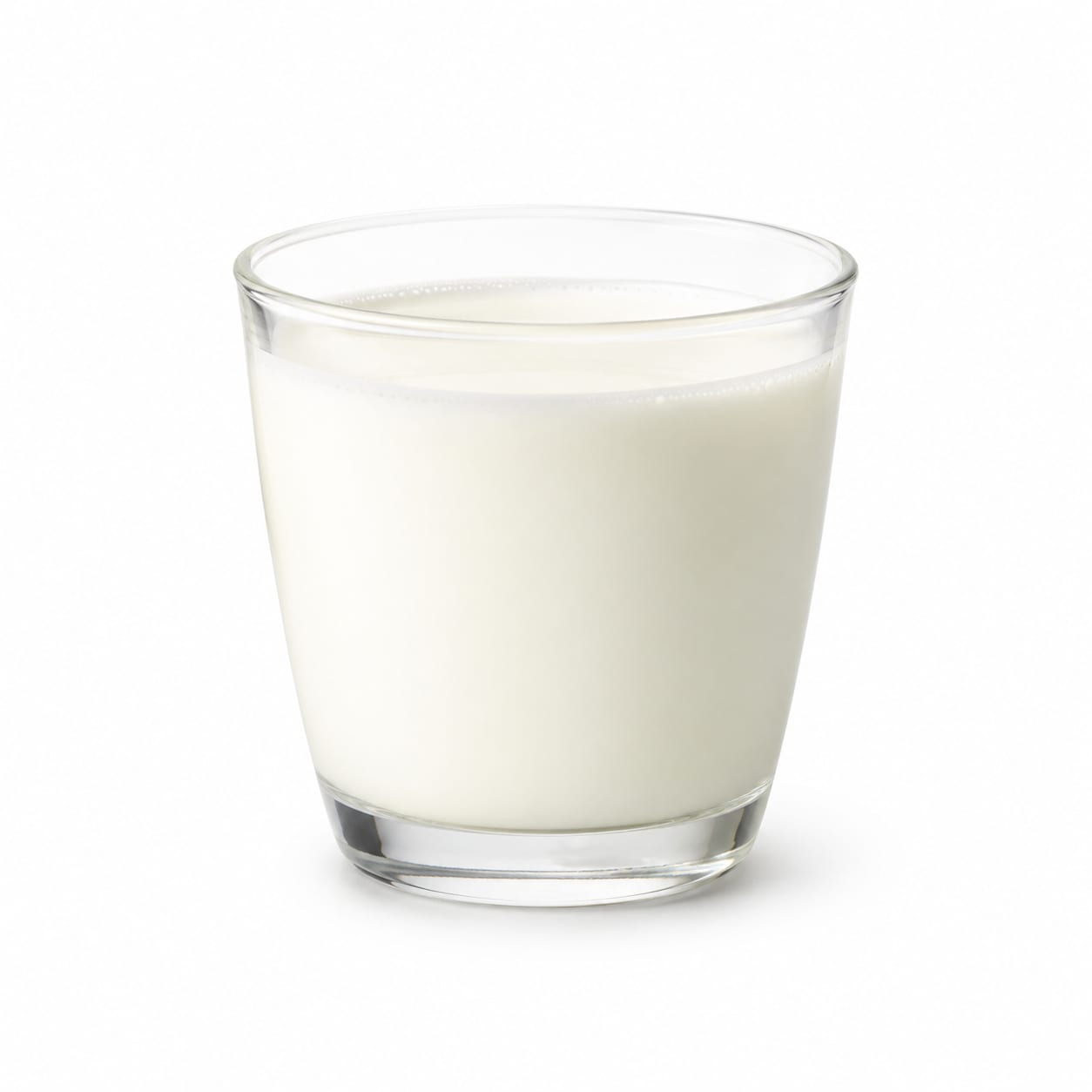
Buffalo Milk
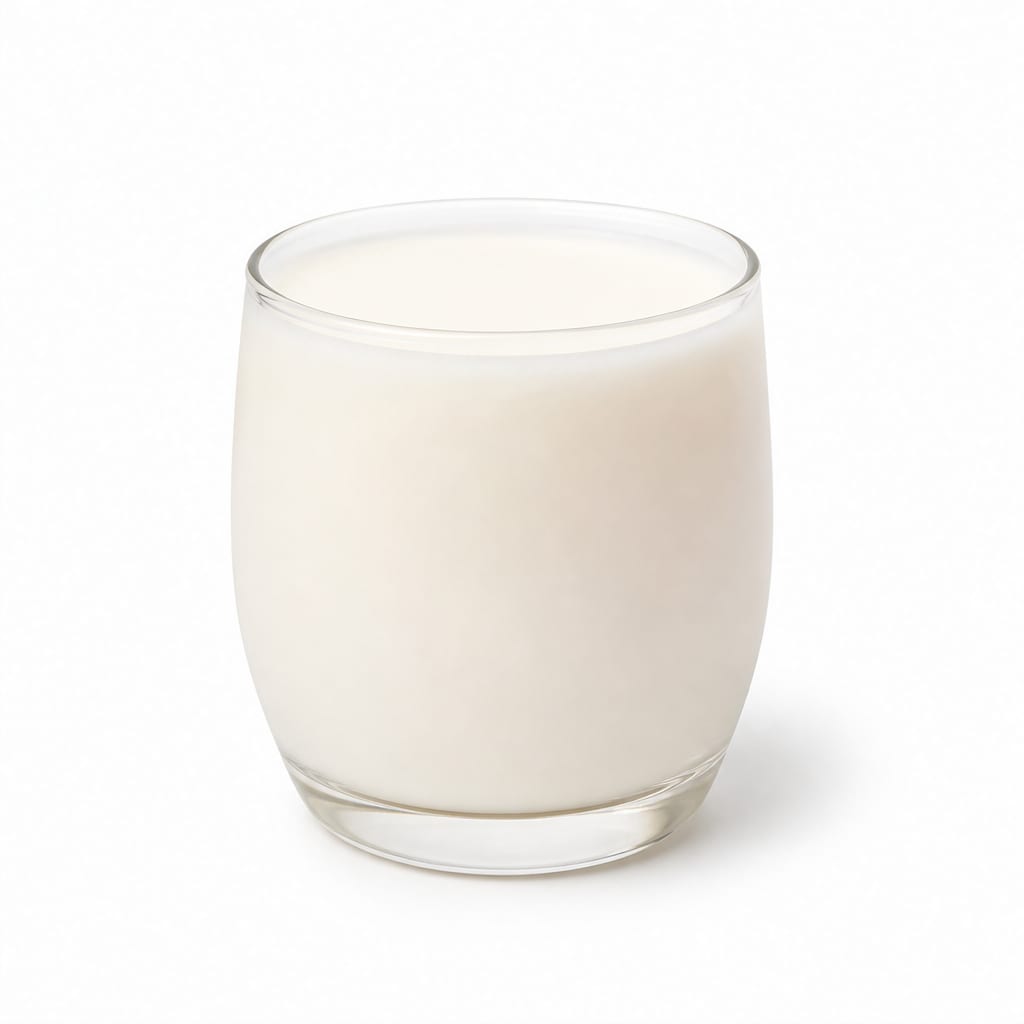
Coconut Milk
Buffalo milk delivers far more protein, calcium, and satiety, while coconut milk wins for lactose-free digestion and plant-based lifestyles. Your choice hinges on whether you need nutritional density or dairy-free freedom.
Buffalo milk scores higher due to superior protein, calcium, and B-vitamin content. Coconut milk loses ground on protein and minerals but remains relevant for dairy-free needs. The gap reflects nutritional completeness, not universal superiority.
Complete nutrition with lactose vs dairy-free with minimal protein
At a glance
Executive summary
Overall
It depends
Healthier
Buffalo Milk
More practical
Coconut Milk
Daily use
It depends
Key comparison lenses
dairy vs plant-based milk choice
Users comparing these are typically deciding between animal-based nutrition and a dairy-free lifestyle
protein and satiety comparison
The protein gap between these two is massive and affects fullness, muscle maintenance, and meal satisfaction
lactose intolerance and digestive comfort
Coconut milk is naturally lactose-free, making it the default for lactose-sensitive users
fat quality and heart health
Both are high-fat milks but with very different fat profiles — animal saturated fat vs plant MCTs
bone health and mineral density
Buffalo milk is calcium-rich while coconut milk is naturally calcium-poor, a critical long-term difference
weight management and calorie control
Both can be calorie-dense, but canned coconut milk is especially concentrated in calories
Best choice for
Buffalo Milk
- People needing high protein intake
- Those focused on bone density and calcium
- Growing children who tolerate dairy
- Anyone wanting a single milk that covers most nutritional bases
- Pregnant and breastfeeding women needing complete nutrition
Coconut Milk
- Lactose-intolerant individuals
- Vegans and plant-based eaters
- People with dairy allergies
- Those seeking a lower-protein, lighter milk for cooking
- Anyone avoiding animal products for ethical reasons
Least suitable for
Buffalo Milk
- Lactose-intolerant individuals
- Vegans and strict plant-based eaters
- People with dairy protein allergies
- Those actively reducing saturated animal fat
Coconut Milk
- Children needing protein and calcium for growth
- Elderly individuals at risk for osteoporosis
- Athletes or anyone with high protein needs
- People relying on milk as a primary nutrition source
Deep comparison
Dimension by dimension
Each lens scores both foods and breaks down who each option suits.
- Dimension 1 · Priority 95Buffalo Milk
Protein Quality and Quantity
Buffalo Milk · 92Coconut Milk · 15Buffalo milk provides roughly 4g of complete protein per 100ml with all essential amino acids. Coconut milk offers less than 1g per 100ml and is an incomplete protein source.
Tradeoff
You gain digestive comfort with coconut milk but sacrifice the muscle-supporting, hunger-reducing protein that makes milk genuinely filling.
Why it matters
Protein from beverages is one of the easiest ways to stay full and maintain muscle. Without it, you are drinking calories that do not satisfy.
Real-world impact
A glass of buffalo milk with breakfast keeps you full until lunch. Coconut milk in your smoothie leaves you hunting for a snack by 10am.
Buffalo Milk
- Muscle maintenance and growth
- Satiety between meals
- Post-workout recovery
- Preventing age-related muscle loss
Better for
- People who experience digestive discomfort from dairy protein
Worse for
Coconut Milk
- Very low-protein diets prescribed for kidney conditions
Better for
- Anyone relying on milk as a protein source
- Growing children with high protein needs
- Athletes needing recovery nutrition
Worse for
- Dimension 2 · Priority 88Buffalo Milk
Calcium and Bone Support
Buffalo Milk · 90Coconut Milk · 20Buffalo milk is one of the richest natural calcium sources available, delivering around 190mg per 100ml. Coconut milk contains only trace calcium naturally, around 15mg per 100ml.
Tradeoff
Choosing coconut milk means you must find calcium elsewhere in your diet, which requires conscious planning.
Why it matters
Calcium is non-negotiable for bone health, and relying on a milk that lacks it creates a silent nutritional gap over years.
Real-world impact
Years of coconut milk without calcium supplementation or fortified alternatives can quietly weaken bones, especially in post-menopausal women.
Buffalo Milk
- Bone density maintenance
- Preventing osteoporosis
- Growing children building peak bone mass
- Pregnant women with increased calcium needs
Better for
- Those who avoid dairy for allergy reasons and already supplement calcium
Worse for
Coconut Milk
- People who get abundant calcium from other sources like fortified foods and leafy greens
Better for
- Older adults at risk for fractures
- Teenagers in peak bone-building years
- Anyone not actively supplementing calcium
Worse for
- Dimension 3 · Priority 90Coconut Milk
Digestive Tolerance
Buffalo Milk · 35Coconut Milk · 92Coconut milk is naturally lactose-free and gentle on sensitive digestive systems. Buffalo milk contains significant lactose and can cause bloating, gas, and discomfort in lactose-intolerant individuals.
Tradeoff
You get perfect digestive comfort with coconut milk but lose the nutritional benefits that made dairy milk a staple in the first place.
Why it matters
Roughly 65% of the global population has some degree of lactose malabsorption, making this a dealbreaker for many.
Real-world impact
If drinking buffalo milk leaves you bloated or running to the bathroom, no amount of protein or calcium makes it worth the daily discomfort.
Buffalo Milk
- People with no lactose sensitivity who digest dairy well
Better for
- Lactose-intolerant individuals
- People with dairy-sensitive IBS
Worse for
Coconut Milk
- Lactose-intolerant individuals
- People with irritable bowel syndrome triggered by dairy
- Anyone who experiences bloating from regular milk
- Cultures where lactose intolerance is the norm
Better for
- Those who tolerate dairy well and would unnecessarily limit nutrition
Worse for
- Dimension 4 · Priority 82It depends
Fat Profile and Heart Health
Buffalo Milk · 55Coconut Milk · 50Buffalo milk has more total fat with animal-based saturated fat and some beneficial conjugated linoleic acid. Coconut milk contains MCTs, which are metabolized differently than other saturated fats but still raise LDL cholesterol.
Tradeoff
Neither is a heart-health hero. Buffalo milk offers more diverse fats including CLA, while coconut milk provides quick-energy MCTs but still impacts cholesterol.
Why it matters
Both milks are high in saturated fat. If heart health is your priority, neither should be your primary milk.
Real-world impact
Using either milk liberally every day could raise cholesterol over time. Moderation matters more than which one you pick.
Buffalo Milk
- People who value CLA for potential anti-inflammatory benefits
- Those wanting a more diverse fatty acid profile
Better for
- People with high LDL cholesterol
- Those on heart-healthy low-saturated-fat diets
Worse for
Coconut Milk
- People seeking MCTs for quick energy or ketogenic diets
- Those who prefer plant-derived saturated fat
Better for
- People monitoring LDL cholesterol closely
- Those who assume coconut fat is heart-healthy
Worse for
- Dimension 5 · Priority 80Buffalo Milk
Vitamin and Mineral Density
Buffalo Milk · 88Coconut Milk · 30Buffalo milk is rich in B12, phosphorus, magnesium, zinc, and vitamin A. Coconut milk provides manganese and some iron but is notably deficient in B12 and most B vitamins.
Tradeoff
Buffalo milk acts like a multivitamin in a glass. Coconut milk provides a few minerals but misses the B-vitamin spectrum entirely.
Why it matters
B12 deficiency is a real risk for plant-based eaters, and coconut milk does nothing to fill that gap.
Real-world impact
Replacing dairy with coconut milk without supplementation can lead to B12 deficiency symptoms like fatigue and brain fog over months.
Buffalo Milk
- B12 intake for nerve health
- Zinc for immune function
- Phosphorus for bone and teeth mineralization
- Vitamin A for vision and skin
Better for
- Those who get abundant B12 from other animal sources
Worse for
Coconut Milk
- Manganese for metabolism
- Small amounts of iron for blood health
Better for
- Vegans who need B12 and are not supplementing
- Anyone relying on milk as a nutrient safety net
Worse for
- Dimension 6 · Priority 72It depends
Calorie and Weight Management
Buffalo Milk · 55Coconut Milk · 45Buffalo milk has roughly 100-110 calories per 100ml. Canned coconut milk can exceed 200 calories per 100ml, while carton coconut milk drinks range from 20-50 calories per 100ml. The form of coconut milk matters enormously.
Tradeoff
Canned coconut milk is the most calorie-dense option of both, while carton coconut milk drinks are the lightest but also the most processed.
Why it matters
Choosing coconut milk for weight loss only works if you pick the diluted carton version, which sacrifices creaminess and naturalness.
Real-world impact
Adding canned coconut milk to your daily smoothie can silently add 300+ calories. Carton versions are lighter but often contain emulsifiers and added vitamins.
Buffalo Milk
- People wanting consistent calorie counts without reading labels
- Those who find high-protein milk naturally reduces overall eating
Better for
- People strictly counting calories who find whole milk too rich
Worse for
Coconut Milk
- People using carton coconut milk for low-calorie smoothies
- Those who use small amounts of canned coconut milk for flavor
Better for
- Anyone using canned coconut milk liberally and wondering why weight creeps up
Worse for
- Dimension 7 · Priority 70Buffalo Milk
Processing and Additives
Buffalo Milk · 80Coconut Milk · 45Fresh buffalo milk is minimally processed, typically just pasteurized. Most coconut milk sold in cartons contains emulsifiers, gums, and fortified vitamins. Canned versions may have fewer additives but raise BPA concerns.
Tradeoff
Buffalo milk is closer to its natural state. Convenient coconut milk drinks trade naturalness for shelf stability and drinkability.
Why it matters
If you are trying to eat fewer processed foods, the additive list on most coconut milk cartons will disappoint you.
Real-world impact
That convenient coconut milk in your fridge likely contains carrageenan, guar gum, and synthetic vitamins. Buffalo milk is just milk.
Buffalo Milk
- Minimal ingredient diets
- People avoiding emulsifiers and gums
- Those who value food simplicity
Better for
- People avoiding all animal products regardless of processing
Worse for
Coconut Milk
- People who make fresh coconut milk at home
- Those who carefully select additive-free canned versions
Better for
- Anyone sensitive to carrageenan or gums
- Those concerned about BPA in canned foods
Worse for
Timeline
Health impact over time
Short-term
Hours to days
Buffalo Milk
- Strong satiety and reduced hunger within an hour of drinking
- Potential bloating or gas if lactose intolerant
- Steady energy from balanced protein, fat, and natural sugars
- Immediate calcium availability for muscle and nerve function
Coconut Milk
- Light feeling in the stomach with no lactose-related discomfort
- Quick energy from MCTs that metabolize faster than other fats
- Minimal satiety due to near-zero protein content
- Possible mild digestive adjustment to gums and emulsifiers in carton versions
Long-term
Months to years
Buffalo Milk
- Stronger bone density from consistent calcium and phosphorus intake
- Better muscle preservation with age due to high-quality protein
- Potential LDL cholesterol increase from saturated animal fat if consumed in large amounts
- Risk of chronic digestive issues if lactose intolerance goes unaddressed
Coconut Milk
- Calcium and B12 deficiency risk if not supplemented or fortified
- Possible LDL cholesterol elevation from high coconut saturated fat intake
- MCT-related metabolic benefits may support energy in aging populations
- Long-term reliance without nutritional planning can create silent nutrient gaps
Risk profile
Safety & processing
Buffalo milk is typically just pasteurized milk with nothing added. Most store-bought coconut milk drinks contain stabilizers, emulsifiers, and fortified vitamins to mimic dairy milk's nutritional profile. Canned coconut milk is simpler but often lined with BPA-containing resin. If ingredient simplicity matters to you, buffalo milk wins easily.
Buffalo Milk
Lactose intolerance reactions
mediumAffects the majority of the global population to some degree. Symptoms range from mild bloating to severe digestive distress.
Dairy allergen exposure
highMilk protein allergy is one of the most common food allergies, especially in children. Can cause hives, swelling, or anaphylaxis in sensitive individuals.
Antibiotic and hormone residues
lowDepends heavily on farming practices. Well-regulated dairy operations test for residues, but concerns persist in some regions.
Bacterial contamination if unpasteurized
mediumRaw buffalo milk carries risk of Salmonella, E. coli, and Listeria. Pasteurization eliminates this risk effectively.
Coconut Milk
BPA exposure from canned varieties
mediumMost canned coconut milk uses BPA-lined cans. Regular consumption may contribute to endocrine disruption over time.
Carrageenan sensitivity
lowUsed as a thickener in many carton coconut milks. Some studies suggest it may cause digestive inflammation in sensitive individuals.
Coconut allergy
lowRare but possible. Classified as a tree nut allergen in the US, though most tree nut allergy sufferers tolerate coconut.
Added sugars in flavored versions
mediumSweetened coconut milk products can contain significant added sugar, turning a healthy choice into a dessert beverage.
Who wins for whom
Audience fit
Same foods, different winners depending on your goal.
children
Buffalo MilkGrowing children need protein, calcium, and B12 for development. Buffalo milk delivers all three naturally. Coconut milk lacks these critical nutrients and should not be a child's primary milk without careful supplementation.
daily consumption
It dependsIf you tolerate dairy, buffalo milk is the more complete daily choice. If you are lactose-intolerant or plant-based, coconut milk is your practical daily option, but you must supplement calcium and B12 separately.
diabetes
Coconut MilkUnsweetened coconut milk has minimal carbohydrates and will not spike blood sugar. Buffalo milk contains lactose, a natural sugar that raises blood glucose modestly. Both are manageable, but coconut milk offers a lower glycemic option.
elderly
Buffalo MilkOlder adults need protein to prevent sarcopenia and calcium for bone density. Buffalo milk addresses both concerns directly. Coconut milk's MCTs may offer some energy benefits but cannot replace the nutritional density needed with age.
muscle gain
Buffalo MilkBuffalo milk provides complete, high-quality protein essential for muscle repair and growth. Coconut milk contributes virtually no protein, making it irrelevant for muscle-building goals.
weight loss
Coconut MilkCarton coconut milk drinks are significantly lower in calories and fat than buffalo milk, making portion control easier. However, the lack of protein means less natural satiety, so you must manage hunger through food choices.
Your move
Decision guide
Choose Buffalo Milk
- You digest dairy without issues and want maximum nutrition from your milk
- You are concerned about bone health and want a natural calcium source
- You have children who need protein and calcium for growth
- You want a single beverage that covers protein, vitamins, and minerals
- You are pregnant or breastfeeding and need nutrient-dense calories
Choose Coconut Milk
- You are lactose-intolerant or dairy-sensitive
- You follow a vegan or plant-based lifestyle
- You want a low-calorie milk alternative for smoothies or coffee
- You have a dairy allergy and need a reliable substitute
- You prefer the taste of coconut in cooking and beverages
Either works if
- You use milk primarily as a cooking ingredient in small amounts
- You rotate between plant-based and animal-based products for variety
- You supplement calcium and B12 regardless of milk choice
Avoid both if
- You are on a strict low-saturated-fat diet for heart disease management
- You are trying to minimize calorie-dense beverages entirely
- You have both dairy allergy and coconut allergy
Final recommendation
If your body handles dairy well, buffalo milk is the nutritionally superior choice with more protein, calcium, and B vitamins per glass. If lactose is a problem or you are committed to plant-based eating, coconut milk is a practical substitute, but you must actively fill the calcium, protein, and B12 gaps through other foods or supplements. Neither milk is a health risk in moderation, but relying on coconut milk as a nutritional equivalent to dairy without planning will create deficiencies over time.
Practical
Consumer tips
- 1
If buying coconut milk, choose carton versions for drinking and canned for cooking — they are very different products nutritionally
- 2
Look for BPA-free canned coconut milk to reduce long-term endocrine exposure
- 3
Check coconut milk labels for added sugars — unsweetened versions are the only ones worth comparing to dairy
- 4
If you are lactose-intolerant but want buffalo milk's nutrition, consider lactase enzyme supplements rather than settling for a nutritionally weaker alternative
- 5
Buffalo milk is richer and creamier than cow milk, so you may naturally use less of it, which helps with calorie control
- 6
Fortified coconut milk can partially close the calcium gap, but fortification is not equivalent to naturally occurring minerals paired with co-factors like phosphorus and vitamin D
- 7
If choosing coconut milk daily, add a dedicated calcium supplement and eat B12-fortified foods or take a B12 supplement
- 8
Fresh homemade coconut milk from blended coconut meat is the least processed option but is labor-intensive and still lacks protein and calcium