
Nutrition comparison
Buffalo Milk vs Cow Milk: Nutrition, Digestion, and Which Is Better for You
Compare buffalo milk and cow milk side by side. Buffalo milk has more protein and calcium but double the calories and fat. Discover which milk fits your health goals, digestion, and lifestyle.
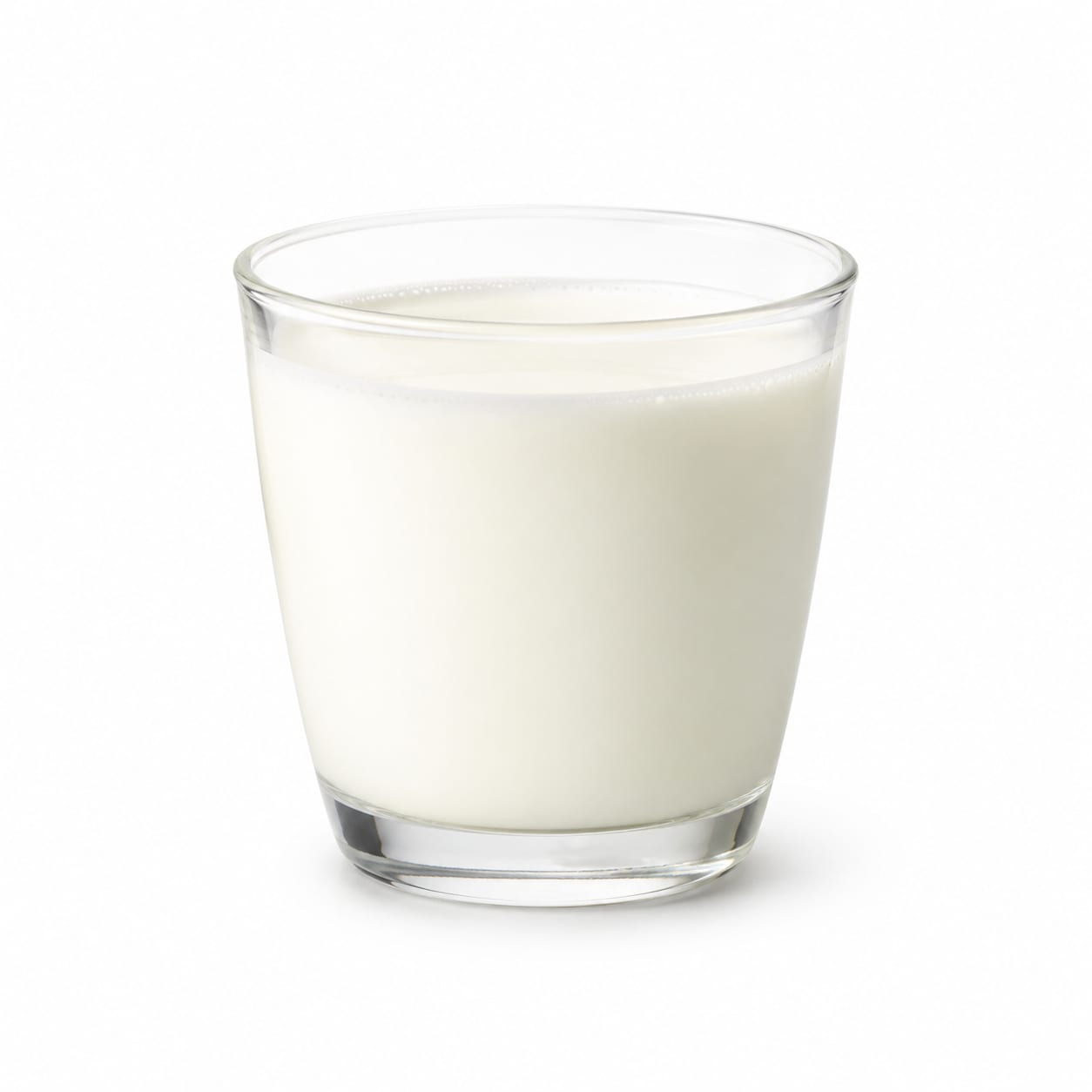
Buffalo Milk
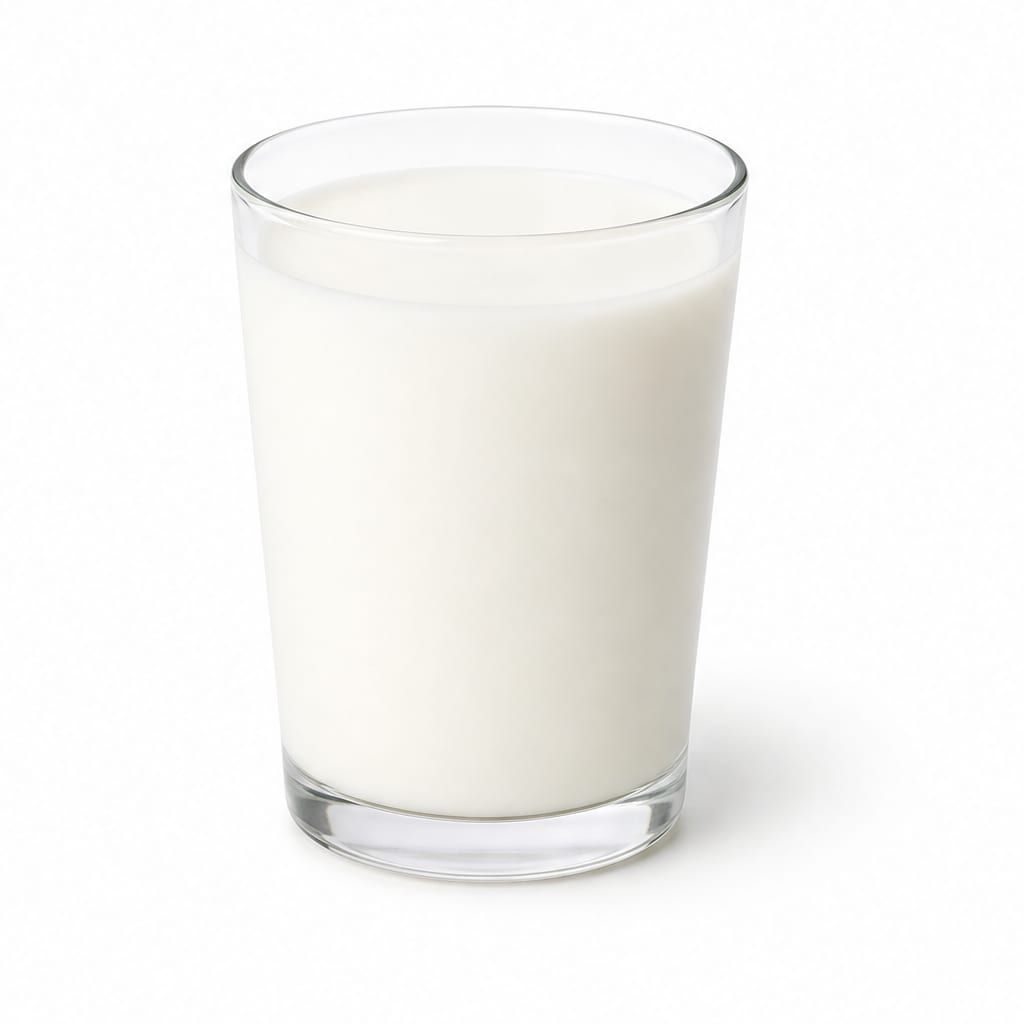
Cow Milk
Buffalo milk is the nutritional powerhouse with more protein, calcium, and creaminess, but cow milk is the lighter, more accessible everyday choice that fits more lifestyles.
Cow milk scores slightly higher due to broader accessibility, lower calorie density, and better fit for everyday consumption across more populations. Buffalo milk is nutritionally superior per glass but its high fat and calorie content limit its suitability for regular use by many people.
You gain nutrient density and satiety with buffalo milk but sacrifice calories, heart-health profile, and convenience.
At a glance
Executive summary
Overall
It depends
Healthier
It depends
More practical
Cow Milk
Daily use
Cow Milk
Key comparison lenses
nutritional density comparison
Buffalo milk is significantly richer in protein, fat, and calcium per serving, making nutrient density the primary differentiator
weight management tradeoff
The calorie and fat difference between these milks directly impacts weight goals and daily energy intake
digestive tolerance
Buffalo milk naturally contains A2 beta-casein, which may be easier to digest for people sensitive to A1 protein found in most cow milk
heart health consideration
Higher cholesterol and saturated fat in buffalo milk raises legitimate cardiovascular concerns for at-risk individuals
availability and practicality
Cow milk is universally available in multiple varieties while buffalo milk is region-limited and harder to source
Best choice for
Buffalo Milk
- People wanting maximum nutrition per glass
- Those seeking A2 protein for easier digestion
- Anyone trying to gain healthy weight or build muscle
- Traditional South Asian cooking and dessert making
- People who find cow milk too thin or unsatisfying
Cow Milk
- Weight-conscious individuals tracking calories
- People with heart health concerns or high cholesterol
- Anyone wanting variety (skim, 2%, whole, organic)
- Families needing affordable, accessible daily milk
- Those who prefer lighter-tasting beverages
Least suitable for
Buffalo Milk
- People on calorie-restricted diets
- Individuals with high cholesterol or heart disease risk
- Those with severe lactose intolerance
- Budget-conscious shoppers in regions where it is imported
Cow Milk
- People with A1 protein sensitivity
- Those needing maximum caloric and protein intake per serving
- Anyone wanting richer, creamier texture in cooking
Deep comparison
Dimension by dimension
Each lens scores both foods and breaks down who each option suits.
- Dimension 1 · Priority 95Buffalo Milk
nutritional_density
Buffalo Milk · 92Cow Milk · 68Buffalo milk delivers significantly more protein, fat, calcium, and phosphorus per serving than cow milk, making it the clear winner for nutrient concentration.
Tradeoff
That density comes with nearly double the calories and fat, which may not suit sedentary lifestyles or weight management goals.
Why it matters
If you are underweight, recovering from illness, or need maximum nutrition in limited volume, buffalo milk gets more done per glass.
Real-world impact
One glass of buffalo milk can feel like a small meal, while cow milk feels more like a beverage.
Buffalo Milk
- Recovering patients needing nutrient-dense calories
- Athletes in bulking phases
- Children who need extra nutrition in small volumes
Better for
- Sedentary adults watching their weight
- People who consume multiple dairy servings daily
Worse for
Cow Milk
- People who drink milk as a casual beverage with meals
- Anyone already meeting calorie needs from other foods
Better for
- Anyone relying on milk as a primary protein source
- Elderly individuals needing concentrated nutrition
Worse for
- Dimension 2 · Priority 90Cow Milk
calorie_and_weight_impact
Buffalo Milk · 42Cow Milk · 78Cow milk has roughly half the calories and fat of buffalo milk, making it far easier to fit into weight-conscious eating patterns.
Tradeoff
You sacrifice satiety and creaminess for a lighter calorie load that leaves you less full.
Why it matters
For most adults managing weight, the extra 80-100 calories per glass of buffalo milk add up quickly across the day.
Real-world impact
Two glasses of buffalo milk daily can add over 200 extra calories compared to cow milk, which is the difference between maintaining and gaining weight over time.
Buffalo Milk
- Hard gainers struggling to eat enough
- Athletes with high energy expenditure
Better for
- People with metabolic syndrome
- Anyone trying to create a calorie deficit
Worse for
Cow Milk
- Anyone tracking calories for weight loss
- People who drink milk multiple times per day
- Those replacing higher-calorie beverages with milk
Better for
- Underweight individuals needing easy calories
Worse for
- Dimension 3 · Priority 85It depends
digestive_comfort
Buffalo Milk · 72Cow Milk · 65Buffalo milk naturally contains A2 beta-casein, which many find gentler on digestion, but its higher fat can slow stomach emptying and feel heavy.
Tradeoff
A2 protein may reduce bloating and discomfort for some, but the richness can feel overly filling or sluggish.
Why it matters
If regular cow milk causes bloating or digestive unease, the A2 protein in buffalo milk might be the reason to switch.
Real-world impact
People who feel gassy or uncomfortable after cow milk often report better tolerance with buffalo milk, though lactose content is similar.
Buffalo Milk
- People with suspected A1 protein sensitivity
- Those who experience bloating from standard cow milk
Better for
- People with gallbladder issues who struggle with high-fat foods
- Those with delayed stomach emptying
Worse for
Cow Milk
- Anyone who finds rich, heavy dairy difficult to digest
- People who prefer lighter meals without feeling weighed down
Better for
- A1 protein-sensitive individuals
- People who experience cow milk-related sinus congestion
Worse for
- Dimension 4 · Priority 80Cow Milk
heart_health_profile
Buffalo Milk · 45Cow Milk · 72Cow milk has substantially less saturated fat and cholesterol, making it the safer choice for cardiovascular health.
Tradeoff
Buffalo milk's richer fat content contributes to its satisfying texture and flavor but raises legitimate heart health concerns with regular consumption.
Why it matters
For anyone with elevated cholesterol, family history of heart disease, or metabolic risk factors, the fat profile matters more than the extra nutrients.
Real-world impact
Switching from buffalo milk to cow milk can reduce daily saturated fat intake by 5-8 grams, which meaningfully impacts cardiovascular risk over months and years.
Buffalo Milk
- Healthy, active individuals with no heart disease risk
- People whose diets are otherwise low in saturated fat
Better for
- People on statin therapy or cholesterol management
- Anyone with diagnosed cardiovascular conditions
Worse for
Cow Milk
- Anyone with high LDL cholesterol
- People with family history of heart disease
- Those following heart-healthy eating patterns
Better for
- People with no heart concerns who prioritize taste and nutrition over fat reduction
Worse for
- Dimension 5 · Priority 78Buffalo Milk
bone_health_support
Buffalo Milk · 88Cow Milk · 75Buffalo milk provides more calcium and phosphorus per serving, giving it a meaningful edge for bone mineral density support.
Tradeoff
The calcium advantage is real but modest, and cow milk still delivers adequate bone-building nutrients for most people.
Why it matters
For older adults, postmenopausal women, and growing children, every bit of extra calcium counts toward long-term bone strength.
Real-world impact
A glass of buffalo milk provides roughly 30-40% more calcium than cow milk, which can help close daily calcium gaps without supplements.
Buffalo Milk
- Postmenopausal women at risk for osteoporosis
- Growing adolescents building peak bone mass
- Elderly individuals with declining bone density
Better for
- Those who already exceed calcium recommendations through supplements and other dairy
Worse for
Cow Milk
- People who get adequate calcium from other sources like cheese, yogurt, or leafy greens
Better for
- Anyone relying primarily on milk for calcium intake
Worse for
- Dimension 6 · Priority 75Cow Milk
availability_and_convenience
Buffalo Milk · 35Cow Milk · 95Cow milk is available everywhere in multiple fat percentages, organic options, and price points, while buffalo milk is region-specific and often requires specialty sourcing.
Tradeoff
You give up the nutritional edge of buffalo milk for the practical reality of easy access, consistent supply, and affordable pricing.
Why it matters
The best milk for you is the one you can actually buy regularly. Nutritional superiority means nothing if the product is unavailable or too expensive.
Real-world impact
Most grocery stores stock dozens of cow milk options. Finding buffalo milk often requires specialty stores, online ordering, or living in South Asia.
Buffalo Milk
- People living in regions where buffalo milk is standard
- Those willing to seek out specialty dairy products
Better for
- Rural consumers outside buffalo milk regions
- Budget-constrained households
Worse for
Cow Milk
- Anyone who shops at regular grocery stores
- Families needing affordable, reliable milk supply
- People who want options like skim, lactose-free, or fortified varieties
Better for
- People in South Asia where buffalo milk is equally accessible
Worse for
Timeline
Health impact over time
Short-term
Hours to days
Buffalo Milk
- Greater feeling of fullness and satisfaction after drinking
- Slower digestion due to higher fat content, which can delay hunger
- Potential heaviness or bloating if consumed in large quantities
- Warmer, more comforting mouthfeel that feels like a meal replacement
Cow Milk
- Lighter, more refreshing drinking experience
- Faster digestion and less post-consumment heaviness
- Easier to pair with meals without feeling overly full
- May leave you hungry sooner if consumed alone as a snack
Long-term
Months to years
Buffalo Milk
- Higher saturated fat intake may raise LDL cholesterol with daily consumption
- Superior calcium and protein intake supports bone density and muscle maintenance
- A2 protein may reduce chronic low-grade inflammation compared to A1-dominant cow milk
- Calorie surplus risk if not accounted for in overall diet
Cow Milk
- More heart-friendly fat profile with regular consumption
- Adequate but lower nutrient density may require supplementation for some populations
- A1 protein in conventional cow milk may contribute to digestive inflammation in sensitive individuals
- Easier to maintain healthy weight long-term due to lower calorie density
Risk profile
Safety & processing
Both buffalo milk and cow milk are naturally minimally processed when purchased as fresh whole milk. Neither typically contains artificial additives in its basic form. However, commercial cow milk is more likely to be homogenized, fortified with vitamins A and D, and available in ultra-pasteurized versions, which involve more processing steps. Traditional buffalo milk is often consumed closer to its natural state, especially in regions where it is produced locally.
Buffalo Milk
Adulteration in unregulated markets
mediumIn some regions, buffalo milk may be diluted with water or mixed with cheaper cow milk, reducing nutritional quality and introducing contamination risk.
Raw milk bacterial contamination
highUnpasteurized buffalo milk carries the same pathogen risks as any raw milk, including E. coli, Salmonella, and Listeria. Always choose pasteurized unless you have verified sourcing.
Antibiotic and hormone residues
mediumDepending on farming practices, buffalo may be treated with antibiotics or hormones. Organic or verified-sourcing options reduce this concern.
Cow Milk
Antibiotic and hormone residues
mediumConventional dairy farming frequently uses antibiotics and synthetic hormones like rbST. Choosing organic or hormone-free labels significantly reduces exposure.
Raw milk bacterial contamination
highUnpasteurized cow milk is a well-documented source of foodborne illness. The CDC strongly recommends pasteurized milk for all consumers.
Pesticide residue in feed
lowConventional dairy cattle feed may contain pesticide residues that transfer minimally to milk. Organic certification addresses this concern.
Who wins for whom
Audience fit
Same foods, different winners depending on your goal.
children
It dependsBuffalo milk offers superior nutrition for growth and development, but its richness can be overwhelming for small children. Cow milk is generally recommended as the standard for children over 1 year, while buffalo milk suits underweight or picky eaters needing concentrated calories.
daily consumption
Cow MilkCow milk's lighter profile, lower calorie density, widespread availability, and variety of fat-content options make it more sustainable as an everyday beverage for most people.
diabetes
Cow MilkLower fat content in cow milk reduces insulin resistance risk, and the similar carbohydrate content means less caloric burden for blood sugar management.
elderly
It dependsBuffalo milk provides more calcium and protein for bone and muscle preservation, but cow milk is safer for those with cardiovascular concerns or reduced digestive capacity.
muscle gain
Buffalo MilkBuffalo milk delivers more protein per serving along with higher calories, supporting both muscle repair and the caloric surplus needed for effective bulking.
weight loss
Cow MilkCow milk provides adequate nutrition with roughly half the calories and fat, making it far easier to include in a calorie-controlled eating plan without sacrificing other foods.
Your move
Decision guide
Choose Buffalo Milk
- You want maximum nutrition per glass and can accommodate the extra calories
- You suspect A1 protein sensitivity and want naturally A2 milk without paying A2-brand premiums
- You are underweight, recovering, or actively trying to gain mass
- You cook South Asian or Italian cuisine where buffalo milk authenticity matters
- You find cow milk unsatisfying and want something that feels like a real drink
Choose Cow Milk
- You are watching your weight, cholesterol, or saturated fat intake
- You want affordable, accessible milk available at any grocery store
- You prefer having options like skim, 2%, lactose-free, or fortified varieties
- You drink milk multiple times daily and need a lighter calorie load
- You have heart disease risk factors or family history of cardiovascular problems
Either works if
- You have no specific health concerns and enjoy both equally
- You use milk primarily in cooking where differences are less noticeable
- You rotate between different milks for variety and balance
Avoid both if
- You have confirmed lactose intolerance without access to lactose-free alternatives
- You are following a strict vegan diet
- You have a diagnosed dairy allergy or casein sensitivity
Final recommendation
For most people, cow milk is the more practical daily choice due to its lighter calorie profile, heart-friendlier fat content, and universal availability. Choose buffalo milk when you have specific reasons: higher nutritional needs, A2 protein preference, or cultural and culinary traditions that benefit from its richness. Neither is universally superior, and the right choice depends on your health goals, digestive comfort, and what you can realistically sustain long-term.
Practical
Consumer tips
- 1
If trying buffalo milk for the first time, start with a small serving to assess digestive comfort before making it a daily habit
- 2
Look for pasteurized buffalo milk from reputable brands to avoid adulteration and contamination risks common in unregulated markets
- 3
If you want A2 protein benefits but cannot find buffalo milk, look for A2-certified cow milk as a more accessible alternative
- 4
Consider mixing buffalo and cow milk to get a middle ground on richness and calories if both are available
- 5
When buying cow milk, choose organic or hormone-free options to minimize antibiotic and synthetic hormone exposure
- 6
If you drink buffalo milk daily, be mindful of your total saturated fat intake from other sources like butter, cheese, and meat
- 7
Skim or low-fat cow milk gives you the protein and calcium with minimal fat, but buffalo milk does not commonly come in low-fat versions