
Nutrition comparison
Buffalo Milk vs Soy Milk: Nutrition, Digestion, and Daily Health Comparison
Compare Buffalo Milk and Soy Milk side by side. Discover which is better for weight loss, bone health, lactose intolerance, and daily nutrition with expert analysis.
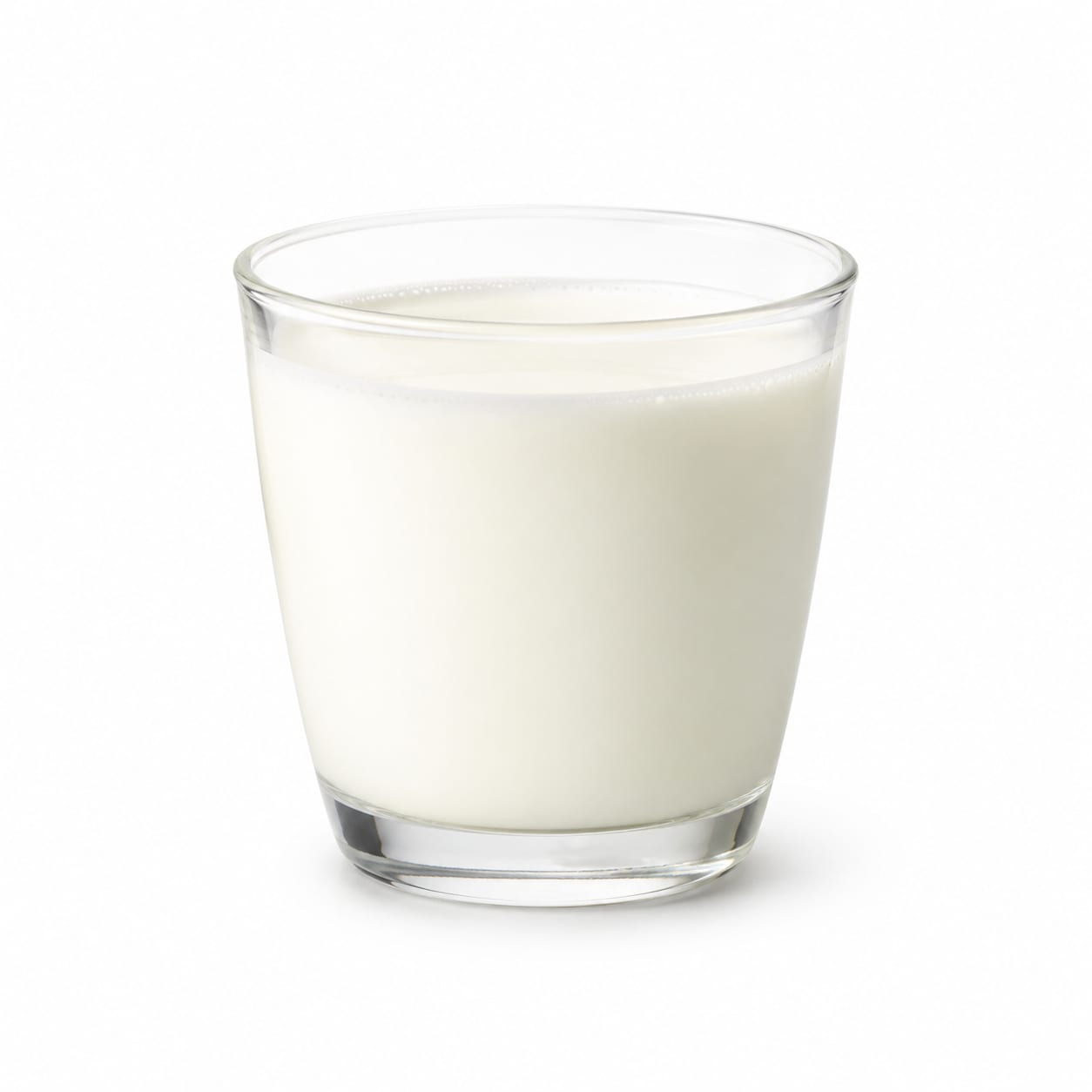
Buffalo Milk
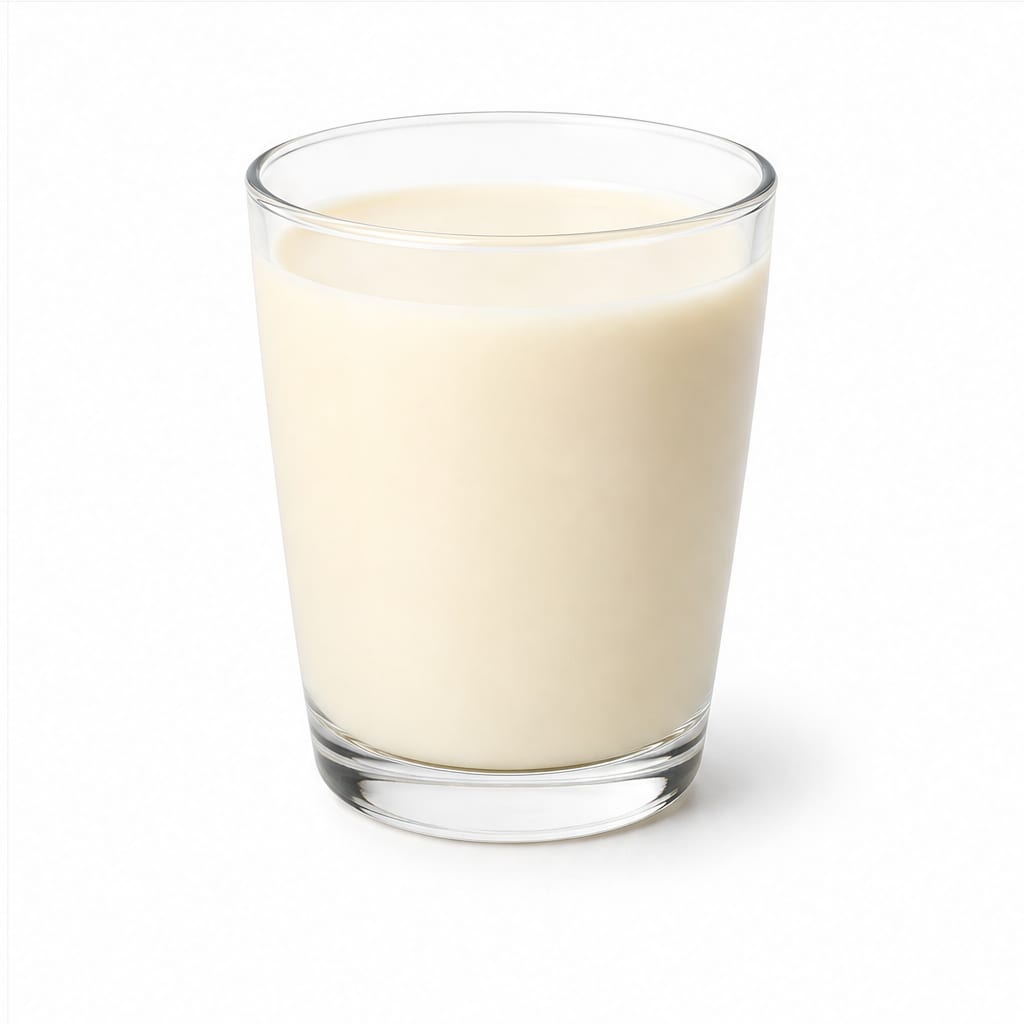
Soy Milk
Buffalo Milk delivers richer nutrition and natural calcium but at a high calorie cost, while Soy Milk offers a lighter, lactose-free alternative with unique plant benefits
Soy Milk edges ahead due to broader everyday suitability, lower calories, and lactose-free nature, but Buffalo Milk wins on nutrient density and naturalness, making context the deciding factor
Nutrient density and creaminess versus calorie control and digestive comfort
At a glance
Executive summary
Overall
It depends
Healthier
It depends
More practical
Soy Milk
Daily use
Soy Milk
Key comparison lenses
dairy vs plant protein quality
Buffalo Milk offers complete animal protein with higher biological value, while Soy Milk is the only plant milk with comparable protein completeness
lactose tolerance and digestive comfort
Many users choosing between these are navigating dairy sensitivity, making digestive impact a central concern
calorie and fat tradeoffs
Buffalo Milk is significantly richer and higher in calories, while Soy Milk offers a lighter profile for weight-conscious users
hormonal considerations
Dairy naturally contains hormones, while soy contains phytoestrogens, creating a nuanced tradeoff users often worry about
bone health and calcium sources
Both are consumed for calcium but deliver it differently, with natural vs fortified sources affecting absorption
Best choice for
Buffalo Milk
- People needing high caloric and protein intake
- Those seeking natural, minimally processed dairy
- Individuals wanting A2 beta-casein for easier digestion
- Traditional cooking and dessert recipes requiring richness
Soy Milk
- Lactose-intolerant individuals
- Vegans and plant-based eaters
- Weight-conscious users wanting lower calories
- People with dairy allergies
Least suitable for
Buffalo Milk
- Lactose-intolerant individuals
- Those on calorie-restricted diets
- People with dairy protein allergies
- Vegans
Soy Milk
- People with soy allergies
- Those avoiding processed foods with additives
- Users seeking maximum caloric nourishment
- Individuals concerned about phytoestrogen intake
Deep comparison
Dimension by dimension
Each lens scores both foods and breaks down who each option suits.
- Dimension 1 · Priority 92Buffalo Milk
protein_quality_and_content
Buffalo Milk · 88Soy Milk · 78Buffalo Milk provides more protein per serving with higher biological value, while Soy Milk is the strongest plant-based protein competitor
Tradeoff
Animal protein completeness versus plant protein with fiber and isoflavones
Why it matters
Protein quality affects how well your body builds and repairs tissue, especially important for active people and older adults
Real-world impact
After a workout, Buffalo Milk supports faster muscle recovery, while Soy Milk still holds its own better than any other plant milk
Buffalo Milk
- Athletes needing efficient muscle repair
- Older adults preventing muscle loss
- Growing teenagers with high protein needs
Better for
- Those with dairy protein allergies
Worse for
Soy Milk
- Plant-based athletes who avoid all dairy
- People wanting protein without saturated fat
Better for
- Anyone needing maximum protein density per glass
Worse for
- Dimension 2 · Priority 85Soy Milk
calorie_and_weight_management
Buffalo Milk · 42Soy Milk · 85Soy Milk has roughly half the calories of Buffalo Milk, making it far easier to fit into weight-conscious eating
Tradeoff
Rich satiety and caloric nourishment versus easier portion control and lighter daily intake
Why it matters
A single glass of Buffalo Milk can deliver 170-200 calories, which adds up quickly if consumed multiple times daily
Real-world impact
Swapping Buffalo Milk for Soy Milk in your daily latte could save you 300+ calories per week without feeling deprived
Buffalo Milk
- Underweight individuals needing caloric surplus
- Recovering patients needing nourishment
Better for
- Those trying to reduce daily caloric intake
Worse for
Soy Milk
- Anyone tracking calories for weight loss
- People who drink milk multiple times daily
Better for
- People who struggle to get enough calories
Worse for
- Dimension 3 · Priority 88Soy Milk
digestive_tolerance
Buffalo Milk · 45Soy Milk · 82Soy Milk is naturally lactose-free, while Buffalo Milk contains lactose that troubles a large portion of adults globally
Tradeoff
Natural dairy enzymes and A2 casein benefits versus complete lactose elimination
Why it matters
Over 65% of the global population has some degree of lactose malabsorption, making this a daily comfort issue
Real-world impact
If regular milk causes bloating or gas, Soy Milk eliminates that problem entirely, while Buffalo Milk may still cause discomfort despite its A2 casein advantage
Buffalo Milk
- People who tolerate dairy well and want natural A2 casein
Better for
- Anyone with lactose intolerance
Worse for
Soy Milk
- Lactose-intolerant individuals
- People with irritable bowel syndrome triggered by dairy
- Anyone who experiences bloating from regular milk
Better for
- People with soy sensitivity or allergies
Worse for
- Dimension 4 · Priority 82Soy Milk
heart_health_and_fats
Buffalo Milk · 48Soy Milk · 80Soy Milk contains heart-friendly unsaturated fats and no cholesterol, while Buffalo Milk is high in saturated fat and cholesterol
Tradeoff
Rich satisfying mouthfeel from dairy fat versus cardiovascular protection from plant fats
Why it matters
Saturated fat and cholesterol from dairy can raise LDL cholesterol over time, especially with daily consumption
Real-world impact
Choosing Soy Milk daily is a small but consistent heart-healthy decision, while Buffalo Milk is better enjoyed as an occasional indulgence
Buffalo Milk
- Healthy-weight individuals with normal cholesterol who consume moderate portions
Better for
- People with elevated LDL cholesterol
- Those at risk for cardiovascular disease
Worse for
Soy Milk
- People with family history of heart disease
- Those managing high cholesterol
- Anyone wanting cardio-protective daily habits
Better for
- Those who need calorie-dense nutrition after illness
Worse for
- Dimension 5 · Priority 78It depends
bone_health_and_calcium
Buffalo Milk · 82Soy Milk · 75Buffalo Milk offers naturally occurring calcium with better co-nutrient absorption, while Soy Milk relies on fortification that varies by brand
Tradeoff
Natural calcium with full dairy matrix versus added calcium that may settle or absorb differently
Why it matters
Calcium absorption depends on the food matrix, and natural sources often deliver more reliable bioavailability
Real-world impact
If you forget to shake fortified Soy Milk, calcium can settle at the bottom of the carton, meaning you get less than expected
Buffalo Milk
- Post-menopausal women needing reliable calcium
- Children building peak bone mass
Better for
- Those who avoid dairy for any reason
Worse for
Soy Milk
- People who cannot tolerate dairy but still need calcium
- Vegans relying on fortified foods
Better for
- People wanting calcium without relying on fortification
Worse for
- Dimension 6 · Priority 76It depends
hormonal_and_endocrine_considerations
Buffalo Milk · 55Soy Milk · 58Both carry hormonal complexity: Buffalo Milk contains natural dairy hormones, while Soy Milk contains phytoestrogens with mixed research
Tradeoff
Dairy hormones that may influence acne and IGF-1 versus soy isoflavones with potential benefits and uncertainties
Why it matters
Hormonal effects are subtle but accumulate over years of daily consumption, especially for adolescents and hormone-sensitive individuals
Real-world impact
If you have hormonal acne, Buffalo Milk may worsen it, while moderate Soy Milk is unlikely to cause issues for most people
Buffalo Milk
- People unconcerned about dairy hormone exposure
Better for
- Individuals with hormone-sensitive acne
- Those avoiding IGF-1 stimulation
Worse for
Soy Milk
- Women seeking mild menopausal symptom relief from isoflavones
- People avoiding dairy hormones for acne management
Better for
- People with thyroid conditions who consume soy in large amounts
- Those uncomfortable with phytoestrogen intake
Worse for
- Dimension 7 · Priority 72Buffalo Milk
naturalness_and_processing
Buffalo Milk · 90Soy Milk · 55Buffalo Milk is a natural whole food, while most commercial Soy Milk contains thickeners, emulsifiers, and added vitamins
Tradeoff
Pure single-ingredient simplicity versus engineered nutritional profile with additives
Why it matters
Minimally processed foods generally support better gut health and fewer unexpected reactions to additives
Real-world impact
Reading the ingredient list on Buffalo Milk shows one item, while Soy Milk often lists seven or more including carrageenan and natural flavors
Buffalo Milk
- Clean-eating advocates
- People avoiding emulsifiers and thickeners
- Those who value ingredient simplicity
Better for
- Those who do not tolerate dairy regardless of naturalness
Worse for
Soy Milk
- People who prioritize nutrient fortification over minimal processing
Better for
- Anyone sensitive to gums, carrageenan, or emulsifiers
Worse for
- Dimension 8 · Priority 70It depends
allergen_risk
Buffalo Milk · 60Soy Milk · 58Both are top-8 allergens, and neither is safer universally since dairy and soy allergies are both common and serious
Tradeoff
Dairy allergy prevalence versus soy allergy prevalence, both requiring complete avoidance if present
Why it matters
An allergy to either means that milk is completely off the table regardless of nutritional merits
Real-world impact
If your child has a soy allergy, Buffalo Milk becomes the clear choice, and vice versa for dairy allergy
Buffalo Milk
- People with soy allergies
- Those who tolerate dairy well
Better for
- Anyone with dairy allergy
Worse for
Soy Milk
- People with dairy or casein allergies
- Those avoiding all animal products
Better for
- Anyone with soy allergy
Worse for
Timeline
Health impact over time
Short-term
Hours to days
Buffalo Milk
- Provides immediate satiety from high fat and protein content
- May cause bloating or gas in lactose-sensitive individuals
- Delivers quick caloric energy for physically demanding activities
- Can feel heavy if consumed before exercise
Soy Milk
- Feels lighter in the stomach, easier to drink before activity
- Eliminates lactose-related digestive discomfort
- May cause mild soy-related bloating in sensitive people
- Provides steady energy without the heaviness of dairy fat
Long-term
Months to years
Buffalo Milk
- Supports bone density through natural calcium and vitamin D matrix
- Regular high saturated fat intake may elevate cardiovascular risk
- Natural A2 casein may be gentler than A1 dairy for long-term consumption
- Dairy hormones may influence acne and IGF-1 levels over years
Soy Milk
- Isoflavones may offer mild protective effects for heart and bone health
- Fortified calcium supports bone density when consumed consistently
- Soy protein may help maintain healthy cholesterol levels long-term
- Thyroid function should be monitored if consuming large amounts daily
Risk profile
Safety & processing
Buffalo Milk is typically consumed as a single-ingredient whole food with minimal intervention, while commercial Soy Milk requires oil, thickeners, stabilizers, and fortification to approximate the mouthfeel and nutrition of dairy
Buffalo Milk
Bacterial contamination from raw or improperly pasteurized milk
mediumDairy carries inherent risks of Salmonella, Listeria, and E. coli if not properly pasteurized, especially in regions with less regulated dairy farming
Antibiotic residue exposure
lowConventional buffalo farming may use antibiotics, though residues in milk are regulated in most countries
Hormone exposure from dairy farming
mediumNatural and sometimes synthetic hormones used in dairy production can carry over into milk, though buffalo farming typically uses fewer hormones than cattle
Soy Milk
Pesticide residue from conventional soy farming
mediumSoy is one of the most heavily pesticide-treated crops globally, making organic certification an important consideration
GMO exposure
mediumThe majority of conventionally grown soy is genetically modified, so choosing organic or explicitly non-GMO Soy Milk matters
Additive sensitivities from thickeners and emulsifiers
lowCarrageenan and other gums used in Soy Milk can cause digestive irritation in sensitive individuals
Who wins for whom
Audience fit
Same foods, different winners depending on your goal.
children
It dependsBuffalo Milk provides excellent natural nutrition for growing children who tolerate dairy, but Soy Milk is essential for dairy-allergic kids, and should be fortified and unsweetened
daily consumption
Soy MilkLower calories, zero lactose, heart-friendly fats, and lighter digestion make Soy Milk more sustainable as a daily staple for most adults
diabetes
Soy MilkUnsweetened Soy Milk has lower carbohydrates and a lower glycemic impact, while Buffalo Milk contains natural milk sugars that affect blood glucose
elderly
It dependsBuffalo Milk supports bone density with natural calcium, but Soy Milk offers heart-protective benefits and easier digestion that many older adults prefer
muscle gain
Buffalo MilkBuffalo Milk offers more total protein with higher biological value and leucine content, which directly supports muscle protein synthesis
weight loss
Soy MilkSoy Milk provides roughly half the calories per serving while still delivering satisfying protein, making it easier to maintain a caloric deficit
Your move
Decision guide
Choose Buffalo Milk
- You tolerate dairy well and want maximum natural nutrition per glass
- You need caloric density for recovery or weight gain
- You value single-ingredient, minimally processed foods
- You are cooking traditional recipes that rely on rich dairy
- You want natural A2 casein instead of A1 dairy
Choose Soy Milk
- You are lactose-intolerant or dairy-sensitive
- You follow a plant-based or vegan diet
- You want fewer calories and lighter daily consumption
- You are managing cholesterol or cardiovascular risk
- You prefer the convenience of shelf-stable milk
Either works if
- You are simply looking for a protein-containing beverage
- You rotate between dairy and plant milks for variety
- You have no allergies or sensitivities to either
Avoid both if
- You have both dairy and soy allergies
- You are on a strict elimination diet for autoimmune conditions
- You consume excessive milk quantities and need to reduce overall liquid calories
Final recommendation
For most adults seeking a daily milk alternative, unsweetened Soy Milk offers better long-term sustainability due to its lighter calorie load, heart-friendly fats, and lactose-free nature. Buffalo Milk is the superior choice when you need concentrated nutrition, natural calcium, and rich flavor, but its high calorie and saturated fat content make it better suited as an occasional nourishing choice rather than a default daily drink. If you tolerate dairy and are active, Buffalo Milk can be a powerful recovery tool. If convenience, weight management, and digestive comfort are your priorities, Soy Milk is the smarter everyday option.
Practical
Consumer tips
- 1
Choose organic Soy Milk to avoid GMO soy and pesticide residues
- 2
Always shake fortified Soy Milk well to redistribute settled calcium
- 3
If trying Buffalo Milk, start with small portions to assess lactose tolerance
- 4
Look for unsweetened Soy Milk varieties to avoid added sugars
- 5
Buffalo Milk works beautifully in chai, kheer, and other traditional recipes where richness matters
- 6
Check Soy Milk labels for carrageenan if you have sensitive digestion
- 7
Buffalo Milk with A2 certification may be gentler on the stomach than conventional dairy
- 8
Freezing Soy Milk can alter texture, so use it fresh for drinking