
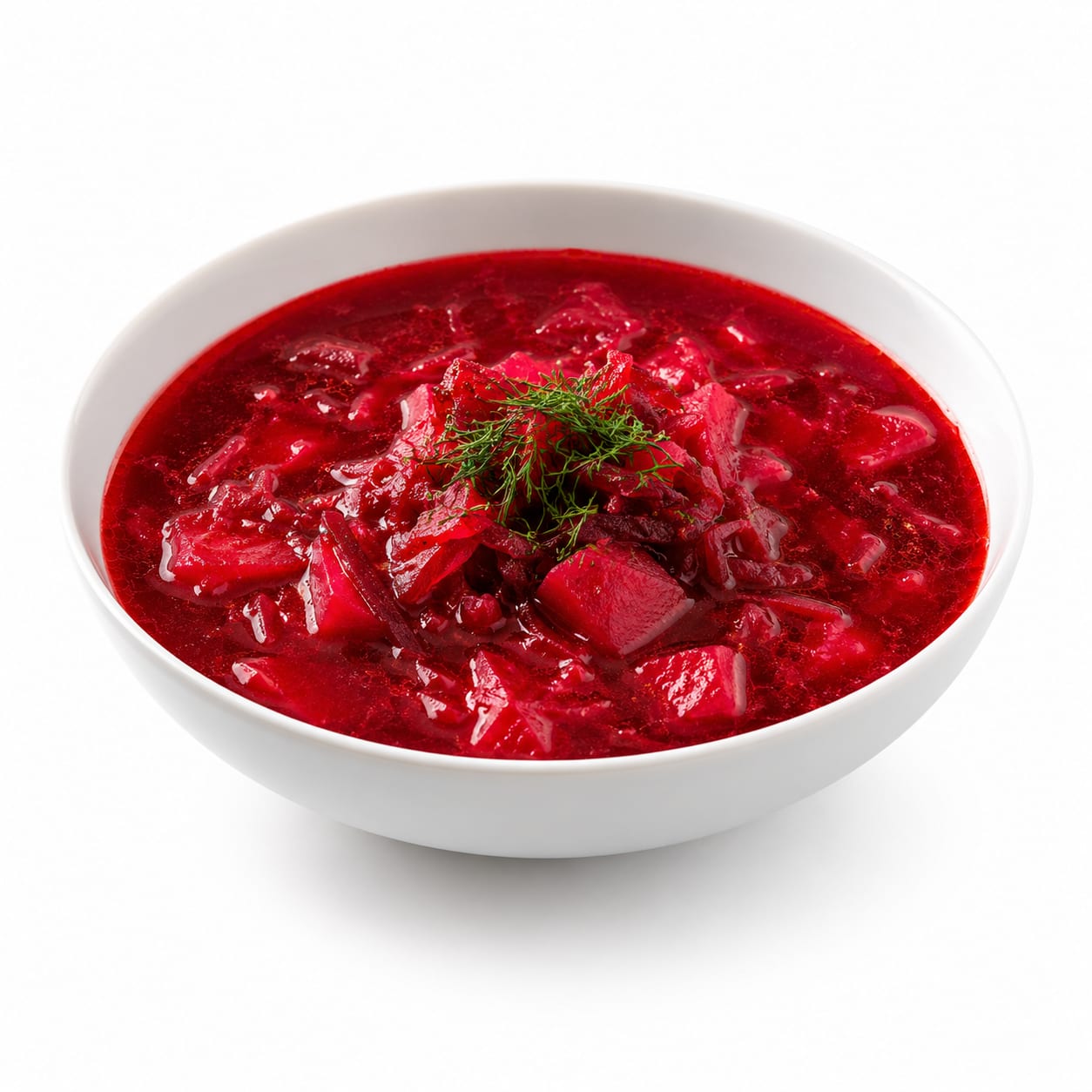
Soup
Borscht
Borscht is a traditional beet-based soup known for its vibrant red color, high fiber content, and low calorie density.
A traditional Eastern European soup made primarily from beets, cabbage, potatoes, carrots, and often meat or bone broth, giving it a characteristic deep red color and earthy, sweet-sour flavor.
high-volume low-calorie vegetable soup
Typical serving · 250g
Common varieties · traditional meat borscht, vegetarian borscht, cold borscht, green borscht, white borscht
Overall context score across nutrition, safety, and diet fit
At a glance
Quick facts
Simple indicators based on nutrition, processing, and diet fit.
The story
What makes it unique
Borscht is a high-water, low-energy-density food composed mainly of beetroot and cruciferous vegetables. Its macronutrient profile is low in fat and moderate in complex carbohydrates with a low glycemic load per typical serving. The soluble and insoluble fiber from beets and cabbage slow gastric emptying and digestion, promoting satiety and moderating postprandial glucose absorption. Thermal processing via boiling retains most water-soluble nutrients in the broth, though some heat-labile vitamin C is degraded.
Varieties: traditional meat borscht · vegetarian borscht · cold borscht · green borscht · white borscht
Per 100g
Nutrition breakdown
Macro balance and key metrics at a glance.
Energy
Density 0.49 kcal/g
Protein
Carbs
Fat
Fiber
Sugar
3.4 g
Sodium
390 mg
Potassium
240 mg
Glycemic index
55
Glycemic load
3
Water content
88%
Standout compounds
Nutrient highlights
Betalains
highPowerful antioxidants unique to beets that reduce inflammation and support cellular health.
Dietary Fiber
moderateSupports digestive regularity and feeds beneficial gut bacteria.
Folate
moderateEssential for cell division and DNA synthesis, particularly important during pregnancy.
Potassium
moderateHelps regulate blood pressure and fluid balance, counteracting some effects of sodium.
Manganese
moderateSupports bone health, metabolism, and antioxidant defense.
Wellness map
Health scores & processing
NOVA processing scale
minimally_processed · Whole food
Traditional homemade borscht consists of whole, unprocessed vegetables and basic culinary ingredients boiled in broth. Canned or instant versions may fall into Nova Group 3 or 4 due to added preservatives and flavor enhancers.
Diet compatibility
- Weight loss
- Muscle gain
- Diabetes
- Gut health
- Low carb
- High protein
- Heart health
Relative standing
Food rankings
Qualitative ranks compared to similar whole foods.
- Satietygood
- Blood sugargood
- Nutrient densityexcellent
- Fitness fuelmoderate
- Processing qualityexcellent
Eat with confidence
Food safety profile
Borscht is generally safe, but conventional beets and cabbage can carry pesticide residues. Sourcing organic root vegetables reduces exposure. If meat broth is used, proper handling and cooking prevent bacterial contamination.
Evidence confidence 85%
- Pesticidesmoderate
- Antibioticsmoderate
- Heavy metalslow
- Contaminationlow
Watch for
- pesticide residues on root vegetables
- lead in soil-sourced root veggies
Safer choices
Organic beets and cabbage, low-sodium homemade bone broth
Prep tips
Scrub beets and carrots thoroughly under running water to remove soil and potential residue. Peel if conventionally grown to reduce pesticide exposure.
Standard agricultural residue limits apply; conventional beets and cabbage frequently appear on EWG's Dirty Dozen lists for pesticide traces.
Deep dive
Health analysis
How this food may fit different goals and preparation choices.
Weight loss
High water and fiber content create significant gastric distension, promoting fullness with very few calories. This makes it an excellent volume-eating food for weight loss.
Blood sugar
Despite containing starchy potatoes and sweet beets, the low energy density and high fiber result in a very low glycemic load per serving, preventing sharp blood sugar spikes.
Fitness & energy
Not an optimal standalone post-workout recovery food due to low protein content, but the natural sugars and electrolytes from beets and broth can provide mild pre-workout fuel and hydration.
Gut health
Rich in dietary fiber and prebiotic compounds from cabbage and beets that support beneficial gut bacteria. Fermented variations with kvass further enhance probiotic content.
Processing quality
Homemade borscht is a whole-food meal. Canned versions often contain refined vegetable oils, added sugars, and excess sodium, lowering their nutritional quality.
Food safety
Primary concerns are pesticide residues on conventional beets and cabbage, and sodium levels in broth. Thorough washing and moderating salt intake address these risks.
Common mistakes
Assuming all borscht is low-calorie; restaurant versions with fatty meats and sour cream can become highly caloric. Also, over-boiling beets degrades their heat-sensitive nutrients.
Best preparation
Roasting beets before adding them to the soup preserves more nutrients and enhances flavor. Use low-sodium broth and finish with a dollop of Greek yogurt instead of traditional sour cream.
Practical guide
Best use cases
When and how this food fits real eating patterns.
High-volume low-calorie eating
Provides a large portion size and high satiety for minimal calories, ideal for dinner when cutting.
Cold weather comfort food
A warm, nutrient-dense meal that satisfies cravings for hearty food without the high caloric cost of stews.
Pre-workout hydration and fuel
The broth provides hydration and electrolytes, while the natural sugars from beets offer a slow-releasing energy source.
Balance sheet
Pros & cons
Upsides
- Very low energy density aids in weight management
- Rich in unique antioxidants like betalains from beets
- High water content promotes hydration and fullness
- Fiber supports healthy digestion and gut microbiome
- Contains electrolytes like potassium for heart health
Trade-offs
- Can be high in sodium depending on broth and preparation
- Not a complete protein source unless paired with meat
- Root vegetables add carbs that may not suit strict low-carb diets
- Traditional sour cream topping adds saturated fat and calories
- Canned versions often contain preservatives and excess sodium
Fit check
Who is it for?
Great match
- weight loss diets
- high-volume eating
- vegetarian and omnivore diets
- winter meal prep
- blood pressure management
Consider alternatives
- strict ketogenic diets
- low-sodium diets
- high-protein diets
- nightshade-free protocols
Side by side
How it compares
Open the full head-to-head analysis for nutrition, safety, and practical tradeoffs.
This food
Borscht
VS85% alike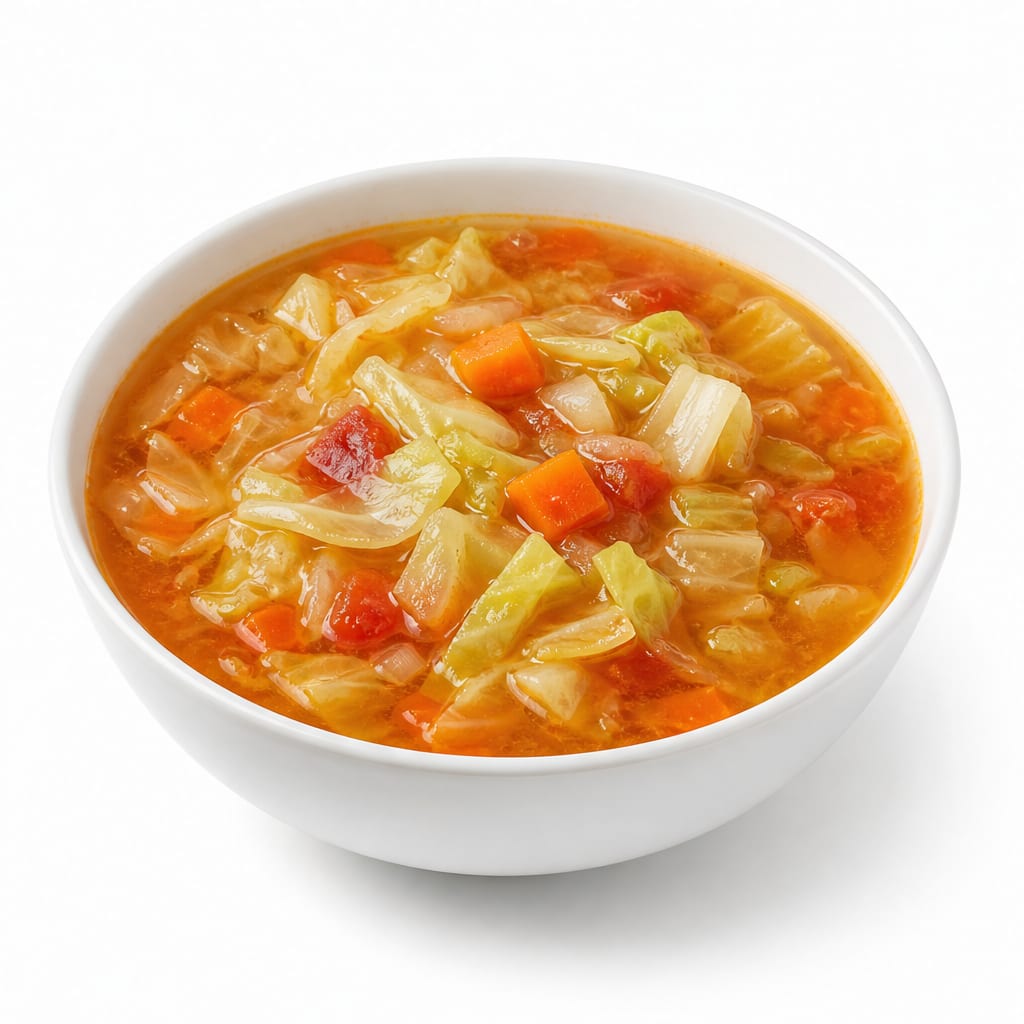
Compare with
Cabbage Soup
Cabbage soup is lower in calories and carbs but lacks the unique antioxidants found in beets.
Cabbage soup is lower in calories and carbs for strict dieting, while borscht provides more antioxidants and electrolytes for overall health and fitness.
This food
Borscht
VS80% alike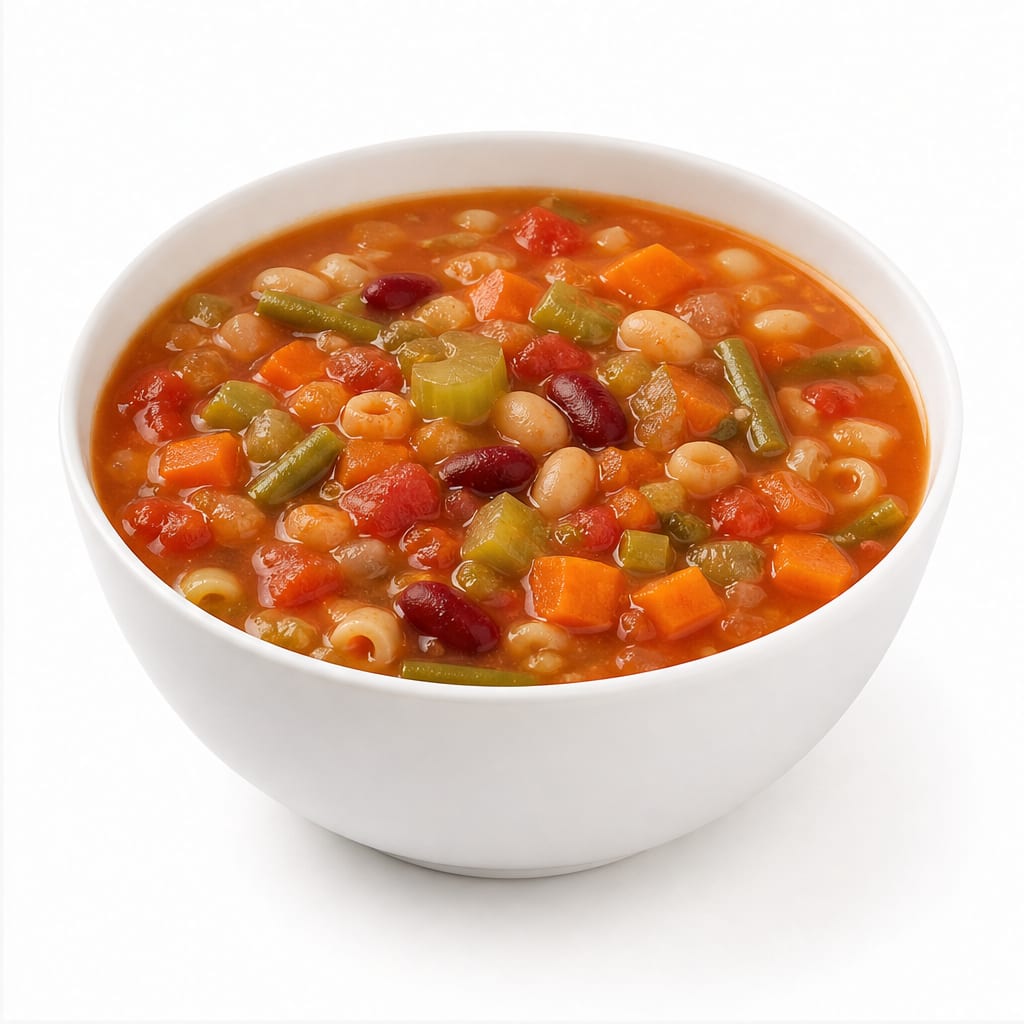
Compare with
Minestrone
Minestrone relies on tomatoes and beans, offering more protein and fiber, while borscht offers beet-specific antioxidants.
Minestrone provides more protein and fiber from beans, making it better for satiety, while borscht is lower in calories and richer in beet antioxidants.
This food
Borscht
VS75% alike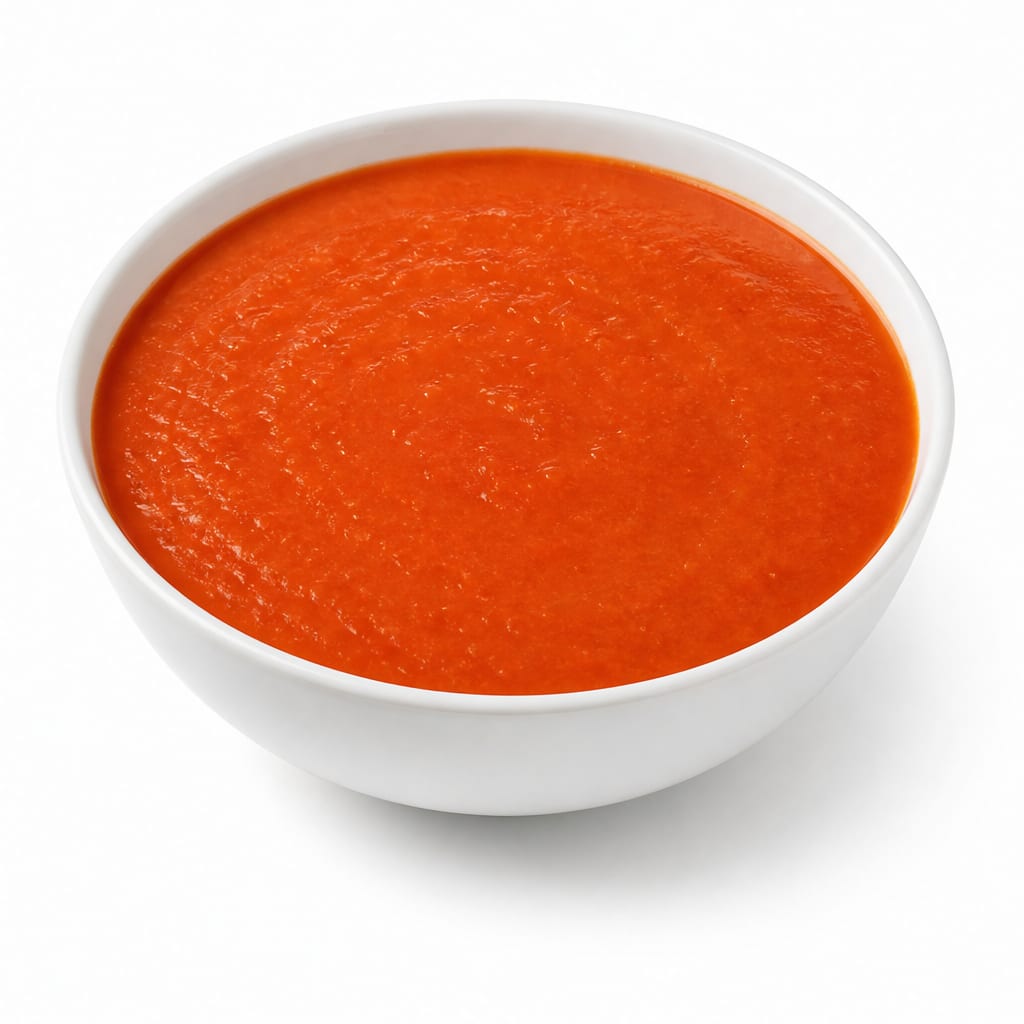
Compare with
Tomato Soup
Tomato soup is higher in lycopene but often more processed and lower in fiber than borscht.
Borscht offers more fiber and a lower glycemic impact than typical tomato soup, making it better for fullness and blood sugar control.
This food
Borscht
VS65% alike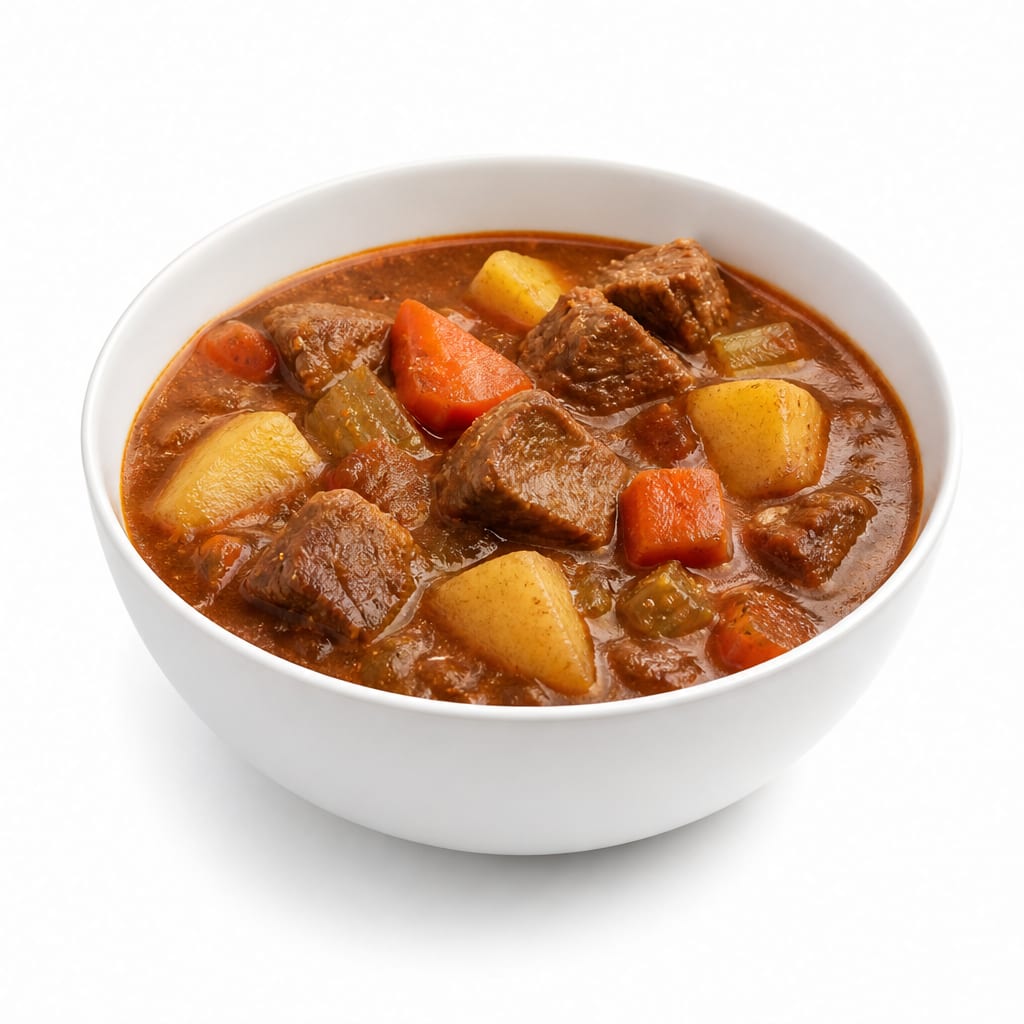
Compare with
Beef Stew
Beef stew is much higher in protein and fat but significantly higher in calories than borscht.
Beef stew provides high protein for muscle building but is calorie-dense, whereas borscht is a low-calorie alternative better suited for weight loss.
This food
Borscht
VS70% alike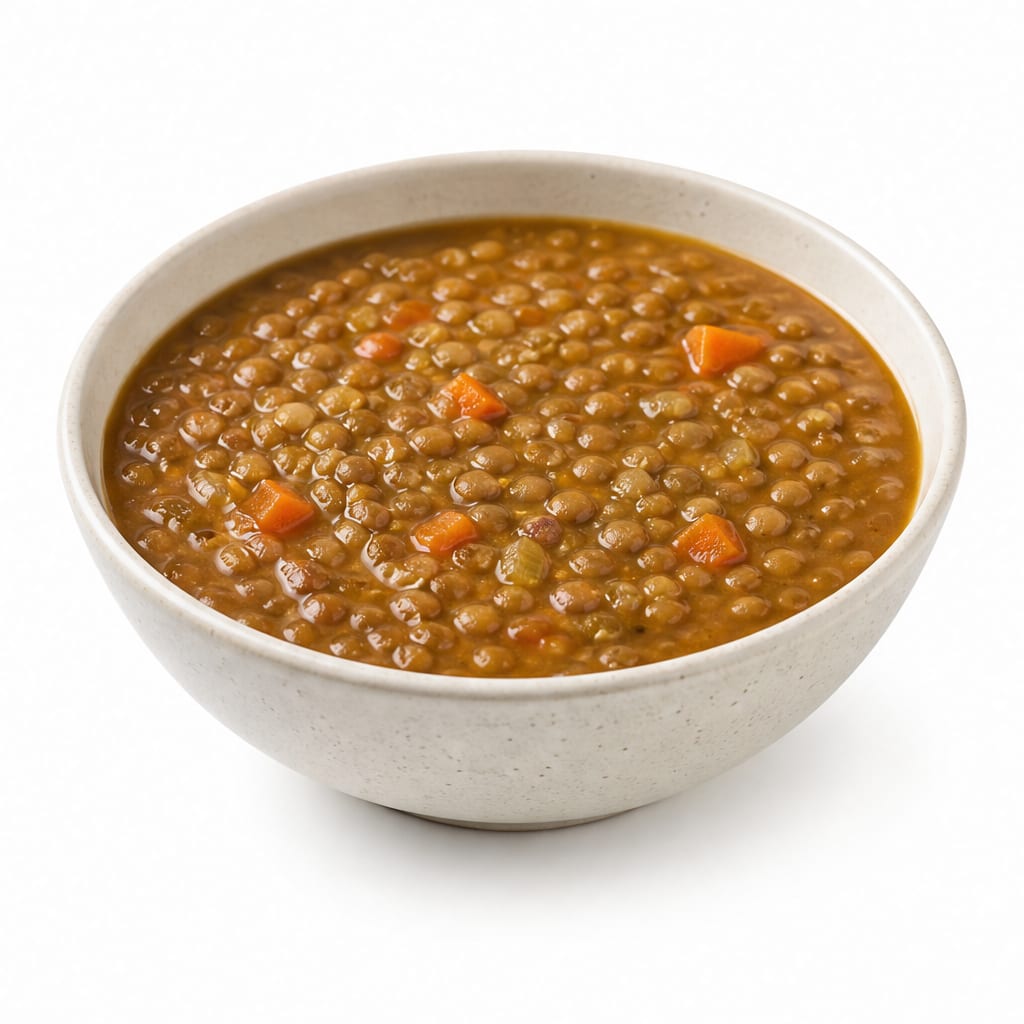
Compare with
Lentil Soup
Lentil soup is much higher in protein and fiber, while borscht is lower in calories and carbohydrates.
Lentil soup wins for protein and satiety, making it ideal for fitness, while borscht is the better choice for low-calorie volume eating.
This food
Borscht
VS70% alike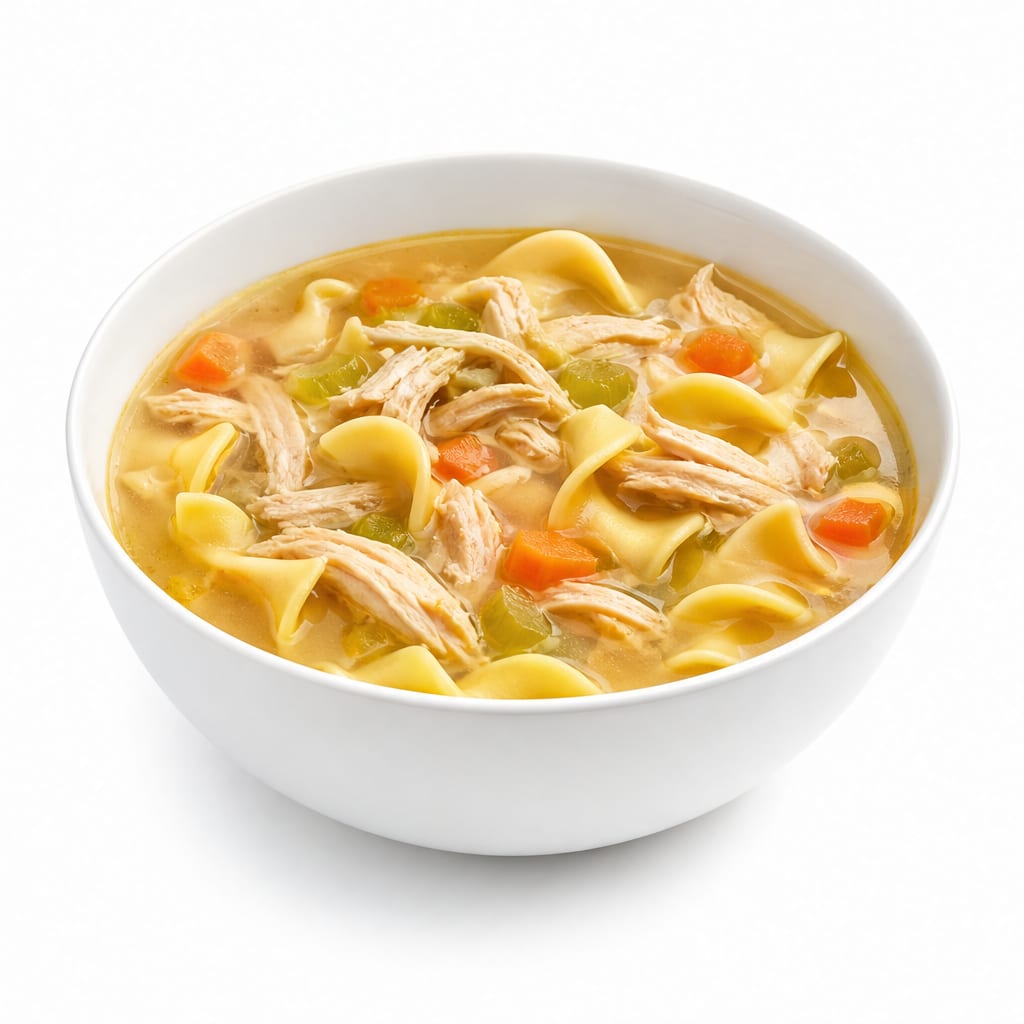
Compare with
Chicken Noodle Soup
Chicken noodle soup offers lean protein but contains refined noodles, whereas borscht provides more complex carbohydrates and antioxidants.
Borscht has fewer refined carbs and more antioxidants than chicken noodle soup, but chicken noodle offers more protein for recovery.
This food
Borscht
VS65% alike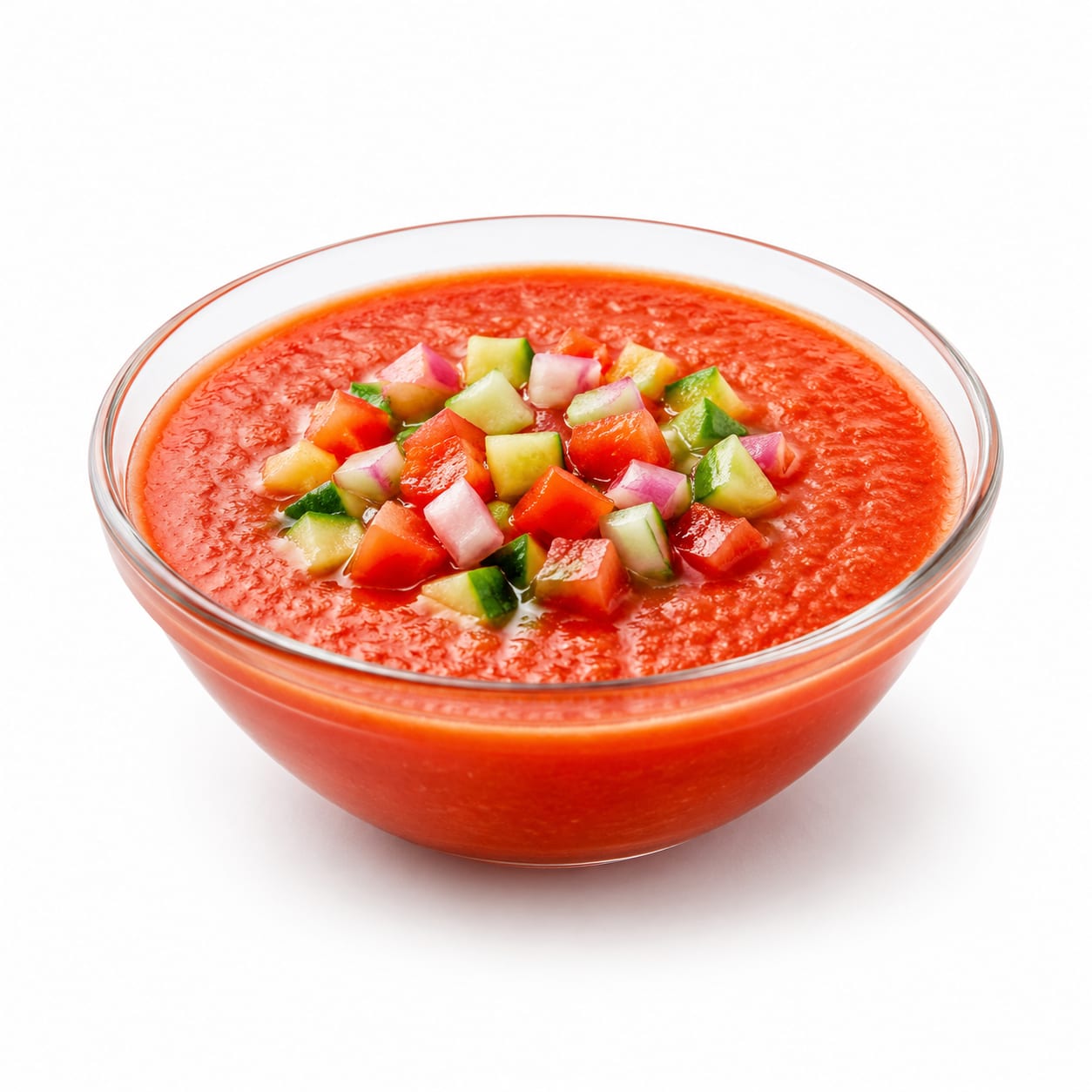
Compare with
Gazpacho
Gazpacho is a raw, cold soup with high vitamin C, while borscht is cooked, offering more digestible fiber and deeper earthy flavors.
Gazpacho is lower in calories and higher in vitamin C, while cooked borscht provides more satiety and electrolytes for post-workout recovery.
This food
Borscht
VS60% alike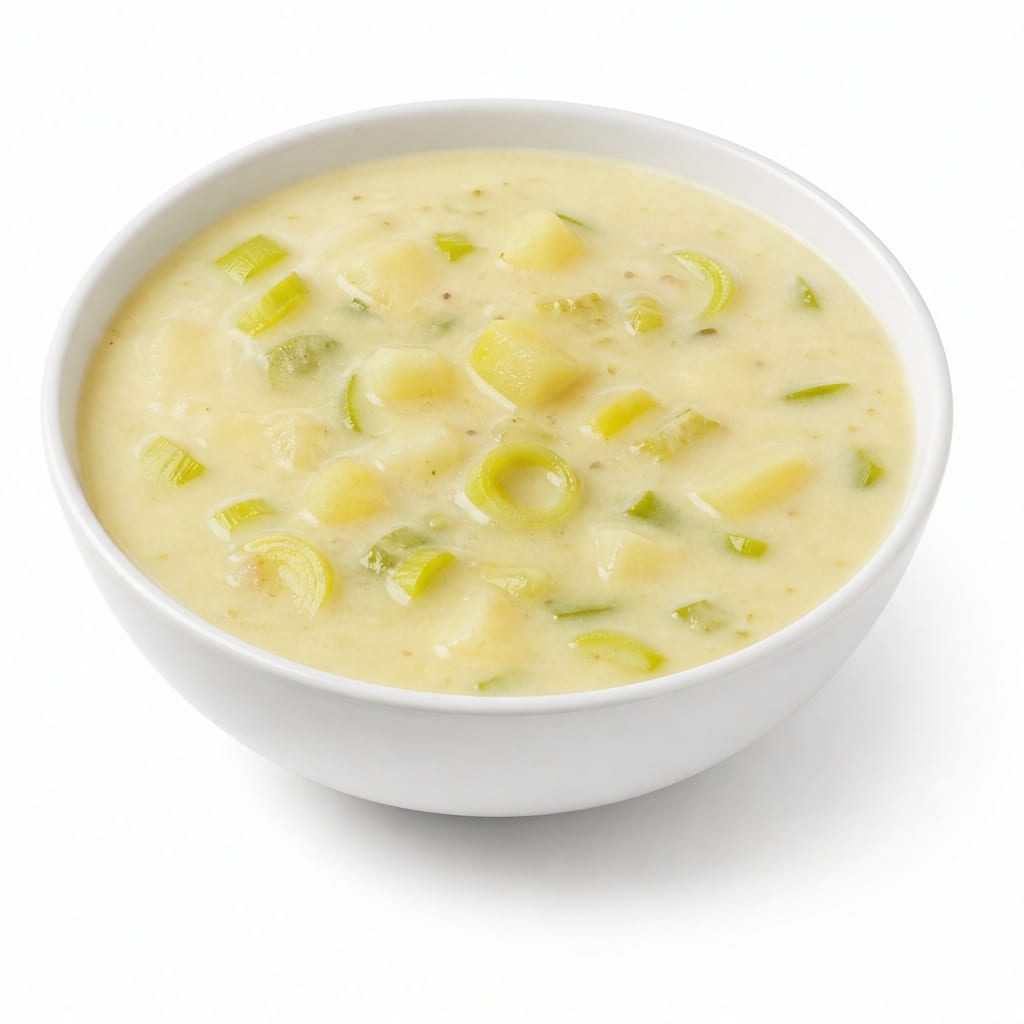
Compare with
Potato Leek Soup
Potato leek soup is often higher in calories and fat from cream, while borscht is typically lighter and more nutrient-diverse.
Borscht is lower in calories and higher in diverse antioxidants compared to potato leek soup, which is often heavily cream-based.
This food
Borscht
VS55% alike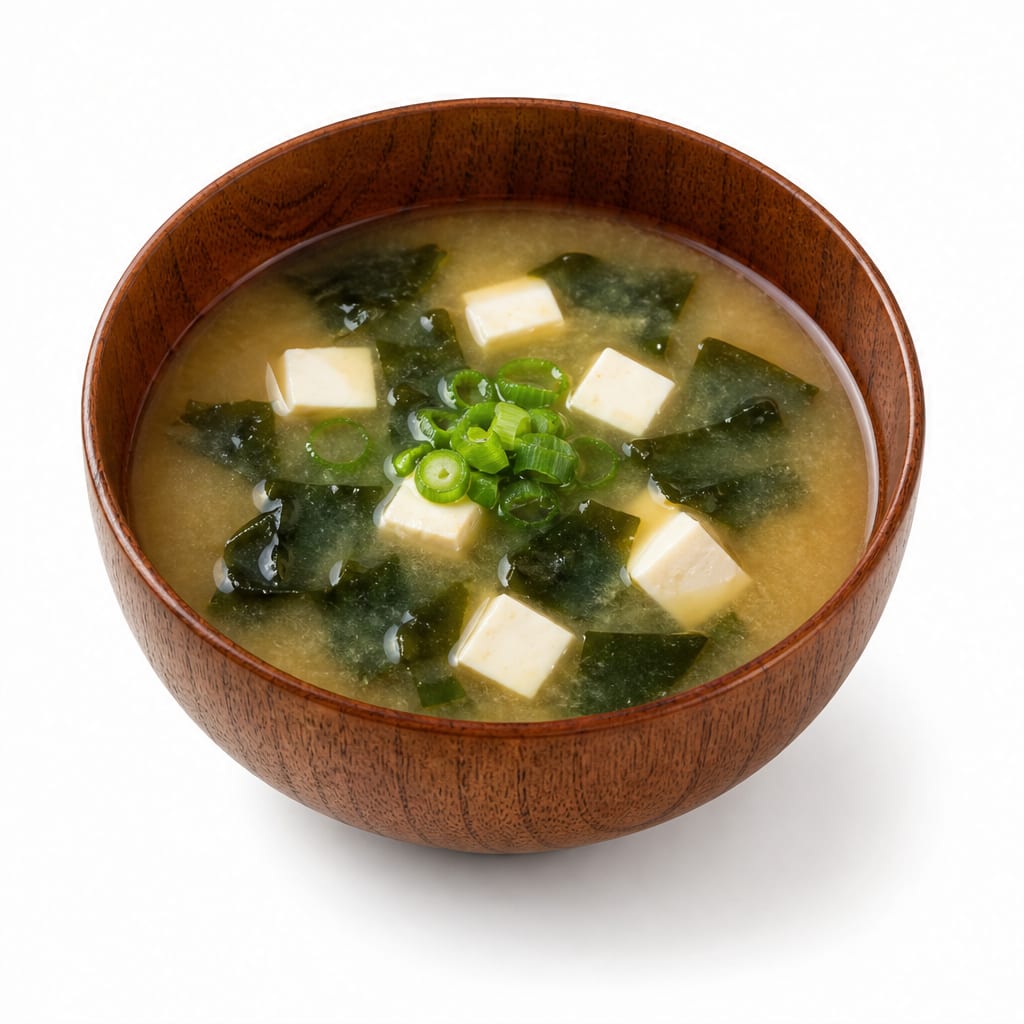
Compare with
Miso Soup
Miso is very low in calories and offers probiotics, but borscht provides more substantial macronutrients and fiber.
Miso soup is lighter and lower in calories with probiotics, while borscht provides more fiber and volume for a filling meal.
This food
Borscht
VS60% alike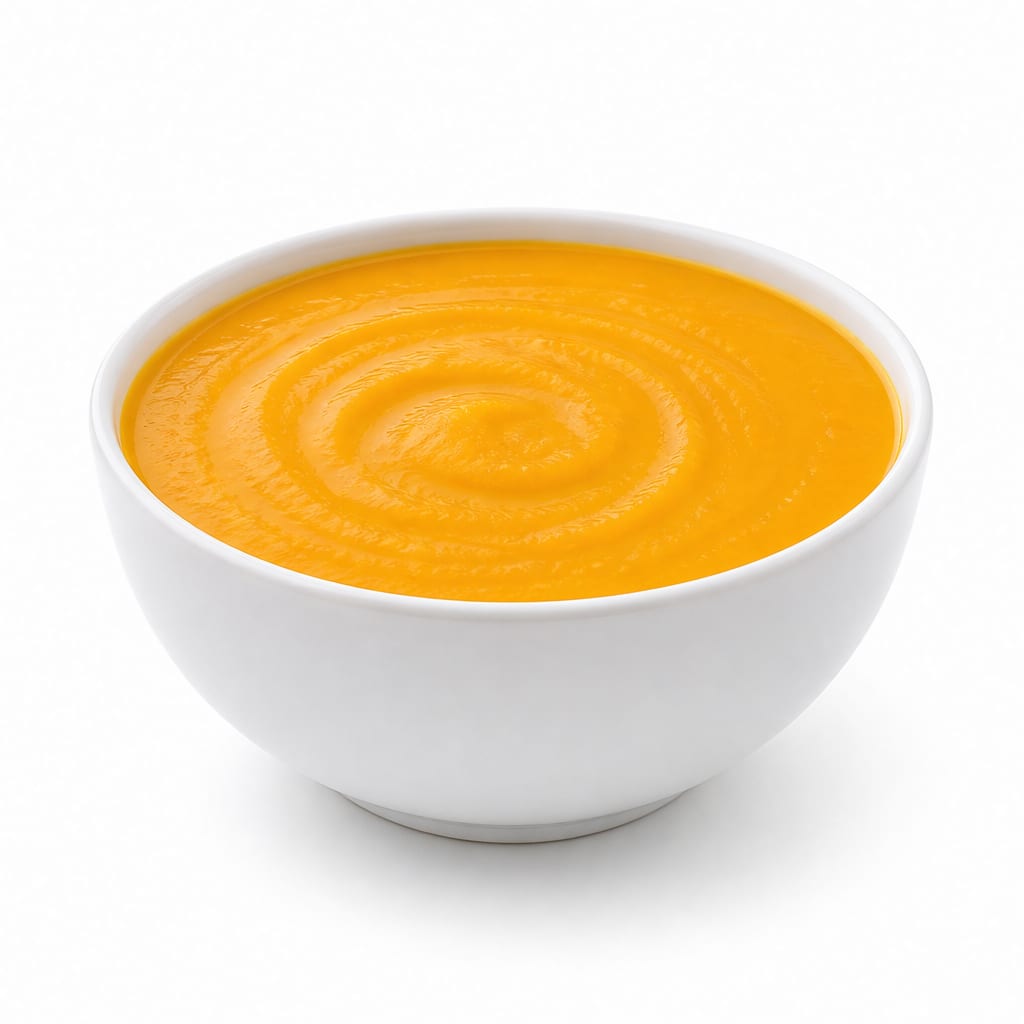
Compare with
Butternut Squash Soup
Butternut squash soup is rich in vitamin A, while borscht offers more iron and blood-pressure-lowering nitrates.
Borscht is typically lower in sugar and calories than butternut squash soup, and provides unique nitrates that support cardiovascular fitness.
Common questions
FAQ
Answers aligned with how people search for this food.
Is borscht good for weight loss?
Yes, homemade borscht is excellent for weight loss. It is a high-volume, low-calorie food with high water and fiber content that promotes satiety without excess calories, provided it is not made with fatty meats or heavy cream.
How many calories are in a bowl of borscht?
A standard 250g bowl of traditional vegetable and meat borscht contains approximately 120 to 150 calories. Calories can increase significantly with the addition of fatty cuts of meat or large amounts of sour cream.
Is borscht high in carbs?
Borscht contains moderate carbohydrates mainly from beets and potatoes, but its glycemic load is low due to the high fiber and water content. It is not suitable for strict keto diets but fits well into moderate carb diets.
Is borscht good for diabetics?
Yes, borscht is generally good for diabetics. The fiber from beets and cabbage slows down the digestion of carbohydrates, preventing rapid blood sugar spikes. However, diabetics should monitor portion sizes of potatoes within the soup.
Does borscht have probiotics?
Traditional borscht made with fermented beet kvass or naturally fermented cabbage contains probiotics that support gut health. Standard boiled borscht does not contain significant probiotics unless fermented ingredients are used.
Is borscht high in sodium?
Traditional and canned borscht can be high in sodium due to the use of meat broth and added salt. Making borscht at home with low-sodium broth and minimal salt is the best way to control sodium intake.
What are the main health benefits of borscht?
Borscht provides antioxidants like betalains from beets, which support heart health and reduce inflammation. It also offers fiber for gut health, folate, and essential electrolytes like potassium.
Can you eat borscht on a keto diet?
Traditional borscht is not keto-friendly because it contains beets, potatoes, and carrots, which are root vegetables high in carbs. Keto adaptations use cauliflower and radishes instead of potatoes and beets.
Transparency
Data confidence
Estimated confidence for nutrition data, interpretation, safety notes, and comparisons.
Nutrition data
Health analysis
Food safety
Comparisons