
Nutrition comparison
Borscht vs Miso Soup: Which Heals Better and When to Choose Each
Compare borscht and miso soup on nutrition, gut health, sodium, convenience, and daily sustainability. Find out which soup fits your health goals and lifestyle.
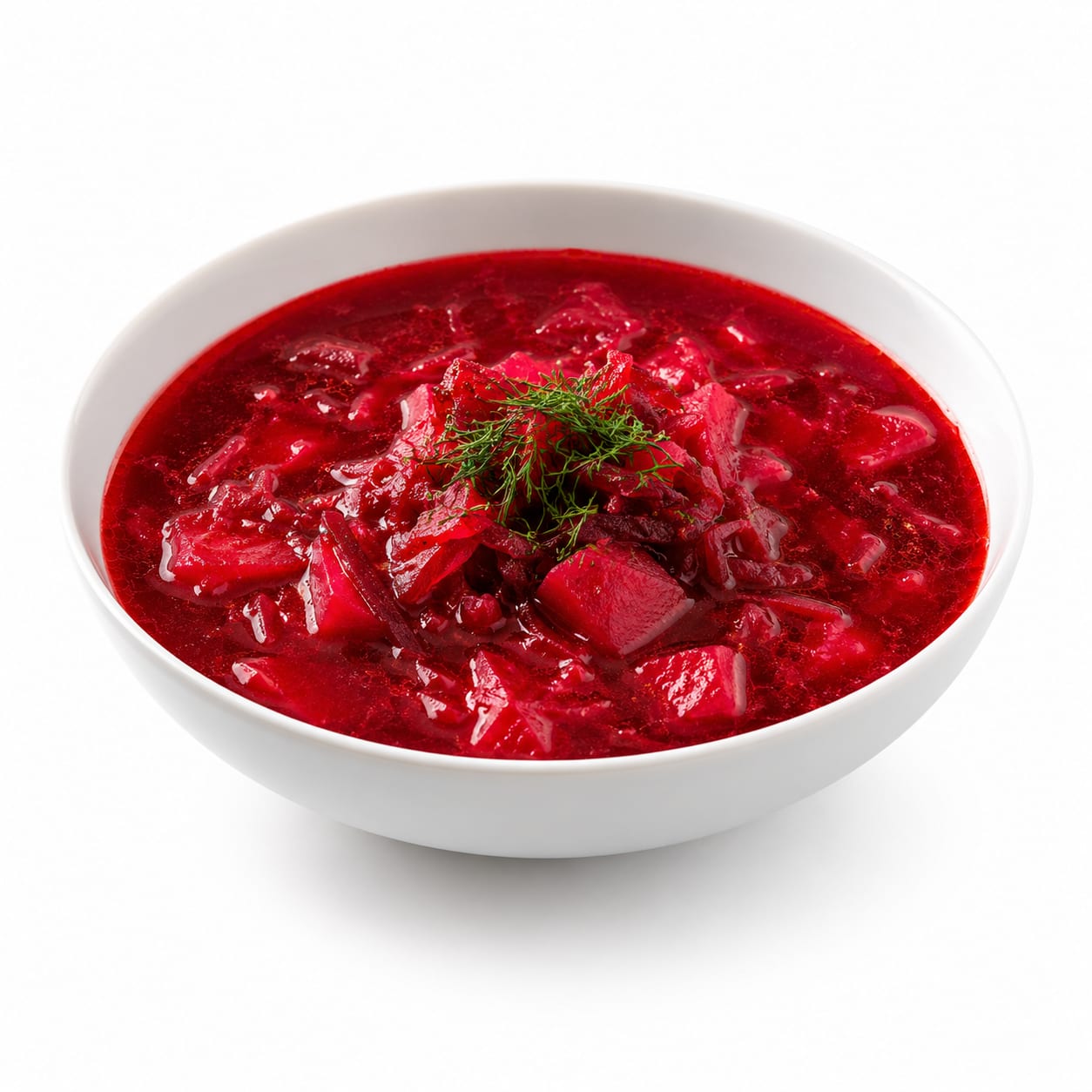
Borscht
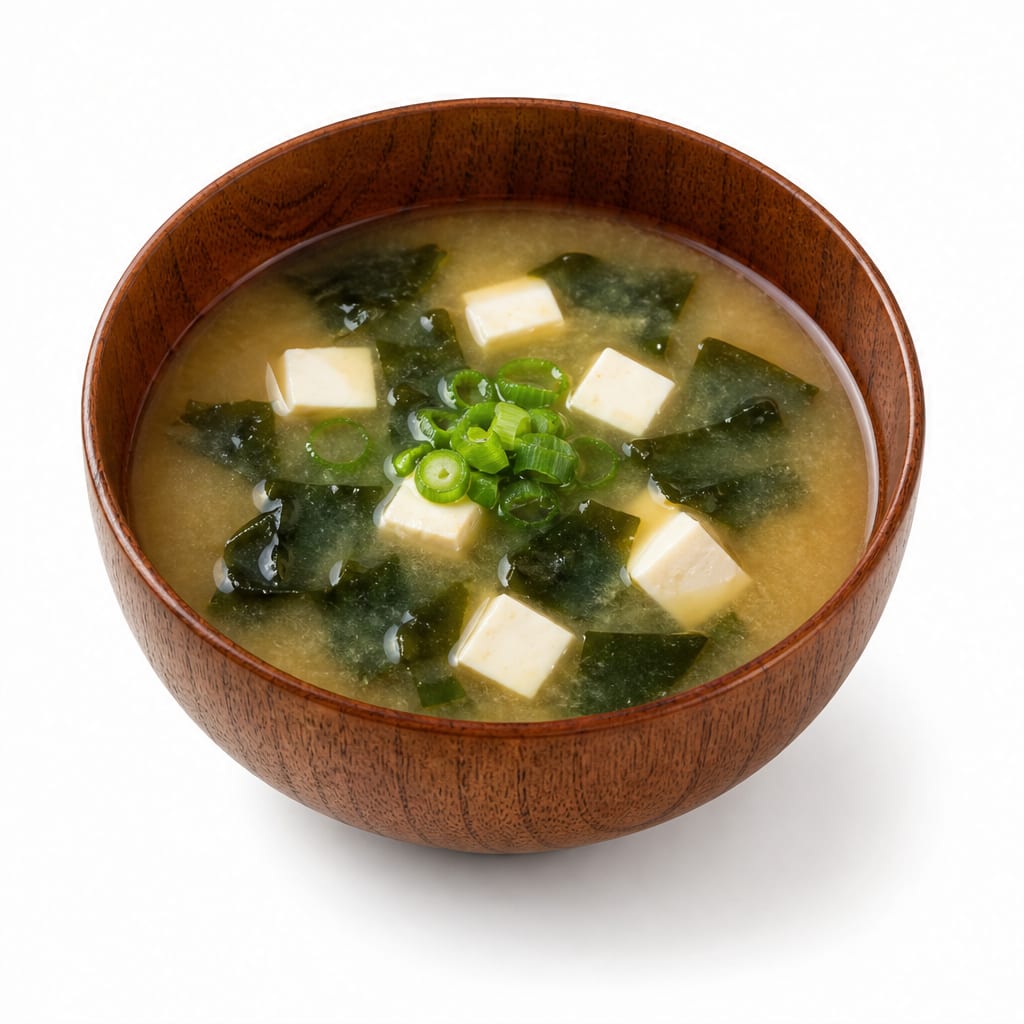
Miso Soup
Borscht nourishes as a complete meal; miso soup excels as a daily gut-friendly ritual. They serve different roles on your plate.
Nearly tied because they fill different roles. Miso soup edges ahead for daily sustainability and gut health, while borscht wins for meal-level satisfaction and micronutrient breadth.
Hearty vegetable richness and fullness versus probiotic benefits and effortless convenience
At a glance
Executive summary
Overall
It depends
Healthier
It depends
More practical
Miso Soup
Daily use
Miso Soup
Key comparison lenses
comforting meal vs light daily staple
Borscht is a hearty, filling soup while miso soup is a light accompaniment — users are likely choosing between a meal-in-a-bowl and a quick warming side
gut health and probiotics
Miso's fermented soybean base delivers live cultures; borscht's fermented variants exist but are less common and less probiotic-dense
sodium awareness
Both soups can be sodium-heavy — miso from fermented paste, borscht from broth and added salt — a key health tradeoff
vegetable diversity and micronutrients
Borscht packs multiple root vegetables and cabbage; miso soup is nutritionally simpler with seaweed and scallions
convenience and daily habit potential
Miso soup can be ready in minutes; borscht requires longer cooking, making daily consumption less realistic for most people
Best choice for
Borscht
- People needing a filling, nutrient-dense meal
- Those wanting more vegetable variety in one dish
- Anyone recovering from illness who needs substantial nourishment
- Fans of root vegetables and earthy flavors
Miso Soup
- Daily gut health maintenance
- Quick low-calorie warmth between meals
- People who want a simple fermented food habit
- Anyone short on time but wanting something nourishing
Least suitable for
Borscht
- People watching sodium who also use store-bought broth
- Those wanting a light pre-dinner appetizer
- Anyone too busy for longer meal prep
- People who dislike earthy beet flavors
Miso Soup
- Anyone needing a meal, not just a side
- People with soy allergies or sensitivities
- Those on strict low-sodium diets
- People who find it unsatisfying as a standalone
Deep comparison
Dimension by dimension
Each lens scores both foods and breaks down who each option suits.
- Dimension 1 · Priority 90Borscht
satiety and meal replacement potential
Borscht · 85Miso Soup · 35Borscht is a meal; miso soup is a complement. One fills you up, the other warms you up.
Tradeoff
Borscht's heartiness comes with more calories and longer prep time, while miso's lightness means you will need other food to feel full.
Why it matters
Choosing a soup as a meal versus a side changes your entire eating pattern for that sitting.
Real-world impact
A bowl of borscht at lunch can carry you to dinner. A bowl of miso soup leaves you reaching for a snack within an hour.
Borscht
- Replacing a full meal
- Post-workout recovery when you need real food
- Cold days when you want something substantial
Better for
- Quick snack situations
- Multi-course meals where you want to save room
Worse for
Miso Soup
- Light starter before a main course
- Warming up without ruining your appetite
- Late-night something when you want minimal calories
Better for
- Any scenario where the soup is the entire meal
- Hiking or physically demanding days
Worse for
- Dimension 2 · Priority 88Miso Soup
gut health and probiotics
Borscht · 40Miso Soup · 90Miso's fermentation delivers live beneficial bacteria. Traditional borscht can be fermented but rarely is in modern recipes.
Tradeoff
You get reliable probiotic benefits from miso daily, while borscht offers fiber that feeds gut bacteria indirectly but lacks the live cultures.
Why it matters
Regular probiotic intake supports digestion, immunity, and even mood regulation over time.
Real-world impact
A daily cup of miso soup is one of the easiest fermented food habits to maintain. Borscht, even with its fiber, does not replace that.
Borscht
- Providing prebiotic fiber that feeds existing gut bacteria
Better for
- Delivering meaningful probiotic content unless specifically fermented
Worse for
Miso Soup
- Introducing live probiotic cultures
- Supporting daily digestive regularity
- Building a sustainable fermented food habit
Better for
- Providing the fiber volume that supports overall gut bulk and transit
Worse for
- Dimension 3 · Priority 82Borscht
micronutrient diversity
Borscht · 88Miso Soup · 50Borscht is a multivitamin in a bowl — beets, cabbage, carrots, potatoes, and tomatoes all contribute different nutrients. Miso soup is simpler.
Tradeoff
Borscht gives you broader vitamin and mineral coverage in one serving, but miso offers unique compounds like isoflavones you cannot get elsewhere.
Why it matters
Eating a wide variety of vegetables is one of the strongest predictors of long-term health outcomes.
Real-world impact
A bowl of borscht can cover half your vegetable diversity needs for the day. Miso soup covers one or two bases well.
Borscht
- Folate and manganese from beets
- Vitamin K and vitamin C from cabbage
- Potassium from potatoes and root vegetables
- Antioxidant betalains unique to beets
Better for
- Isoflavones and soy-specific phytonutrients
Worse for
Miso Soup
- Isoflavones from fermented soy
- Iodine from seaweed (wakame)
- Vitamin K2 from fermented miso
Better for
- Broad-spectrum vitamin coverage
- Significant mineral diversity beyond iodine
Worse for
- Dimension 4 · Priority 85It depends
sodium load
Borscht · 55Miso Soup · 45Both can be sodium traps. Miso paste is extremely salty per tablespoon, and borscht often relies on salted broth. Homemade versions of either can be controlled.
Tradeoff
Miso's sodium comes with fermentation benefits; borscht's sodium often comes with less nutritional justification.
Why it matters
For anyone with blood pressure concerns, sodium is the single most important number to watch in soups.
Real-world impact
A restaurant bowl of either soup can deliver 800-1500mg sodium. Making either at home lets you cut that dramatically.
Borscht
- More ability to reduce salt without losing flavor identity
- Vegetable bulk dilutes sodium concentration per bite
Better for
- Store-bought broth can make it extremely sodium-dense
- Added salt feels necessary to bring out root vegetable flavors
Worse for
Miso Soup
- Sodium is functionally tied to the fermentation process
- Smaller typical serving size means less total sodium per eating occasion
Better for
- You cannot make miso soup without miso paste, which is inherently high-sodium
- Even small servings pack a concentrated sodium hit
Worse for
- Dimension 5 · Priority 78Miso Soup
convenience and daily habit potential
Borscht · 30Miso Soup · 92Miso soup can be ready in under five minutes. Borscht typically takes over an hour. This gap matters enormously for daily sustainability.
Tradeoff
The soup you actually make daily beats the soup that sits in your recipe folder. Miso wins on follow-through.
Why it matters
Health benefits only materialize from foods you actually eat regularly. Convenience is a health factor.
Real-world impact
You can make miso soup on a Tuesday morning before work. Borscht is a weekend project or a canned compromise.
Borscht
- Batch cooking — freezes and reheats beautifully
- Making a large pot covers multiple meals
Better for
- Long active and passive cooking time
- Multiple vegetables to prep and chop
Worse for
Miso Soup
- Instant preparation with just hot water and paste
- Minimal cleanup — one mug and a spoon
- Easy to make at the office or while traveling
Better for
- Requires keeping miso paste stocked
- Less rewarding as a cooking experience
Worse for
- Dimension 6 · Priority 75It depends
antioxidant and anti-inflammatory profile
Borscht · 82Miso Soup · 78Borscht's betalains from beets are potent anti-inflammatory compounds. Miso's isoflavones and melanoidins from fermentation fight inflammation differently.
Tradeoff
Beet antioxidants are water-soluble and some are heat-sensitive; miso's compounds are more stable but narrower in scope.
Why it matters
Chronic inflammation underlies most age-related diseases. Diverse antioxidant sources matter more than any single one.
Real-world impact
Regular borscht eaters get unique beet compounds few other foods provide. Regular miso eaters get soy isoflavones with established cancer-fighting data.
Borscht
- Betalains are rare antioxidants not found in most foods
- Multiple vegetable sources create antioxidant synergy
- Vitamin C from cabbage and tomatoes supports immune function
Better for
- Boiling reduces some heat-sensitive antioxidants significantly
- Betalain content drops with prolonged cooking
Worse for
Miso Soup
- Isoflavones have strong evidence for hormone-related cancer reduction
- Melanoidins from fermentation have documented anti-inflammatory effects
- Long-fermented miso varieties concentrate these compounds further
Better for
- Boiling miso kills probiotics and reduces some enzyme activity
- Narrower antioxidant spectrum overall
Worse for
Timeline
Health impact over time
Short-term
Hours to days
Borscht
- Strong feeling of fullness and satisfaction after eating
- Warming and comforting — feels like a real meal
- Blood sugar may rise moderately due to root vegetable starches
- Natural diuretic effect from beet nitrates can increase urination
Miso Soup
- Quick warmth with minimal digestive burden
- Light enough to not cause post-meal sluggishness
- High sodium can cause temporary water retention
- Umami flavor can satisfy cravings without heavy calories
Long-term
Months to years
Borscht
- Regular beet consumption supports cardiovascular health and blood pressure
- Diverse vegetable intake correlates with reduced chronic disease risk
- Fiber from multiple vegetables supports healthy cholesterol levels
- If made with fatty meat regularly, saturated fat intake may become a concern
Miso Soup
- Daily miso consumption linked to lower breast cancer risk in population studies
- Consistent probiotic intake supports immune resilience over time
- Regular soy isoflavone intake may help with menopausal symptoms
- Chronic high sodium intake remains a cardiovascular risk if portions are large
Risk profile
Safety & processing
Homemade borscht is essentially chopped vegetables and broth — about as unprocessed as soup gets. Miso paste itself is a fermented product, which is traditional processing but still processing. Neither typically contains artificial additives when made traditionally, though canned or instant versions of both can change that quickly.
Borscht
Nitrate accumulation from beets
lowBeets are naturally high in nitrates, which is generally beneficial for blood pressure but can be a concern for infants and people on nitrate-sensitive medications.
Foodborne illness from undercooked meat
mediumMeat-based borscht requires thorough cooking. Slow-cooked versions held at improper temperatures can harbor bacteria if not reheated adequately.
Histamine in long-stored leftovers
lowFermented or long-stored borscht can accumulate histamine, which may trigger reactions in sensitive individuals.
Miso Soup
Soy allergen exposure
highMiso is made from soy, one of the top eight allergens. Reactions can be severe for allergic individuals, and cross-contamination in restaurants is common.
High sodium exacerbating hypertension
mediumA single serving can contain 600-1000mg sodium. For someone with uncontrolled hypertension, daily miso soup without adjustment elsewhere is risky.
Goitrogenic compounds from soy and seaweed
lowSoy isoflavones and seaweed iodine can interfere with thyroid function in susceptible individuals, particularly those with existing thyroid conditions.
Who wins for whom
Audience fit
Same foods, different winners depending on your goal.
children
BorschtBorscht's mild sweetness from beets and carrots appeals to kids, and it delivers more nutrients per bite for growing bodies. Miso's strong salty umami can be an acquired taste.
daily consumption
Miso SoupOkinawans — some of the longest-living people on earth — eat miso soup daily. It is sustainable, quick, and gentle enough for everyday use. Borscht is better as a few-times-a-month meal.
diabetes
Miso SoupMiso soup has minimal impact on blood sugar. Borscht's potatoes and beets contain more carbohydrates that can cause glucose spikes, though the fiber helps moderate this.
elderly
Miso SoupMiso soup is easier to digest, gentler on aging stomachs, and the probiotics support the gut changes that come with age. Its warmth and simplicity are practical for smaller appetites.
muscle gain
BorschtMeat-based borscht provides more protein per serving. Miso soup's tofu adds some protein but not enough for serious muscle-building support.
weight loss
Miso SoupMiso soup's low calorie density (40-60 calories per cup) makes it easy to fit into a deficit. Borscht is more caloric per serving due to root vegetables and potential meat, though still reasonable.
Your move
Decision guide
Choose Borscht
- You want a soup that is the meal, not a side dish
- You are not eating enough vegetables and need a delicious way to get more variety
- It is cold and you need something deeply warming and satisfying
- You are cooking for a family and need one pot to feed everyone well
- You are anemic or need more iron and folate from food sources
Choose Miso Soup
- You want a daily gut-health ritual you will actually stick with
- You need something warm and comforting in under five minutes
- You are watching calories but want flavor and satisfaction
- You are building a Japanese-style eating pattern with proven longevity benefits
- You want probiotics from food rather than supplements
Either works if
- You just want something warm and soothing on a cold day
- You are trying to eat more soups instead of heavy dinners
- You are looking for traditional foods with cultural depth and history
Avoid both if
- You are on a strict low-sodium diet and cannot control preparation
- You have both soy allergies and beet sensitivities
- You are looking for a high-protein meal — neither delivers enough alone
Final recommendation
Keep both in your life but in different roles. Make borscht a weekend meal that delivers vegetable abundance and deep satisfaction. Make miso soup a daily three-minute ritual that supports your gut and warms your morning. If you must pick one for daily health impact, miso soup wins on sustainability and probiotic consistency. If you must pick one for nourishment per bowl, borscht wins decisively.
Practical
Consumer tips
- 1
Add miso paste to hot but not boiling water — boiling kills the probiotics and diminishes flavor complexity
- 2
Make borscht in large batches and freeze individual portions — it reheats beautifully and solves the convenience problem
- 3
Use low-sodium dashi and less miso paste for a lighter miso soup that still tastes great
- 4
Add a spoonful of sauerkraut to borscht for a probiotic boost that bridges the gap with miso
- 5
Choose red (aka) miso for stronger flavor and more isoflavones, or white (shiro) miso for milder taste and more daily versatility
- 6
If using canned borscht, check sodium — some brands exceed 1000mg per serving
- 7
Stir miso at the very end of cooking, never boil it, to preserve enzymes and live cultures